"건축은 측정할 수 없는 것에서 시작해, 설계 과정에서 측정 가능한 수단을 거쳐, 결국 다시 측정할 수 없는 것이 되어야 한다."- 루이스 칸
 |
 |
 |
비틀린 지붕이 담아낸 해안의 시간 Made-Twisting slate roof tops coastal Latvian home
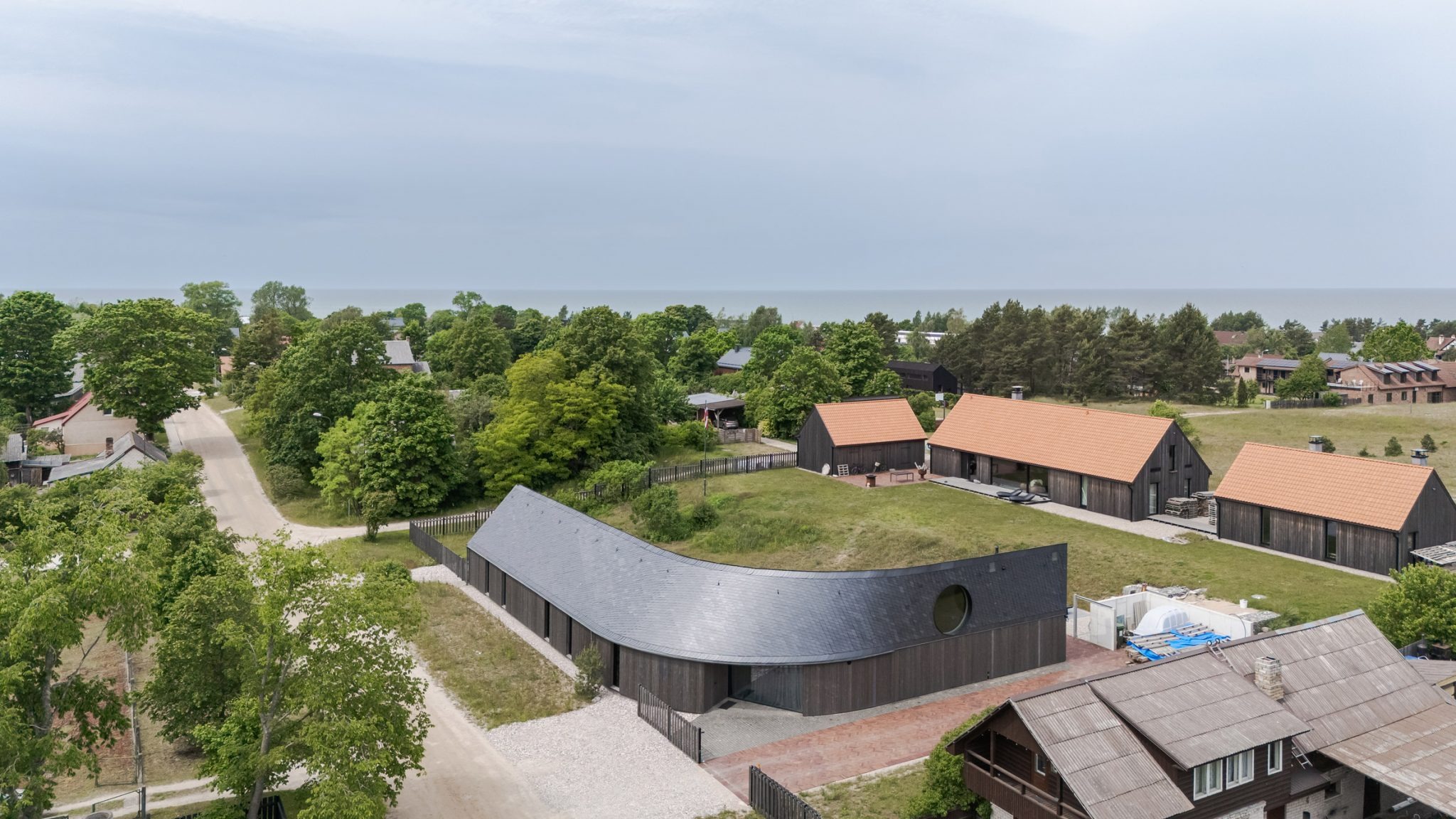
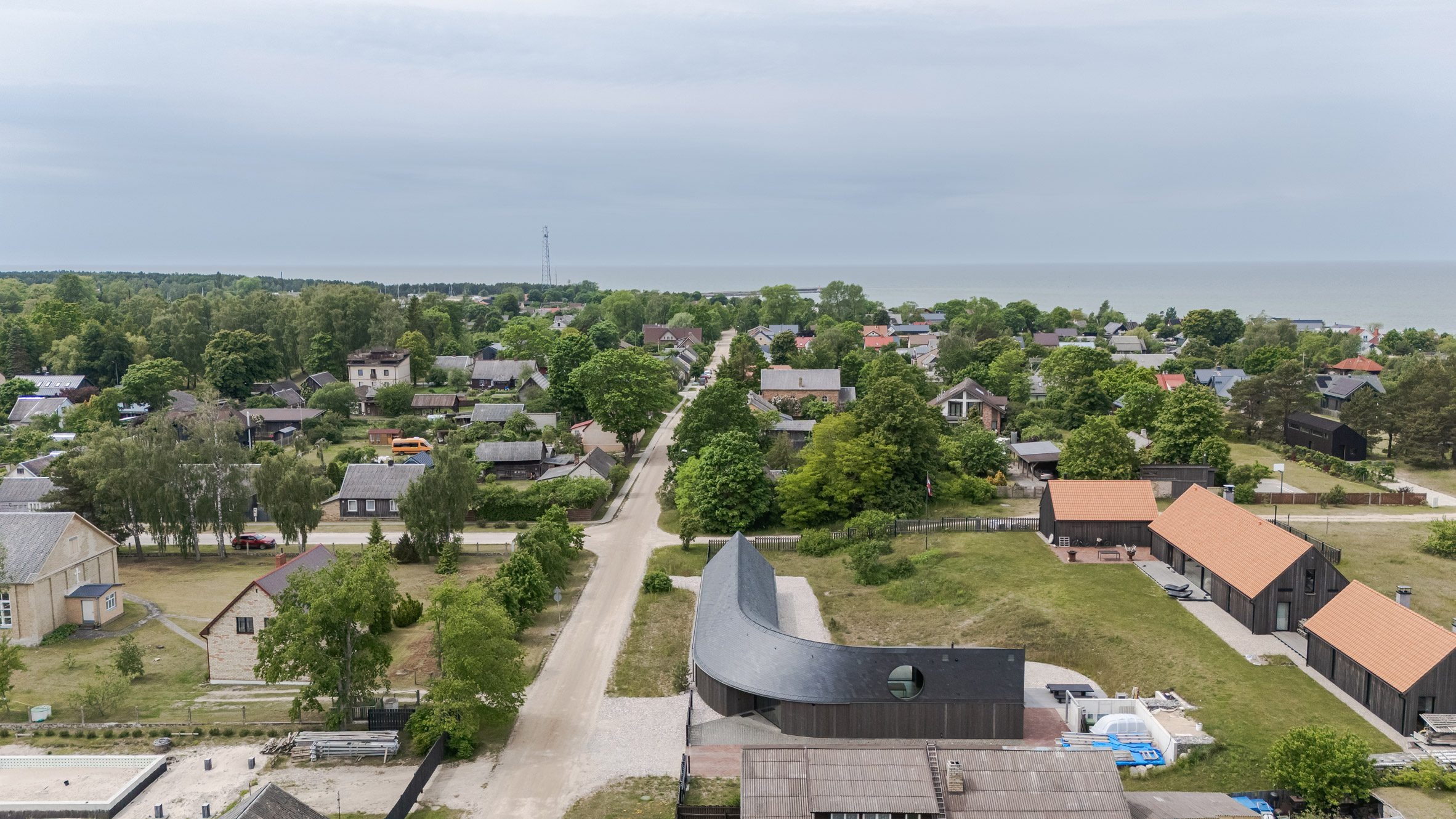
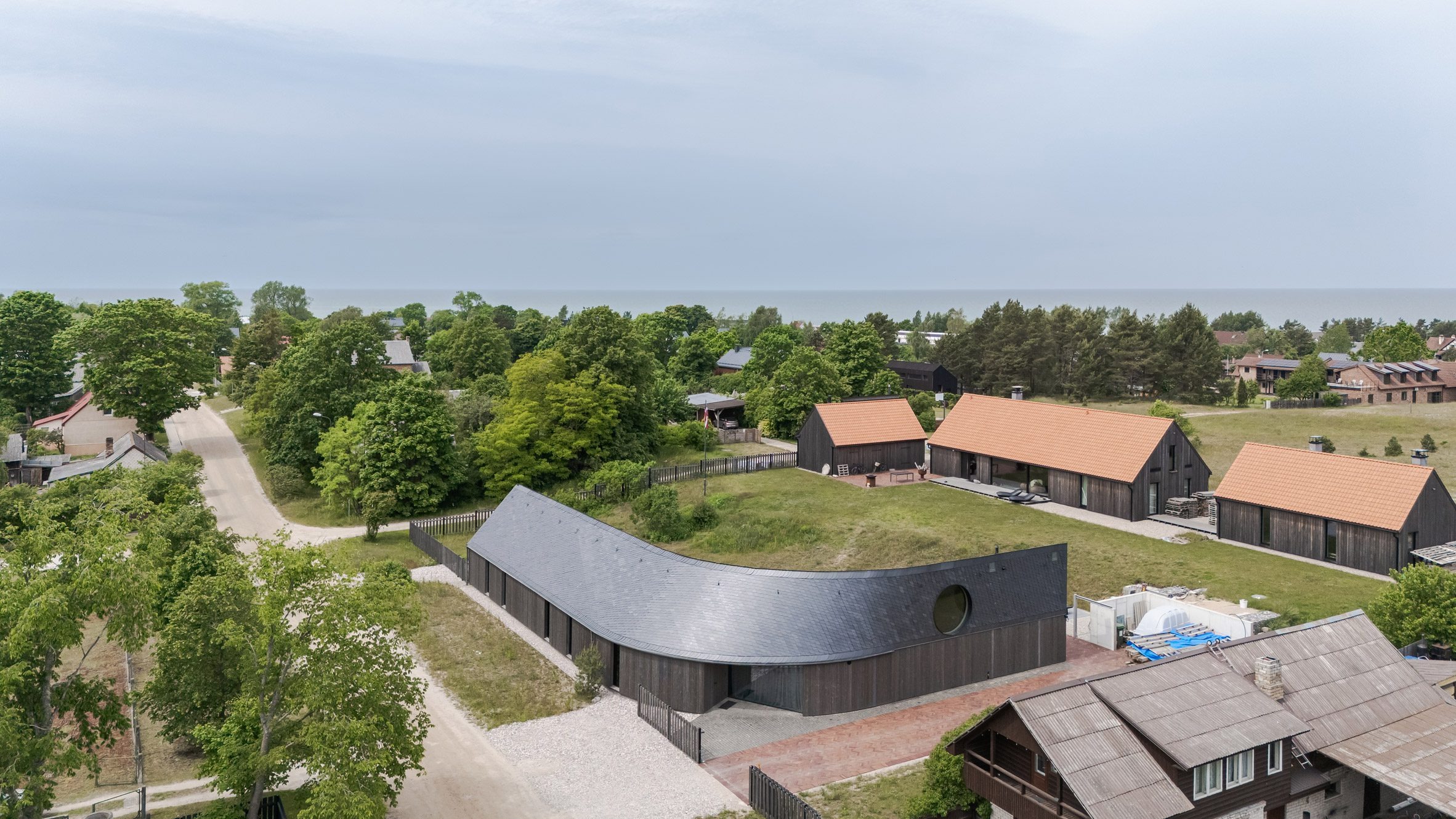
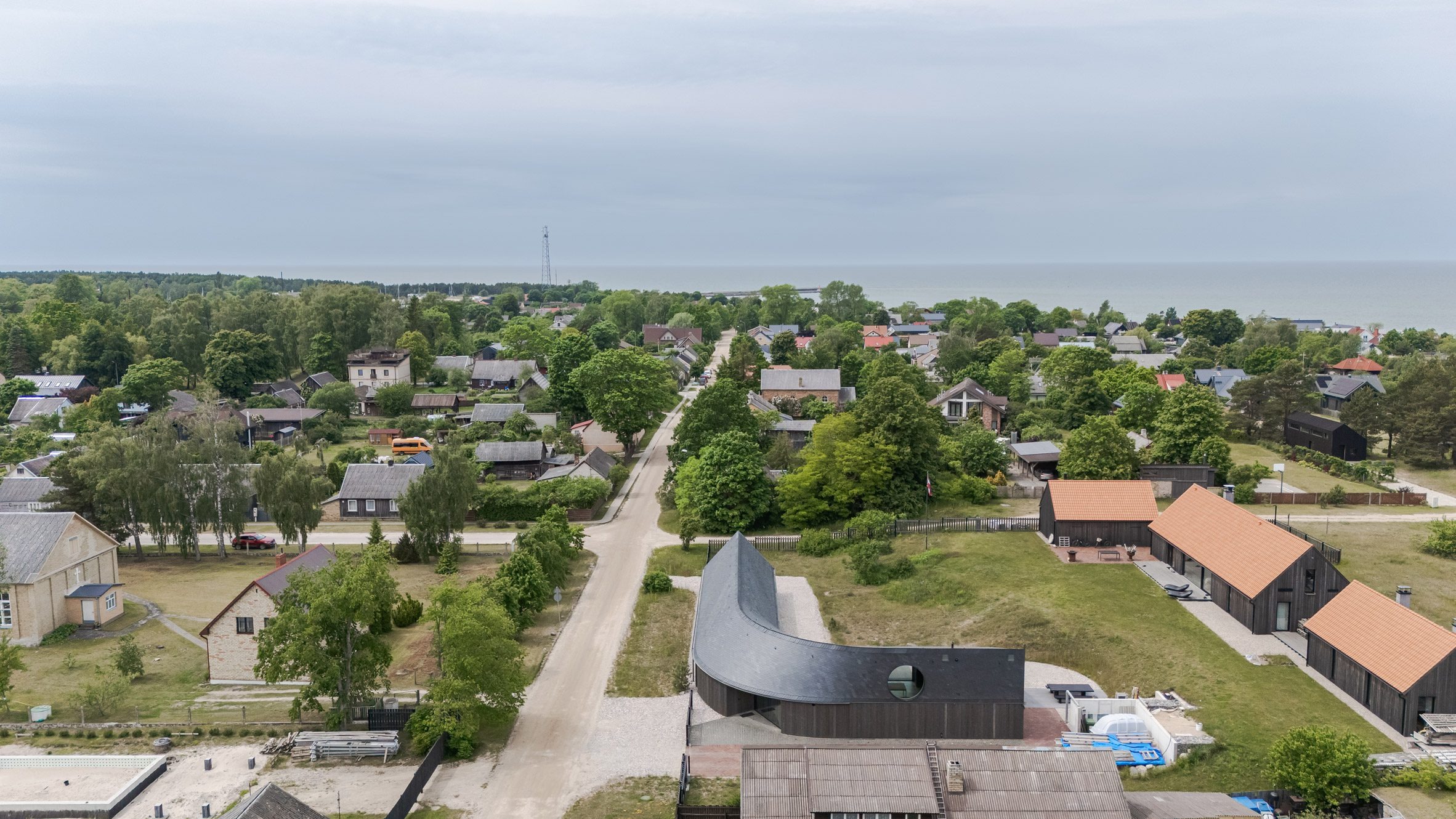
라트비아 서부 해안의 작은 마을 Pāvilosta. 거친 바다와 오랜 전통이 공존하는 이곳에, 로컬 건축 스튜디오 Made가 설계한 별채 한 채가 들판 위에 자리한다. The Pāvilosta House라 이름 붙은 이 300제곱미터 규모의 건물은 본채 건축주가 대형 모임 공간과 게스트룸을 위해 본채 맞은편에 의뢰한 프로젝트다.
건축주는 건물이 해안 환경의 감각을 담아내길 원했다. Made는 이 요구를 이 마을의 전통적인 barn 형태에 미묘한 곡선과 비틀림을 더하는 방식으로 응답했다. 이 곡선은 해풍이 빚어낸 모래언덕을 닮았다.
Made의 파트너 Linda Krūmiņa는 "Pāvilosta는 거친 바다가 역사적 마을 구조, 그리고 오래 이어져 온 전통과 만나는 독특한 장소"라며 "우리는 새로운 건축이 기존 건물의 스케일을 존중하면서도, 바다와 바람, 모래언덕과 파도의 감각을 담아내려는 건축주의 비전에 응답해야 한다고 느꼈다"고 설명했다. 그는 "바람과 물이 Pāvilosta의 모래언덕을 끊임없이 빚고 변화시키듯, 이 건물의 형태 역시 그렇게 만들어진 것처럼 보이길 바랐다"고 덧붙였다.
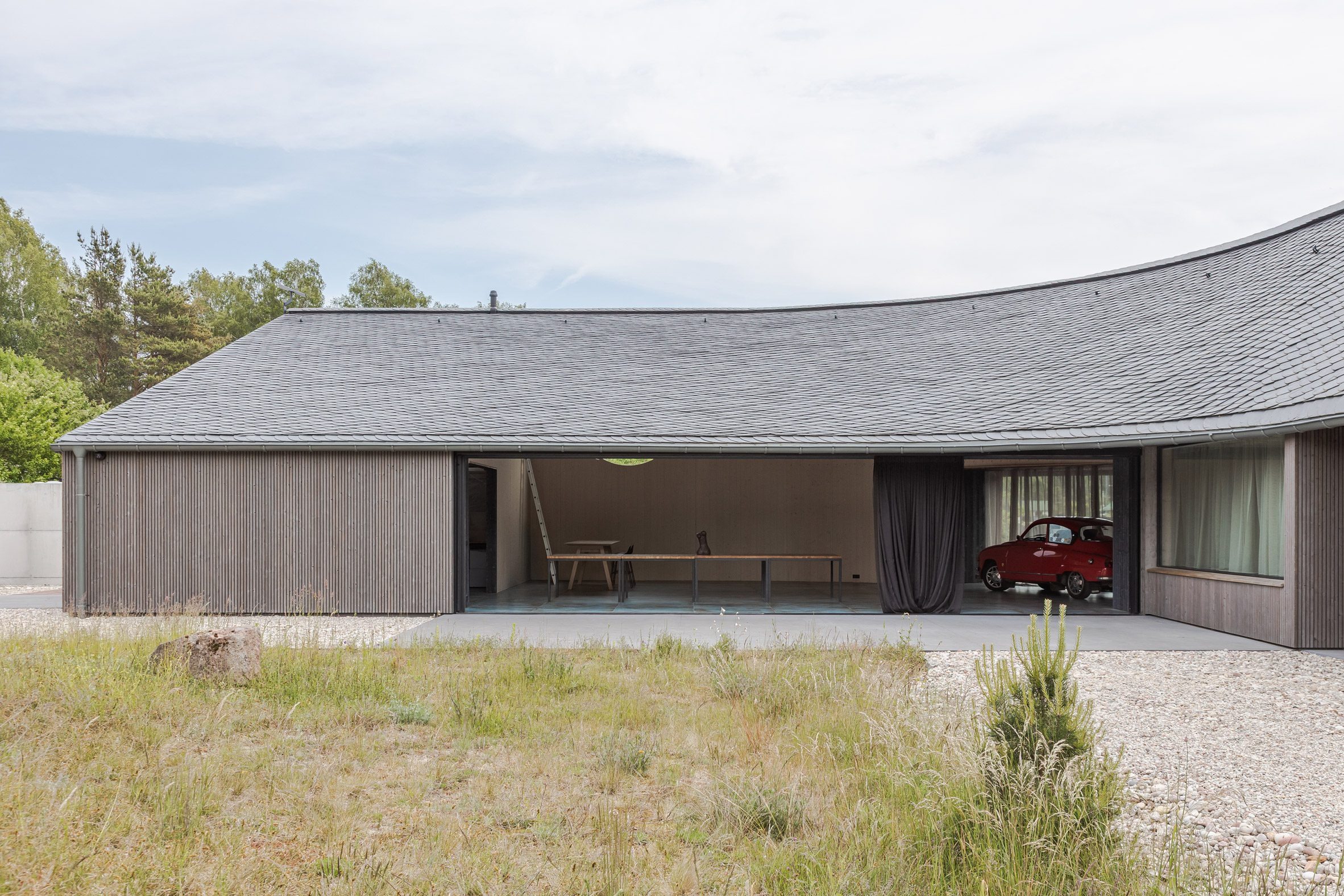
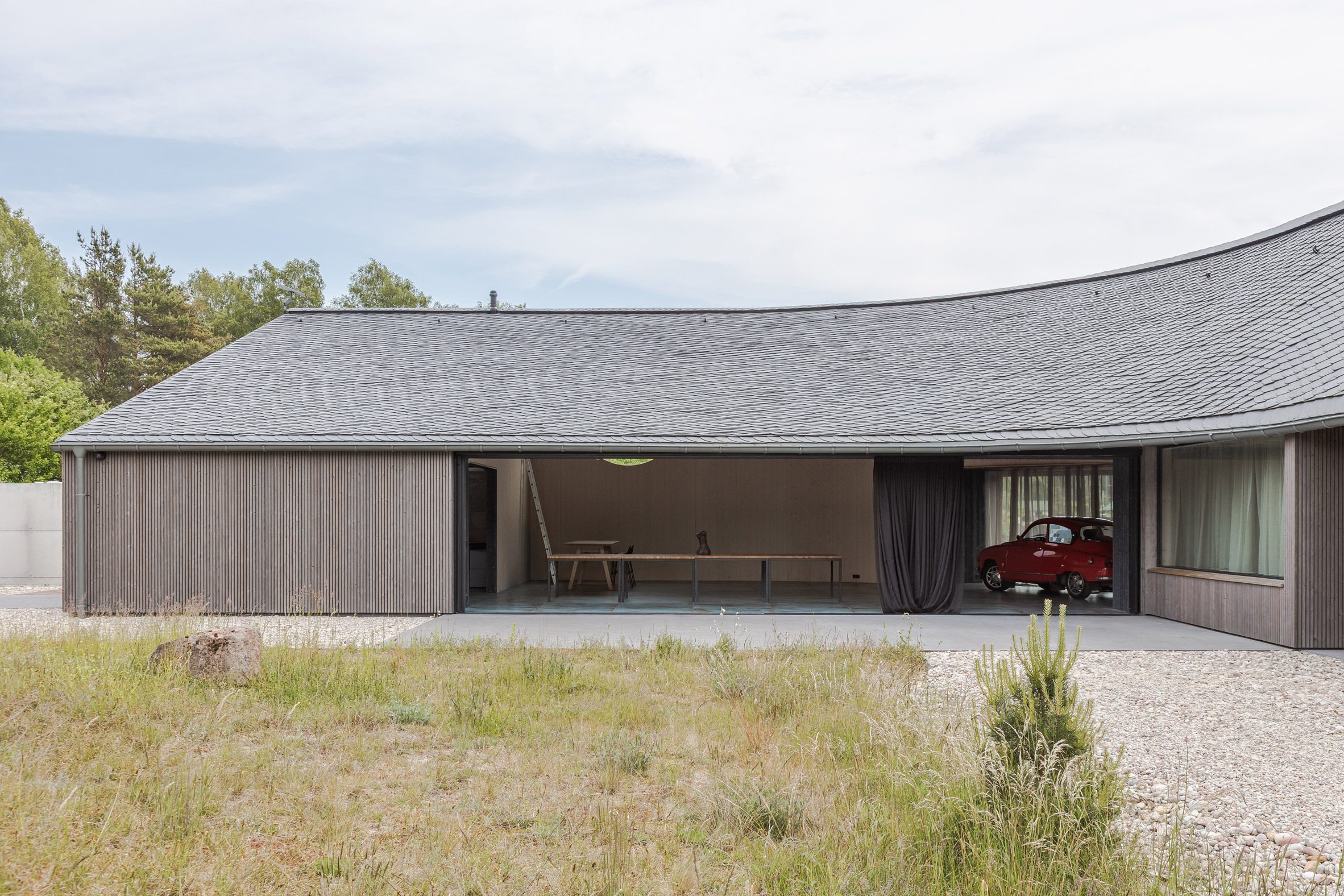
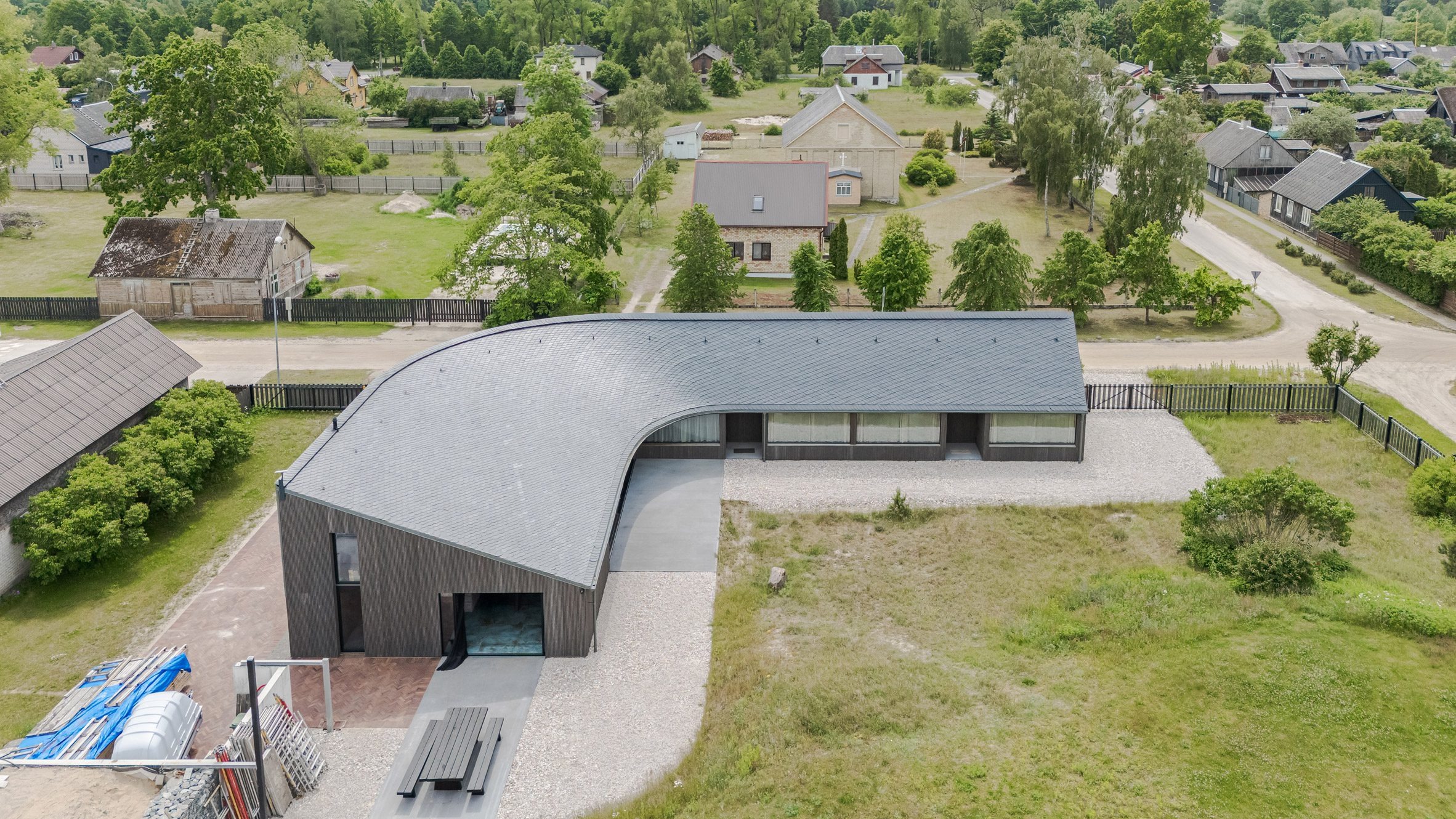
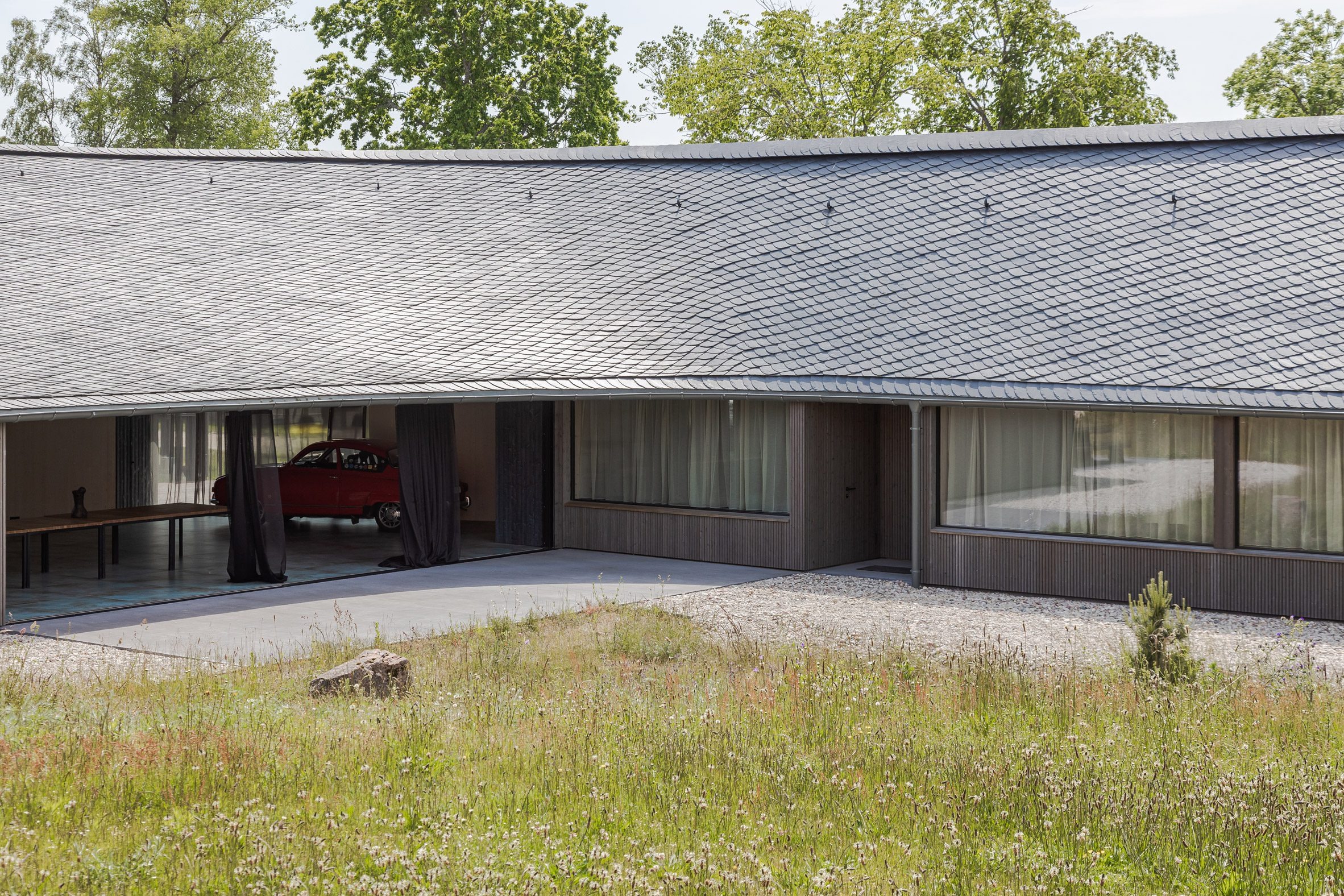
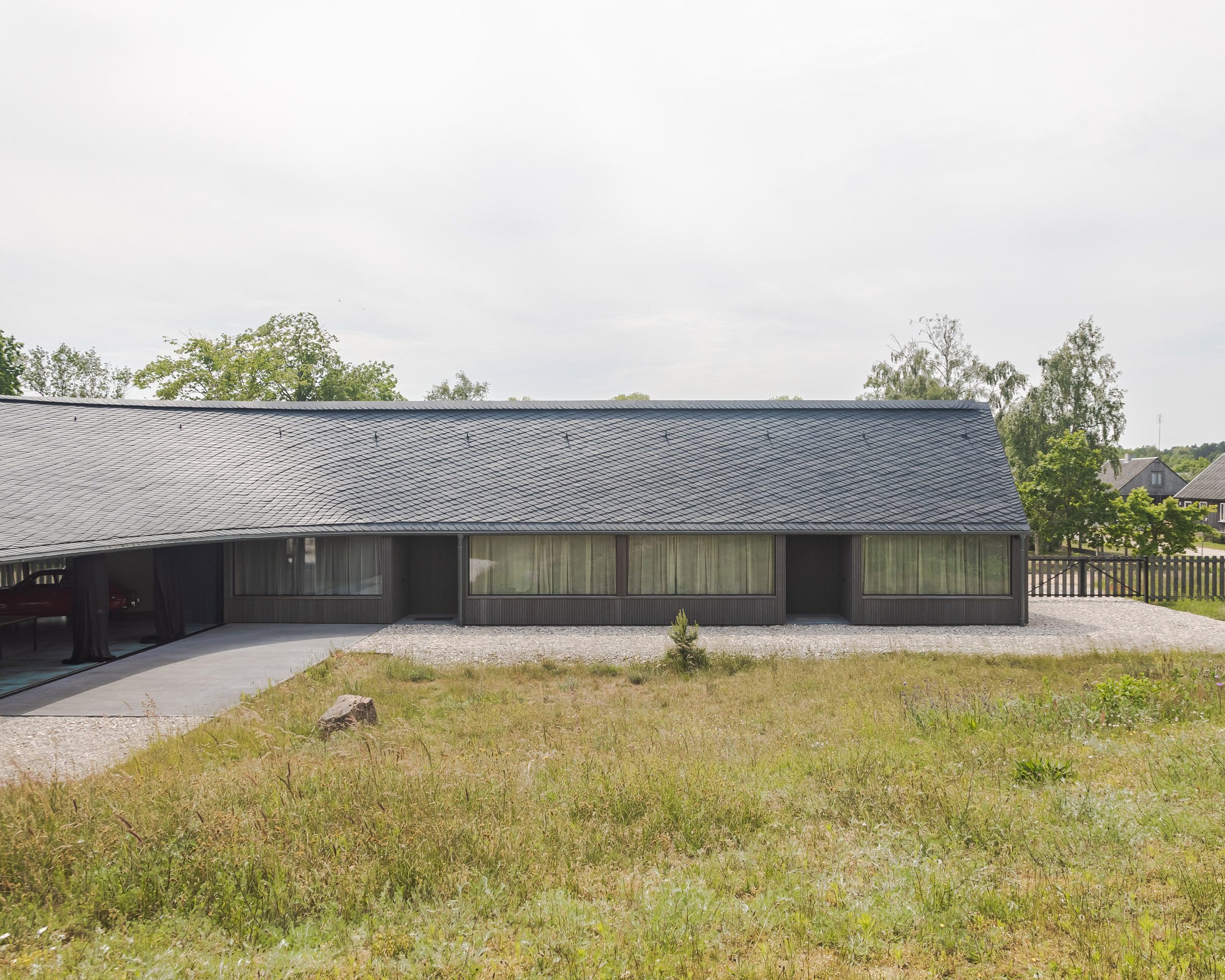
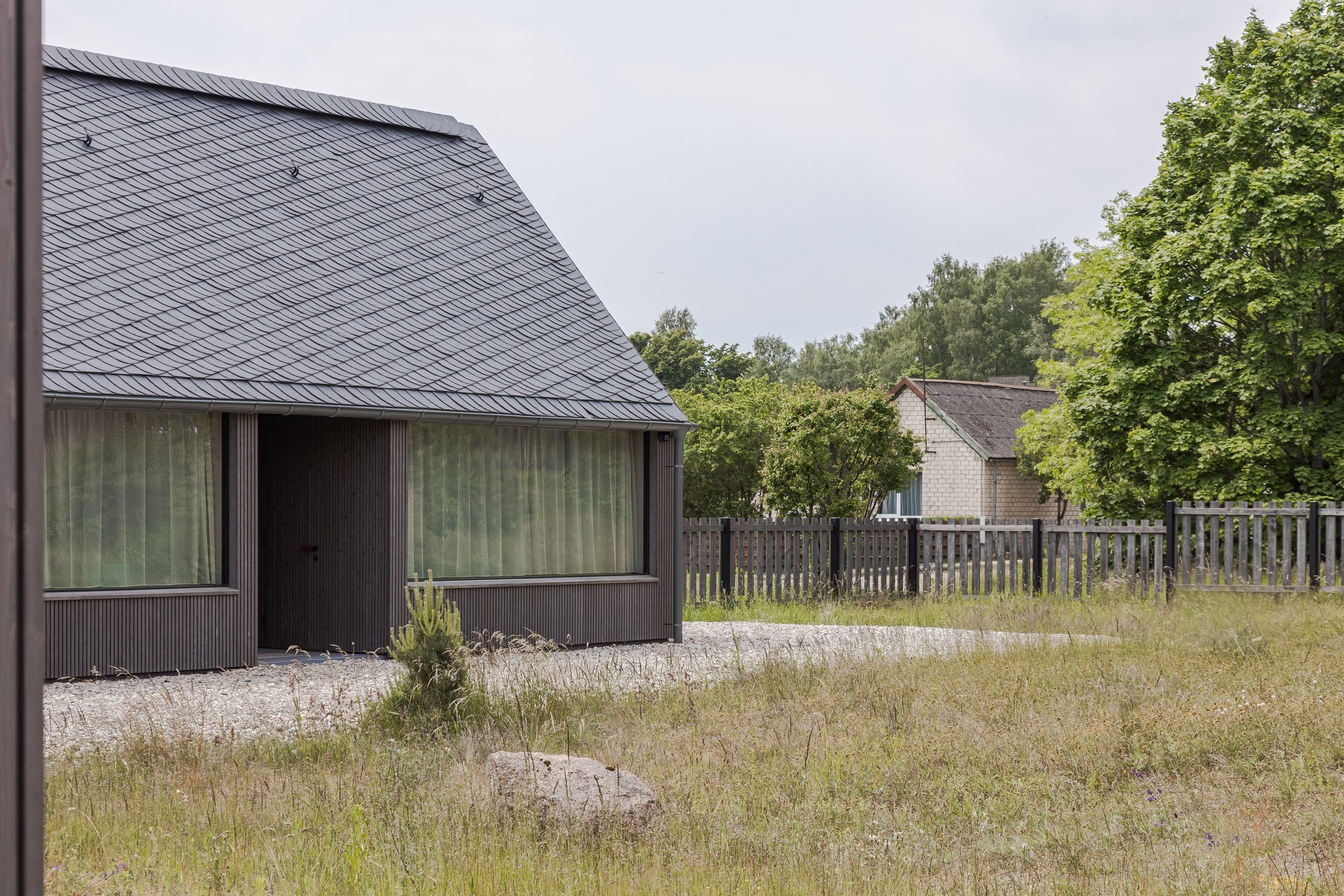
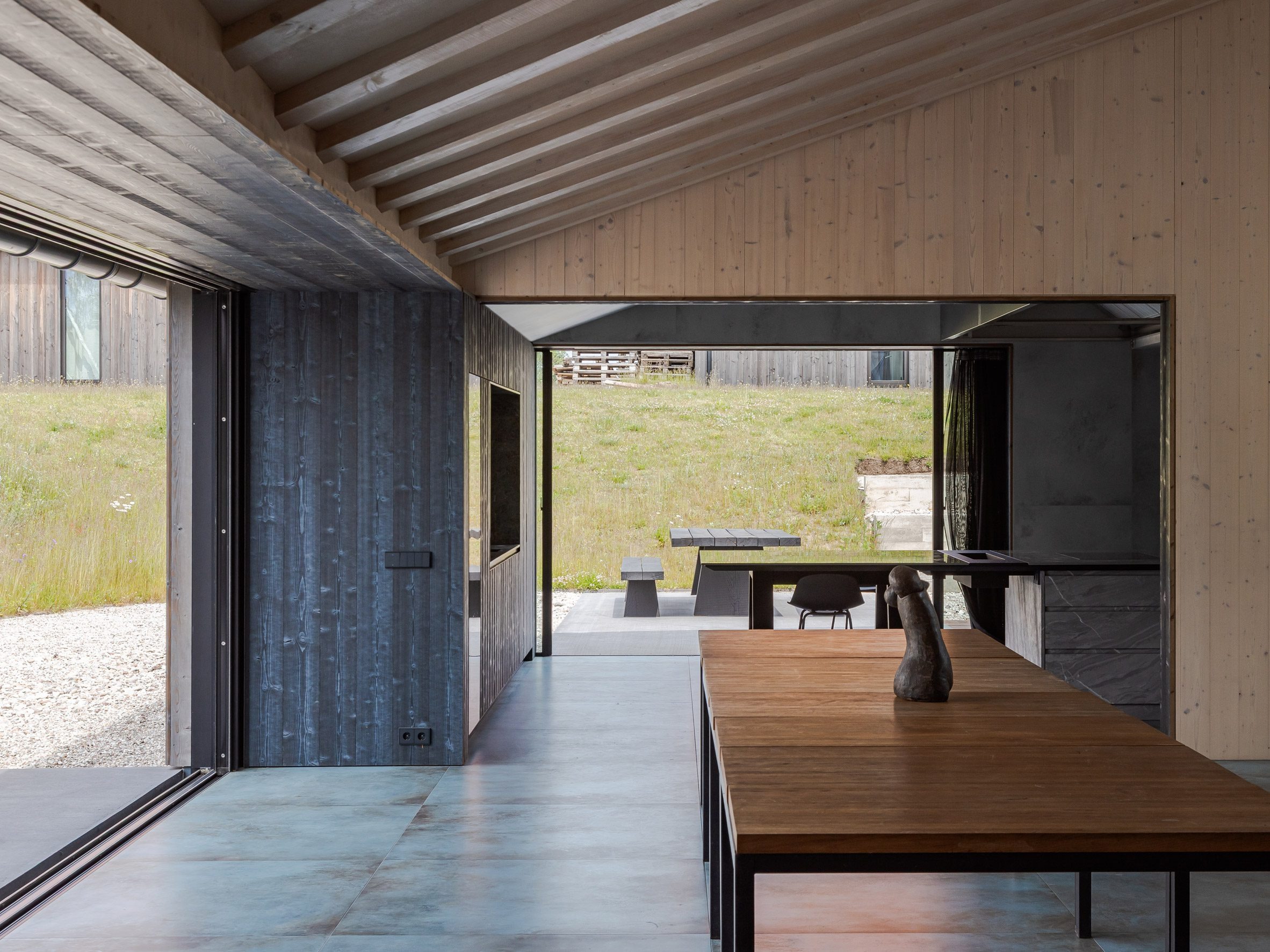
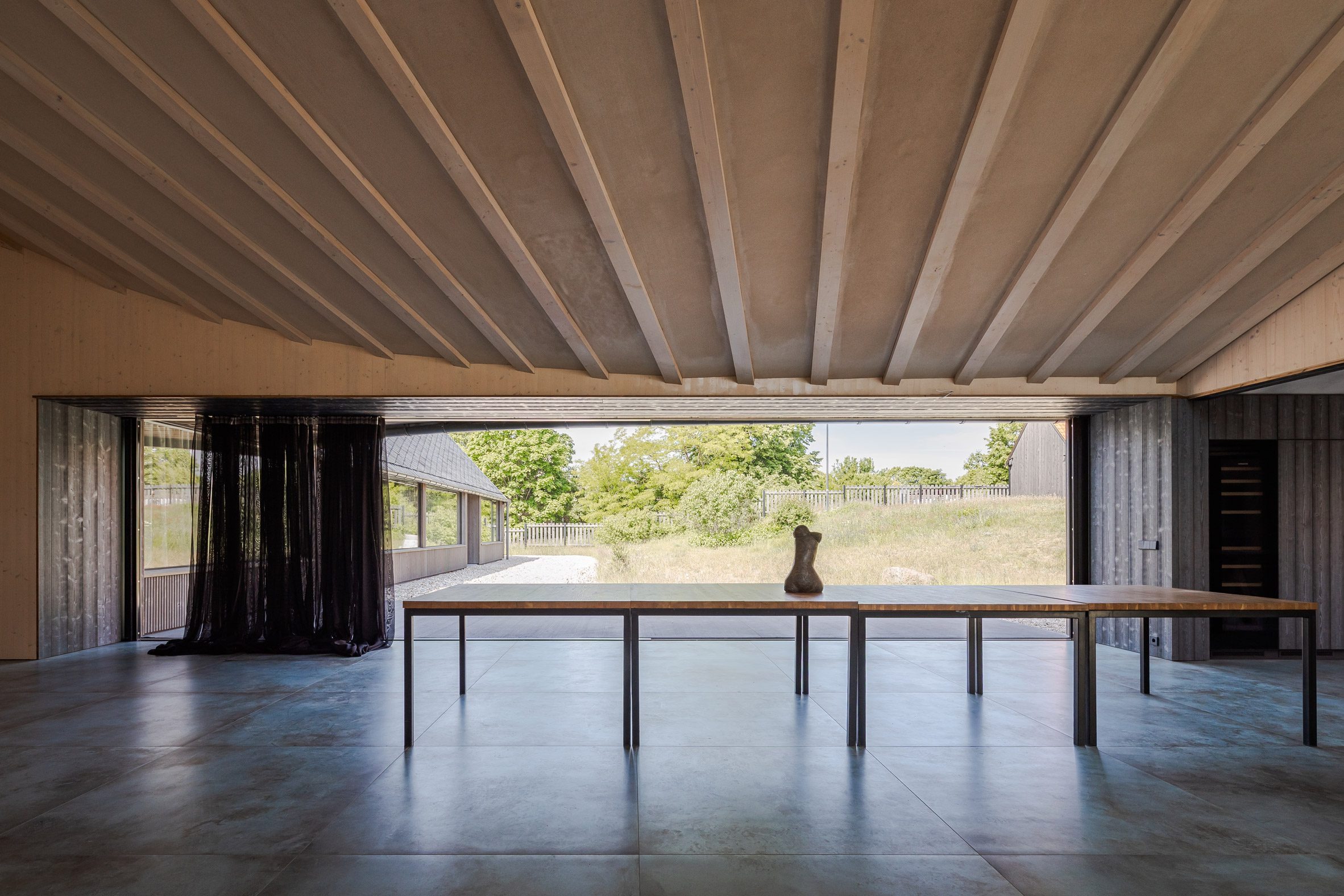
The Pāvilosta House의 형태는 서쪽의 좁은 게이블 볼륨에서 시작한다. 대지 모서리를 따라 곡선을 그리며 북쪽으로 펼쳐지고, 더 넓은 외쪽 경사 지붕으로 이어진다. 서쪽 끝에는 네 개의 게스트룸이 자리하고, 건물 중앙의 곡선부에는 넓은 거실, 다이닝, 주방이 펼쳐진다. 통창형 미닫이문은 본채와 이 별채 사이 정원으로 활짝 열린다.
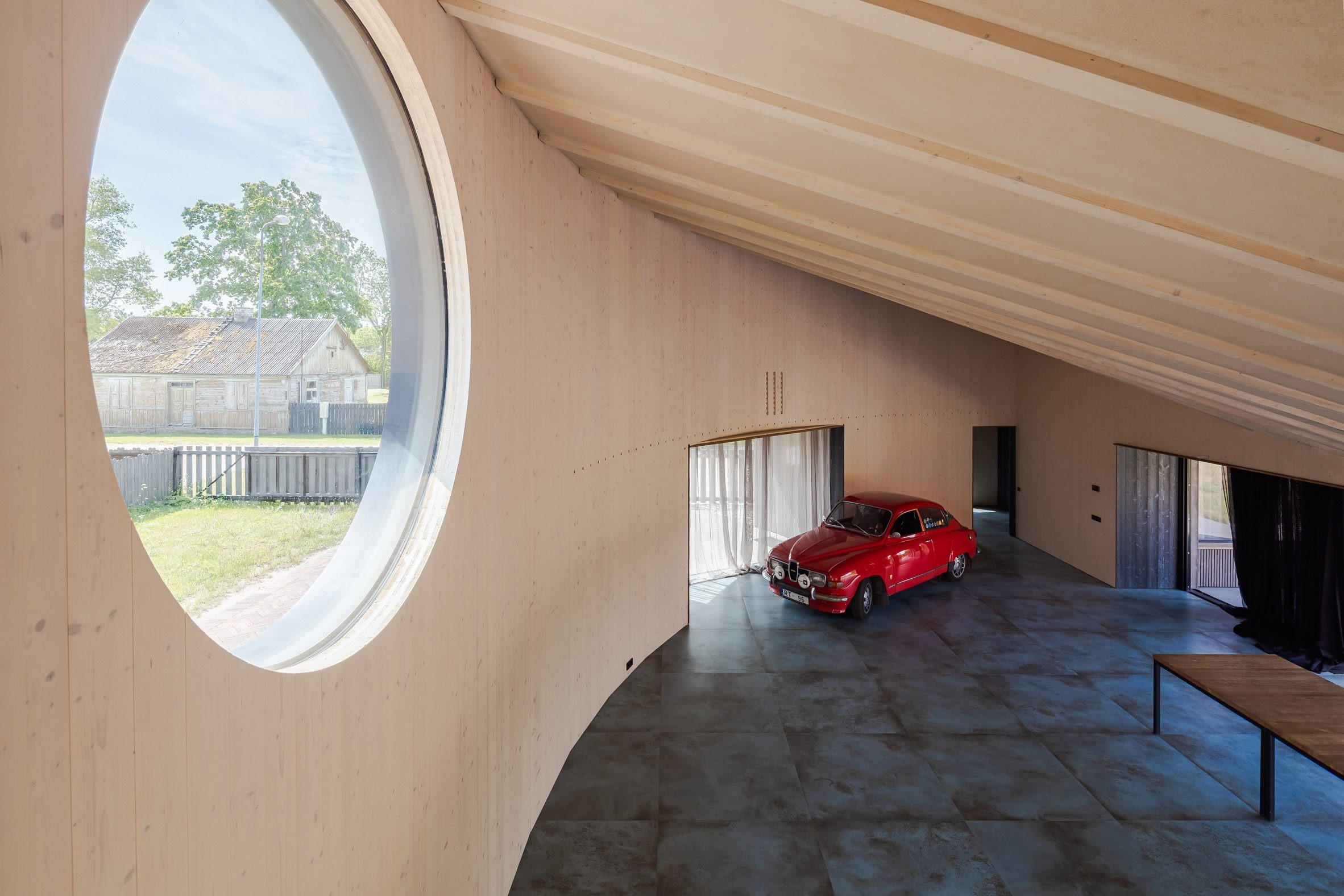
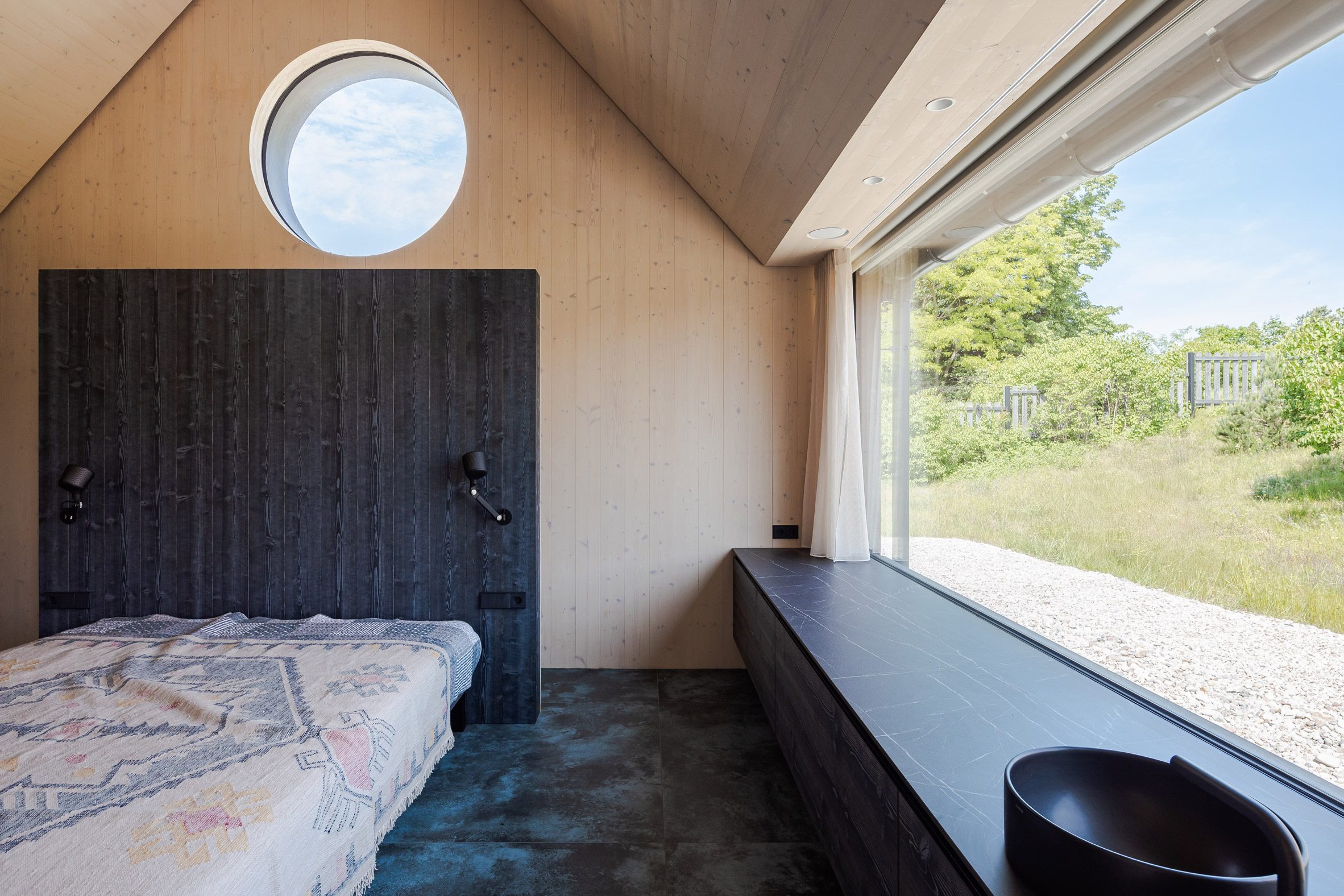
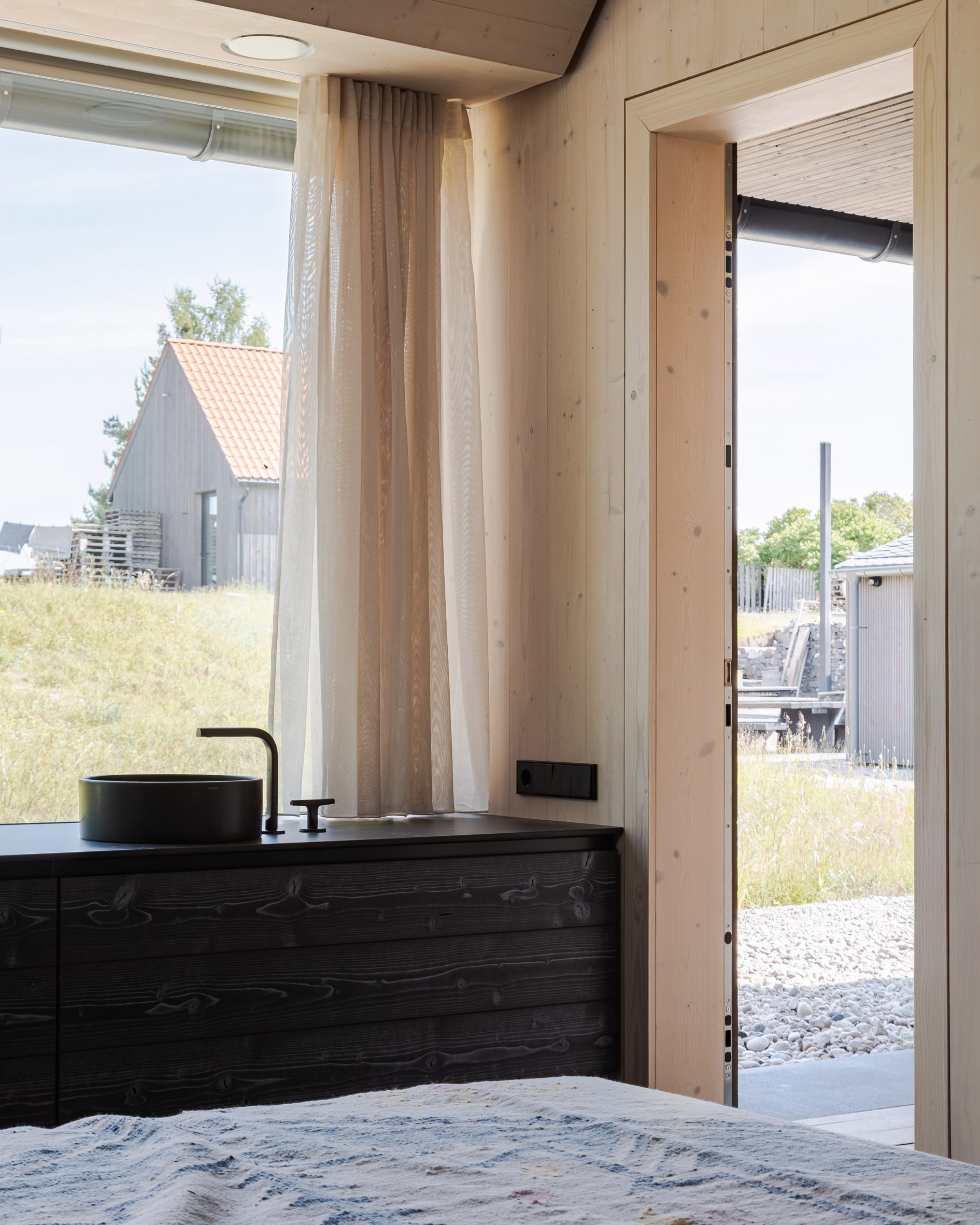
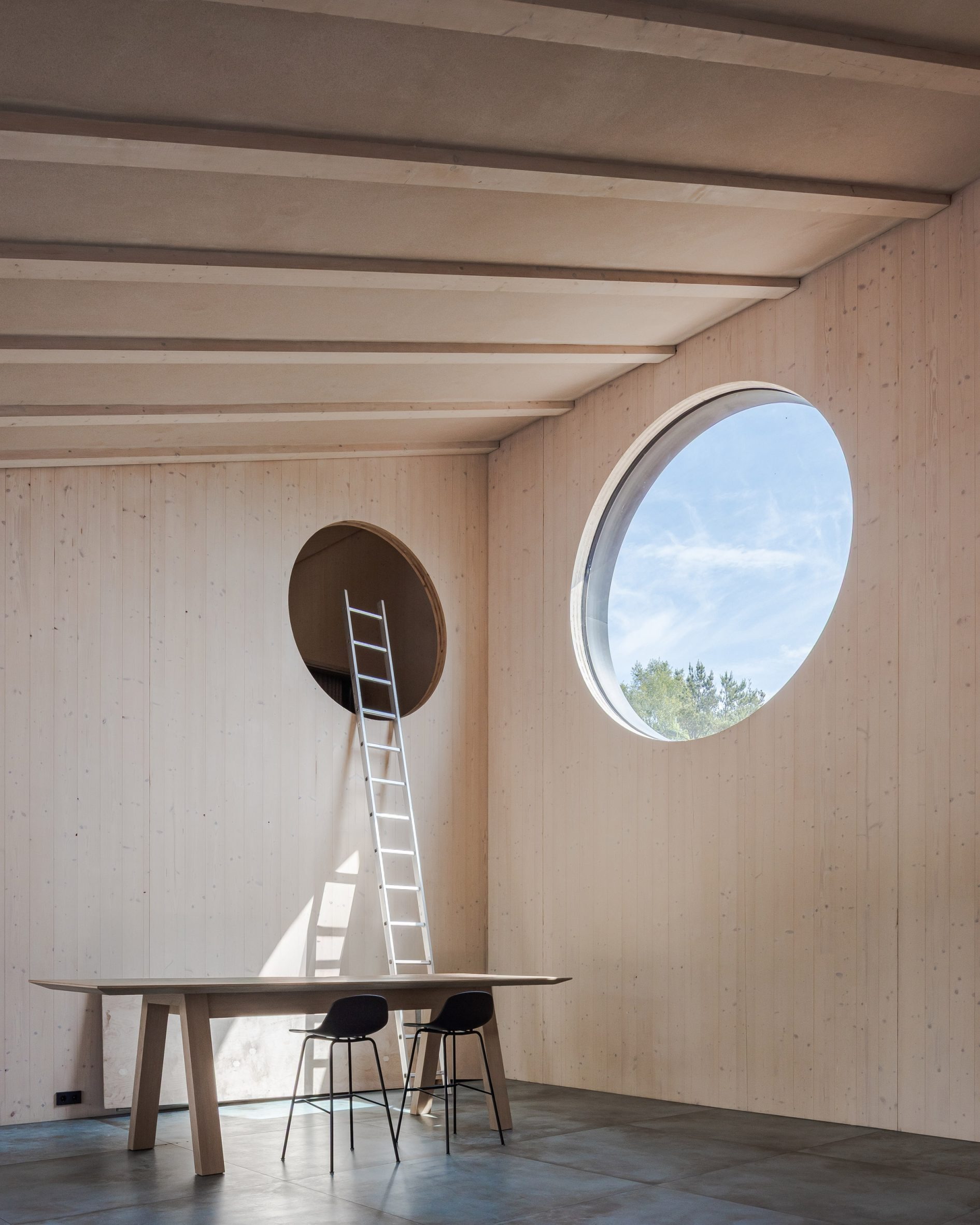
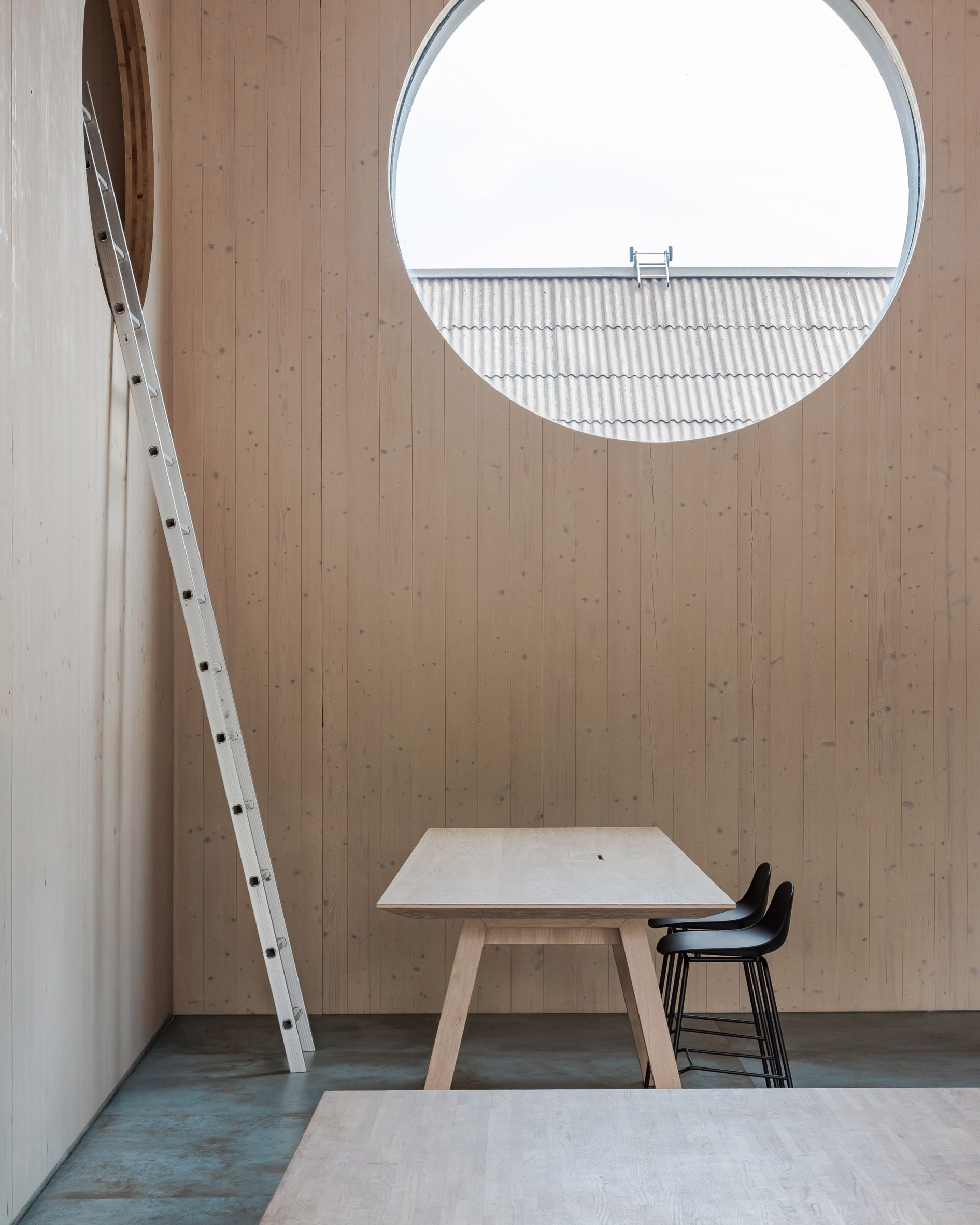
콘크리트 기초 위에 자리한 이 건물은 집성목 구조와 직교집성판(교차 적층한 목재 패널)으로 구성했다. 내부 전체에 노출된 목재는 공간의 성격을 이끌며 변화하는 형태를 강조한다. 내부의 연한 노출 목재는 주방과 침실의 탄화목 표면, 그리고 어두운 석재 바닥과 대비를 이룬다.
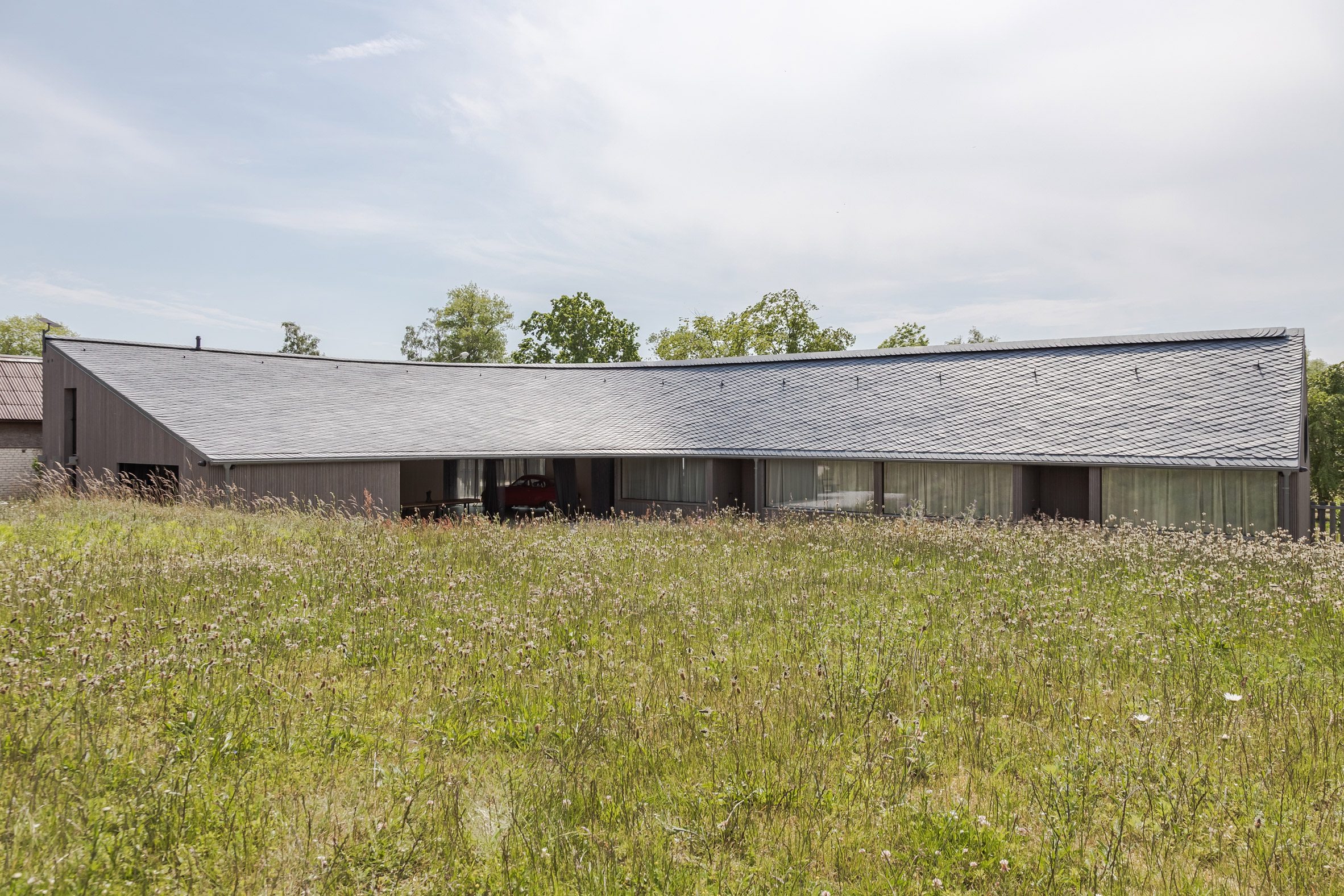
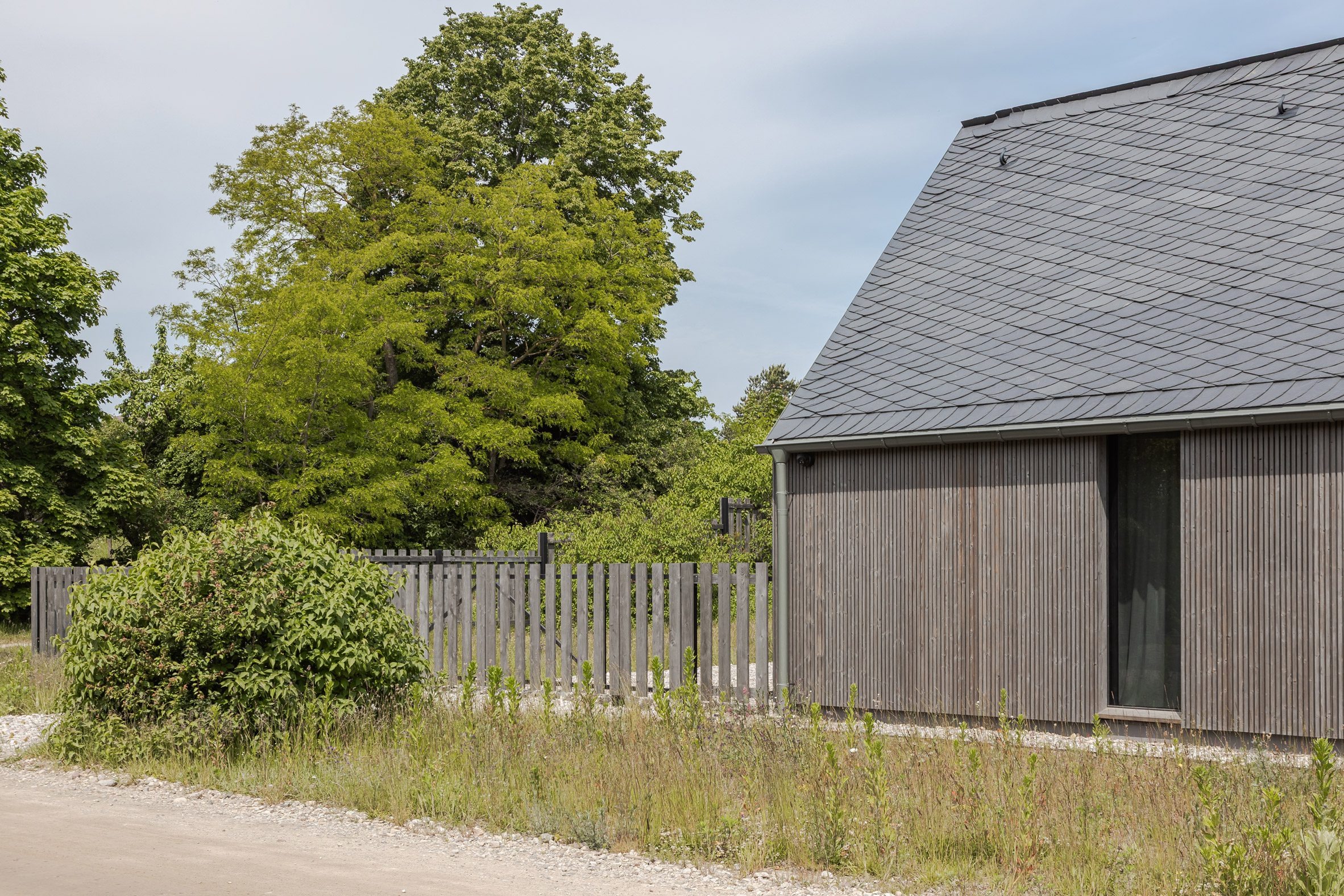
외부는 좁은 목재 판자로 마감했으며, 비틀린 지붕 전체는 천연 슬레이트 기와로 덮었다. 이 재료를 선택한 이유는 햇빛을 반사하며 지붕의 '비틀림'을 드러내기 때문이다.
Krūmiņa는 "올바른 움직임을 포착하기 위해 수많은 시뮬레이션을 거쳤다. 대지와 맥락, 그리고 프로그램과 공명하는 형태를 찾아야 했다"고 말했다. 그는 "이 비틀림은 바라보는 각도와 빛에 따라 끊임없이 달라지며, 이렇게 비틀린 형태가 얼마나 감각적으로 풍요로울 수 있는지 계속해서 일깨운다"고 덧붙였다.
Write by Claude & Jean Browwn





A curving slate roof intended to evoke a sand dune tops The Pāvilosta House, an annexe to a home on Latvia's western coast by local architecture studio Made.
Named The Pāvilosta House after the town in which it is located, the 300-square metre annexe is designed for the owner of the home opposite, who desired a larger gathering space and additional guest bedrooms.
The client's wish for the home to evoke its coastal setting informed Made's design, which took the barn like volume of the town's typical dwellings and introduced subtle curves and twists, mimicking the area's sand dunes shaped by coastal winds.
"Pāvilosta, a coastal town in Latvia, is a unique place where the wild sea meets the historic town structure and its long-established traditions," said Made partner Linda Krūmiņa.
"We felt strongly that any new architecture should respect the scale of the existing buildings, while at the same time responding to the client’s vision to incorporate the feeling of the sea, wind, dunes, and waves," Krūmiņa told Dezeen.
"It would seem that wind and water have shaped the geometry of the house, just as they eternally shape and transform the Pāvilosta dunes."
The form of The Pāvilosta House begins as a narrower, gabled volume to the west, which curves around the corner of the plot to form a wider, curved mono-pitched volume to the north.
Positioned on concrete foundations, the annexe was constructed from a glue laminated timber (glulam) frame infilled with panels of cross-laminated timber (CLT), which has been left exposed throughout to define the interiors and emphasise its changing geometry.
Four guest bedrooms occupy the annexe's narrower end, while the large living, dining and kitchen space is positioned within its curved centre, with full height sliding glass doors opening onto a garden that separates it from the original home.
The pale, exposed timber interior is contrasted by charred and black timber surfaces in the kitchen and bedrooms, as well as by dark stone floors.
On its exterior, The Pāvilosta House has been clad with narrow timber planks, with the curving roof clad entirely in natural slate shingles. These were chosen for the way they reflect the sunlight as it "twists".
"There were countless modelling iterations to capture the right movement one that resonated with the site, context, and program," Krūmiņa said.
"This twist constantly changes when viewed from different angles and in different light, continuously reminding us how emotionally rich such a twisted geometry can be," she added.
from dezeen