"건축은 과거를 보존하는 것이 아니라, 과거가 현재와 대화하도록 만드는 일이다." - 카를로 스카르파

 |
 |
 |
루마니아 Cluj-Napoca의 Laboratorium
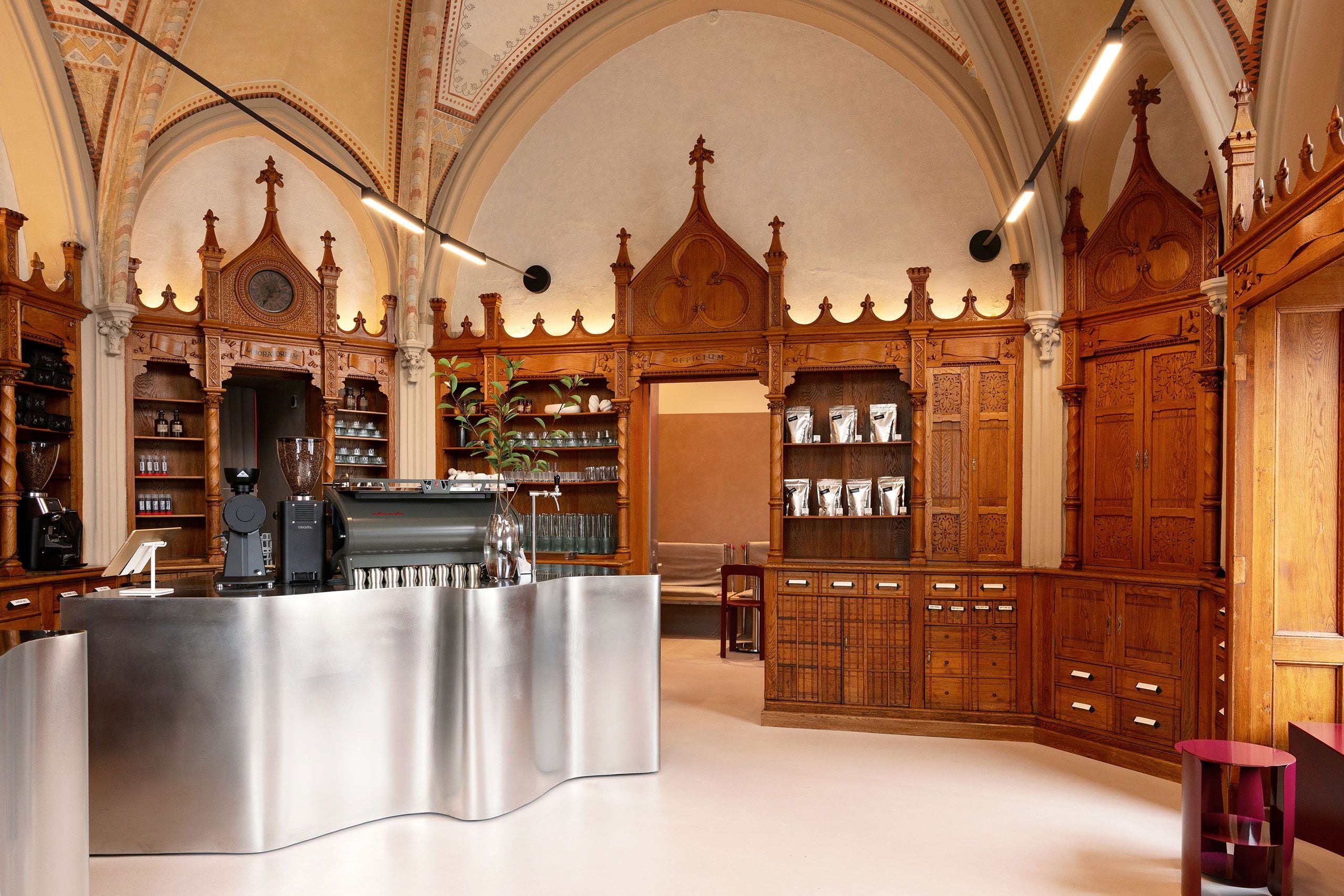
루마니아 제2의 도시 Cluj-Napoca의 역사적 중심부에 자리한 Laboratorium은 과거와 현재가 어떻게 대화할 수 있는지를 보여주는 설득력 있는 사례다. 1893년 완공된 네오고딕 양식의 Széki Palace 1층에 자리한 이곳은, 한때 이 도시에서 가장 유명했던 약국을 스페셜티 커피숍으로 되살린 프로젝트다. 지역의 건축사무소 EktraArhitectura와 Fain Design이 이끈 이 리노베이션은 문화재 건축의 내부 공간을 현대적 용도로 어떻게 재활성화할 수 있는지 보여준다. 역사적 요소를 모방하거나 압도하지 않으면서 절제된 현대적 개입을 통해 공간은 박물관처럼 굳어지지 않고 다시 살아 숨 쉬는 장소가 되었다.
문화재로 지정된 Széki Palace는 Cluj-Napoca에서 가장 중요한 건축물 중 하나로 꼽힌다. 헝가리의 영향력 있는 건축가 Pecz Samu가 설계하고 1893년 완공한 이 네오고딕 건물은, 당대 가장 저명한 약사 중 한 명이었던 Miklós Széki의 의뢰로 지어졌다. Széki는 자신의 약국을 건물 1층으로 이전하고, 위층 아파트에 거주했다. 원래 Matia Corvin Pharmacy라는 이름으로 문을 연 이곳은 판매 공간이자 생산 시설로 구상했다. 조제실과 저장 공간은 지하에 자리했다. 수십 년에 걸쳐 이름과 소유주가 바뀌었지만, 이 약국은 도시의 상업적·문화적 중심지로 기능하며 원래의 내부 구조를 대부분 보존했다.
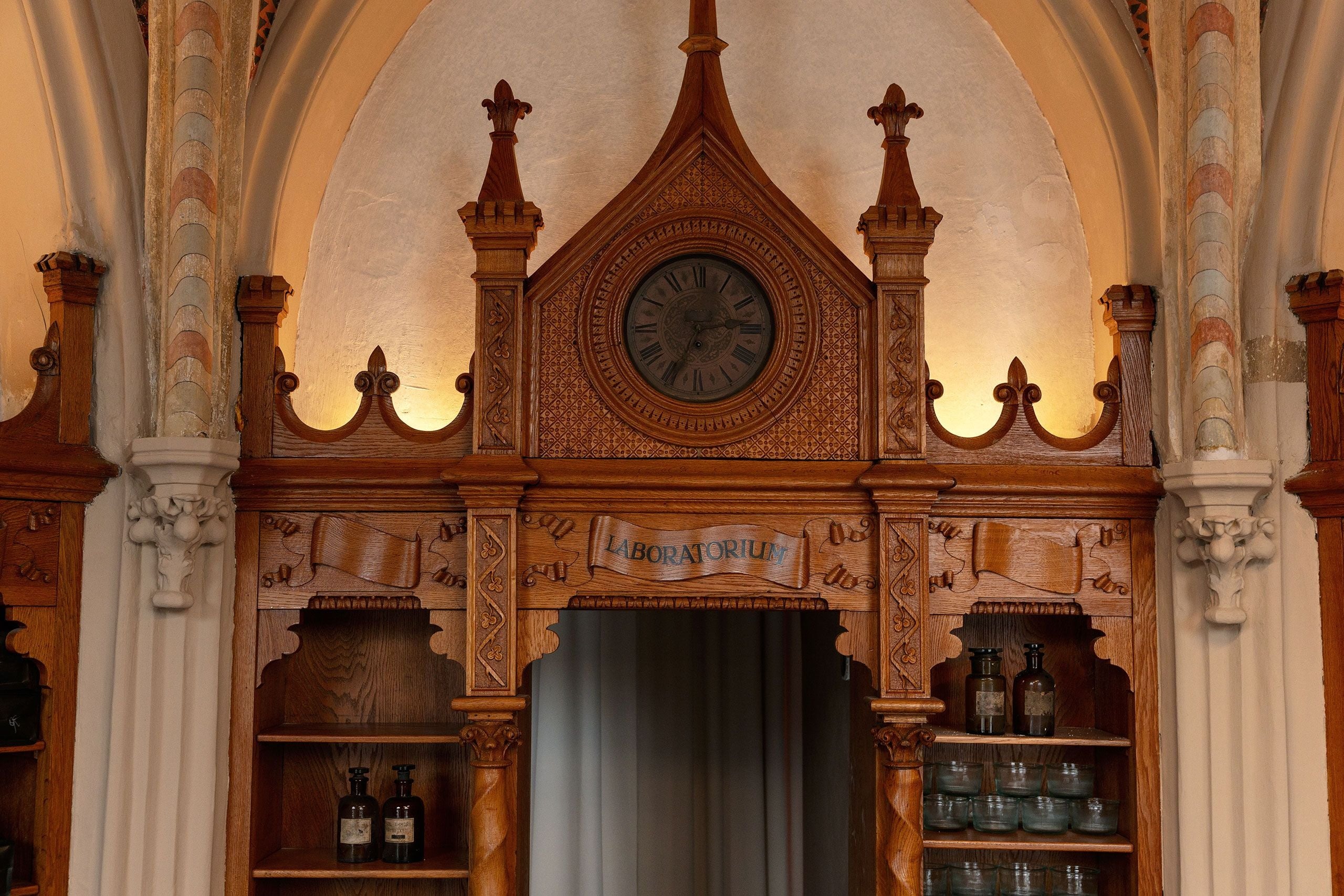
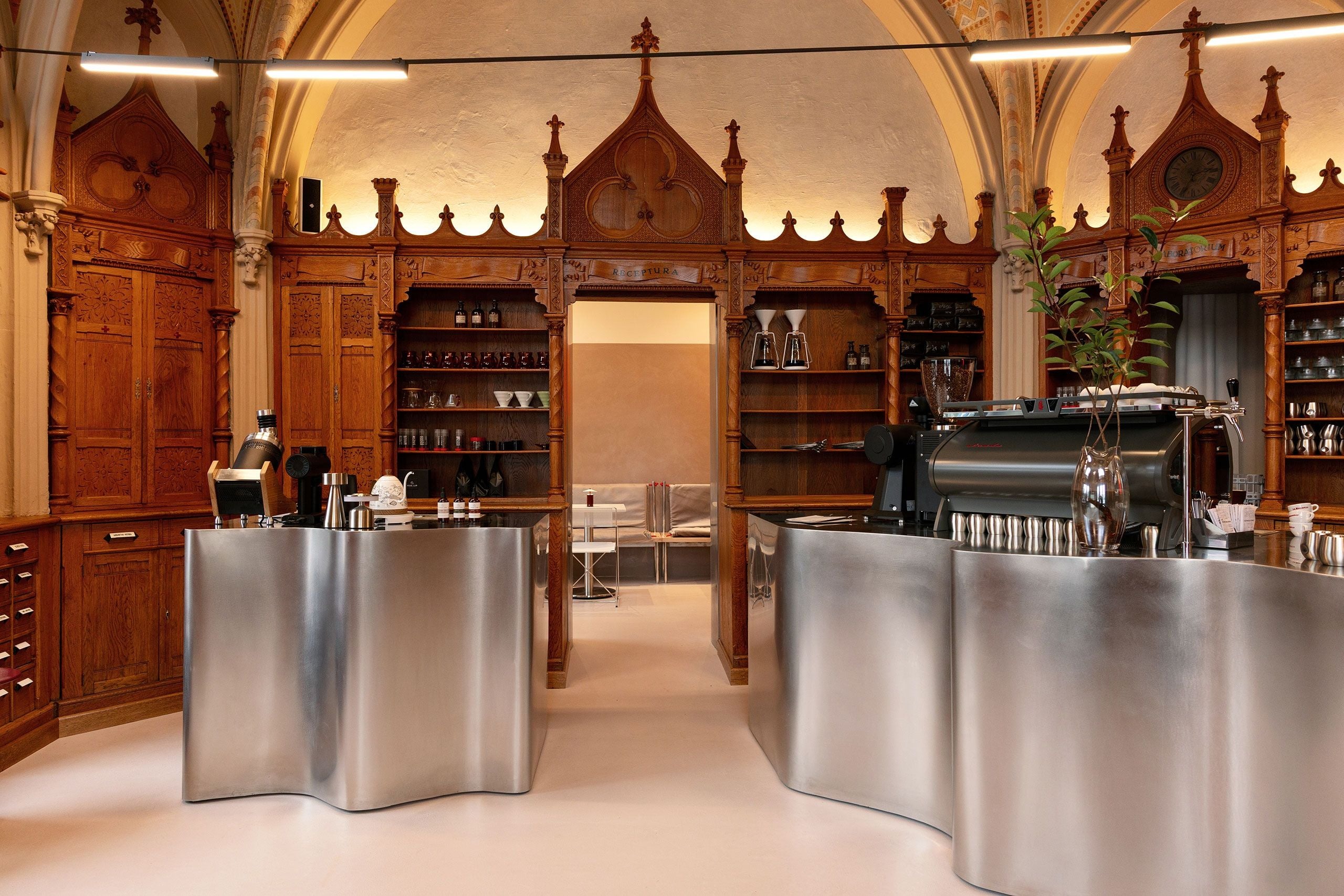
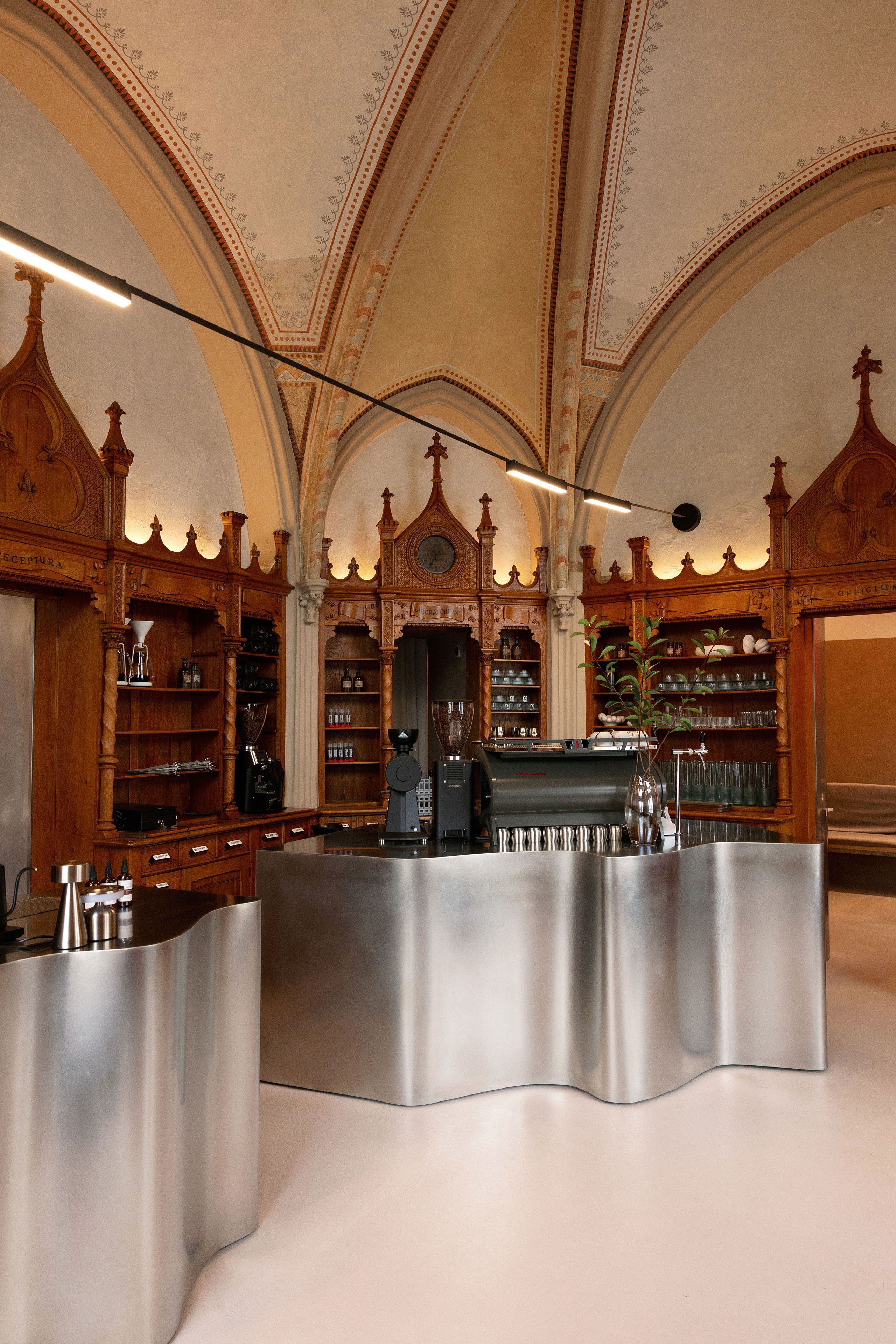
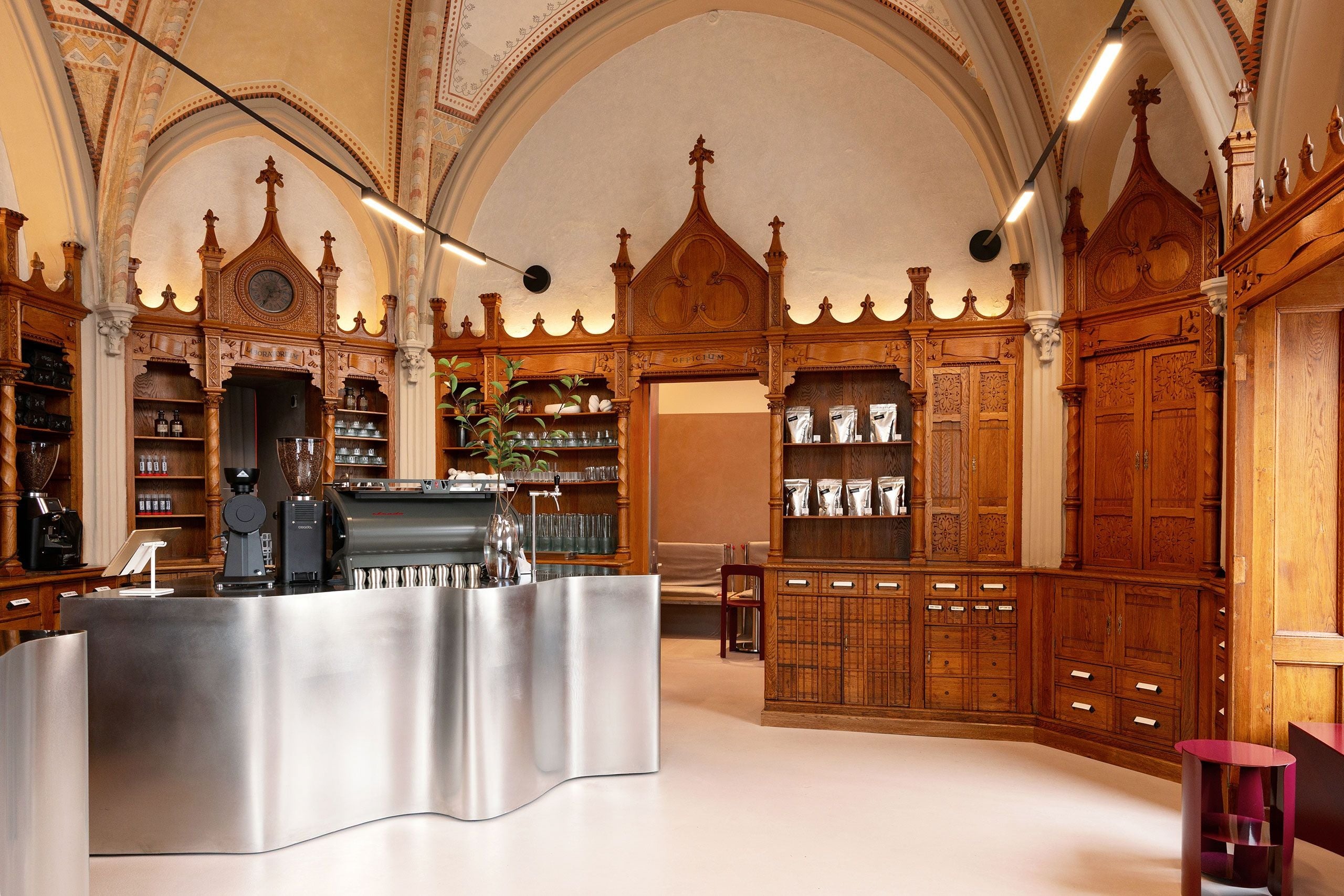
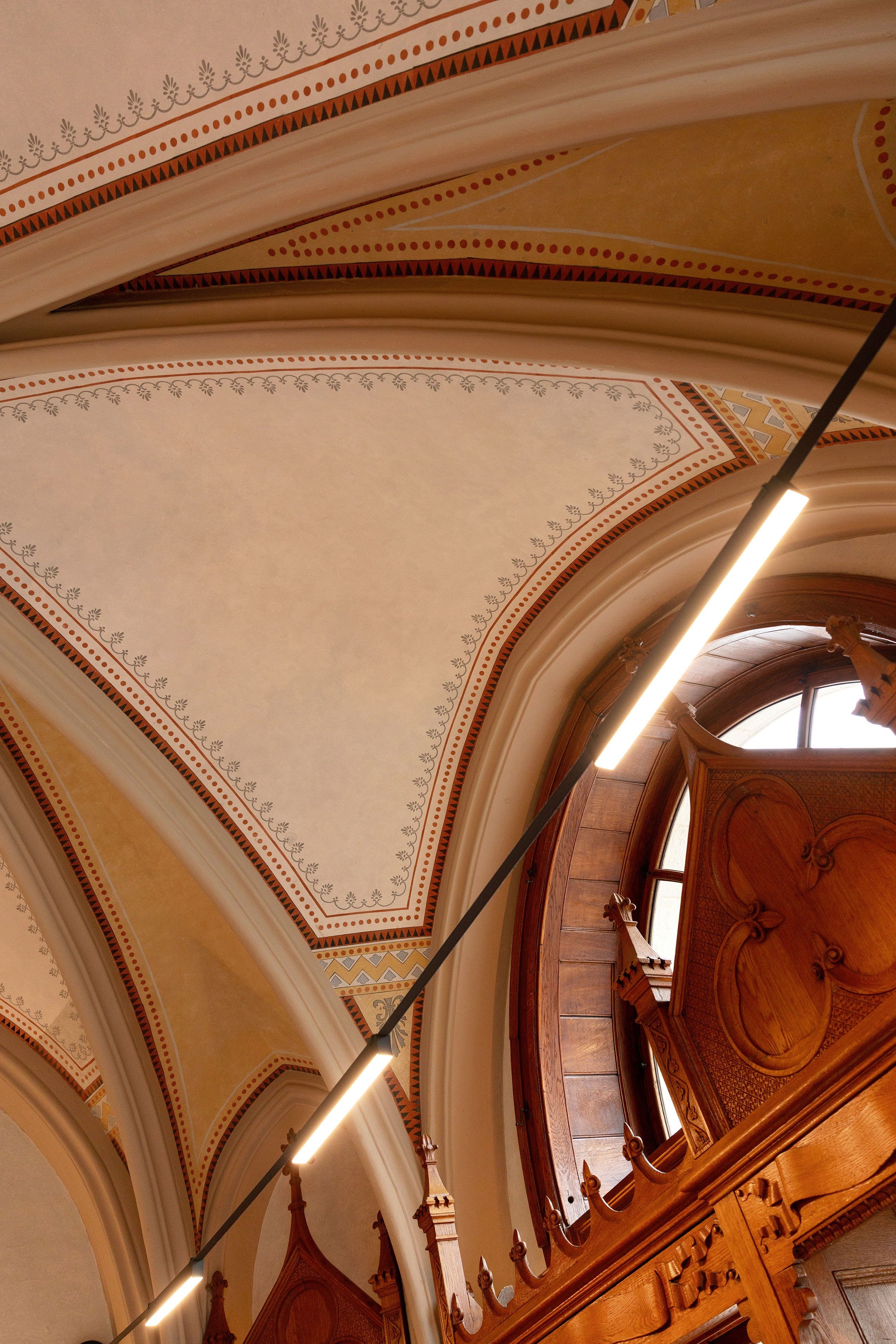
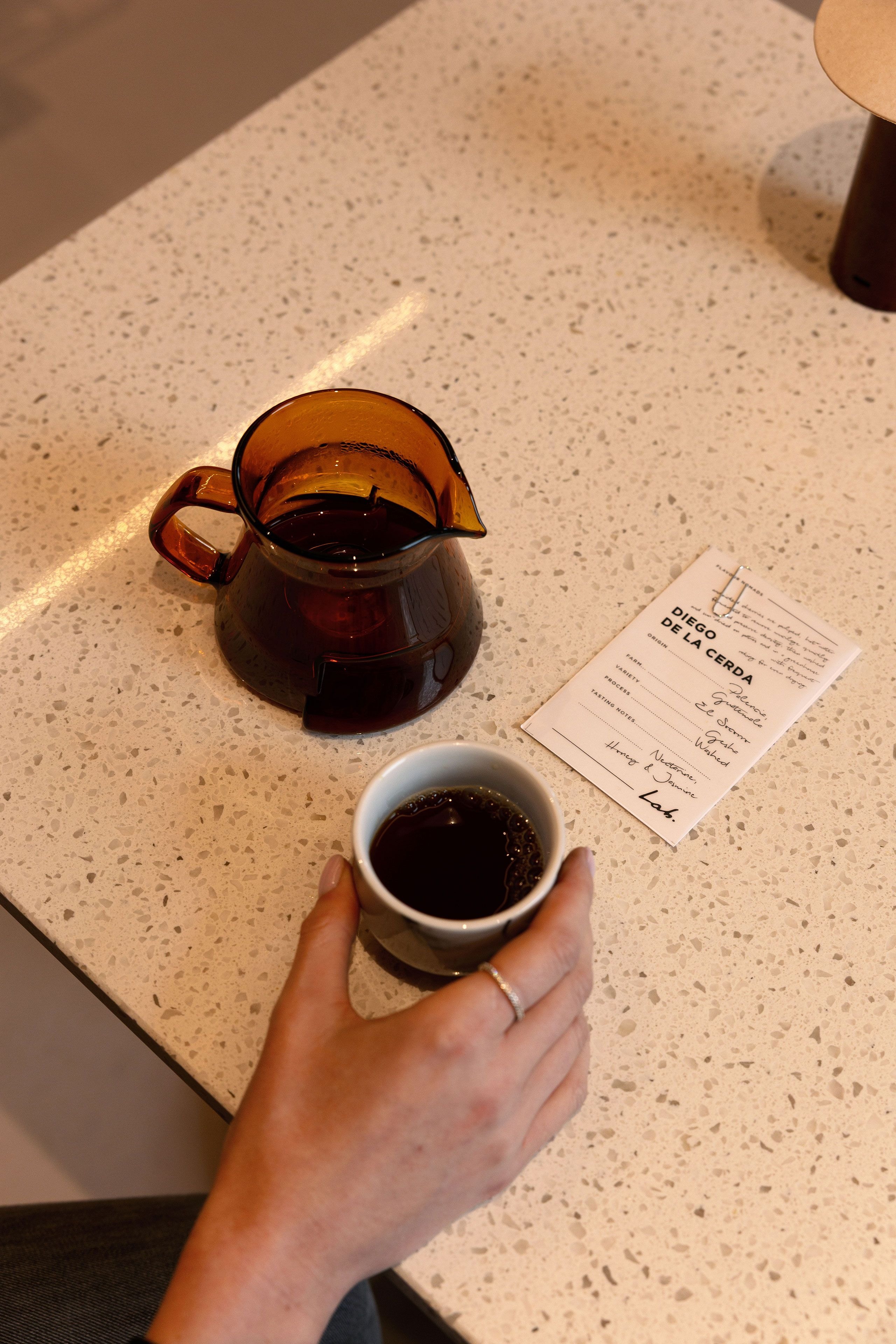
내부로 들어서면 건축적 야심이 더욱 선명해진다. 둥근 천장과 첨두 아치는 유명한 가구 제작자 B. Bak Lajos가 손으로 깎아낸 네오고딕 목재 캐비닛과 어우러진다. 문화재 전문가들의 지원을 받아 세심하게 복원된 이 요소들은 여전히 공간 경험의 중심을 이룬다. Fain Design의 개입은 의도적으로 절제되어 있다. 미니멀한 삽입물과 은은한 조명으로 역사적 틀을 드러내되, 결코 주목을 가로채지 않는다. 동시에 공간은 정적이거나 박물관 같은 느낌을 피한다. 명확히 현대적인 디자인 언어가 약학 실험과 오늘날 스페셜티 커피 제조에 공통으로 깃든 실험정신을 연결하기 때문이다.
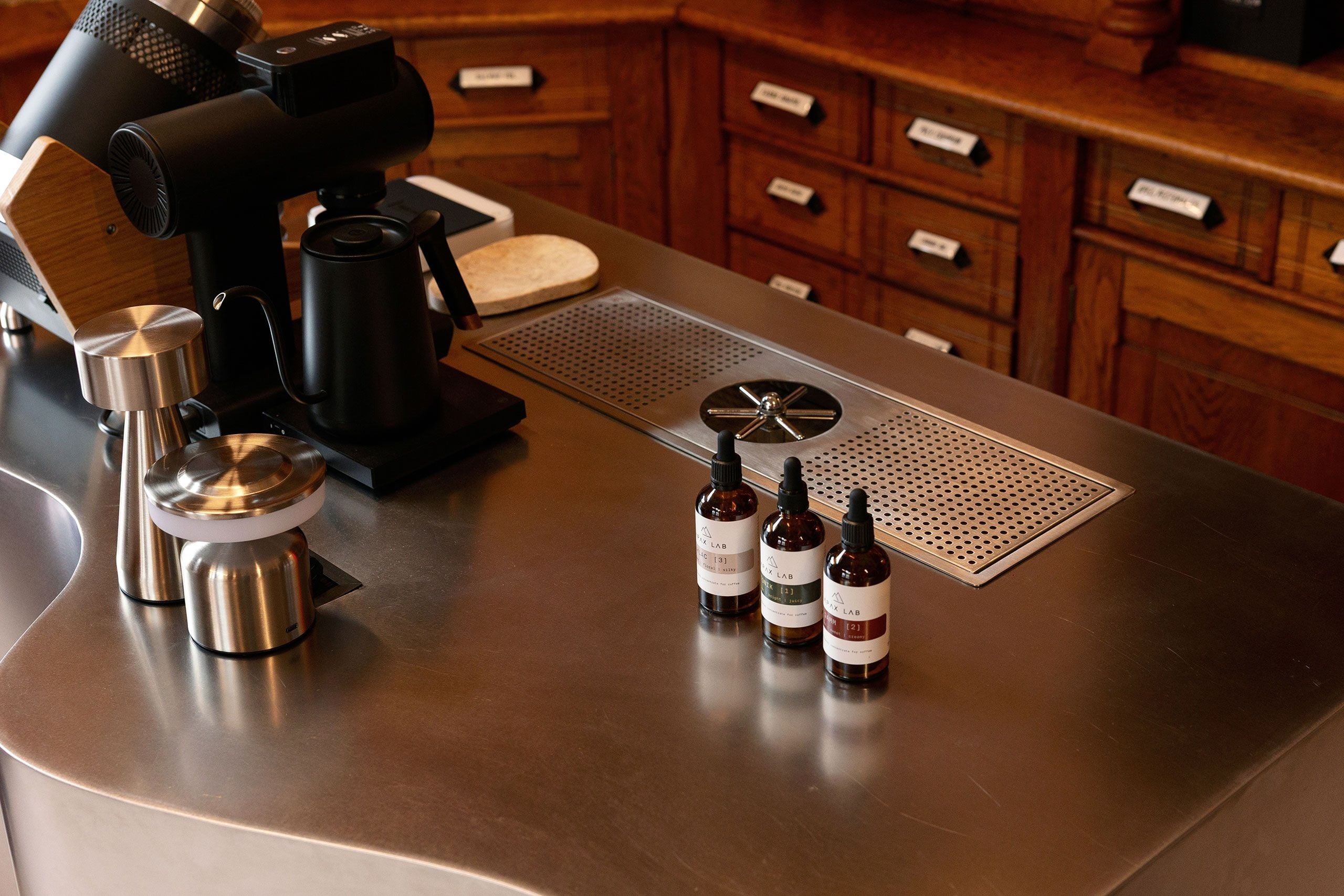
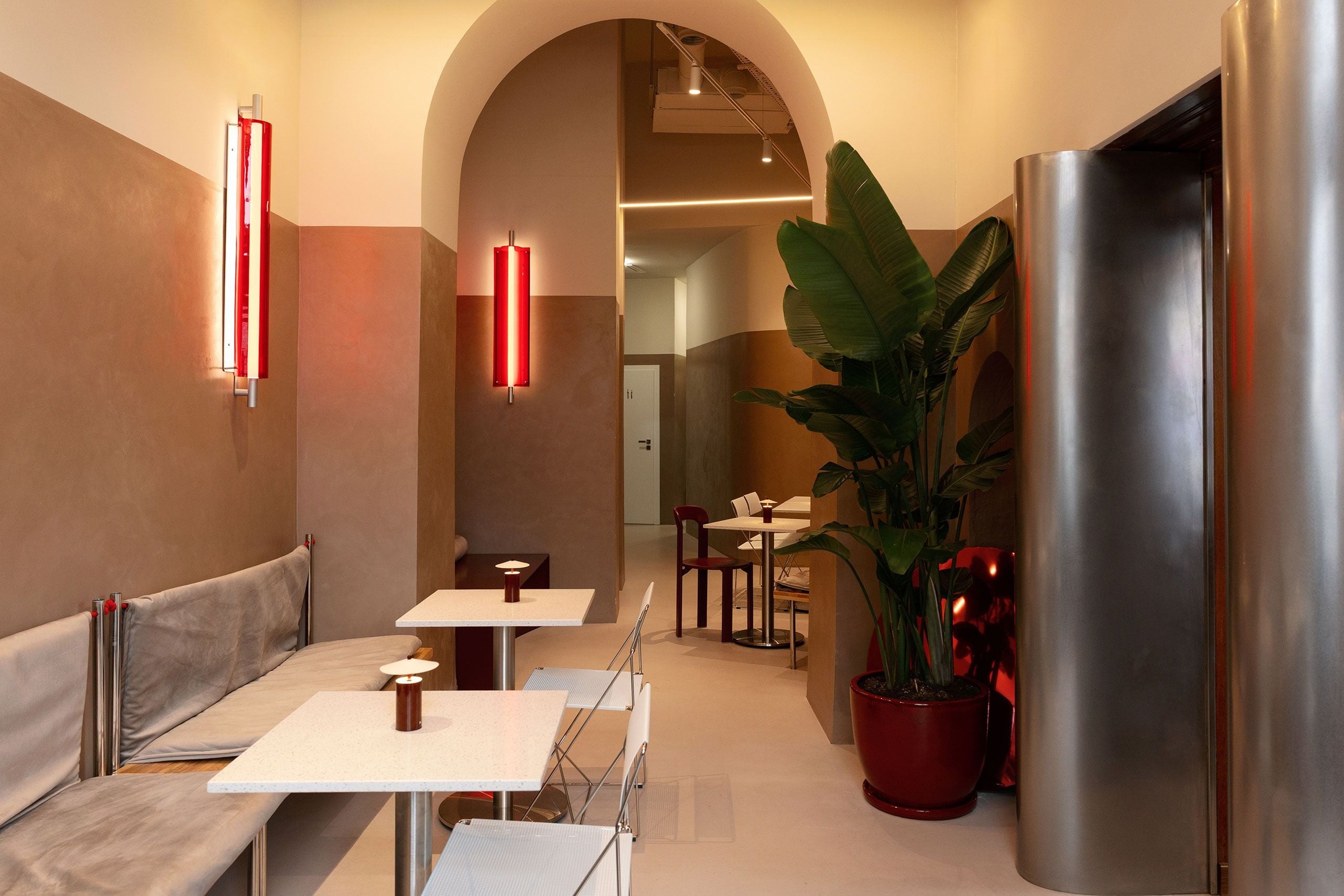
가장 눈에 띄는 현대적 개입은 메인 공간에 놓인 두 개의 조각적 커피 바 카운터다. 스테인리스 스틸로 제작된 이 카운터들은 흐르는 듯한 형태와 빛을 머금은 표면으로 정교하게 조각된 목재 캐비닛의 중후함, 그리고 머리 위로 솟아오른 볼트 천장의 절제된 기하학과 섬세한 대비를 만든다. 붉은 래커로 마감한 미니멀한 창가 벤치와 사이드 테이블은 색채의 포인트와 편안함을 더하며, 옛것과 새것의 대화를 강화한다.
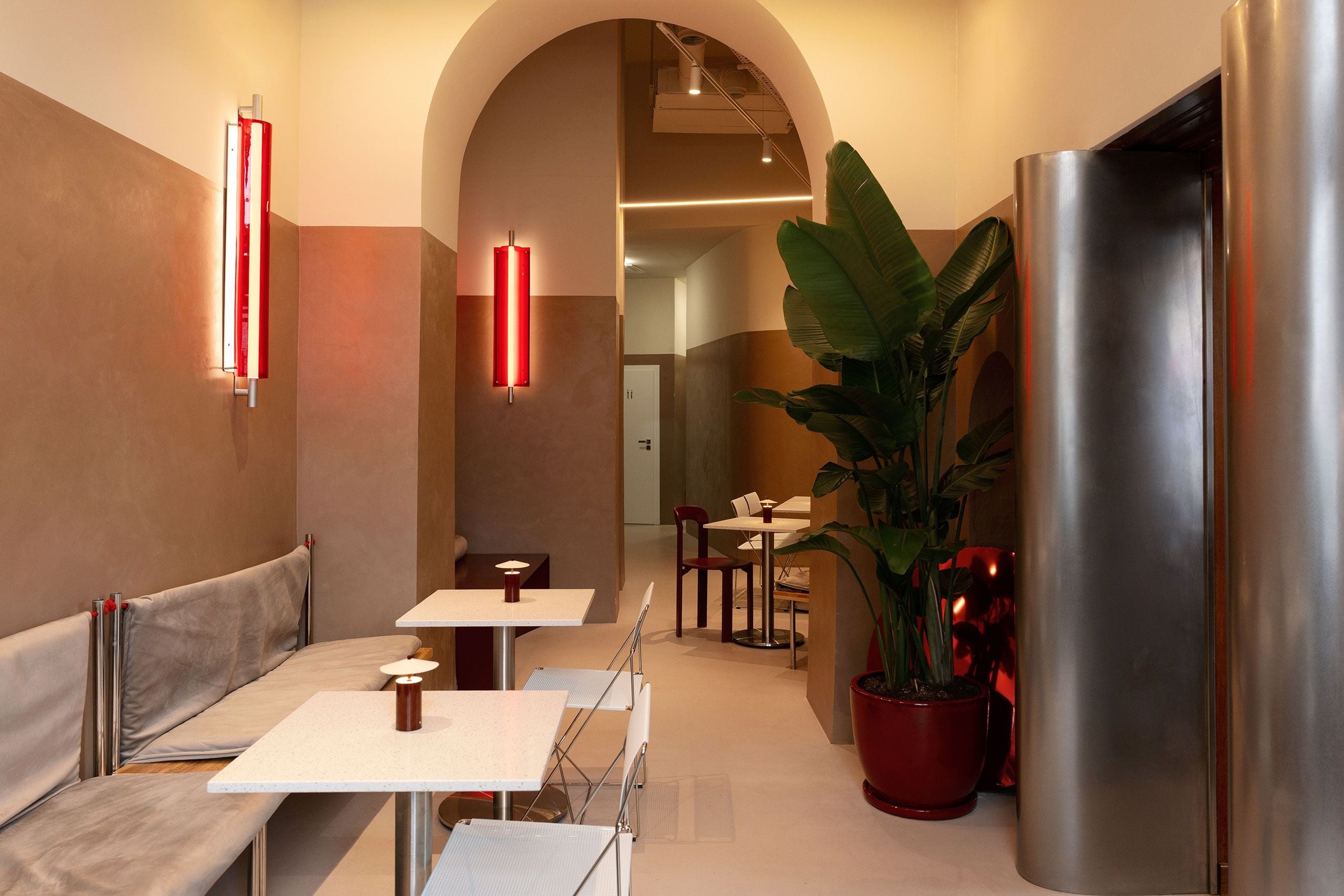
익은 커피 체리 색을 담은 붉은색 악센트는 인접한 좌석 공간에서도 반복된다. 한때 약국의 실험실이었던 이곳은 붉은 의자, 화분, 선형 벽등으로 구성되어 있다. 장식이 다소 절제되어 있지만, 높은 천장이 공간에 은은한 여유로움을 부여한다. 벤치형 좌석과 간결한 테이블, 의자가 여유롭게 놓인 이 공간은 벽면에 다시 드러난 본래의 테라코타 톤 덕분에 더욱 따뜻하게 느껴진다. 장식적 과잉 없이 깊이를 더하는 이 색이 공간을 감싼다.
복원과 대비의 균형을 잡으며, Laboratorium은 역사적 실내가 과거를 지우거나 성격을 희석하지 않고도 신중하게 새 용도에 적응할 수 있음을 보여준다. 이 프로젝트는 문화재 건축이 분주한 도시 환경 안에서 어떻게 여전히 의미 있고 생동감 있게 존재할 수 있는지에 대한 명확한 사례다.
Write by Claude & Jean Browwn
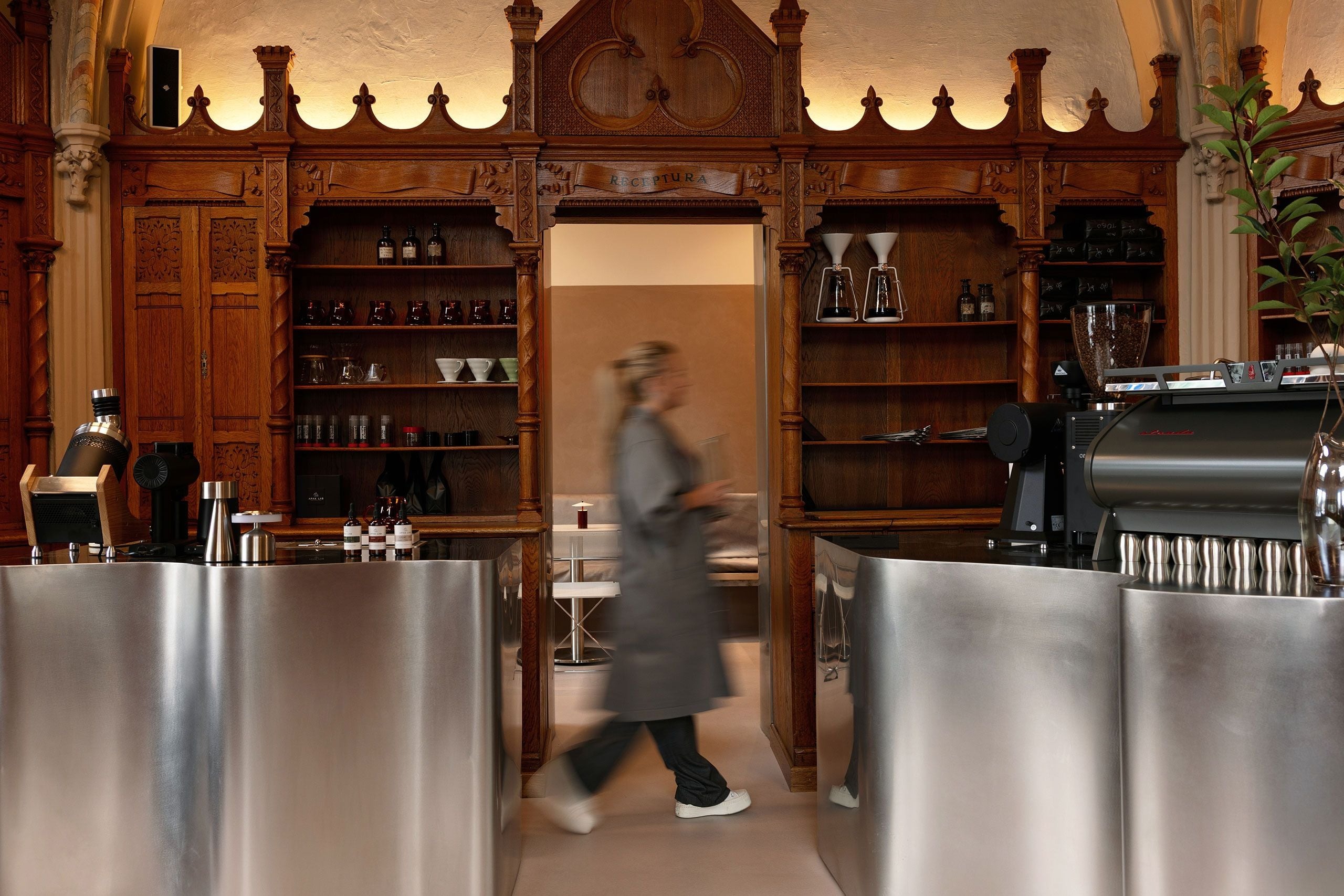
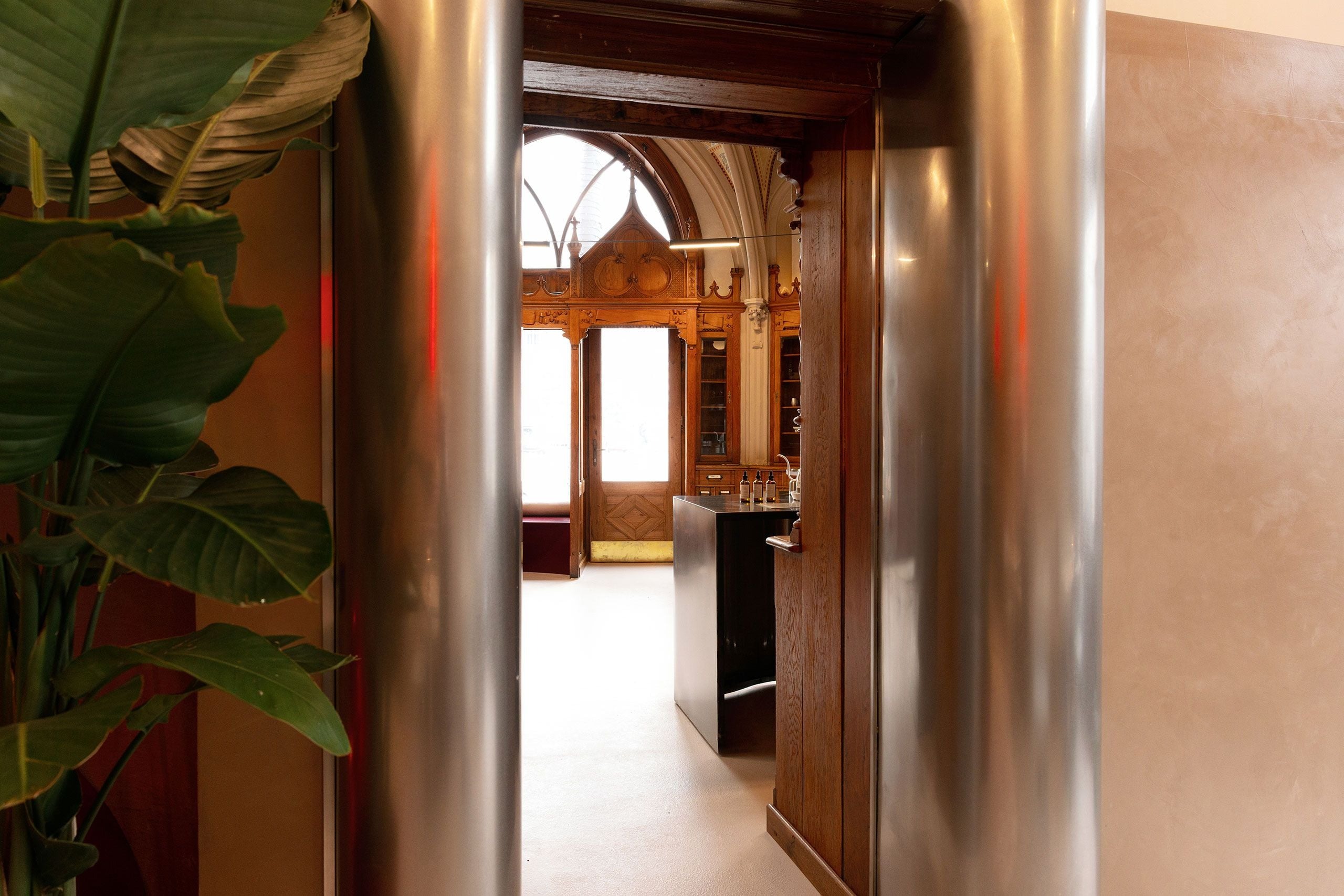
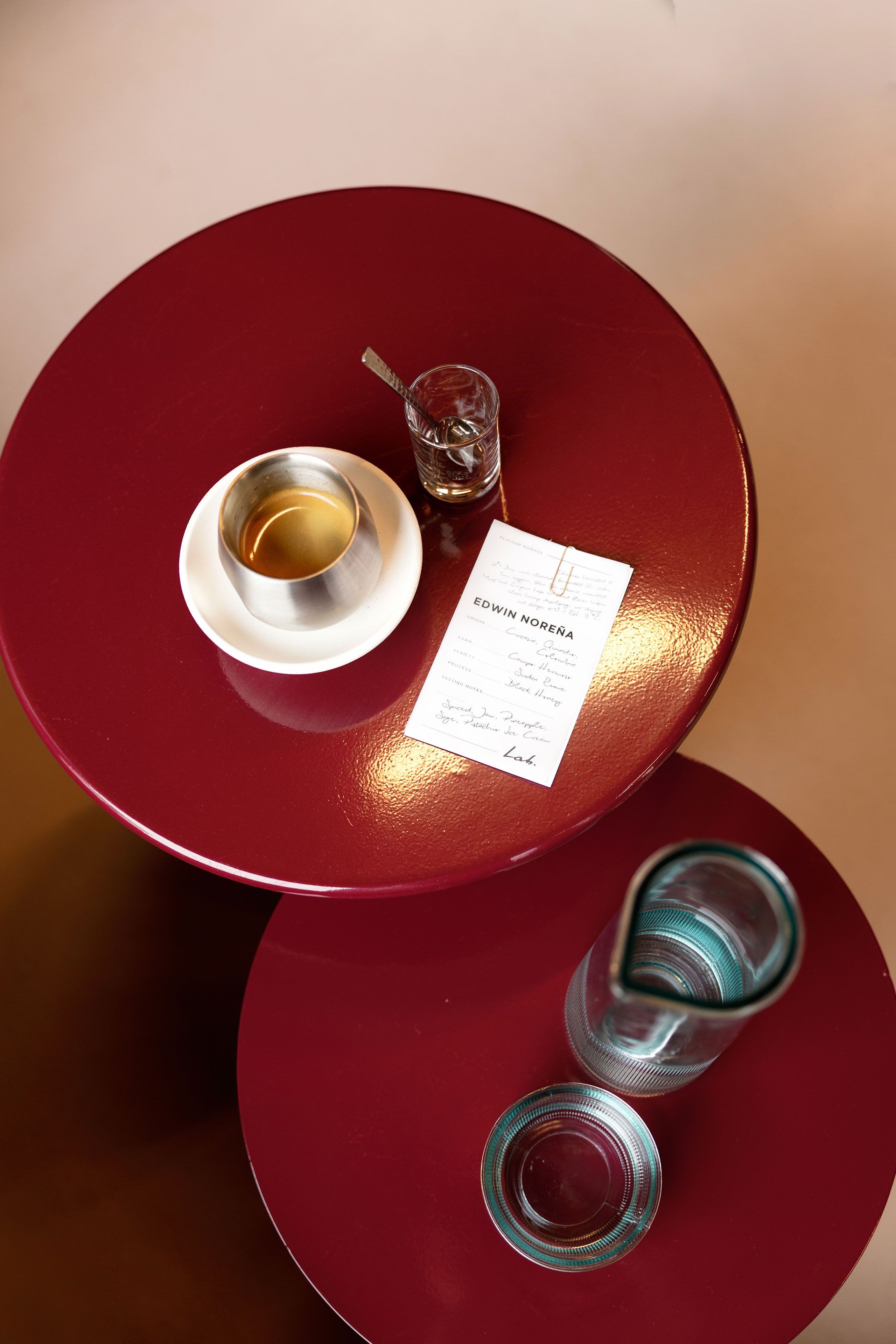
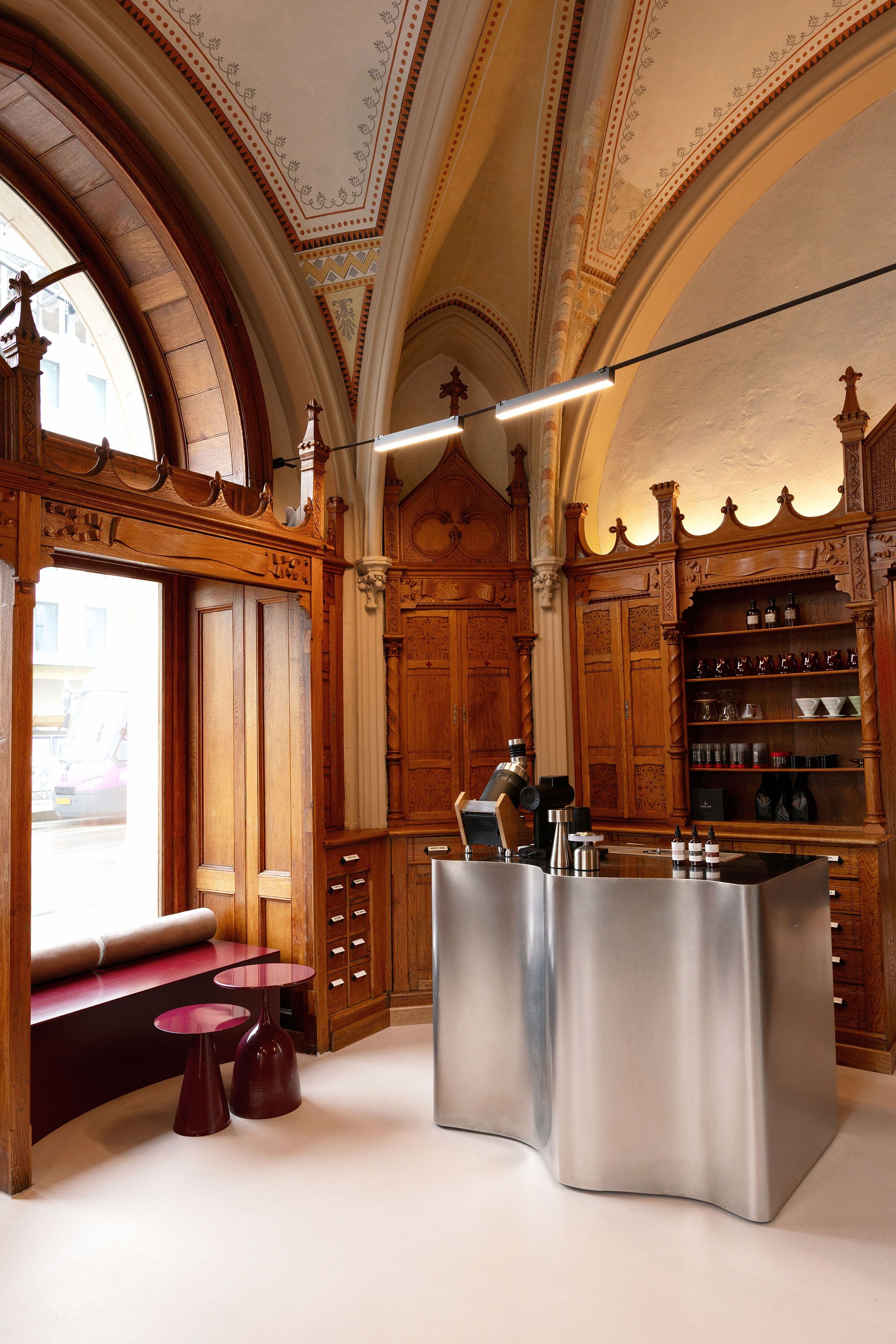
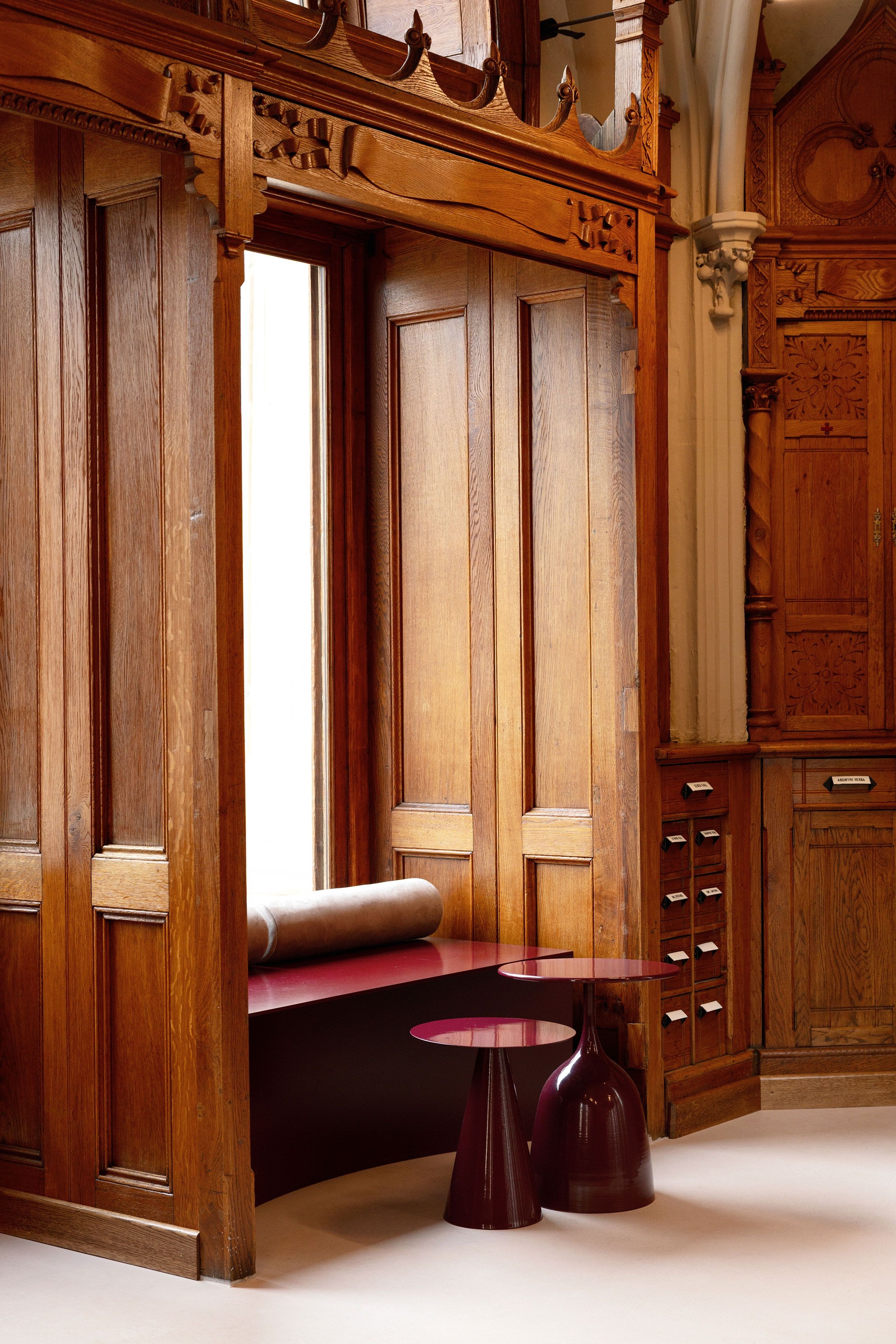

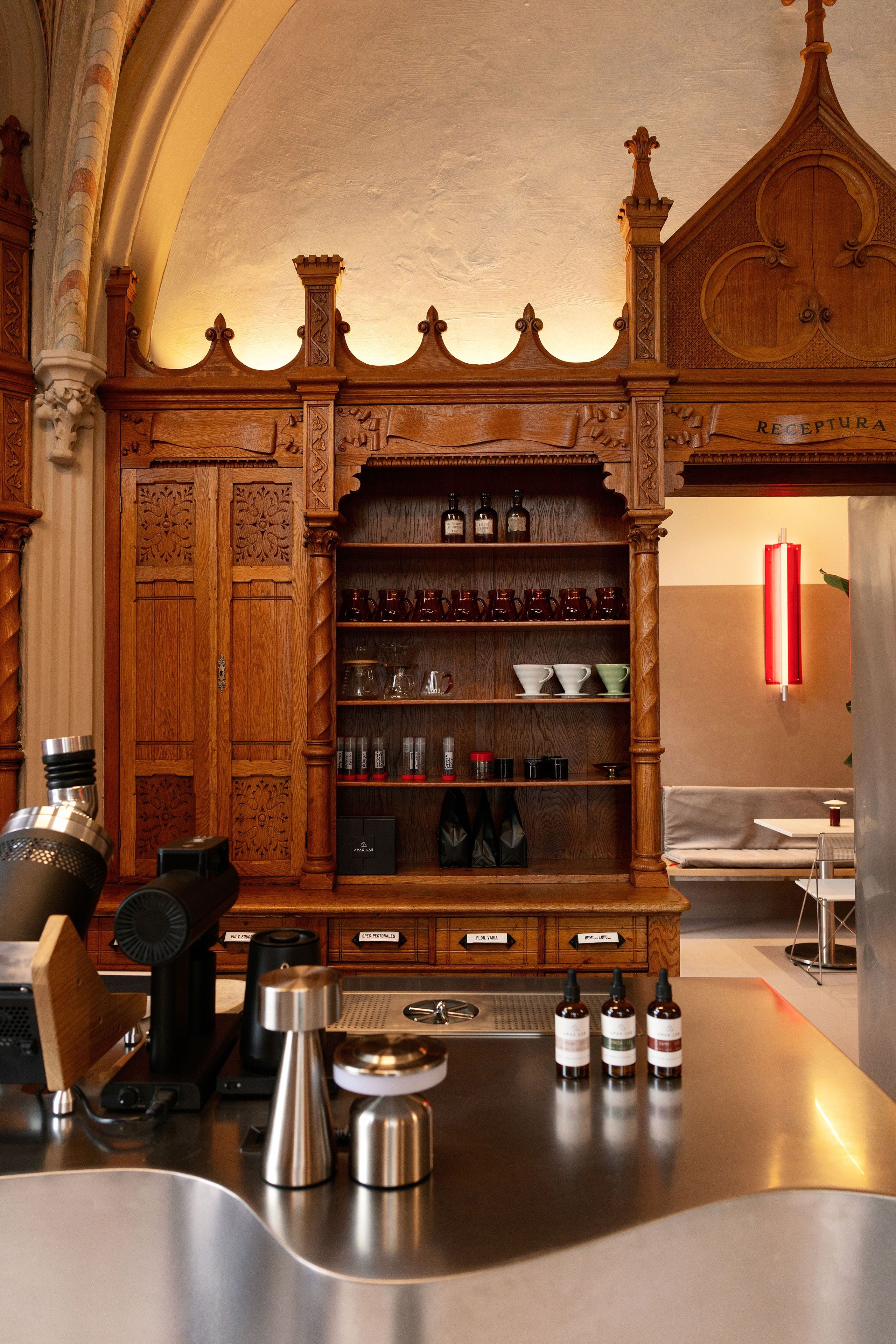
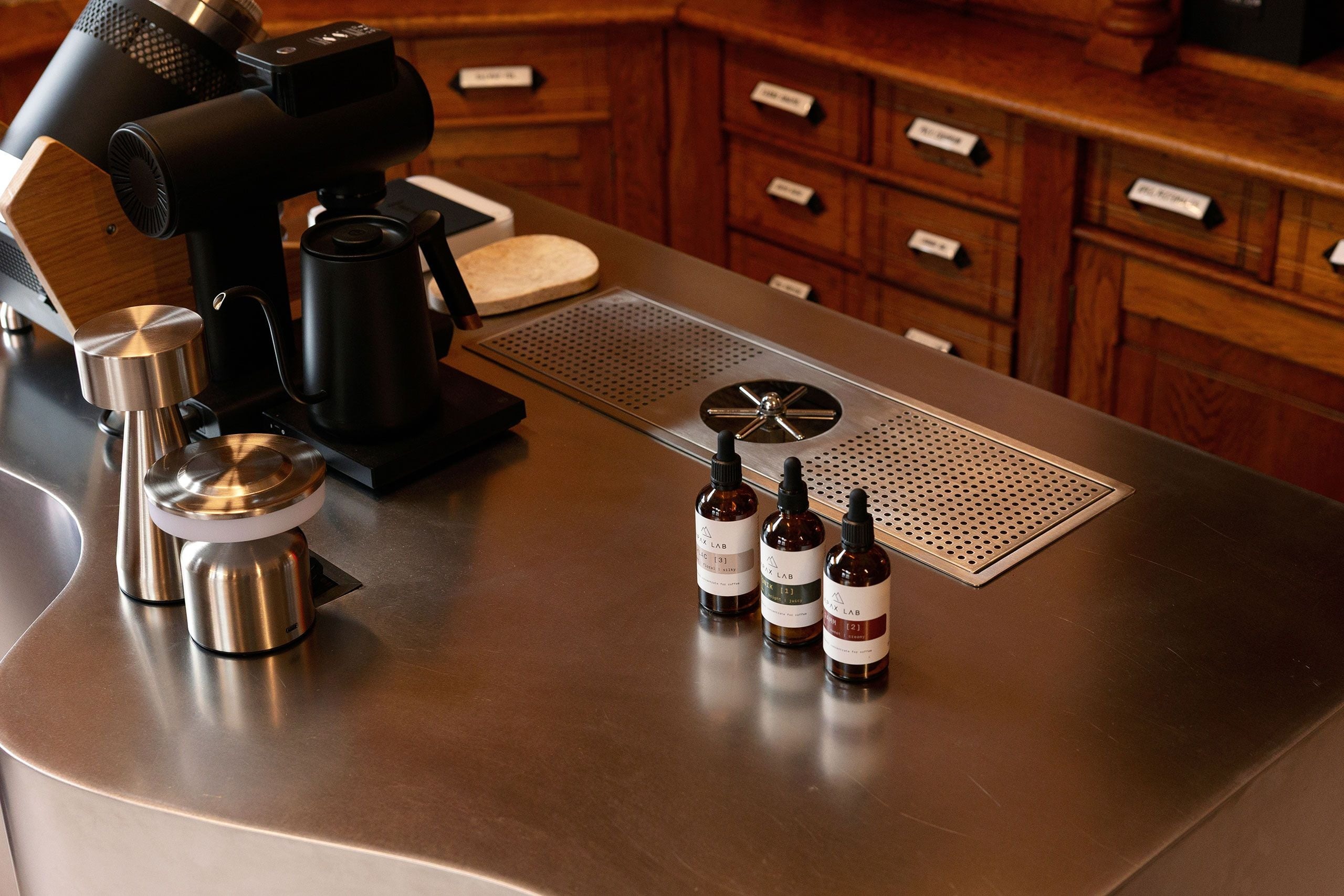
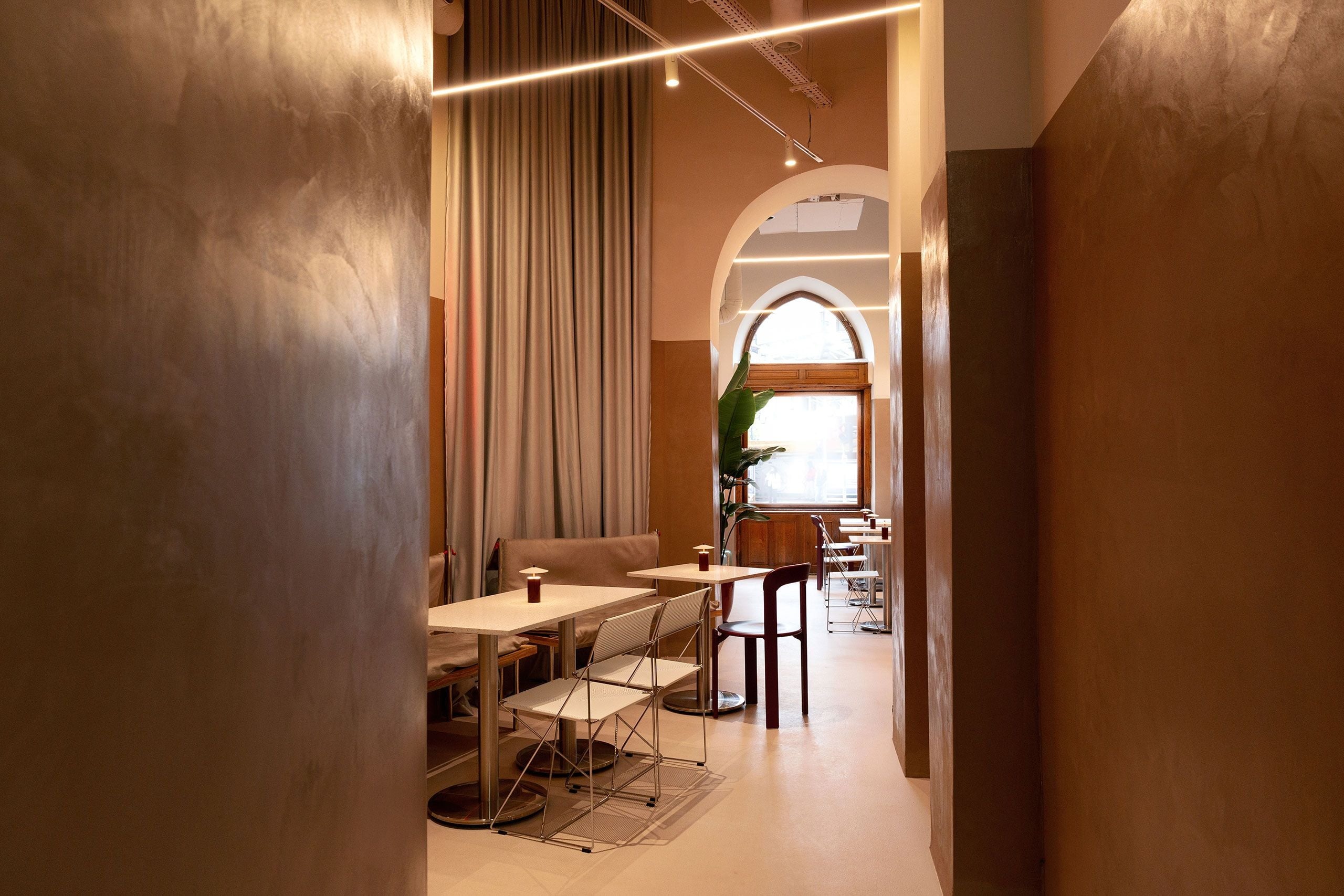
practices EktraArhitectura and Fain Design-Laboratorium A Neo-Gothic Pharmacy Finds New Life as a Contemporary Coffee Shop in Cluj-Napoca Housed within a historic apothecary in a Gothic Revival landmark in Cluj-Napoca, Romania's second-largest city, Laboratorium is a specialty coffee shop that offers a compelling model for the adaptive reuse of heritage interiors. Renovated by local practices EktraArhitectura and Fain Design, the project demonstrates how historically charged interiors can be reactivated through carefully calibrated contemporary insertions that neither mimic nor overshadow the original architecture. Classified as a historic monument, the Széki Palace is regarded as one of Cluj-Napoca’s most significant buildings. Completed in 1893 by influential Hungarian architect Pecz Samu, the Neo-Gothic structure was commissioned by Miklós Széki, one of the most prominent pharmacists of his time, who relocated his pharmacy to the building’s ground floor while residing in the apartments above. Known originally as the Matia Corvin Pharmacy, the space was conceived as both a retail and production environment, with laboratories and storage areas located in the basement. Over the decades, it became a fixture of the city’s commercial and cultural life, retaining much of its original interior fabric despite successive changes in both name and ownership throughout the 20th century. The building’s architectural ambition extended to its craft-rich interiors, where vaulted ceilings and pointed arches were paired with hand-carved Neo-Gothic wooden cabinets crafted by renowned cabinetmaker B. Bak Lajos. Meticulously refurbished with the support of heritage specialists, these elements continue to remain central to the spatial experience. Fain Design’s interventions are deliberately restrained, relying on minimalist insertions and discreet lighting to frame the historic envelope without ever competing for attention. At the same time, the space avoids feeling static or museum-like, thanks to a clearly contemporary design language that draws on the shared spirit of experimentation inherent to both pharmaceutical practices and today’s specialty coffee establishments. The most striking of these contemporary gestures are the two sculptural coffee bar counters positioned in the main room. Crafted from stainless steel, their undulating forms and reflective surfaces establish a subtle contrast with the density of the carved timber cabinetry along with the disciplined geometry of the vaulted ceilings soaring above. A minimalist window bench finished in a red lacquer, paired with matching side tables, introduces a note of colour and informality while reinforcing the dialogue between old and new. Referencing the colour of ripe coffee cherries, red accents also punctuate the adjacent seating area which features red chairs, planters, and linear wall sconces. Occupying what was once the pharmacy’s laboratory, although this space may be somewhat more restrained in ornamentation, its tall proportions lend it a quiet sense of generosity. Sparingly furnished with bench-like banquettes and pared-back tables and chairs, the space is made all the more welcoming and warmer by the re-emergence of original terracotta tones on the walls, which add depth without resorting to decorative excess. By balancing restoration with clear contemporary contrasts, Laboratorium demonstrates how historic interiors can be thoughtfully adapted for new uses without effacing their past or diluting their character, providing a clear and compelling example of how heritage buildings can continue to be relevant within a busy urban environment.
from yatzer