"건축은 보이지 않는 것을 가시화하는 행위다." - 렘 콜하스

 |
 |
 |
베이징 AI 데이터센터 | 디지털이 숨 쉬는 건축 LLLAB-"heartbeat" of AI data centre in Beijing
베이징 중심부, 산업 유산과 현대 예술이 공존하는 798 예술구에 특별한 건물이 들어섰다. 상하이 기반 건축 스튜디오 LLLAB이 설계한 스파크 716은 AI 데이터센터이자 연산 인프라 단지다. 전통적으로 데이터센터는 보안과 기술적 이유로 외부와 철저히 차단된 폐쇄형 건축 방식을 따랐다. 하지만 LLLAB은 이러한 관습을 거부하고 새로운 접근을 택했다. 이들은 기술 인프라를 공공 공간, 오피스, 전시 시설과 어우러지게 했다.
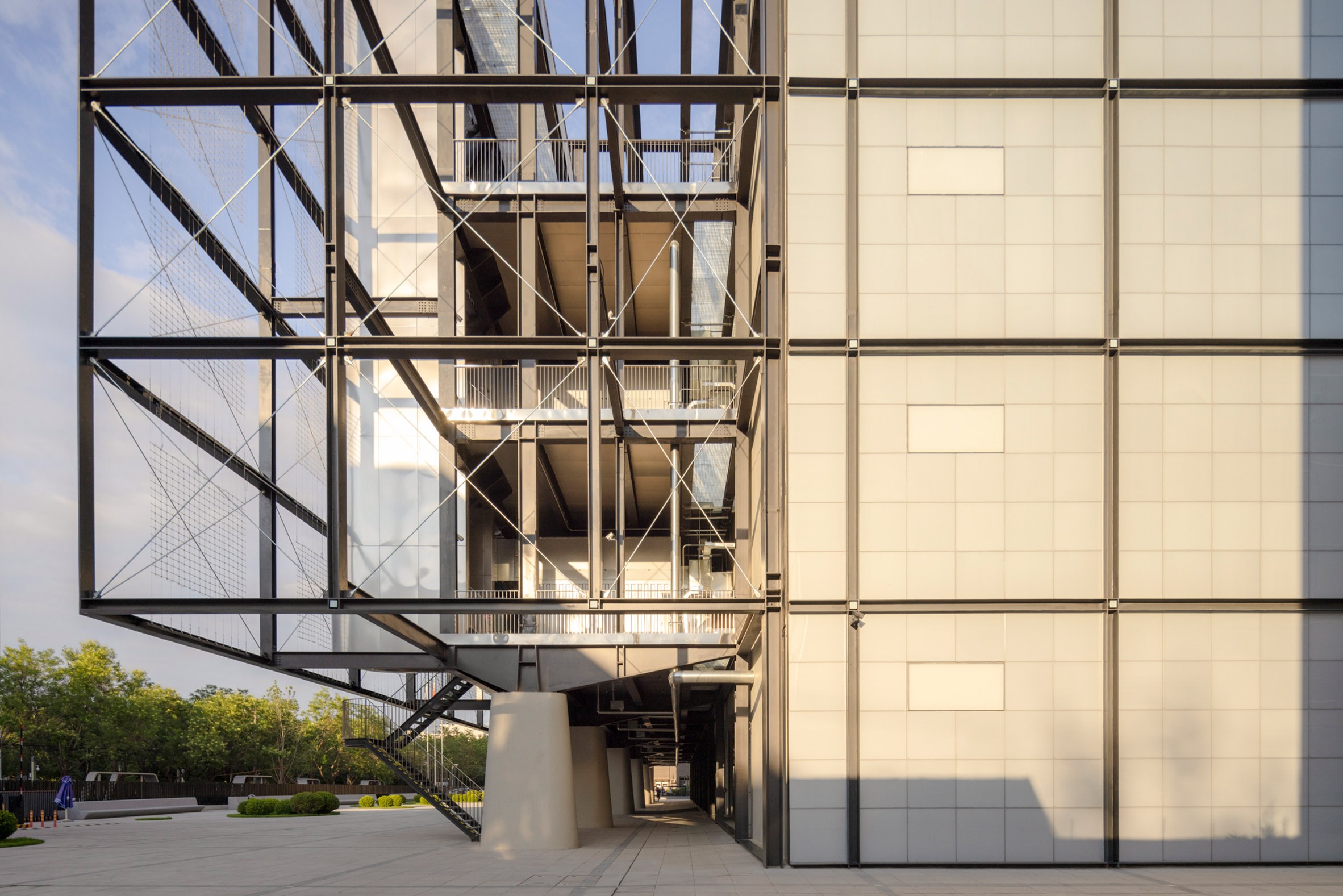
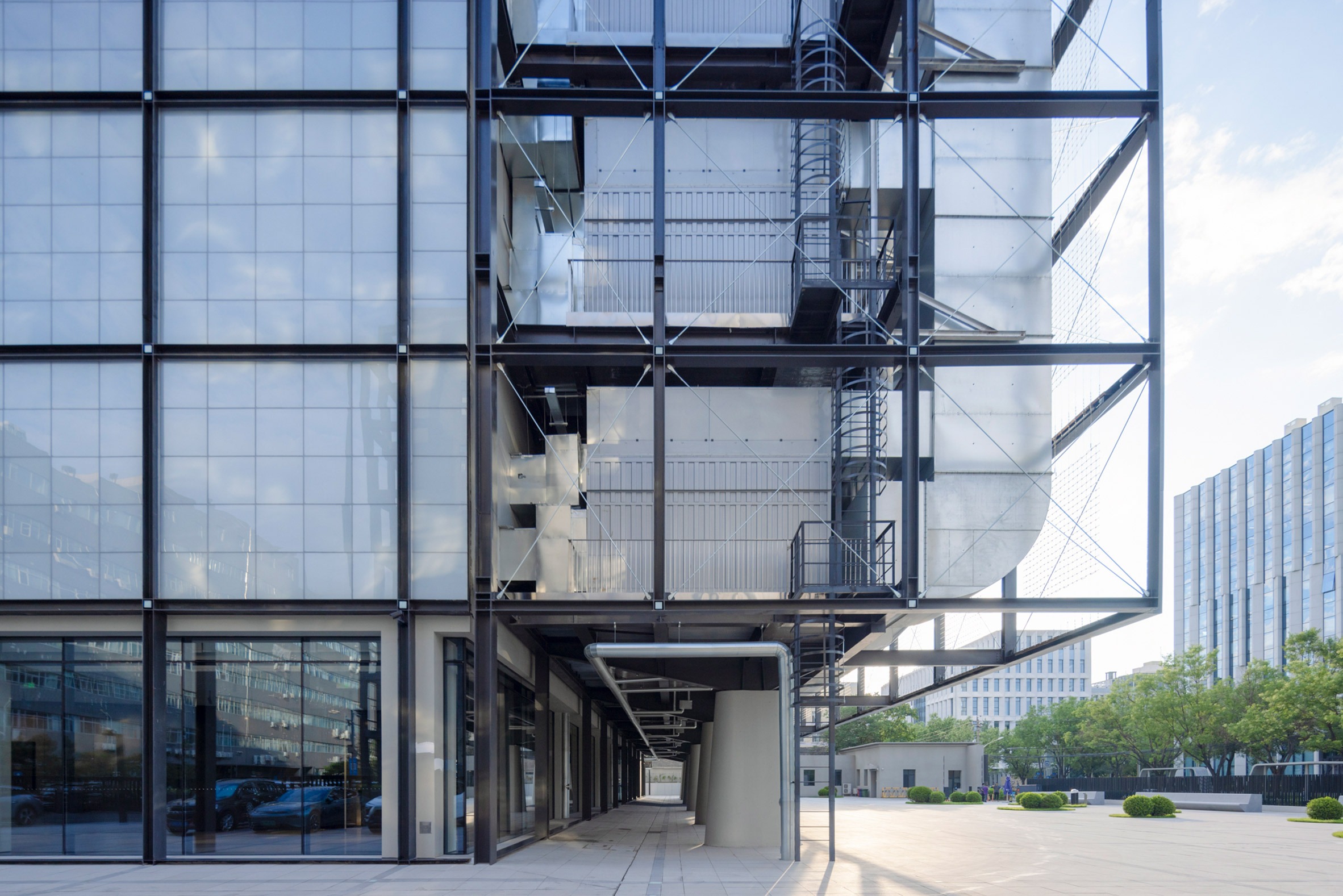
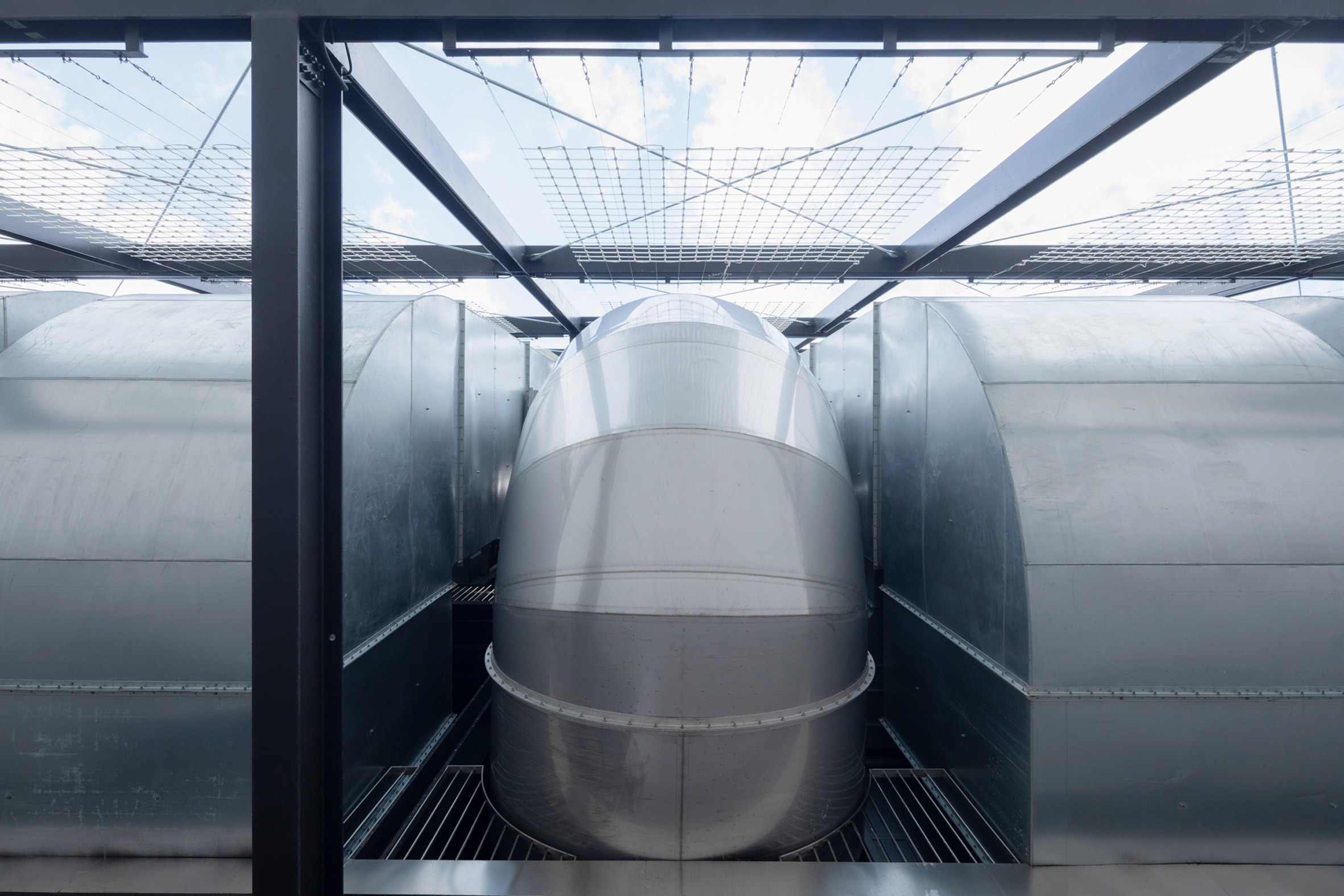
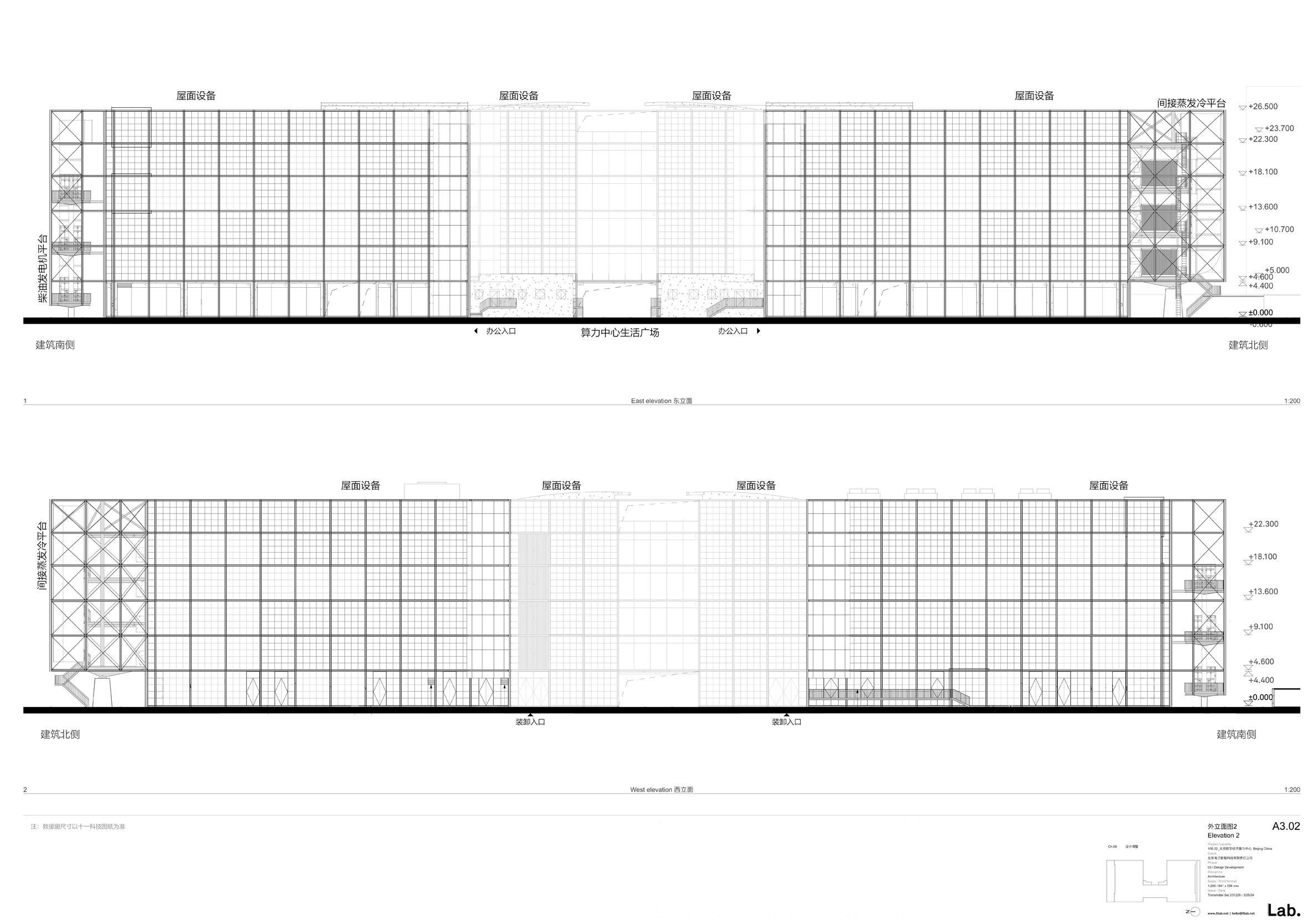
넓은 공공 광장 앞에 선 건물은 첫눈에 그 정체를 드러낸다. 거대한 원통형 냉각 덕트들이 파사드의 주인공이다. 서버의 열을 식히기 위해 필수적인 이 시설을 LLLAB은 숨기는 대신 그대로 노출시켰다. 강철 그리드가 건물 전체를 감싸고, 그 안에 LED 네팅을 채웠다. 낮 동안 건물은 투명한 격자 너머로 은빛 덕트들을 드러내며 단단한 실체로 다가온다. 밤이 되면 LED가 켜지며 건물은 완전히 다른 얼굴을 보인다. 청백색이던 빛이 뜨거운 적색으로 변모하면서 형태가 사라지며 도시의 디지털 풍경 속으로 녹아든다.
스튜디오 설립자인 류한샤오와 루이스 리카르도는 이 프로젝트가 본질적으로 건축과 인공지능의 만남을 구현한다고 설명했다. "설계는 데이터 인프라를 감각할 수 있는 존재로 전환시킵니다. 인간과 디지털 사이의 접점을 매개하는 것이죠." 그들은 이어서 말했다. "이 환경은 유형과 무형 사이의 교차점을 탐구할 독특한 기회를 제공했습니다. 건축의 물리적 현존과 디지털 세계의 비물질적 영역 사이를 잇는 작업이었습니다."
여기서 노출된 덕트는 단순한 기능적 요소가 아니다. LLLAB은 이를 건물의 "숨결과 심장박동"이라 불렀다. 끊임없이 데이터를 처리하고 열을 배출하는 서버의 생명력을 가시화한 것이다. 강철 그리드는 물리적 구조를 이룰 뿐 아니라 가상 세계의 언어를 떠올리게 한다. 정보와 질서와 흐름을 표현하는 디지털 격자의 메타포다. "격자는 건물의 물리적 구조를 이루는 동시에 가상 세계의 언어, 즉 디지털 매트릭스를 연상시킵니다"라고 건축가는 설명했다.
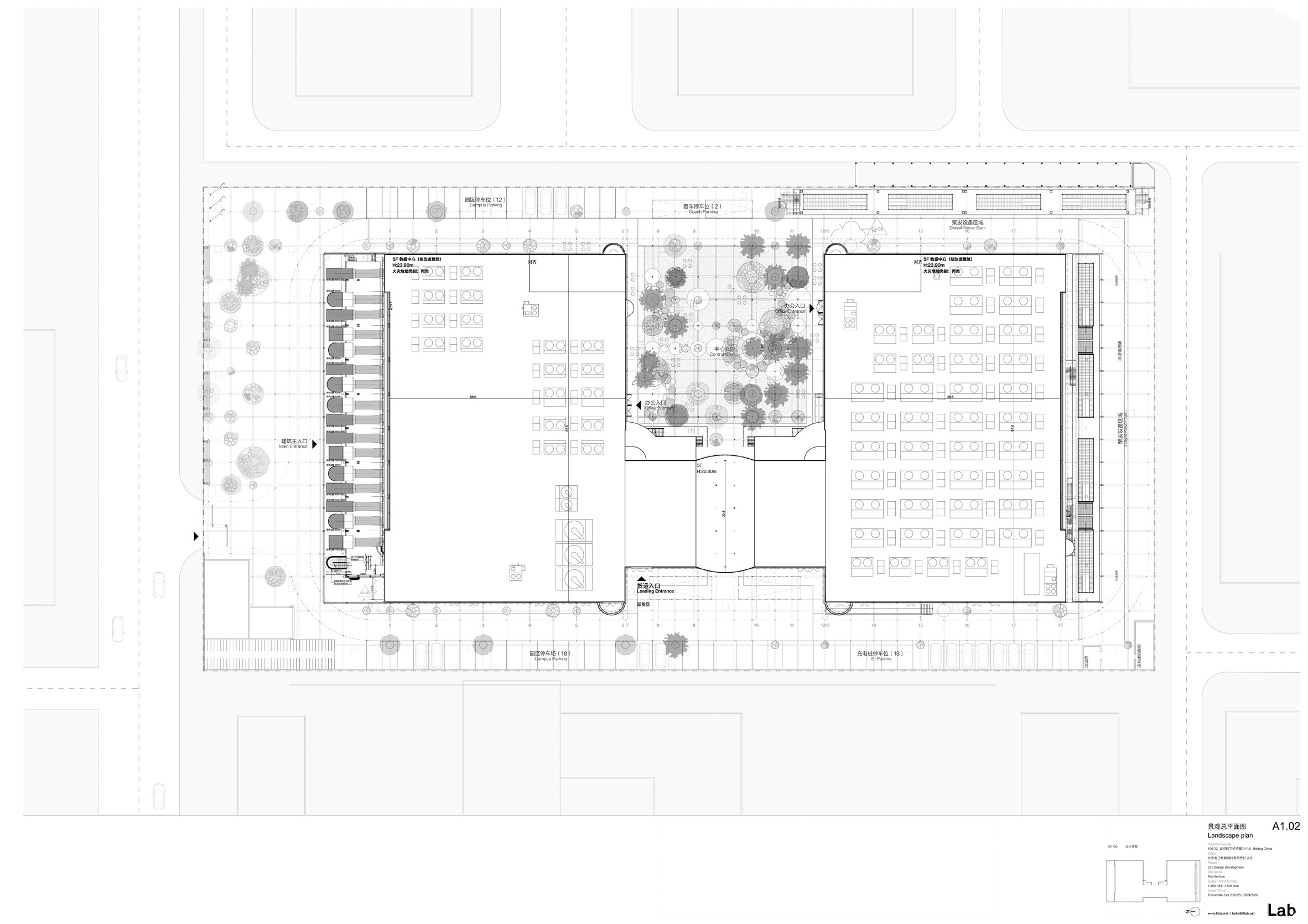
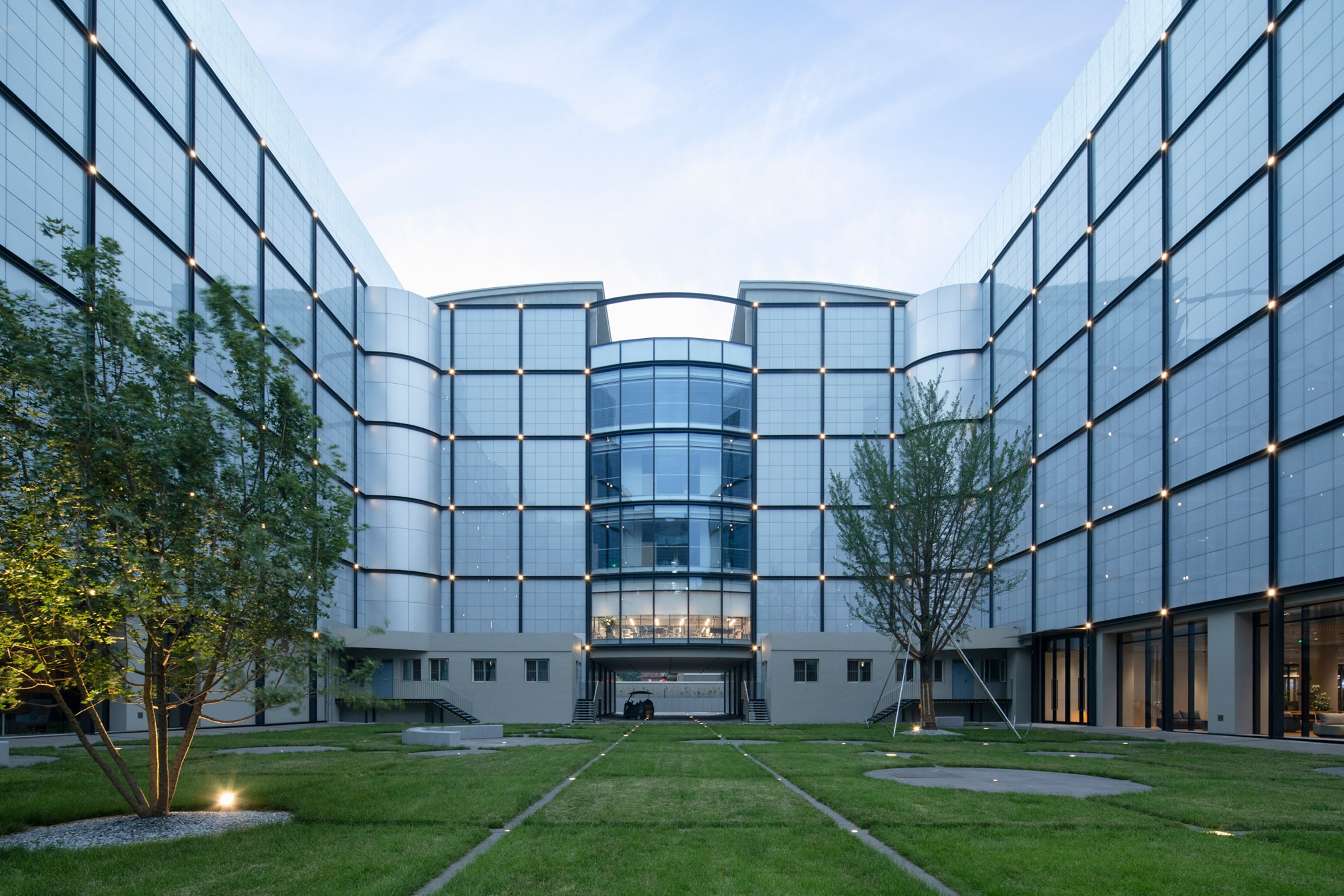
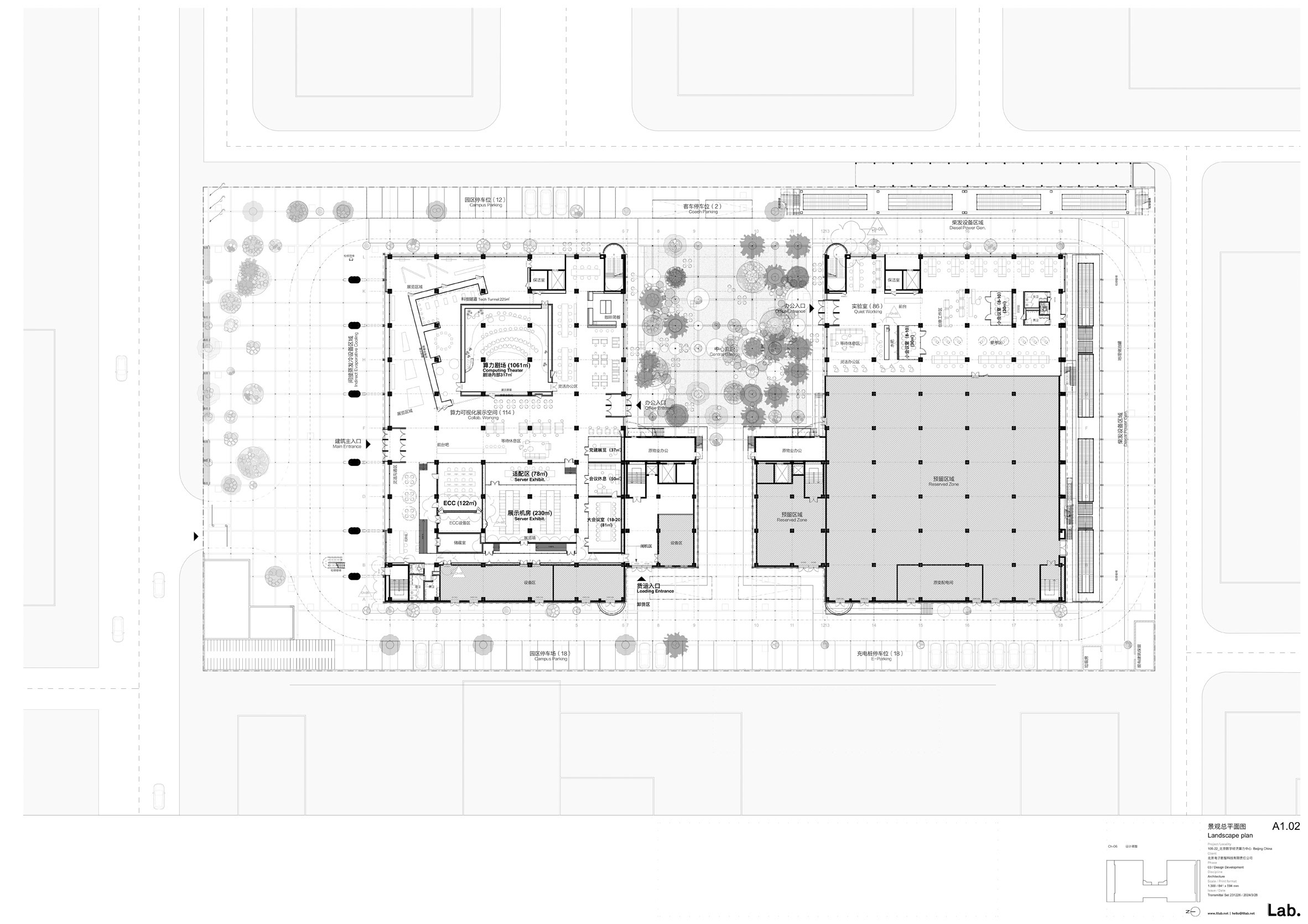
넓은 광장을 가로질러 내부로 들어서면 투명한 유리 1층이 펼쳐진다. 두꺼운 콘크리트 기둥들이 상부의 강철 구조물을 떠받치고 있다. 중앙 중정을 중심으로 공간이 양쪽으로 나뉘며, 양쪽에 오피스 출입구가 배치되어 있다. 건물 외부의 격자는 내부에서도 이어진다. 천장은 그리드 패턴의 금속 마감으로, 바닥은 격자가 새겨진 타일로 처리되어 일관된 디자인 언어를 형성한다.
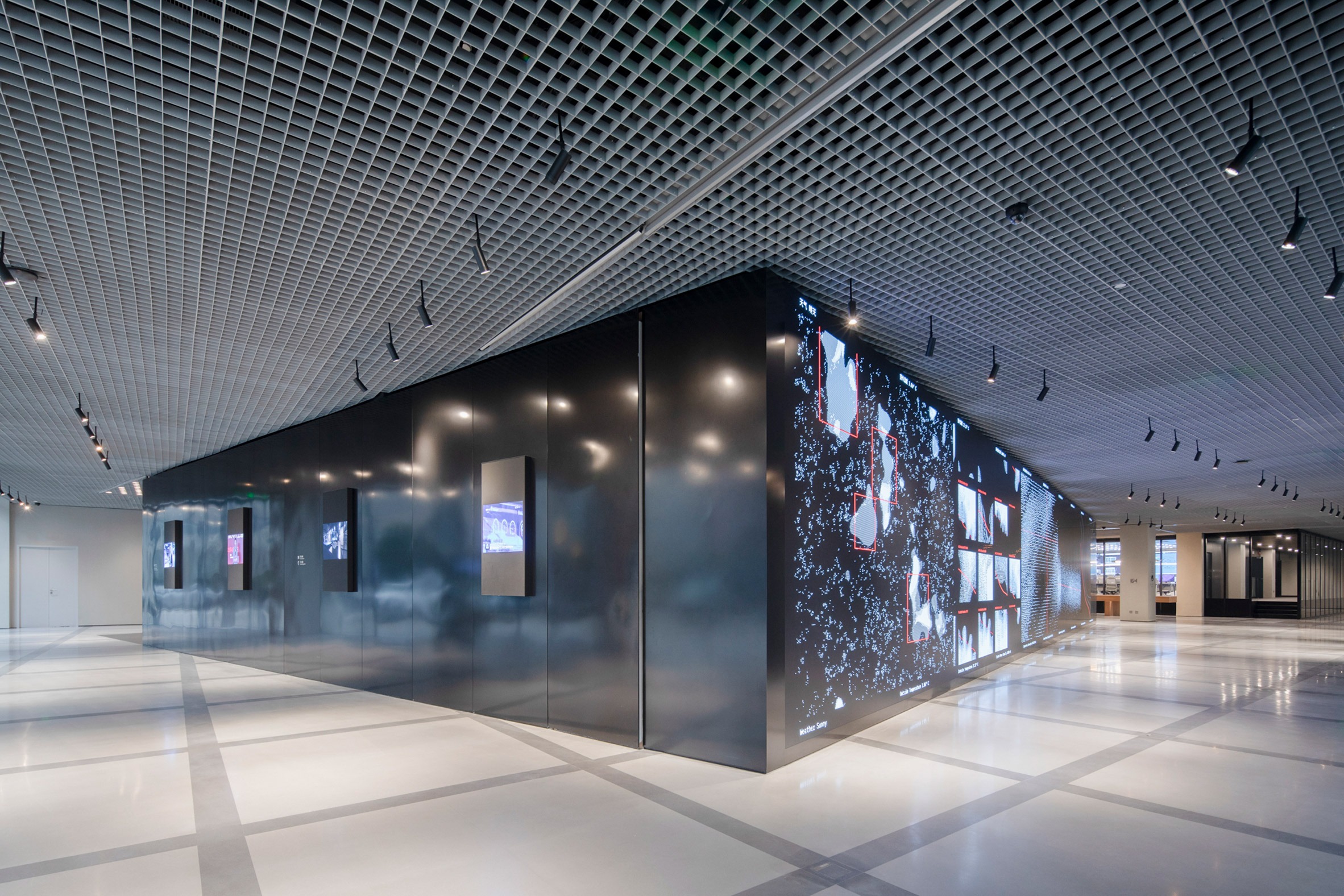
컴퓨팅 파워 극장이라 명명된 공연장은 검은색 각진 디스플레이 벽으로 둘러싸여 있다. 이곳은 중국의 연례 JXQ AI 포럼의 본거지 역할을 할 예정이다. 인접한 기업 커맨드 센터는 중국에서 생산된 칩을 전시하는 공간을 제공한다.
스파크 716은 데이터센터라는 기술 시설이 도시 건축의 새로운 유형으로 진화할 수 있음을 보여준다. 폐쇄와 은폐 대신 개방과 가시화를, 기계적 차갑함 대신 생명력의 메타포를 선택했다. 낮과 밤, 물질과 디지털, 인간과 인공지능 사이의 경계에서 이 건물은 숨 쉬고 있다.
Write by Claude & Jean Browwn

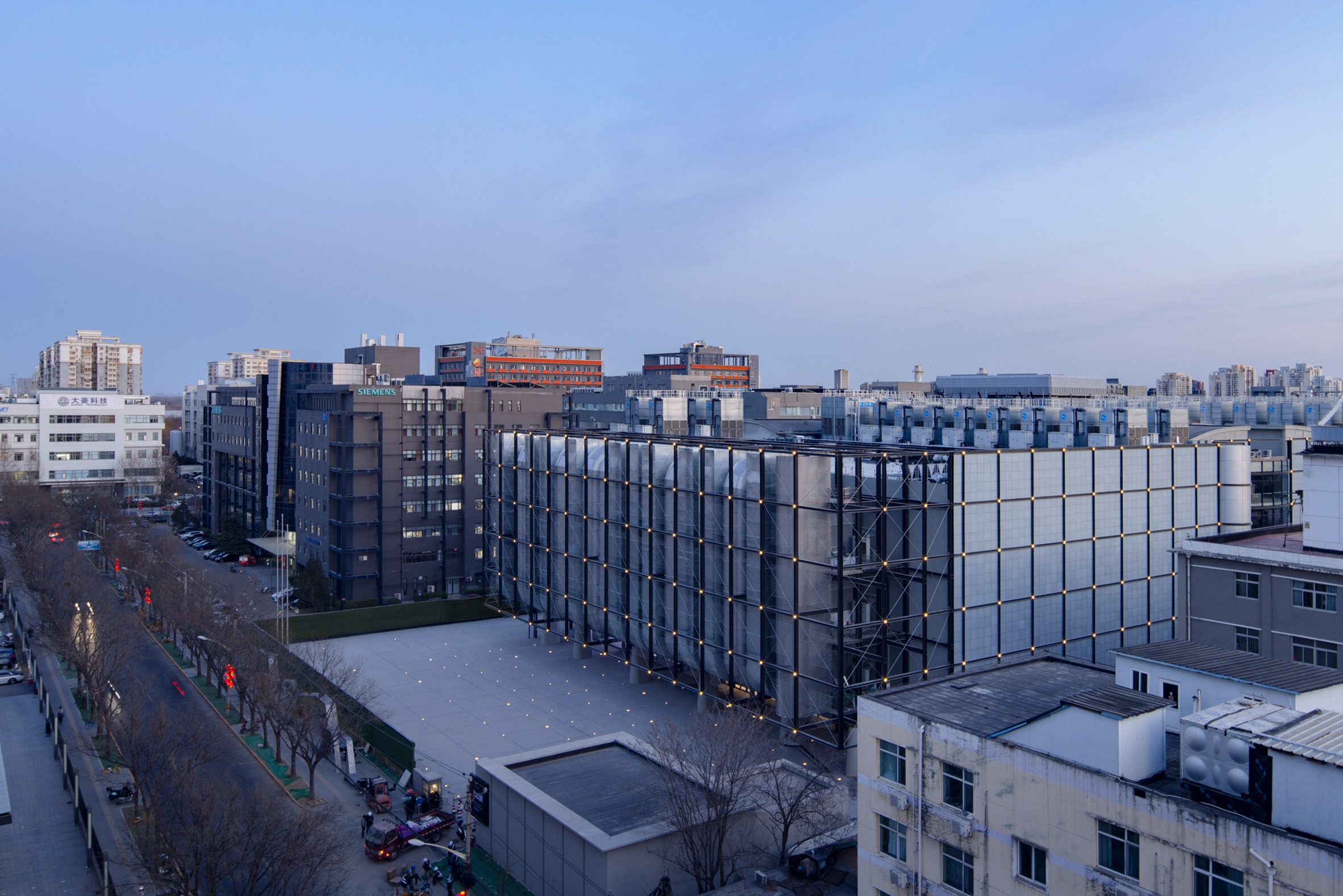
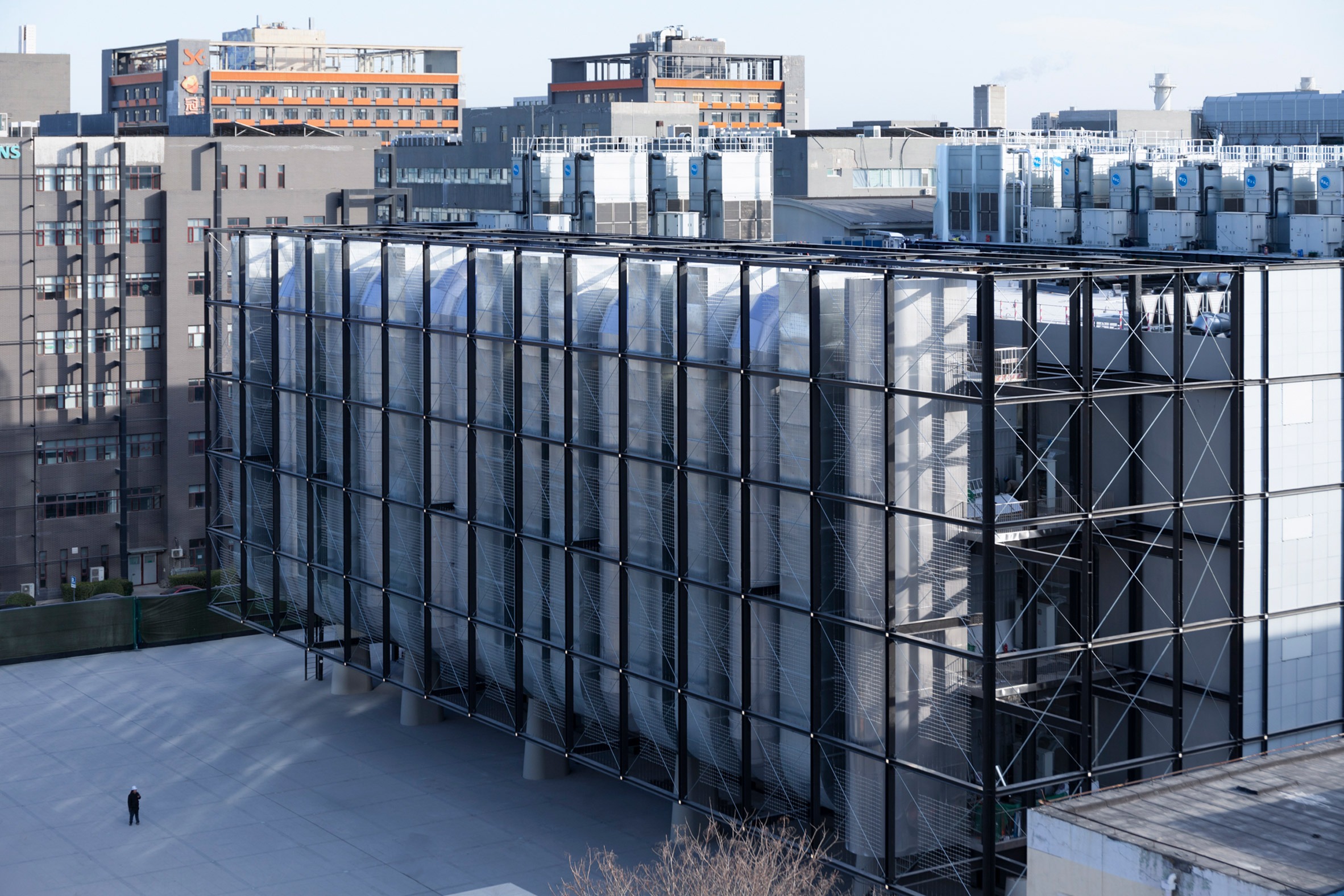


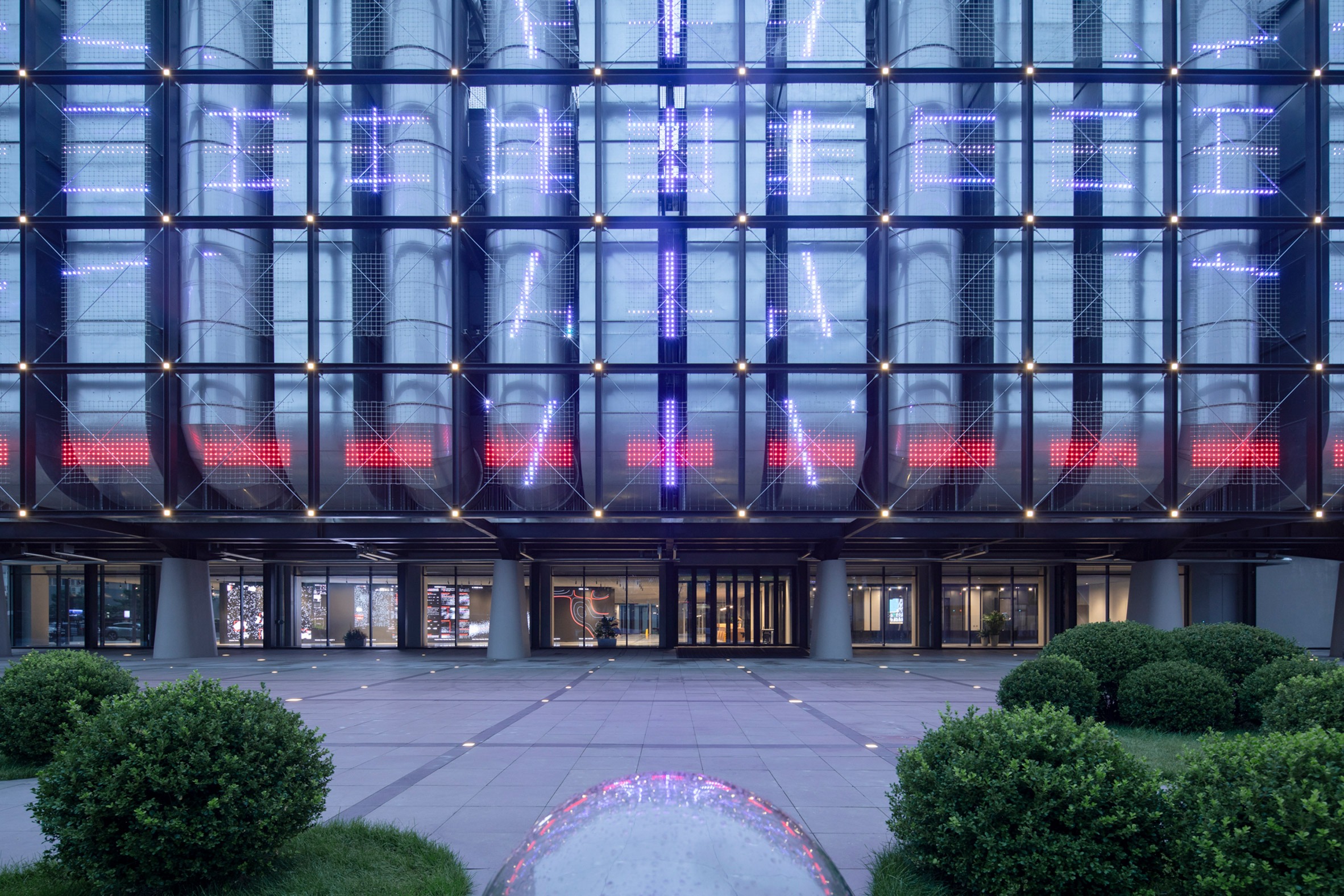

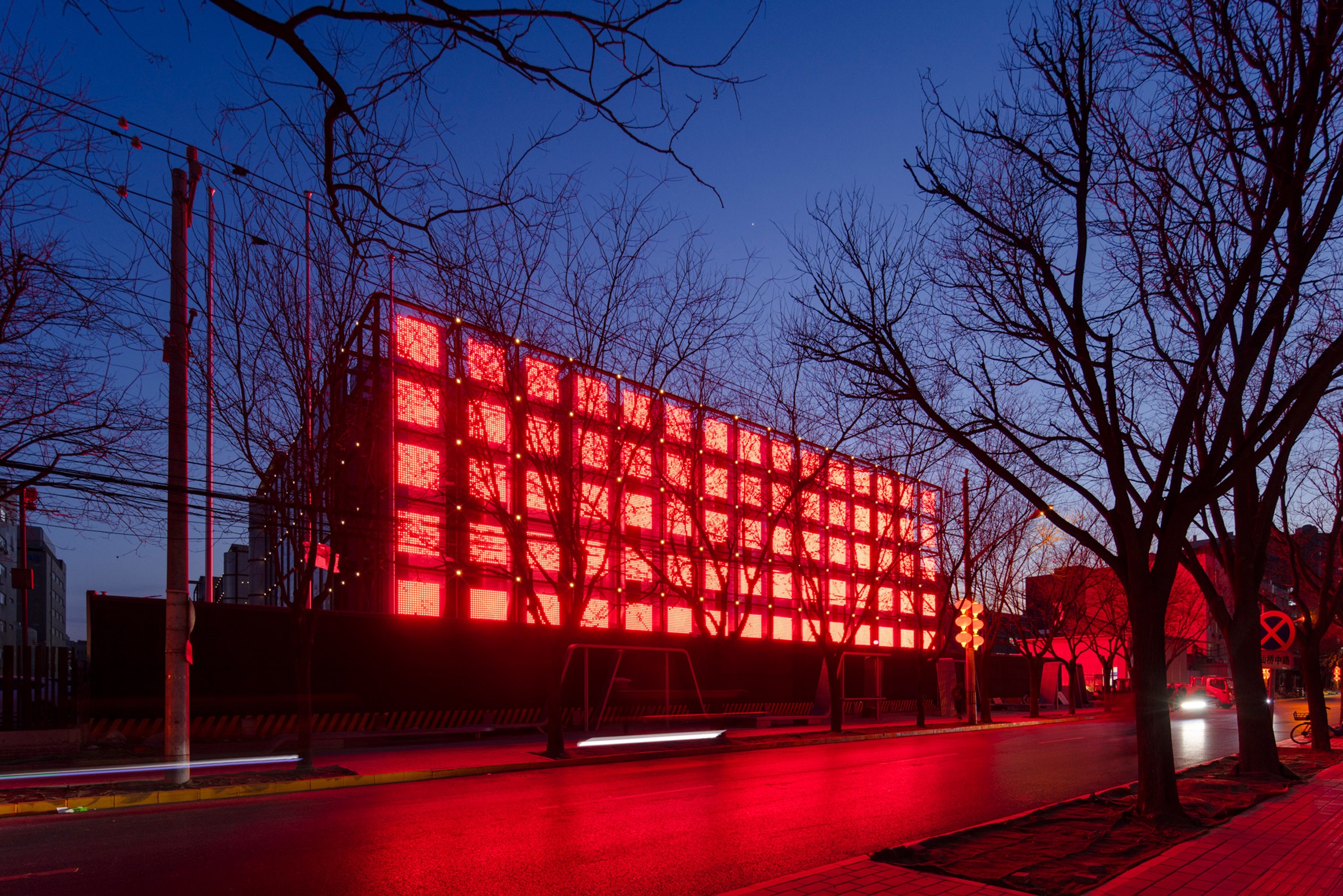
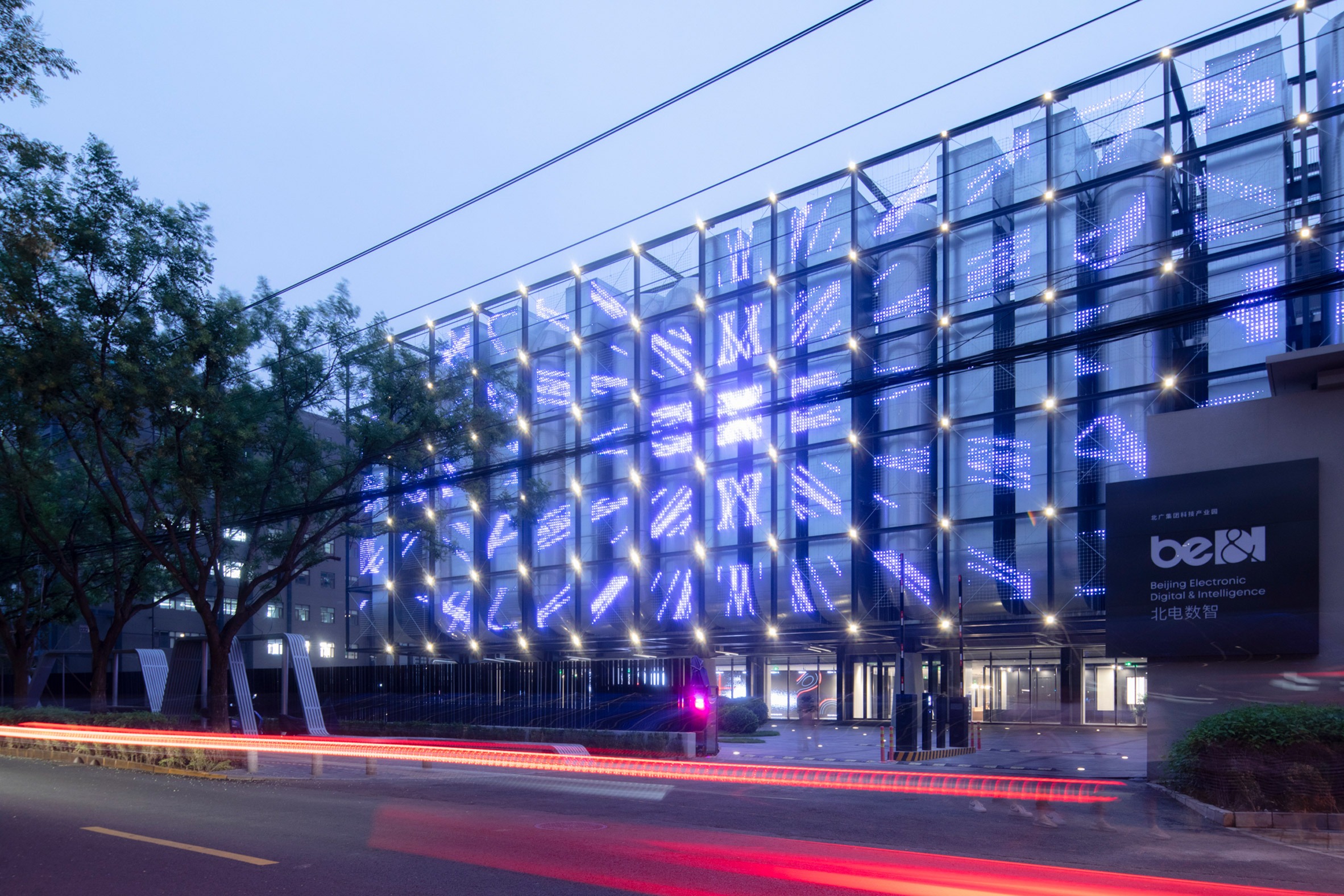
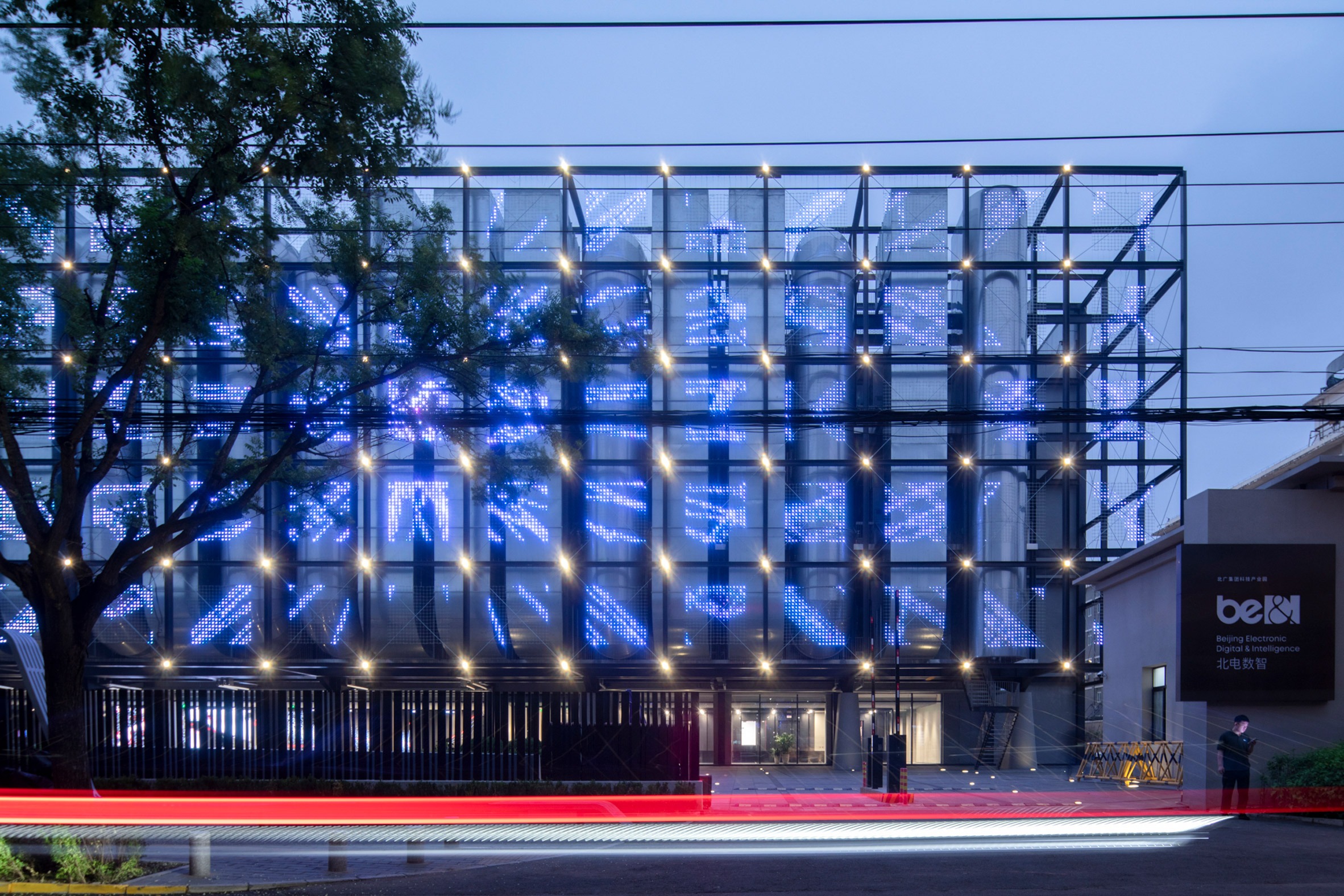
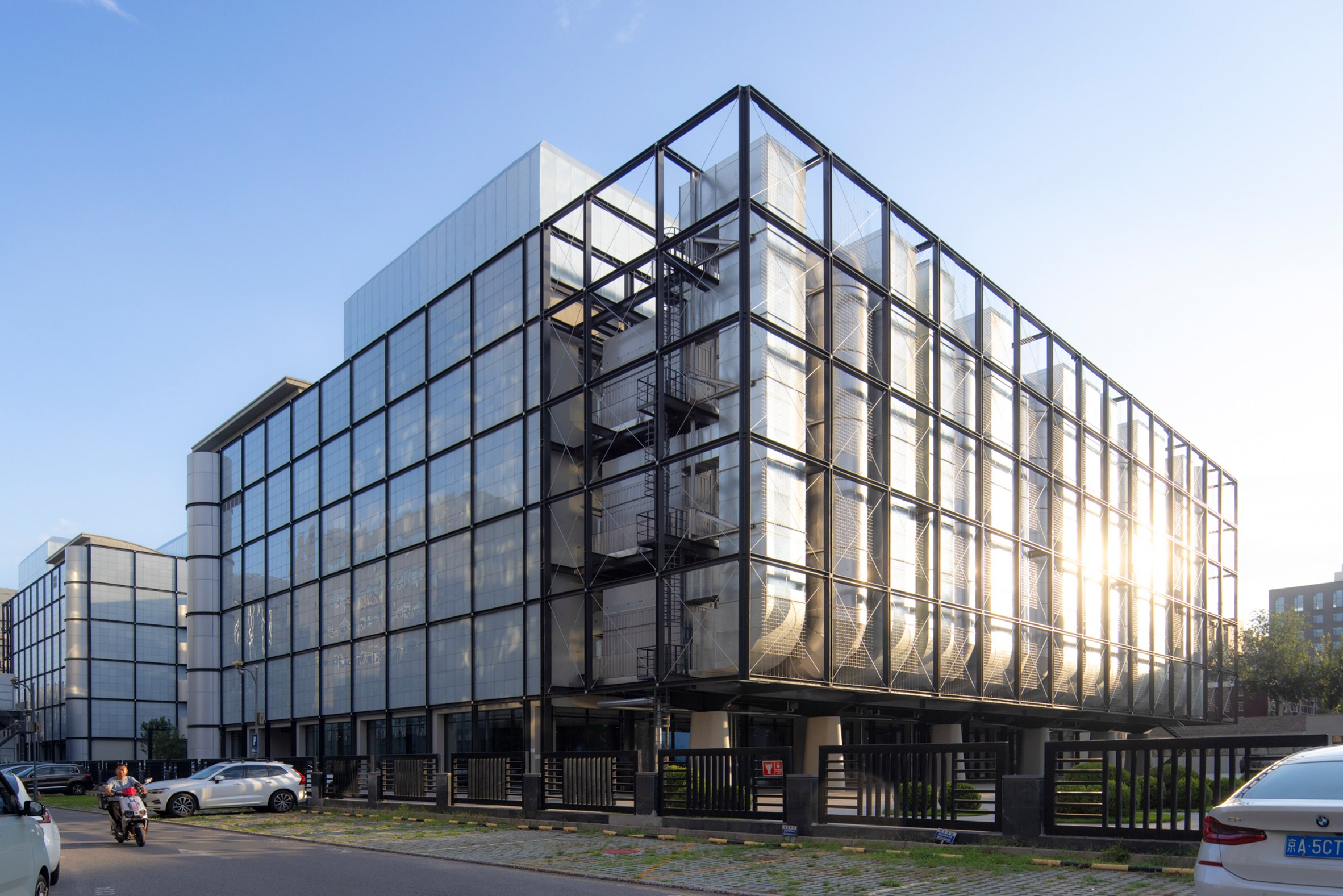
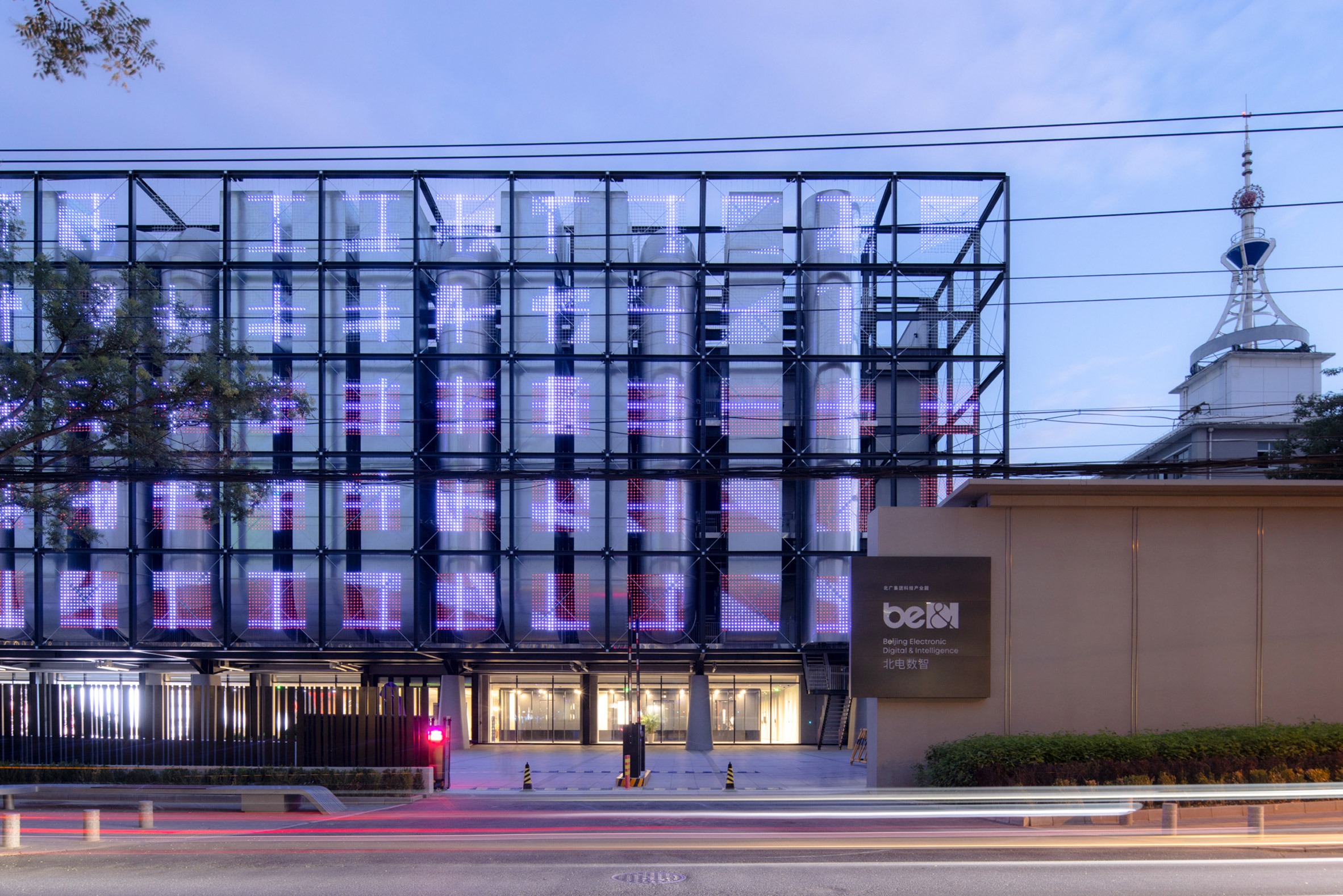
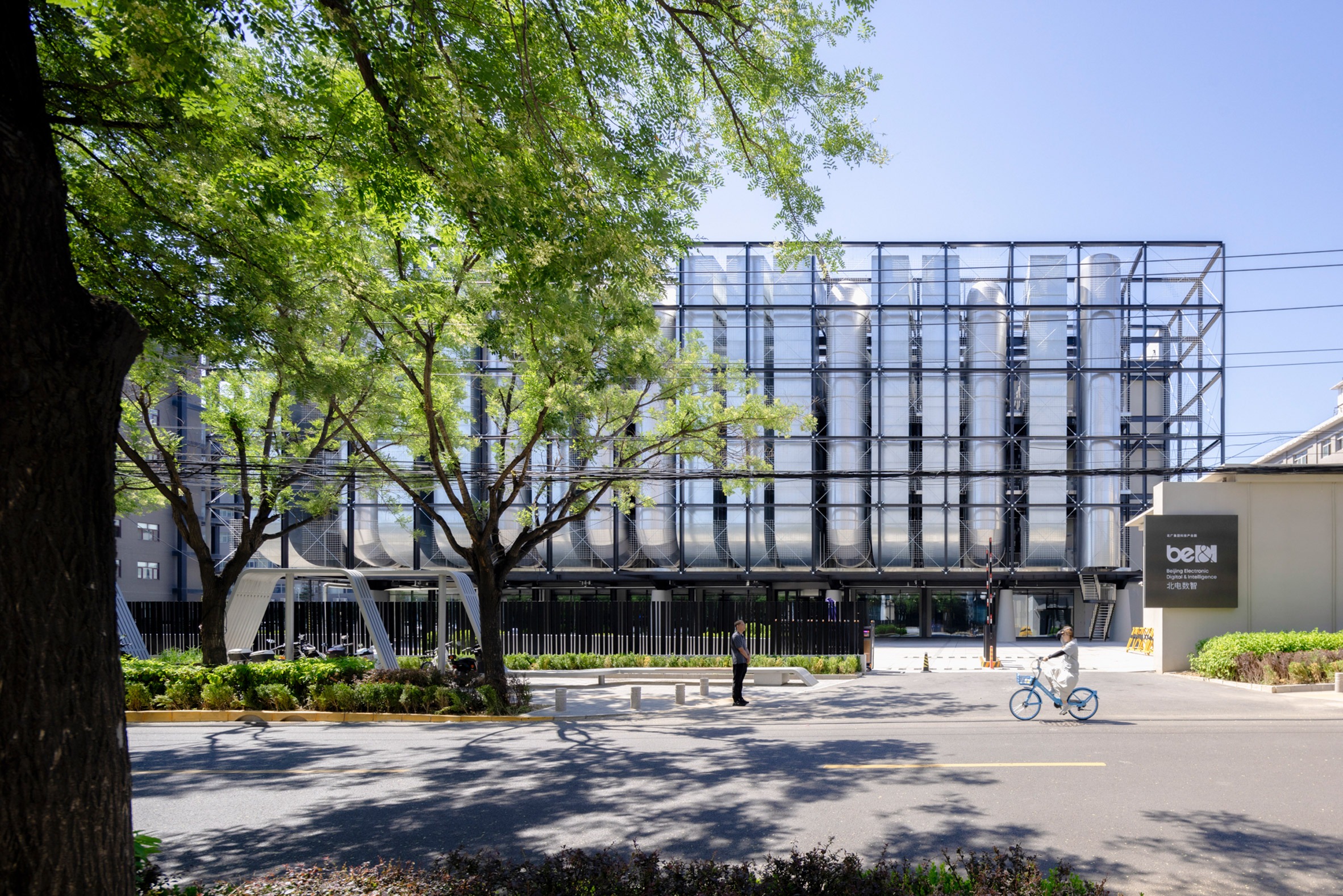








A steel grid wrapped in LED netting cloaks the metal ductwork of Spark 716, an AI data centre and "computing power park" in the centre of Beijing, completed by local architecture practice LLLAB.
Located within Beijing's 798 Art District, the building was designed as an alternative to the traditionally closed-off typology of the data centre, instead allowing the infrastructure to co-exist with public and office facilities.
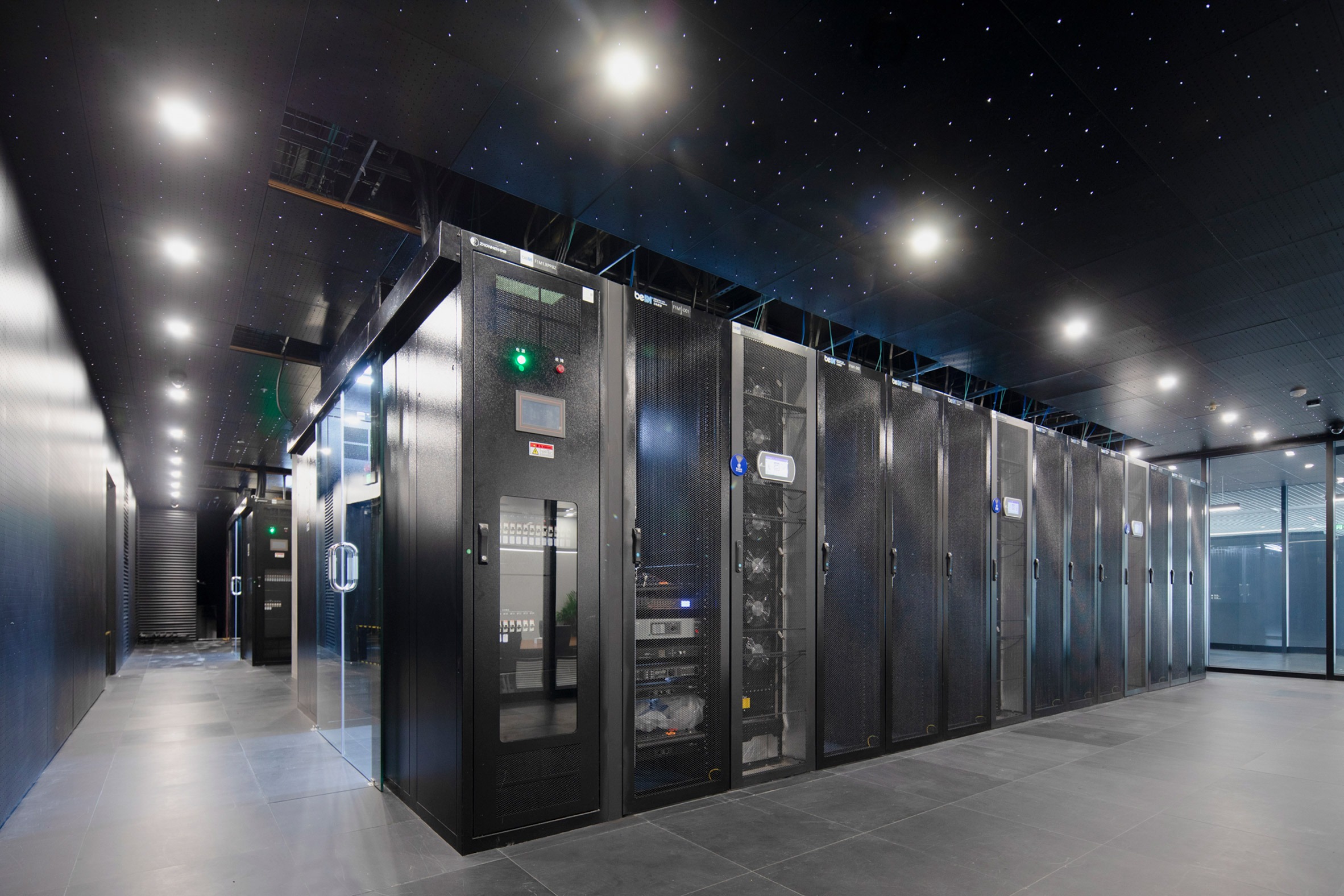
Fronted by a large public plaza, Spark 716 contains event, exhibition and workspaces, as well as areas that give glimpses into the data centre's server rooms, which Shanghai-based LLLAB described as its "breathing and heartbeat."
"In essence, the project embodies the convergence of architecture and artificial intelligence," studio founders Hanxiao Liu and Luis Ricardo told Dezeen.
"The design transforms a data infrastructure into an expressive, perceptible being, mediating the threshold between the human and the digital," the studio continued.
"This environment offered a unique opportunity to explore the intersection between the tangible and intangible – between the physical presence of architecture and the ephemeral realm of the digital world."
Creating a feature of the large ventilation ducts required to cool the server rooms, LLLAB kept them exposed to form the building's facade, where they are encased within a steel grid infilled with LED netting that illuminates at night.
A glazed ground floor sits beneath this steel grid, with the plaza leading into the building through a row of chunky concrete supports. Inside, spaces sit on either side of a central courtyard, off of which are dedicated entrances to the office areas.
"The grid organises the building's physical structure while also evoking the language of the virtual world — a digital matrix that represents information, order, and flow," Hanxiao and Luis said.
"The building appears solid and material during the day, yet as night falls, it transforms – its digital facade and dynamic lighting allow it to dematerialise and blend into the virtual landscape."
The grid of the centre's exterior is carried through the interiors, which featured gridded metal ceilings and tiled floors with a grid pattern.
The theatre, called the Computing Power Theatre, is wrapped by an angular black display wall and will serve as the base for China's annual JXQ AI Forum. The adjacent Enterprise Command Centre, meanwhile, provides a space to exhibit locally produced chips.
from dezeen