"건축이란 공간을 통해 시간을 만드는 예술이다." — 루이스 칸

 |
 |
 |
정원과 엮이는 건축, 프란 실베스트레 아르키텍토스 Fran Silvestre Arquitectos - 빌라 라고 Villa Lago
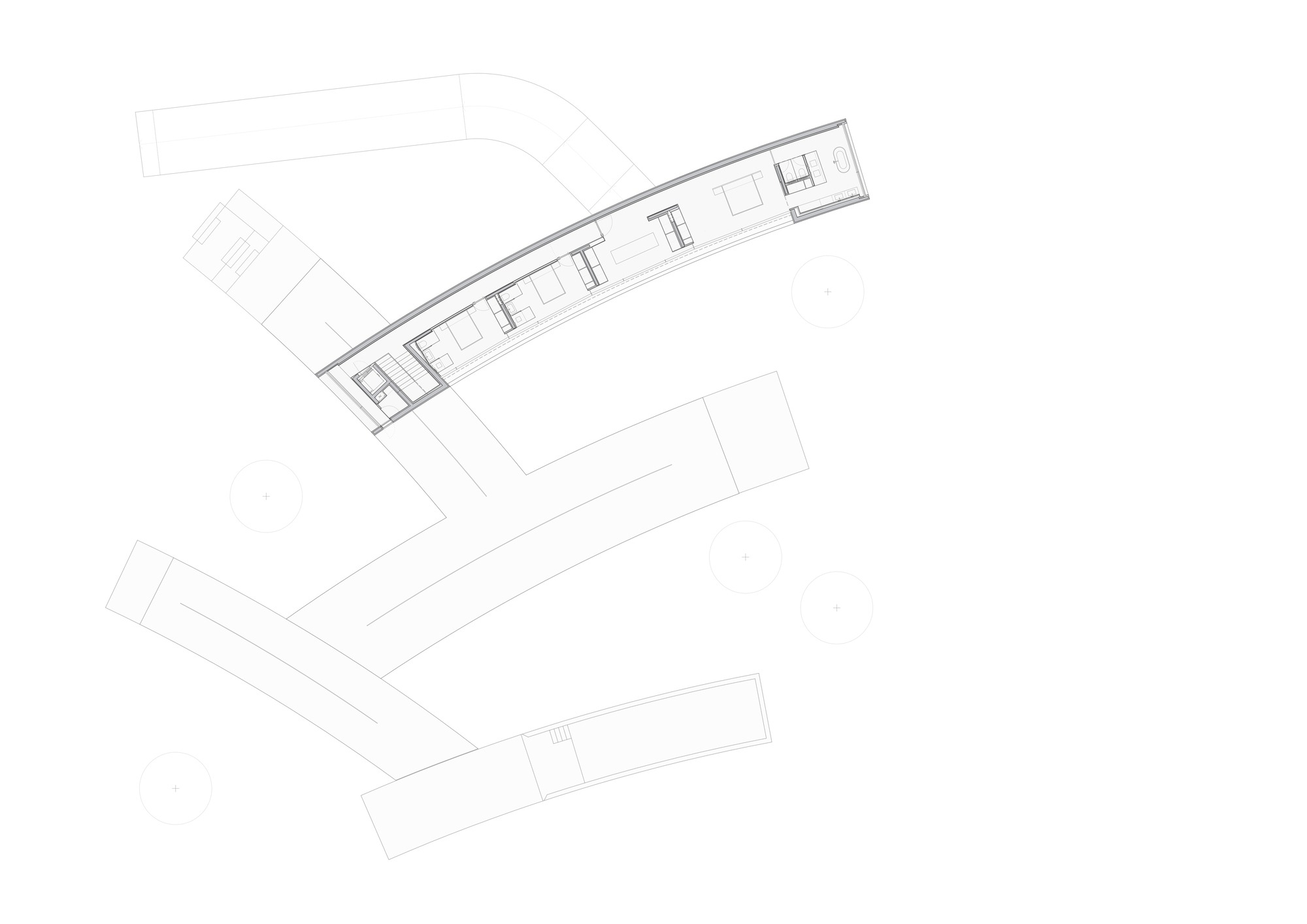
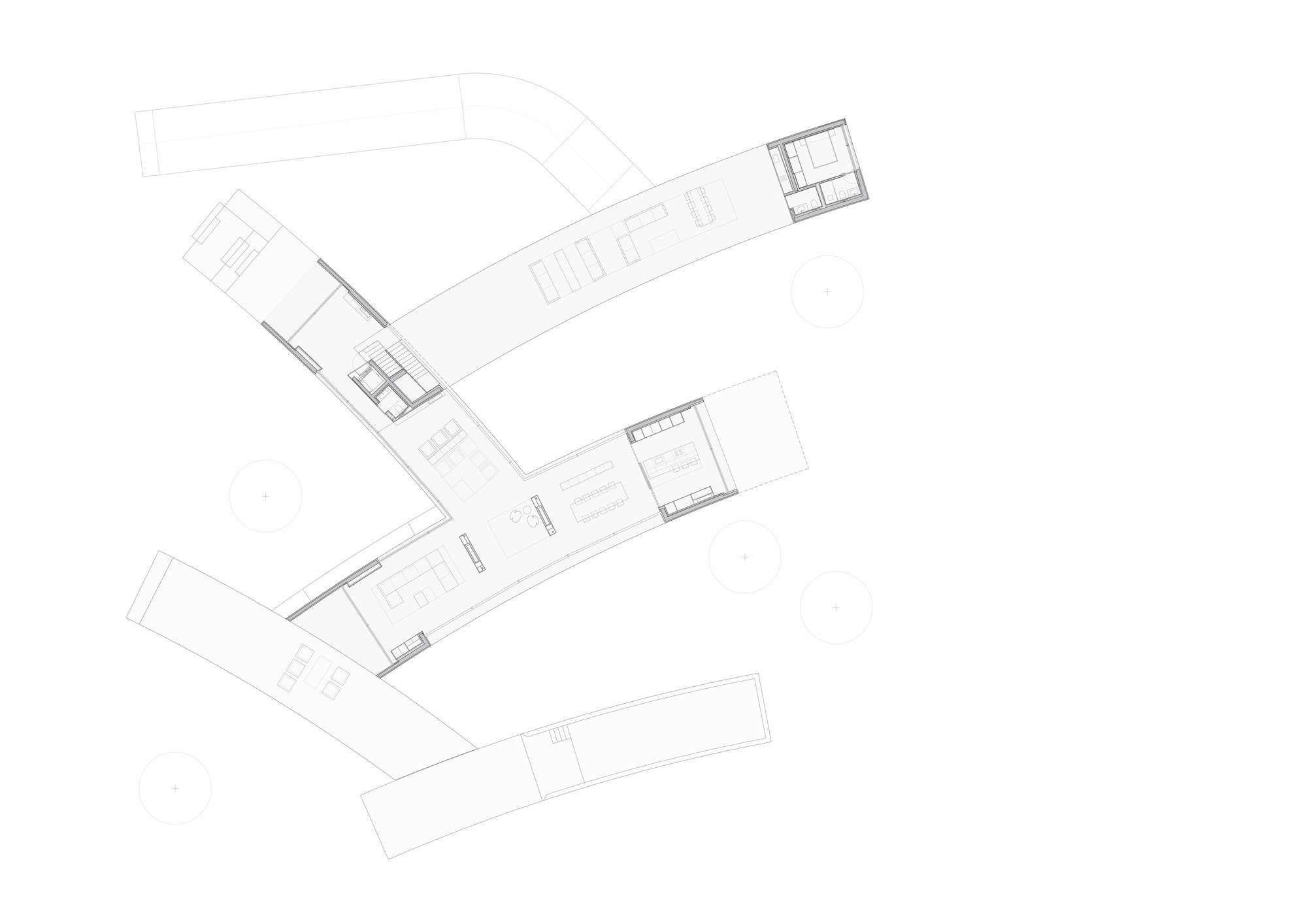
건축가는 정원과 엮이는 건축을 제안한다. 풍경과 만나는 접점을 최대한 늘리고, 건축과 자연 사이의 경계를 지운다. 마드리드라는 장소에서 이 관계는 특별한 가치를 지닌다. 이를 위해 건축가는 하나로 뭉친 덩어리를 의도적으로 버리고, 알파로의 특정 작품들을 떠올리게 하는 단계적으로 상승하는 배치를 선택한다. 이 프로젝트는 이중성을 풀어낸다. 기하학적이면서도 유기적이다. 구조는 정확하지만, 거주자에게는 자연스럽게 자리 잡은 것처럼 느껴진다.
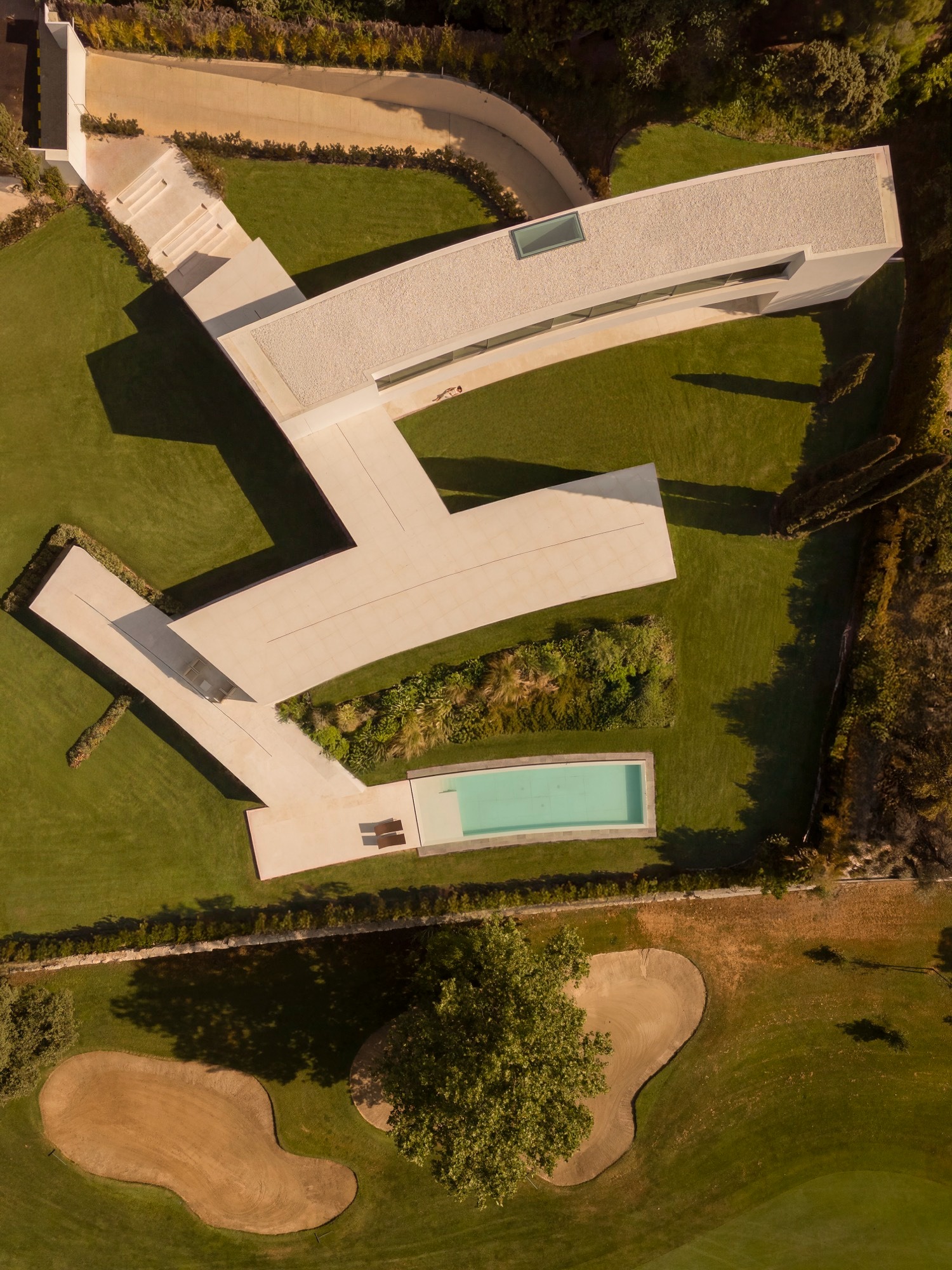
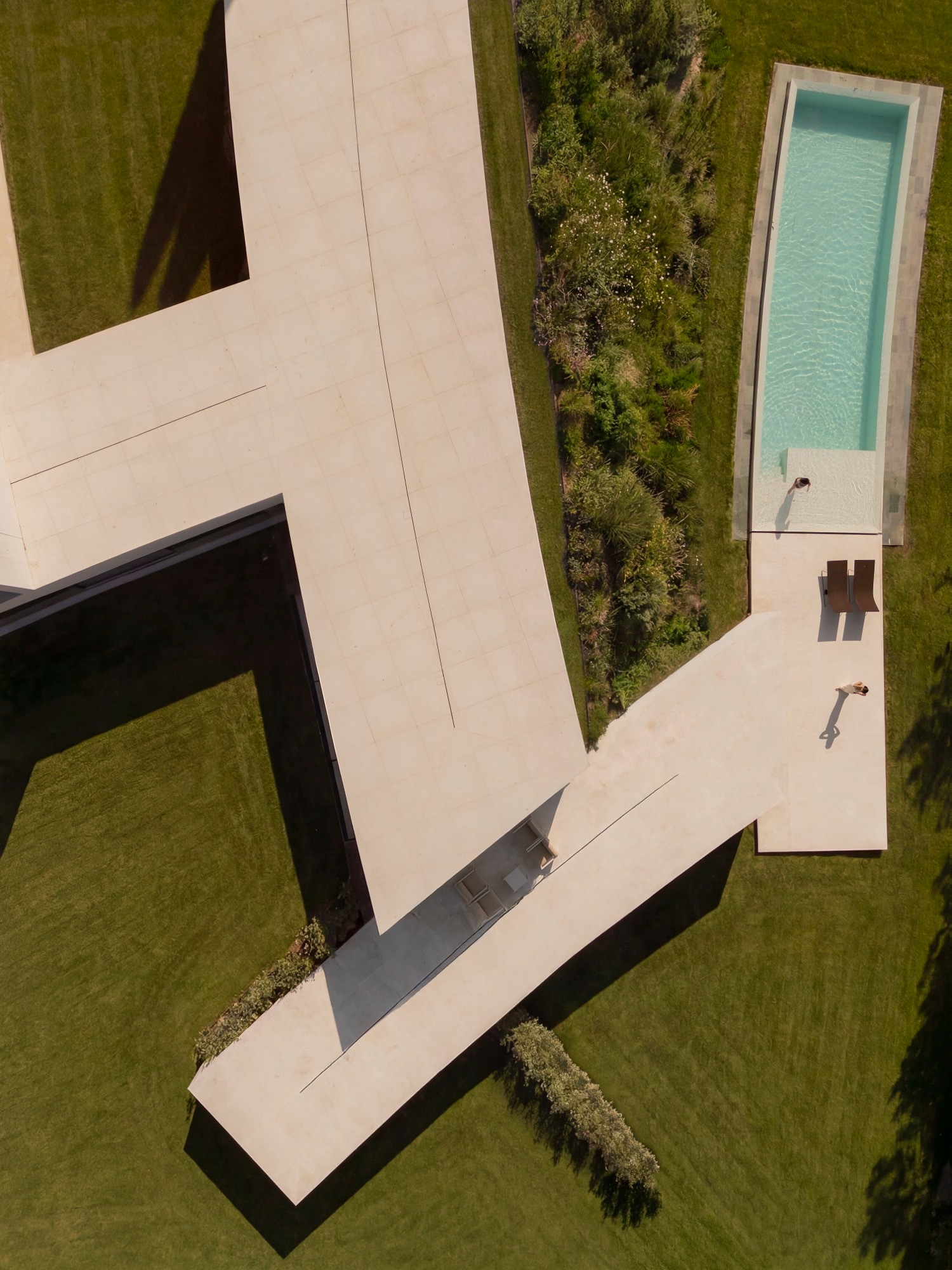
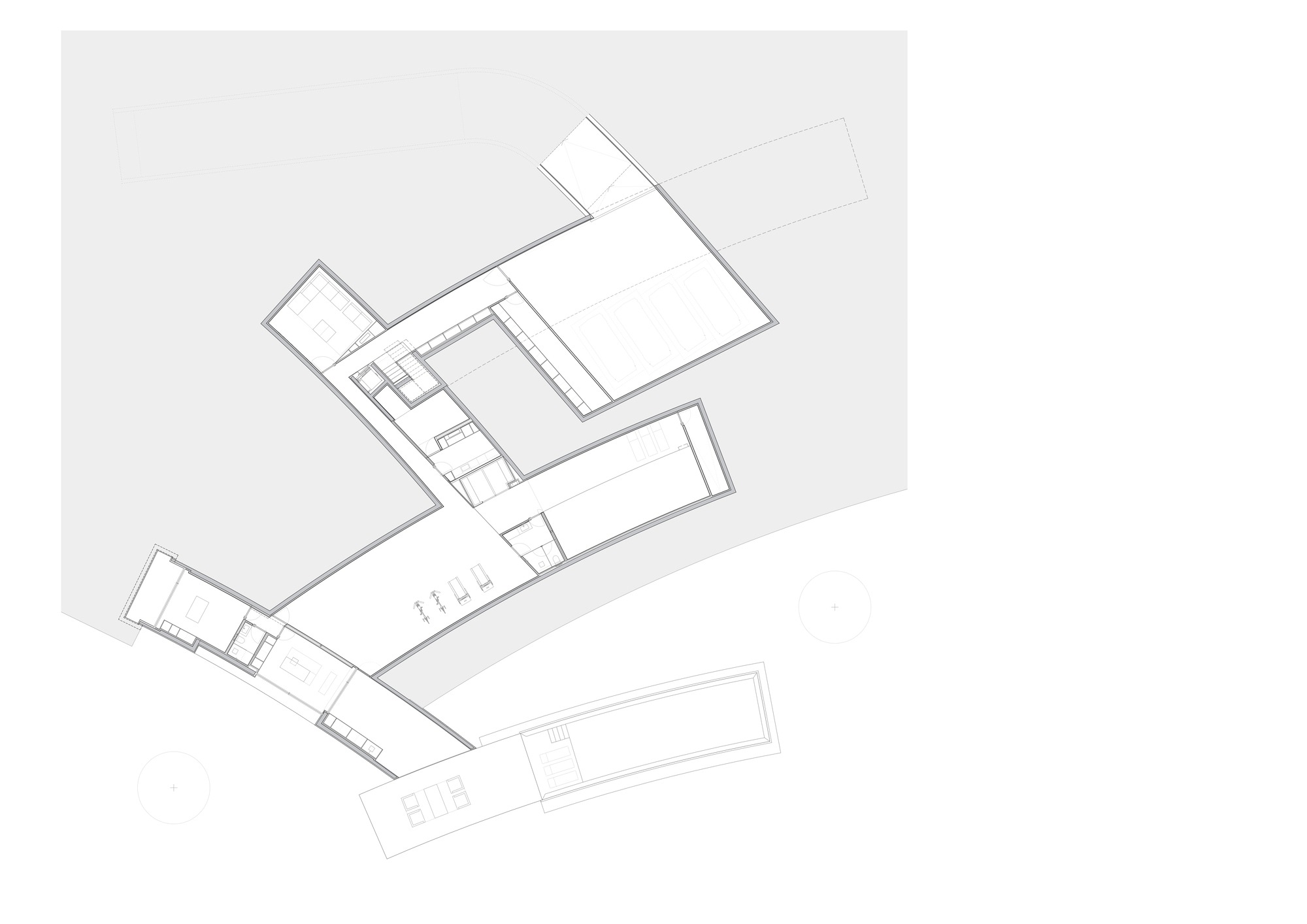
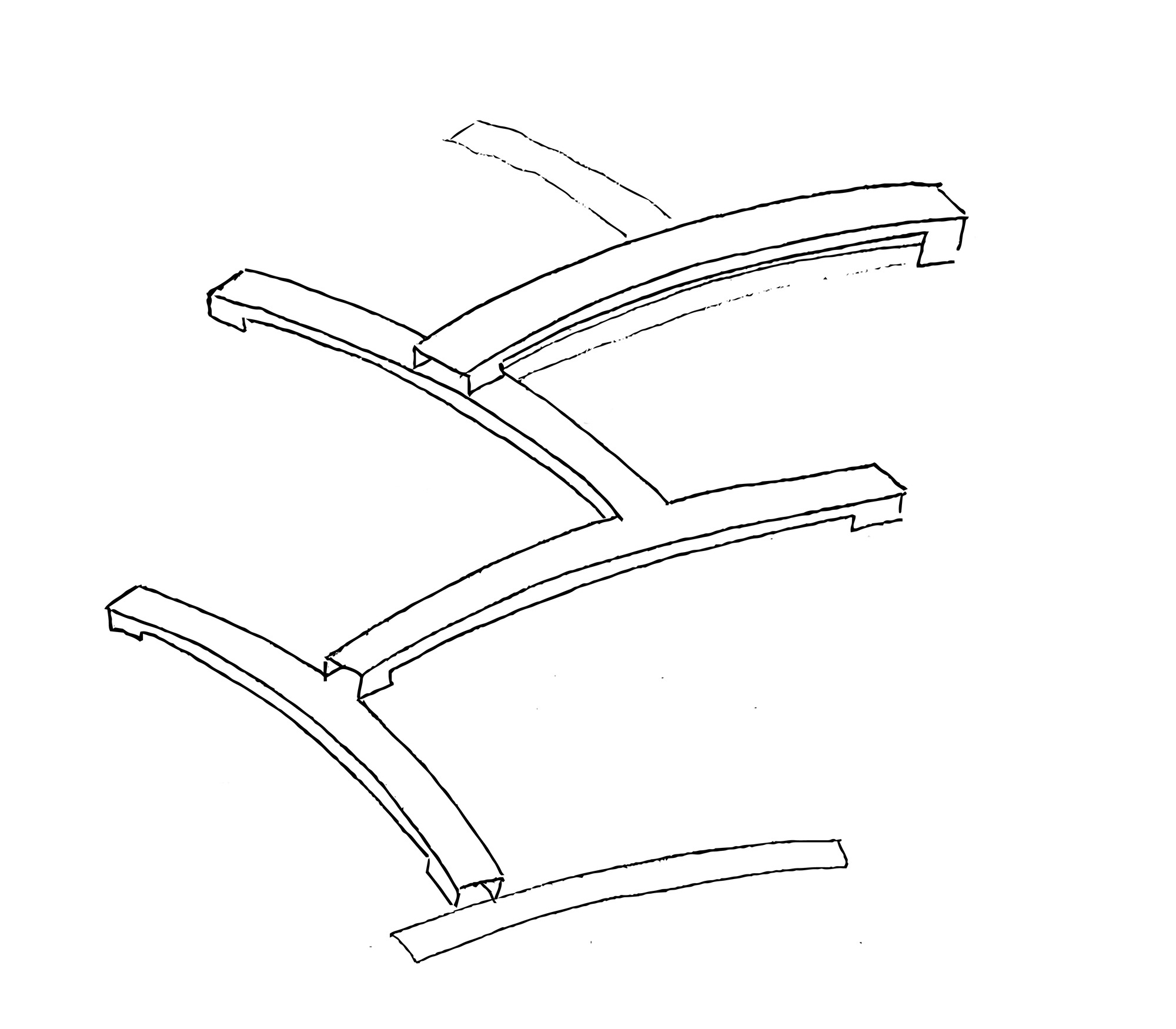
이 프로젝트는 오래된 두 가지 원형을 결합한다. 파빌리온, 열린 구조로서 중심에서 바깥으로 펼쳐지는 공간. 그리고 안마당, 보호받으면서도 하늘이 열린 공간. 건축가는 Glenn Murcutt와 Stephane Beel 등의 작품에 매료되어 왔다. 길게 늘어선 평면에서 외부와 맺는 관계 때문이다. 건축 덩어리들은 큰 반경의 곡선을 그리는 길고 통과하는 요소로 구성된다. 이 덩어리들은 나란히 배치되어 동선을 최적화한다. 이런 배치 속에서 각자의 정체성을 지닌 5개 정원이 생겨난다. 거의 열린 안마당처럼, 건축의 배치가 만들어낸 공간들이다. 각 정원은 고유한 분위기를 제공하고 시각적 연결망을 증폭시킨다. 외부가 전체 경험 속에서 항상 살아있는 존재가 되도록 한다. 이 공간들은 시간이 지나면서 들어올 큰 나무들을 품을 준비가 되어 있다.
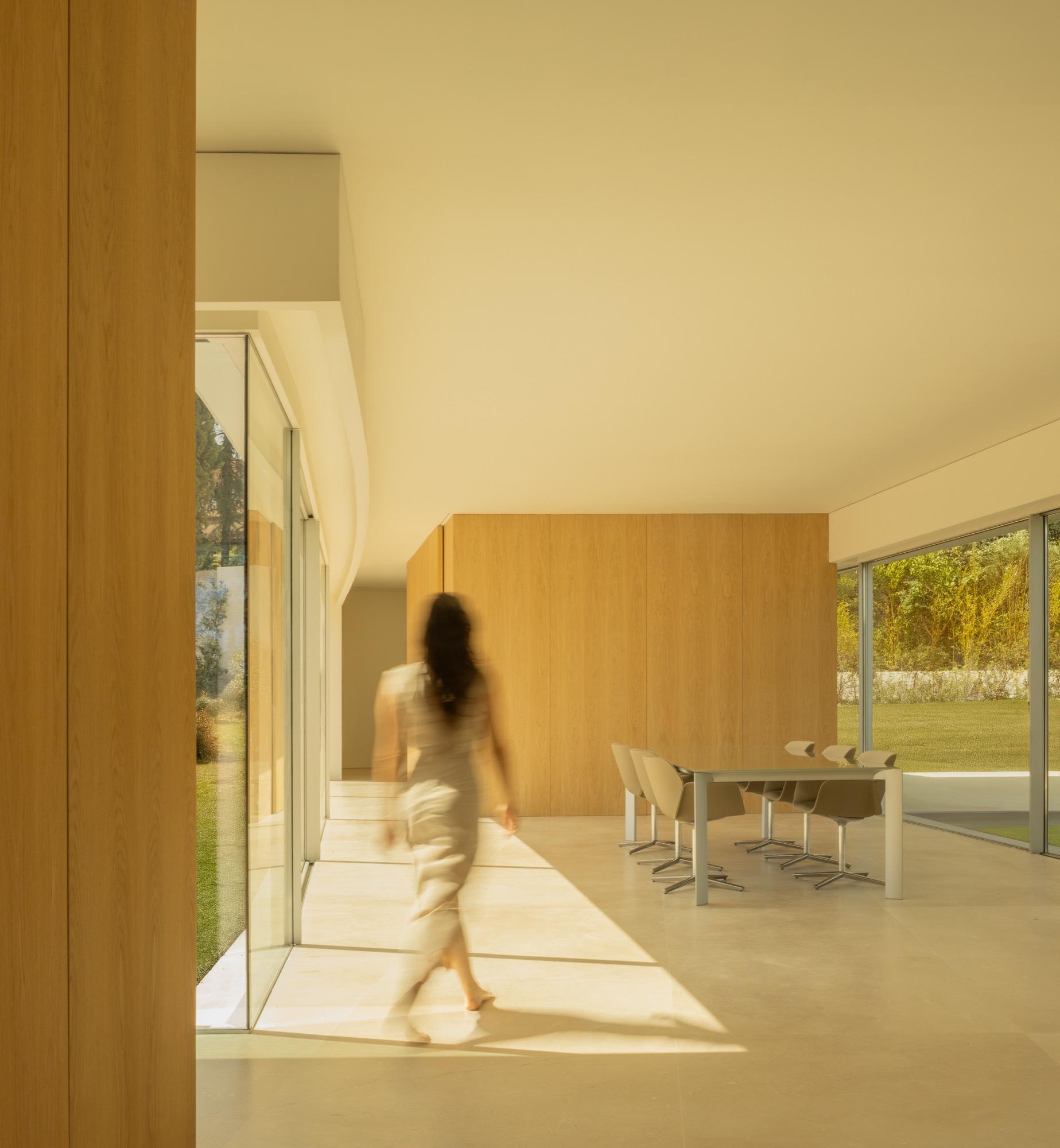
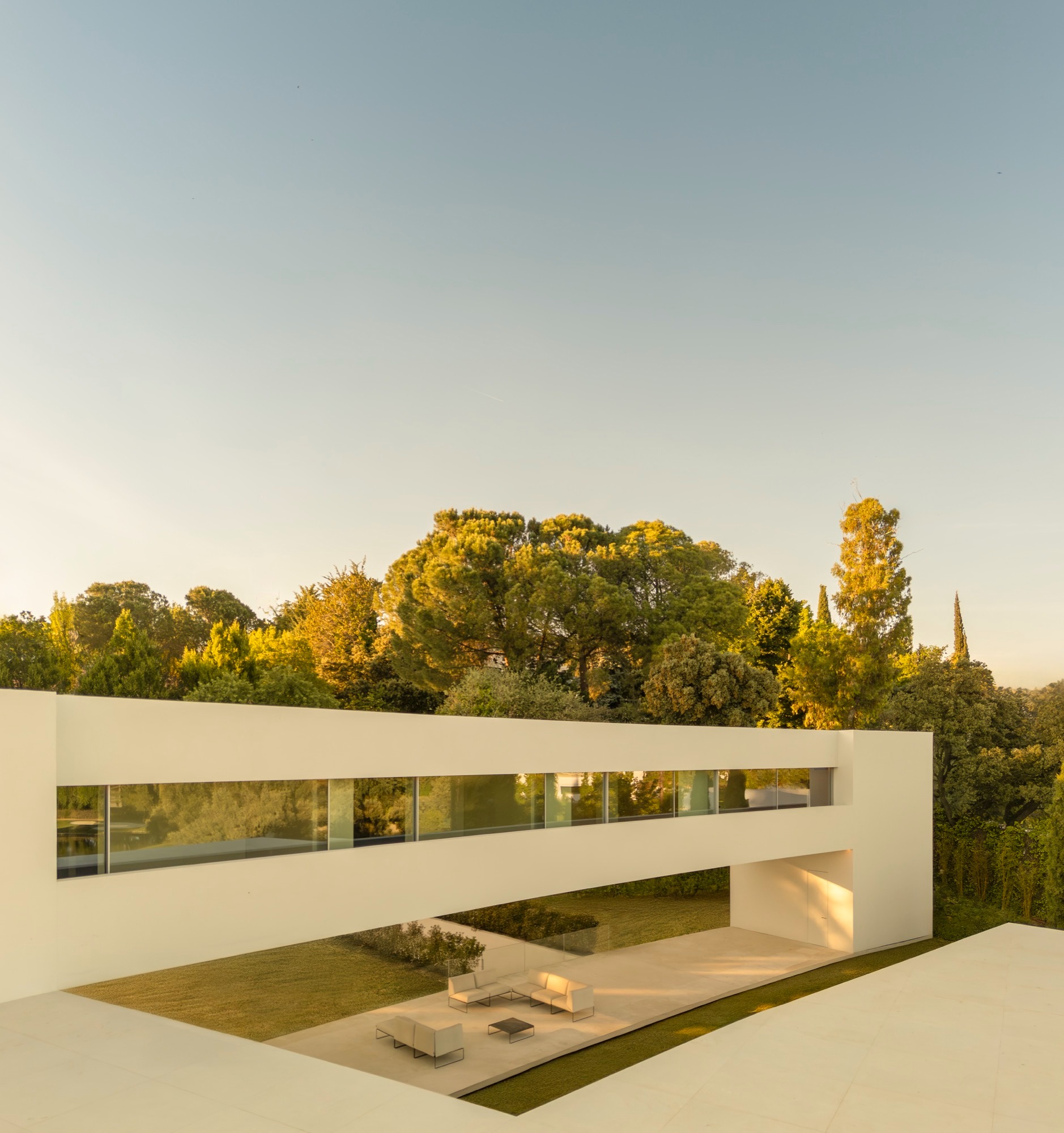
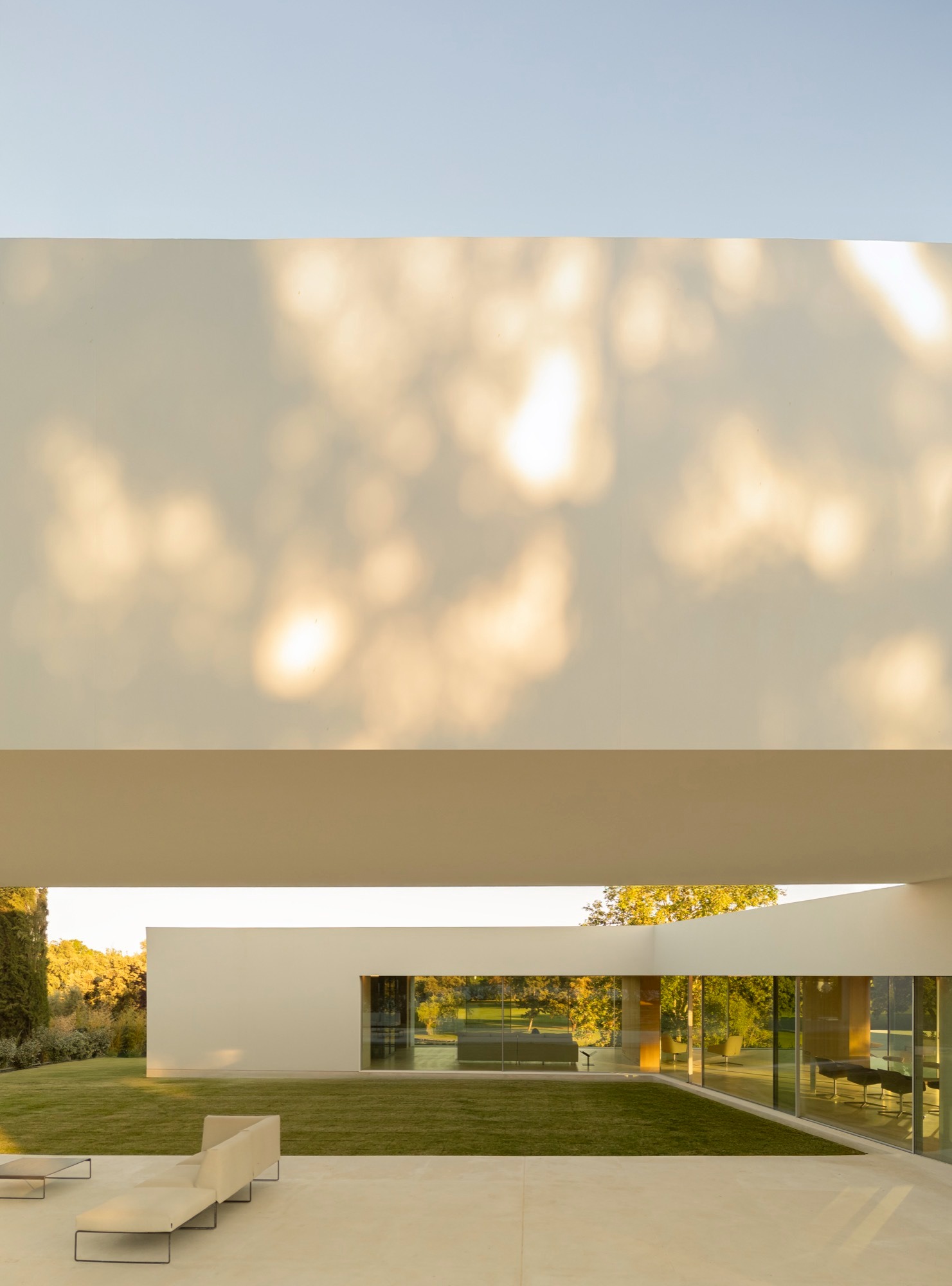
프로그램은 이 상승 구조를 따라 조직된다. 가장 낮은 층에는 수영장과 게스트룸이 자리한다. 그 위로 주간 공간이 펼쳐지며, 가까운 호수 전망을 향해 열린다. 가장 높은 지점에는 침실 공간이 모여 있는데, 이 덩어리는 다리 역할을 하며 그 아래로 넓은 그늘진 테라스를 만들어낸다. 서로 다른 덩어리들이 만나는 지점에 동선의 중심부가 있다. 이곳이 각 층을 연결하고 건축과 풍경 사이의 연속성을 강화한다.
Write by Claude & Jean Browwn
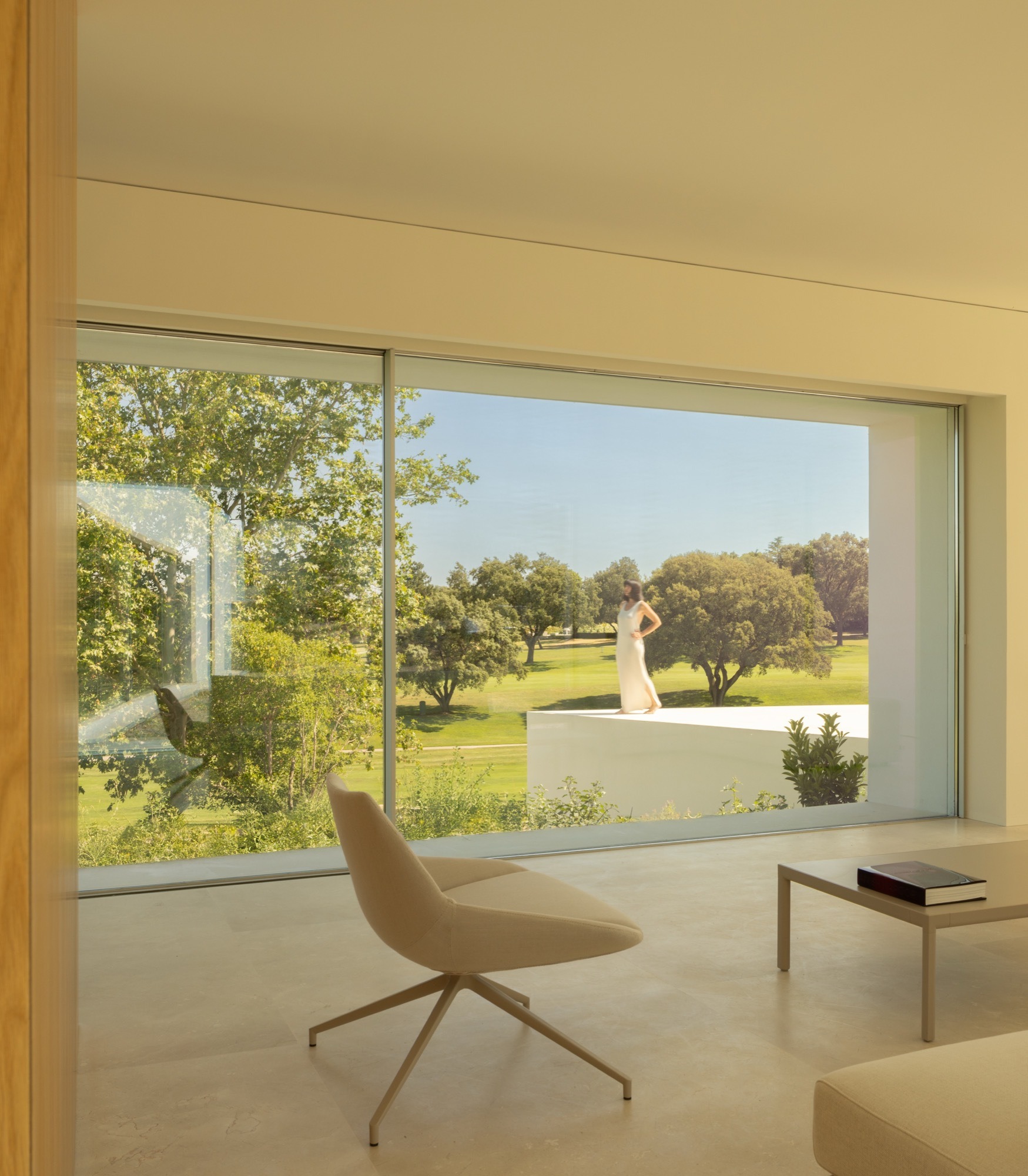

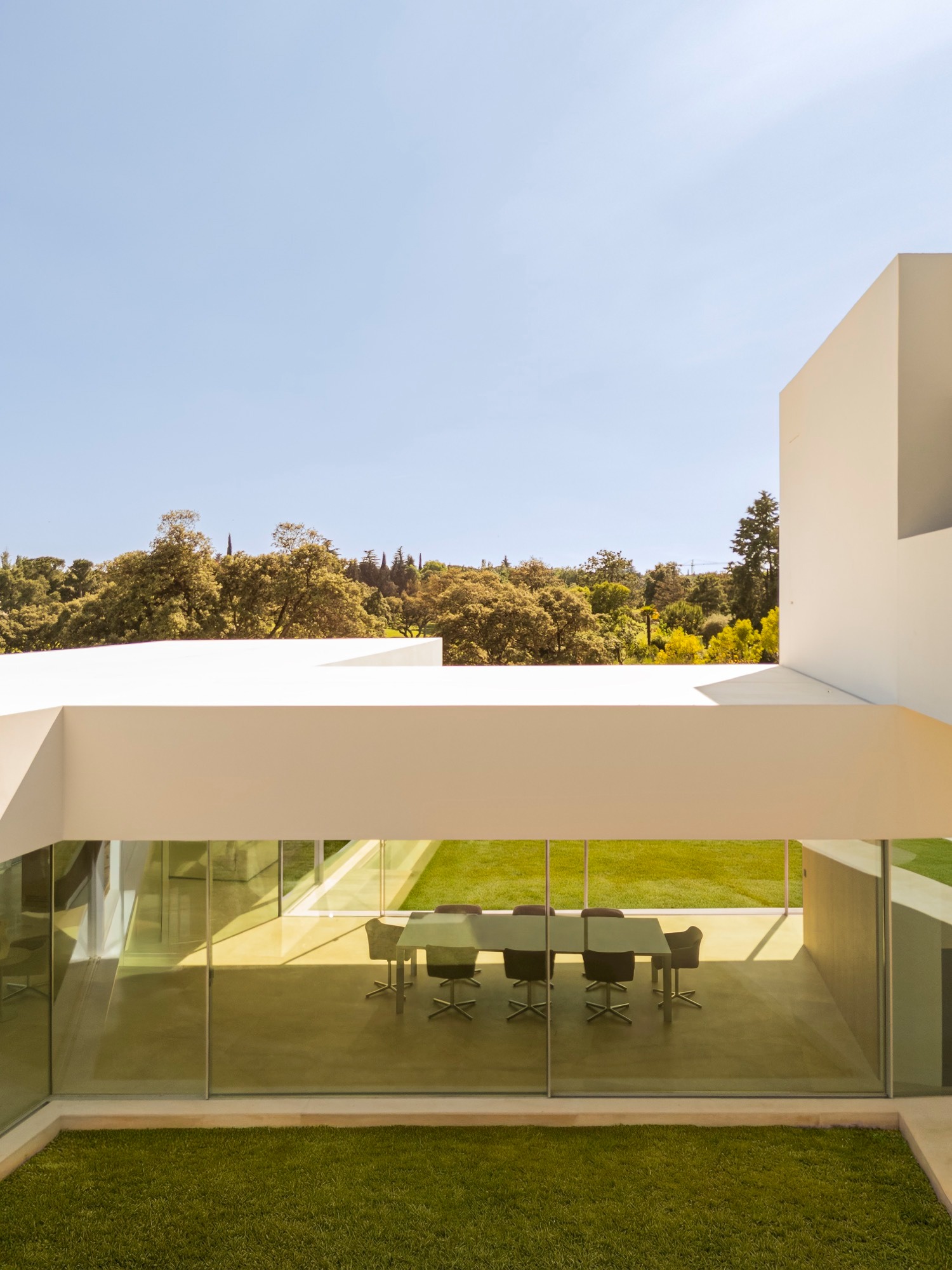
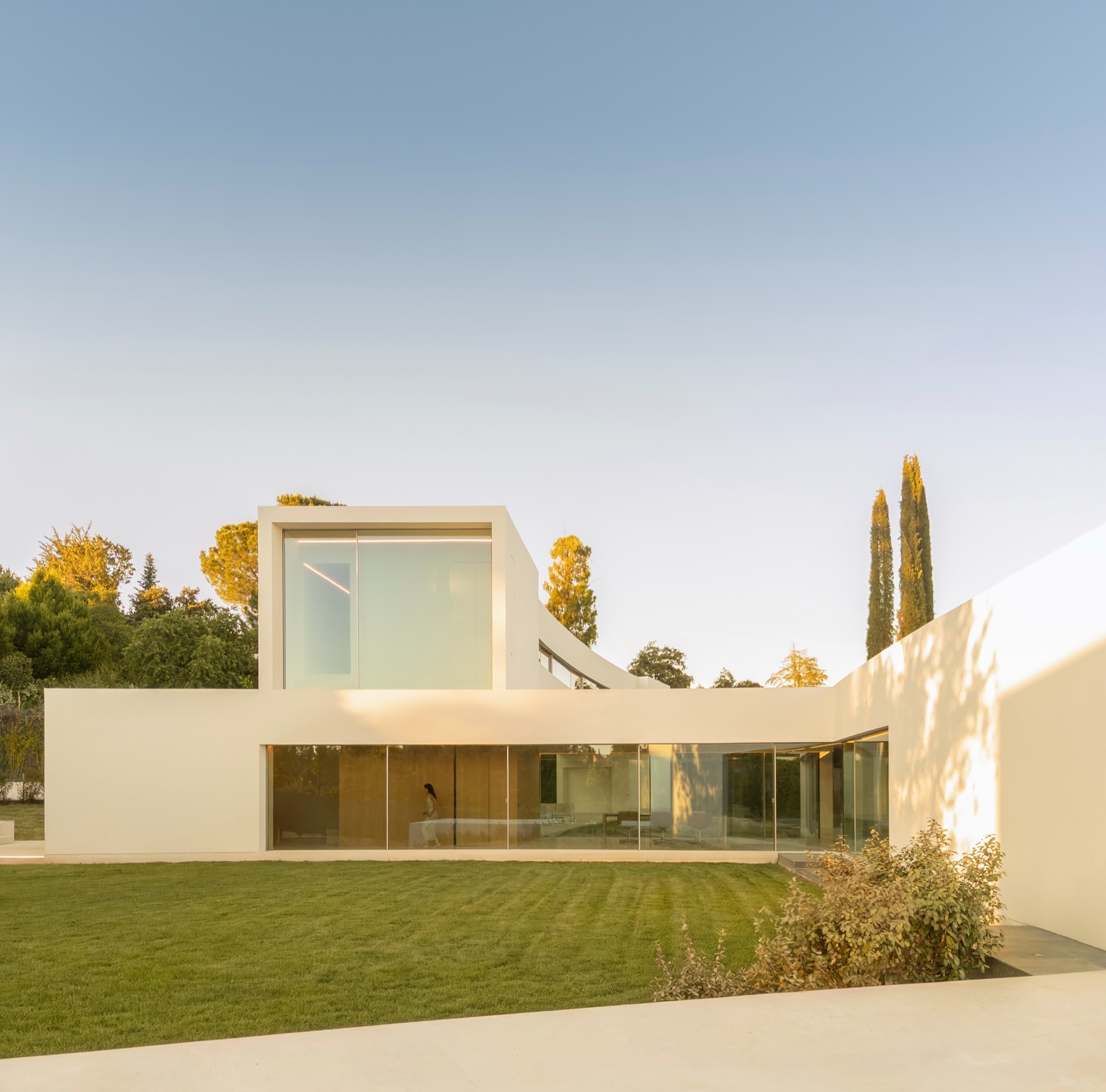
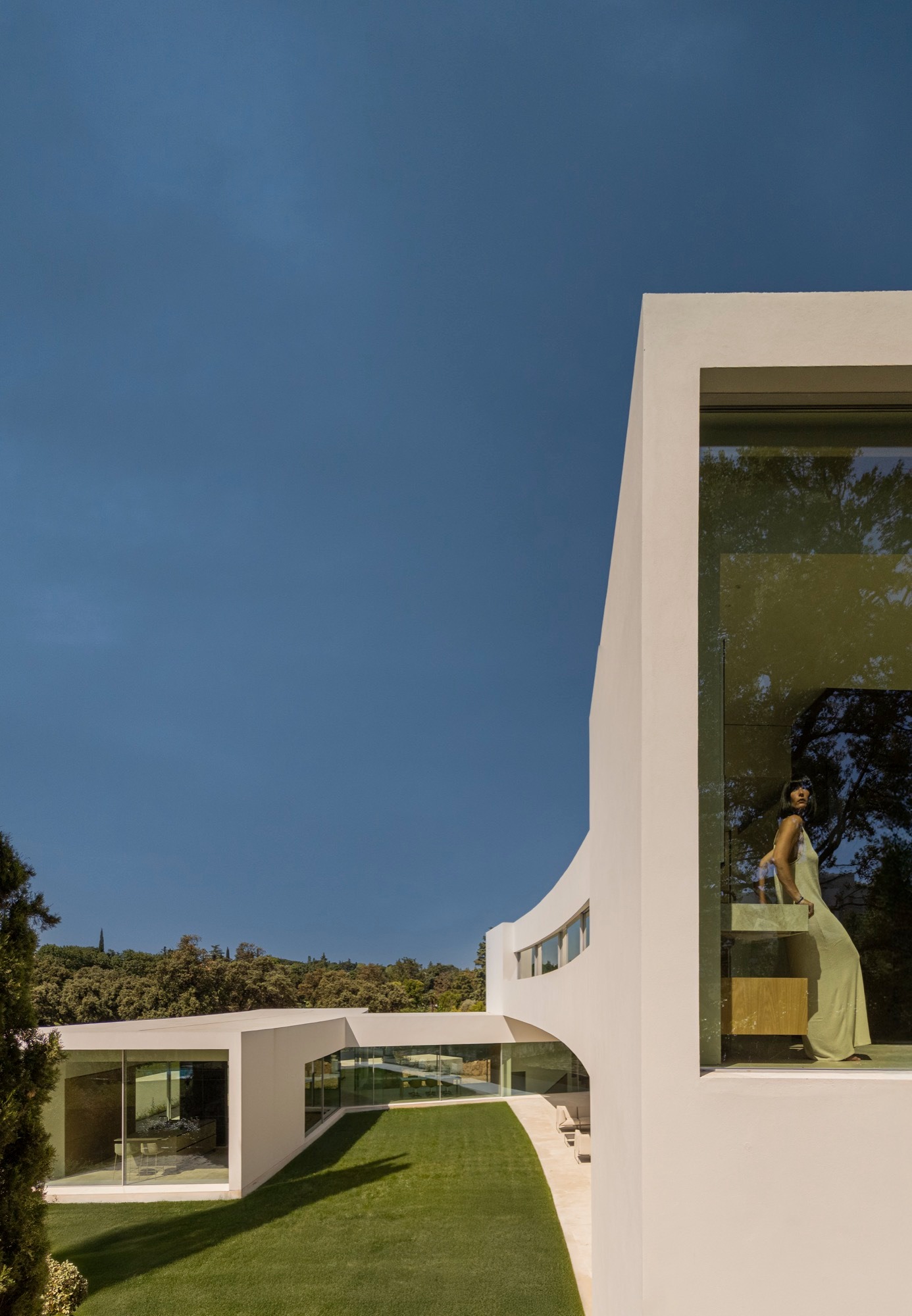
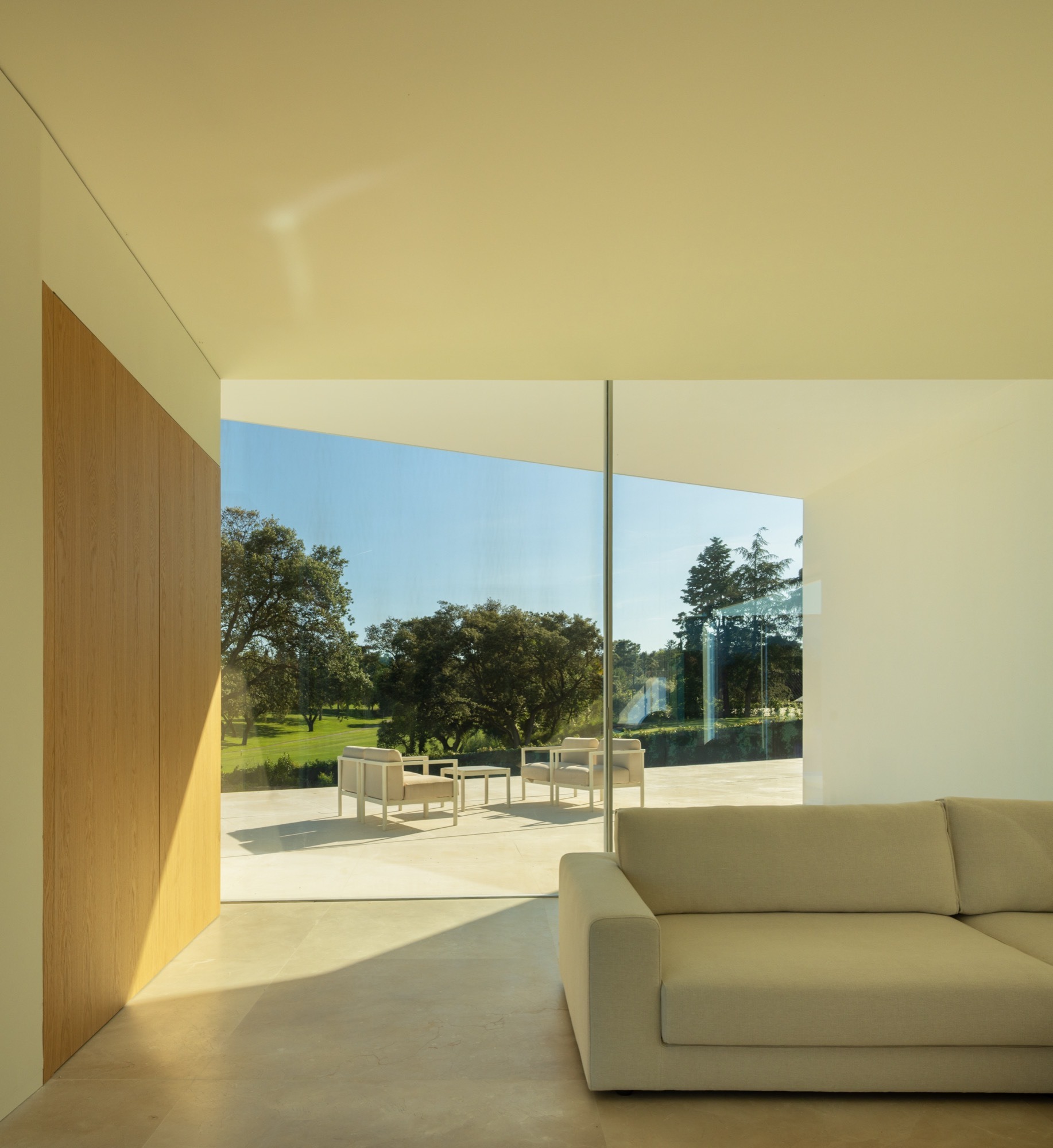
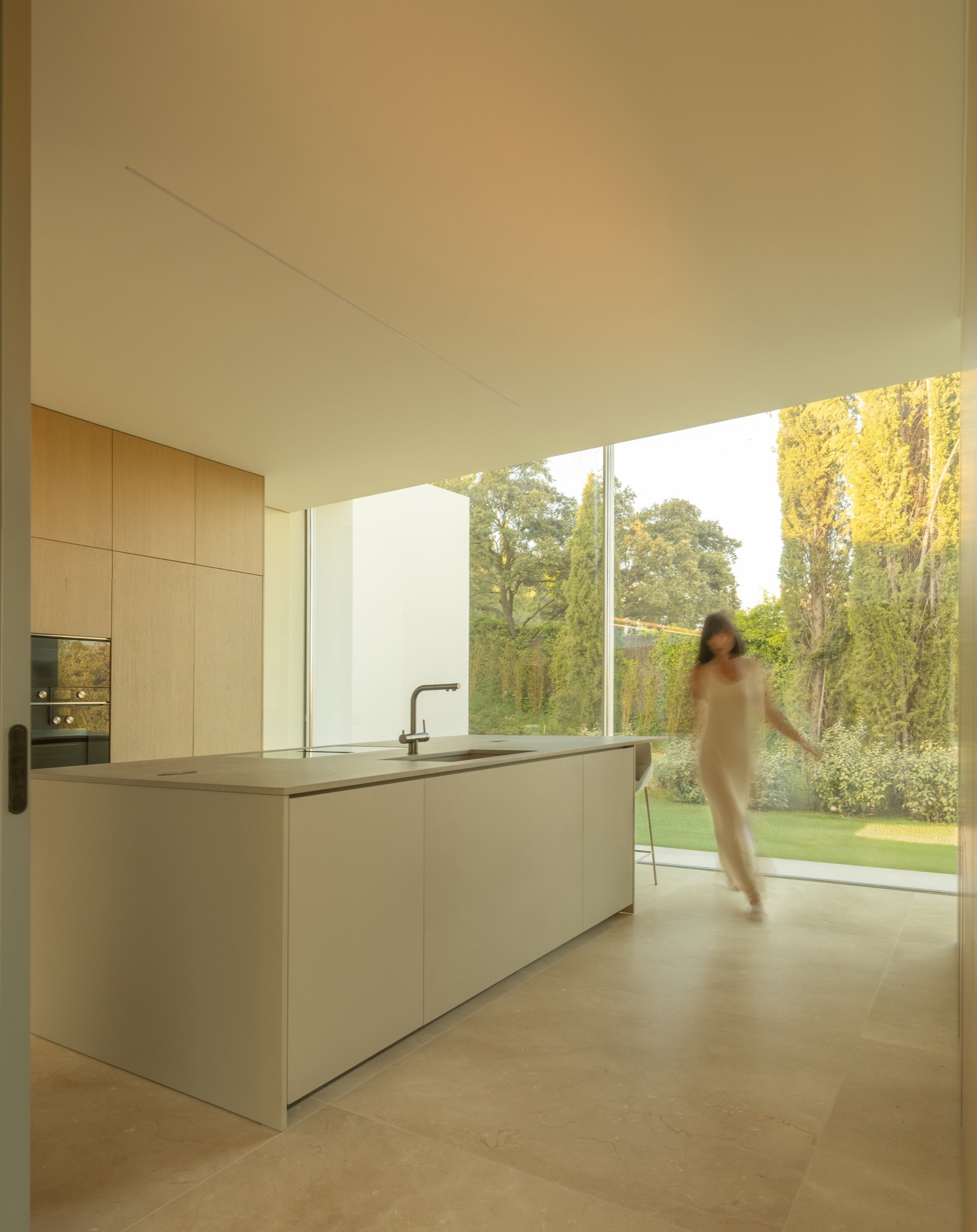
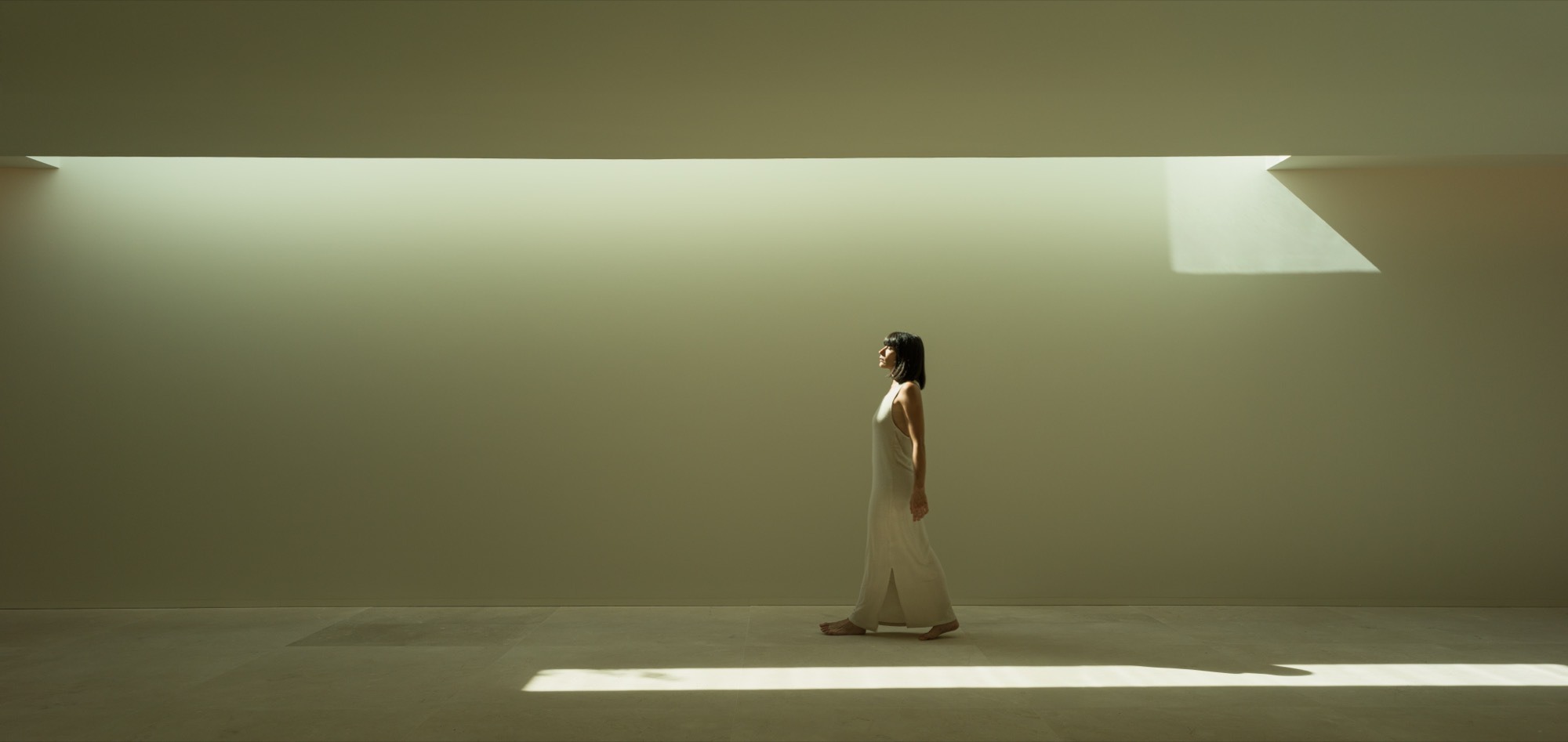
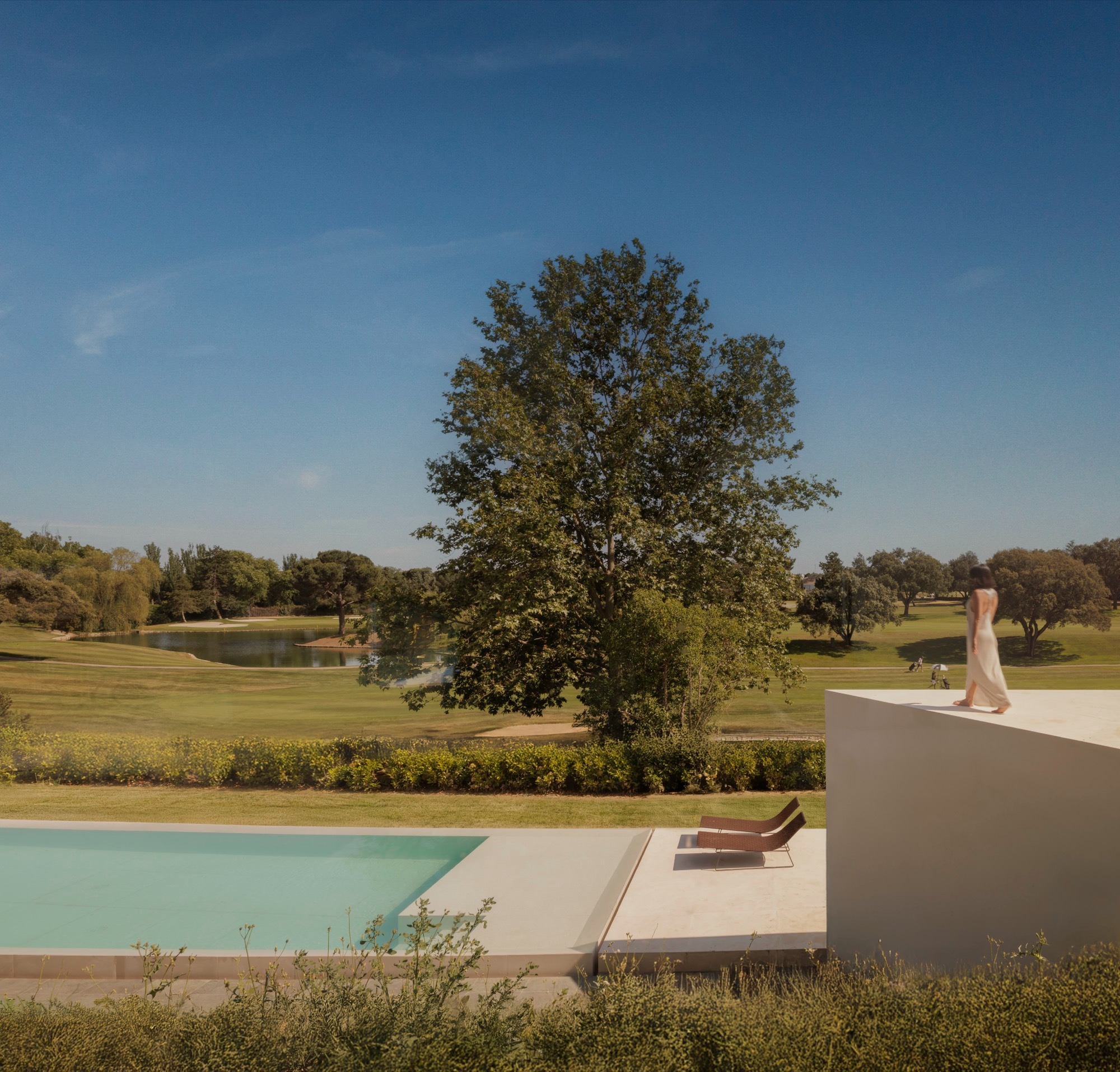

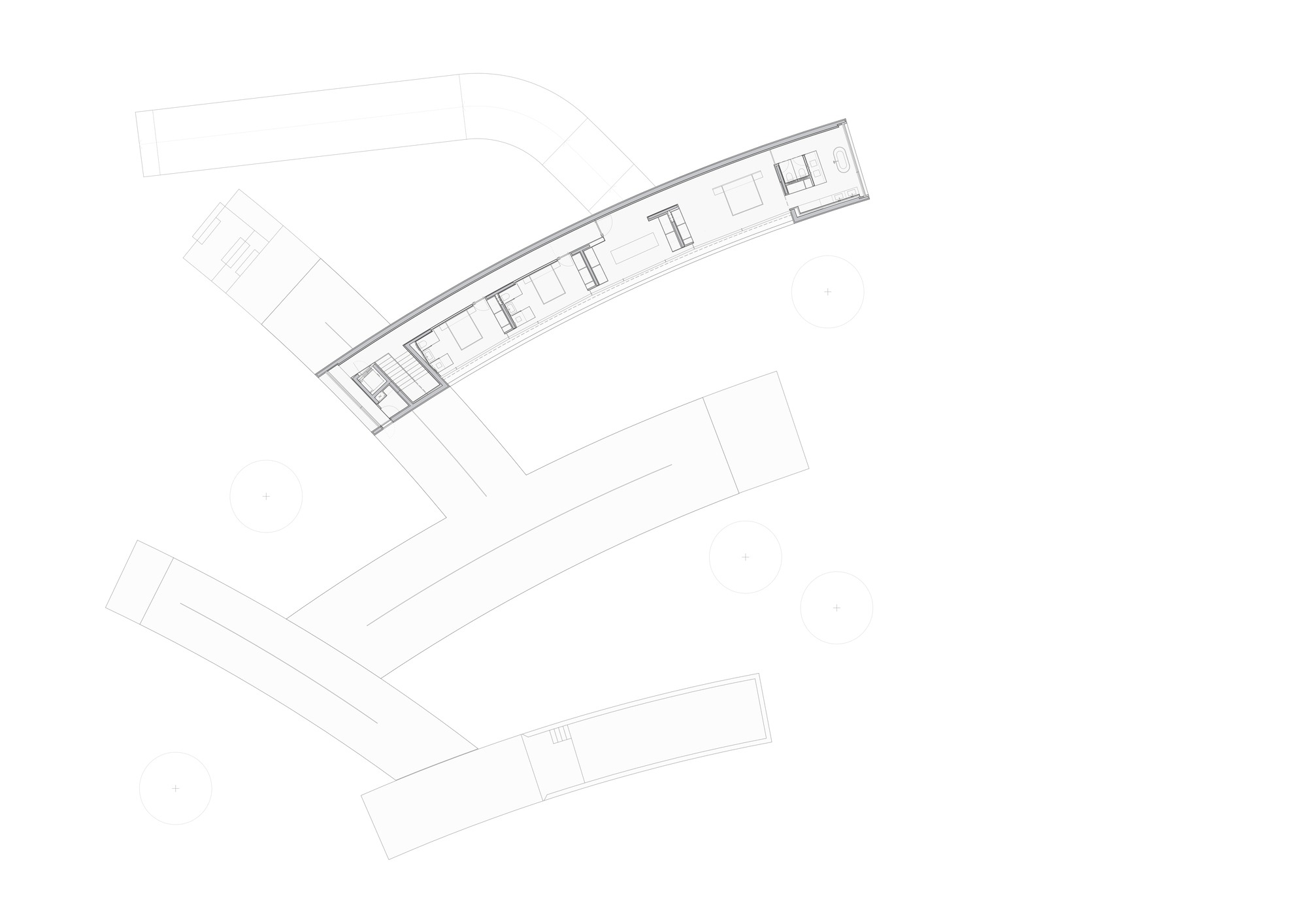
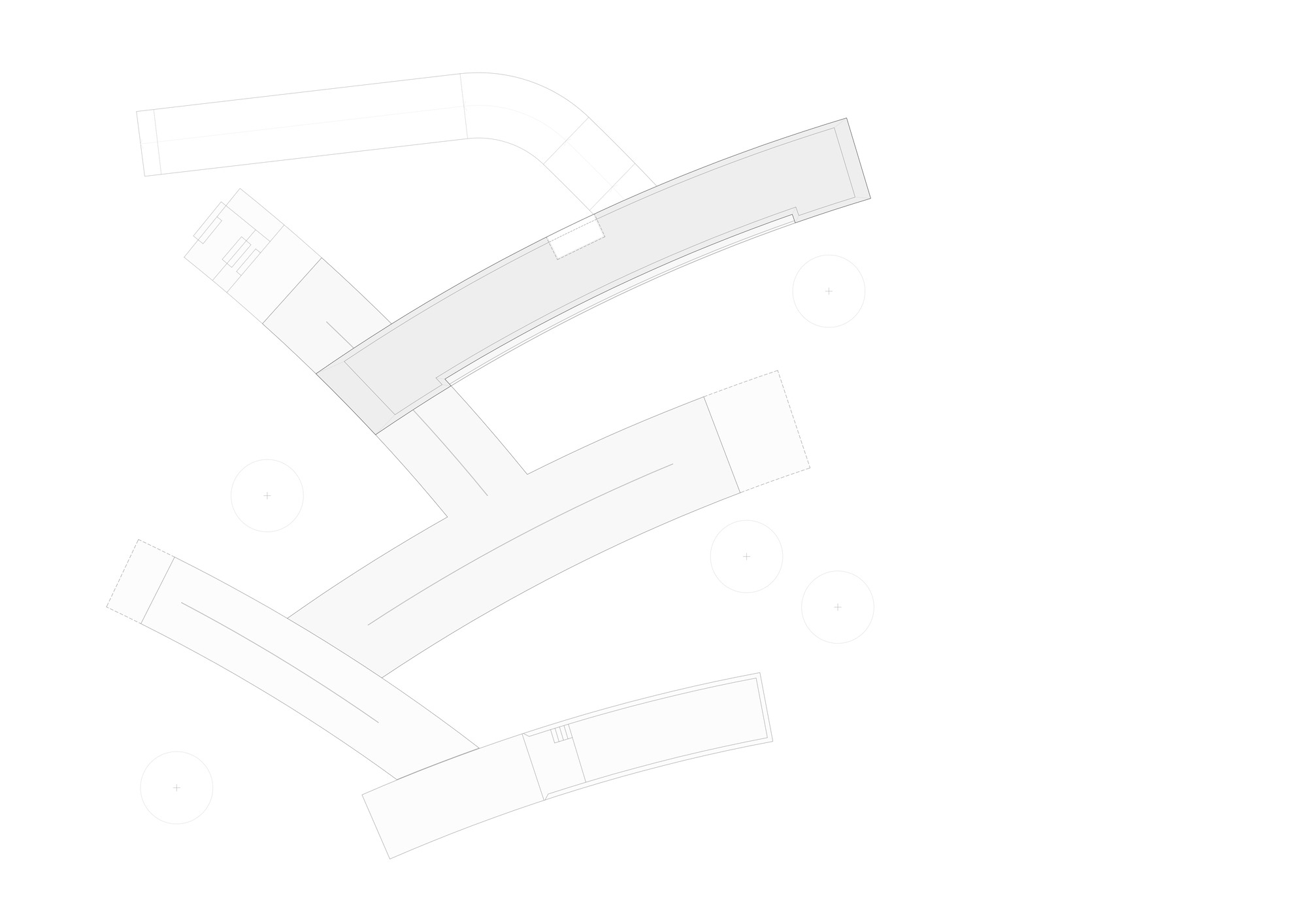
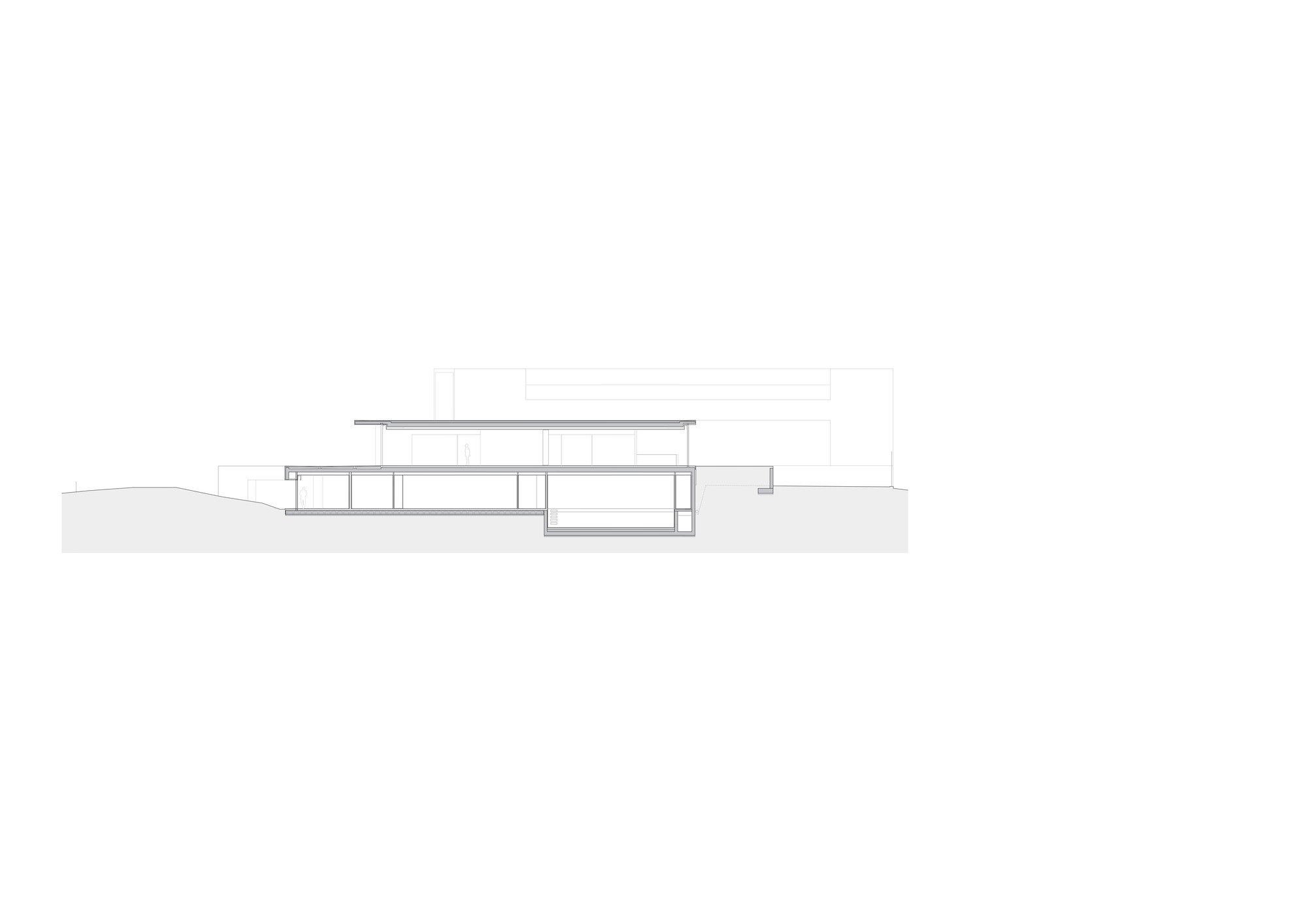
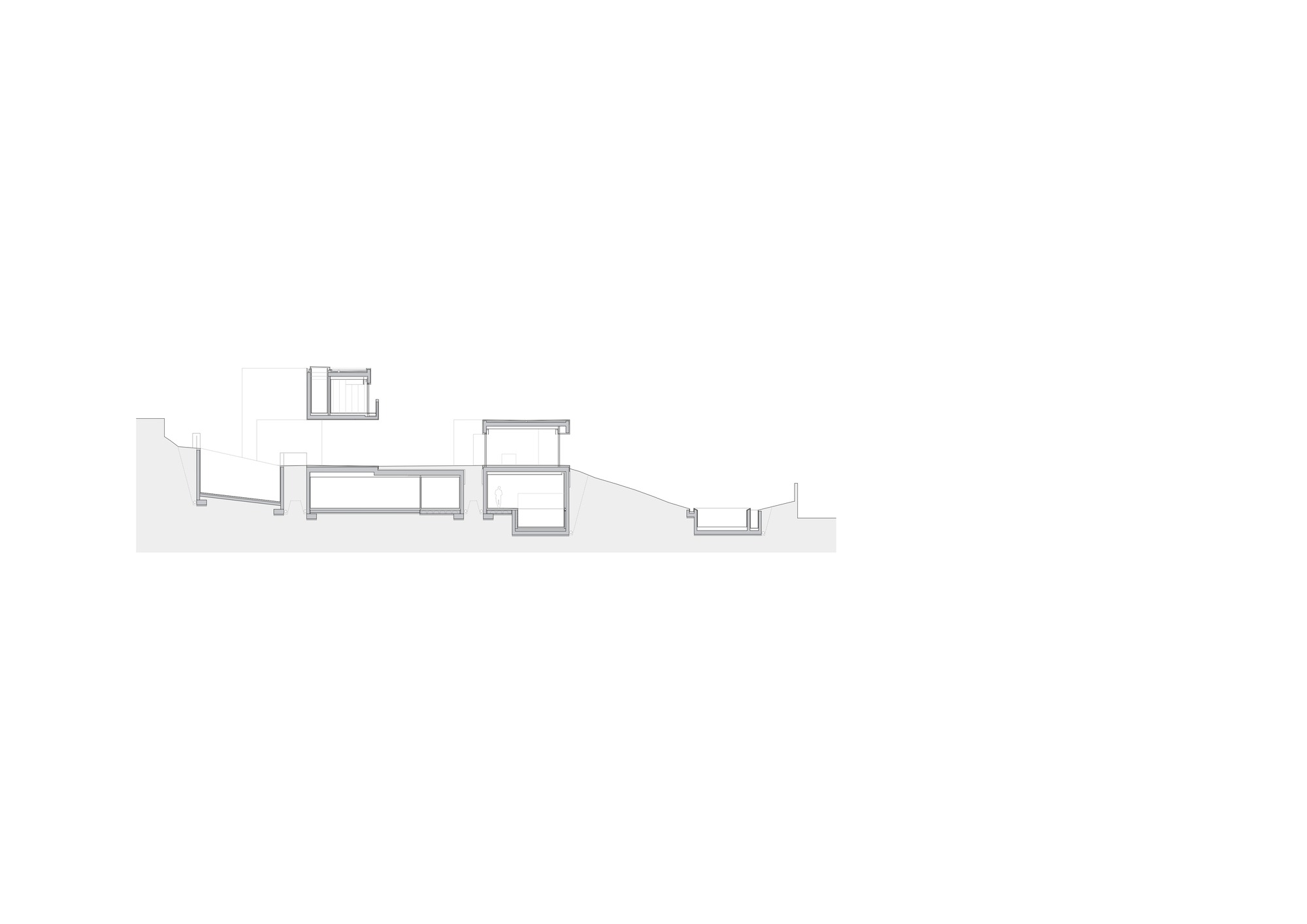
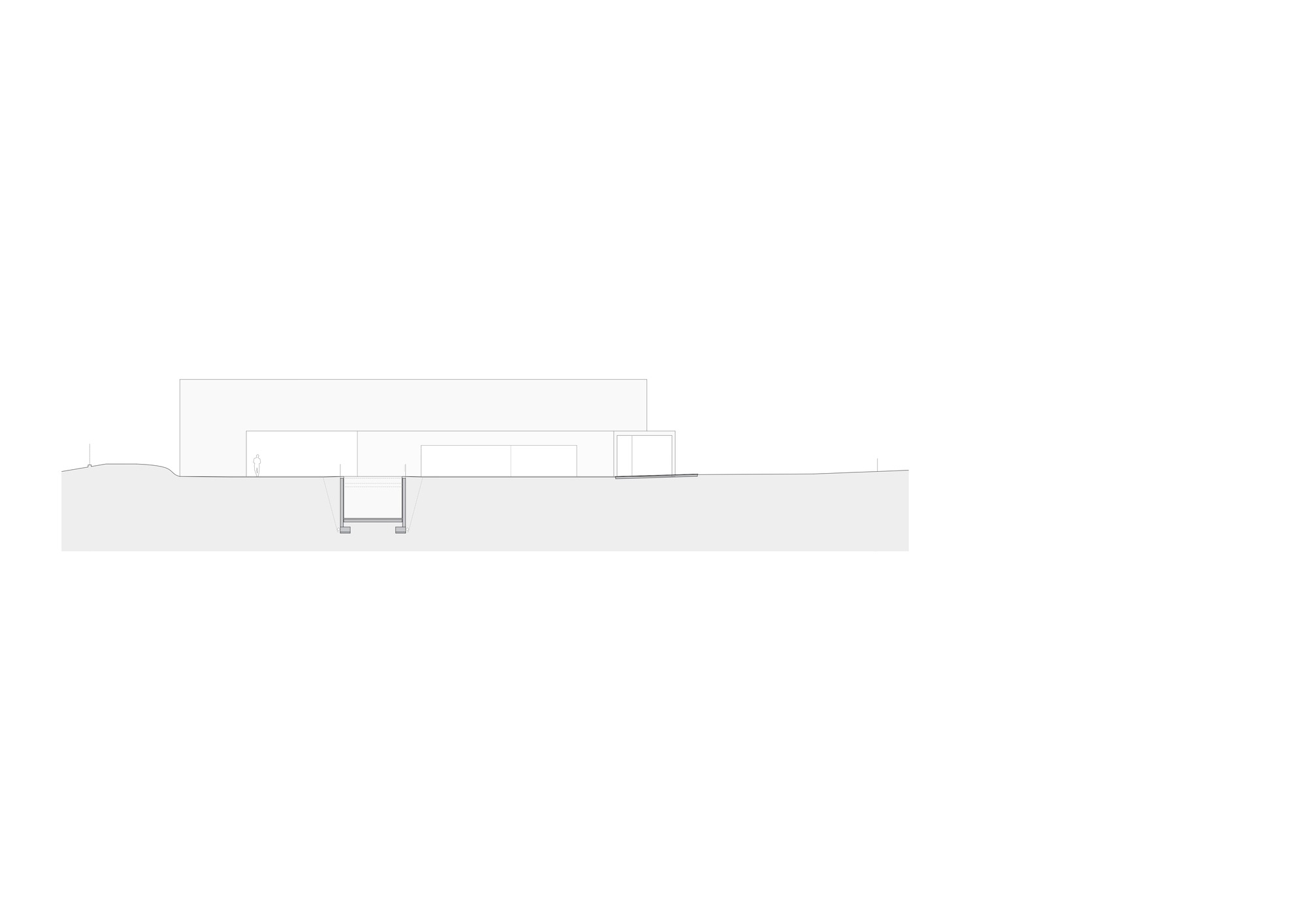
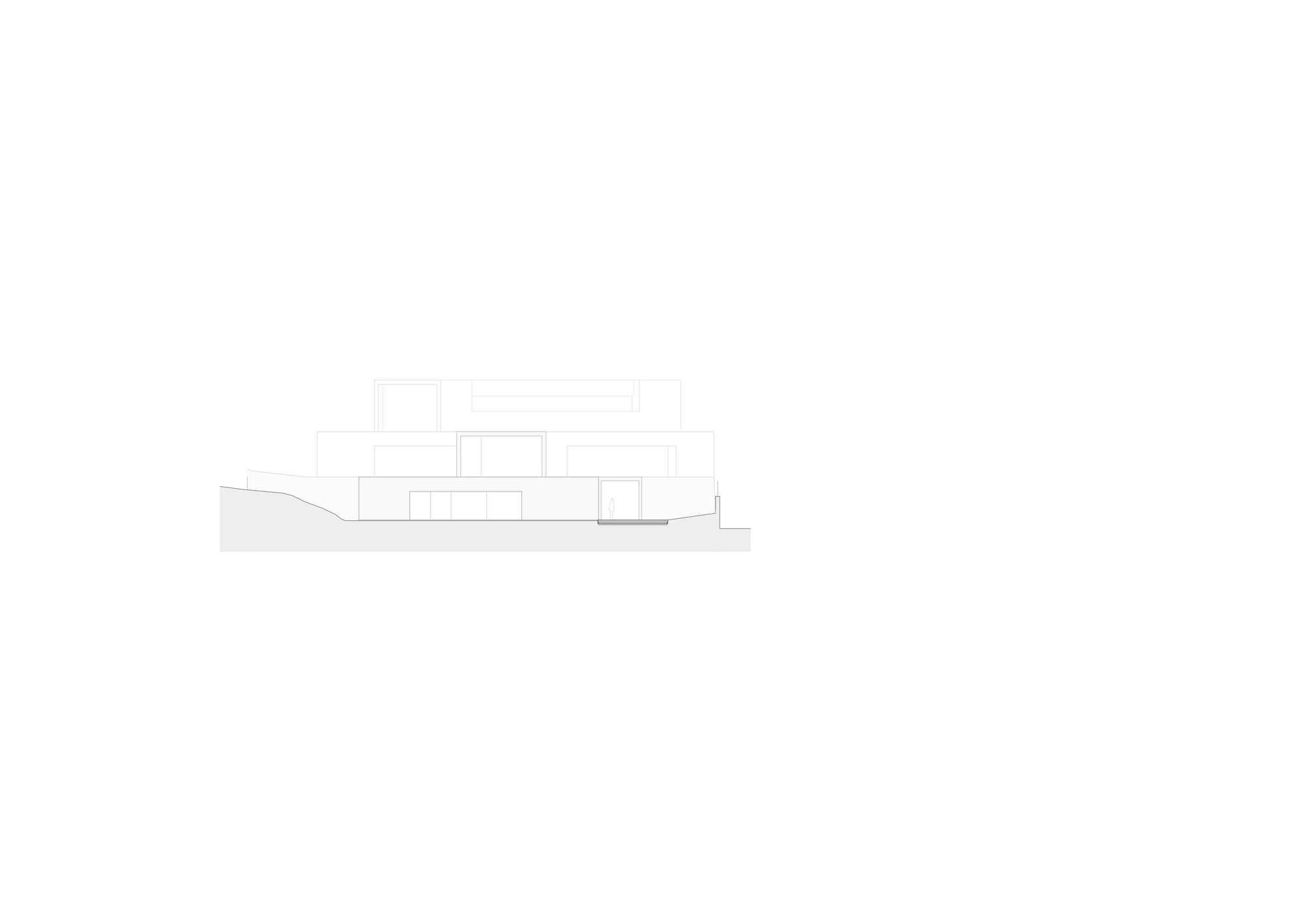

A proposal is made for an architecture that intertwines with the garden, maximizing the perimeter of contact with the landscape and blurring the boundaries between the built environment and nature. In this location in Madrid, that relationship with the surroundings takes on a unique value. To achieve this, a compact volume is deliberately abandoned in favor of an ascending layout that evokes certain works by Alfaro. The project aims to resolve a dichotomy: to be both geometric and organic. Although its structure is precise, the inhabitant perceives it as something natural, almost as if it has randomly settled into the place.
The project combines two ancestral archetypes: the pavilion, understood as an open and centrifugal space; and the courtyard, conceived as a more sheltered and uncovered area. We have always been fascinated by the relationship with the exterior in some elongated plant projects from the works of Glenn Murcutt and Stephane Beel, among others. The pieces are configured as longitudinal and passing elements, obtained through a large radius. These bodies are juxtaposed to optimize circulation. From this relationship arise five gardens with their own identities—almost open courtyards—defined by the arrangement of the architecture. Each offers a particular atmosphere and multiplies visual relationships, ensuring that the exterior is always an active presence in the overall experience. They are spaces prepared to accommodate the large species that will arrive over time.
The program is organized following this ascending logic. On the lower level are the pool and guest rooms; above, the daytime area is developed, oriented towards the nearby view of a lake; and at the highest point are the night quarters, gathered in a piece that acts as a bridge and generates a wide shaded terrace beneath it. At the point where the different pieces converge is the communications core, which articulates the levels and reinforces the continuity between architecture and landscape.
The project ultimately arises from something as ancient as it is essential in architecture: proportion. It is through a meticulously adjusted width of the elements that the sought spatial relationship is achieved. Nothing more and nothing less.
from archdaily