"건축은 단순히 공간을 만드는 것이 아니라, 그 안에서 이루어질 삶의 방식을 제안하는 것이다." - 프랭크 로이드 라이트
 |
 |
 |
사람과 자연을 잇는 툇마루 오피스 Nikken Sekkei - Hamamatsu Iwata Shinkin Bank Head Office
지역의 유산을 잇는 새로운 비전
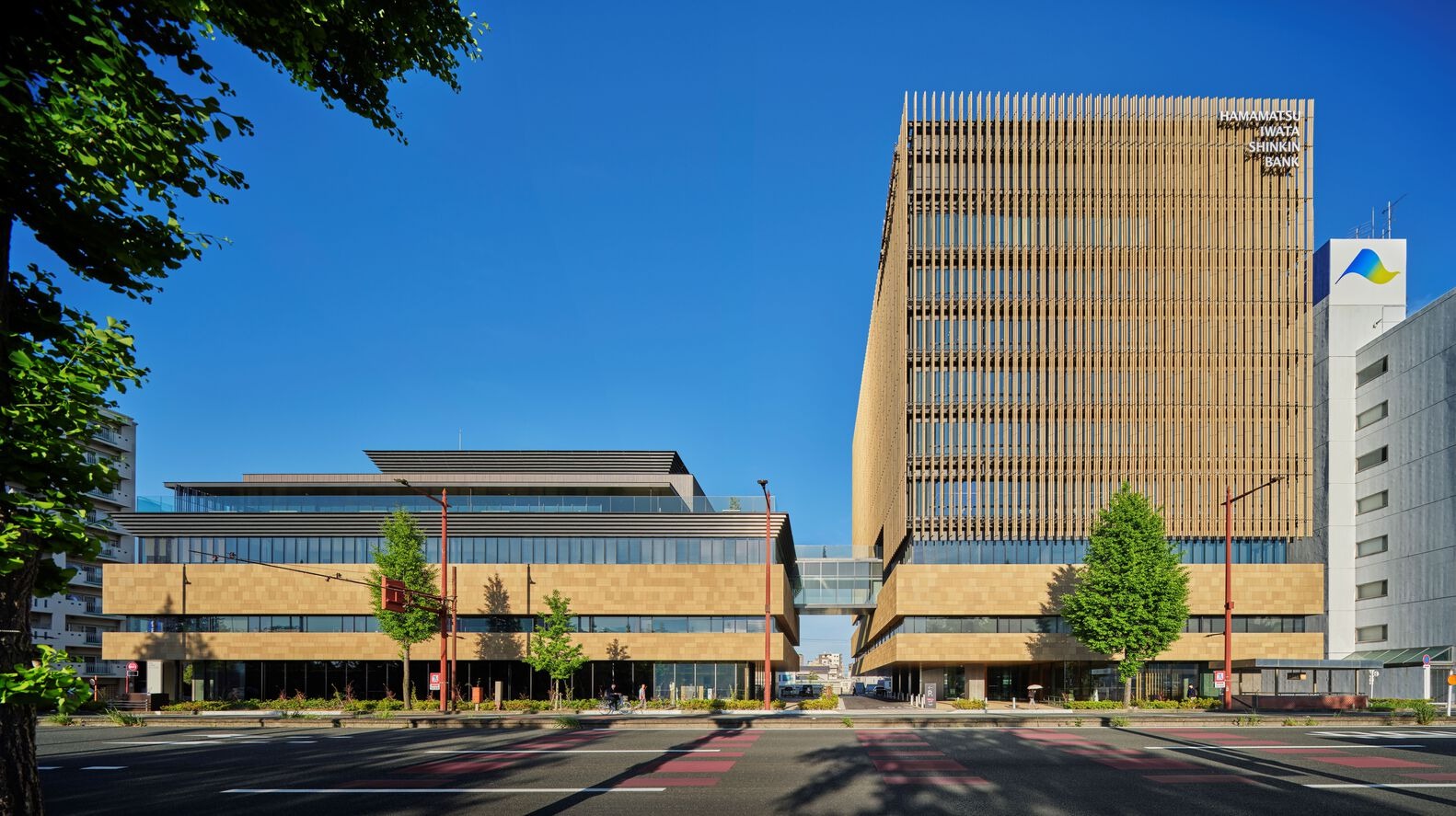
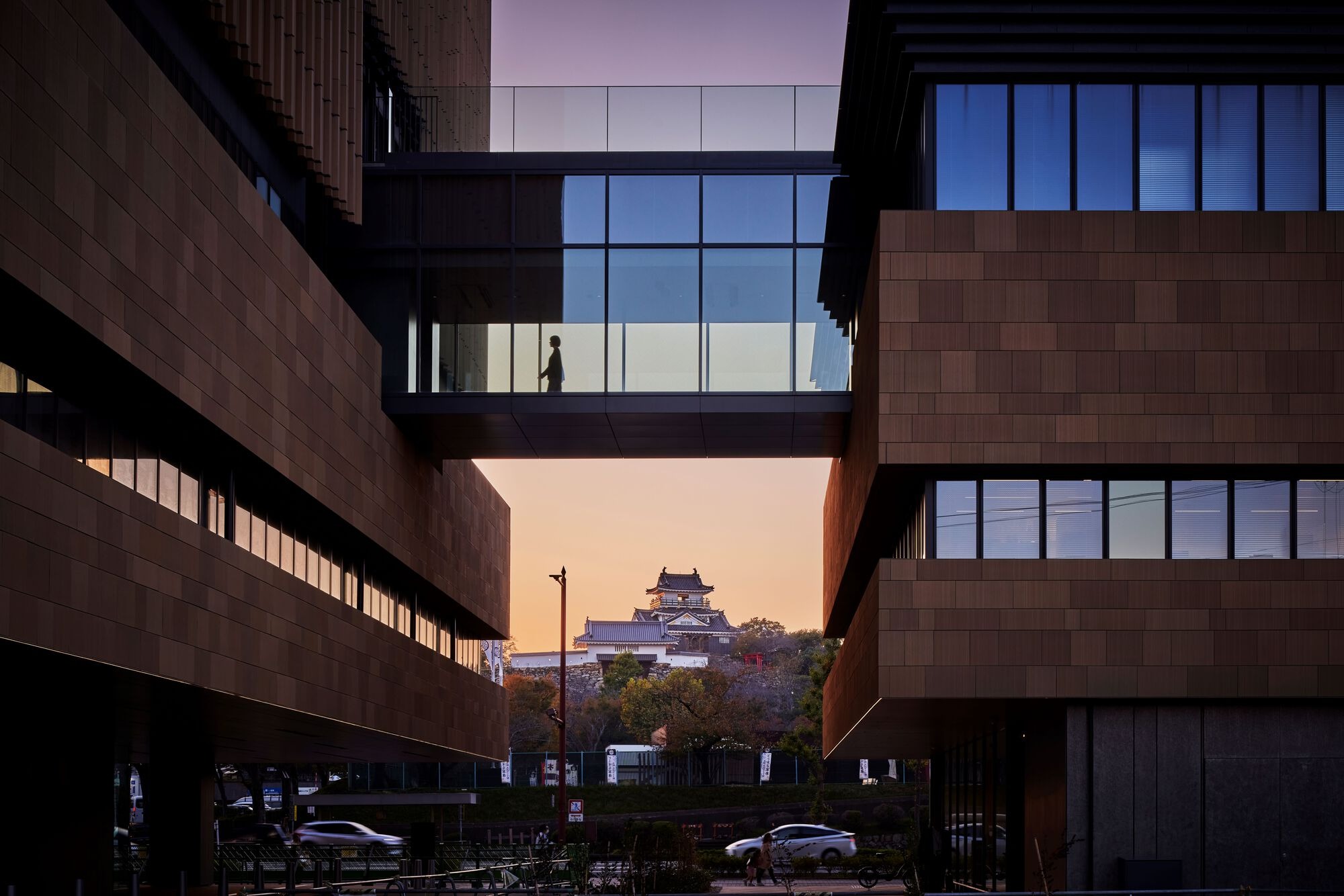
하마마츠 이와타 신용금고의 새로운 본점 프로젝트는 도시의 상징인 하마마츠 성을 마주 보는 역사적인 장소에서 시작되었습니다. 성하 마을에 깊게 뿌리내린 이 금융기관은 이번 재개발을 통해 두 가지 명확한 목표를 세웠습니다. 바로 조직 내부의 가족 같은 유대감을 깊이 다지고, 급변하는 금융 환경에 대응할 수 있는 신속한 의사결정 체계를 만드는 것이었습니다.
전통의 지혜, 툇마루의 현대적 재해석
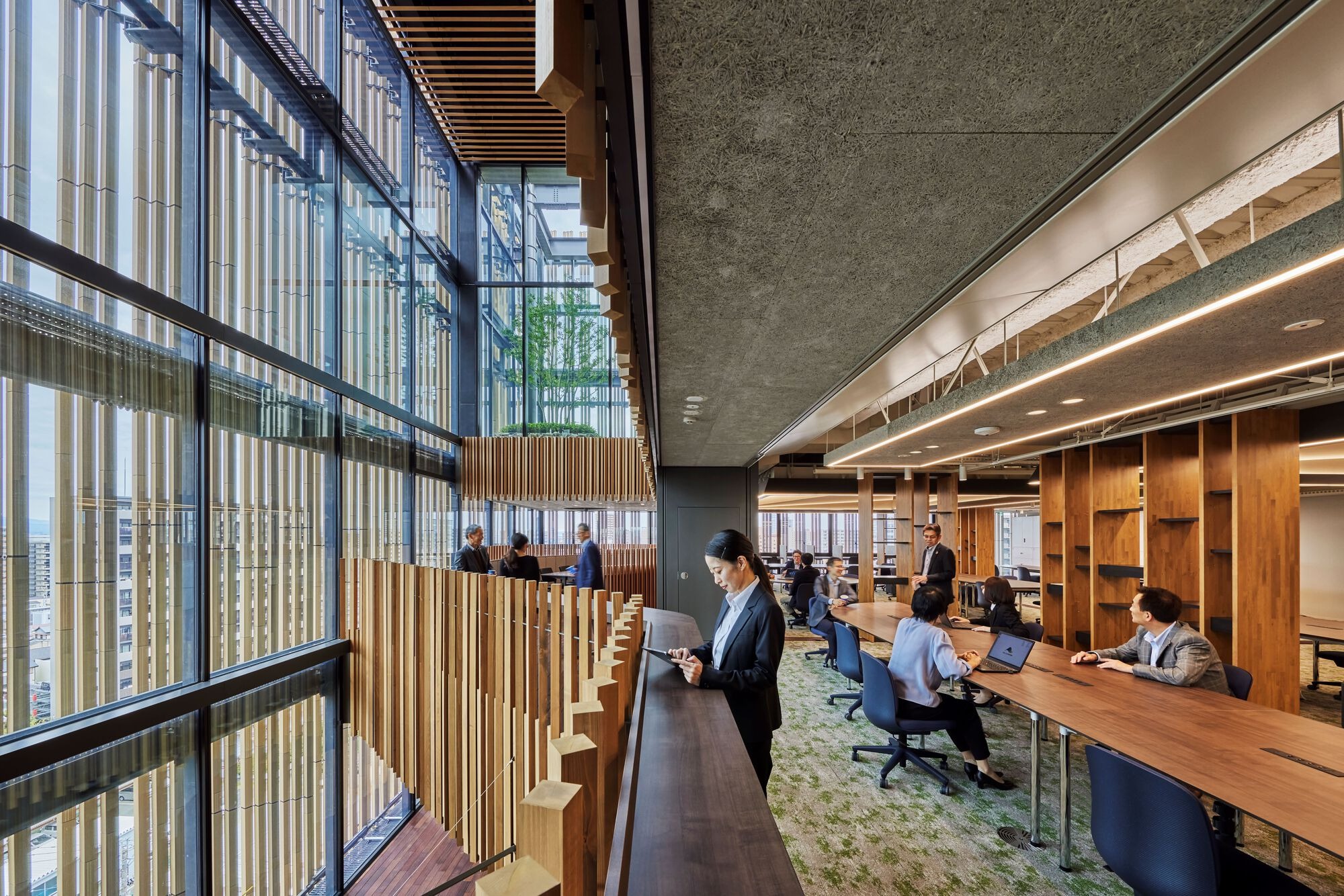
설계를 맡은 닛켄세케이(Nikken Sekkei)는 2011년부터 이어진 협업을 통해 신용금고가 추구하는 지역 상생의 가치를 누구보다 잘 이해하고 있었습니다. 우리는 부서장과 직원, 그리고 임원까지 모든 구성원이 경계 없이 어우러질 수 있는 공간을 고민했습니다. 그 해법은 일본 전통 건축의 '툇마루(Engawa)'에 있었습니다. 거주 공간을 감싸며 안과 밖을 부드럽게 잇는 툇마루처럼, 오피스 공간 역시 미닫이문(Fusuma)이나 창호(Shoji) 같은 유연한 파티션으로 느슨하게 구획했습니다. 이는 단절이 아닌 연결을 위한 경계이며, 소통과 집중이 공존하는 환경을 만들어냅니다.
구조의 혁신, 중첩된 평면
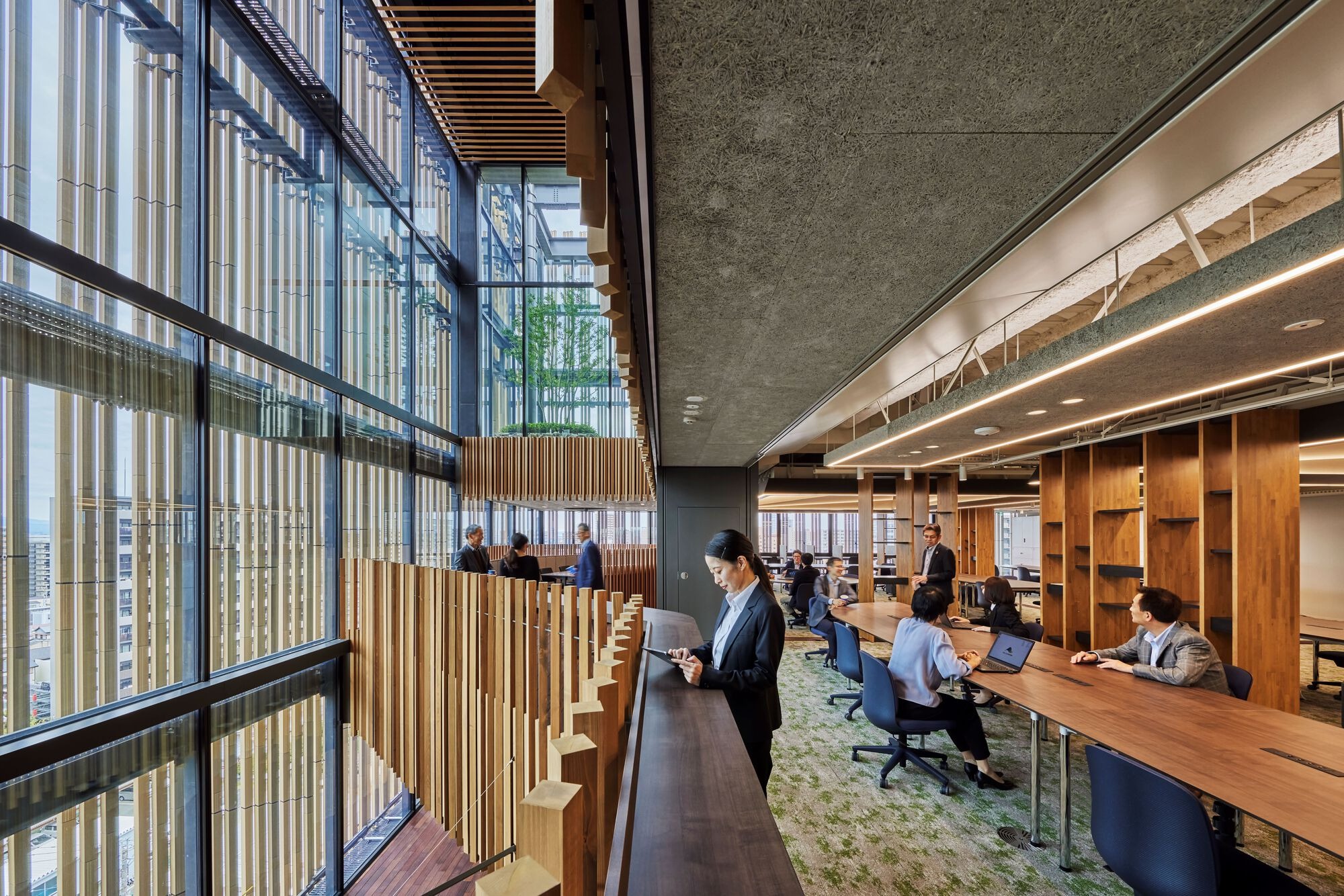
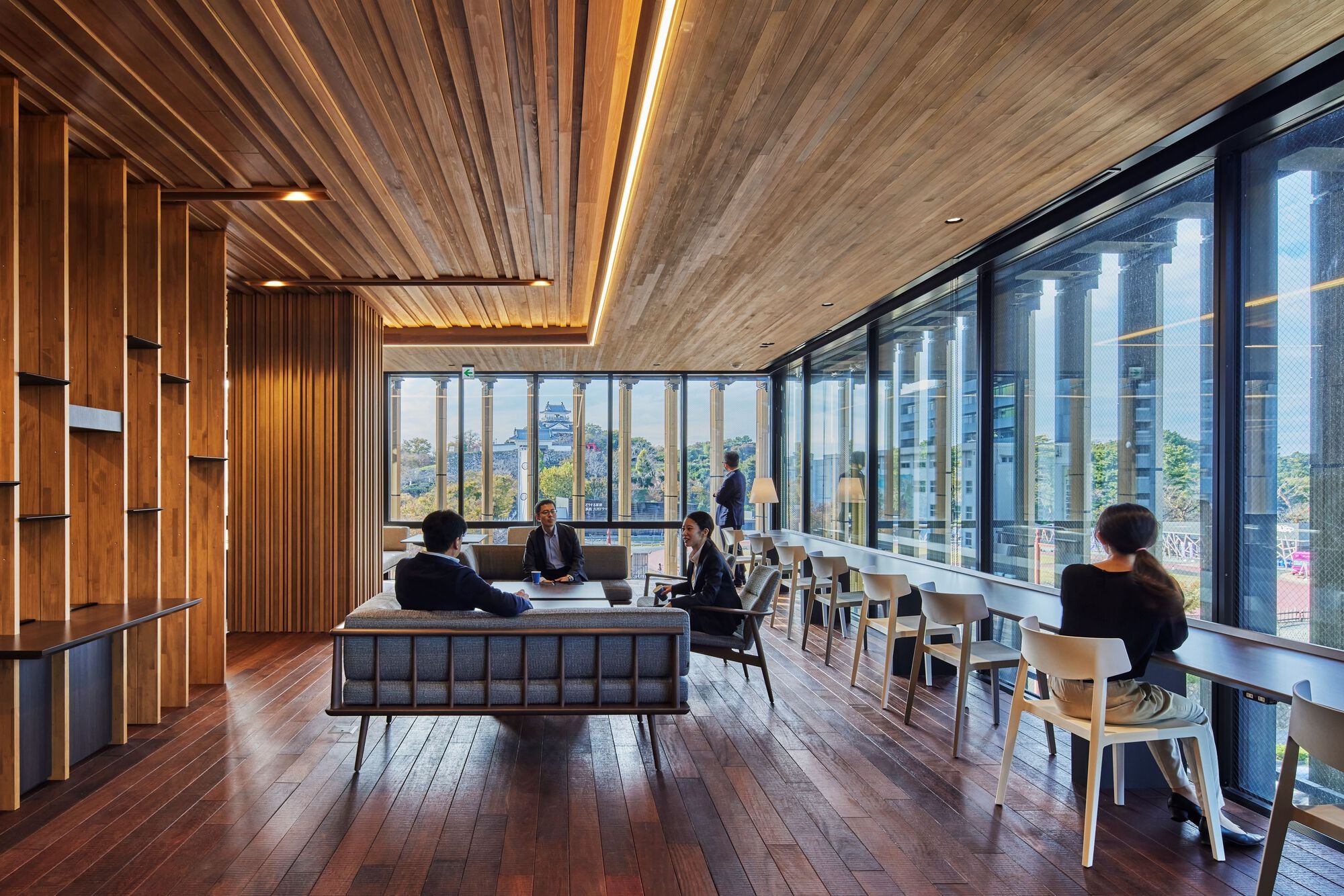
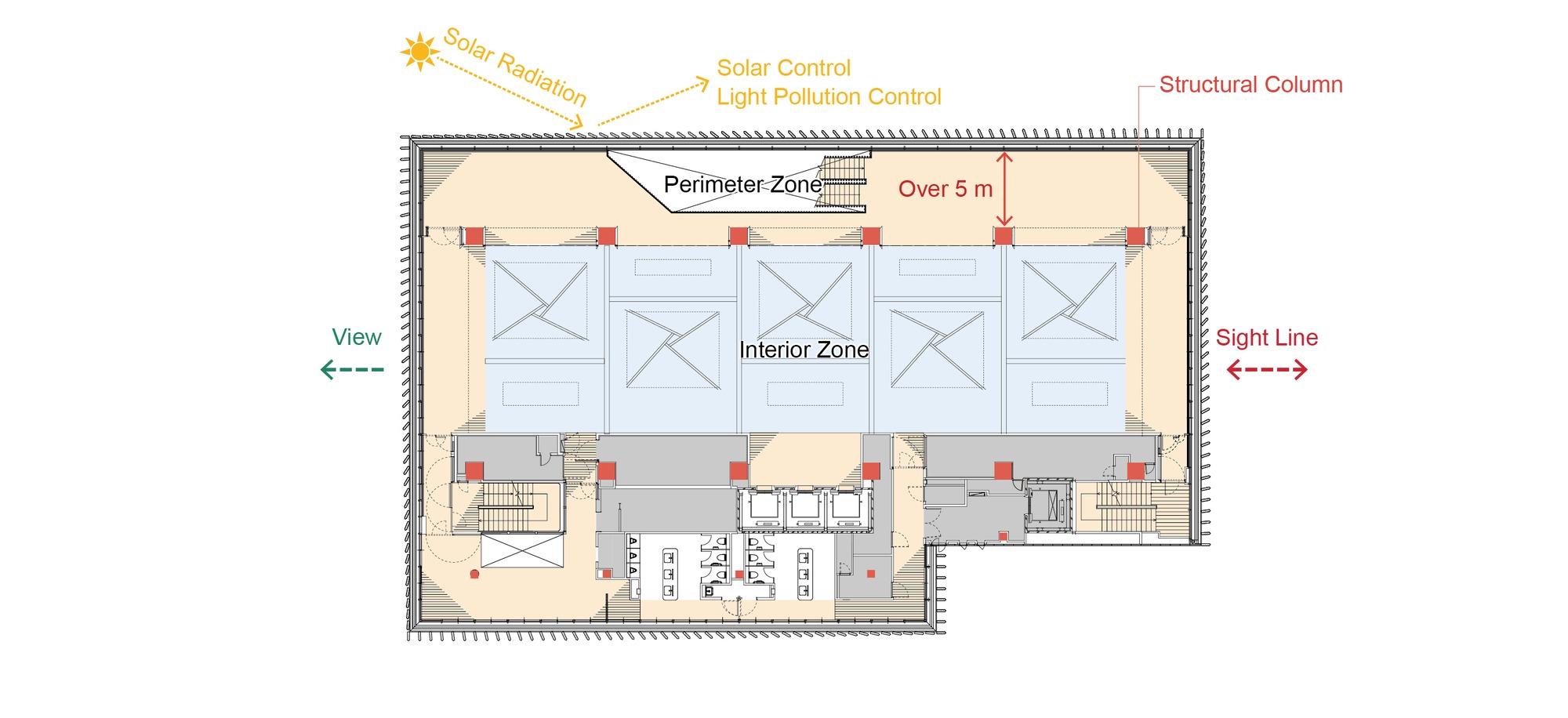
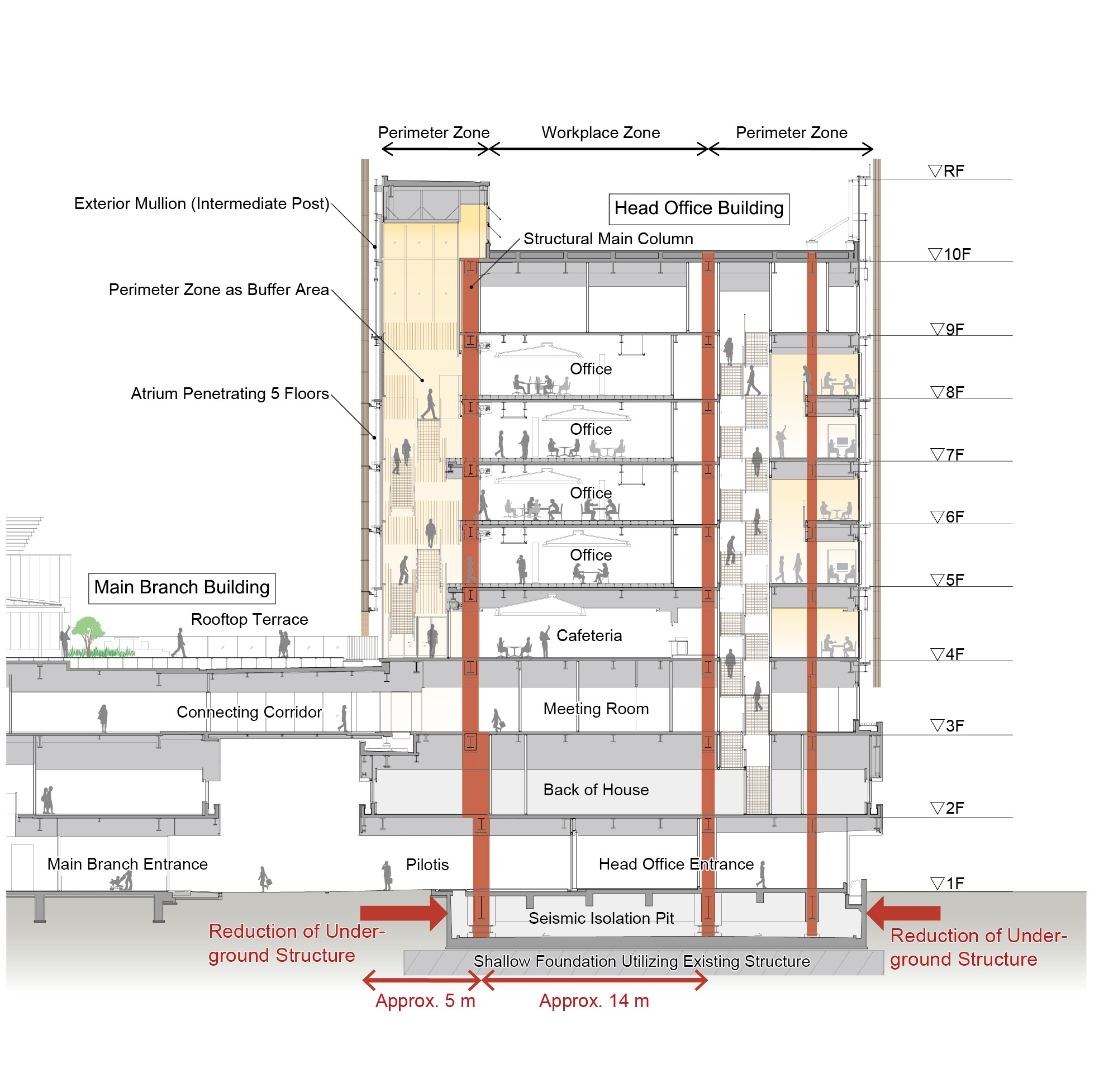
우리는 "오피스는 기둥 없는 넓은 공간이어야 한다"는 고정관념에 과감히 도전했습니다. 대신 외주부 기둥을 안쪽으로 5미터 들여 배치하는 '중첩된 평면(Nested Plan)' 방식을 택했습니다. 이 혁신적인 배치는 건물 가장자리를 구조적 하중에서 해방시켰고, 그 자리에 툇마루와 같은 '창가 완충 구역(Perimeter Zone)'을 탄생시켰습니다.
소통이 흐르는 거실형 오피스
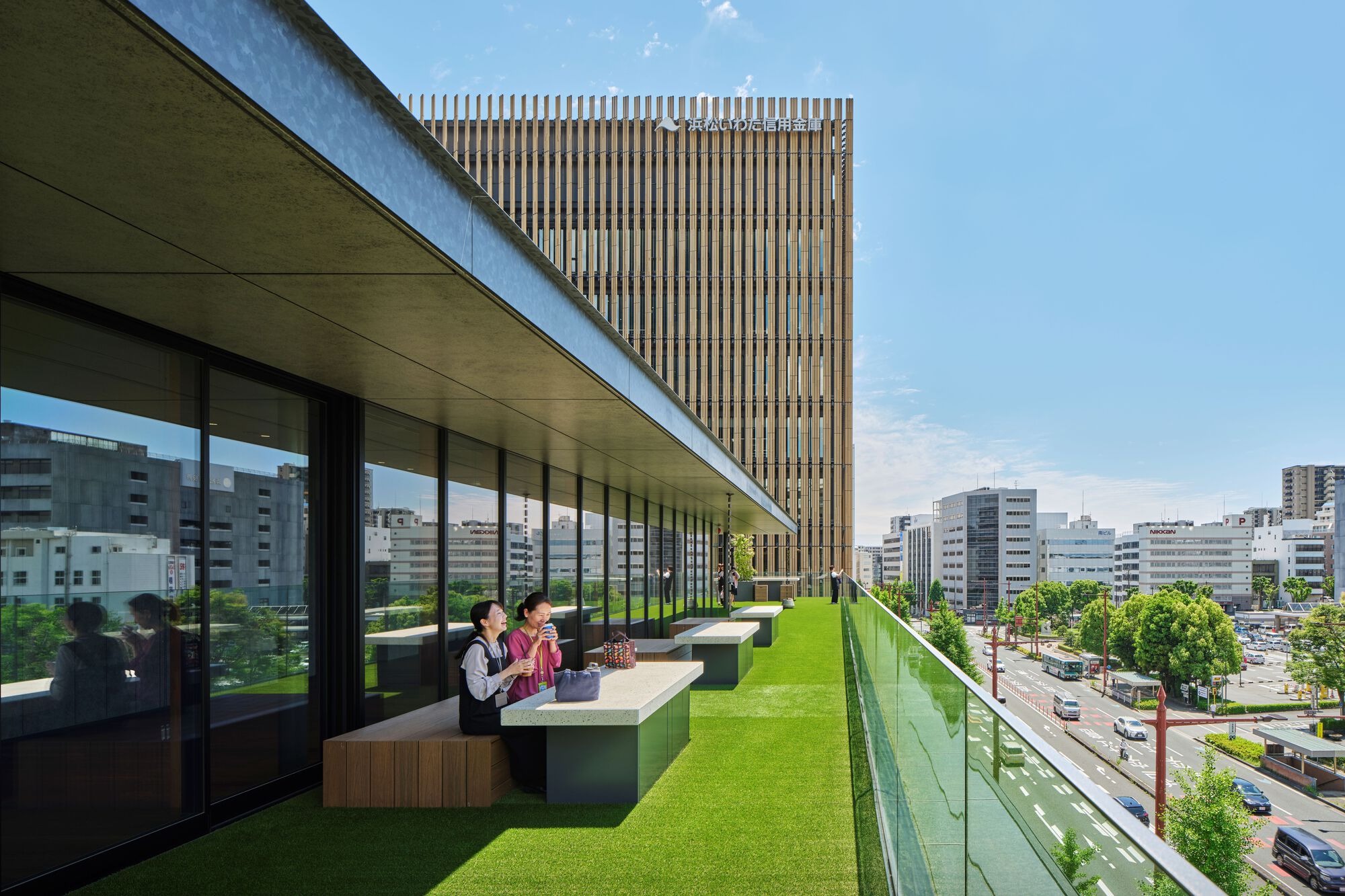
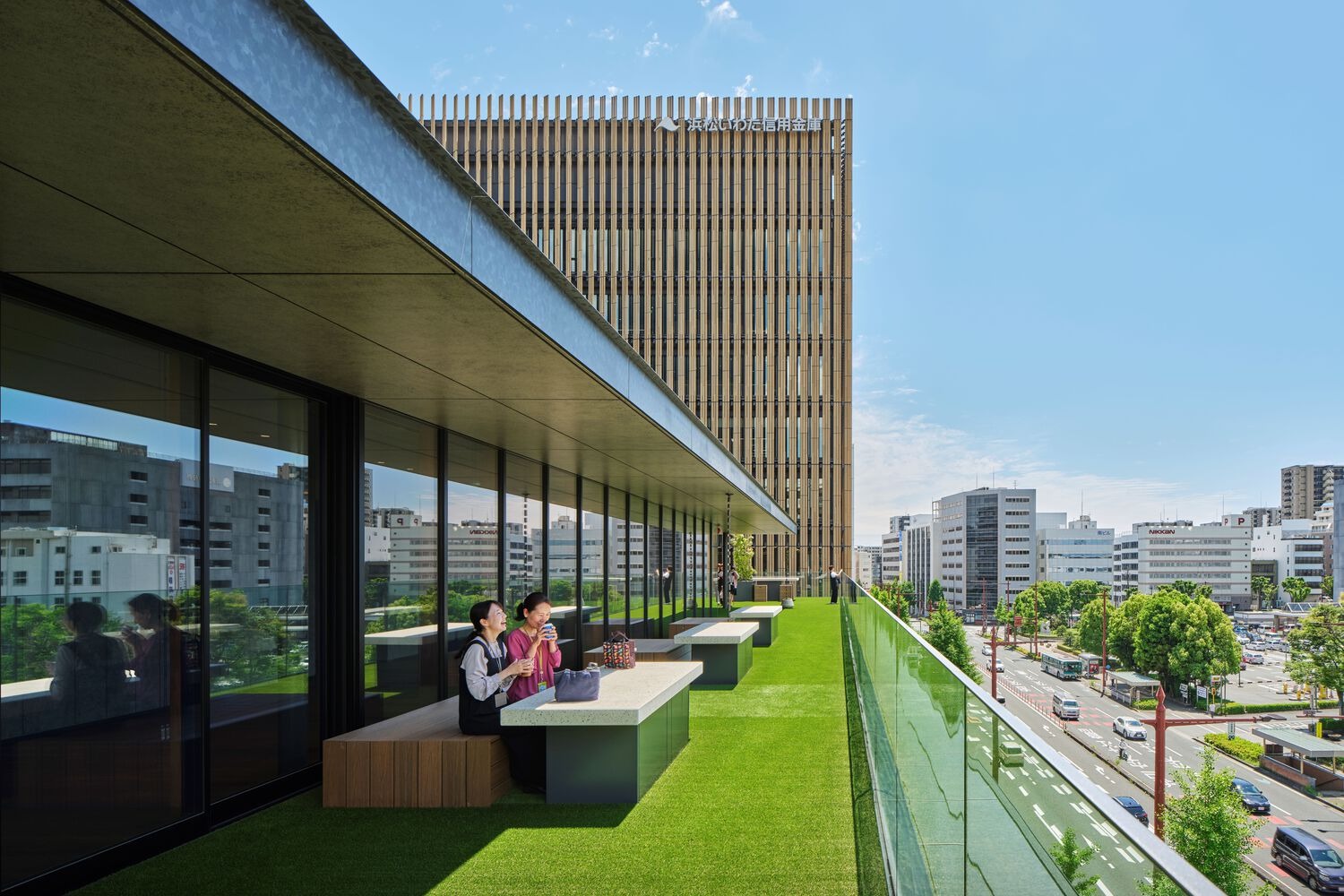
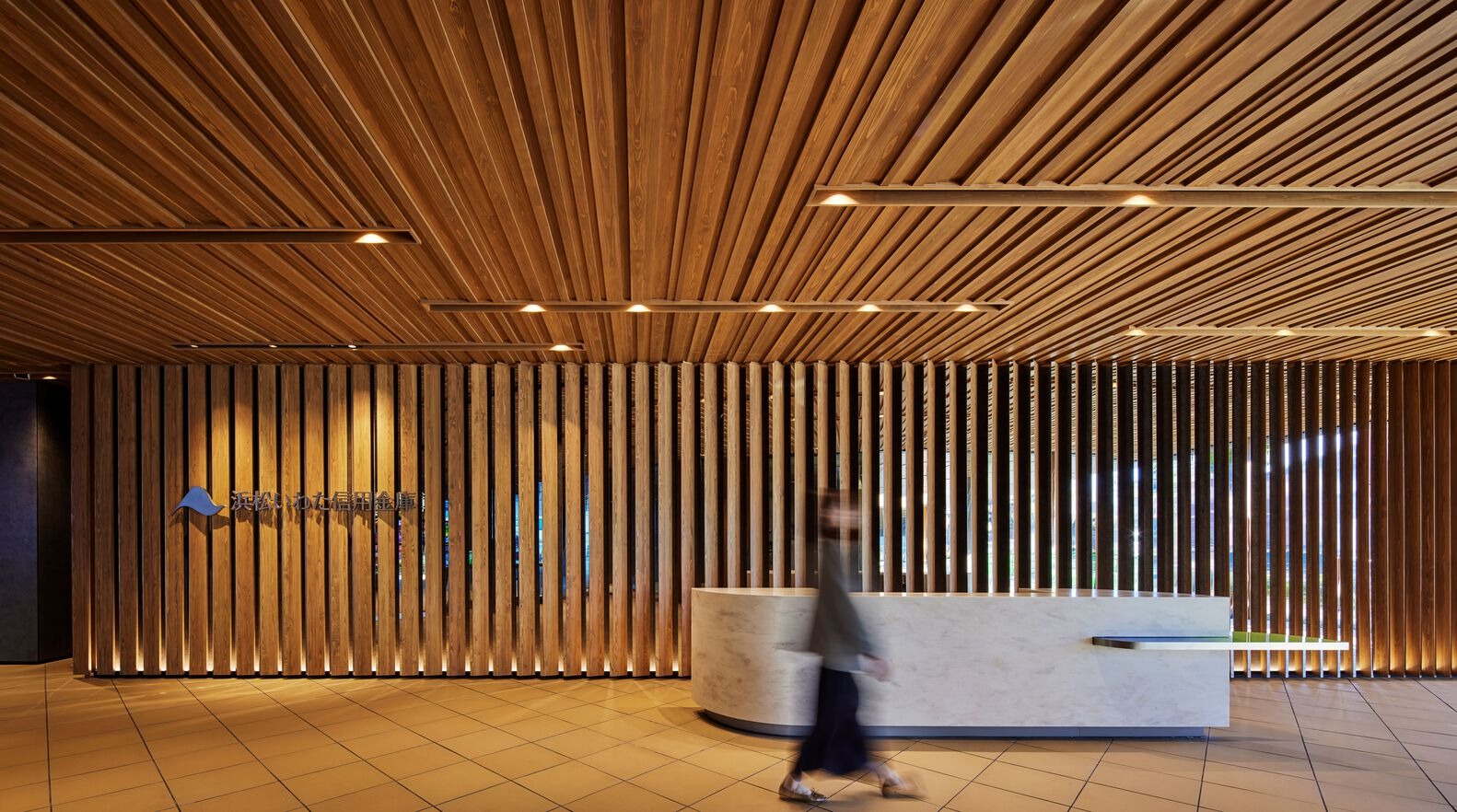
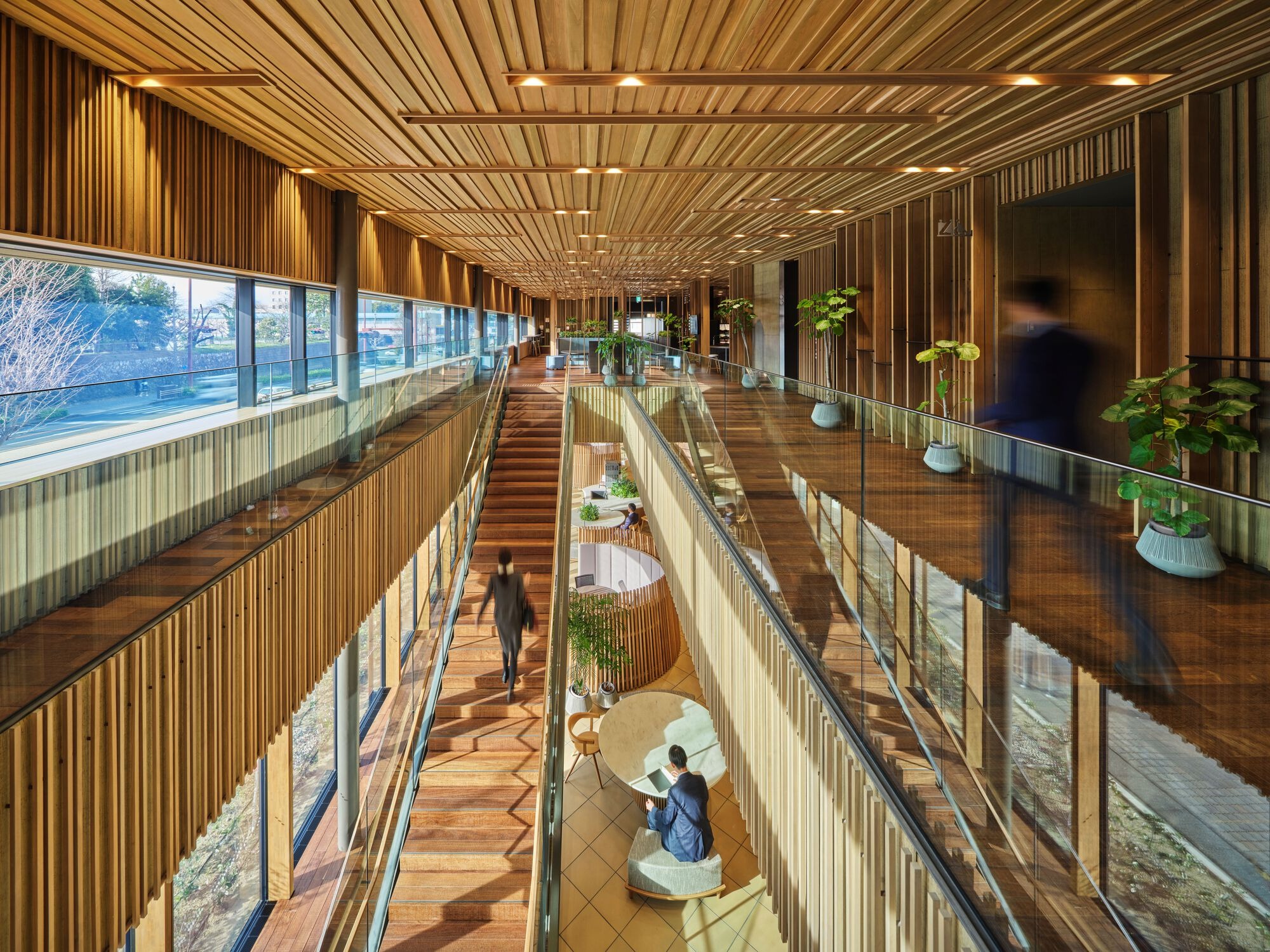
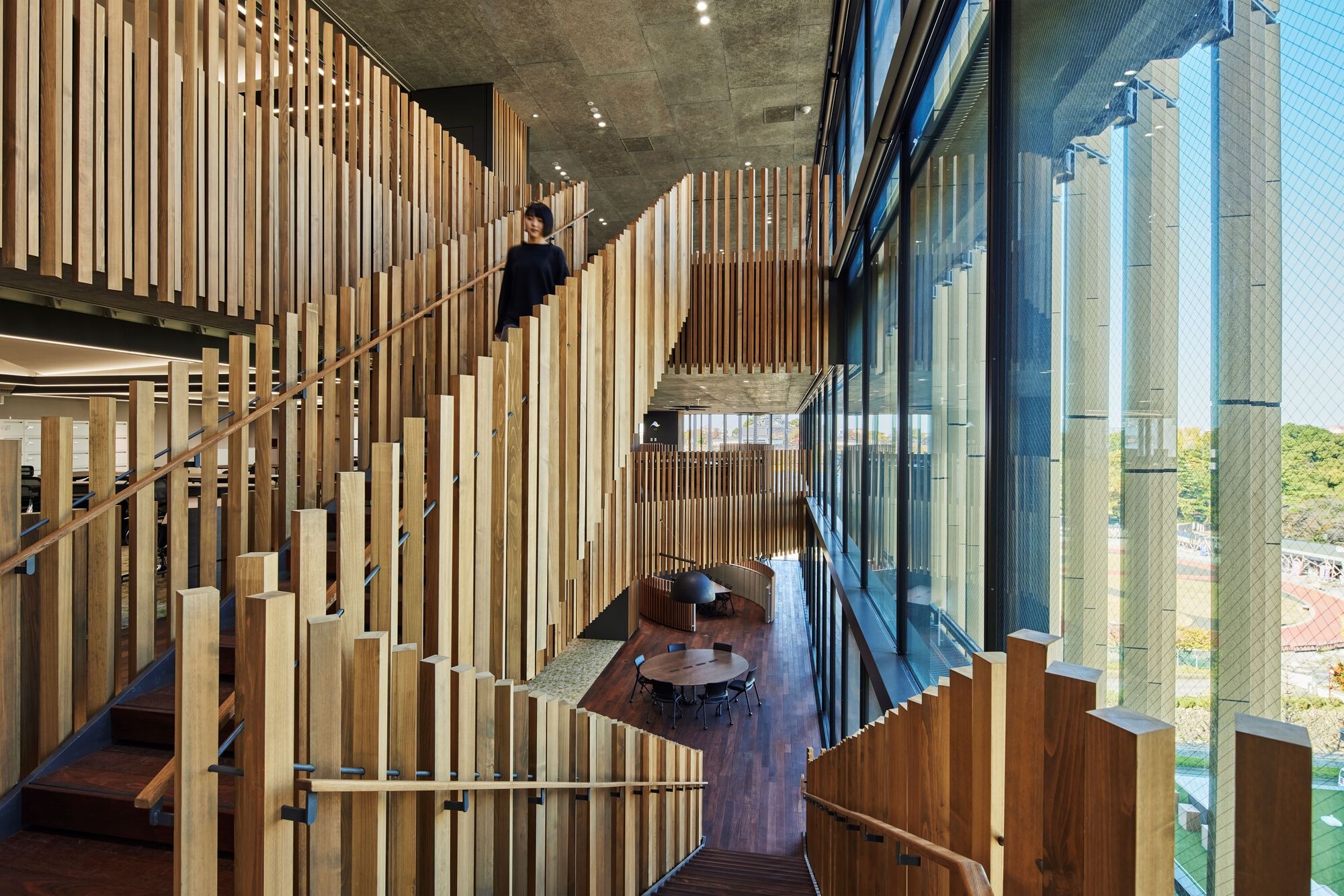
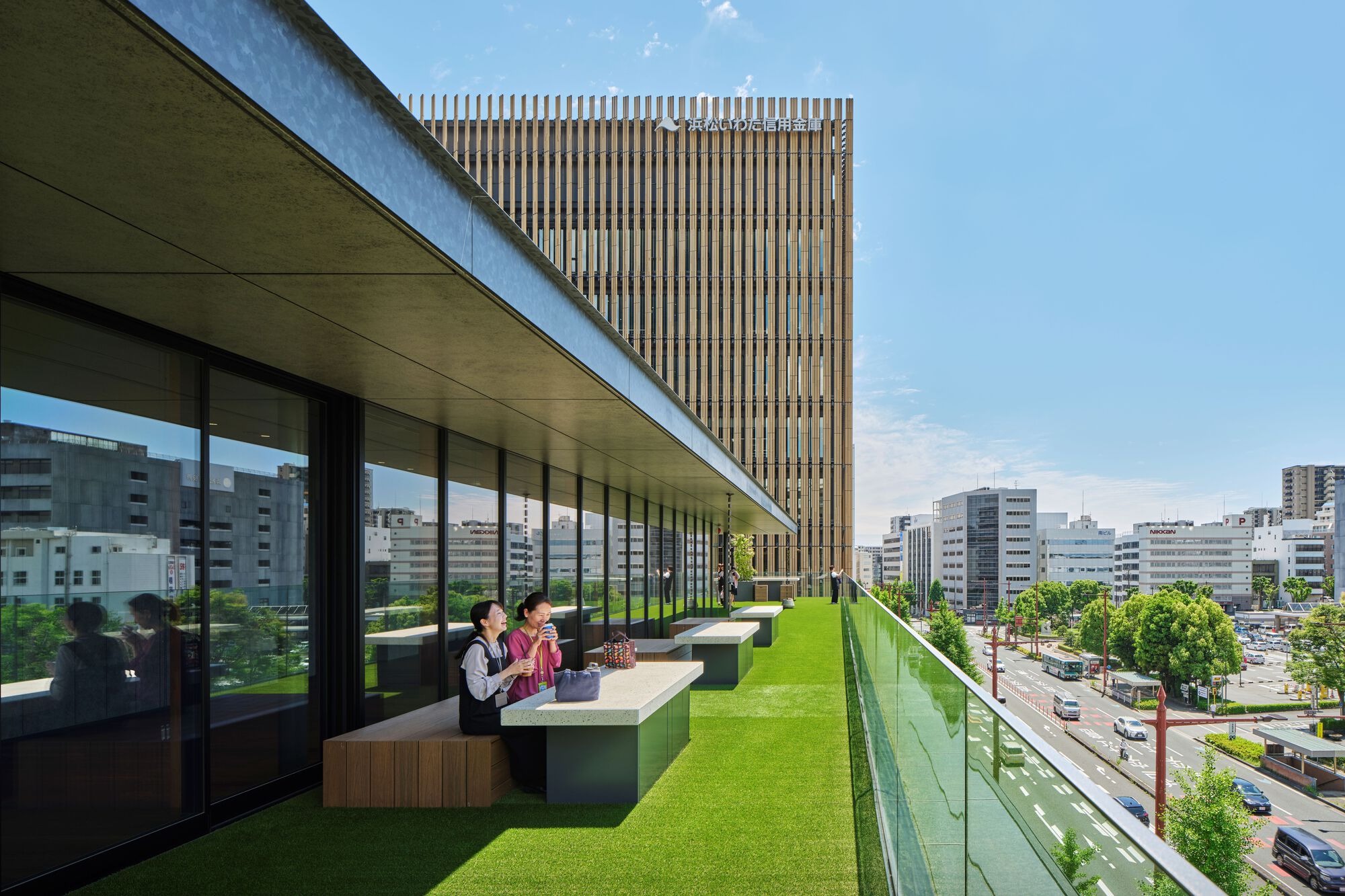
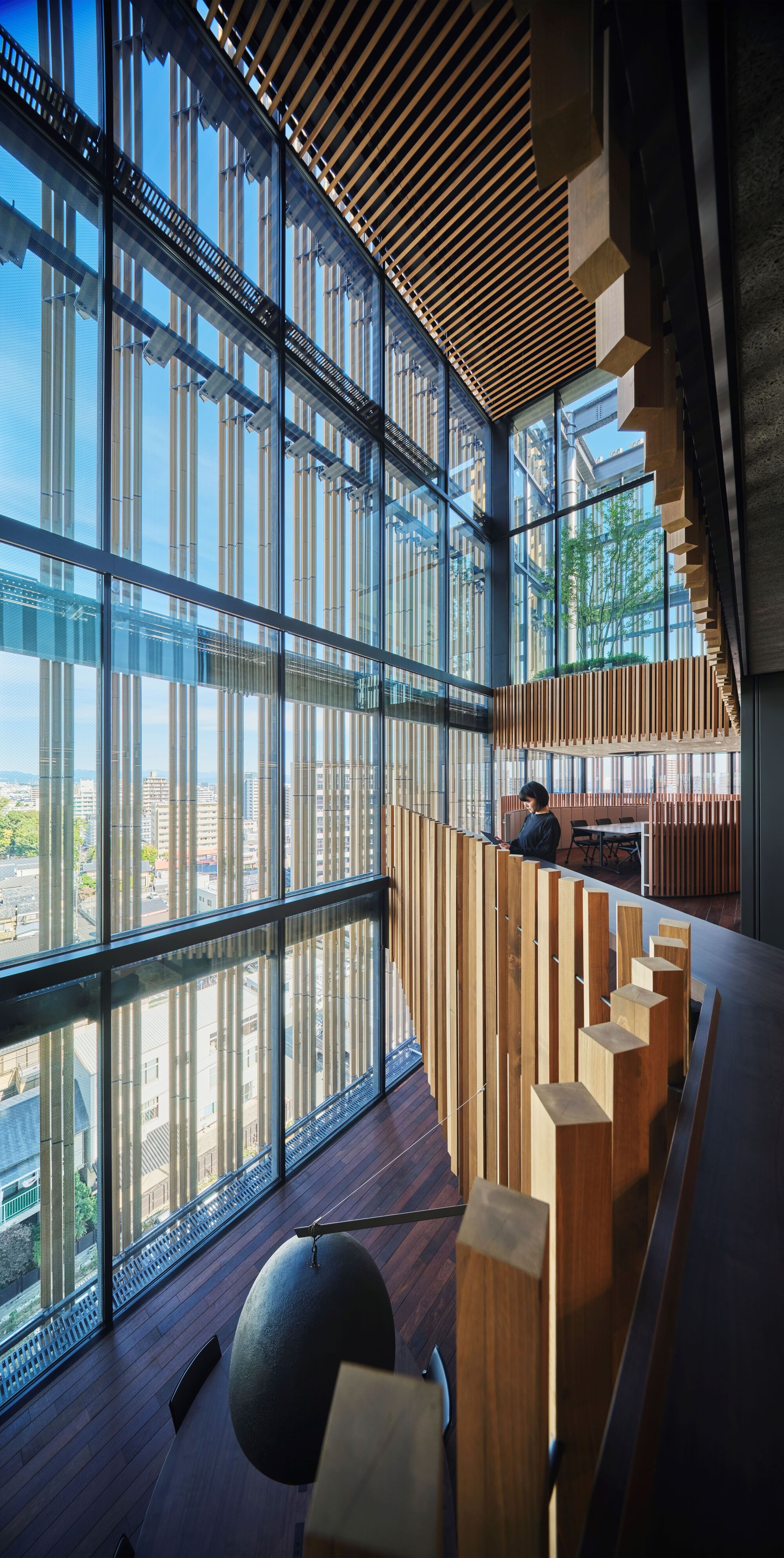
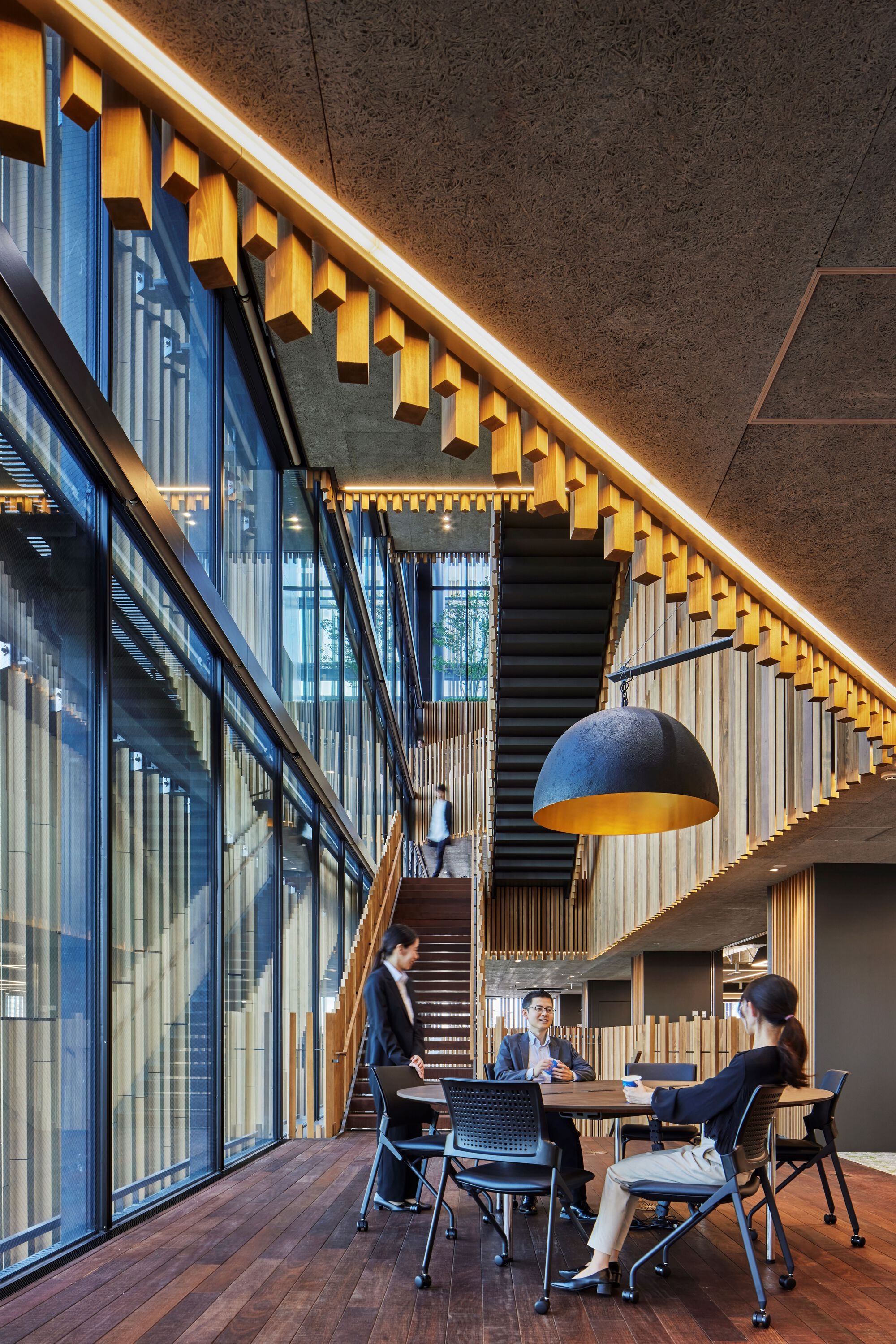
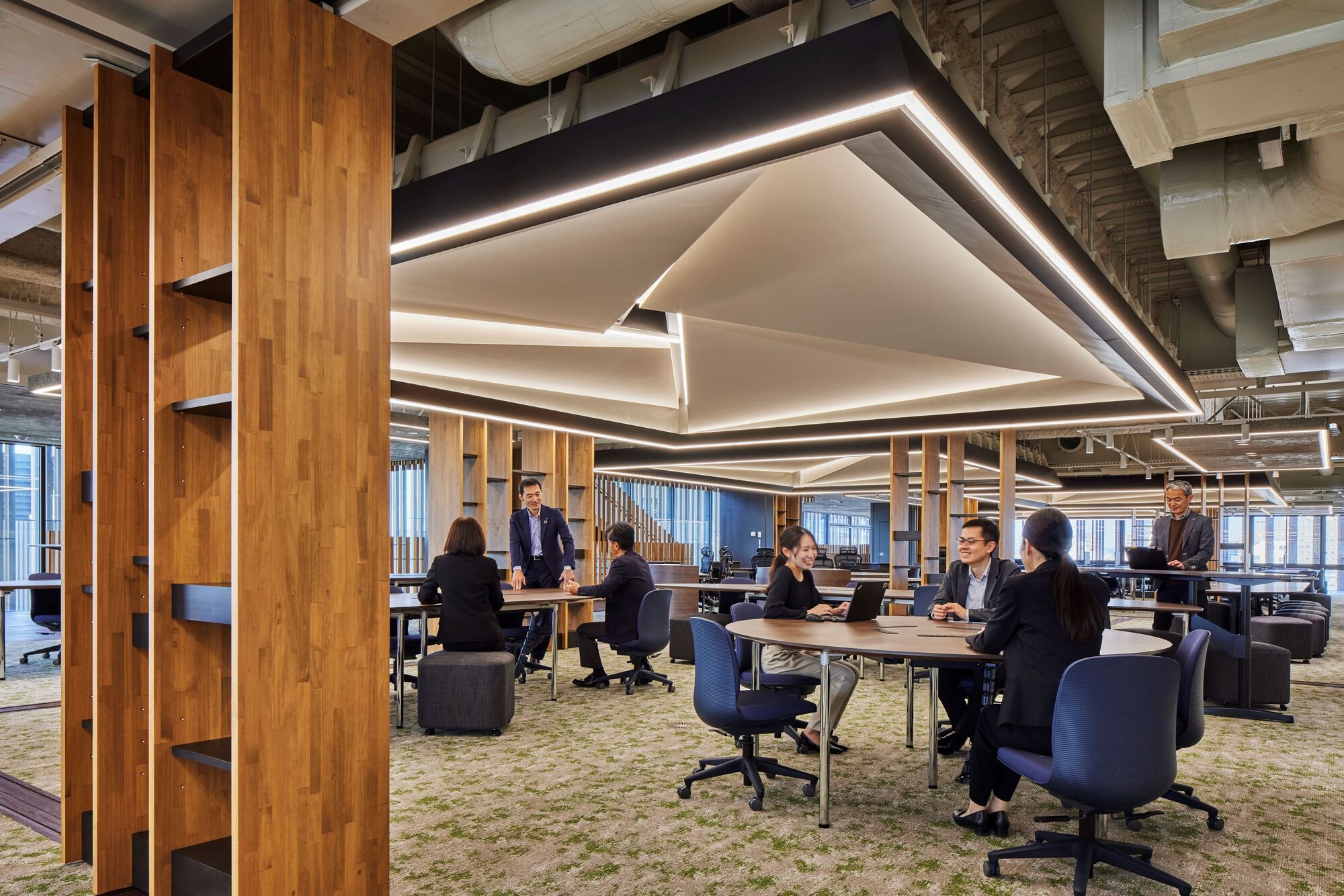
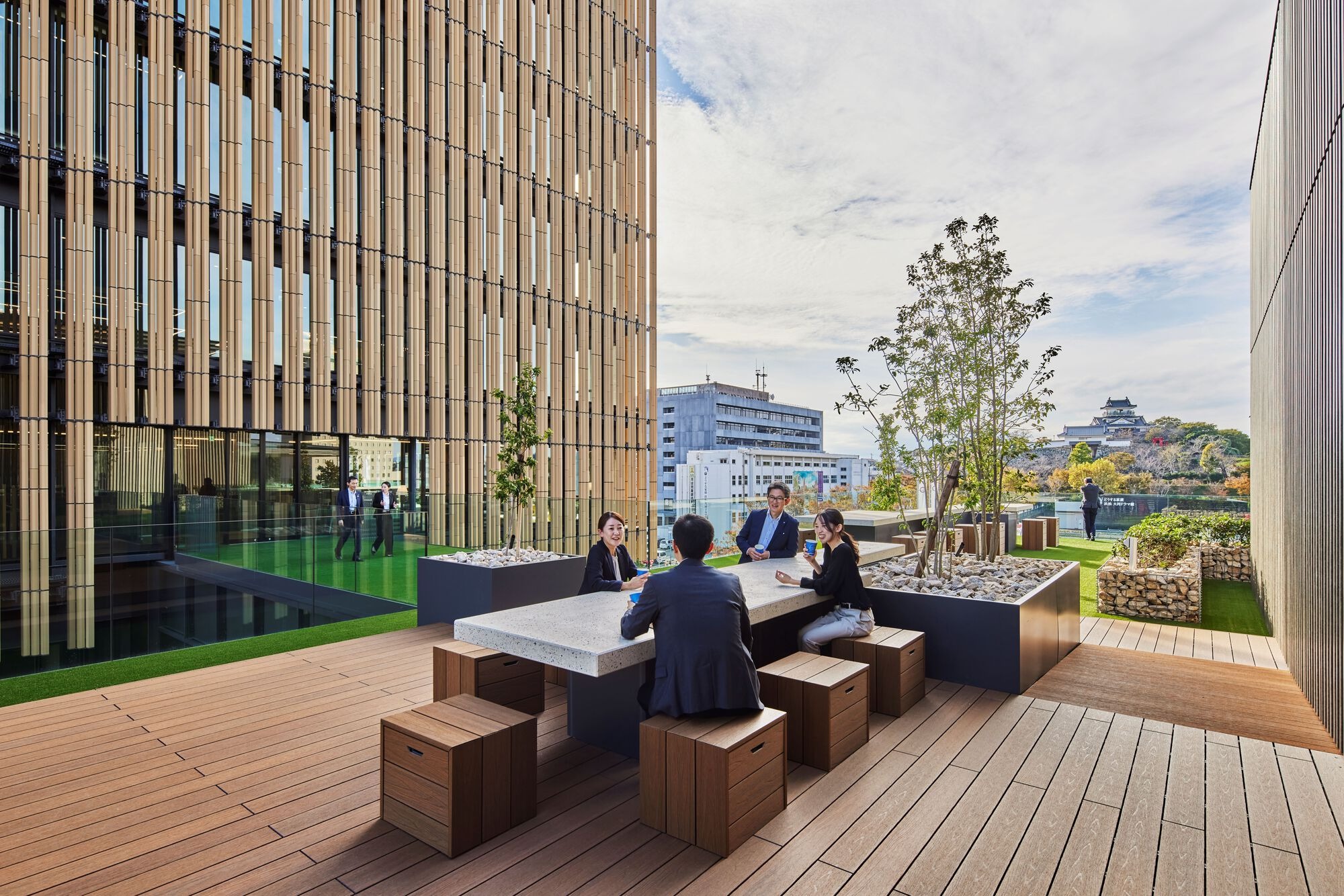
이 완충 공간은 외부의 자연과 내부의 업무 공간을 이어주며, 직원들에게 계절의 변화와 빛의 흐름을 고스란히 전달합니다. 안쪽에 자리한 '거실형 오피스(Living Room)'는 천장 높이의 변화와 이동식 선반을 통해 부드럽게 영역이 나뉩니다. 덕분에 신입 사원부터 임원까지 모든 구성원이 격의 없이 소통하는 심리적 구심점이 됩니다. 특히 5미터 폭의 널찍한 툇마루 공간은 위아래 층을 시각적, 물리적으로 연결합니다. 이곳은 단순한 이동 통로를 넘어, 직원들이 우연히 마주치고 대화를 나누는 교류의 장이자 잠시 숨을 고르는 휴식처가 됩니다.
천룡 숲을 거니는 듯한 파사드
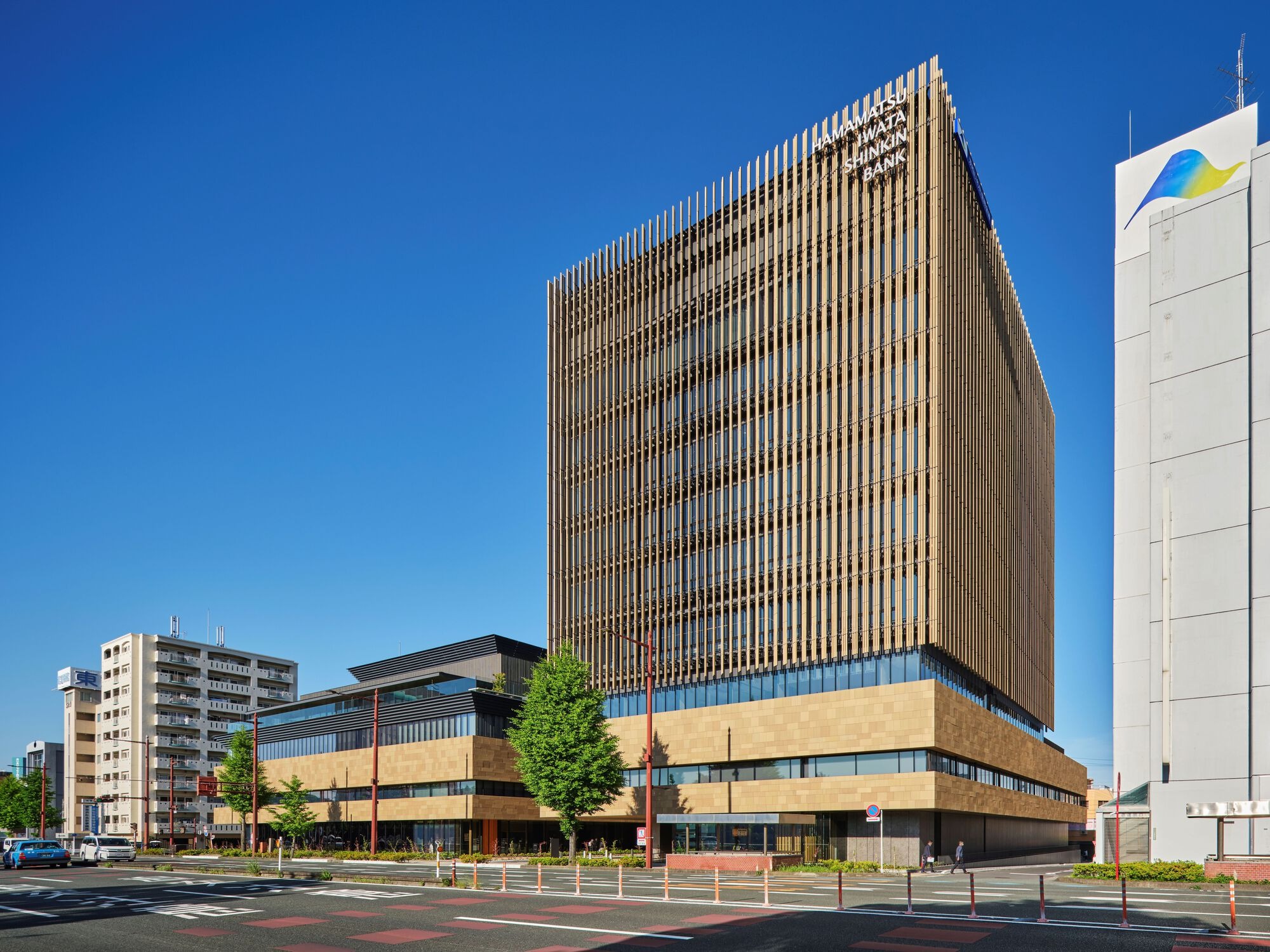
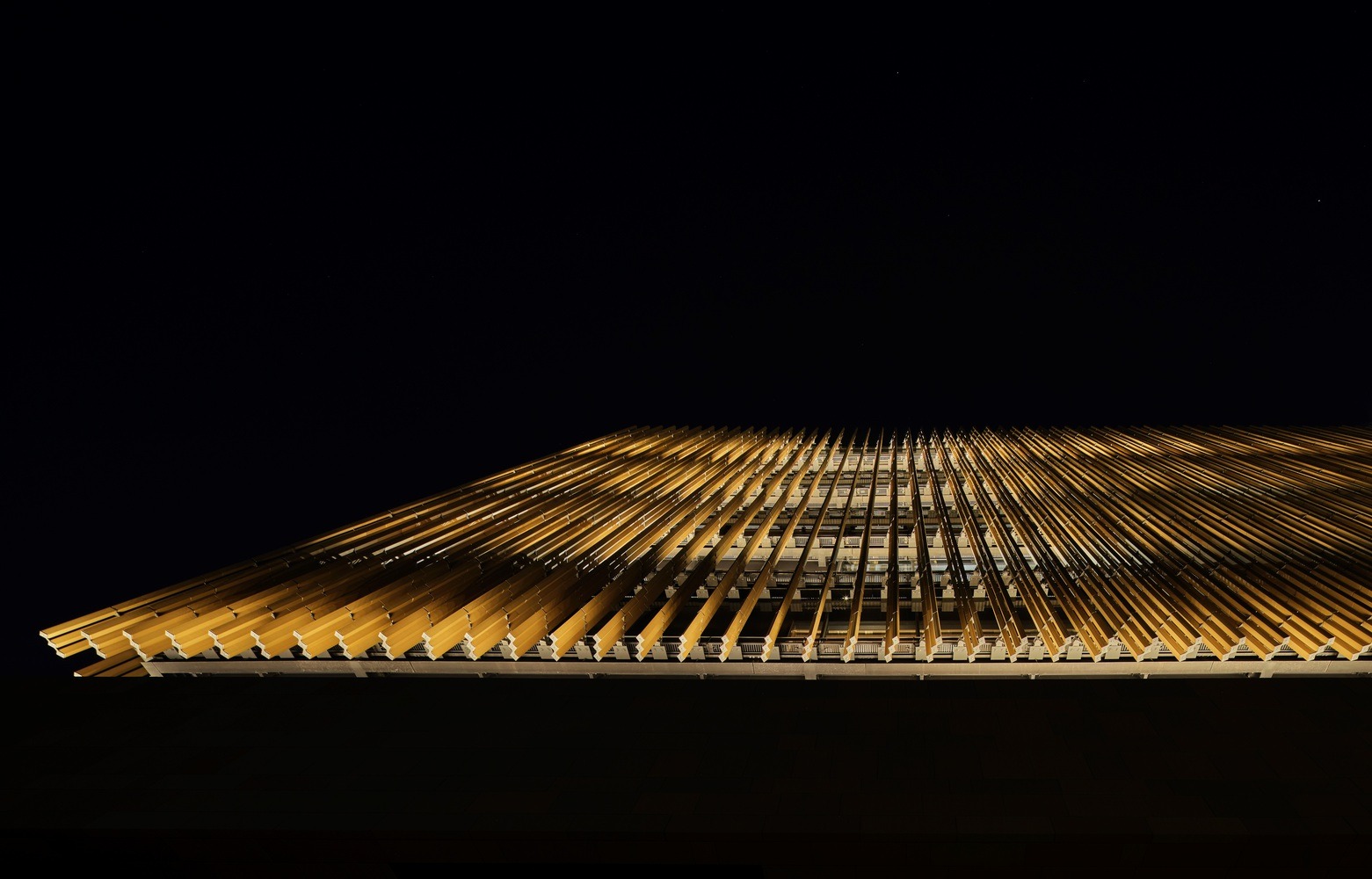
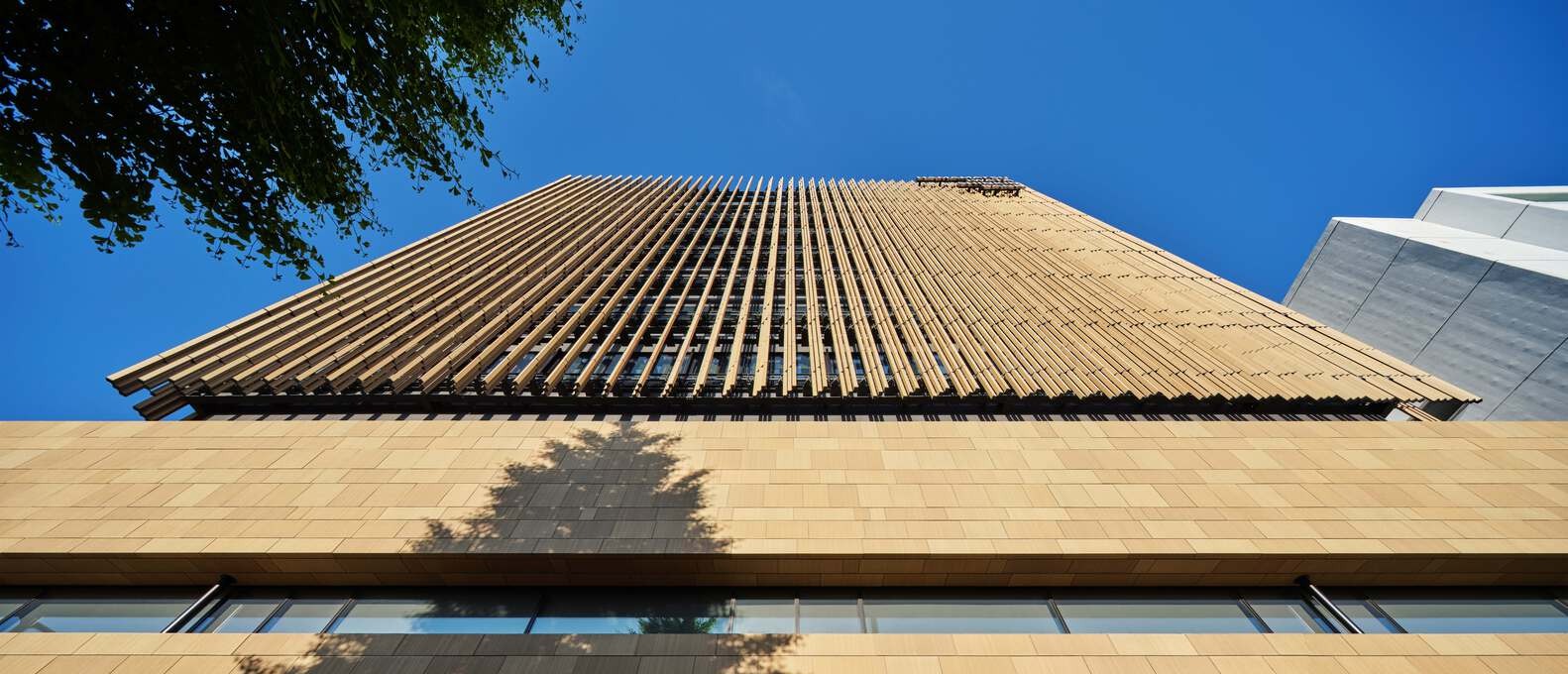
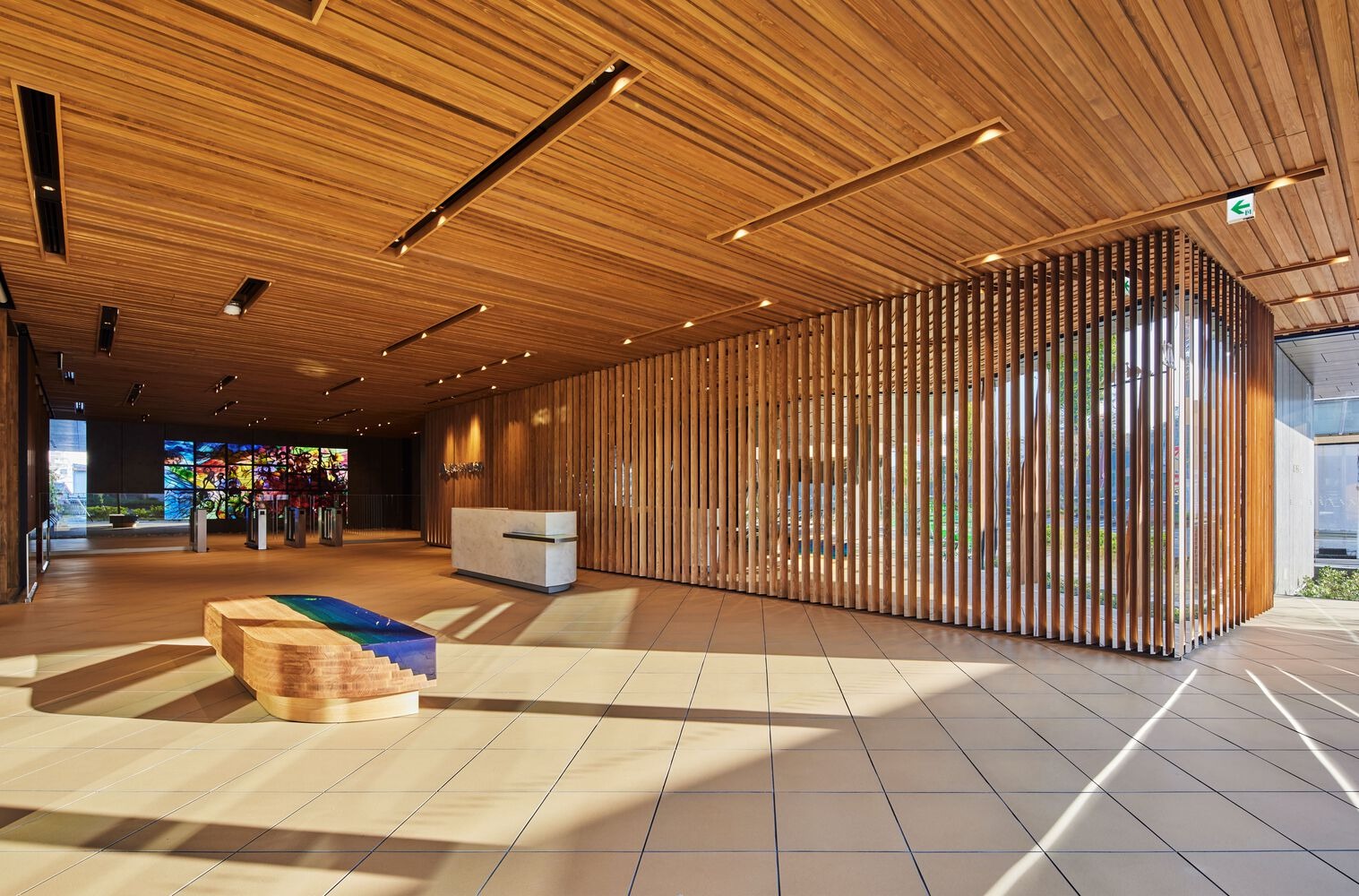
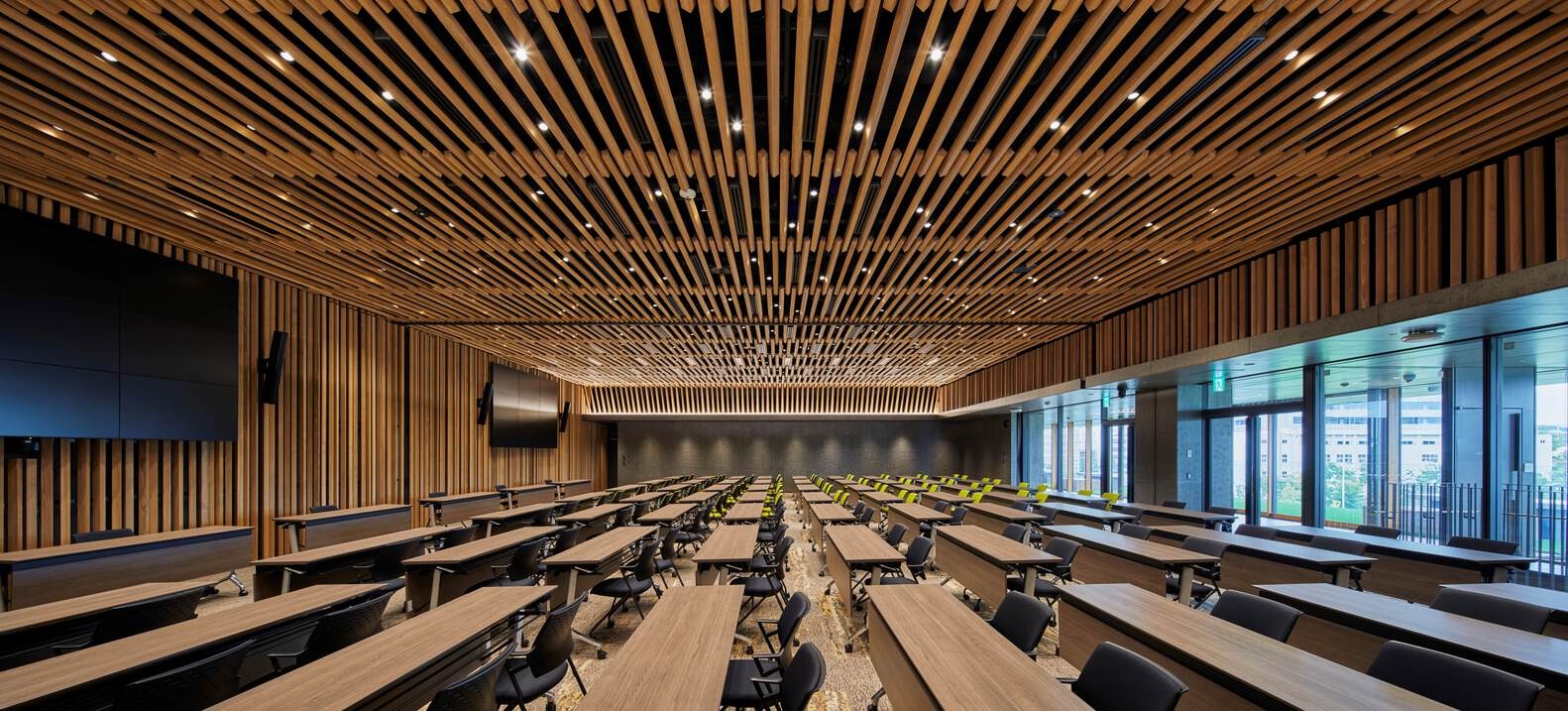
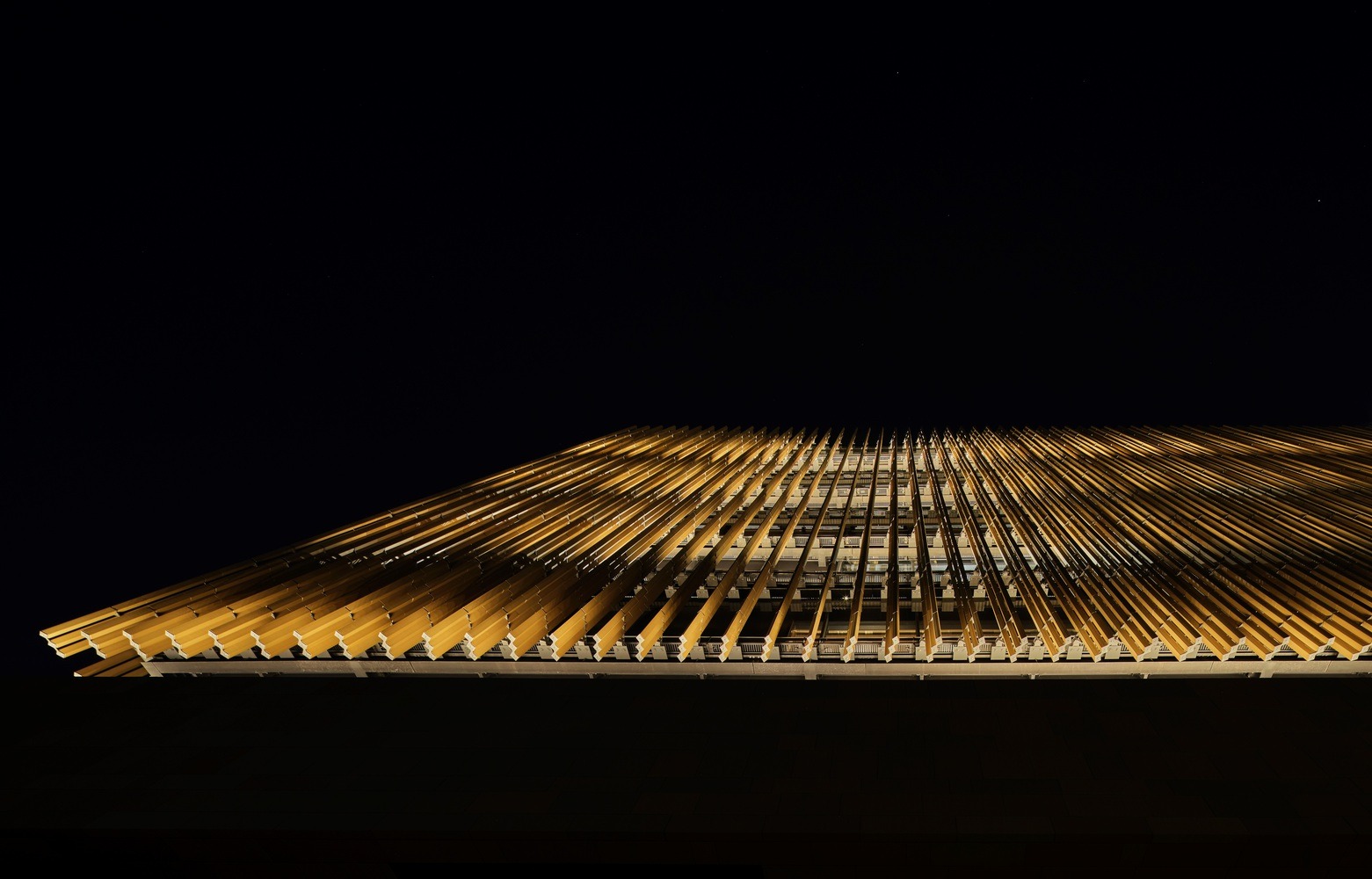
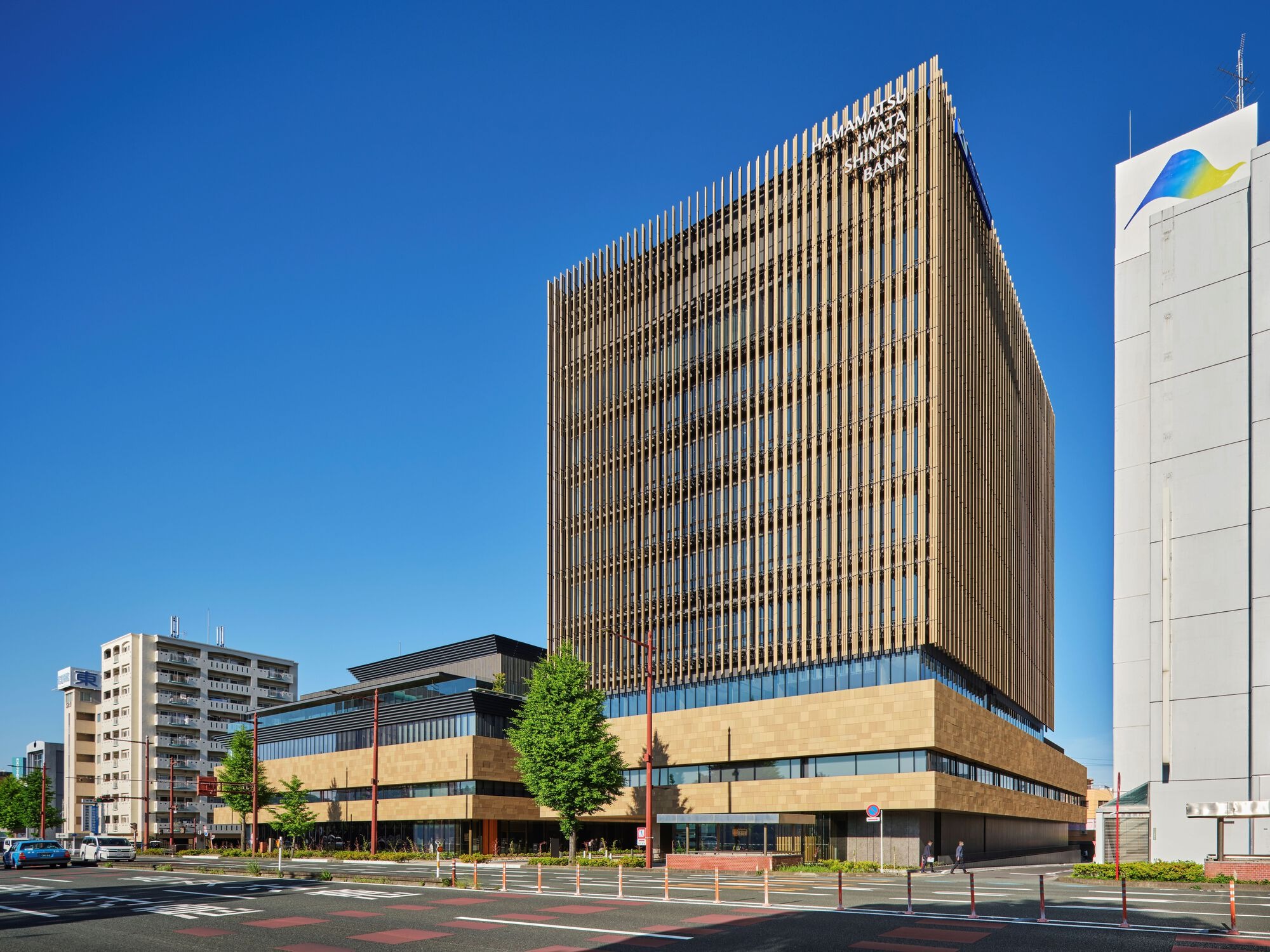
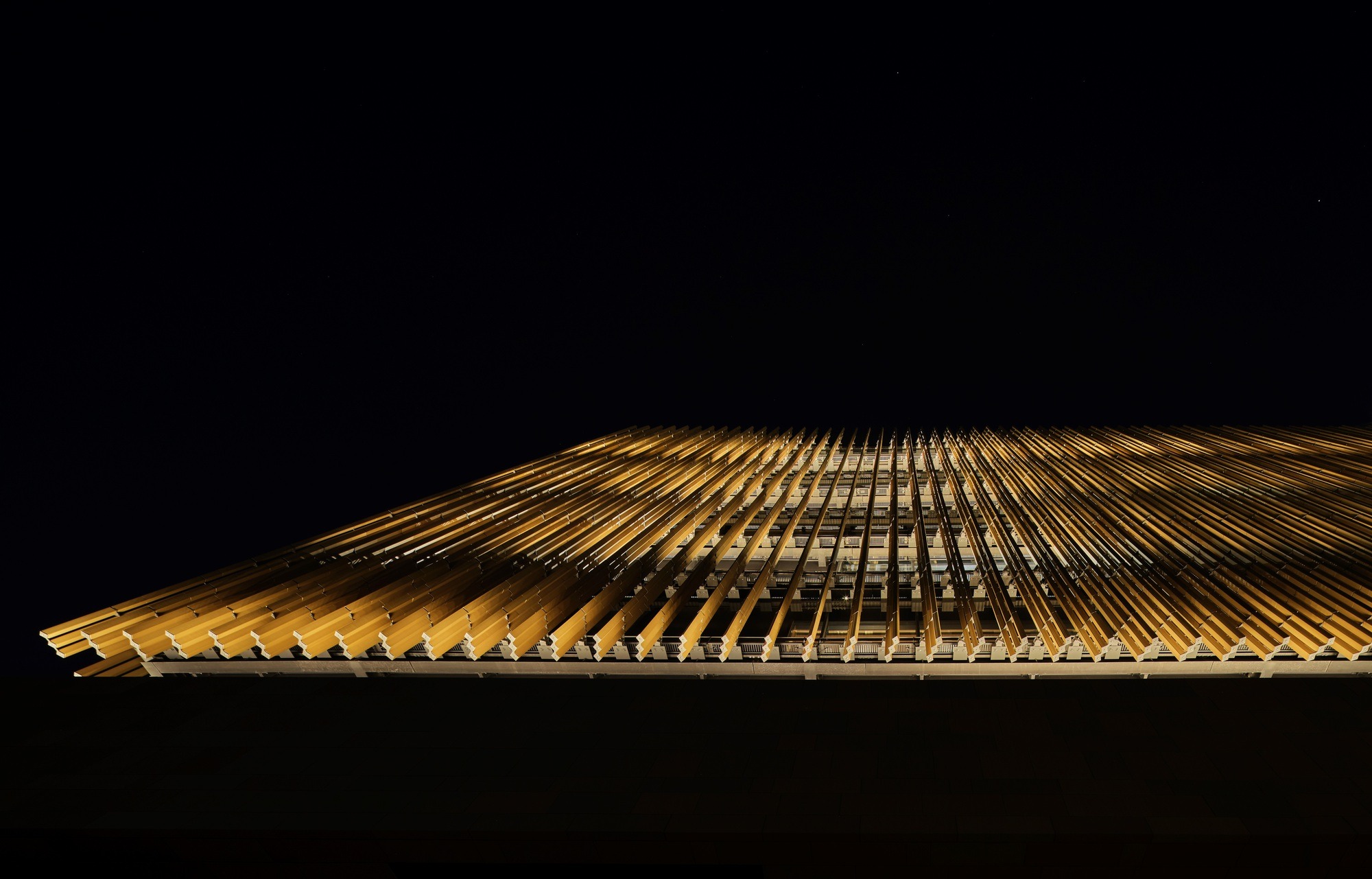
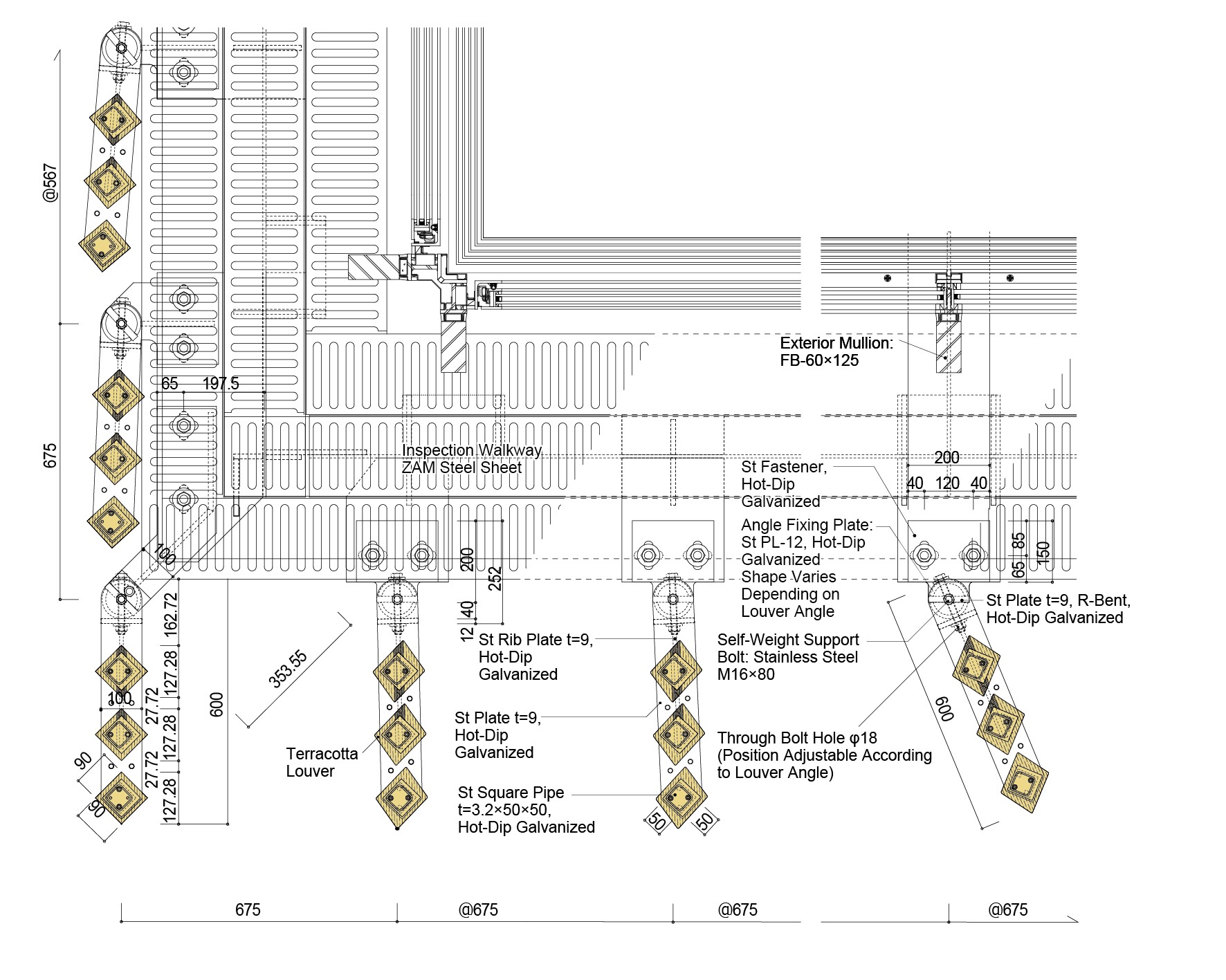
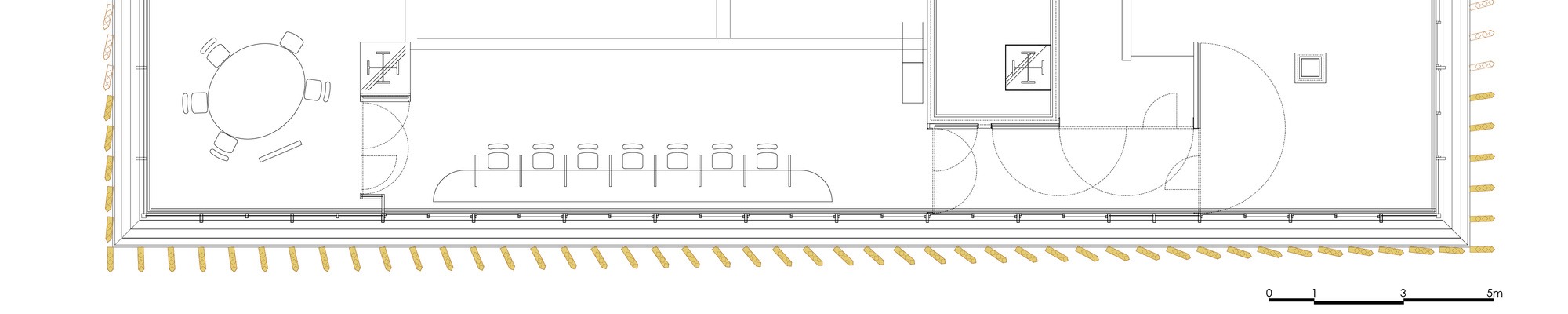
건물의 외관은 테라코타와 천룡(Tenryū) 목재 루버로 섬세하게 감싸져 있습니다. 이 루버들은 뜨거운 태양 복사열을 효과적으로 막아주는 동시에, 하마마츠 성을 향한 조망을 시원하게 열어줍니다. 인근 주거 지역의 프라이버시를 보호하면서도, 내부에서는 마치 하마마츠의 천룡 숲을 산책하는 듯한 따스하고 리듬감 있는 풍경을 선사합니다. 툇마루 한구석에 마련된 별채(Annex) 형식의 회의 공간은 이러한 숲속의 안식처 같은 분위기를 완성합니다.
숨 쉬는 친환경 건축
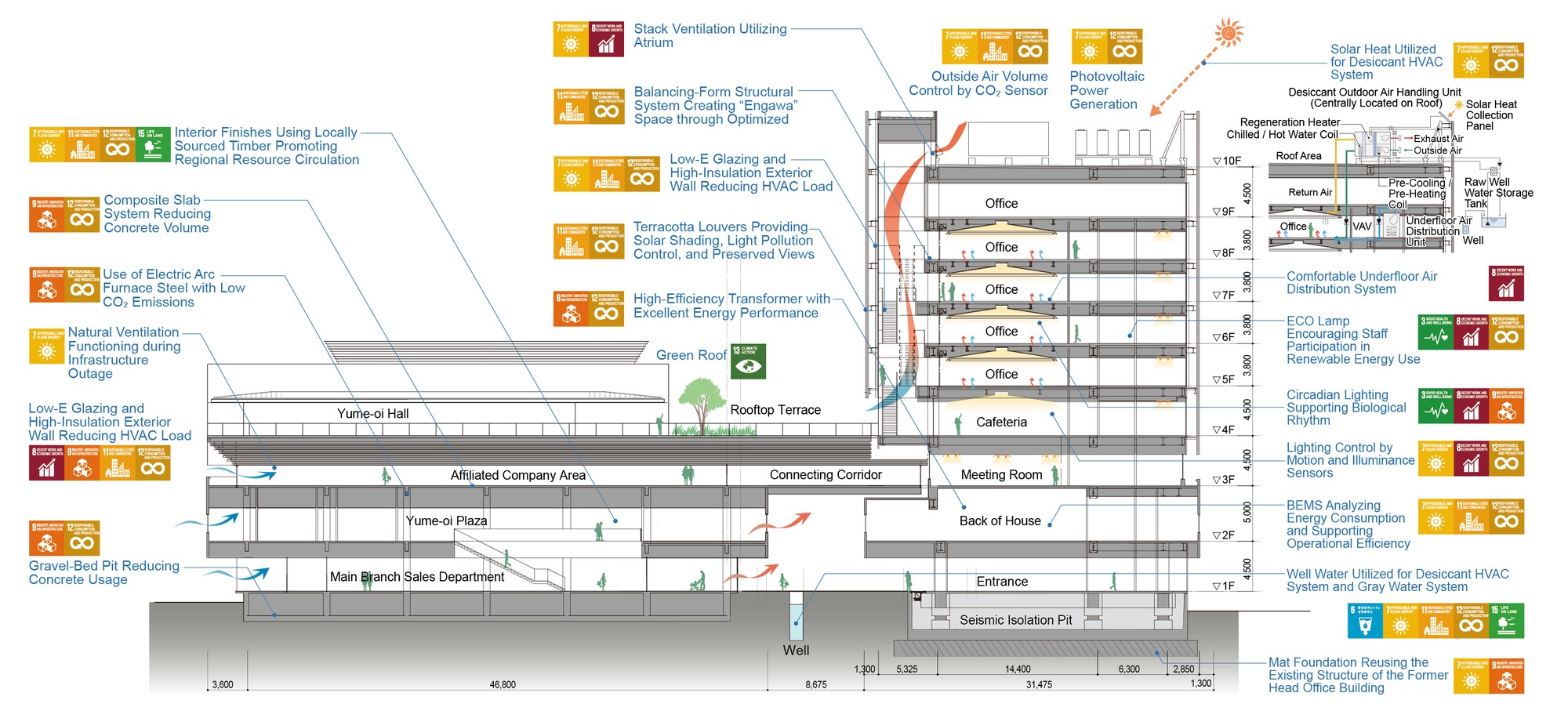
설계 기간 중 닥친 팬데믹 상황은 높은 보안과 출근율을 유지해야 하는 금융기관에 큰 과제였습니다. 이에 우리는 기계적 환기에만 의존하지 않고 자연의 힘을 적극적으로 빌리는 '패시브 디자인(Passive Design)'을 도입했습니다. 아트리움 상부에는 바람과 온도에 반응해 자동으로 열리는 자연 환기 창을 설치하고, 직원들이 직접 열 수 있는 슬라이딩 창호를 외벽에 적용해 자연과의 접점을 넓혔습니다.
지속 가능한 미래를 향하여
또한 일조량이 풍부한 지역적 특성을 십분 활용하여, 태양열과 풍부한 지하수를 이용한 '제습 공조 시스템(Desiccant Air Handler)'을 적용했습니다. 기존 우물을 활용해 전체 용수의 절반 가까이를 지하수로 대체함으로써 에너지 절감은 물론 공공 인프라의 부담까지 낮췄습니다. 외부 루버는 계절에 따라 각도를 달리하며 바람길을 조절합니다. 환절기에는 거친 바람을 막아주고, 평소에는 부드러운 산들바람을 실내 깊숙이 끌어들입니다. 하마마츠 이와타 신용금고 본점은 획일성을 강요하던 과거의 오피스에서 벗어나, 사람과 자연, 그리고 기술이 조화롭게 공존하는 새로운 업무 공간의 이정표가 될 것입니다.
Write by Claude & Jean Browwn

Nikken Sekkei-Hamamatsu Iwata Shinkin Bank Head Office and Main Branch
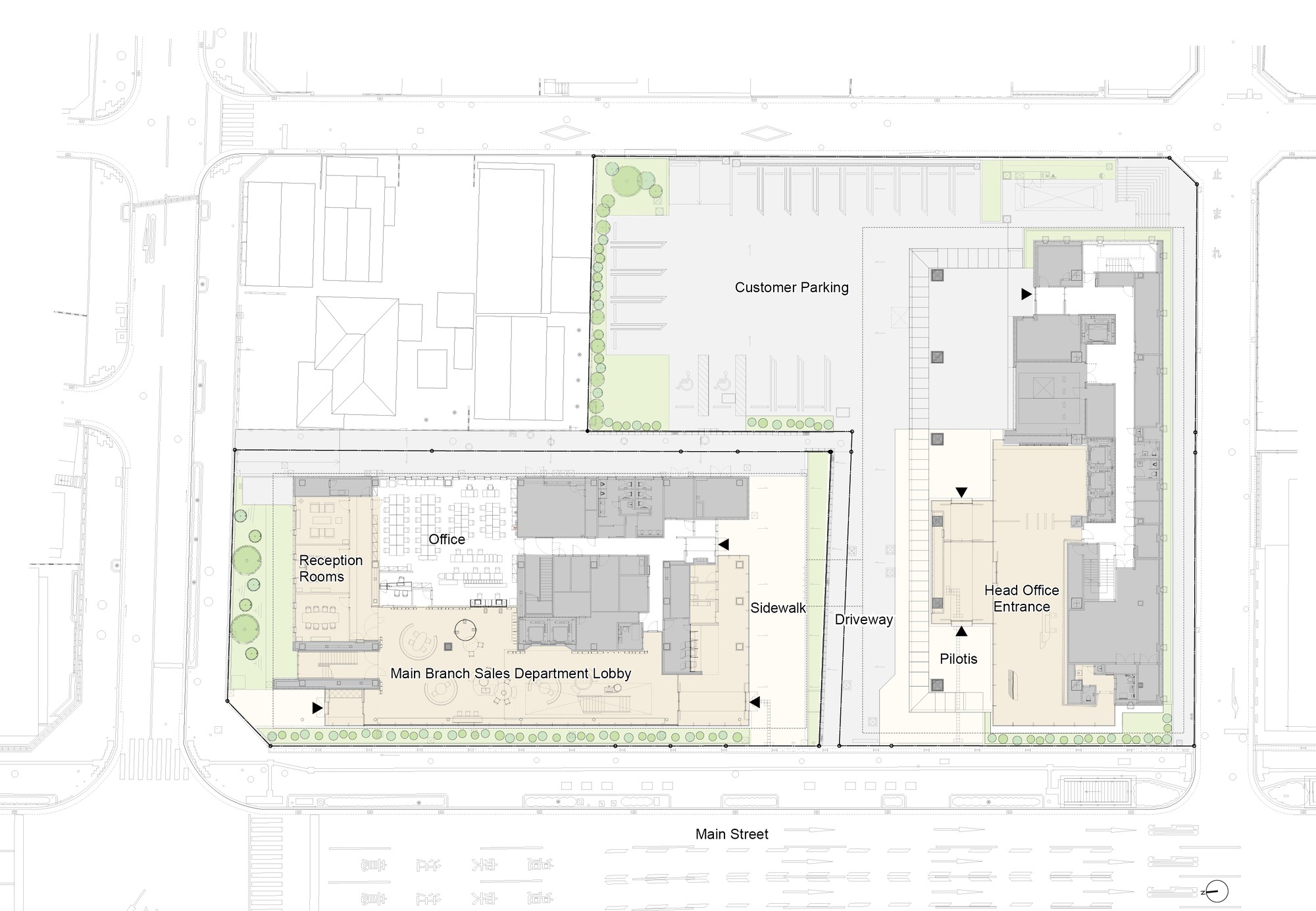
Fostering a sense of family and accelerating decision-making through a robust workplace –This redevelopment plan for two buildings – the head office and main branch – spans two sites facing the town's symbolic Hamamatsu Castle. It was brought to fruition by Shinkin Bank (credit union) with deep roots in this historic castle town.
Nikken Sekkei has been involved in designing distinctive service hubs for the credit union's branches since 2011, prioritizing the institution's connection with the community. Extensive discussions were held with the credit union's officers and staff to determine how the new headquarters workplace should look in order to unify the branches and foster new services. The outcome identified two key requirements: accelerating decision making and fostering a sense of family across three hierarchical levels: 1) between department heads, 2) within departments, and 3) among staff.
As a solution, we proposed a workplace based on a modern interpretation of traditional Japanese architecture: an intermediate space, akin to an engawa (veranda) that wraps around the living areas, softly partitioned by flexible dividers such as fusuma (sliding doors) and shoji (sliding screens).
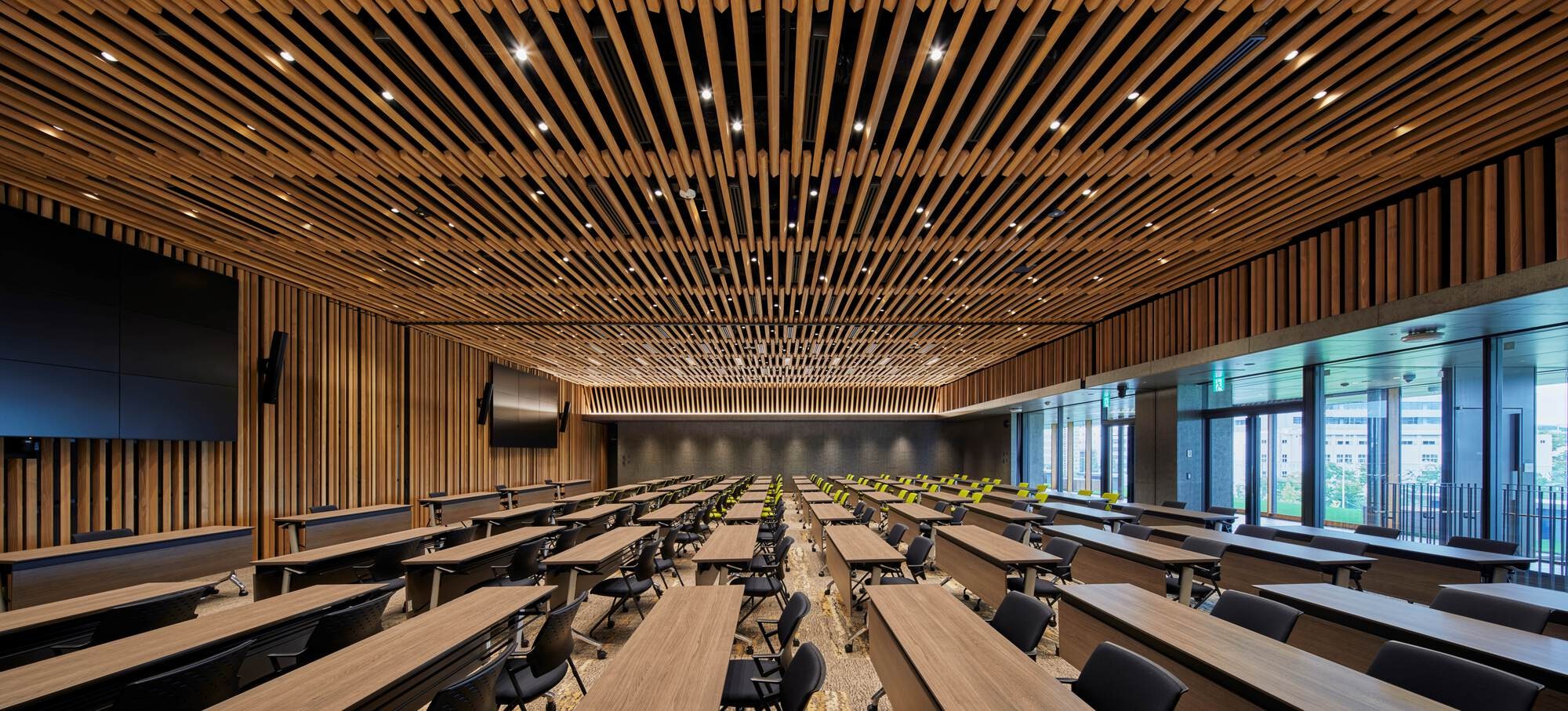
The prior-held belief that 'the office = a column-free long span structure' was challenged. Offsetting the perimeter columns by five meters created a nested plan that structurally liberated the perimeter. The perimeter zone, which serves as a buffer between the exterior and interior, was designed to resemble a veranda. The enclosed interior zone (living room) yields spaces with distinct environments that offer variety in the workplace. The living room is softly partitioned by raised ceilings and movable shelving. This space can transform into a workplace where all staff, from new-hires to managing directors, can gather, reflecting the company culture of psychological closeness among staff and vigorous interdepartmental communication.
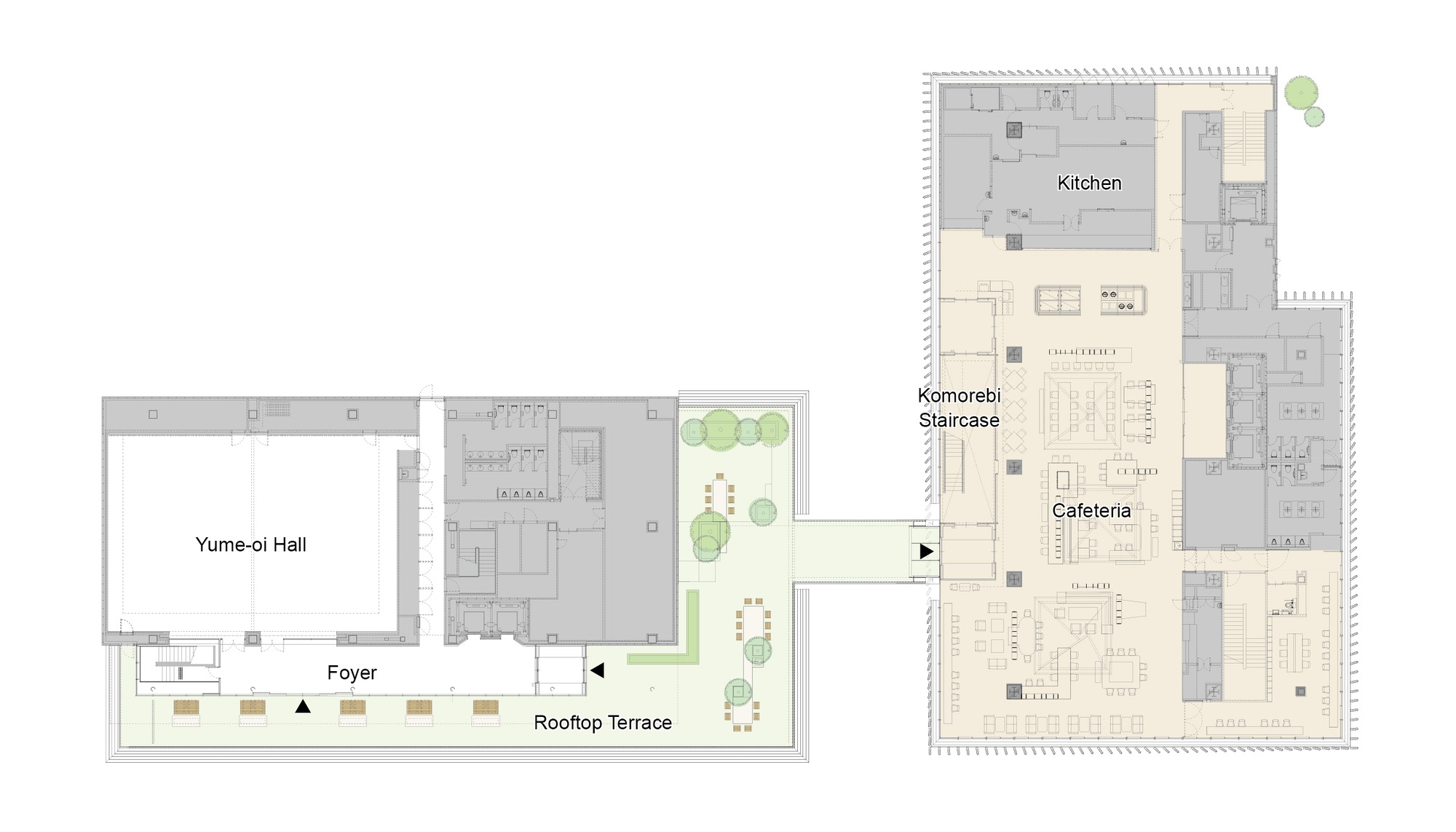
The generously proportioned veranda, spanning over five meters, connects the upper and lower floors, functioning for both movement and also as a workplace with areas for gathering and milling. This creates a thermal, acoustic, and visual environment with variations that allow for influences from the external surroundings. The building is enveloped by both terracotta and timber louvers that wrap the building perimeter, allowing for views of Hamamatsu Castle while controlling solar radiation. This manages sightlines from the residential neighborhood and at the same time imparts the pleasant sensation of strolling through the city's Tenryū Forest. "The Annex," a secluded, detached meeting space, was also provided in one corner of the veranda. Rather than prioritizing uniformity for all users, the fundamental structure of the architecture was re examined, creating a robust workplace centered on people that proactively embraces heterogeneity. This approach has yielded a solution for future office architecture.
Natural Environmental Architecture – Although the project's design phase coincided with the onset of the COVID-19 pandemic, information confidentiality inherent to financial institutions meant that a high worker occupancy rate was anticipated. This made passive design elements, such as latent heat load management and natural ventilation, crucial. In this project, the sensible/latent heat separation air conditioning system utilizes a desiccant air handler to harness abundant well water along with solar heat, in a region with one of the longest yearly periods of sunshine in Japan. Utilizing an existing well resulted in a 46.5% groundwater substitution rate for total water usage, balancing energy savings with reduced strain on public infrastructure.
Sliding windows were installed on the exterior. The upper part of the atrium was fitted with a natural ventilation system featuring a wind- and temperature-sensitive automatic opening-and-closing mechanism. Eco lamps that promote natural ventilation were installed, enabling staff to actively participate in and enjoy the richness of nature. The exterior louvers gradually change angle to moderate prevailing winds during transitional seasons, and direct gentle breezes to the interior.
from archdaily