좋은 도시는 사람을 향하며 그 자체로 거대한 거실과 같다. 얀 겔
 |
 |
 |
일상의 이동을 도시적 경험으로 승화시키다. 닥터 카로 도심 버스 환승센터 ARN / Arquitectos-Dr. Caro urban bus interchange in Elche
도시의 흐름을 바꾸는 기후 피난처
스페인 엘체에 자리한 닥터 카로 도심 버스 환승센터는 단순한 정류장이 아닙니다. 사람들의 소통과 교류를 품어내는 새로운 도시 공간입니다. 짙은 그늘과 푸른 식물이 어우러져 사람들이 저마다의 방식으로 머무는 평온한 풍경을 만들어내며, 비날로포 강의 경사면을 향해 활짝 열린 도심 속 쾌적한 기후 피난처로 자리 잡았습니다.
보행자 중심의 새로운 모빌리티 거점
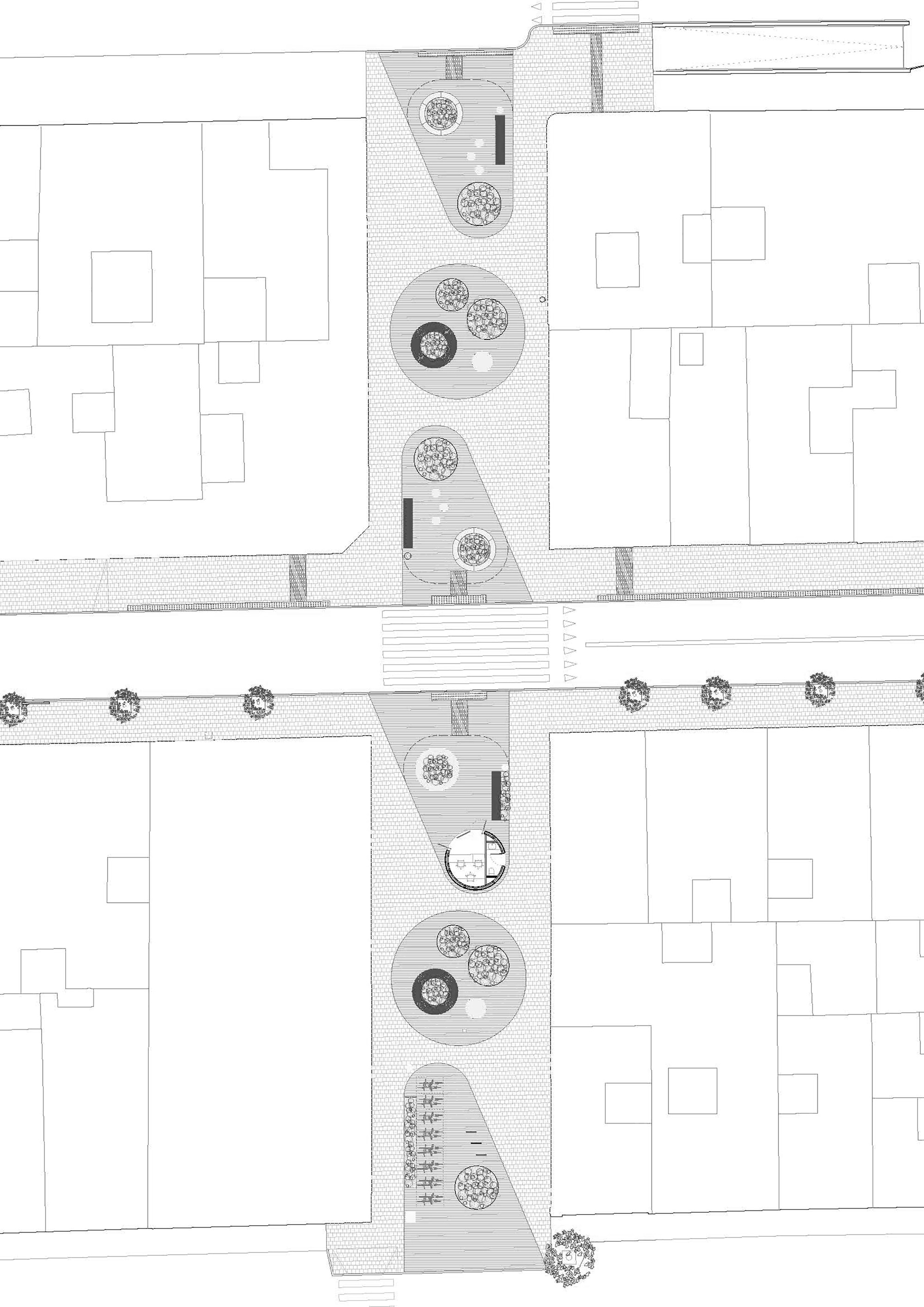
이 프로젝트는 매력이 부족했던 낡은 거리를 누구나 쉽게 다가가며 환경까지 생각하는 공간으로 세심하게 다듬어냈습니다. 차량이 점령했던 삭막한 거리는 이제 보행자를 위한 쾌적한 길로 바뀌었습니다. 대중교통과 자전거 이동이 부드럽게 이어집니다. 공공 자전거 대여소와 주차 구역, 승차권 발매기와 쾌적한 화장실, 지붕 덮인 대기 공간이 실시간 정보 시스템과 유기적으로 어우러집니다. 도시 안에서 더욱 친환경적으로 이동할 수 있는 든든한 거점이 탄생한 것입니다.
쉼이 있는 보행의 풍경
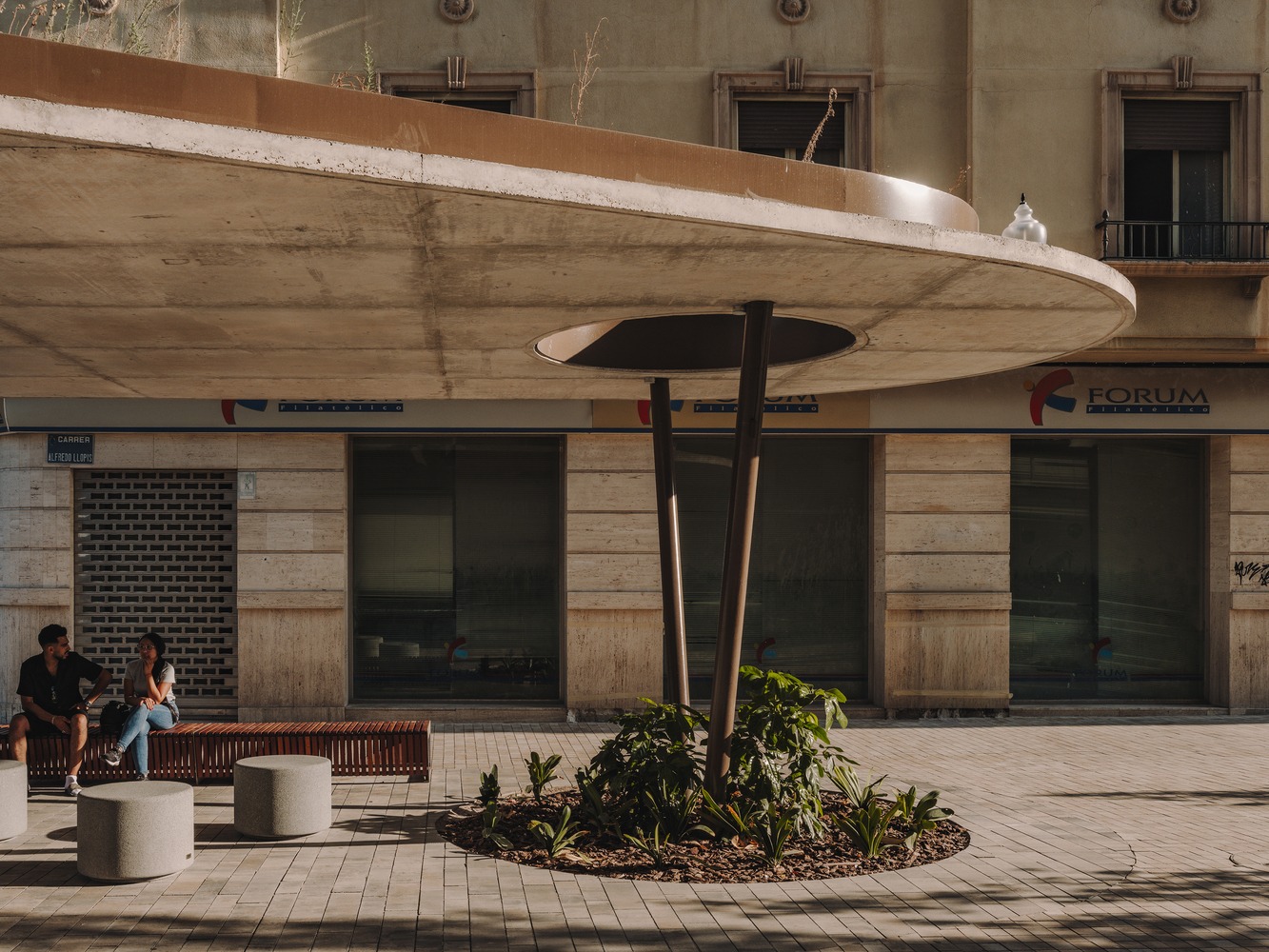
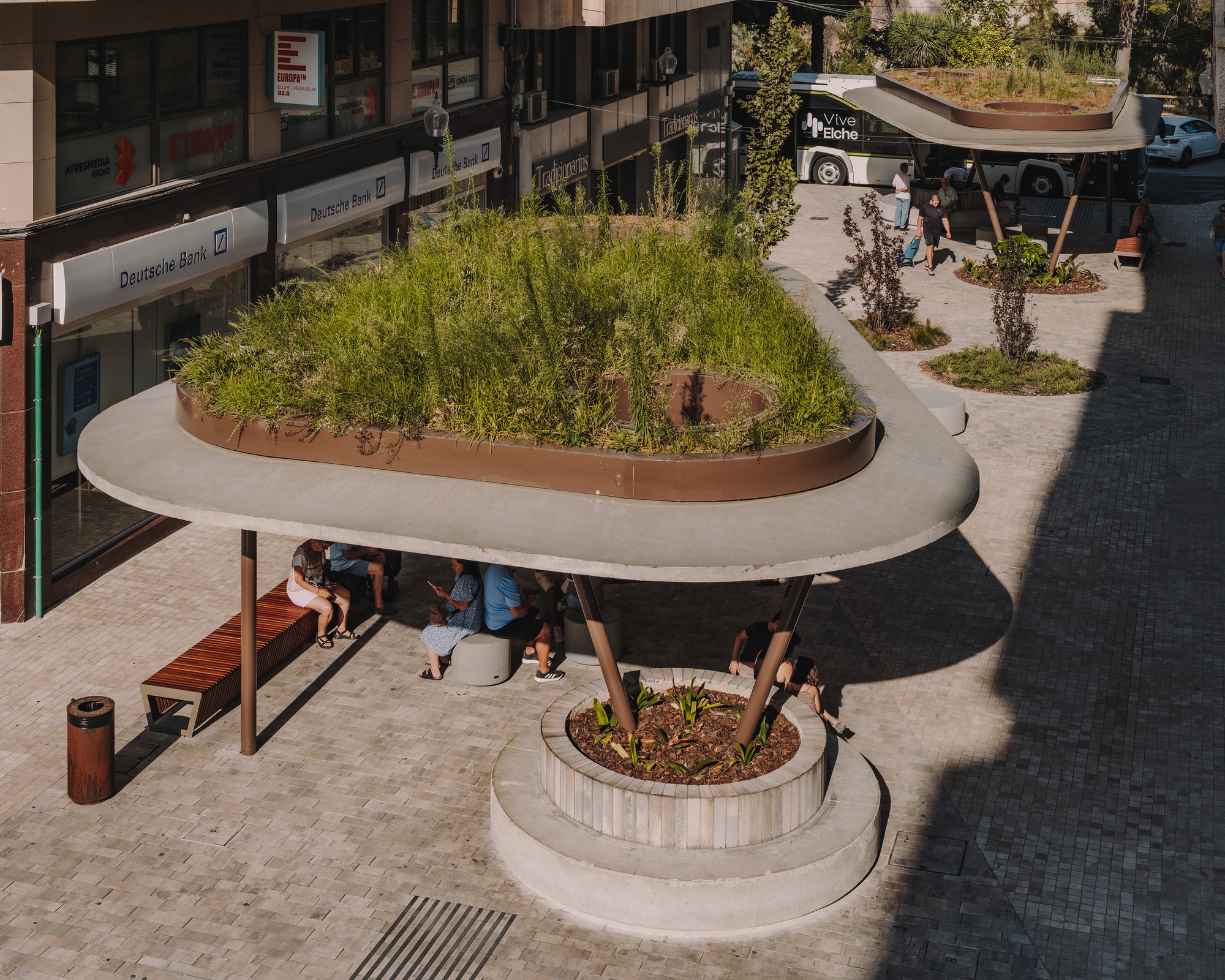
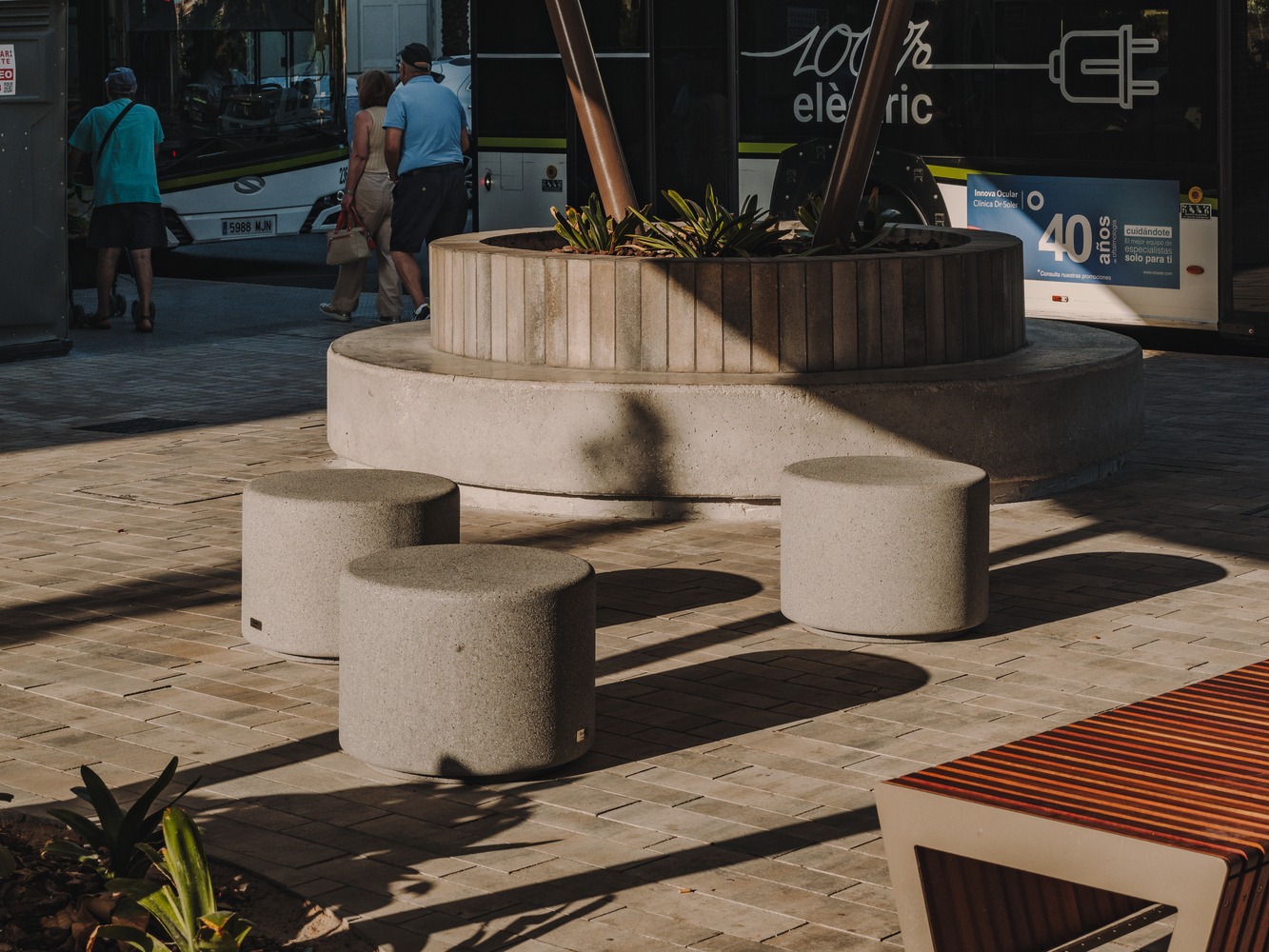
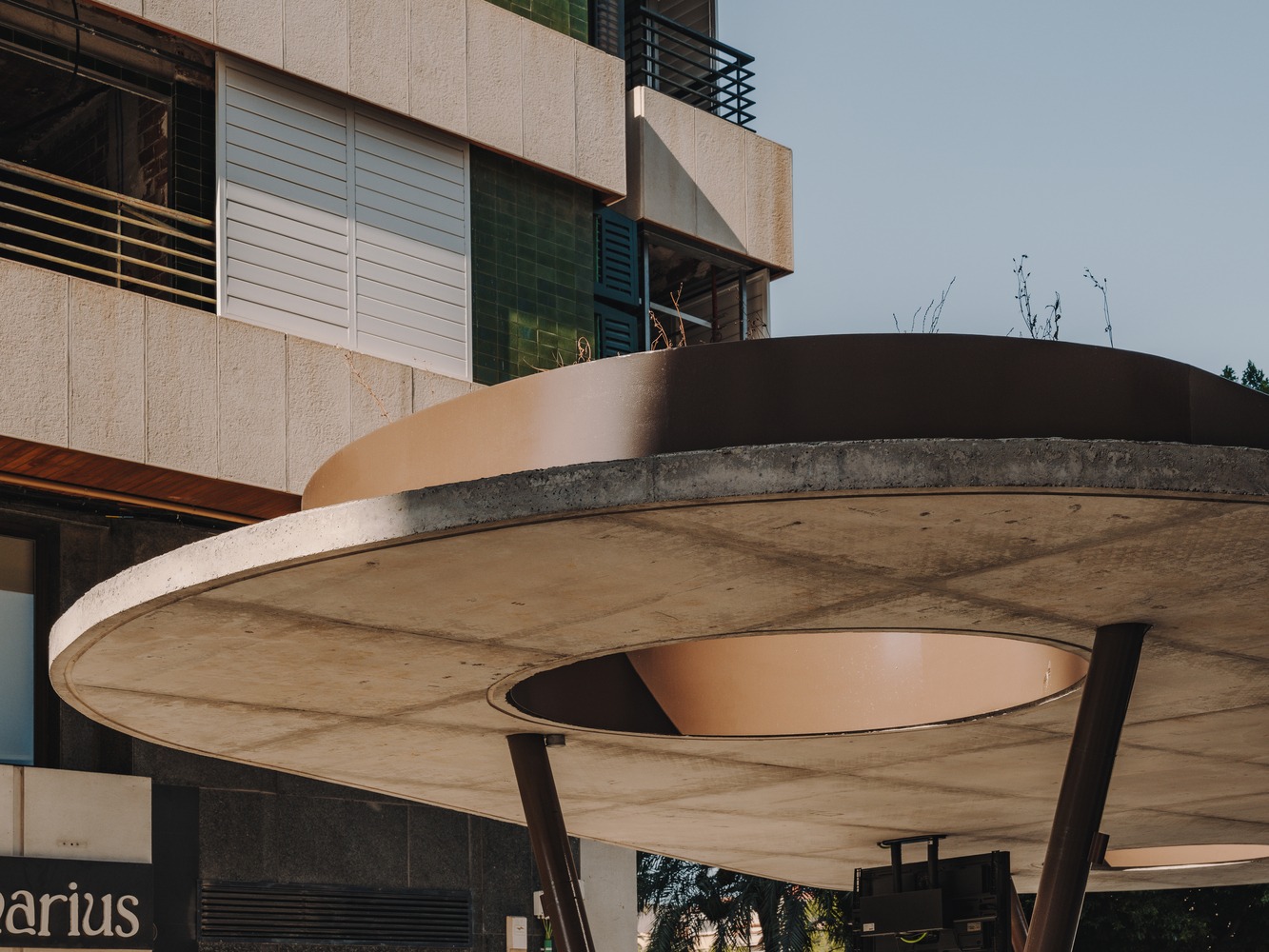
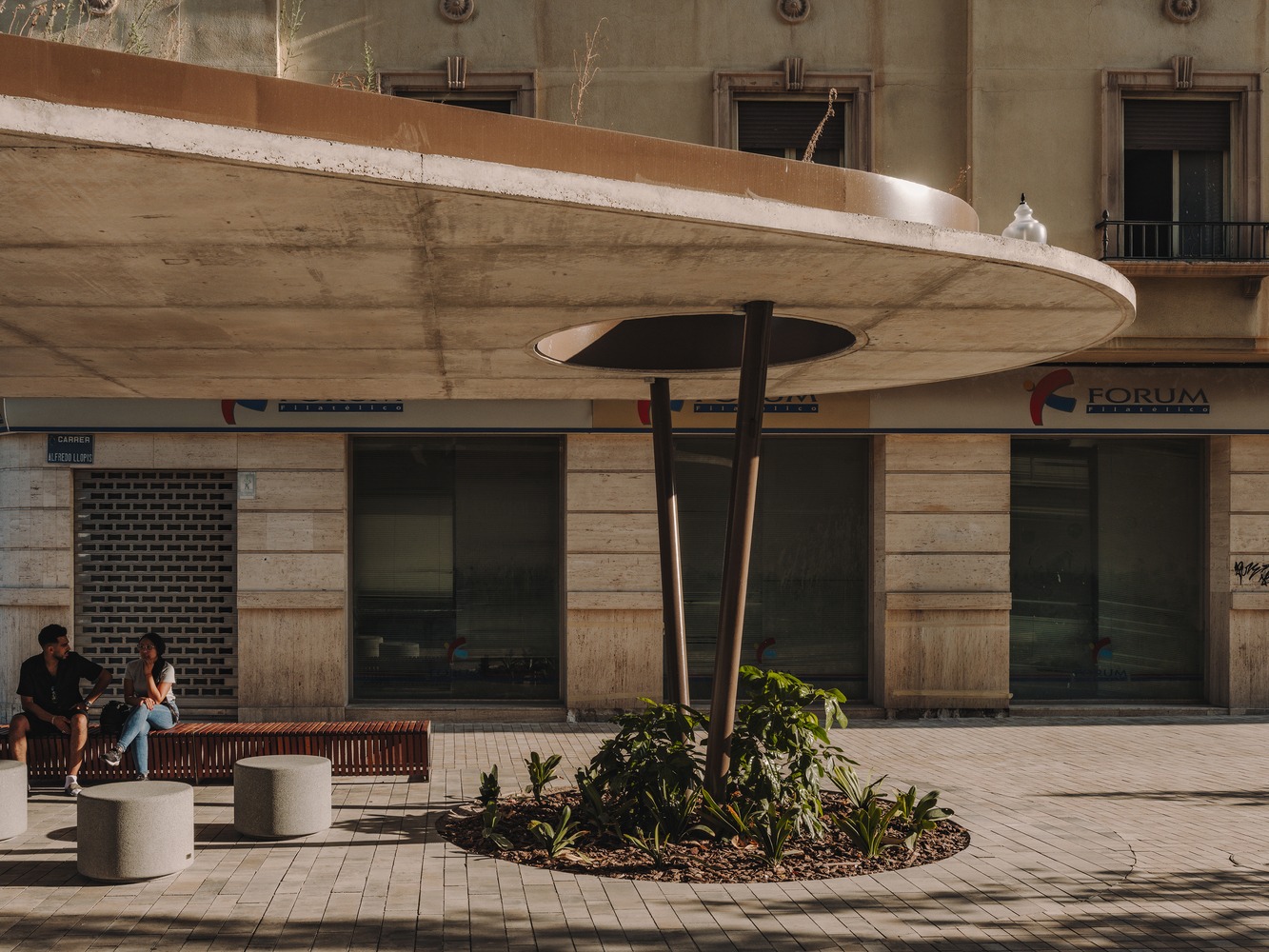
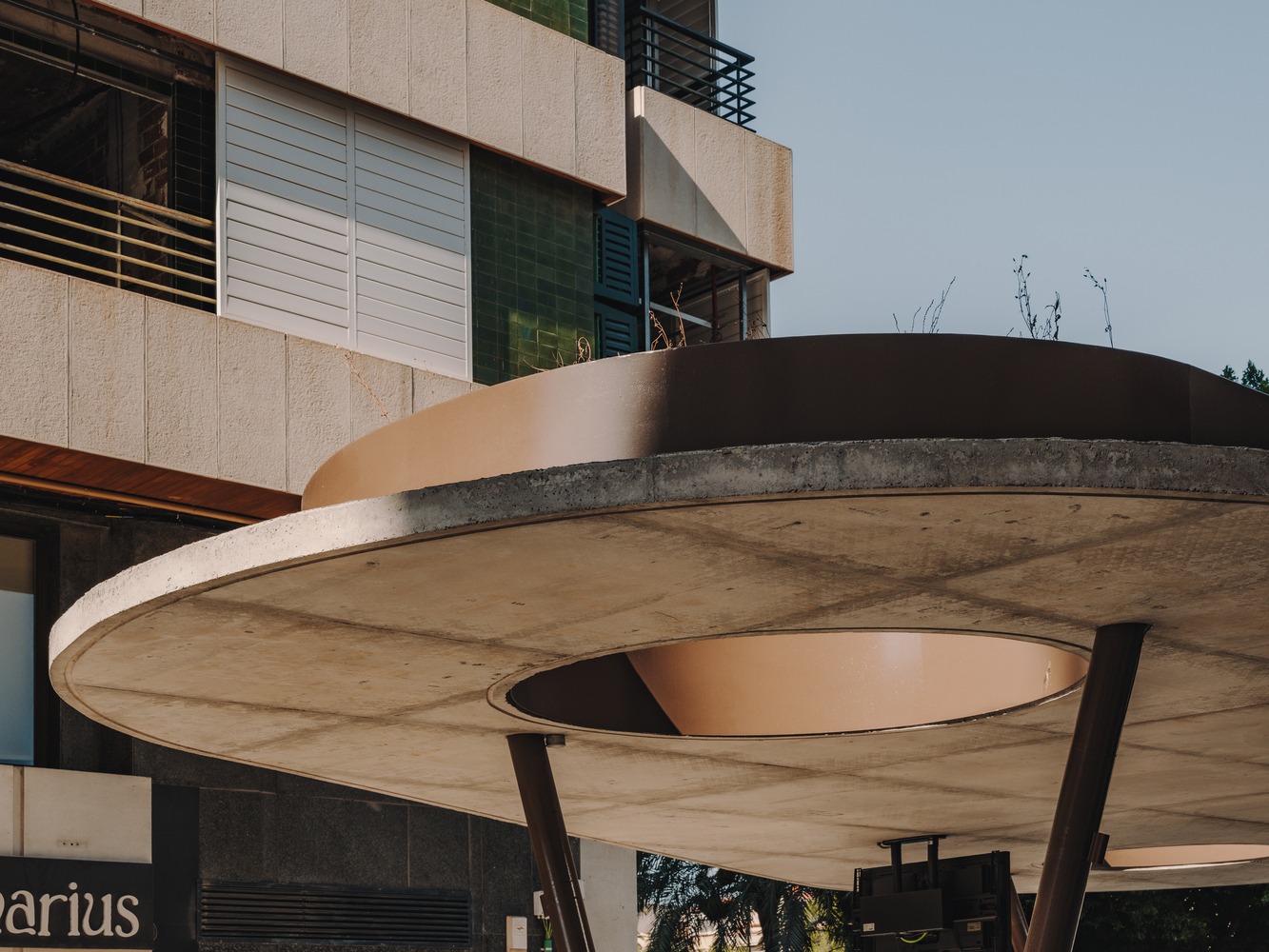
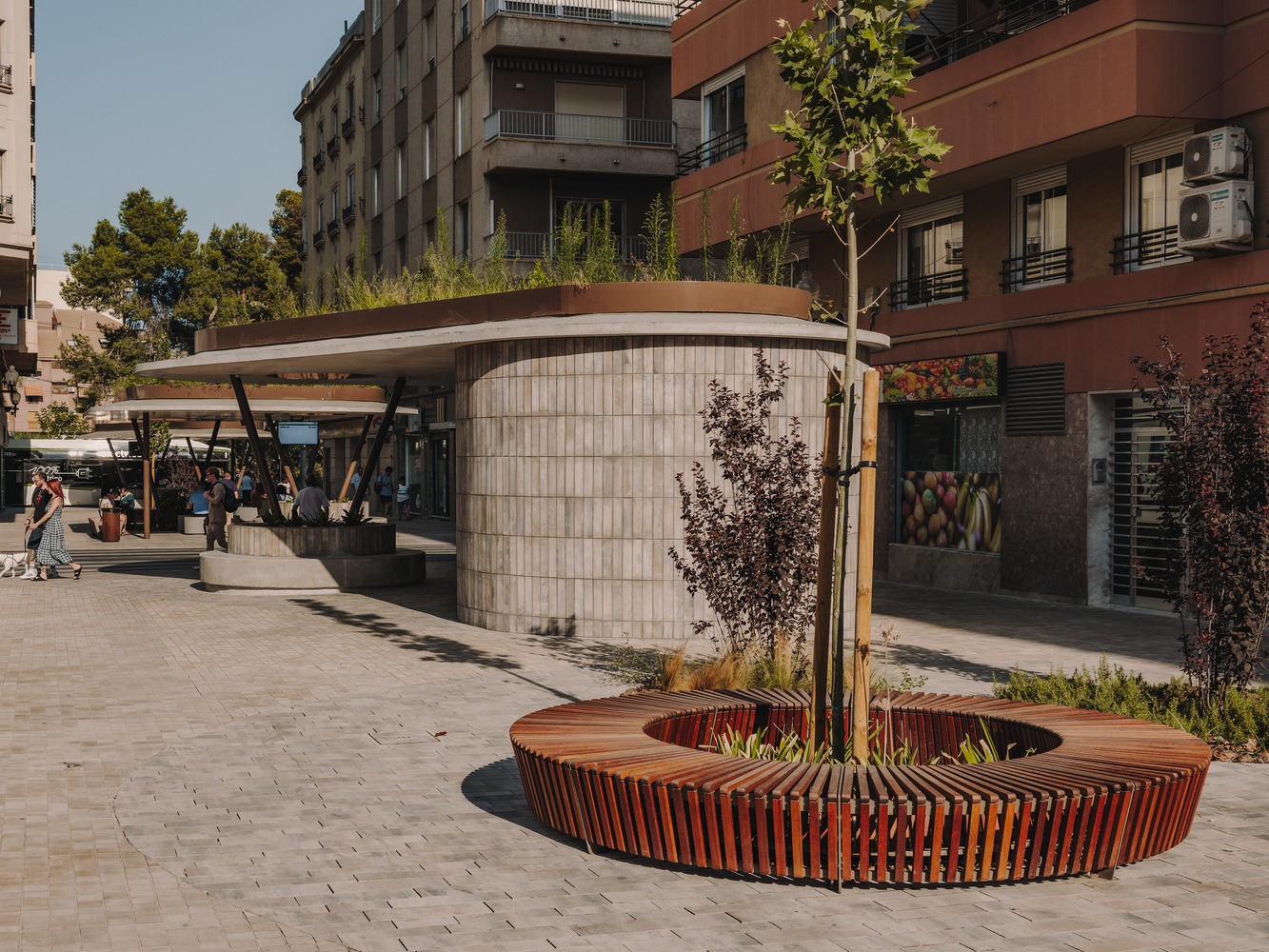
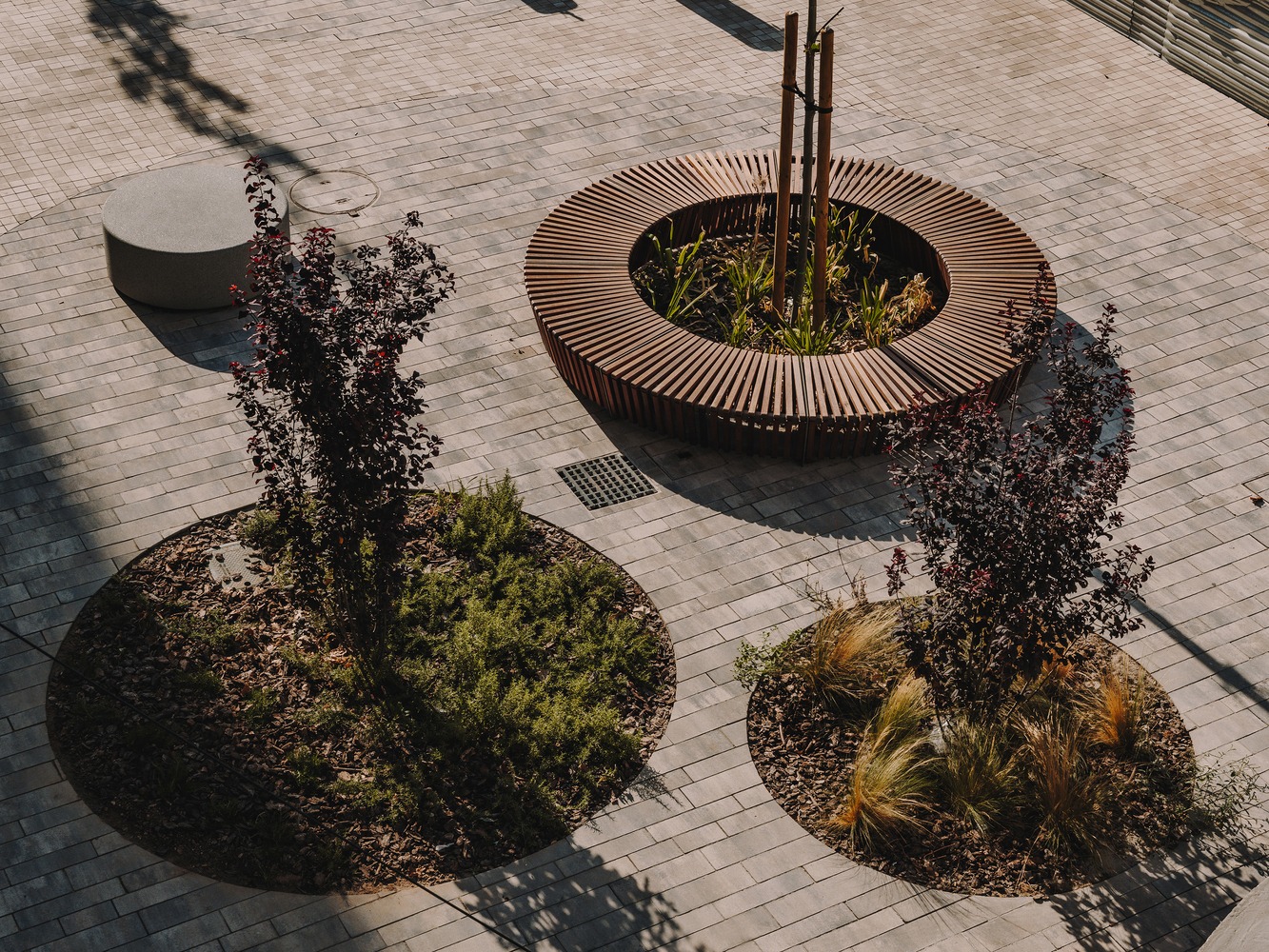
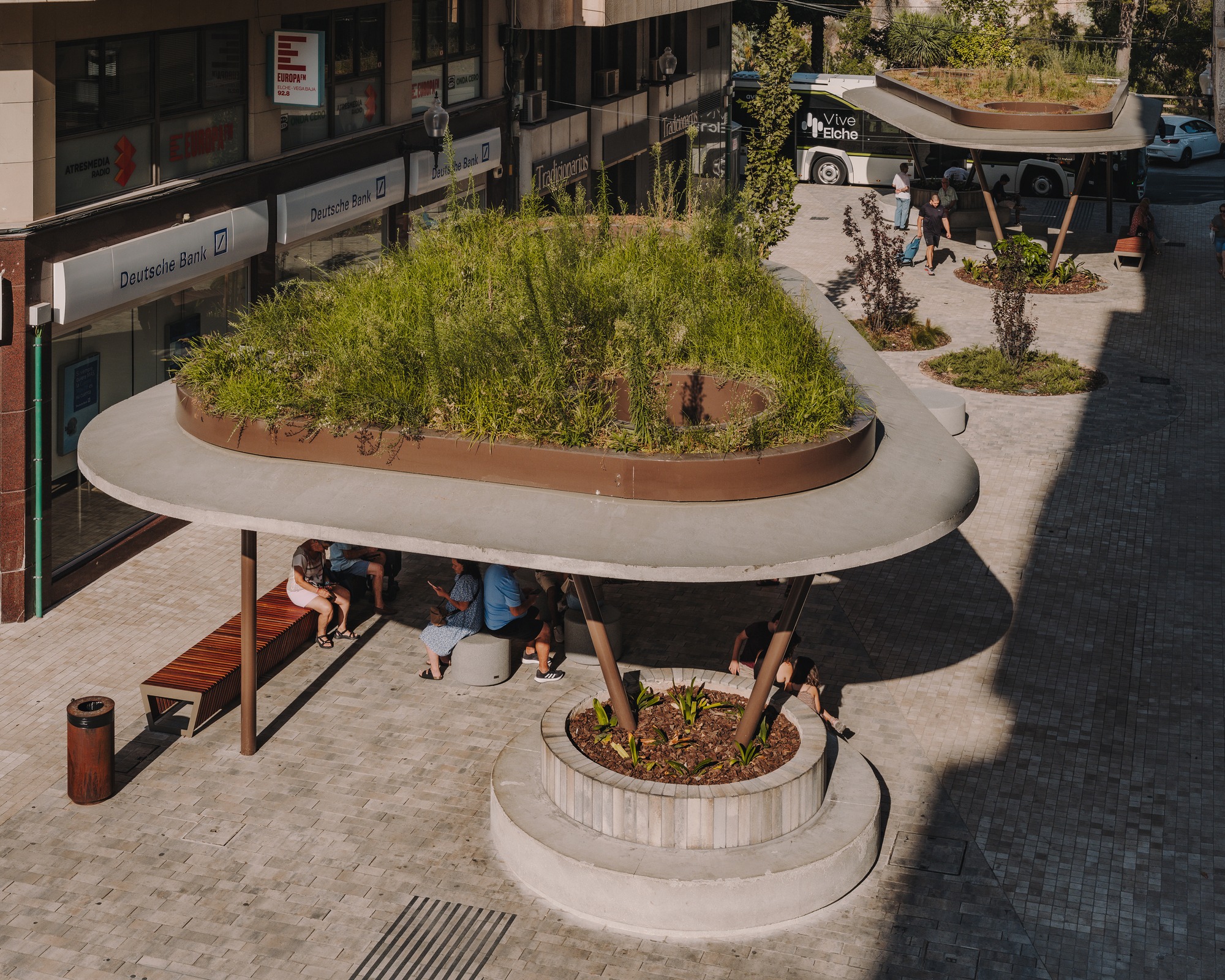
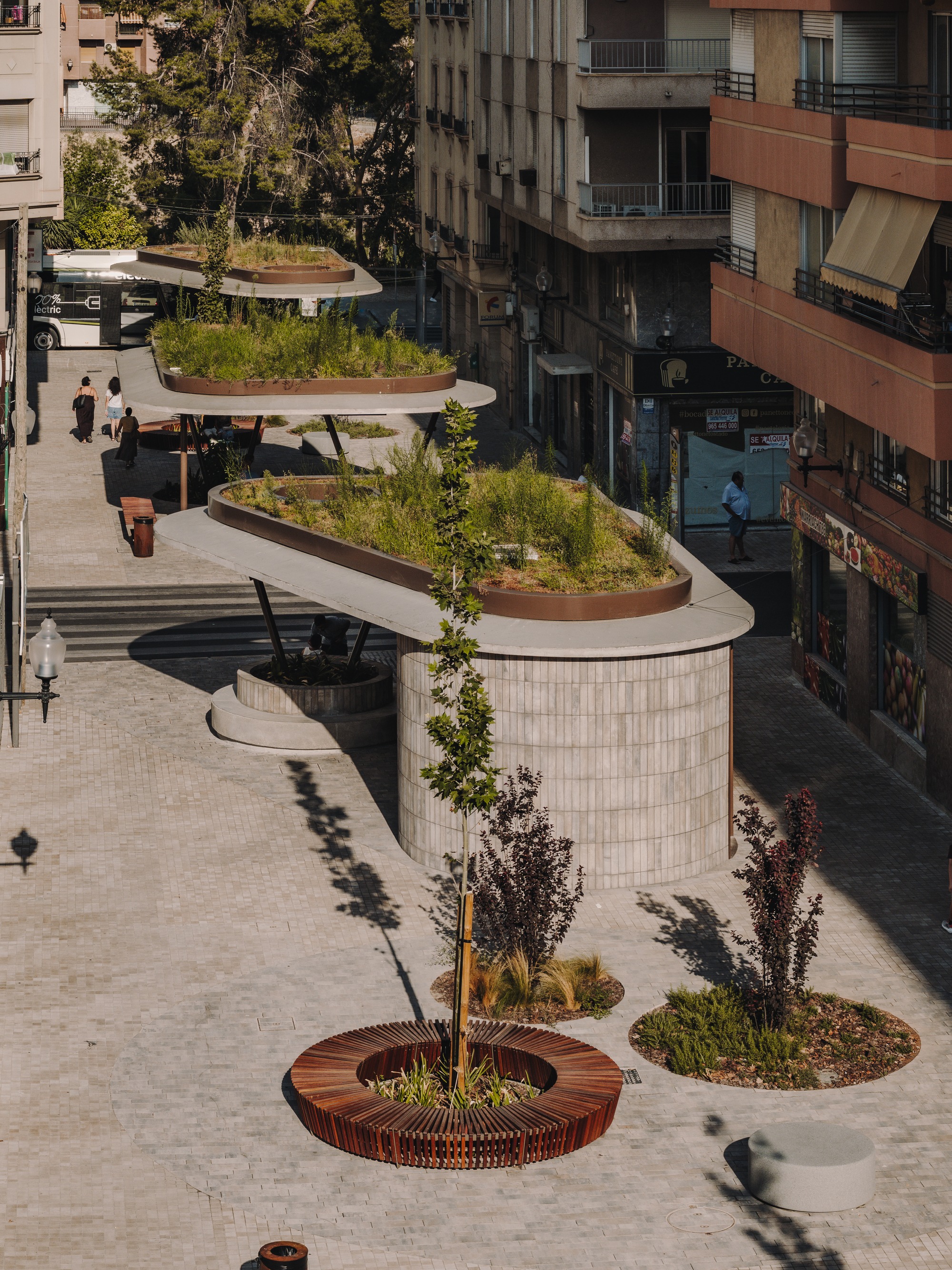
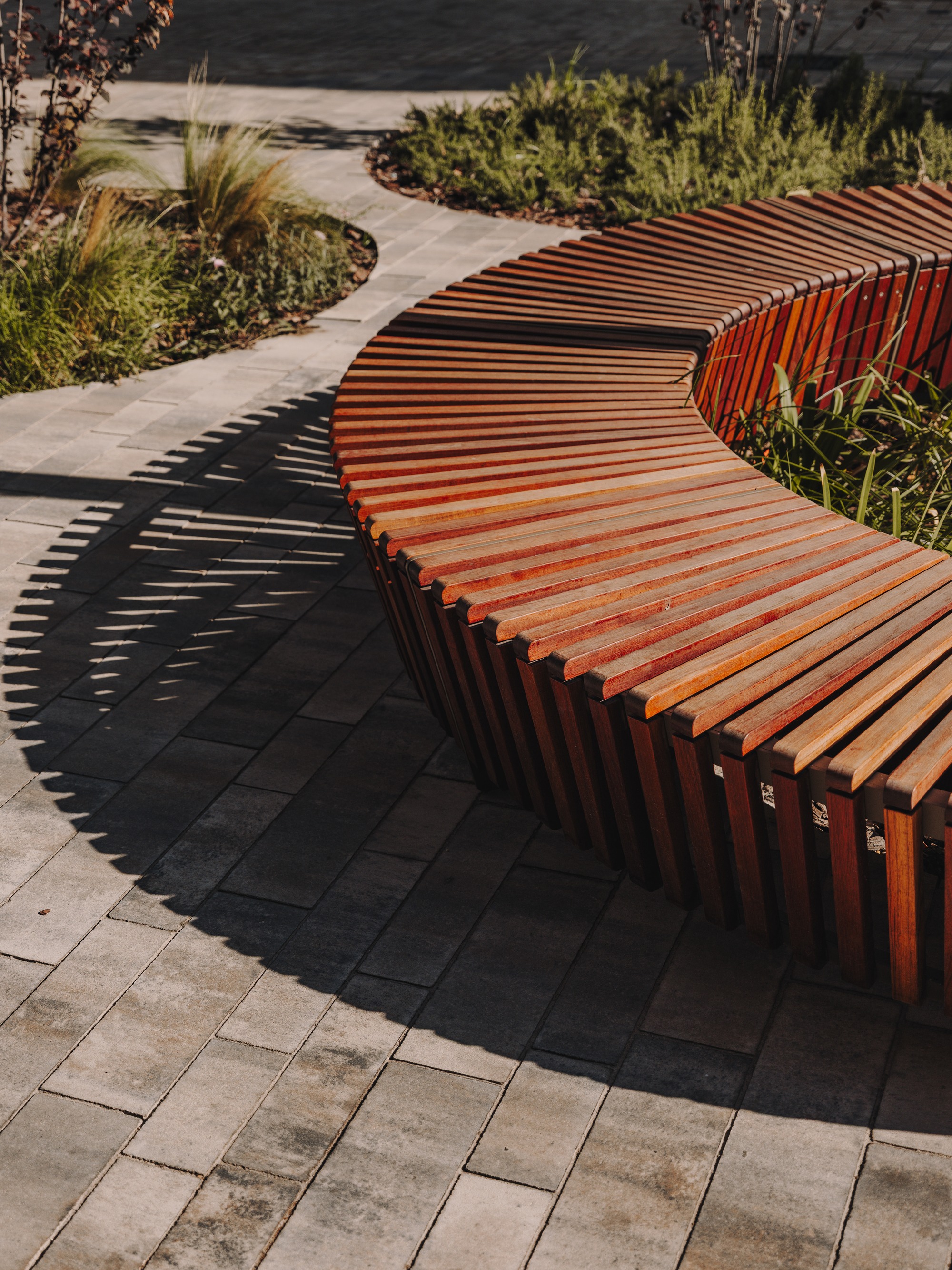
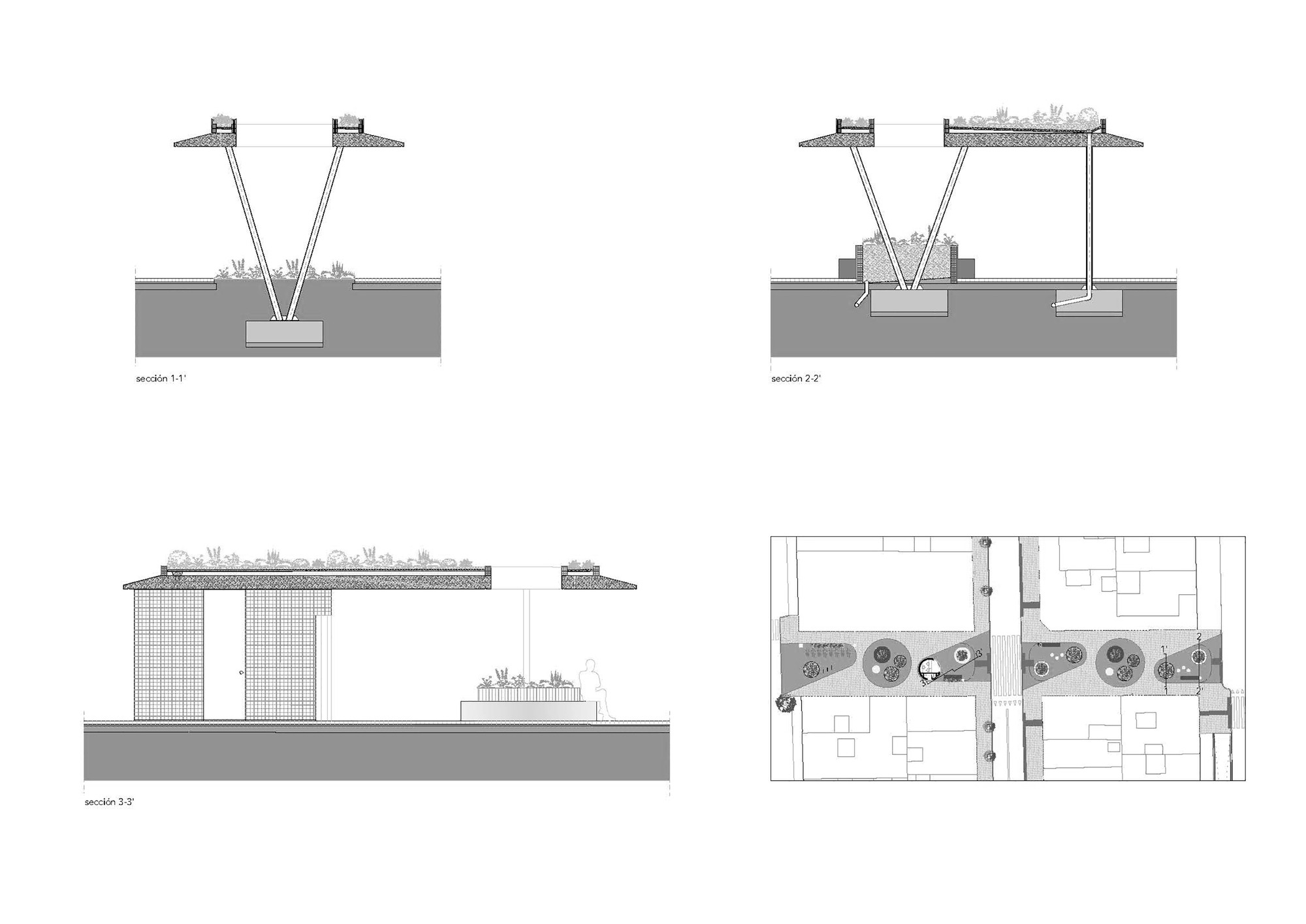
이곳은 그저 스쳐 지나가는 통로가 아니라 잠시 걸음을 멈추고 머무는 장소입니다. 보행자 거리에는 관리가 편한 식물들로 지붕을 덮은 세 개의 커다란 콘크리트 퍼걸러가 서 있습니다. 그 아래 놓인 벤치들은 사람들이 각자의 방식대로 공간을 누리게 돕습니다. 나무로 마감된 넓은 원형 화단 벤치에 앉으면 한낮에도 시원한 그늘 아래서 버스를 기다릴 수 있습니다. 길게 뻗은 선형 벤치는 걷는 길과 쉬는 곳을 자연스럽게 나눕니다. 둥글고 작은 콘크리트 스툴은 공간에 경쾌한 리듬을 더하며, 낯선 이들 사이의 가벼운 눈인사를 이끌어냅니다.
생태적 호흡을 돕는 녹색 지붕
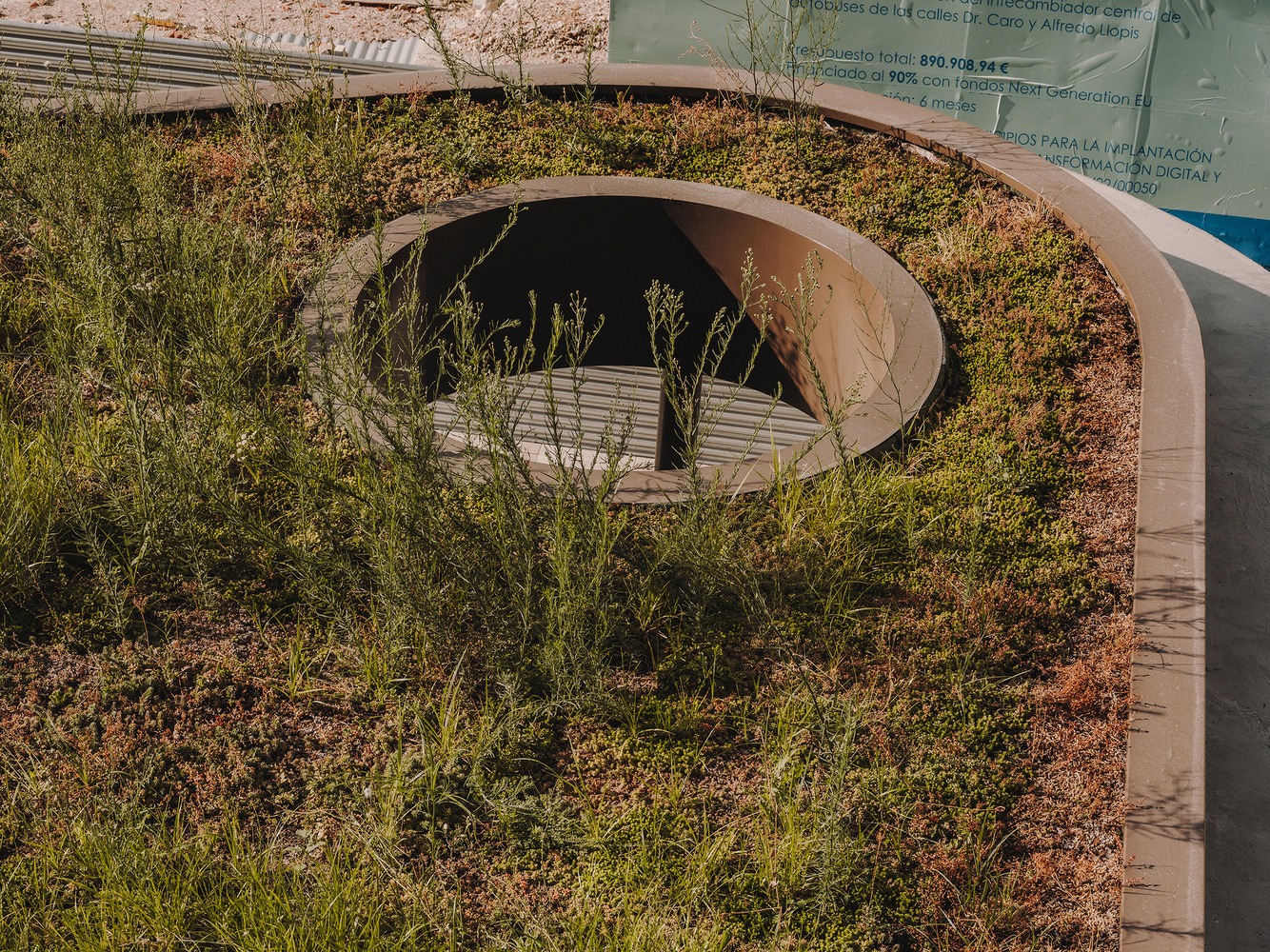
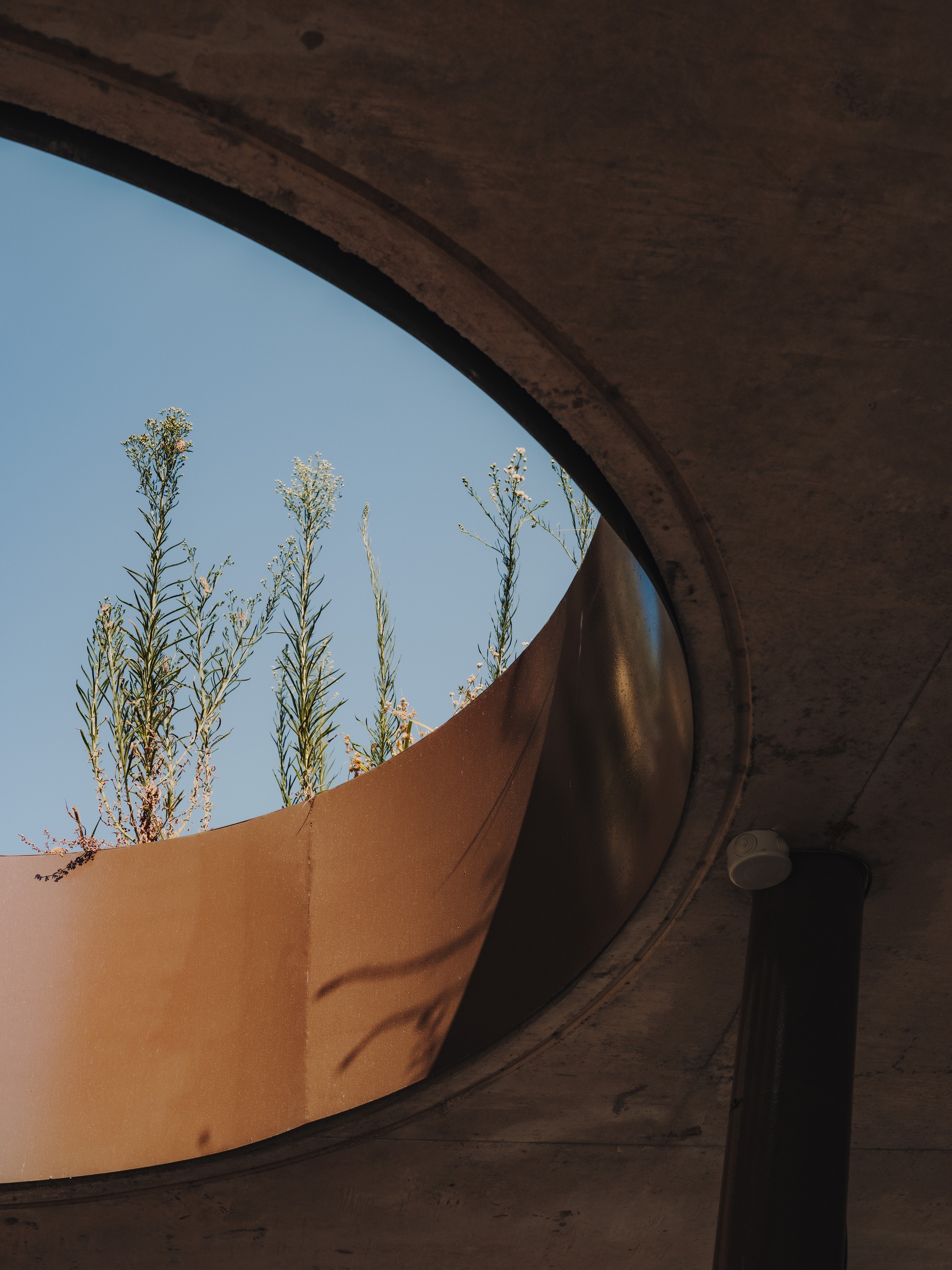
발길이 닿는 곳마다 심어진 식물들은 곁을 흐르는 비날로포 강의 자연과 시각적으로 매끄럽게 이어집니다. 퍼걸러 위로 올려다보이는 녹화 지붕은 주변의 높은 건물에서 내려다볼 때도 부드럽고 따스한 인상을 전해줍니다. 환경에 미치는 이로움도 큽니다. 이 지붕은 열용량이 커서 단열 효과가 매우 뛰어납니다. 낮에는 열 축적을 줄이고 밤에는 주변 공기를 식혀줍니다. 뜨거운 아스팔트로 인해 생기는 도심의 열섬 현상을 효과적으로 누그러뜨리는 셈입니다. 나아가 온실가스를 머금는 생태적 흡수원으로서 공기 중의 오염 물질을 걸러내고 맑은 산소를 뿜어냅니다.
일상을 다듬는 친환경 디테일
승차권 판매소와 화장실을 품은 공간도 특별합니다. 지붕 위 식물들이 뿜어내는 수분이 표면 온도를 조절해 밖의 뜨거운 열기가 안으로 들어오지 못하게 막아줍니다. 찌는 듯한 한여름에는 실내 열기까지 빼앗아 훌륭한 자연 냉각기 역할을 해냅니다. 지붕을 채운 흙과 재료들 속에는 버려진 건축용 세라믹 폐자재가 섞여 있습니다. 버려지는 자원을 훌륭하게 재활용하여 지붕의 무게를 덜어내고 환경을 지키는 건축가의 철학을 깊이 새겼습니다.
바닥에서 완성되는 쾌적한 경험
발을 딛고 선 바닥도 예사롭지 않습니다. 새롭게 깐 콘크리트 포장재에는 빛을 받아 오염 물질을 분해하는 광촉매 처리가 되어 있습니다. 대기 속 독성 화합물을 줄이고 주변의 세균 증식을 막아줍니다. 닥터 카로 버스 환승센터는 이렇듯 첨단 친환경 기술과 섬세한 공간 디자인을 하나로 엮어냈습니다. 도심 속을 걷고 이동하는 평범한 일상이, 의미 있고 기분 좋은 도시적 경험으로 빛나는 순간입니다.
Write by Gemini & Jean Browwn

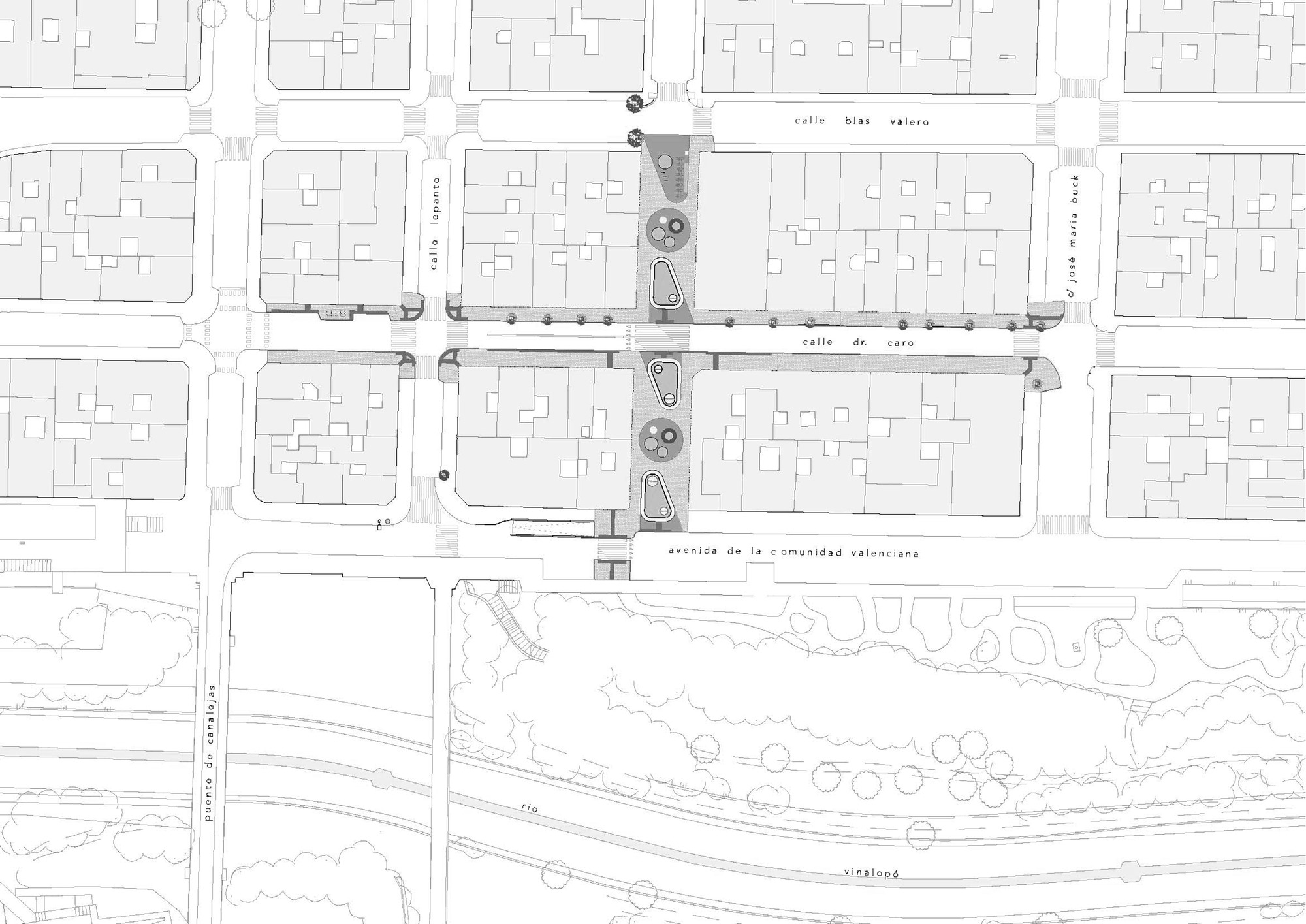
This is a new urban space conceived as a place for exchange. A climate refuge where shade, vegetation, and various modes of being create a new city landscape that opens up to the slope of the nearby Vinalopó River.
It sensitively, accessibly, and sustainably addresses a pre existing urban space that lacked spatial or environmental quality, where vehicular traffic predominated over pedestrian movement, transforming it into a new mobility node that seeks to integrate public transport with bicycle mobility, promoting more sustainable travel in the city through the introduction of parking areas and public bike stations, ticket machines, restrooms, covered waiting areas, and real-time information systems.
Three concrete pergolas with low maintenance green roofs are inserted into this new pedestrian street designed for "being." The benches are designed to enjoy the urban space in various ways. The circular planter-bench allows users to take advantage of the shade of the pergola while waiting for the bus at any time of day. Linear benches delineate boundaries that separate staying from transit, while small cylindrical benches introduce a more playful character and allow for social interaction.
The vegetation is integrated to seek continuity with the nature visible in the Vinalopó River's course, alongside which it is implemented. The green roofs provide a friendly image of the space from the tall buildings in the surroundings. Additionally, they offer environmental benefits, achieving greater thermal insulation due to their high thermal inertia. They help mitigate the urban heat island effect caused in these areas by the overheating of "hard" surfaces, accumulating less heat during the day and being able to cool the air at night. They also act as ecological sinks for greenhouse gases like CO2 (an extensive roof of sedums like these captures around 1.387 kg of CO2 per m²), capable of retaining air pollutants, increasing relative humidity, and producing oxygen.
In the office module for sales and restrooms, the evapotranspiration generated by the green roof not only regulates the temperature on the roof's surface and prevents heat flow into the interior space, but also acts as passive cooling during hotter periods by extracting heat from the building. The green roof system used incorporates recycled elements within its components, even utilizing substrates made from reused construction ceramic materials to enhance and lighten its structure.
For the surface treatment of this new urban space, a concrete paver with photocatalytic treatment has been used, which reduces toxic compounds in the atmosphere and eliminates the presence of bacteria and germs in the environment. This is a project that transforms daily movement into an urban experience.
from archdaily