태양은 건물 측면에 부딪히기 전까지 자신이 얼마나 위대한지 알지 못했다. - 루이스 칸
 |
 |
 |
Zuso Studio-House Kuo
난제와 새로운 접근
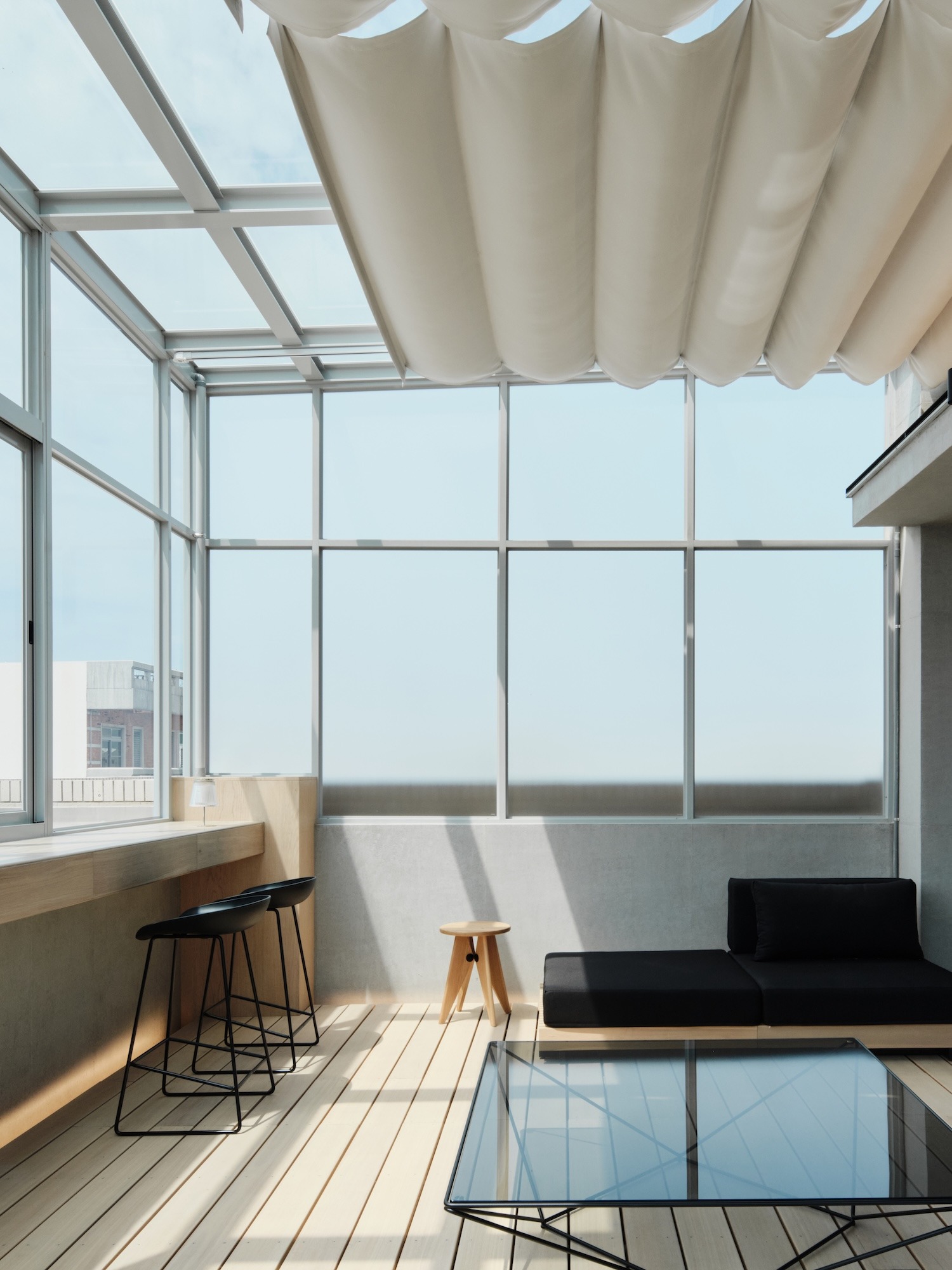
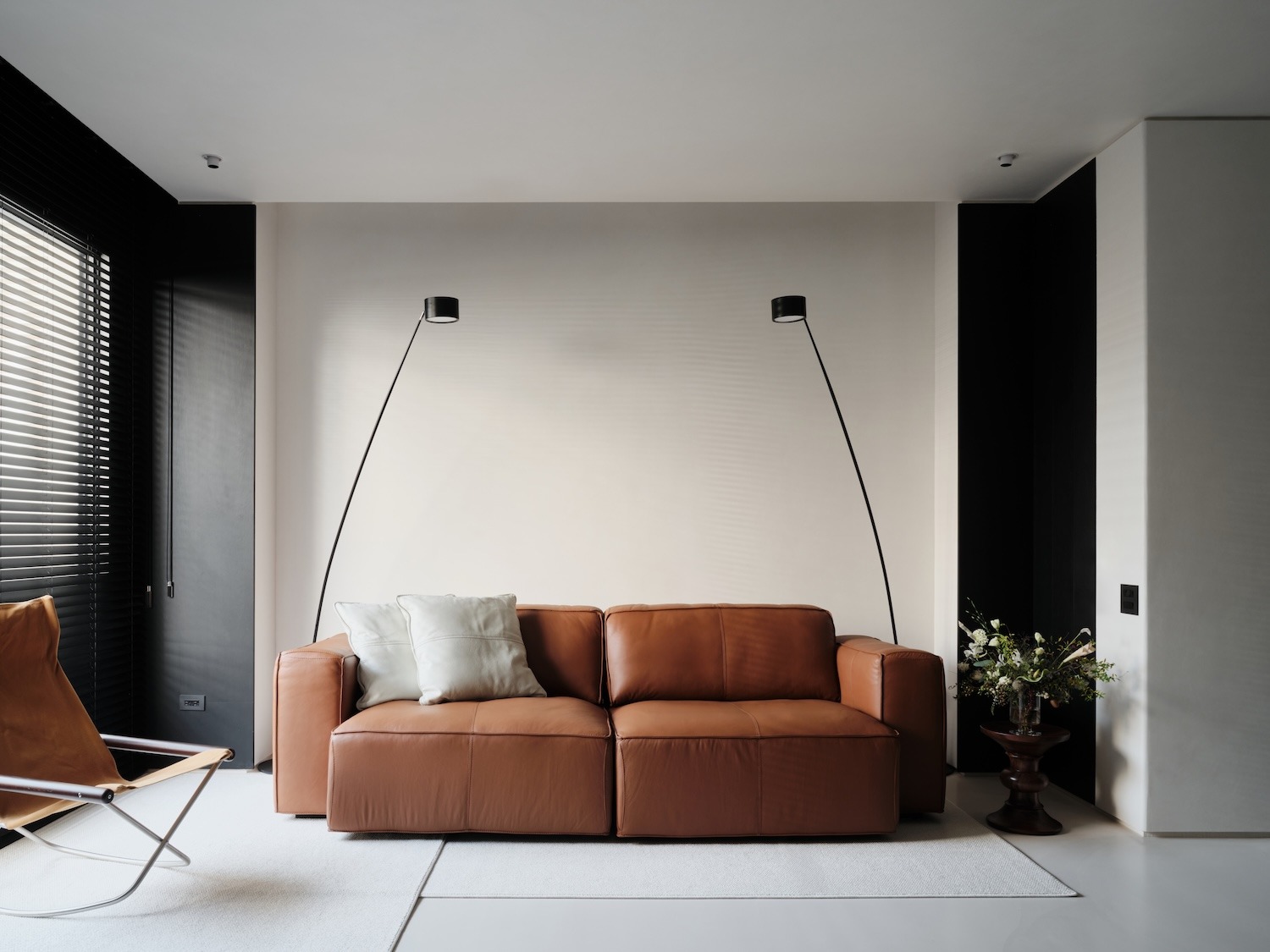
대만 타이난에 자리한 하우스 쿠오는 주소 스튜디오가 설계한 미니멀리즘 주택입니다. 건물 폭이 좁고 깊이가 깊은 타운하우스는 빛이 양 끝단으로만 들어옵니다. 이는 주거 건축에서 오랫동안 풀기 어려웠던 고질적인 난제입니다. 주소 스튜디오는 이처럼 답답하고 깊은 평면에 생기를 불어넣기 위해 창문을 더 내거나 천창을 뚫는 뻔한 방식을 과감히 버렸습니다. 그 대신 빛 자체를 동선을 짜고 공간의 질감을 조율하며 궁극적인 삶의 방식을 결정하는 하나의 구조로 새롭게 해석했습니다.
명암의 점진적 변화
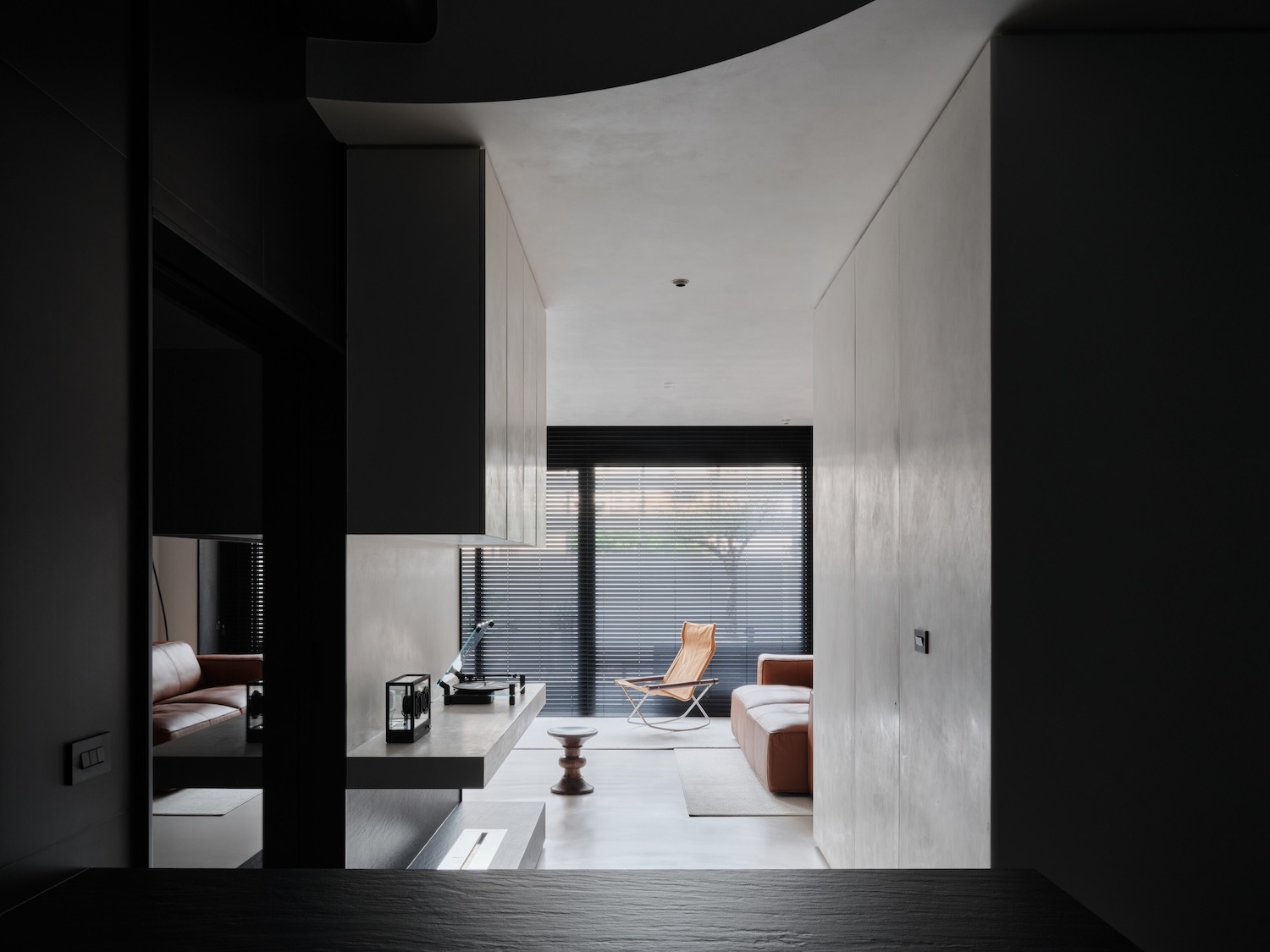
건물 양옆이 막힌 합벽 구조 탓에 집 안쪽으로 들어갈수록 공간은 점점 어두워집니다. 아시아의 고밀도 도심에 흔히 있는 상가주택이나 타운하우스가 오랫동안 겪어온 한계입니다. 이 프로젝트가 특별한 이유는 빛을 단순히 공간 전체에 골고루 뿌려야 할 대상으로 보지 않고 정교하게 연출해야 할 요소로 바라보았다는 점입니다. 천장 높이를 다르게 하고 곡선 벽면을 활용해 공간에 압력 차이를 만들었습니다. 덕분에 빛은 그저 스쳐 지나가지 않고 집 안 깊숙한 곳까지 자연스럽게 빨려 들어옵니다. 콘크리트 건축에서 빛을 능동적인 재료로 다룬 안도 다다오를 떠올리게 하지만, 안도가 빛과 어둠의 강렬한 대비를 노렸다면 주소 스튜디오는 공간의 연속성과 차분한 안착을 선택했습니다.
공간을 조율하는 계단
검은색 나선형 계단은 이러한 채광 전략을 완성하는 구심점입니다. 위아래로 흐르는 빛과 수평으로 뻗어 나가는 공간 경험을 자연스럽게 이어줍니다. 이 계단은 단순한 이동 통로가 아니라 공간을 연주하는 악기와 같습니다. 자연광을 아래층으로 부드럽게 이끌면서 주택의 모든 층을 하나의 일관된 분위기로 묶어냅니다. 여기에 유리 파티션을 더해 시야를 가로막는 답답한 벽 없이 빛이 여러 방을 자유롭게 넘나들게 했습니다.
머금은 빛과 질감의 완성
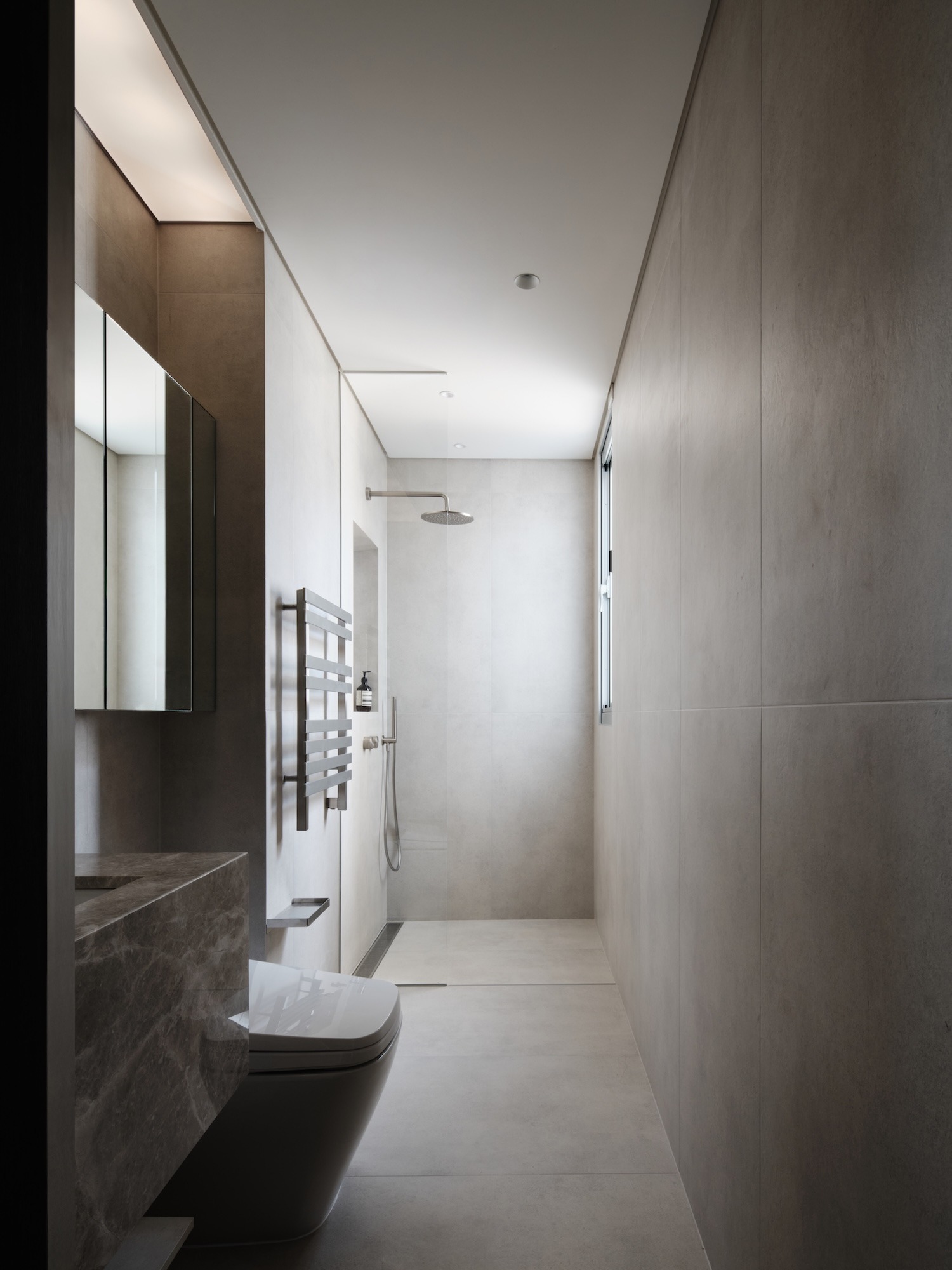
문손잡이나 난간 그리고 수납장 모서리처럼 손길이 자주 닿는 곳은 시각적으로 따뜻하고 질감이 좋은 소재를 골랐습니다. 건축주가 원했던 편안하고 안정된 느낌을 살리기 위해서입니다. 특히 가장 깊고 어두운 공간에는 빛을 튕겨내는 대신 차분하게 머금는 짙은 톤의 마감재를 사용했습니다. 자칫 좁고 막혀 보일 수 있는 시각적인 답답함을 덜어낸 것입니다. 그 결과 빛은 겉돌지 않고 공간 속에 조용히 내려앉습니다. 과장된 극적 연출보다 공간의 절제미와 고유한 분위기를 아끼는 현대 아시아 주거 건축의 아름다운 흐름을 그대로 보여줍니다.
Write by Gemini & Jean Browwn
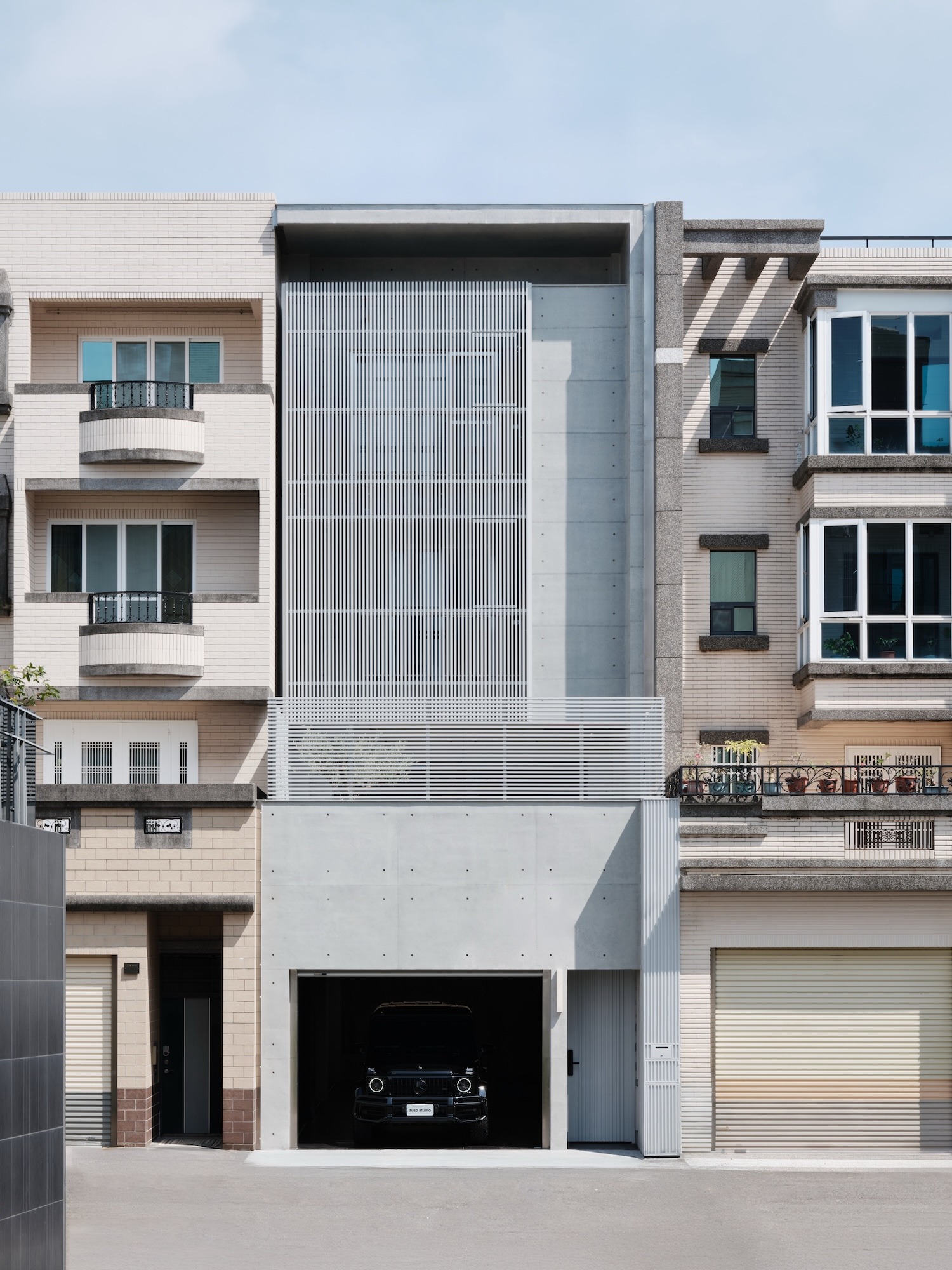
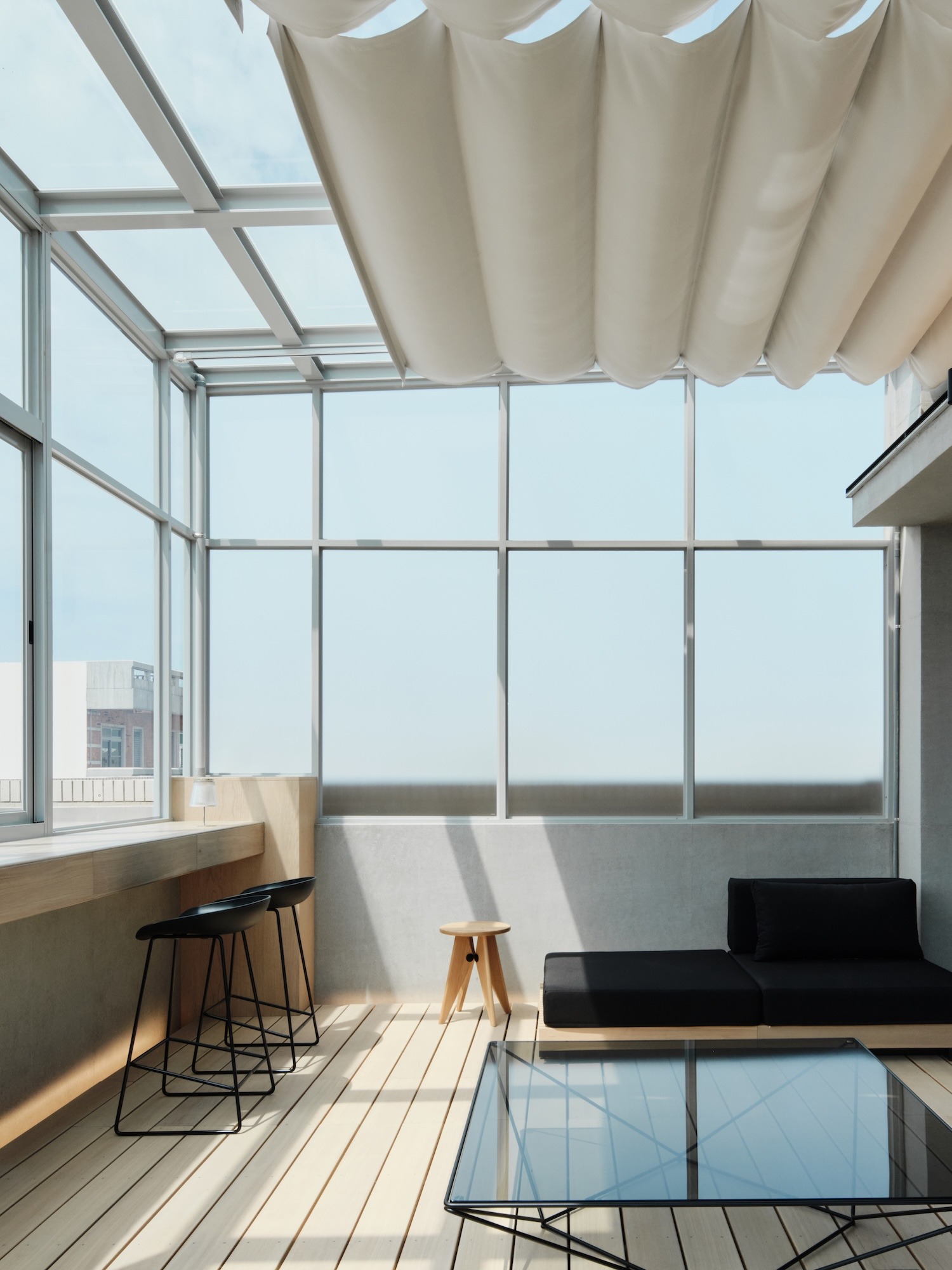
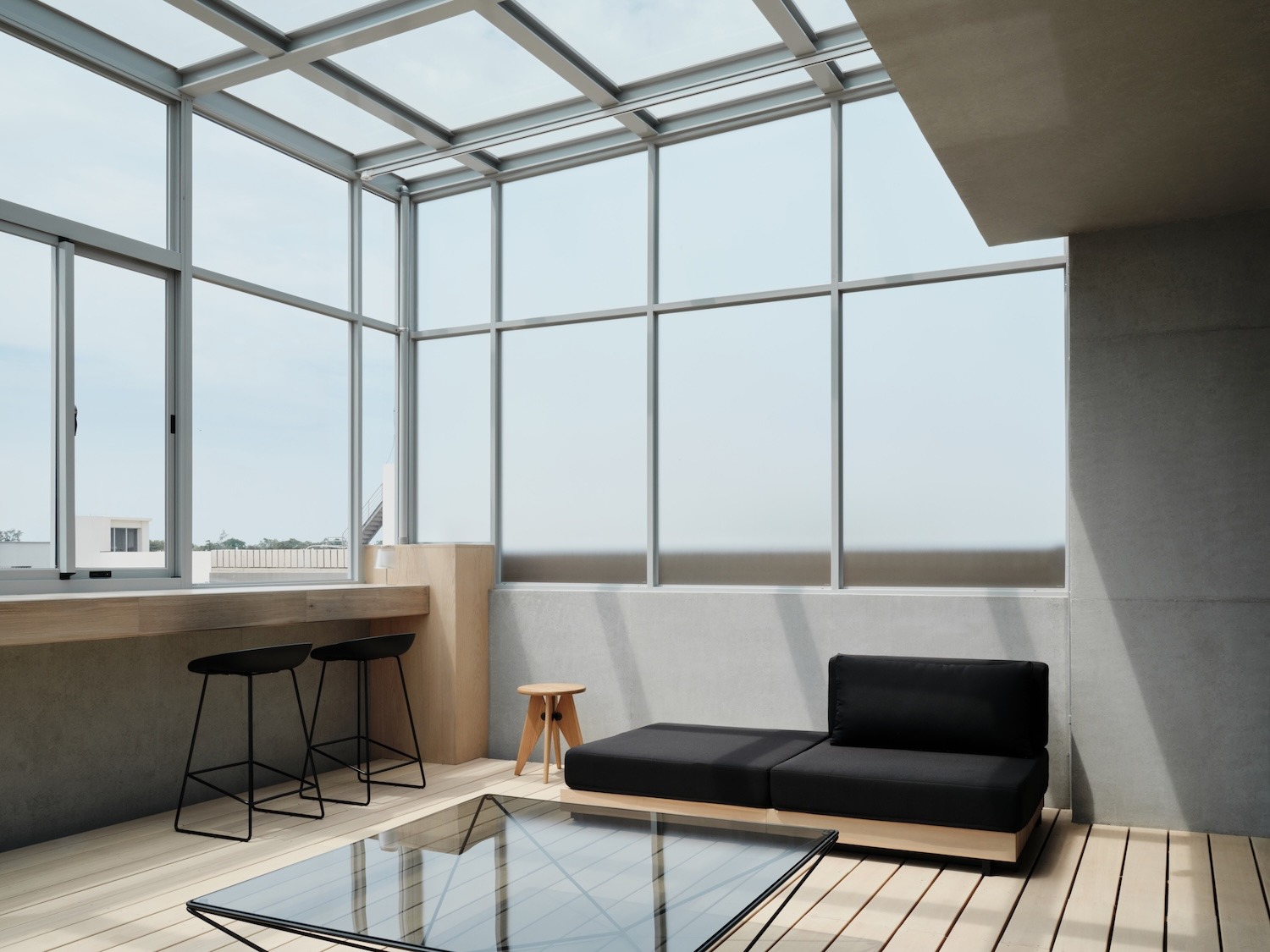
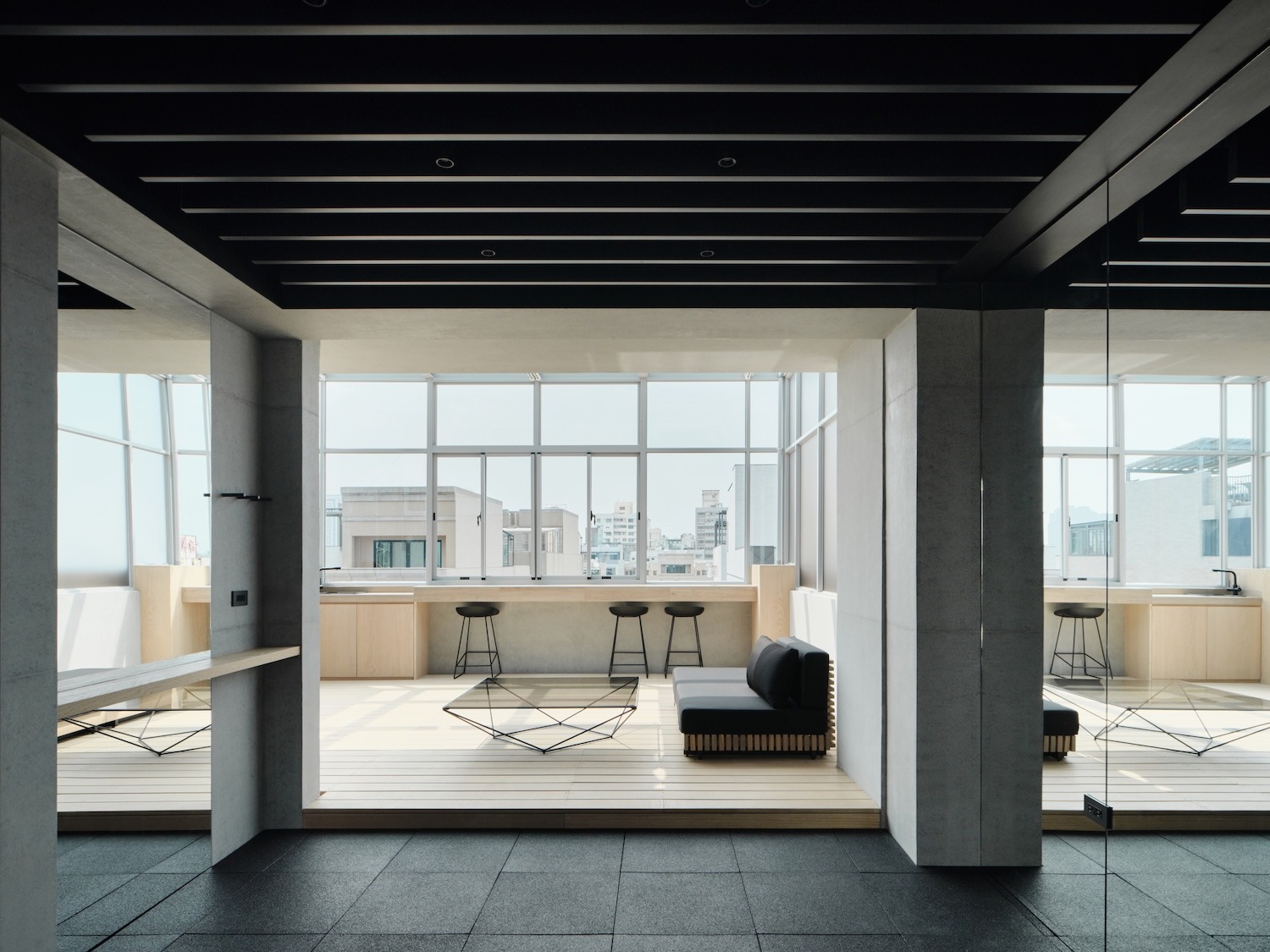
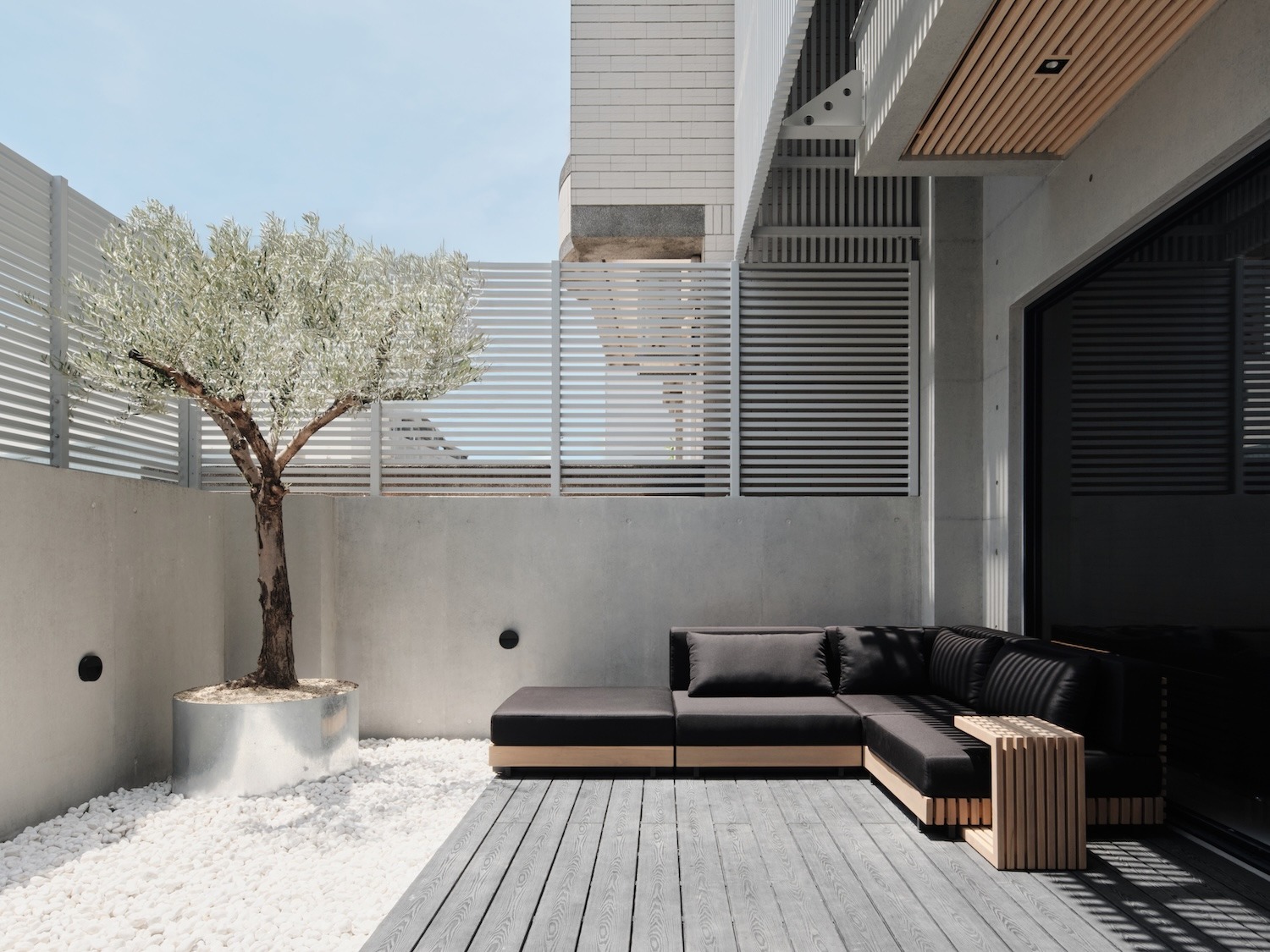
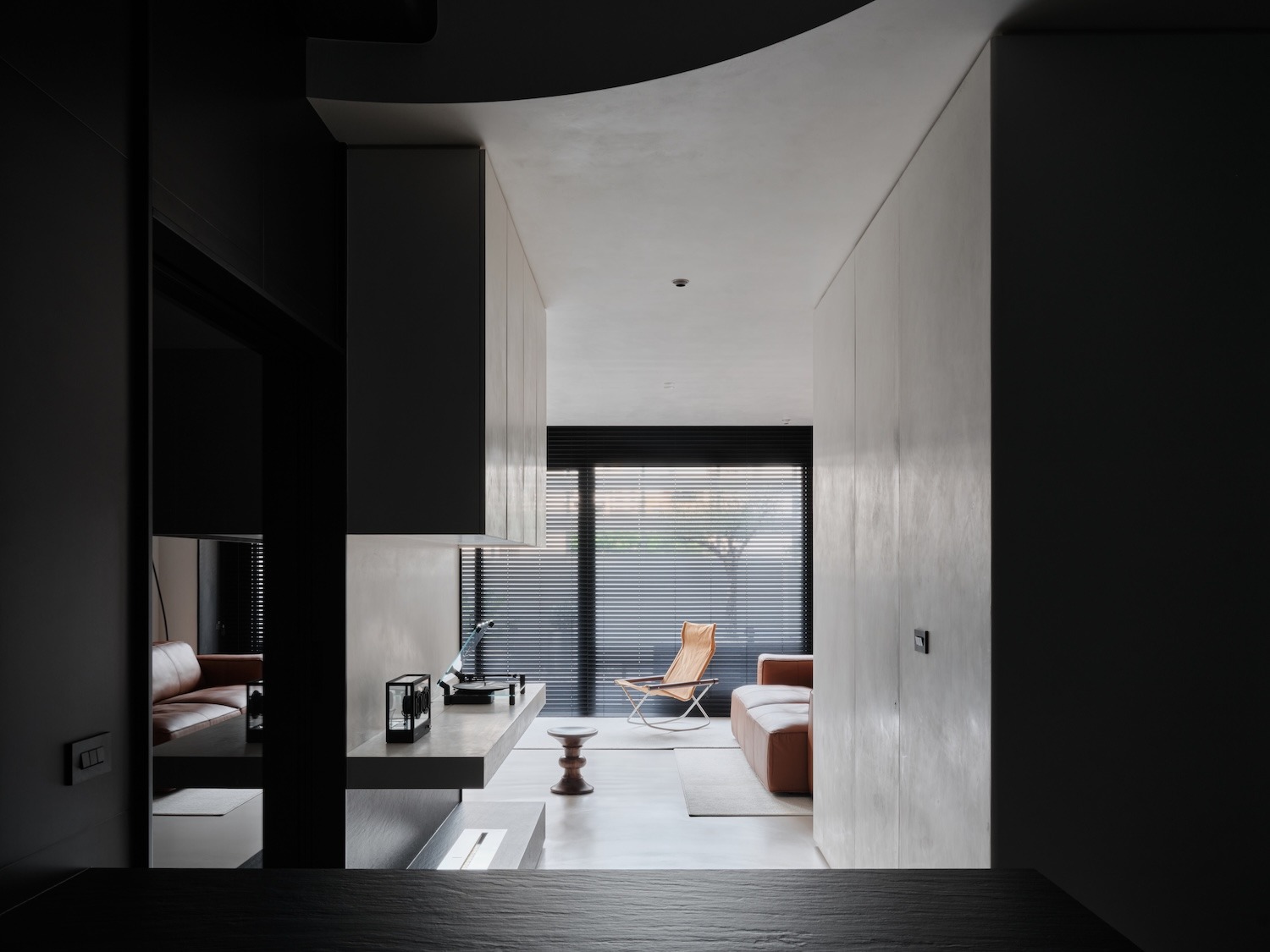
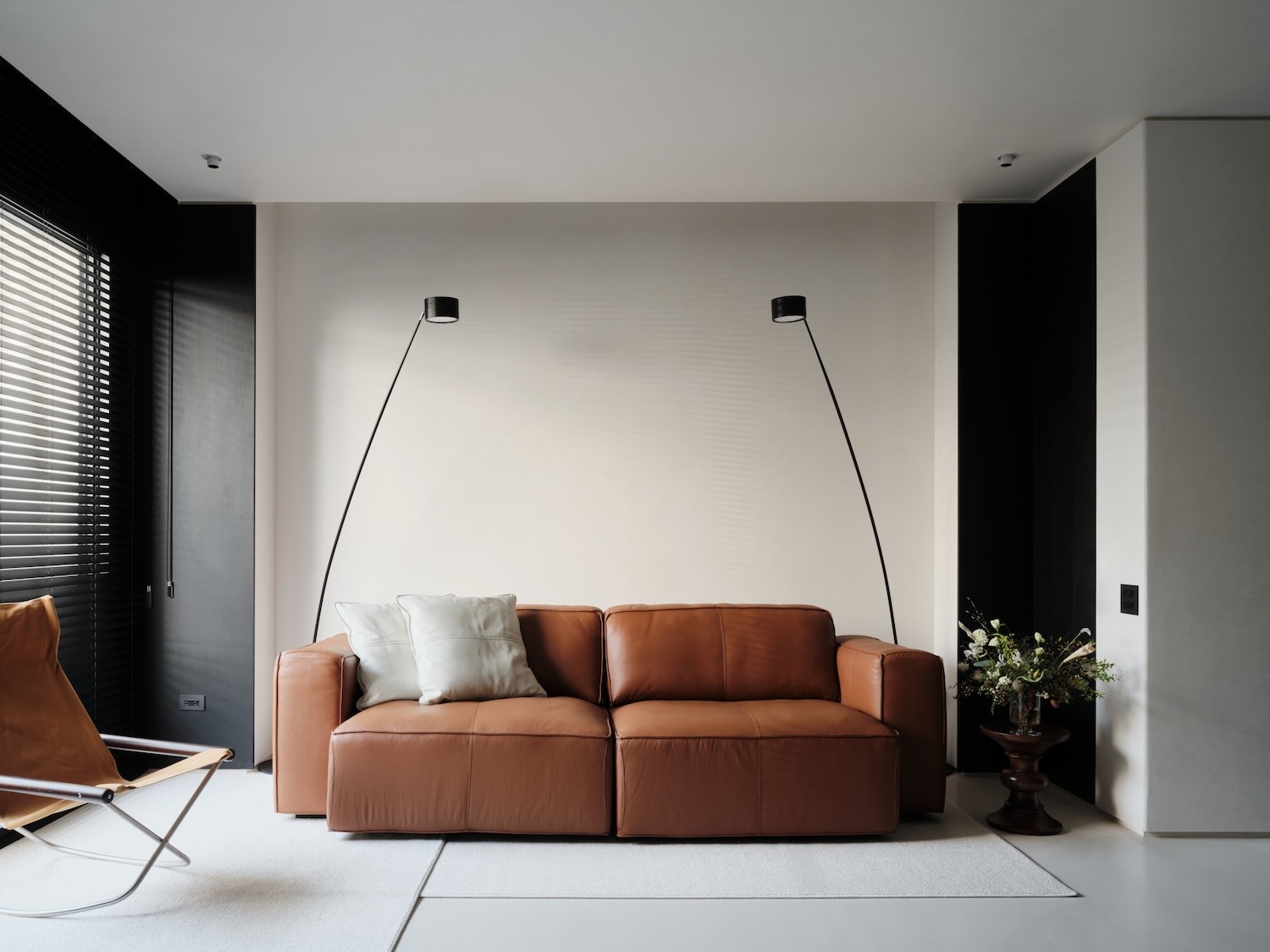
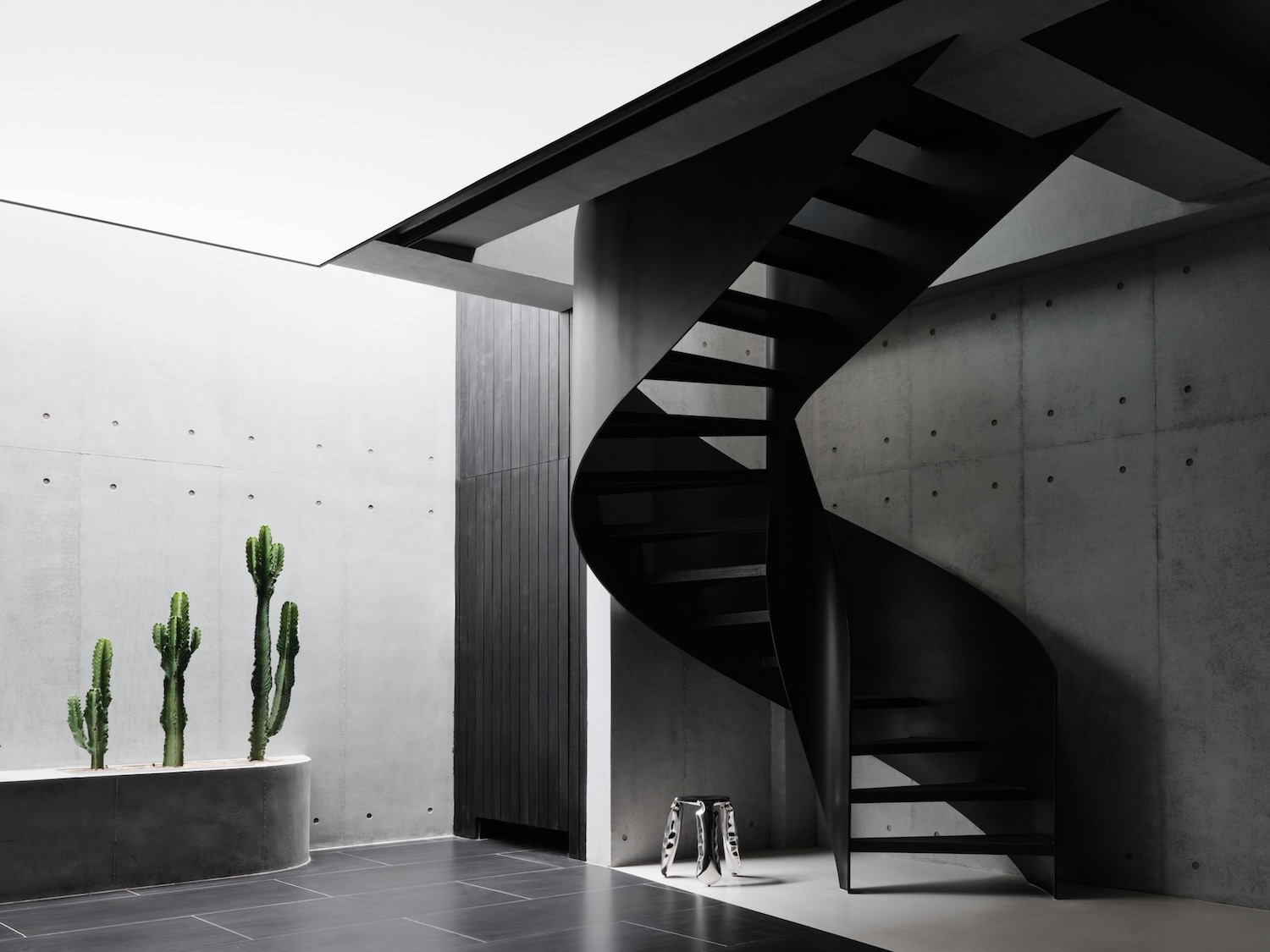
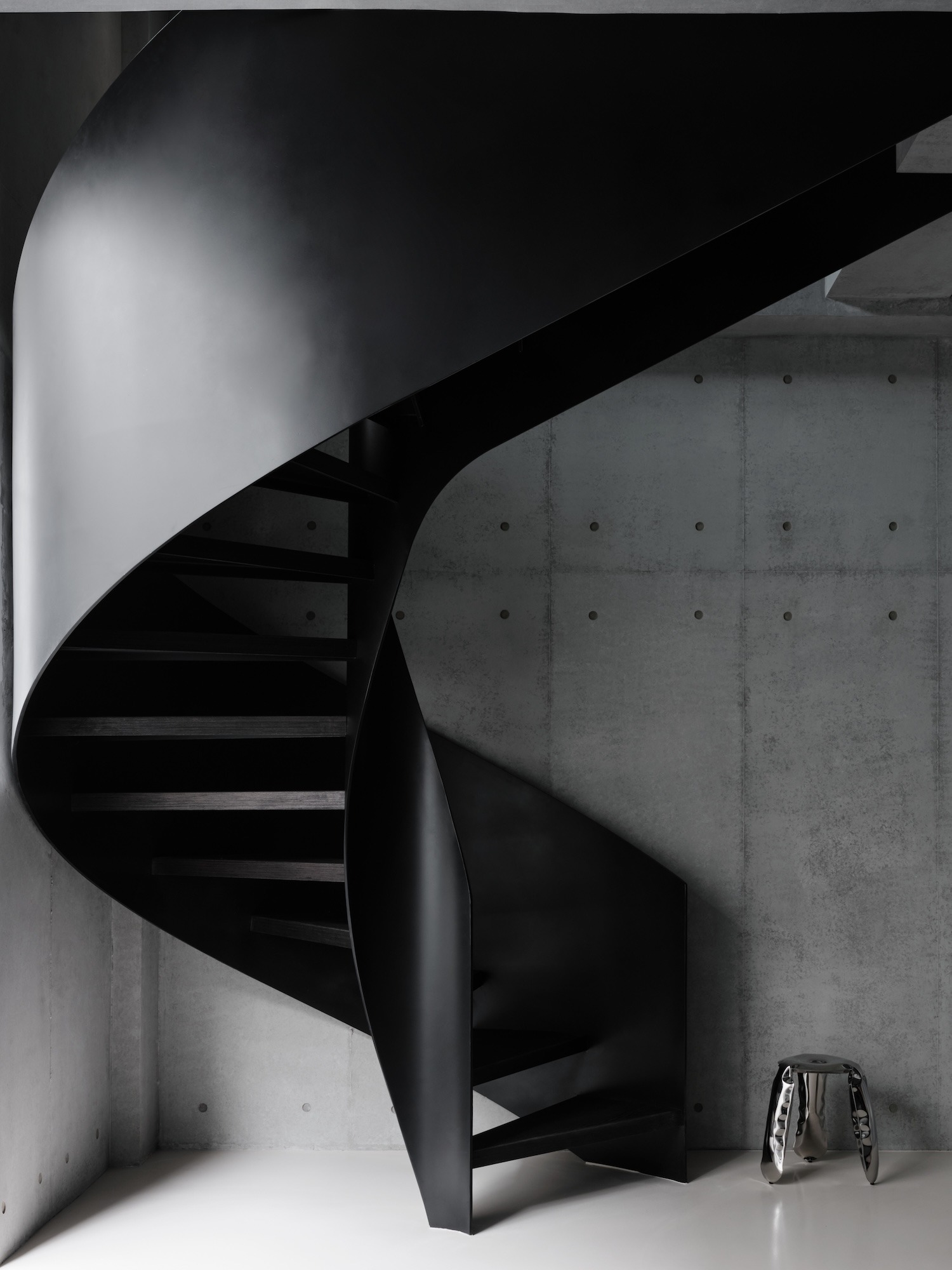
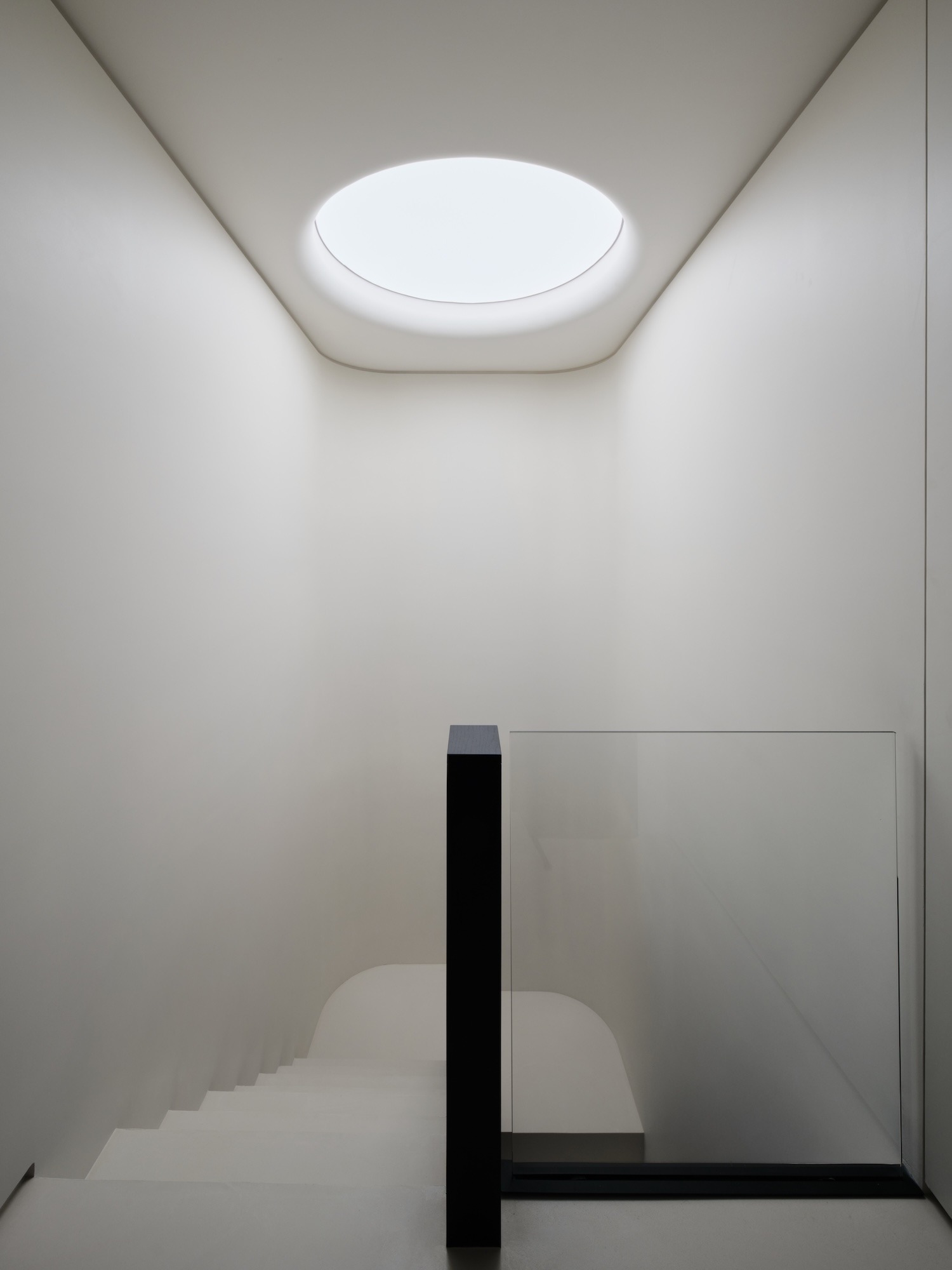

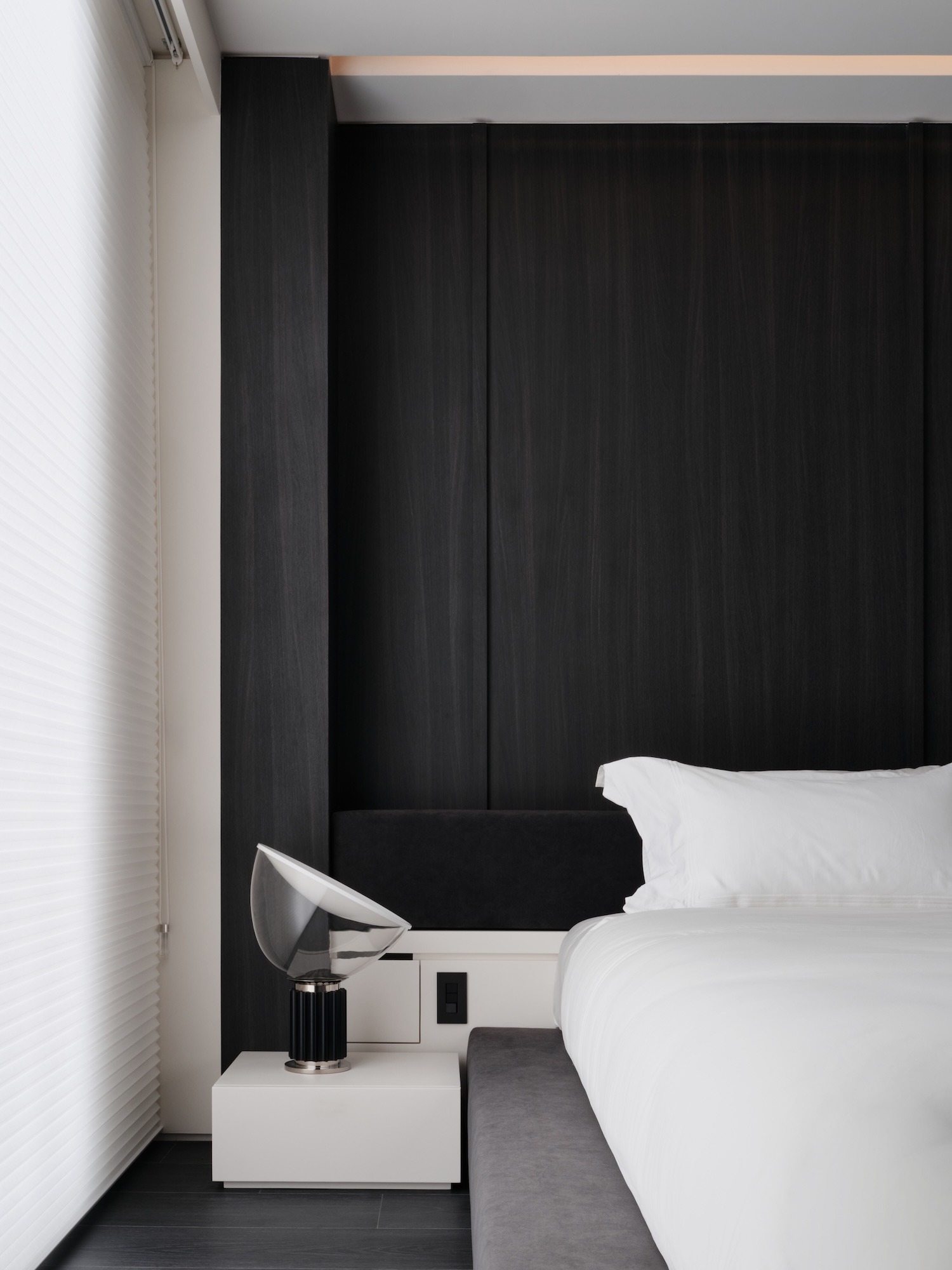
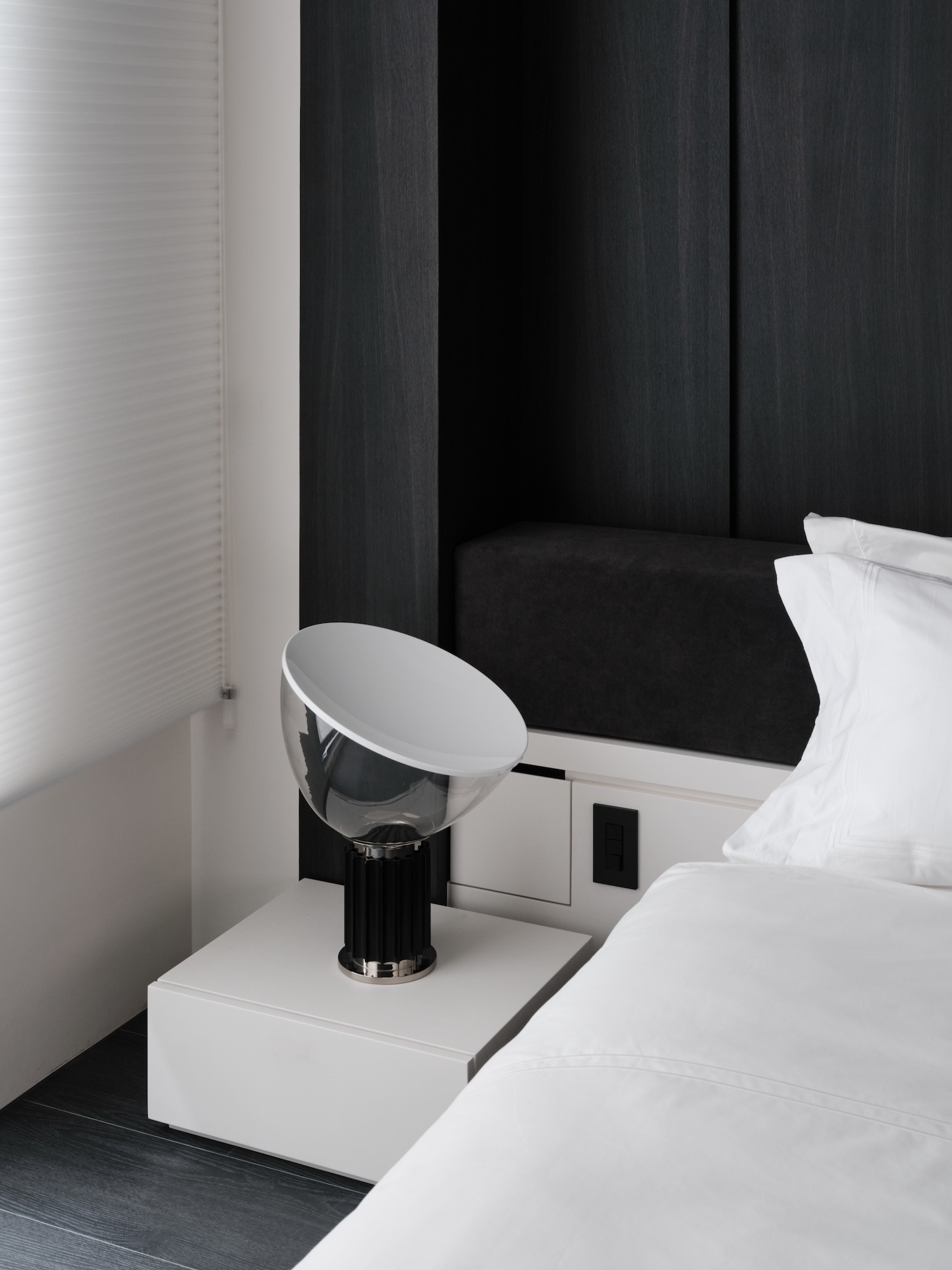
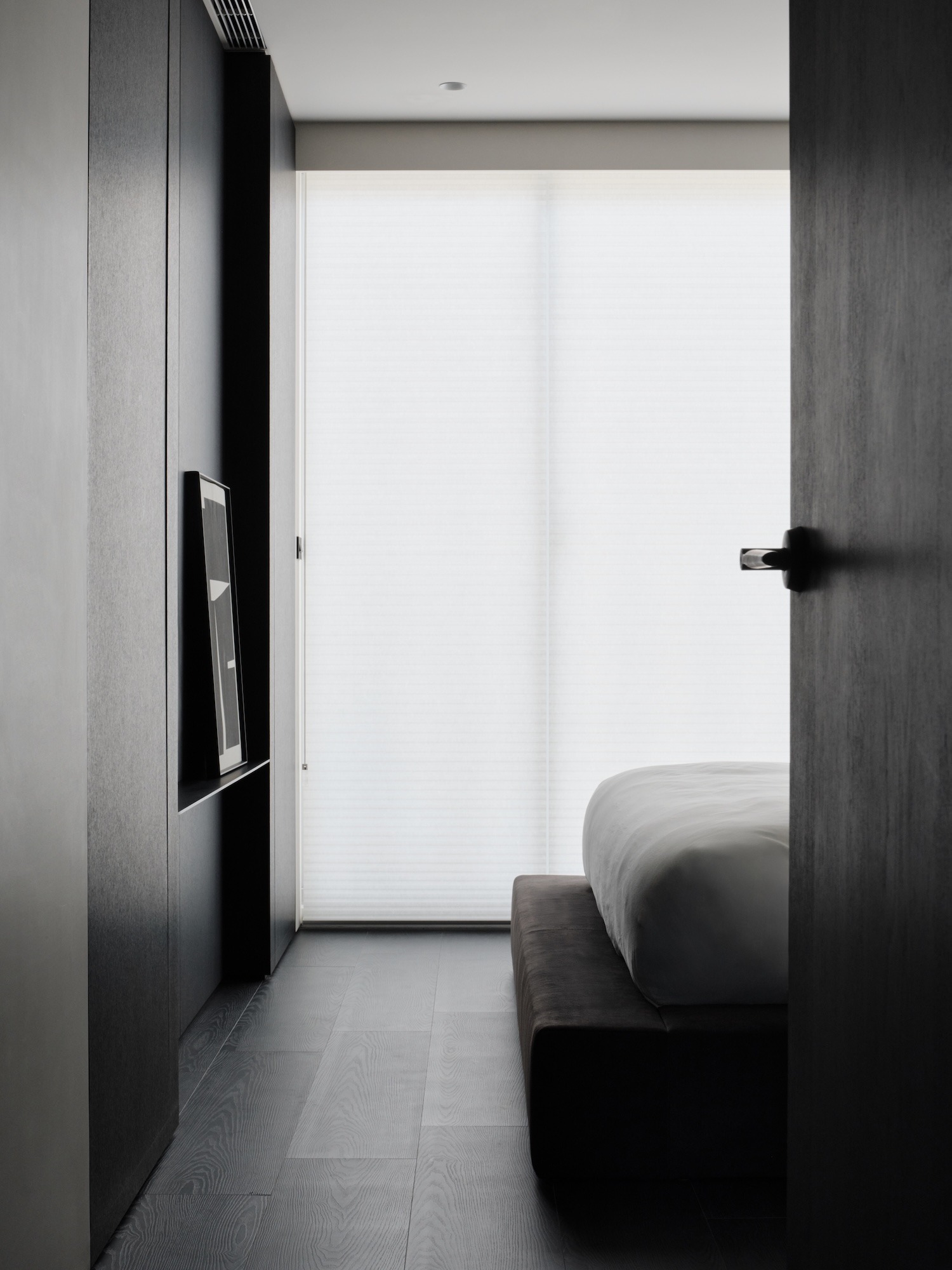

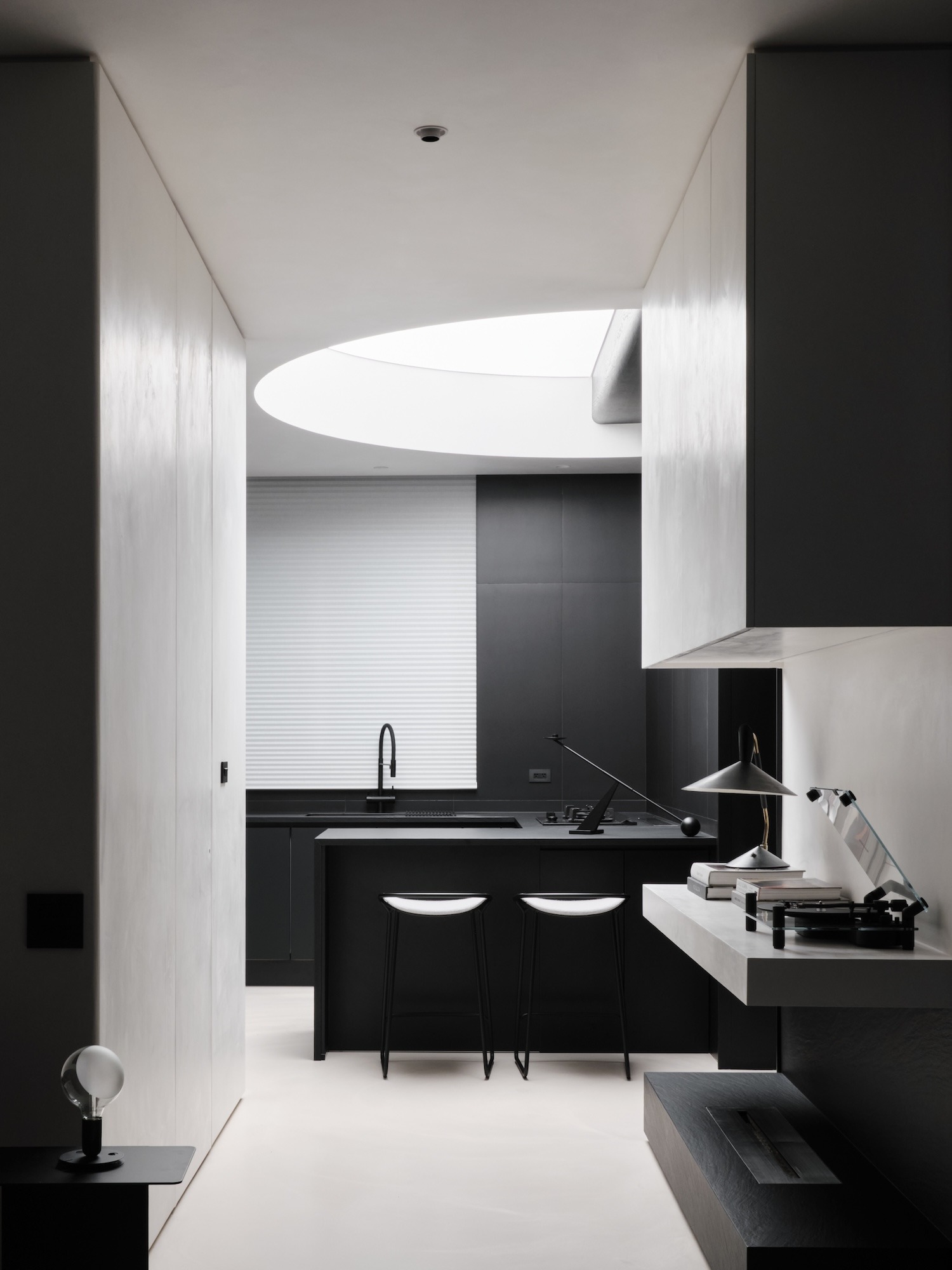
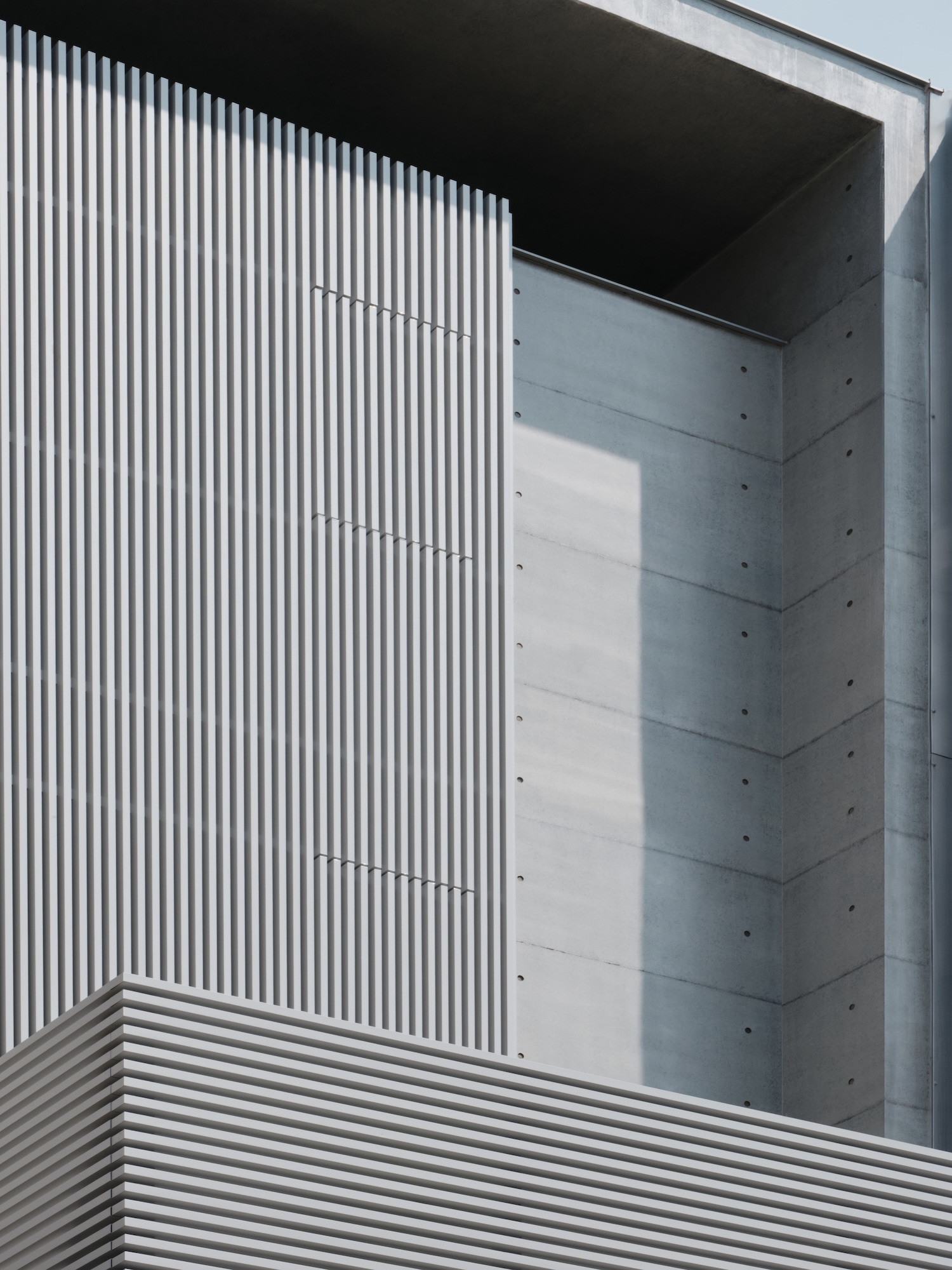
House Kuo is a minimalist residence located in Tainan, Taiwan, designed by Zuso Studio. The narrow townhouse typology presents one of domestic architecture’s most persistent challenges: how to animate a deep, compressed plan when daylight is confined to opposing ends. Zuso Studio’s response to this condition refuses the obvious solution of punching additional openings or introducing skylights as isolated gestures. Instead, the practice reconceives light itself as a structural principle one that organizes circulation, modulates material experience, and ultimately determines how the home is inhabited.
The plan’s party walls on both sides create a darkness gradient that deepens toward the center, a condition familiar across dense Asian urban contexts where the shophouse and townhouse traditions have long grappled with the same constraint. What distinguishes this project is the shift from treating light as something to be distributed evenly to understanding it as something to be choreographed. Ceiling height variations and curved surfaces create pressure differentials within the spatial sequence, drawing illumination inward rather than simply admitting it. The effect recalls Tadao Ando’s treatment of light as an active material in his concrete architecture though where Ando creates drama through contrast, Zuso pursues continuity and settledness.
The staircase anchors this strategy. Positioned to mediate between vertical light movement and horizontal spatial experience, it functions less as infrastructure and more as a spatial instrument a form that simultaneously channels daylight downward and connects the domestic levels into a coherent atmosphere. Glass partitions extend this logic laterally, allowing light to travel across rooms without the visual interruption of opaque boundaries.
Surfaces that receive frequent tactile contact – door handles, handrails, cabinetry edges are chosen for warmth and texture, reinforcing the grounded quality the client sought. At the deepest points of the plan, dark-toned surfaces absorb rather than reflect incoming light, preventing the sharp terminations that would otherwise create a sense of compression. The result is a light that settles rather than performs, which places the project within a current of contemporary Japanese and Taiwanese residential practice where restraint and atmosphere matter more than spatial drama.
from leibal
'House' 카테고리의 다른 글
| * 검은빛의 묵직함과 자연의 조화 [ Taller Alberto Calleja ] Casa Mavra (0) | 2026.04.07 |
|---|---|
| * 그래픽적인 명료함과 경쾌한 대비 [ Mistovia ] A Graphic Designer's Home in Kraków (1) | 2026.03.27 |
| * 자연과 건축의 고요한 상호작용 [ kooo architects ] House in Narutaki, Kyoto (0) | 2026.03.19 |
| * 자연을 품은 건축적 선언 [ Perkins&Will ] HVM Maya (1) | 2026.03.12 |
| * 지그재그 평면이 숲을 꿰뚫다 [PL.architekci ] S House (1) | 2026.02.24 |