건축물은 최소 두 개의 생명을 갖는다. 하나는 설계자가 상상하는 생명이고, 다른 하나는 완성된 후 건물 스스로가 살아가는 생명이다. - 렘 콜하스
 |
 |
 |
대립을 넘어선 시너지 / OMA - 뉴뮤지엄 증축 프로젝트 OMA-New Museum of Contemporary Art
새로운 스카이라인의 탄생
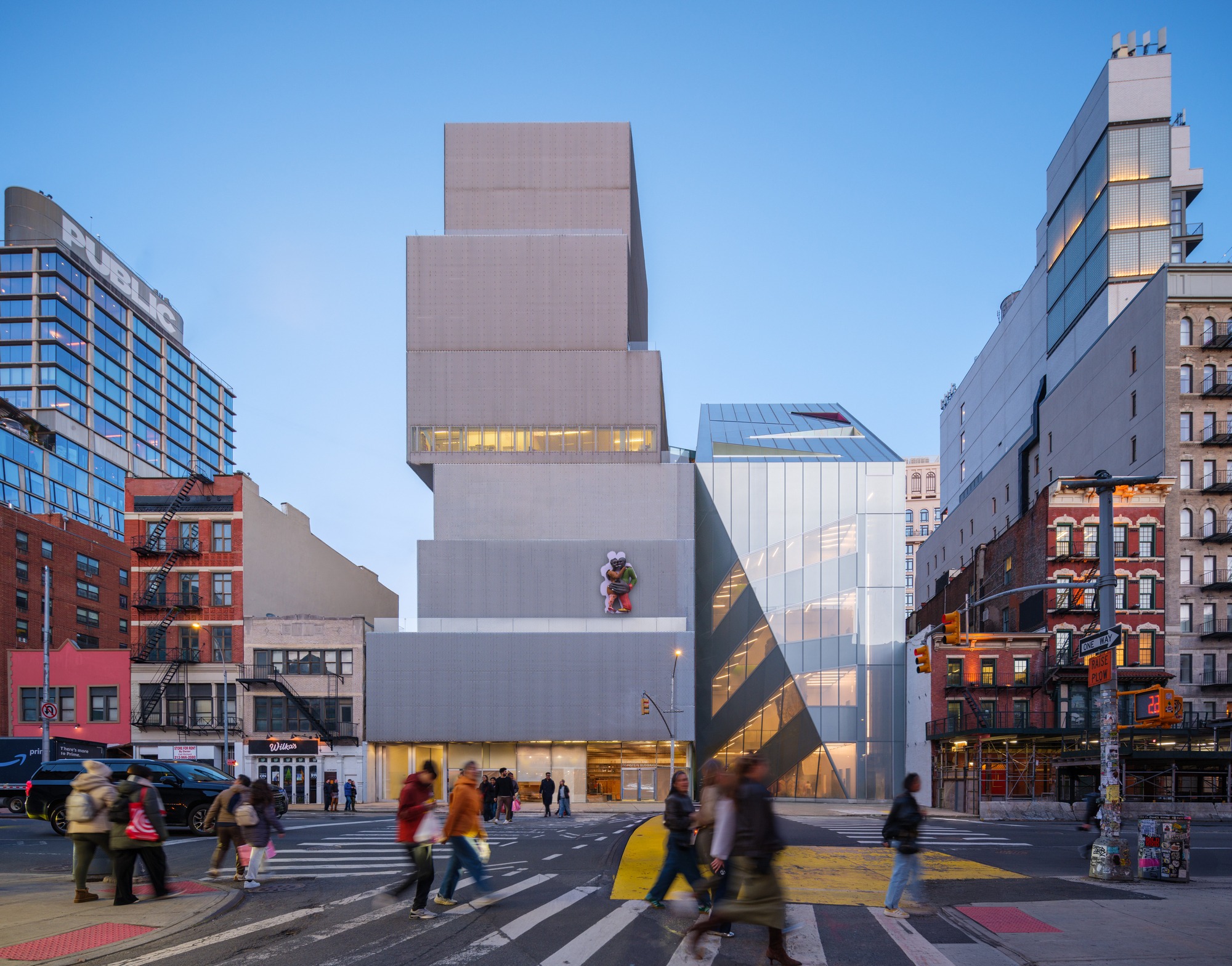
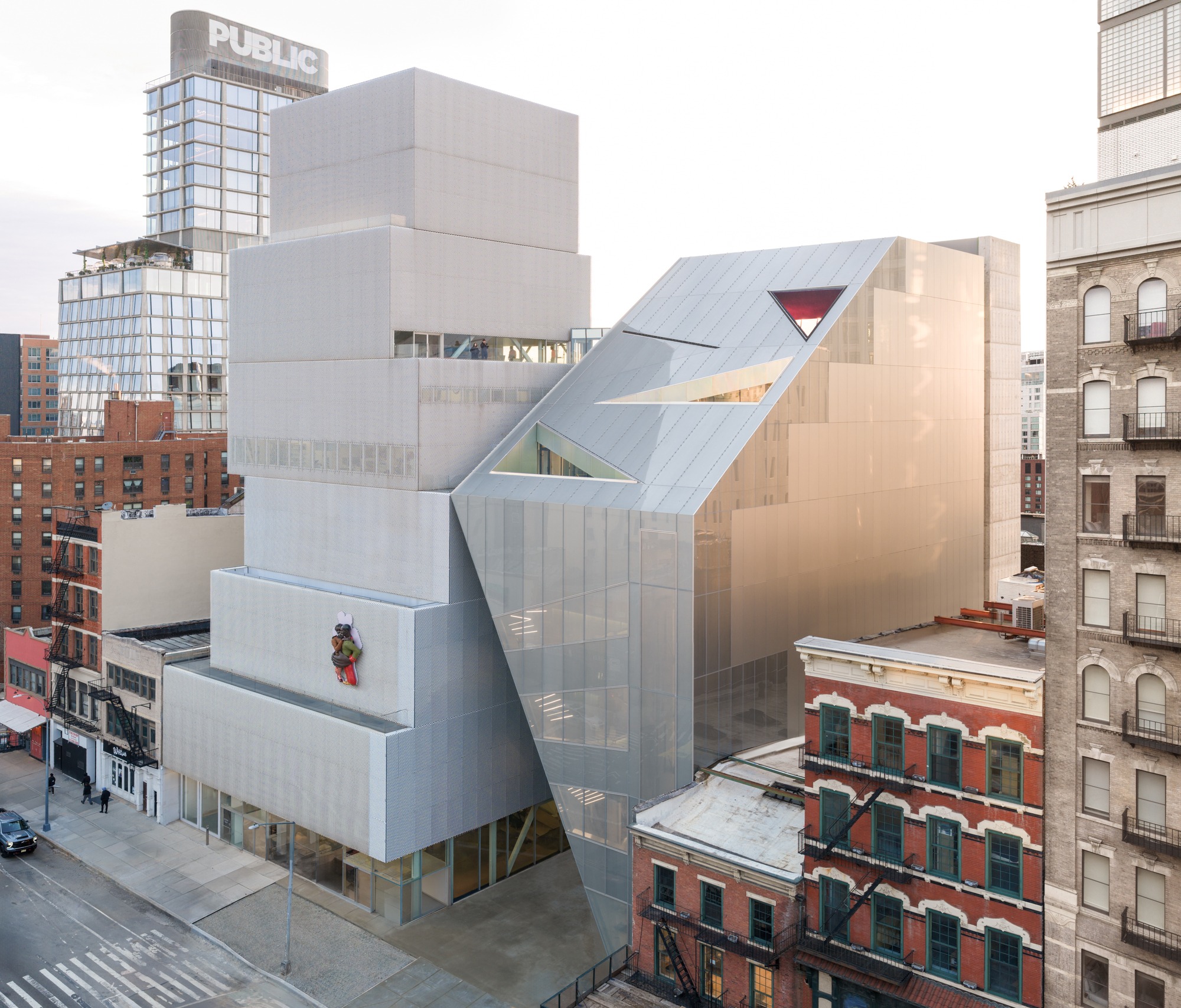
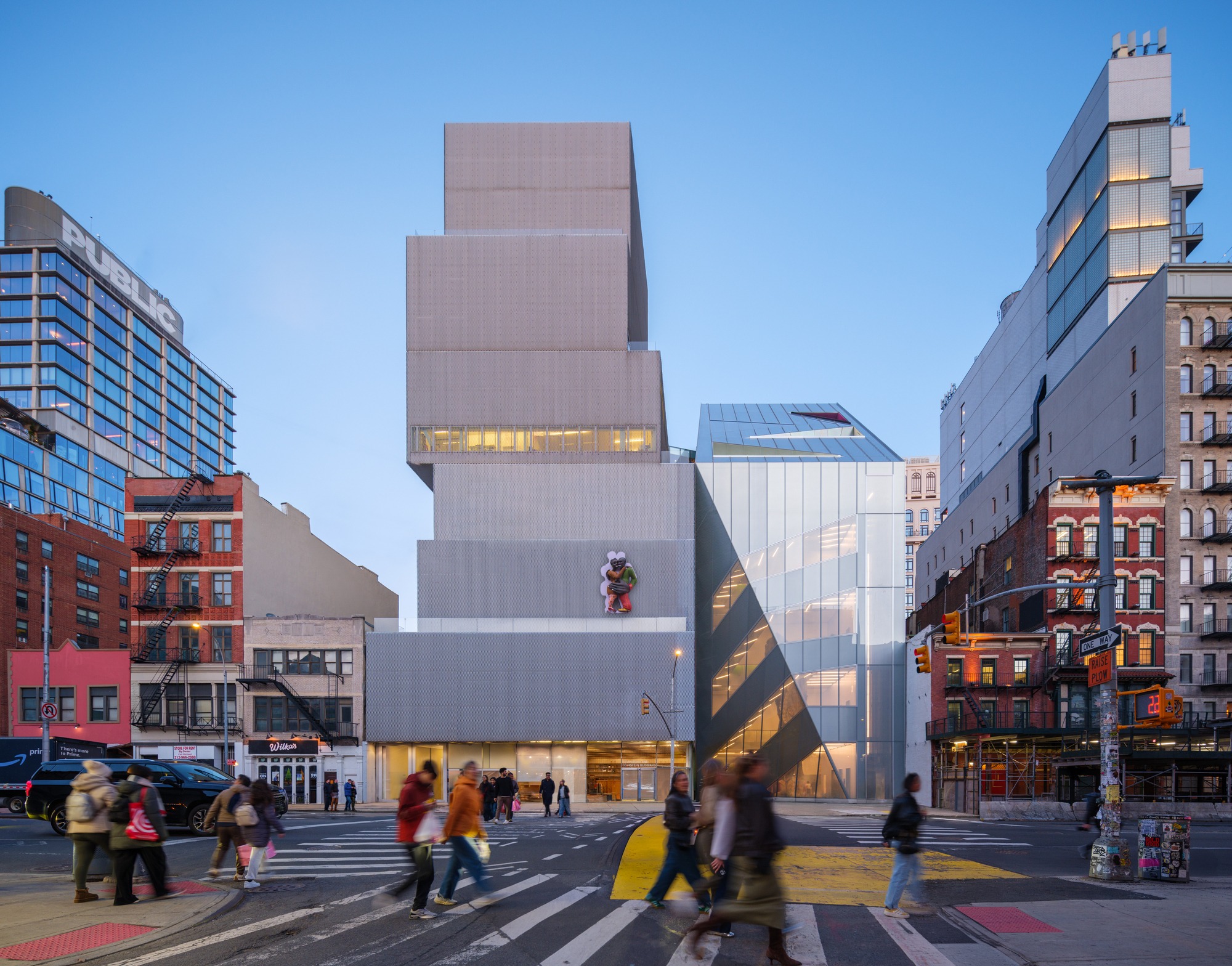
뉴욕 바워리 235번지, 상징적인 산아 타워 바로 옆에 오엠에이의 새로운 건축물이 들어섰습니다. 오엠에이의 뉴욕 첫 번째 문화 기관 프로젝트인 뉴뮤지엄 신관입니다. 최근 뉴뮤지엄은 관람객과 전시 규모가 눈에 띄게 늘어나며 활기를 띠고 있습니다. 다채로운 교육 프로그램과 문화 인큐베이터인 뉴 잉크, 그리고 세계적인 전시 기획들은 이 공간을 역동적인 문화 실험실로 진화시켰습니다. 오엠에이 설계팀은 미술관의 다양한 활동을 수용할 신관 설계를 의뢰받았습니다. 이는 갈수록 커지는 미술관의 공공적 가치를 공간으로 직접 구현하는 대담한 작업이었습니다. 기존 산아 건물 바로 옆에 동일한 규모의 공간을 복제하여, 두 건물이 서로 마주 보는 짝으로 존재하게 만든 것입니다.
이분법을 넘어선 낭만적 대화
신관과 구관이 나란히 서는 조건은 필연적으로 이분법적인 대립을 불러옵니다. 미술관을 증축할 때 흔히 마주하는 문제이지만, 자칫 두 건물이 만들어낼 수 있는 잠재력을 가로막기도 합니다. 오엠에이는 일차원적인 접근을 피하고 두 건물이 맺을 수 있는 낭만적이고 예측 불가능한 관계에 집중했습니다. 한 건물이 다른 건물을 온전히 지원하는 든든한 기반이 될 수 있을지, 두 개체가 완벽한 조화 속에서 동등하게 빛날 수 있을지 끊임없이 질문했습니다. 그 결과 인접한 산아 건물의 고유함을 깊이 존중하면서도 신관만의 뚜렷한 정체성을 놓치지 않는 절묘한 균형점을 찾아냈습니다.
수평적 연속성과 수직적 틈새
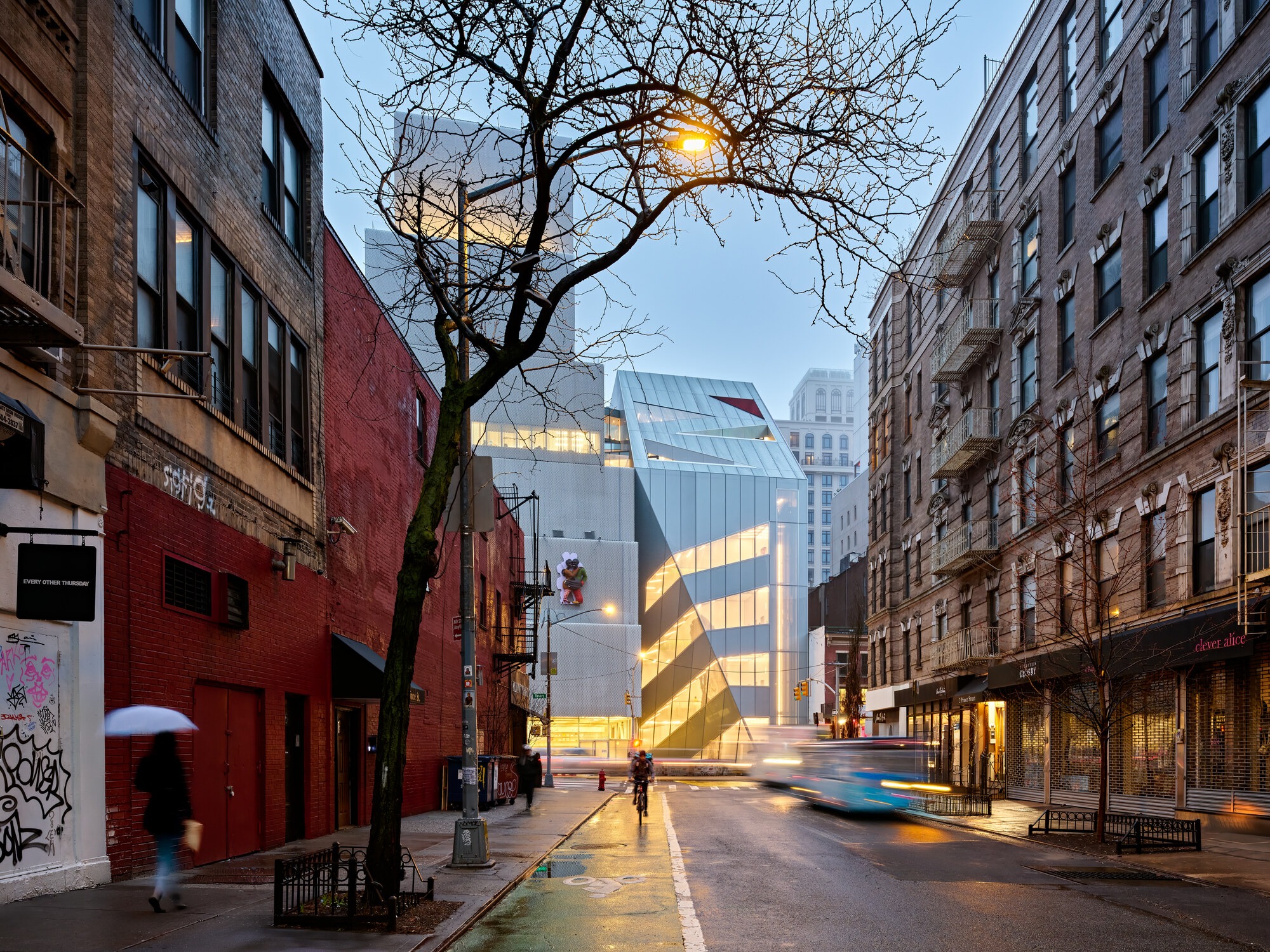
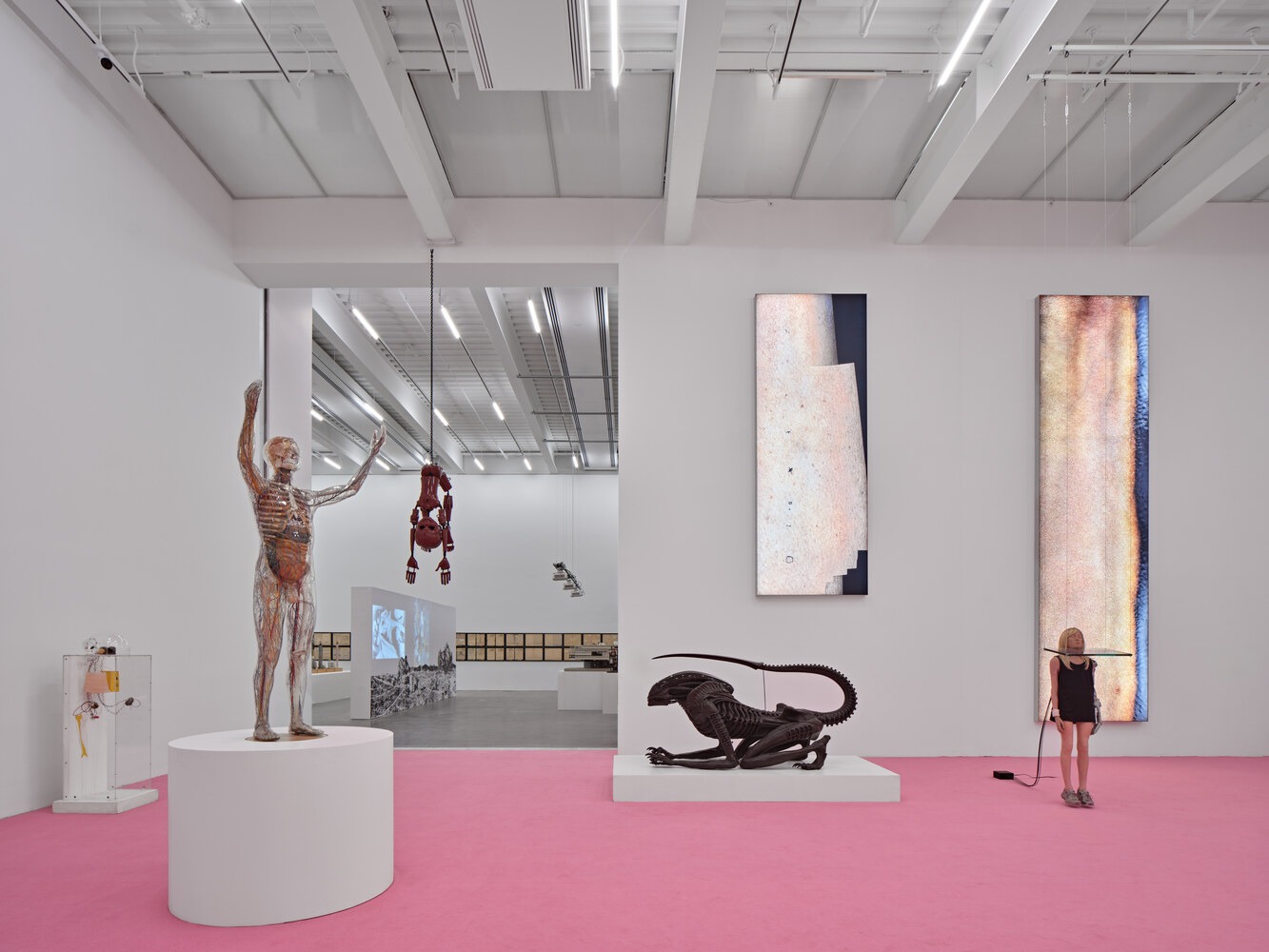
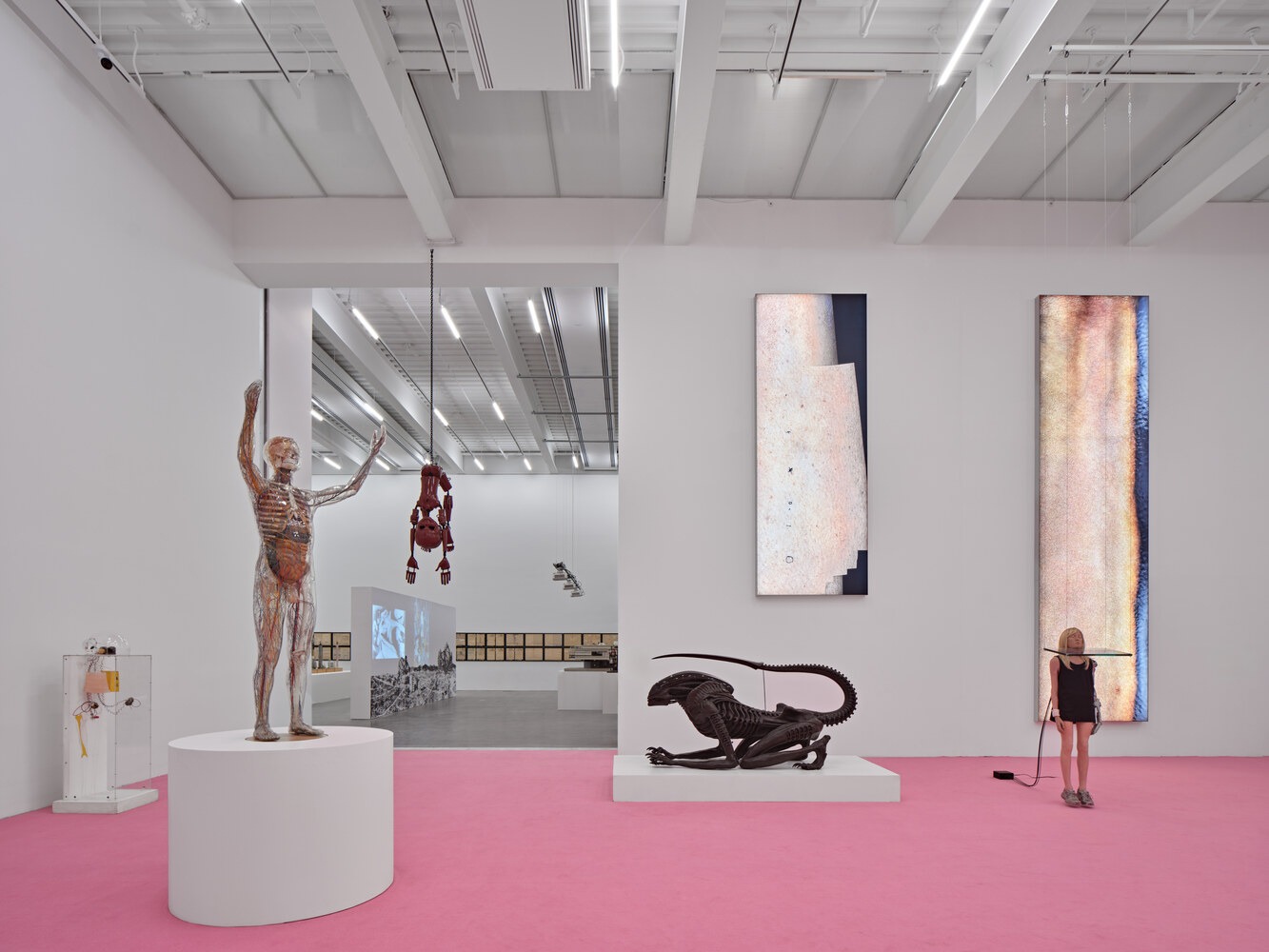
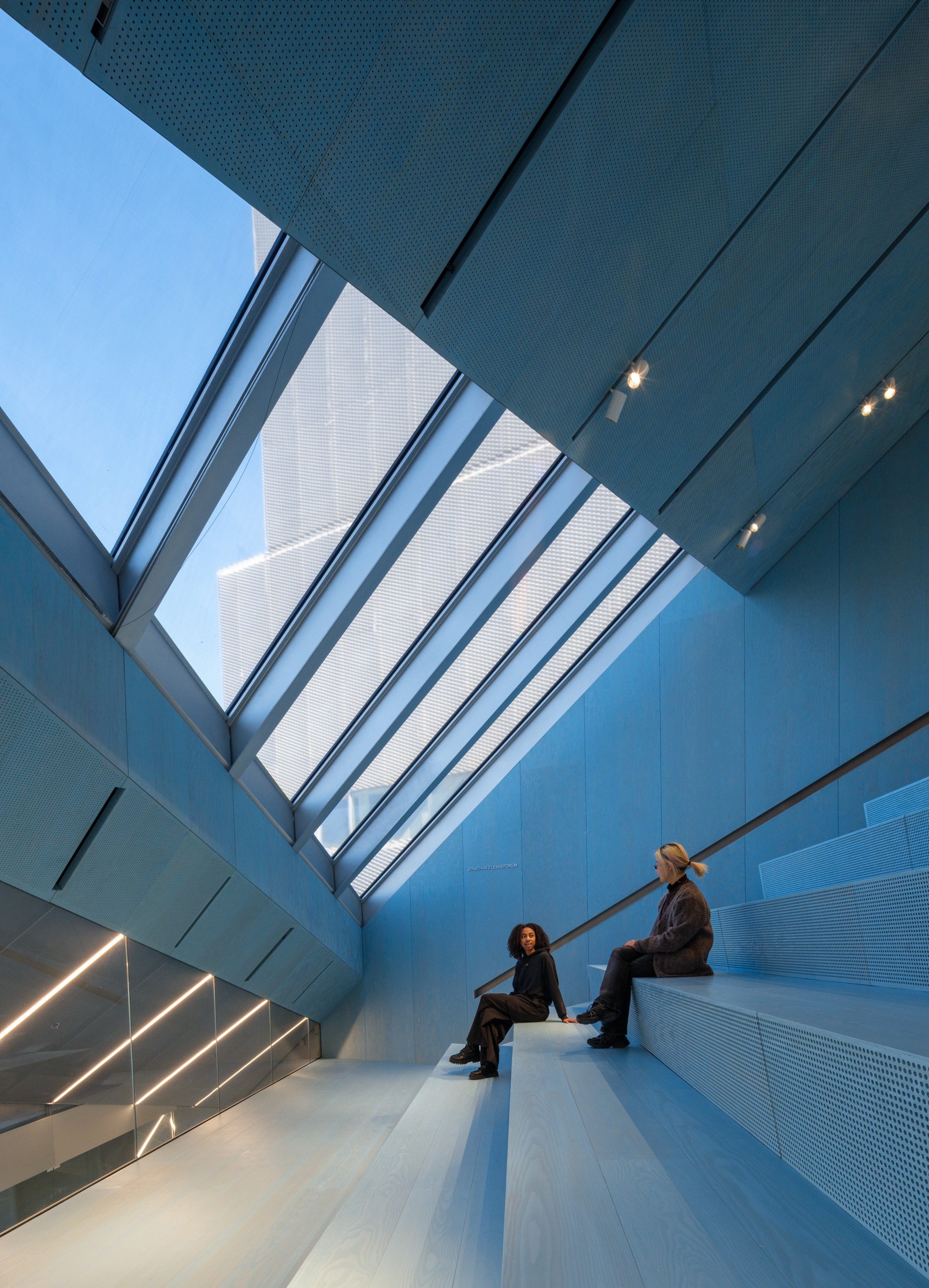
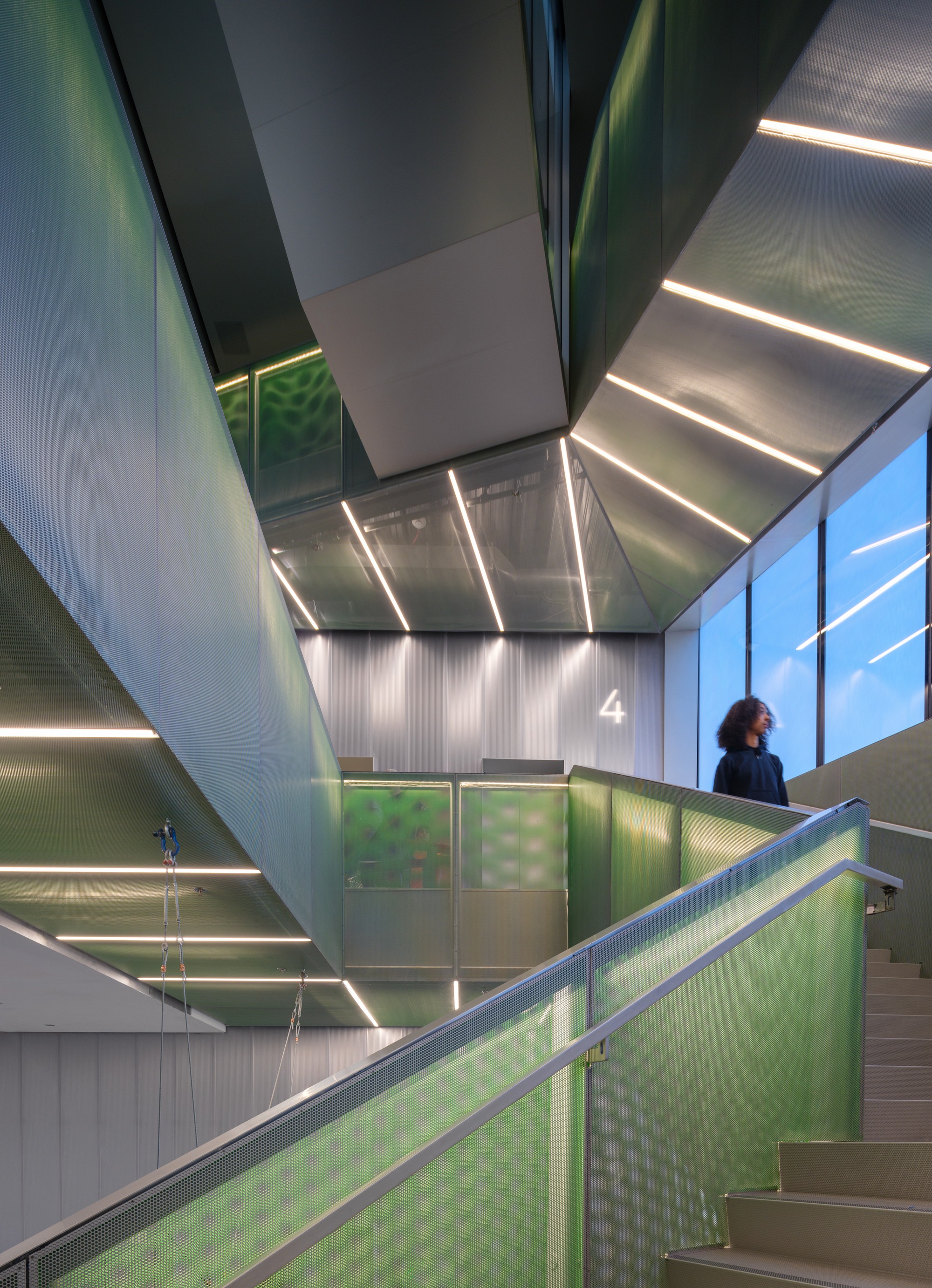
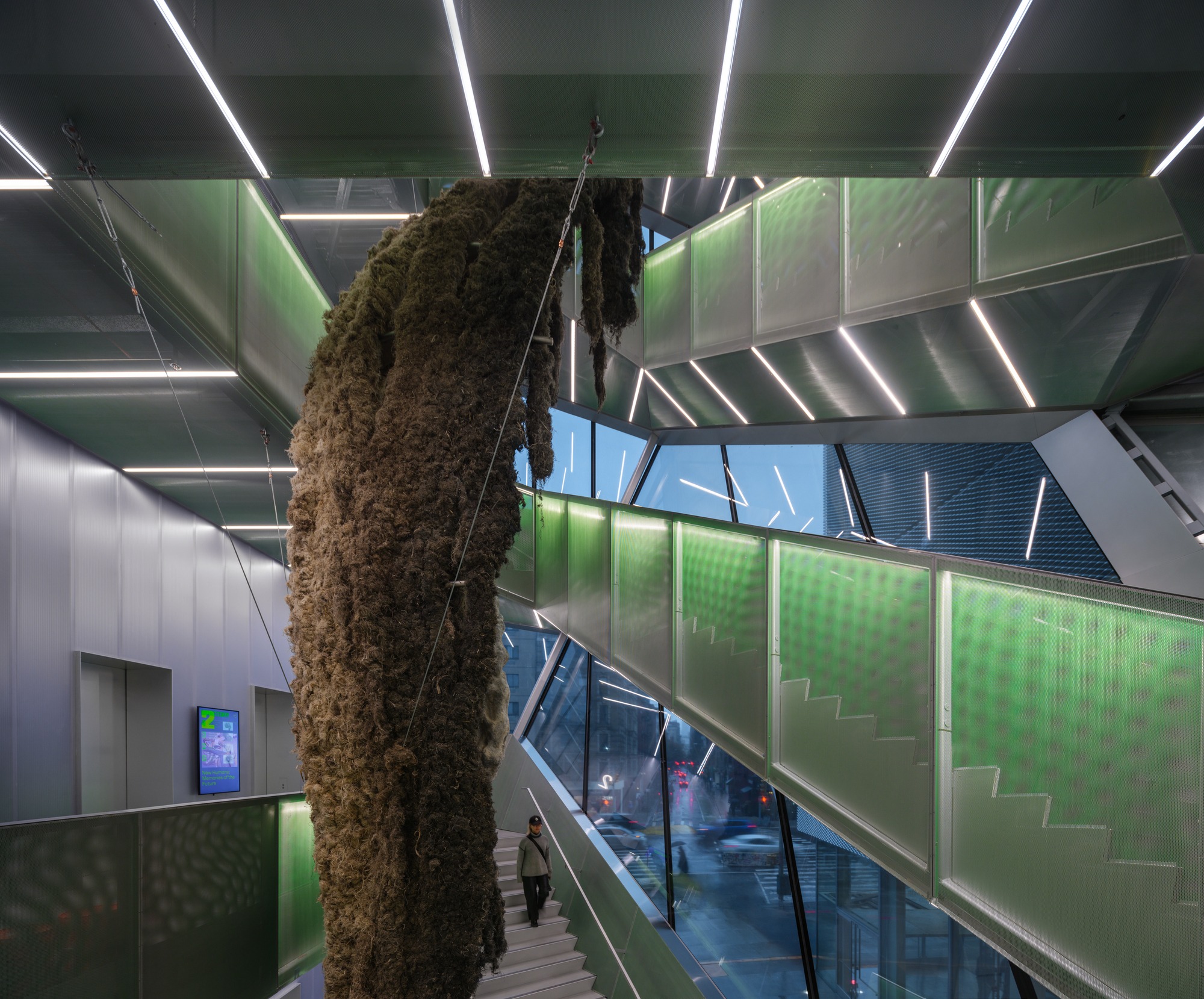
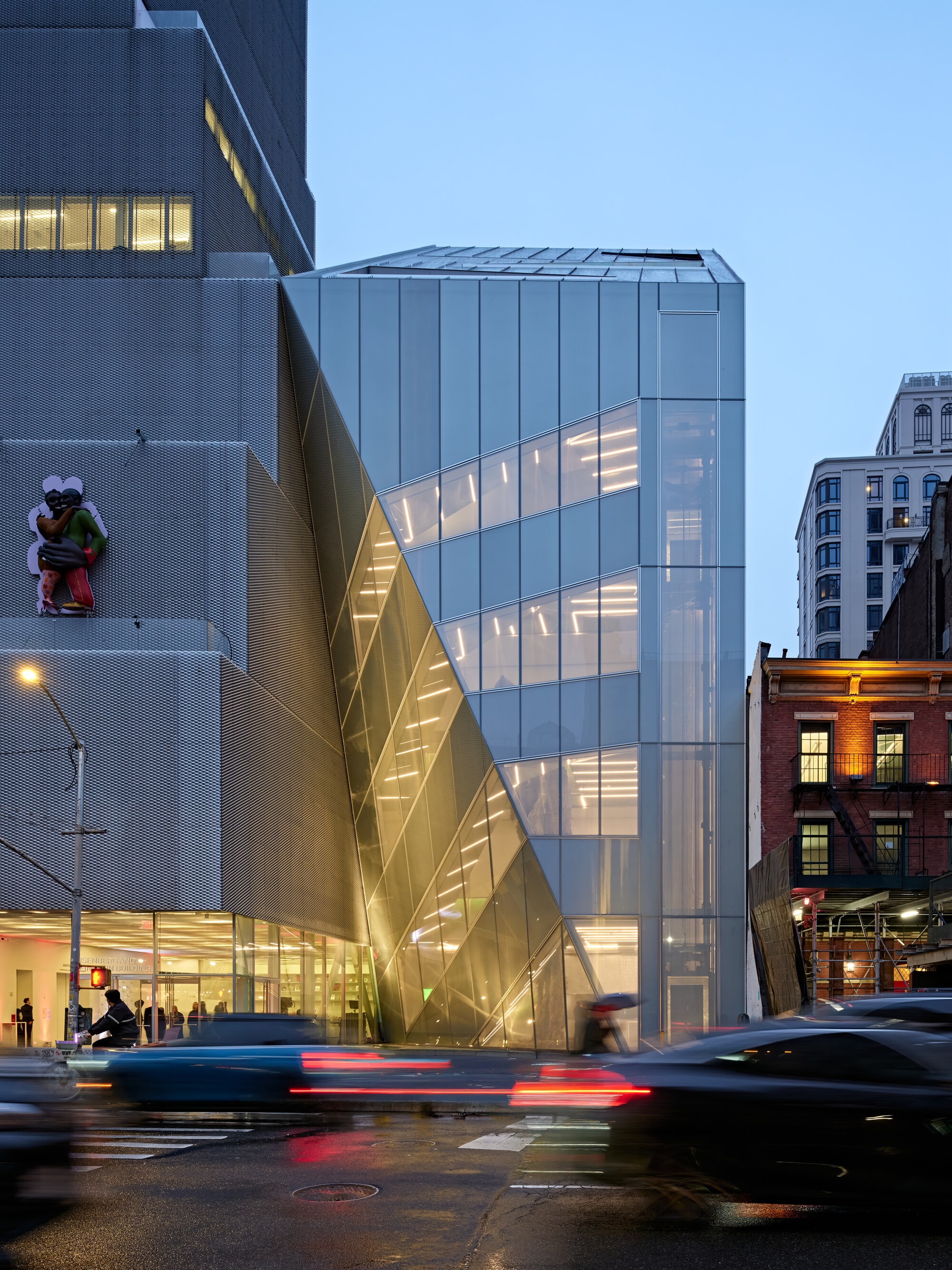
새로운 뉴뮤지엄은 기획자의 의도와 관람객의 발걸음을 유연하게 담아냅니다. 설계팀은 세 개 층의 갤러리와 다목적 행사 공간 등 주요 프로그램들을 기존 건물의 층고와 완벽하게 맞춰 쌓아 올렸습니다. 천장 높이가 동일해진 두 건물은 매끄러운 수평적 연속성을 갖게 되었습니다. 공간을 넓게 터서 대형 전시를 기획할 수도 있고, 필요에 따라 건물을 분리해 다채로운 전시를 엽니다. 위로 올라갈수록 넓어지는 신관의 갤러리와 점차 좁아지는 구관의 갤러리가 맞물리며 전체적인 면적의 균형을 이룹니다. 이 두 건물 사이에는 예술과 도시를 이어주는 틈새 공간이 존재합니다. 이곳에는 전용 엘리베이터와 사선형 아트리움 계단이 들어섰습니다. 1층 외부 광장에서 시작해 꼭대기 테라스까지 이어지는 이 계단은 관람객의 동선을 부드럽게 이끌며 바워리 거리를 향해 활짝 열려 있습니다.
도시를 향해 열린 투명한 볼륨
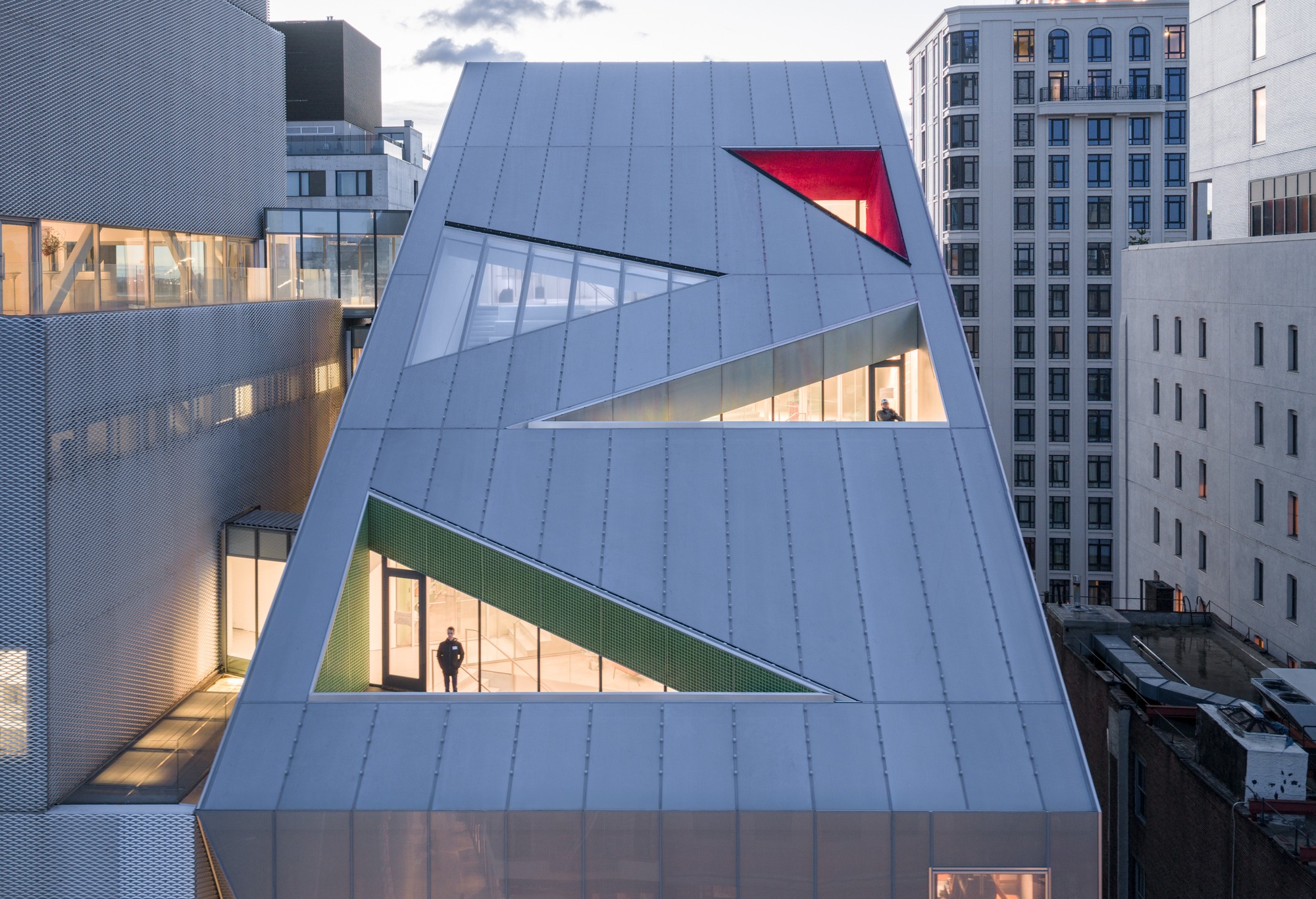
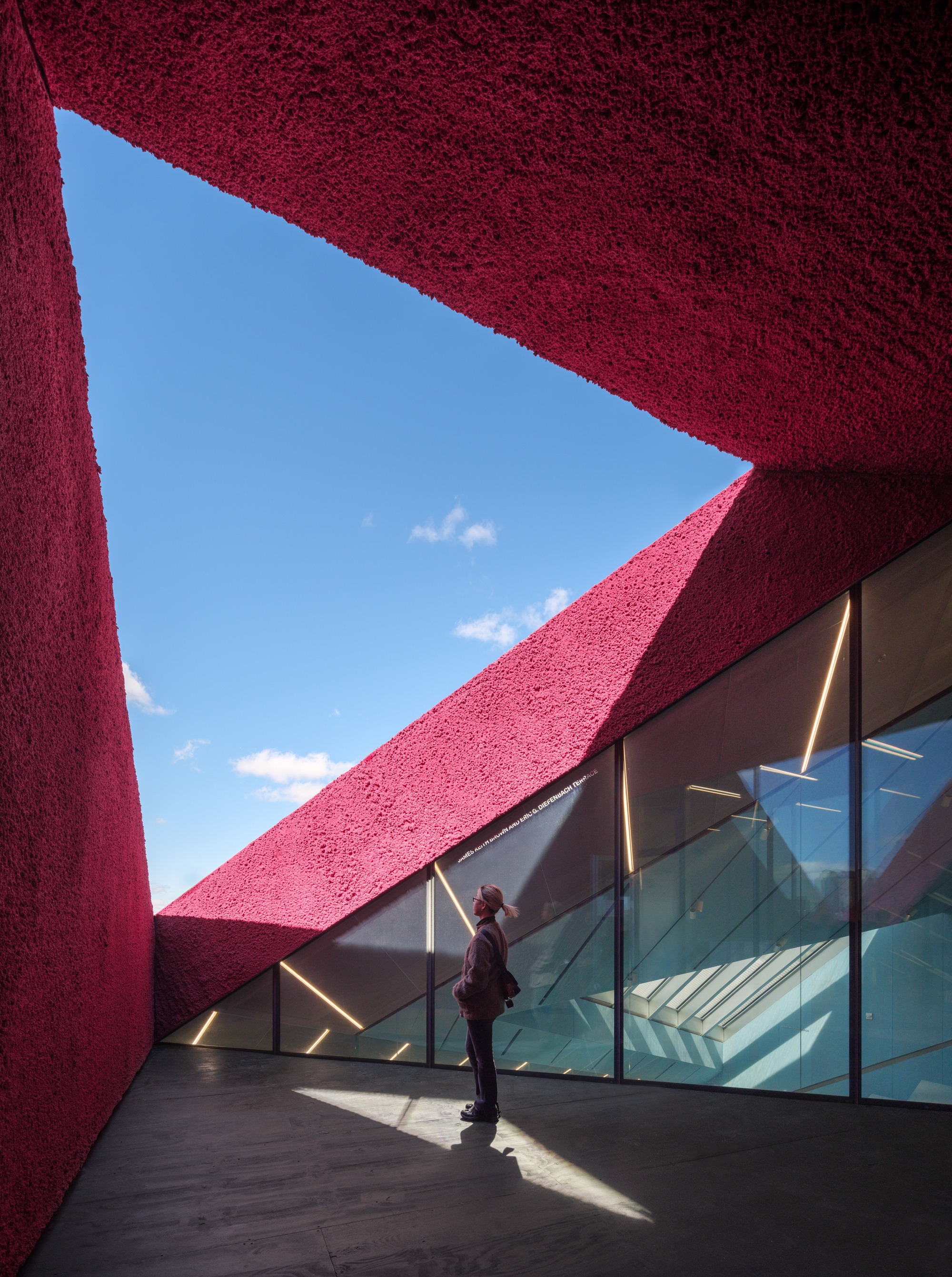
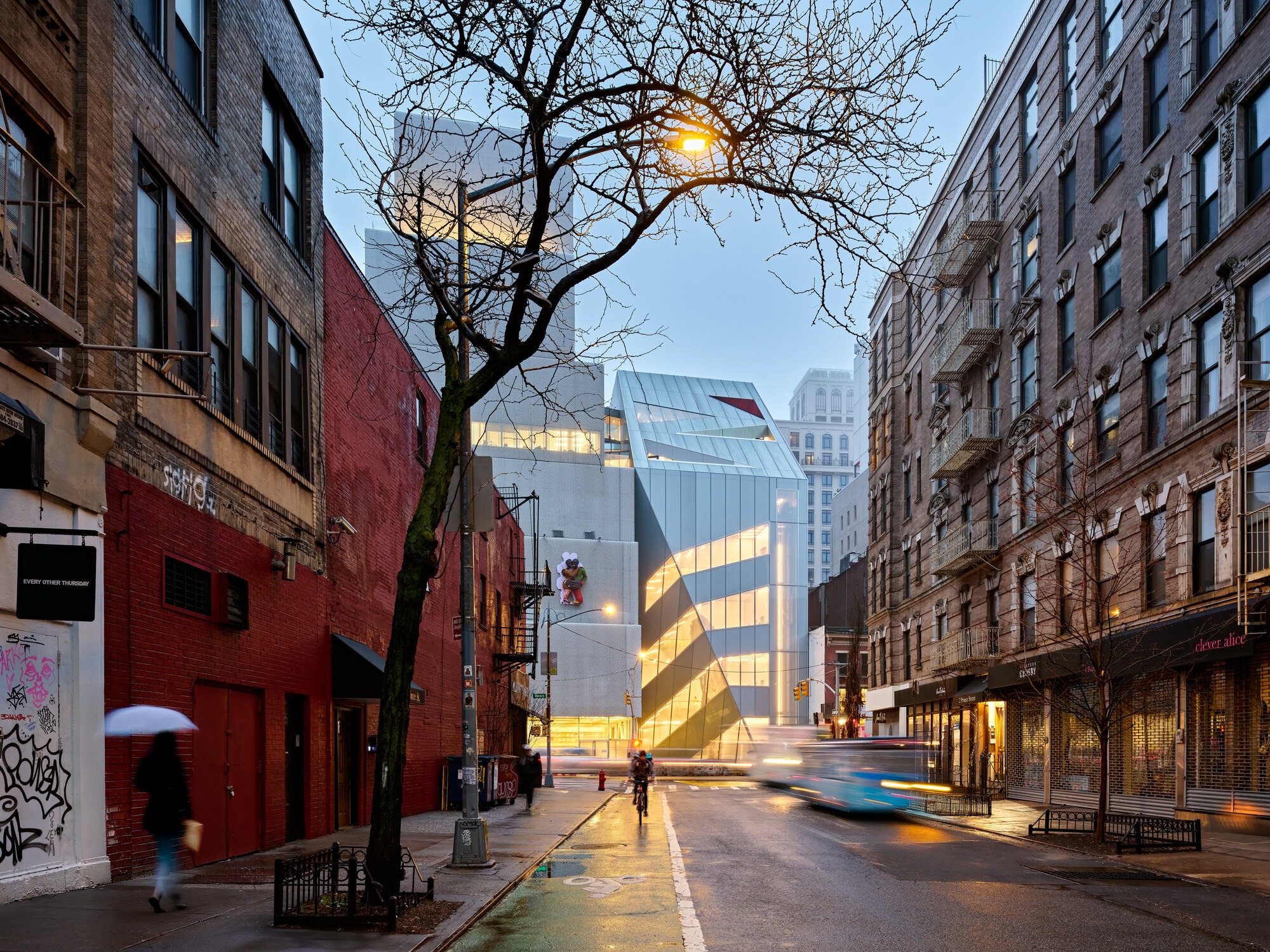
수직으로 반듯하게 뻗어 올라간 기존 타워와 달리, 신관은 갤러리를 수평으로 넓히고 두 번에 걸쳐 건물을 뒤로 물려 짓는 셋백 방식을 택했습니다. 이 방식은 도심 속에 기분 좋은 시각적 긴장감을 불어넣습니다. 도로 쪽으로 비스듬히 물러난 첫 번째 셋백 공간은 프린스 스트리트 끝자락에 새로운 공공 광장을 만들어냅니다. 보행자들은 이곳에서 자연스럽게 발걸음을 멈추고 숨을 고릅니다. 갤러리 꼭대기에 적용된 두 번째 셋백은 건물의 상층부를 하늘을 향해 시원하게 열어젖힙니다.
빛으로 완성되는 파사드
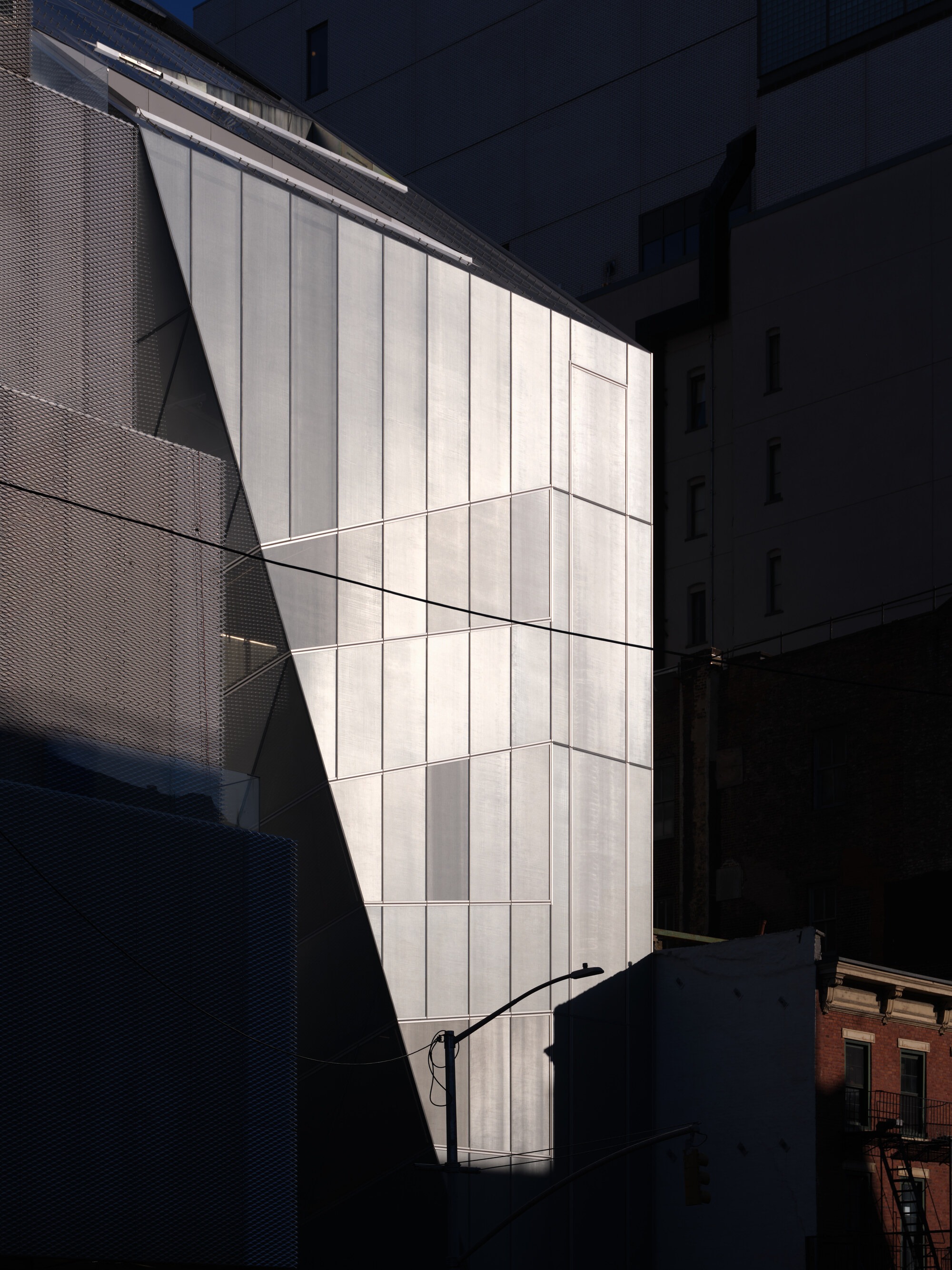
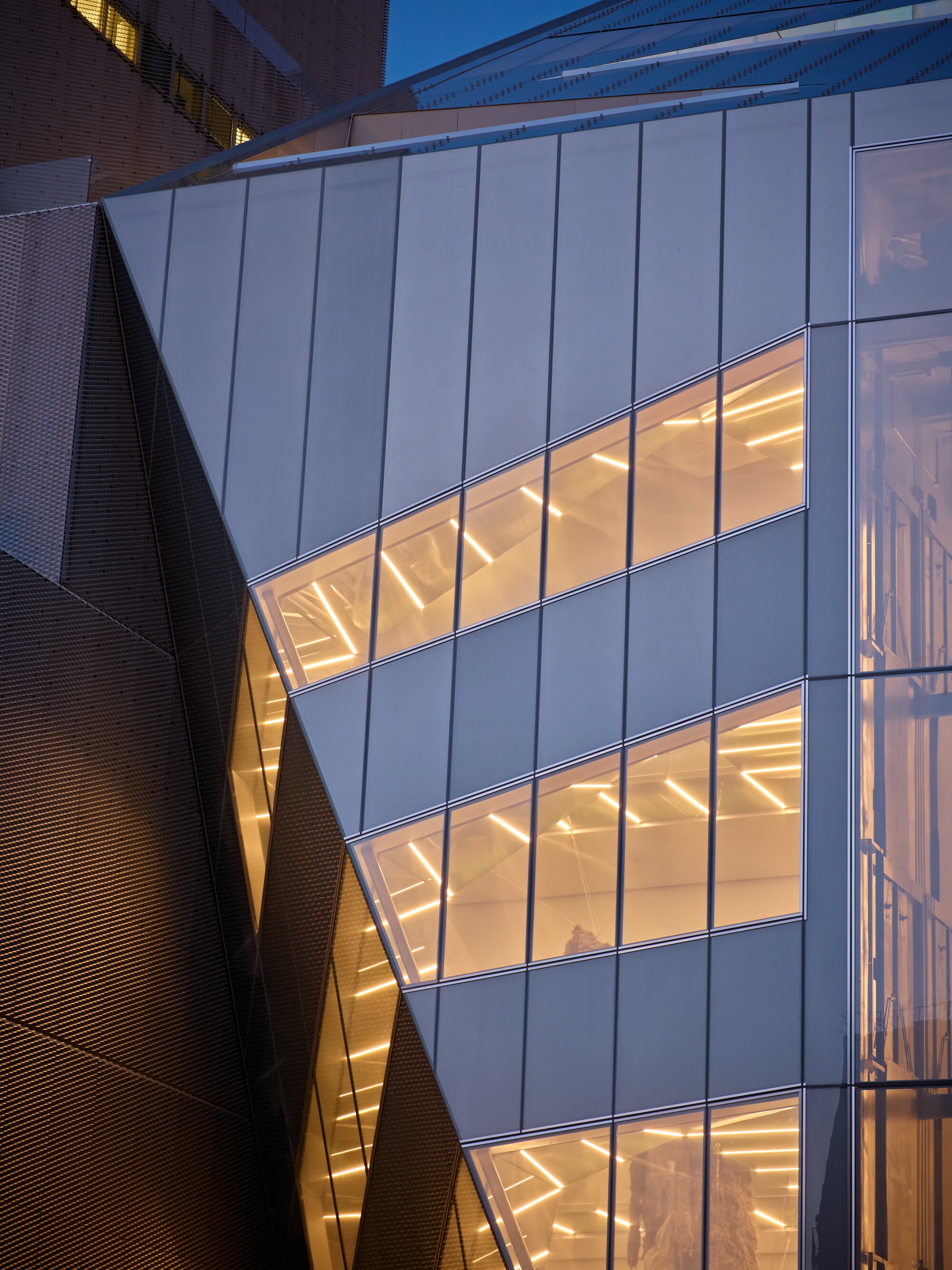
신관의 파사드는 금속 메시를 덧댄 접합 유리로 마감되었습니다. 이 외관은 낮 동안 거대하고 단단한 덩어리처럼 고요한 존재감을 드러내며, 기존 건물의 입면과 매끄럽게 어우러집니다. 하지만 해가 지고 밤이 찾아오면 건물은 완전히 다른 표정을 짓습니다. 유리창 틈새로 내부의 빛이 은은하게 새어 나오면서 건물의 투명성이 극대화됩니다. 미술관 안에서 움직이는 사람들과 전시의 흔적이 도시를 향해 가감 없이 드러납니다. 새로워진 뉴뮤지엄은 묵묵히 서 있는 건물이 아니라 쉴 새 없이 도시와 대화하는 살아있는 유기체입니다. 예술과 사람을 이어주는 이 거대한 플랫폼은 뉴뮤지엄이 꿈꾸는 공공의 가치를 뉴욕의 밤하늘에 가장 아름답게 수놓고 있습니다.
Write by Gemini & Jean Browwn
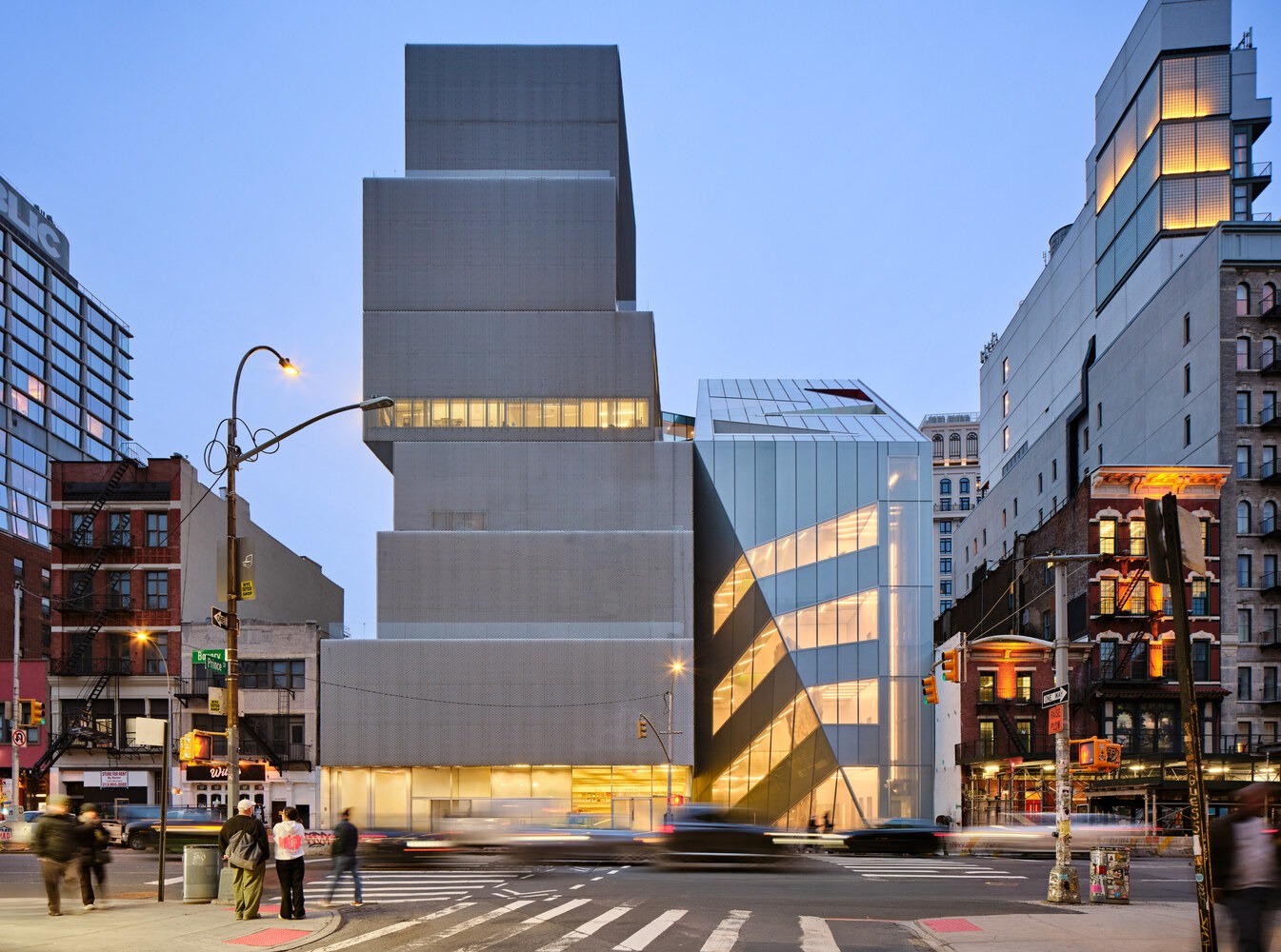
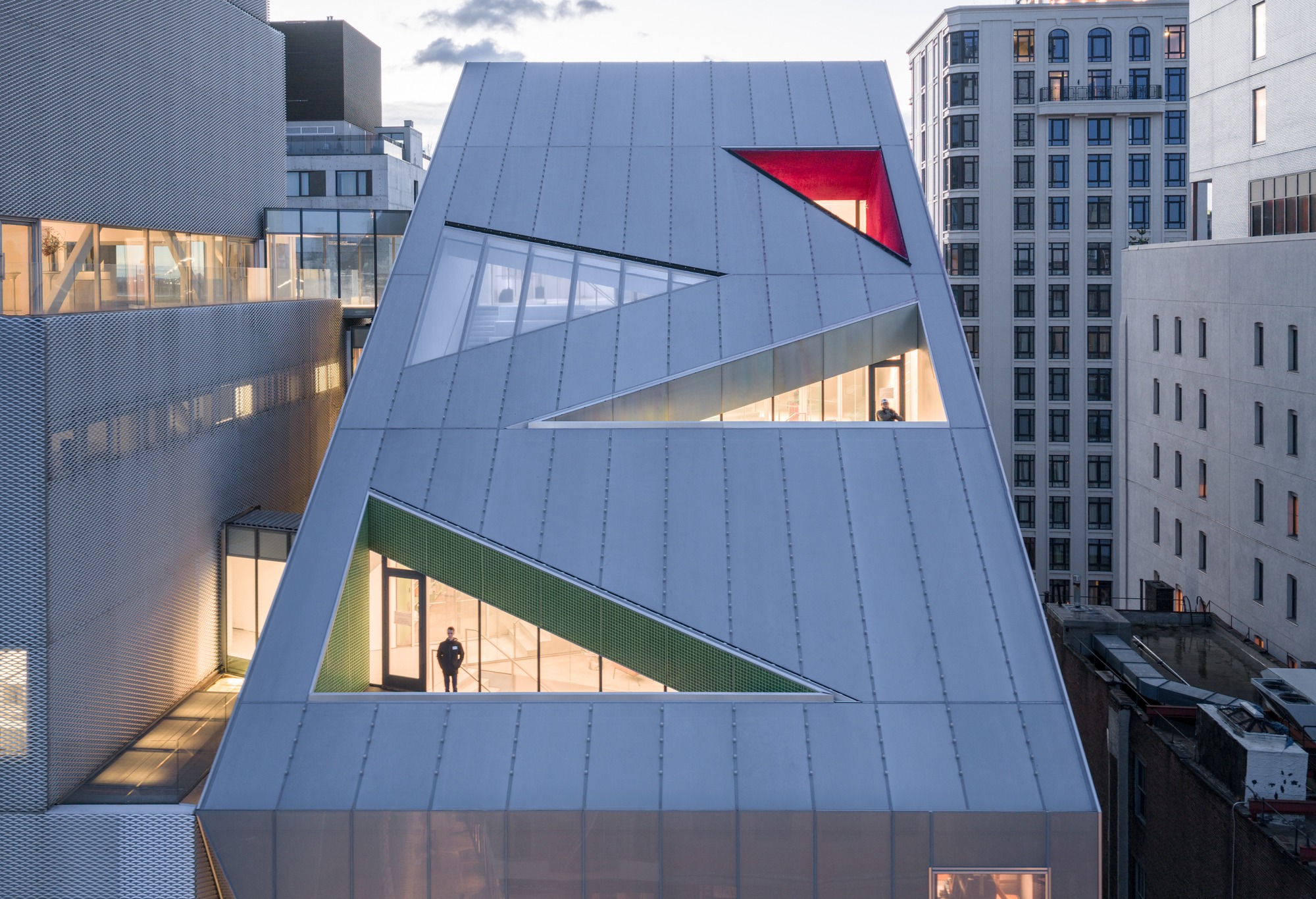
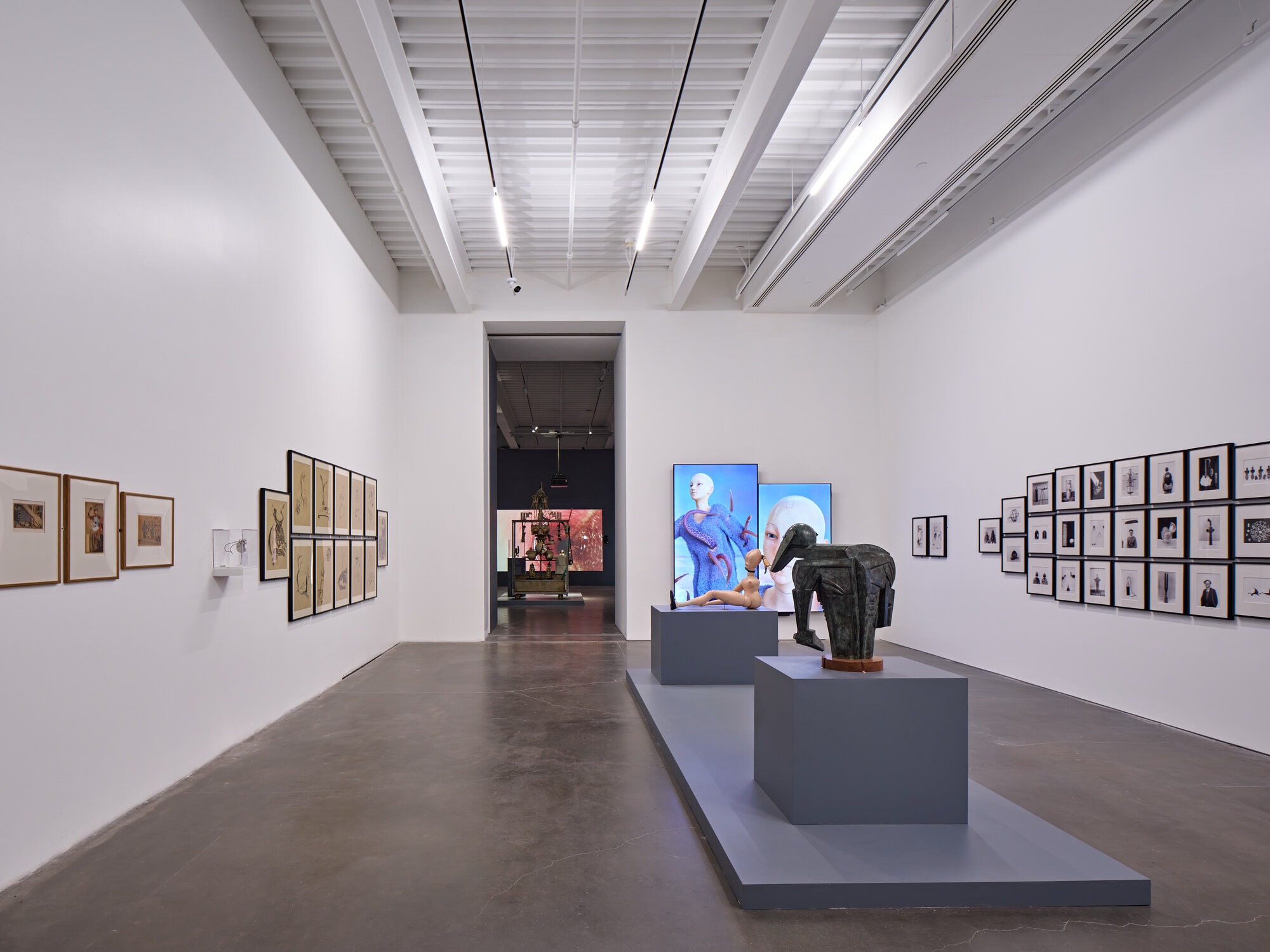
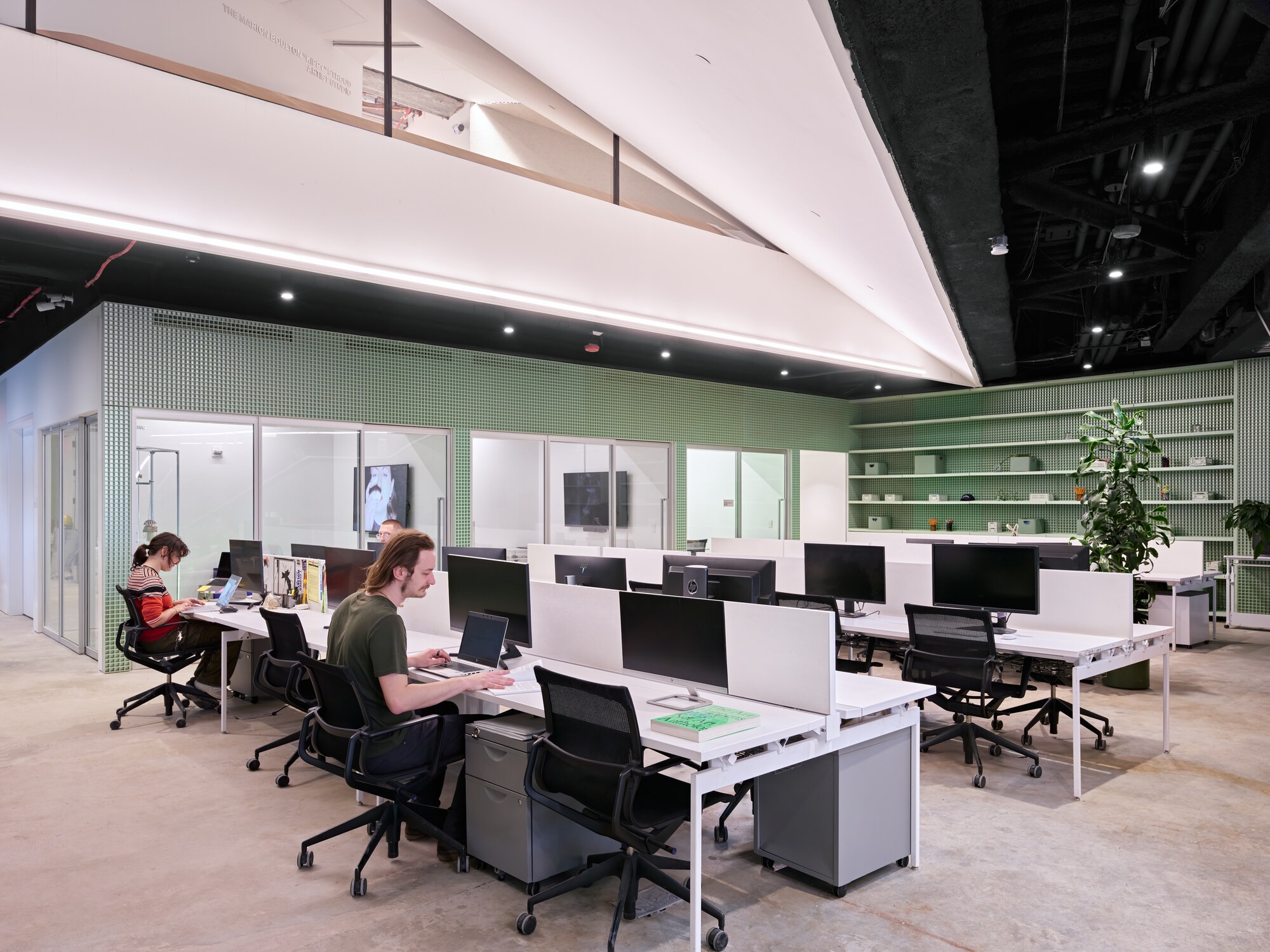
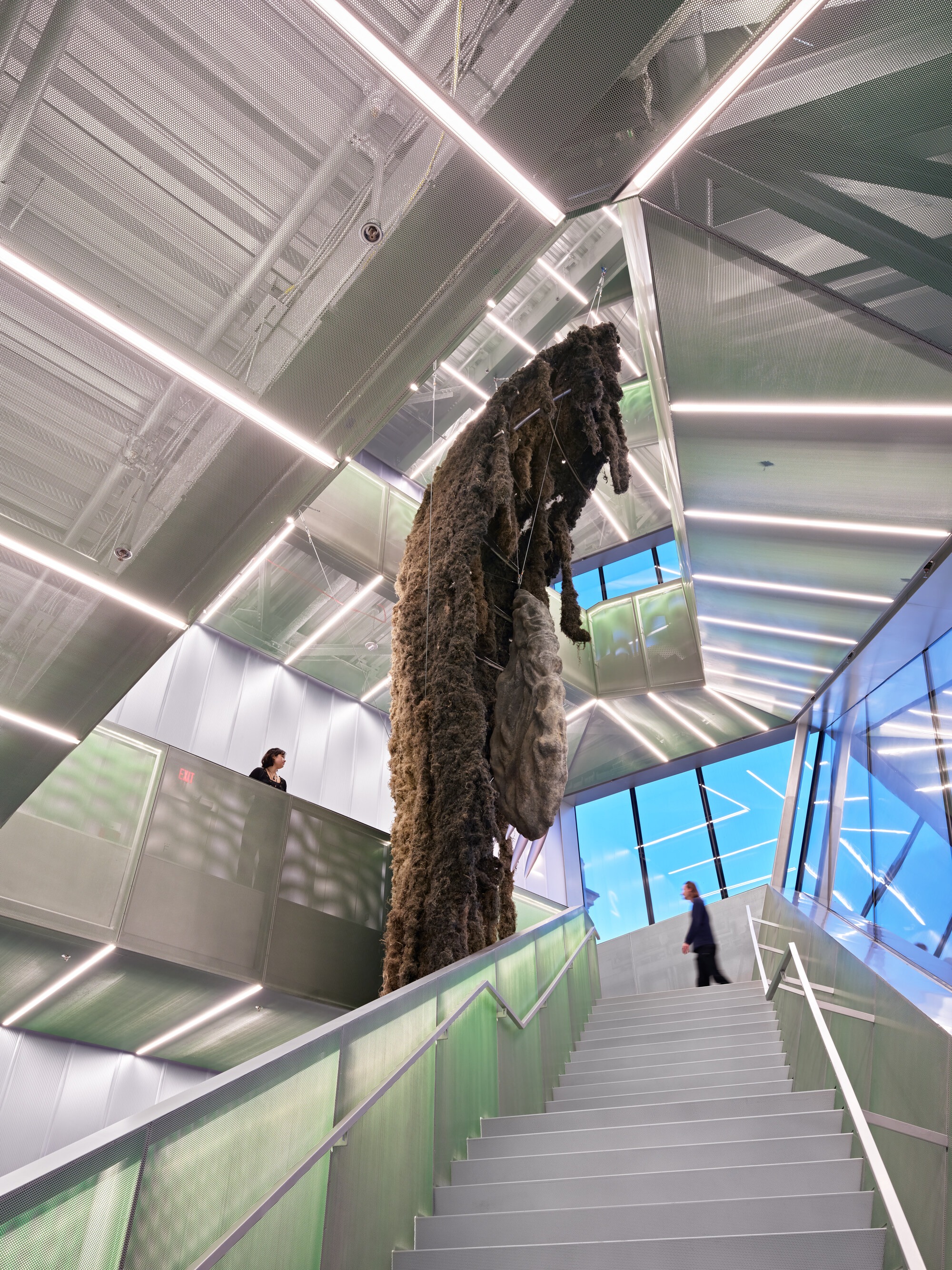

Our first cultural institution in New York is a new addition to the New Museum next door to its iconic SANAA-designed building at 235 Bowery. The New Museum has been growing in visitors, exhibitions, and activities. Its diverse engagements, including its expansive education programs, its cultural incubator NEW INC, and, of course, its globally recognized exhibition program have been transforming the institution into a cultural laboratory. We were asked to add a new building that provides much needed space for its expanded activities and simultaneously reflects increasingly public ambitions—duplicating the program and square footage on a site immediately adjacent to the existing SANAA-designed building—part and counterpart, side-by-side.
This condition was entrenched in dichotomies. While dichotomies are inherent to museum expansions, they can suppress the full potential of the pair. We looked to less didactic, more unexpected, and maybe even romantically entangled relationships that could exist between two parts of a whole. Can one be highly infrastructural to give support and free agency to the other? Can it be two equal entities in complete harmony? Can the two be distinct and independent but reciprocal as a pair?
Our approach complements and respects the integrity of the adjoining SANAA building, while asserting its own distinct identity. The New Museum will be a synergistic pair working spatially and programmatically in tandem, offering a repertoire of spaces for the institution's curatorial ambitions and diverse programs. We stacked the required programs exactly at the same level of the existing building three floors of galleries, a permanent home for NEW INC, offices, and multifunctional education and event spaces—new and old conjoined. Ceiling heights of the newly connected galleries align on each floor, creating expanded space for exhibitions and horizontal flow between the buildings.
Galleries can be used singularly across the floorplate to host larger exhibitions or separately for diversity and curatorial freedom. Due to the horizontality of the site, the galleries in the new building increase in size on the upper levels while the galleries in the existing building decrease in size the total area per connected floor remains balanced. A distinction between the two buildings is created by taking advantage of our site's depth to insert an interstitial space, in between art and city, containing an Atrium Stair and dedicated gallery elevators for improved vertical circulation. This highly public face—starting from the exterior plaza and Atrium Stair to terraced multi-purpose rooms at the top—is a conduit of art and activities that provides an openness to engage the Bowery and the city.
The existing tower's verticality treats the different programs within in the same expression. We wanted to create a healthy contrast by expanding the galleries horizontally and introducing two setbacks. An angled setback starting from the top of gallery stack to the street defines a new public plaza at the terminus of Prince Street that becomes a focal point and a buffer zone between existing and new. A second setback above the galleries makes the top of the building disappear, while opening up the upper level terraces to the sky. Clad in laminated glass with a layer of metal mesh, the building appears monolithic during the day, establishing a unified exterior alongside the existing building's metal mesh facade. In the evening, the transparency of the facade is enhanced as light permeates through its openings, exposing the museum's anatomy.
The new, New Museum is a partnership of two different personalities with high compatibility independent but in constant dialogue. The result is an expanded platform that provokes even more dynamic interactions between art, artists, and people, which are then exposed to communicate the museum's civic ambitions to the city.
from archdaily