건축은 그 자체로 완성되지 않는다. 그것을 둘러싼 사람들의 삶이 함께할 때에야 비로소 완성된다 — 알도 반 에이크

 |
 |
 |
산을 닮은 동네, 데 베르헌의 새 풍경 MVRDV-Nieuw Bergen
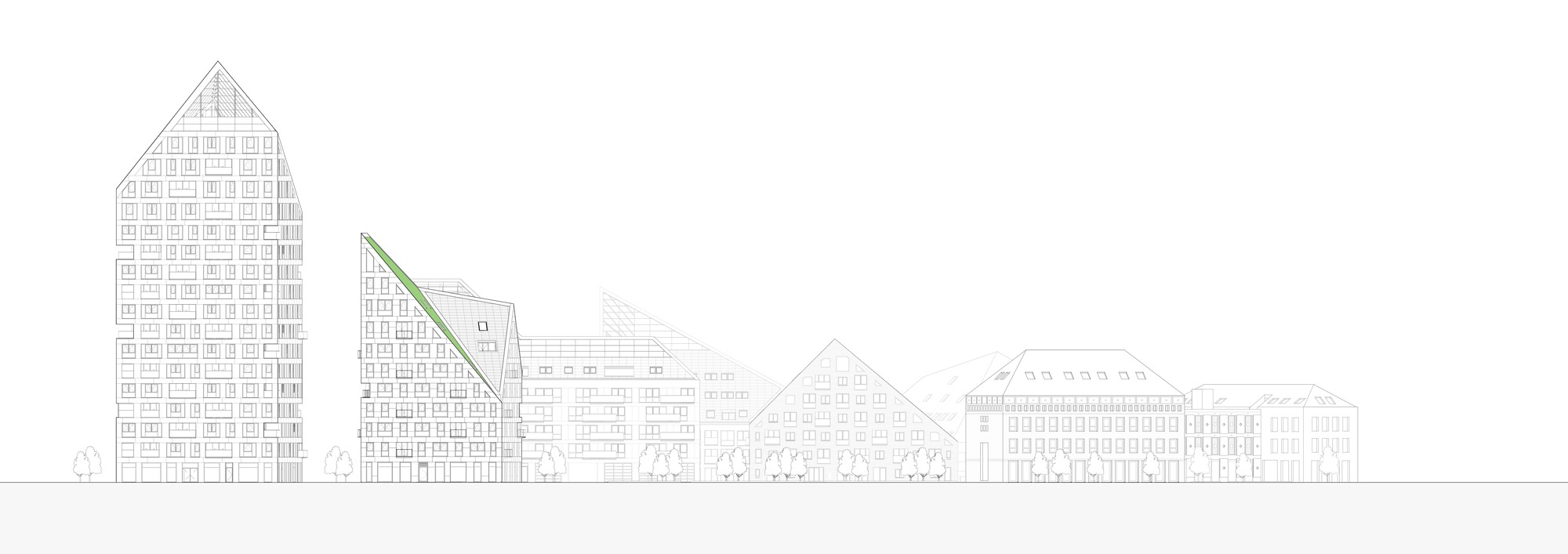
산세를 닮은 스카이라인
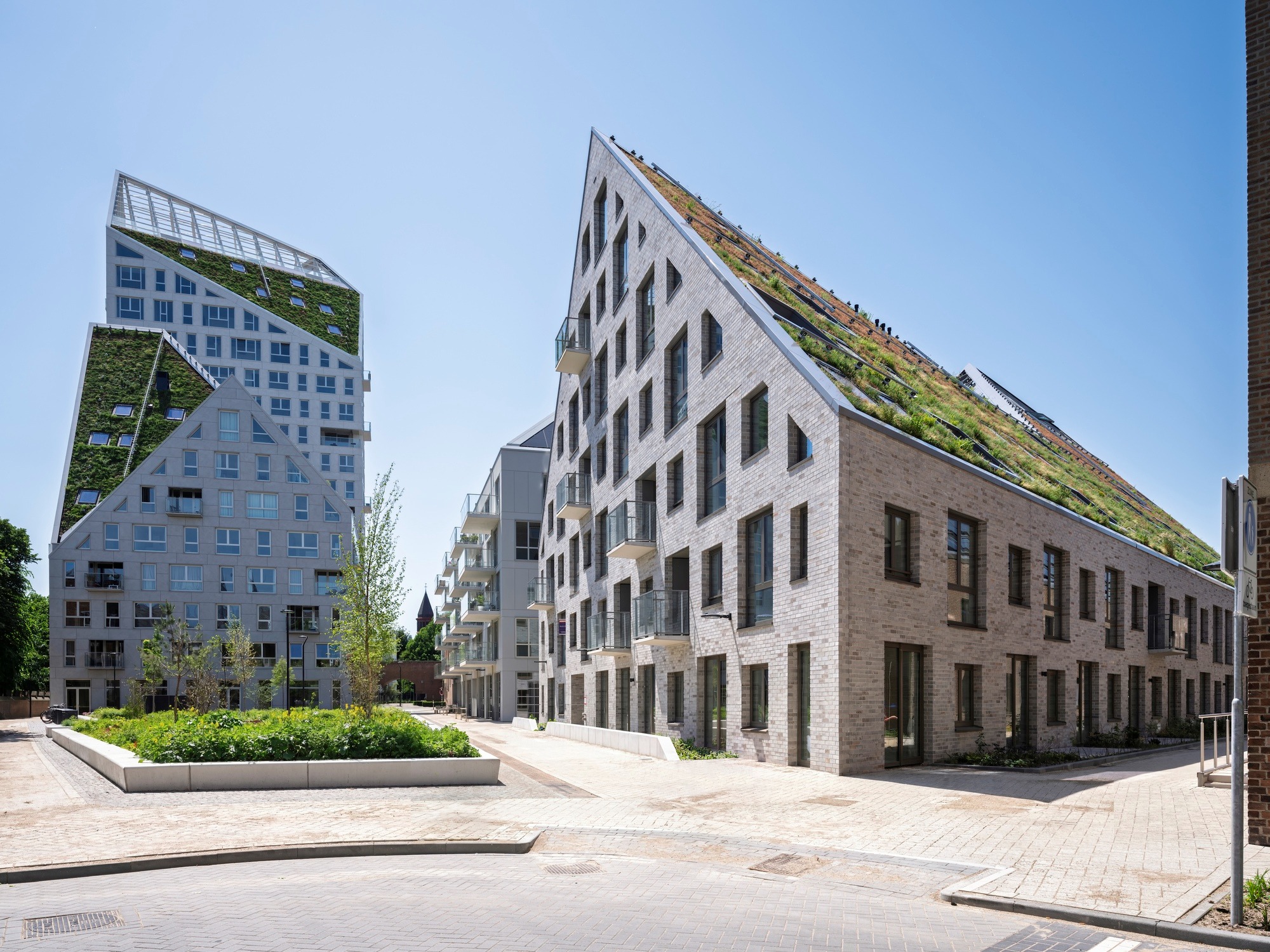
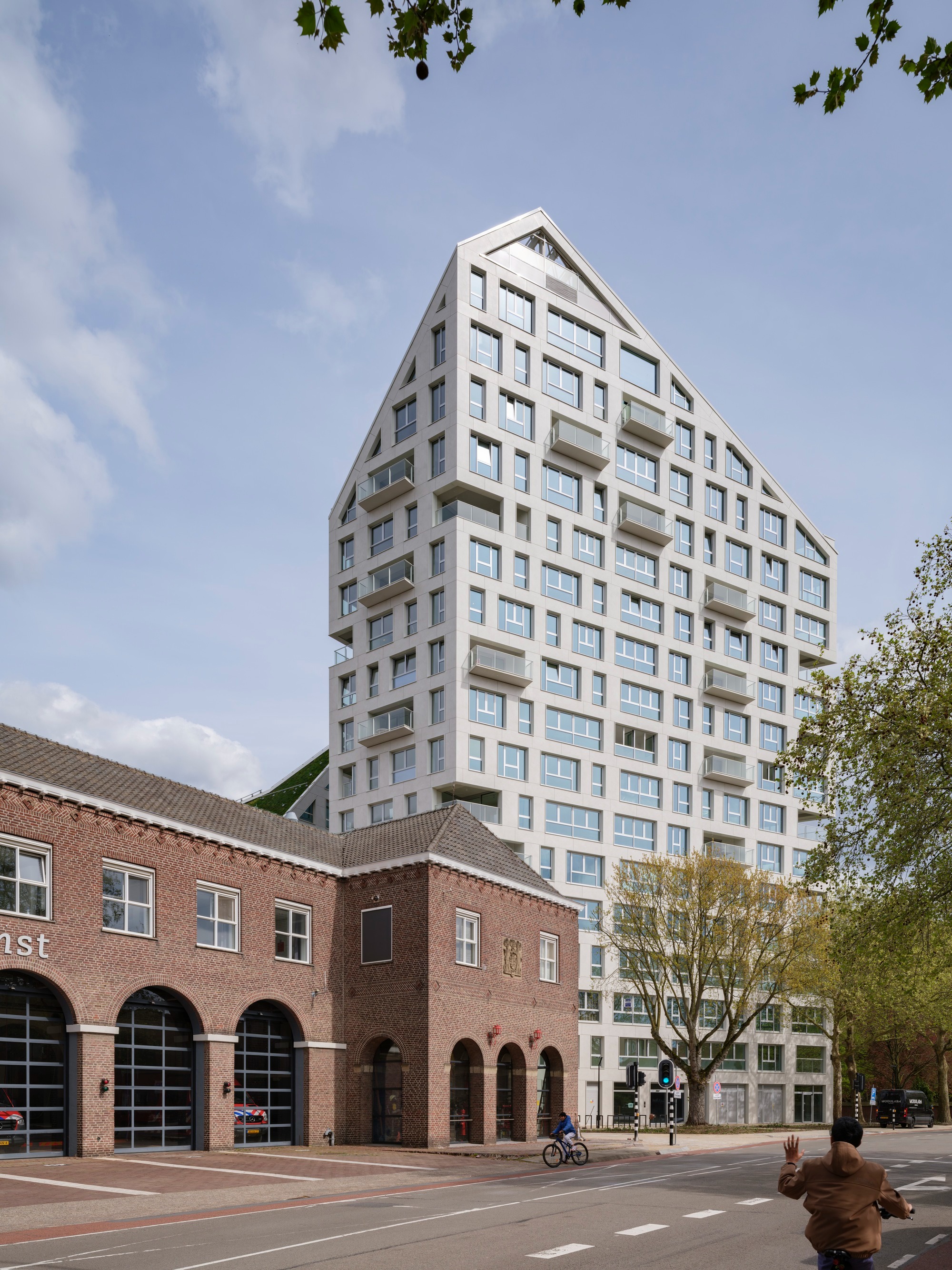
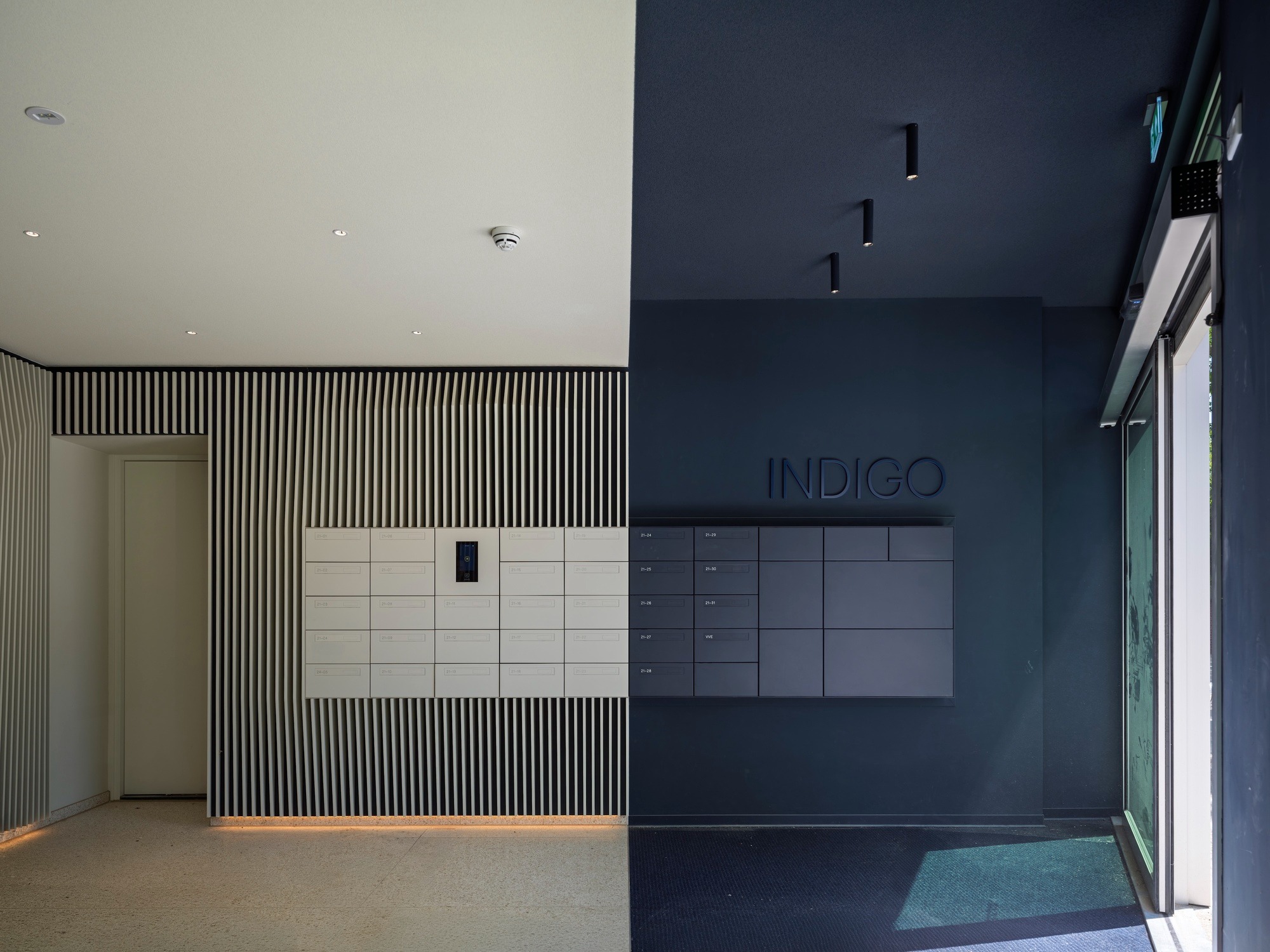
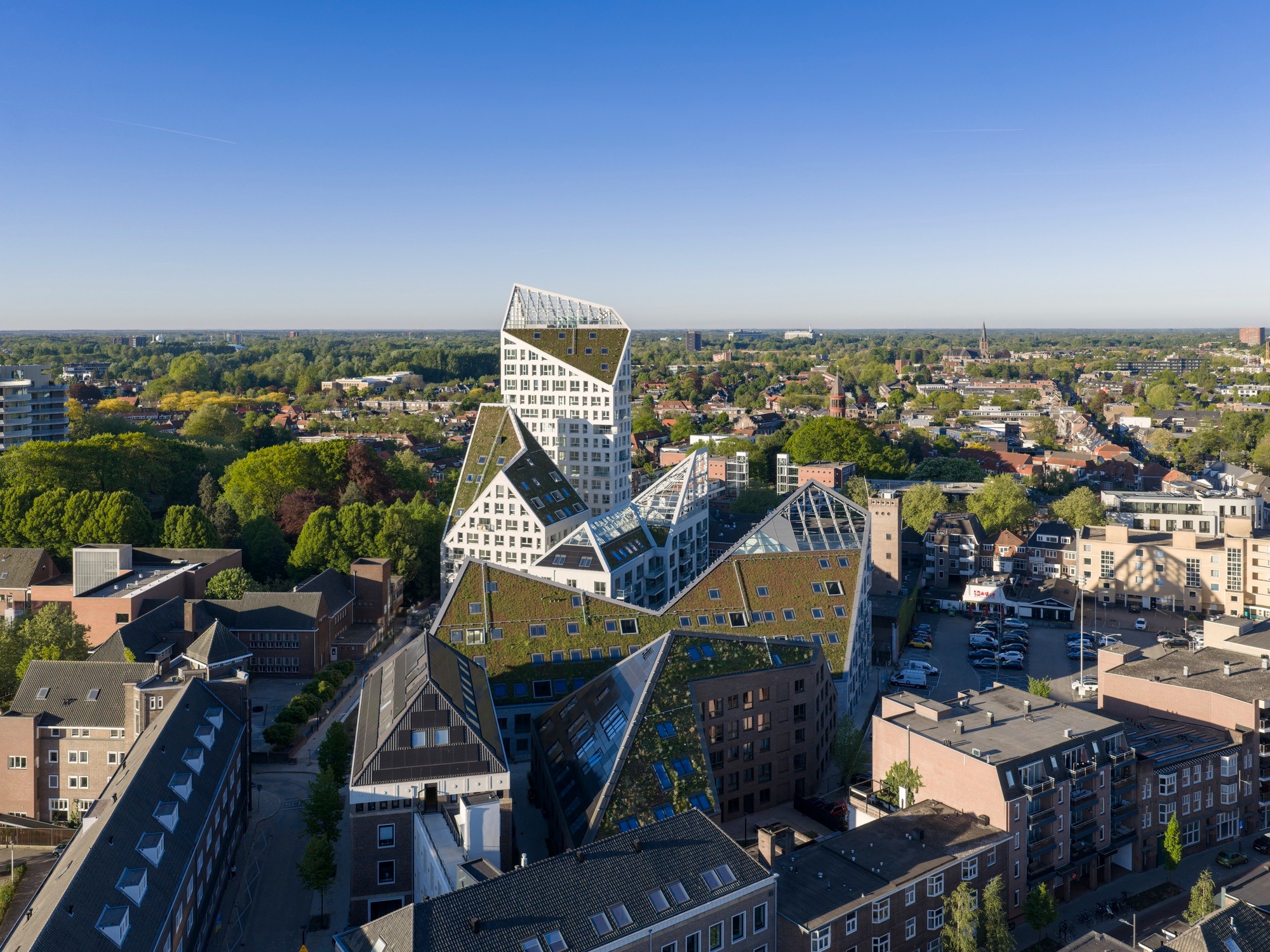
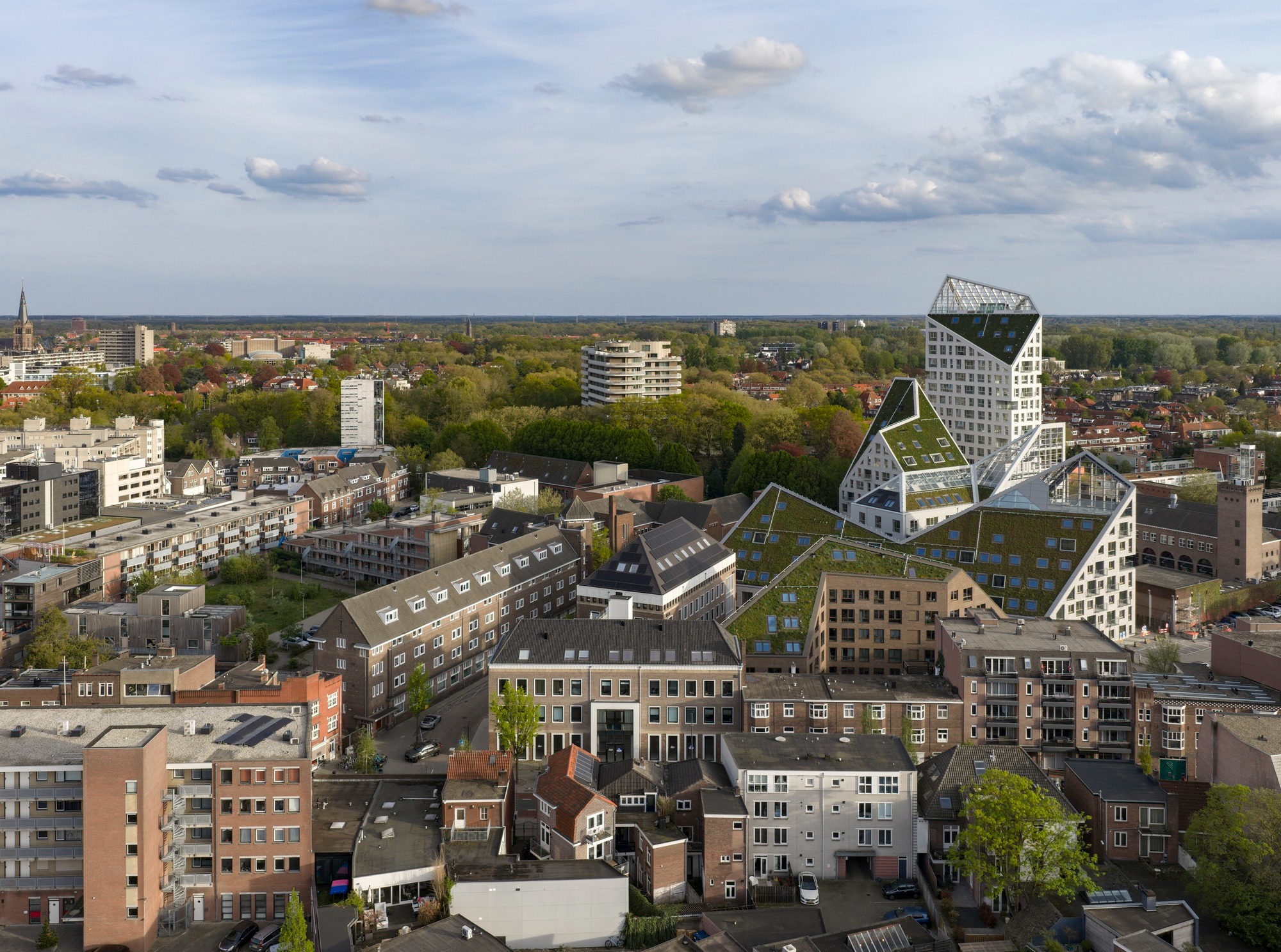
에인트호번 도심 한복판, 데 베르헌(De Bergen) 지구에 일곱 채의 건물이 새로운 풍경을 만들어냈다. MVRDV가 설계한 니우 베르헌(Nieuw Bergen)은 톱니처럼 솟은 경사 지붕들이 연이어 늘어서며 마치 작은 산맥을 옮겨놓은 듯한 윤곽선을 그린다. 흥미롭게도 '베르헌(Bergen)'이라는 지명 자체가 네덜란드어로 '산'을 뜻한다. 그러니 이 지붕선은 단순한 형태적 실험이 아니라, 지역의 이름에 새겨진 의미를 건축으로 되살린 결과이기도 하다. 인디고, 바이올렛, 블루, 루즈, 오랑주, 존, 베르트라는 일곱 동의 건물은 237세대의 다양한 집을 품는다. 1인 가구를 위한 작은 아파트부터 가족 단위의 주택, 사회주택부터 고급 펜트하우스까지 — 이 지붕 아래에는 폭넓은 삶의 방식들이 공존한다.
배치와 기억, 두 시대를 잇는 회랑
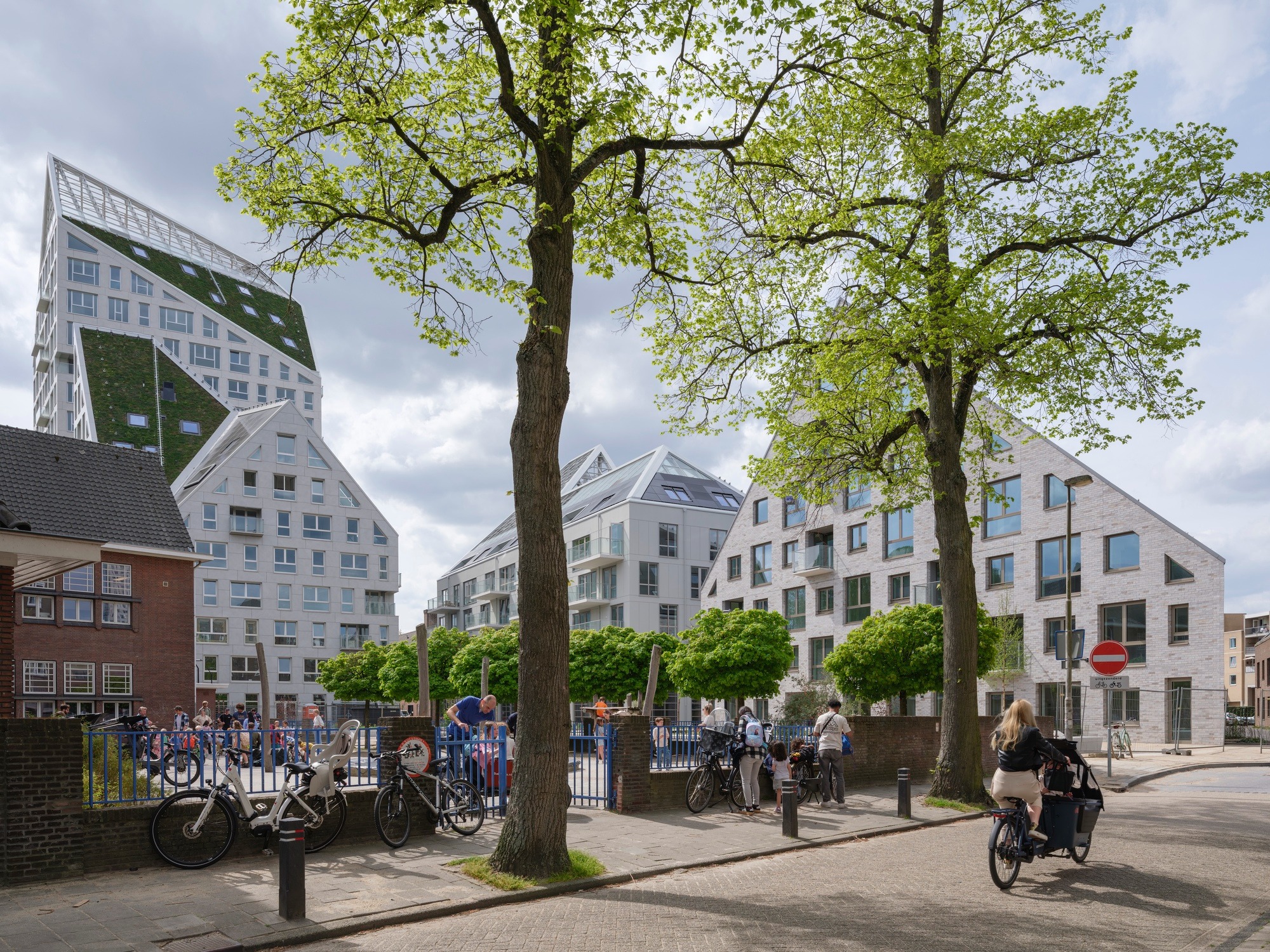
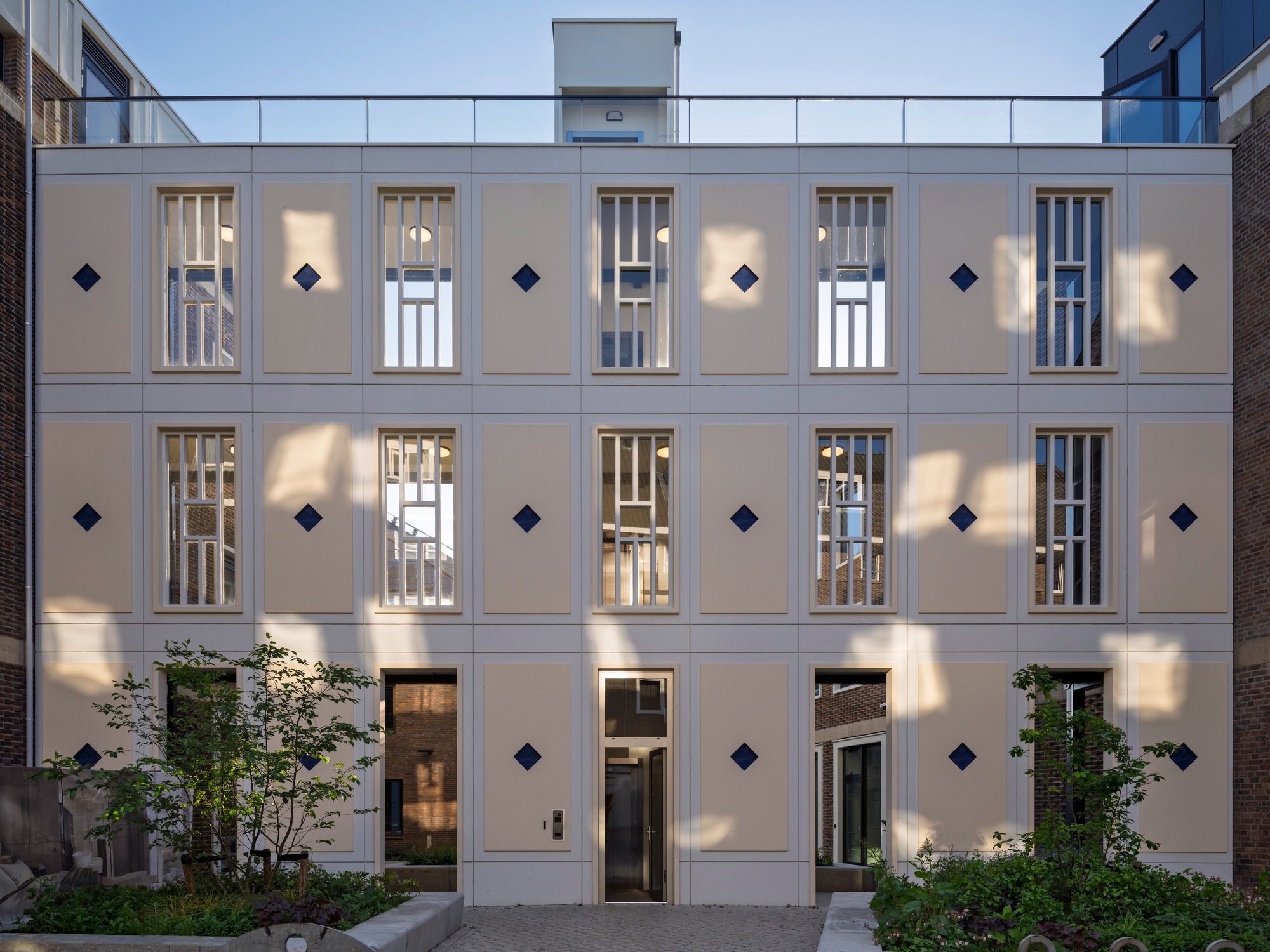
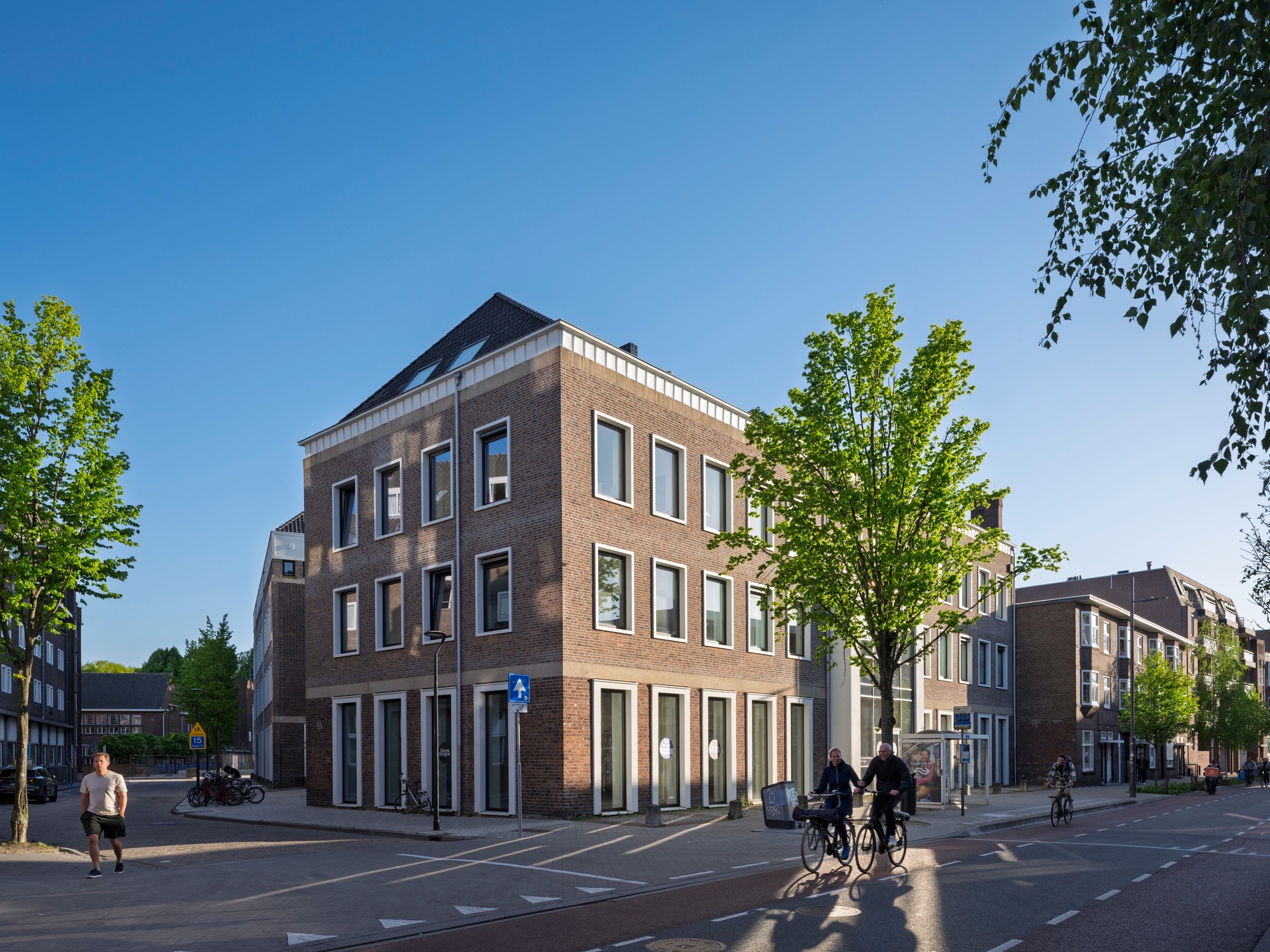
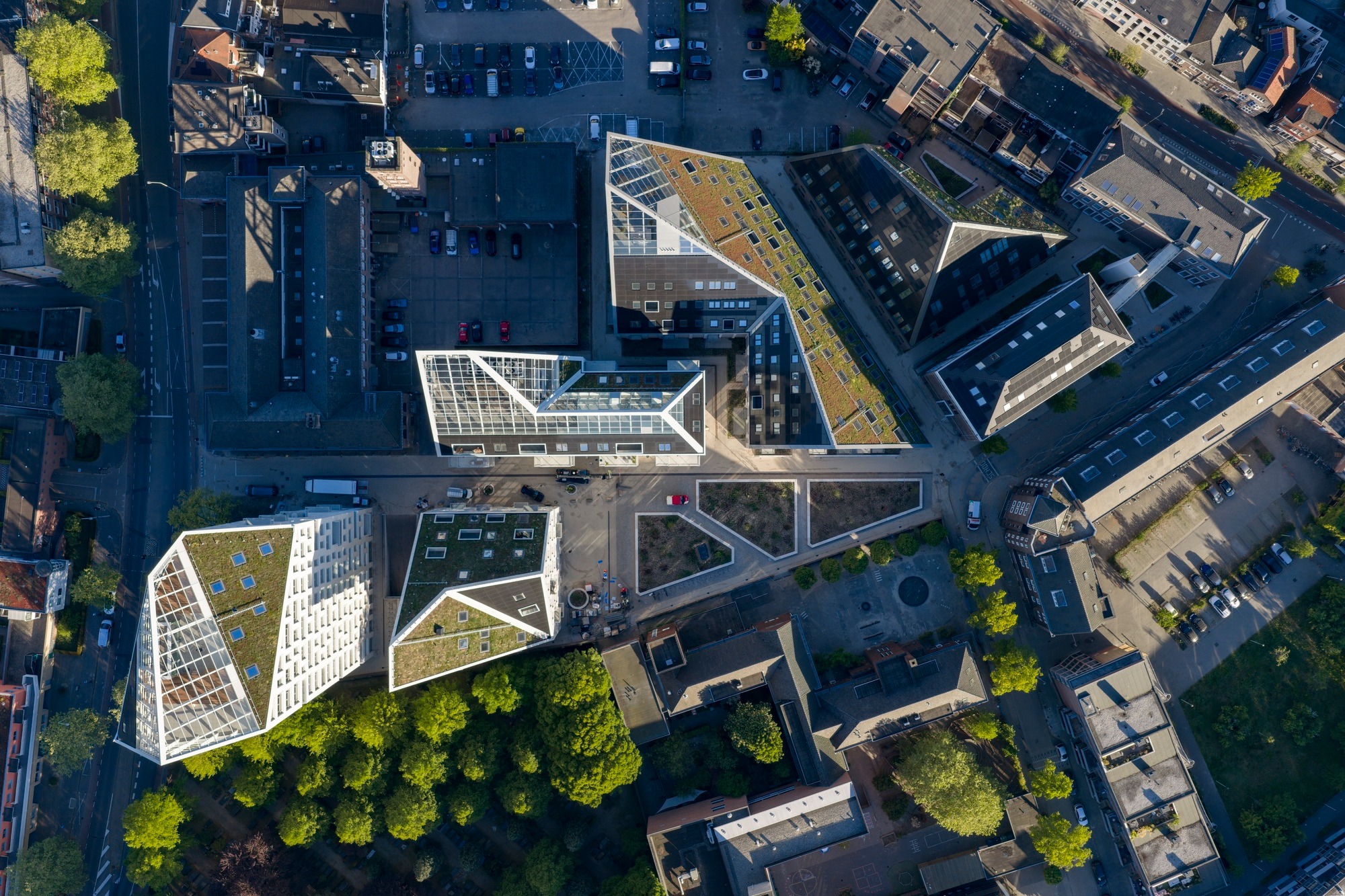
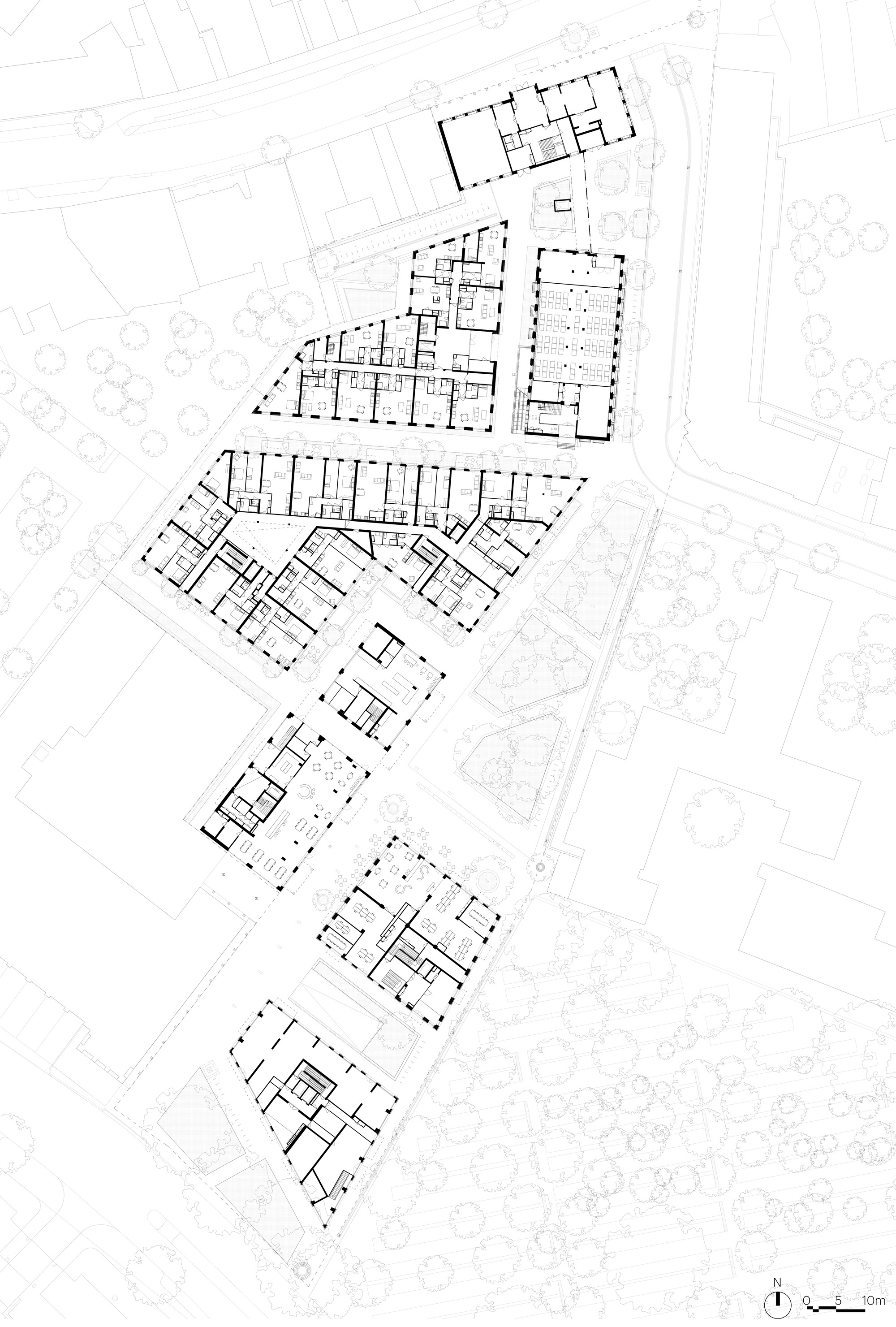
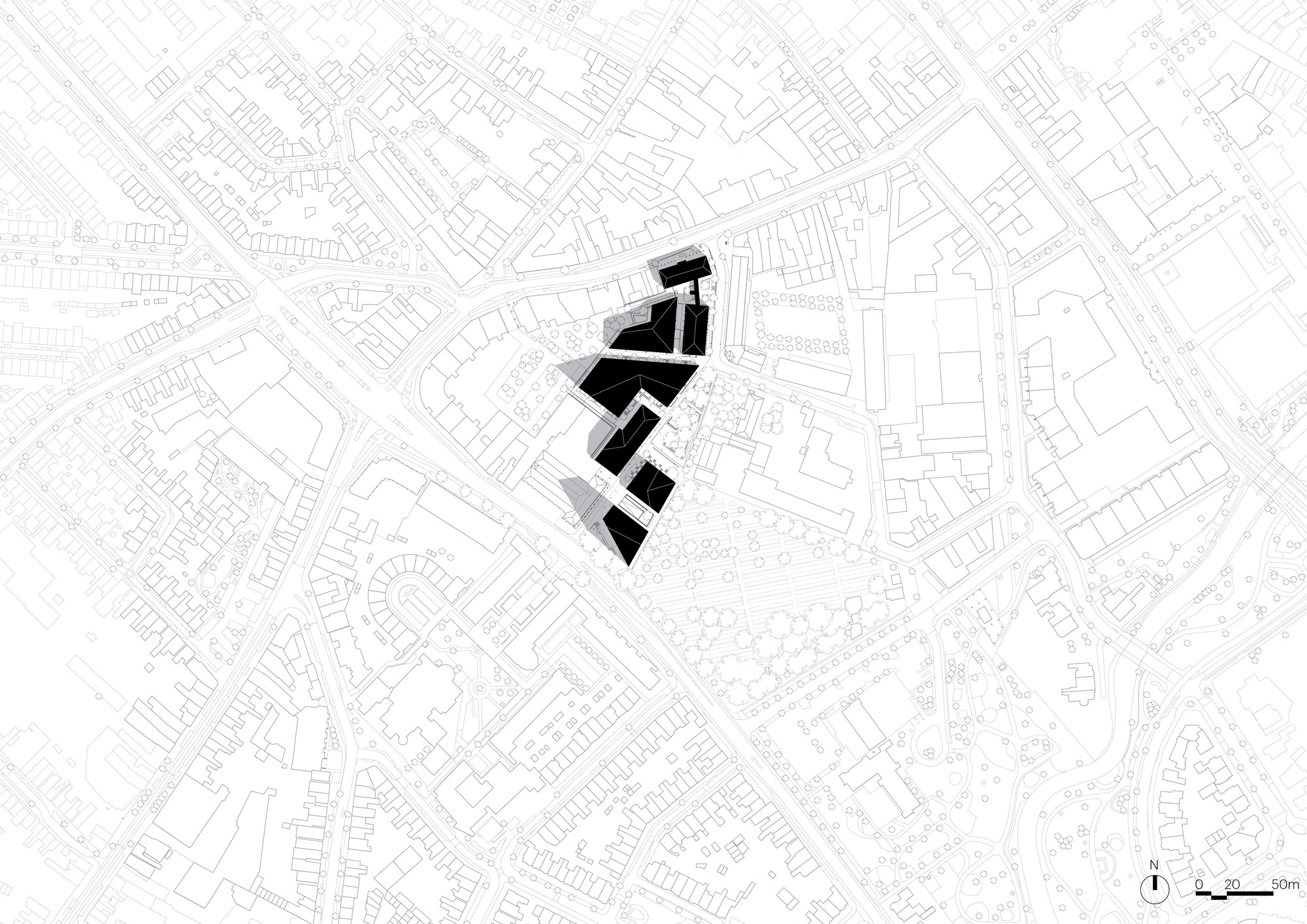
이 프로젝트를 개발한 곳은 SDK 파스트구드(SDK Vastgoed)다. 일곱 동의 건물은 도시의 저층 역사 건축물 속으로 점진적으로 스며들도록 스케일을 조정하며 배치되었다. 동네 중심부, 그로테 베르흐(Grote Berg) 거리와 맞닿은 베르트와 존 두 동은 20세기에 지어진 건물을 되살린 결과물이다. 두 건물은 한때 서로 다른 시기에 이 동네의 경찰서로 쓰였던 곳이다. 그 사이를 메우고 있던 옛 건물의 파사드를 다시 살려, 두 동을 잇는 회랑처럼 이어지는 구조물을 만들었다. 이로써 한때 이곳에 있던 건물군의 기억은 사라지지 않고 새로운 형태로 남는다.
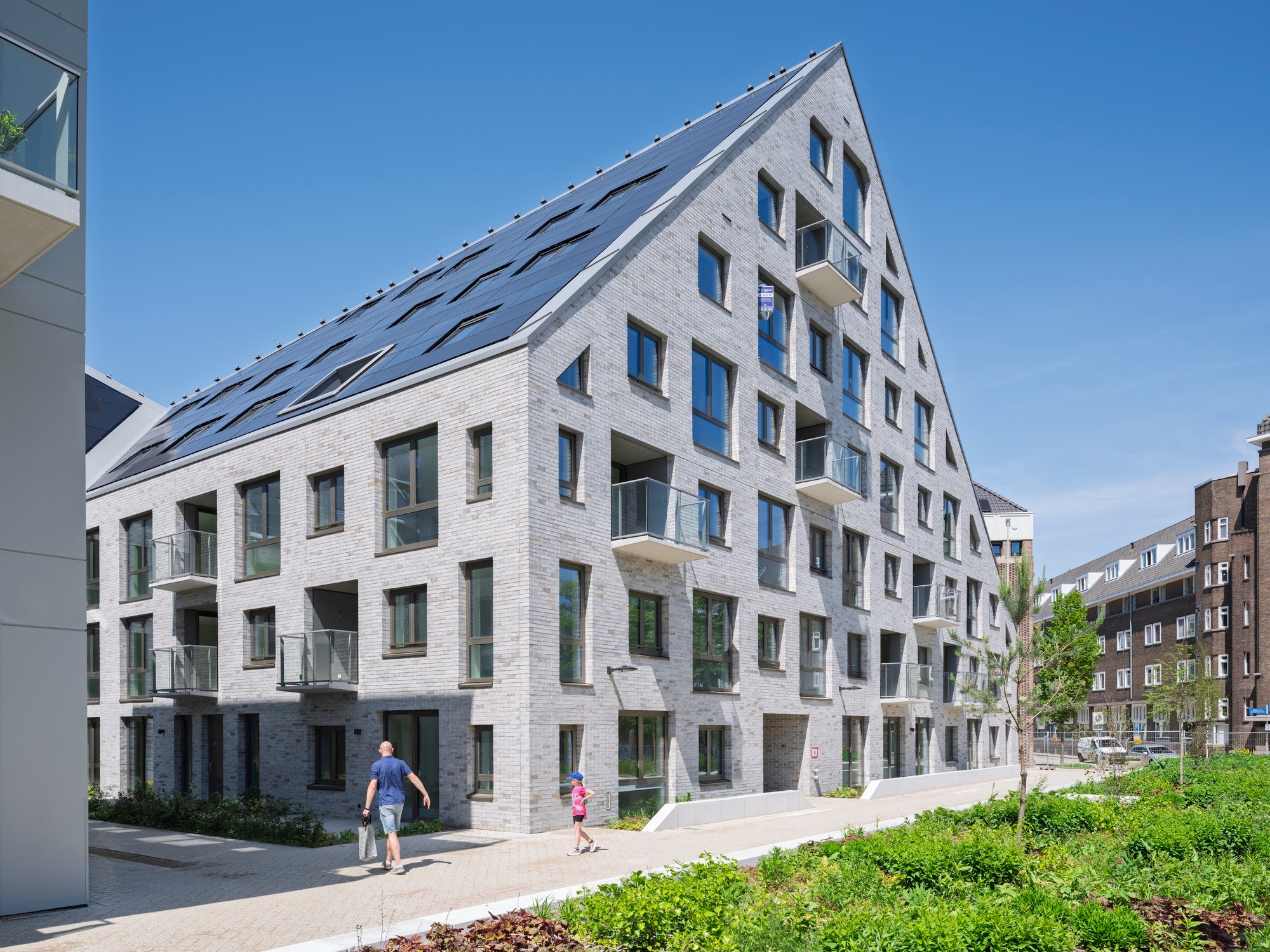
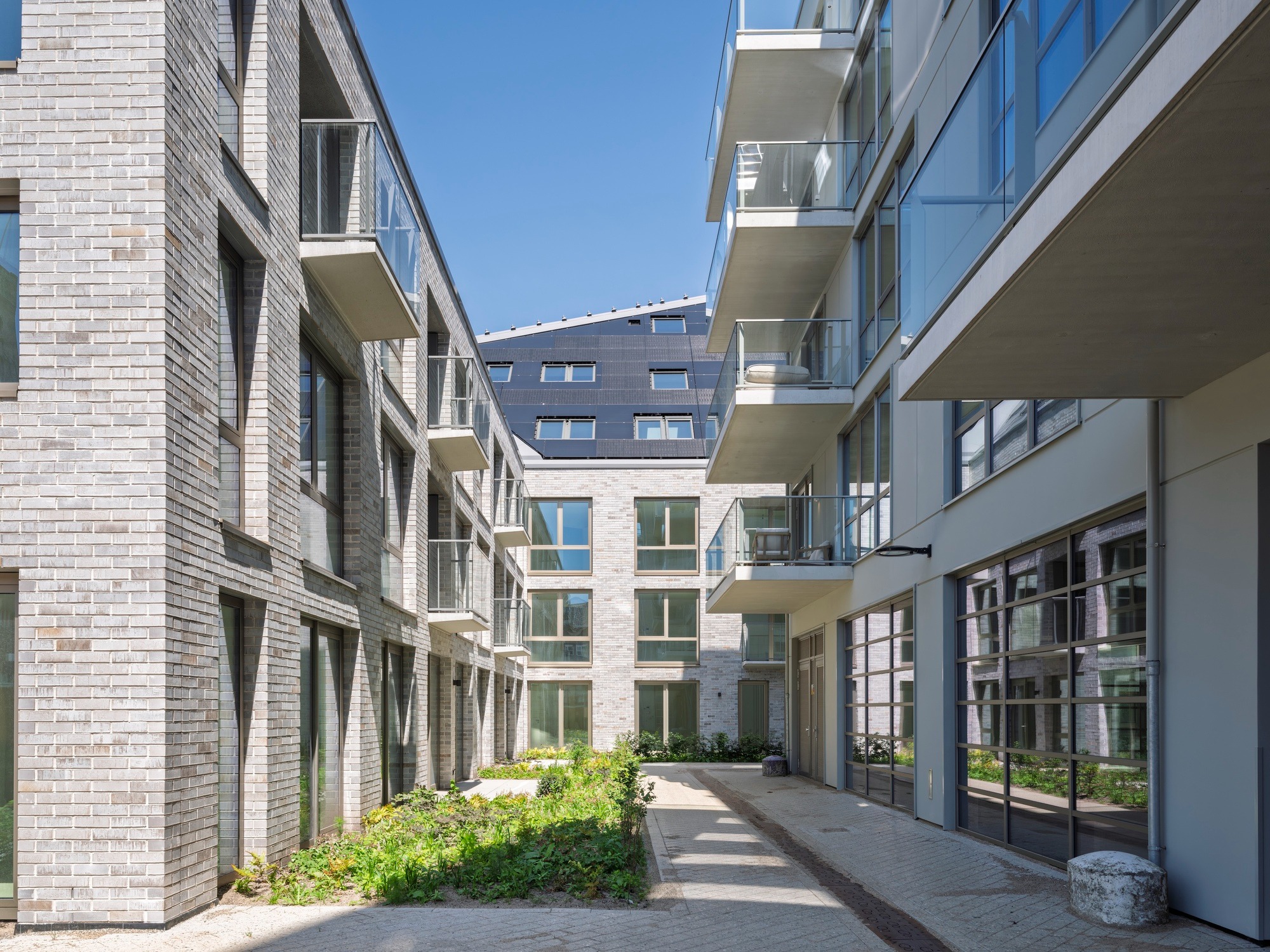
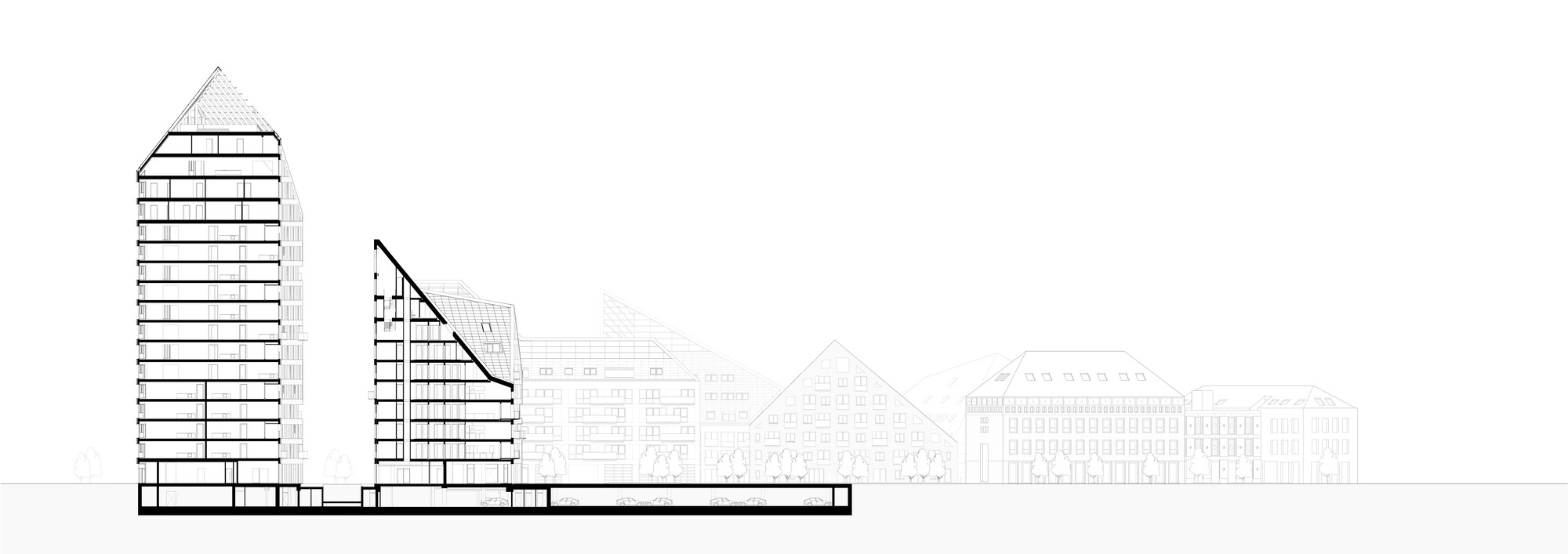
이 두 동의 리노베이션 건물 뒤편으로는 다섯 동의 신축 건물이 점차 높이를 키워가며 솟아오른다. 사회주택 48세대를 품은 6층 높이의 오랑주에서 시작해, 개발지 반대편 끝에 자리한 17층 타워 인디고에 이르기까지 — 건물의 높이는 차근차근 도시의 스카이라인을 향해 올라간다. 이 전이는 파사드 색채의 그라데이션으로 한 번 더 강조된다. 기존 두 건물의 짙은 적벽돌에서 출발해 갈색, 베이지, 연한 그레이를 거쳐 타워의 흰 석재 외피로 이어지는 색의 흐름은, 옛 동네와 새 건축이 서로 손을 맞잡고 있는 모습을 시각적으로 보여준다.
지붕이 빛을 끌어들이는 방식
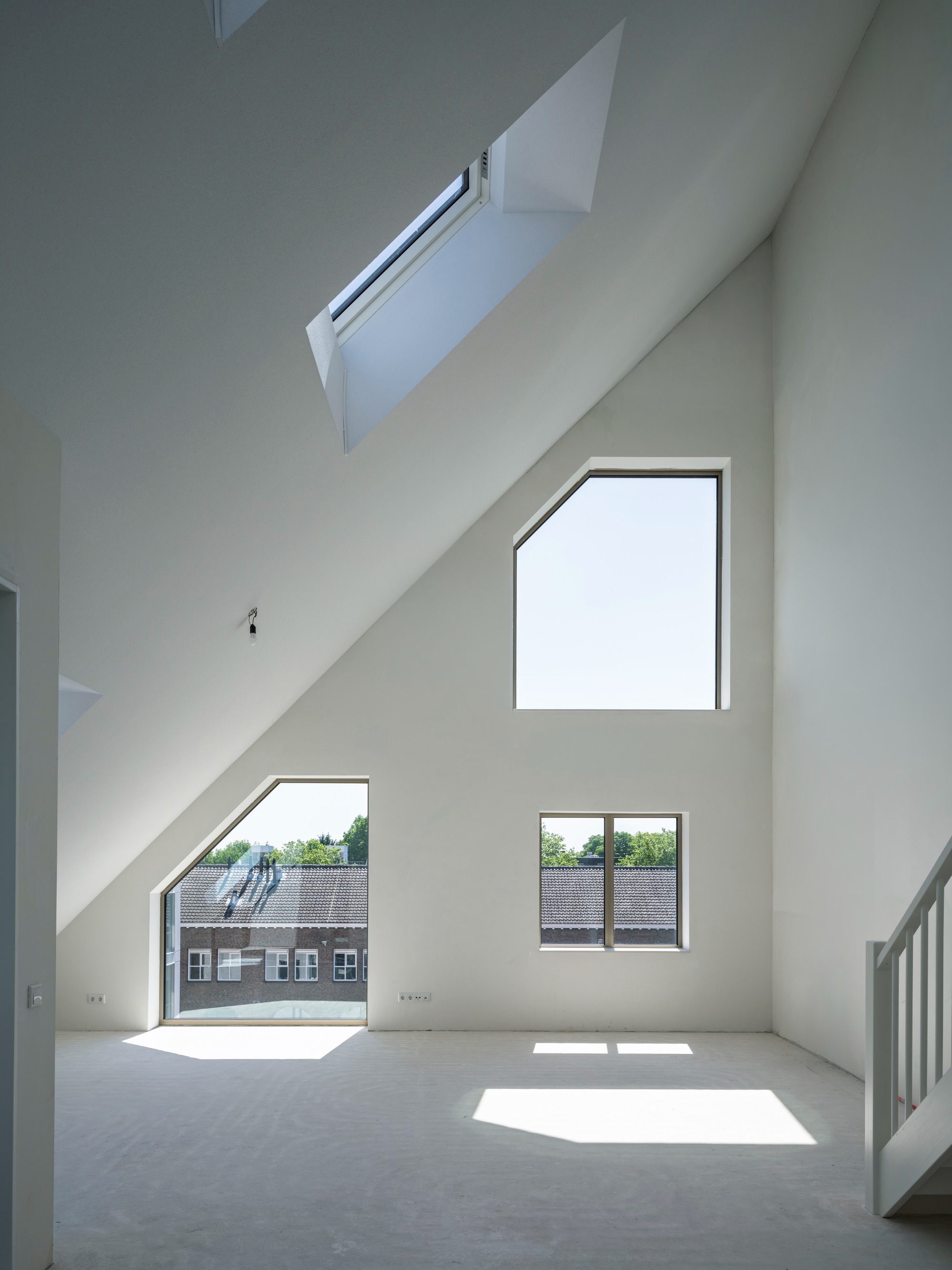
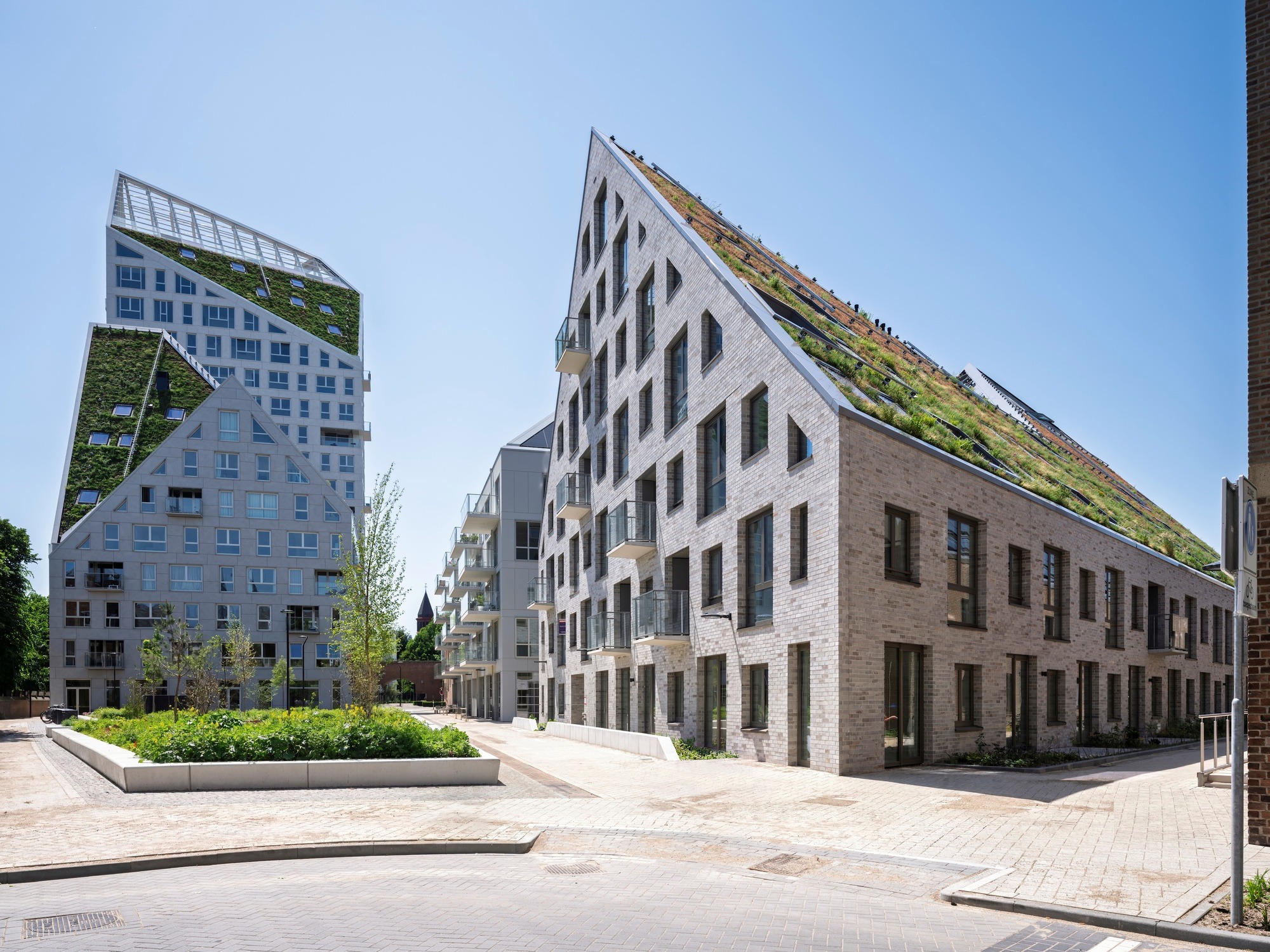
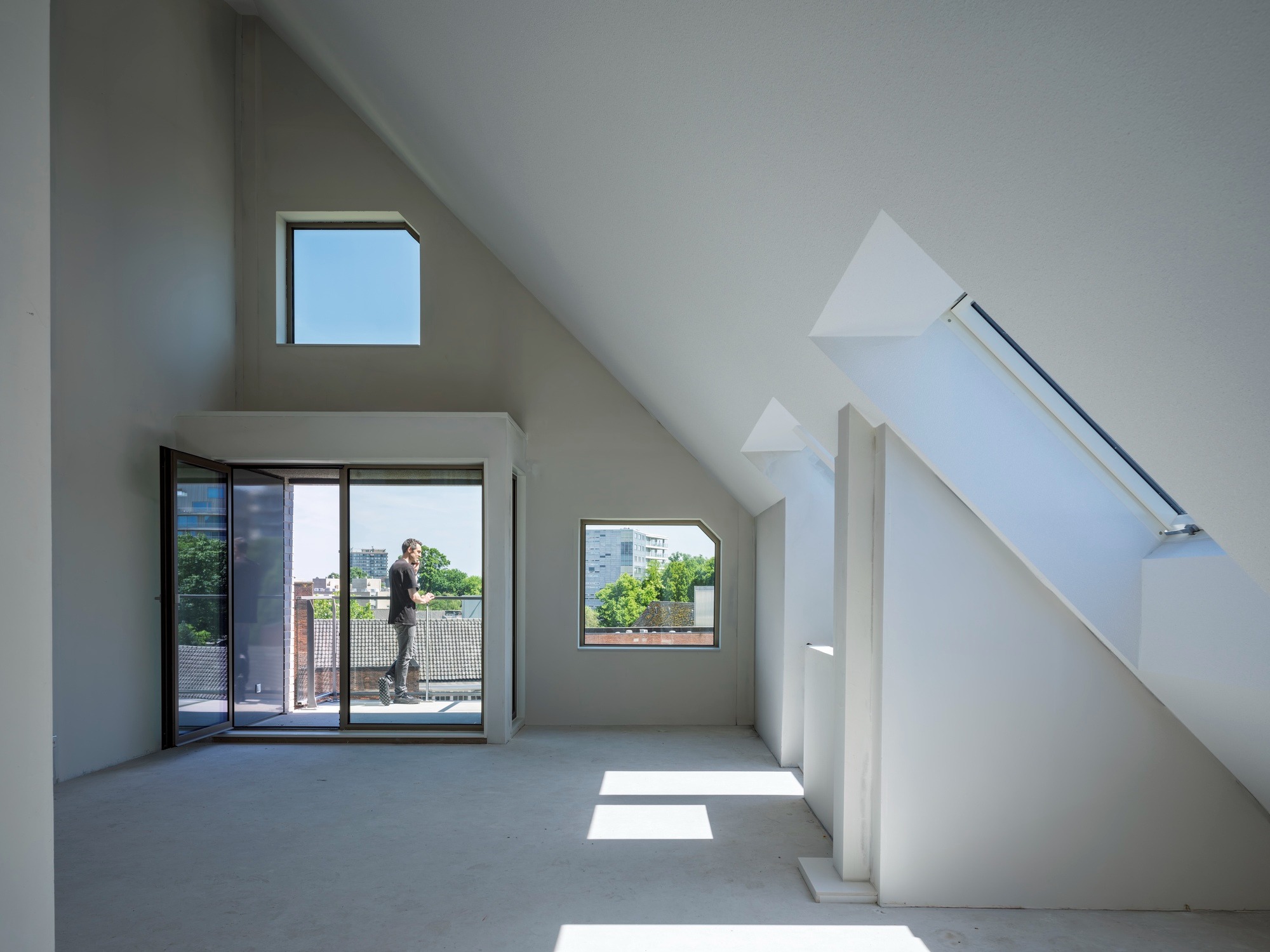
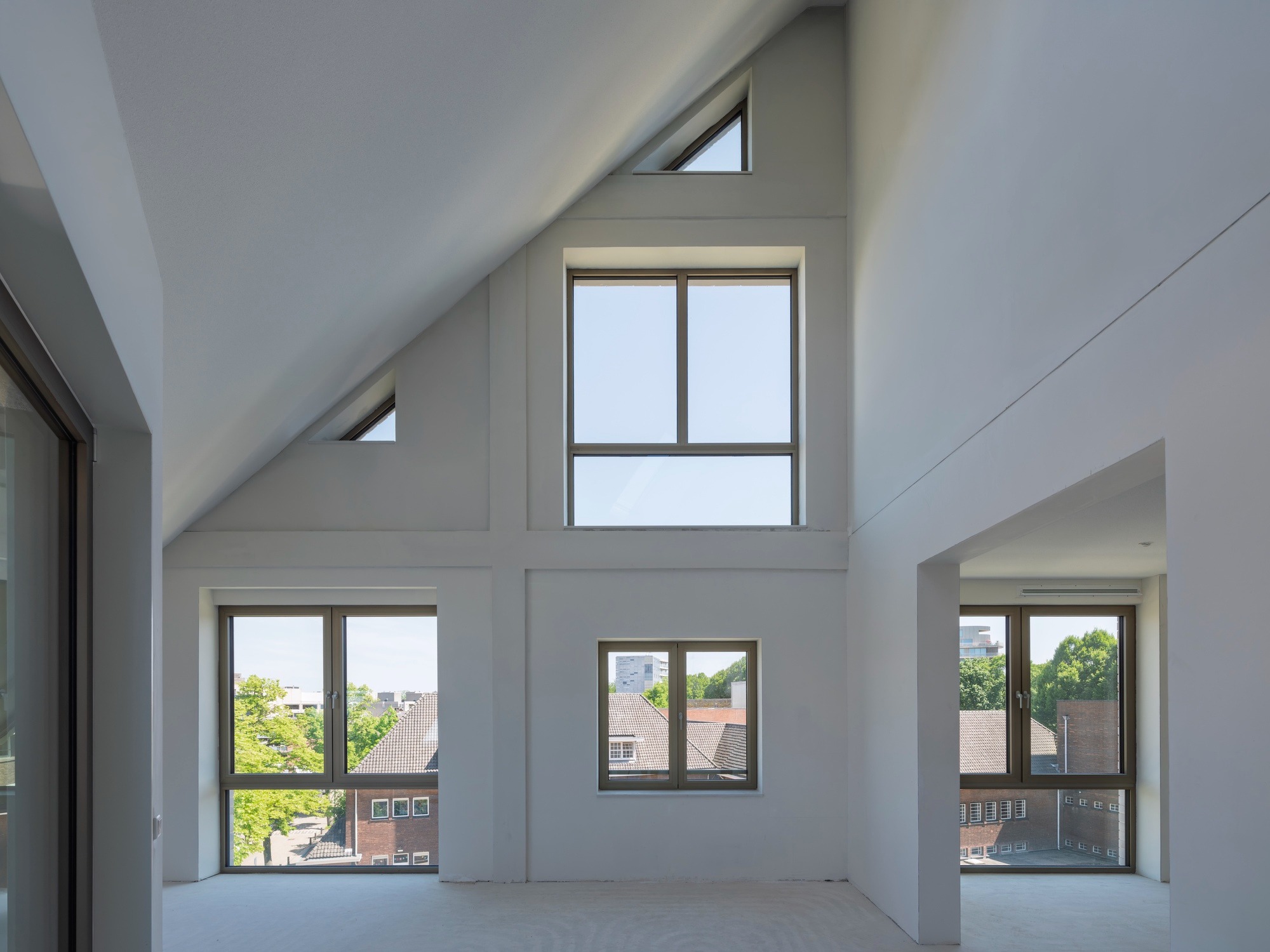
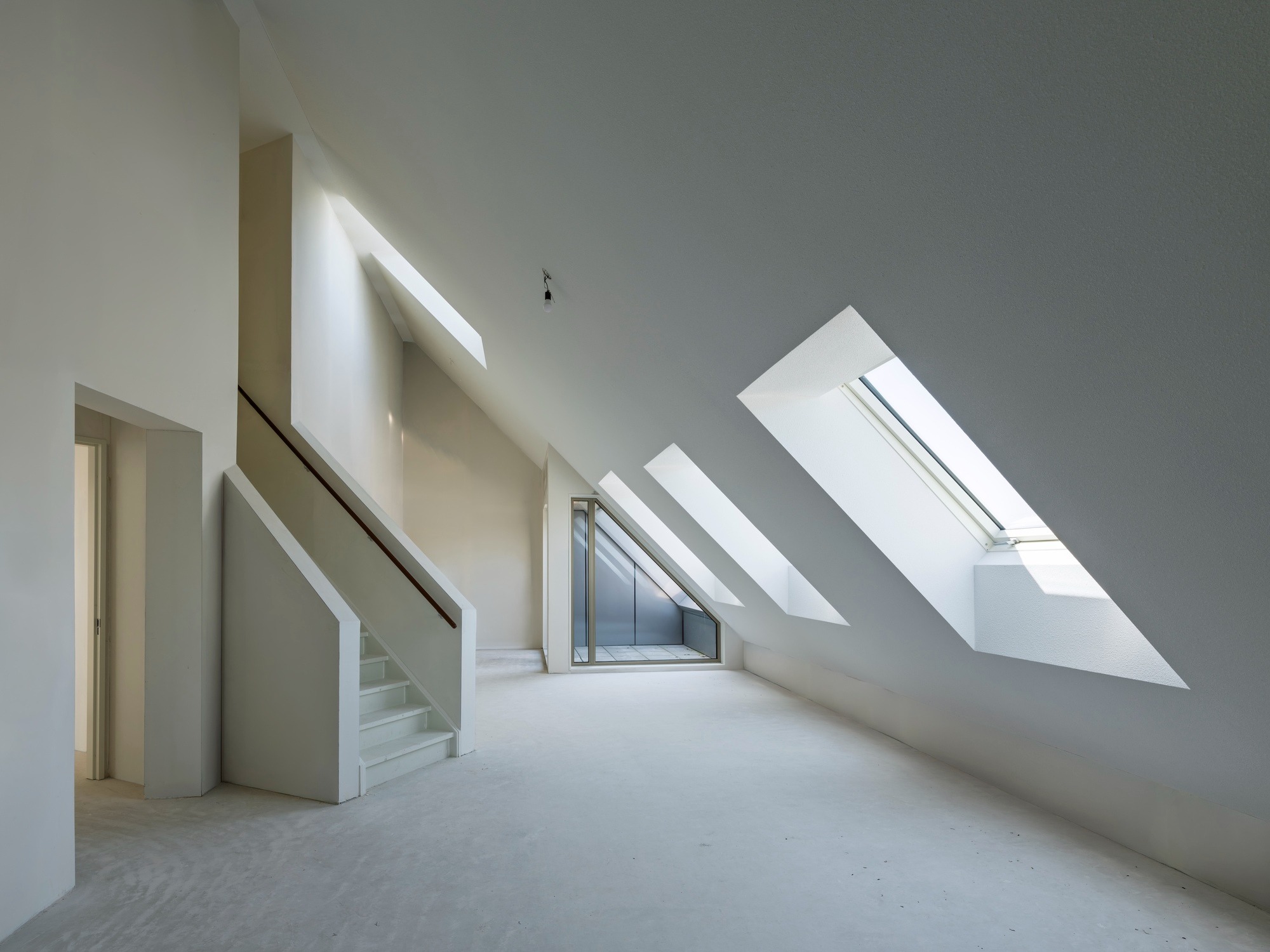
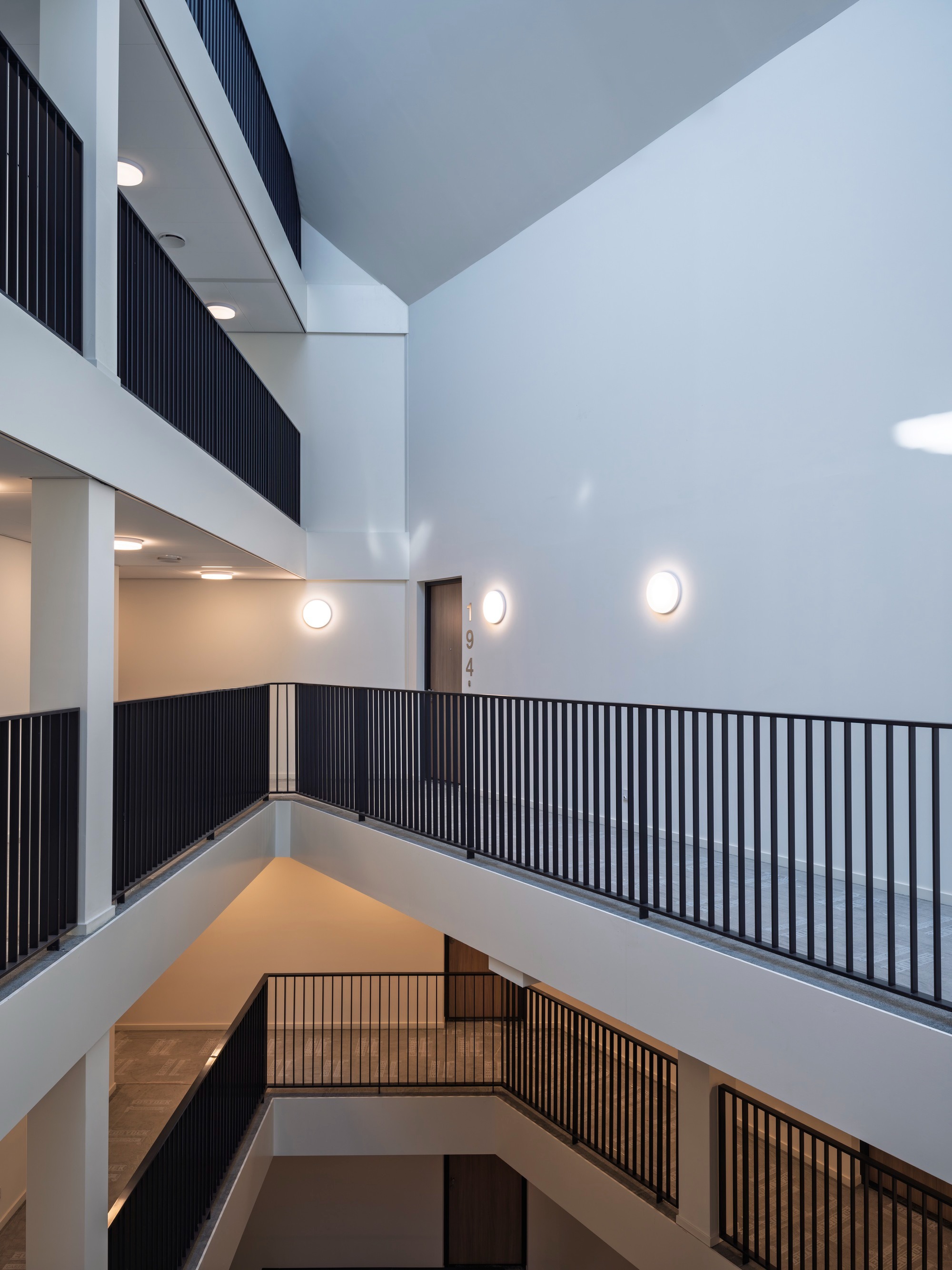
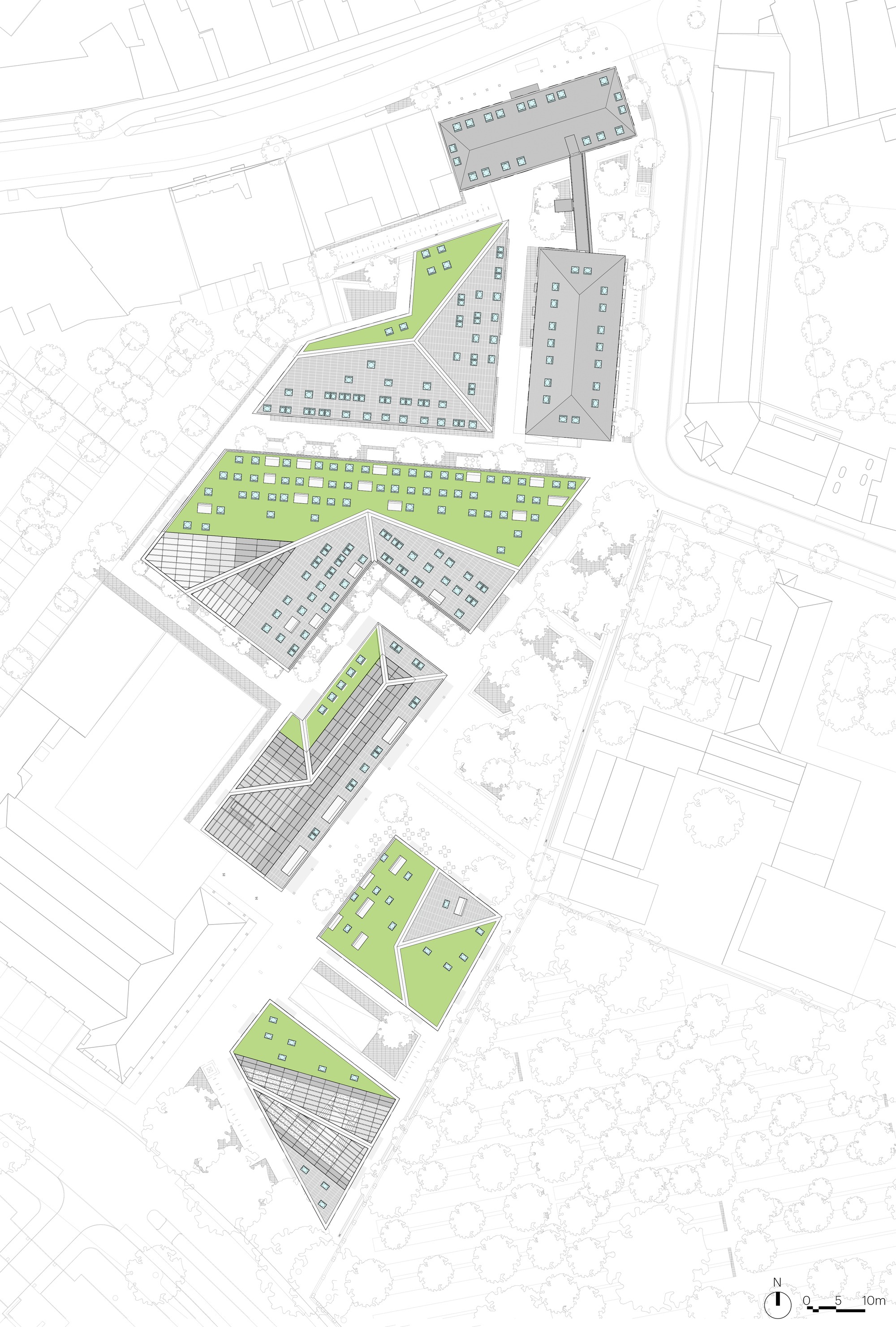
다섯 동의 신축 건물에 자리한 톱니형 지붕은 단순한 미감을 위한 장치가 아니다. 각 지붕면은 인접 건물의 기단부를 기준으로 45도 각도를 그리며 비스듬히 솟아오른다. 이 체계적인 경사 덕분에 집과 공공공간 곳곳에 빛이 고르게 들어오고, 밀도 높은 동네임에도 골목마다 개방감과 시원한 공기가 감돈다. 동시에 이 비스듬한 지붕면은 태양광 패널과 그린루프를 설치하기에도 알맞은 표면이 되어, 동네의 생물다양성을 한층 풍성하게 만든다.
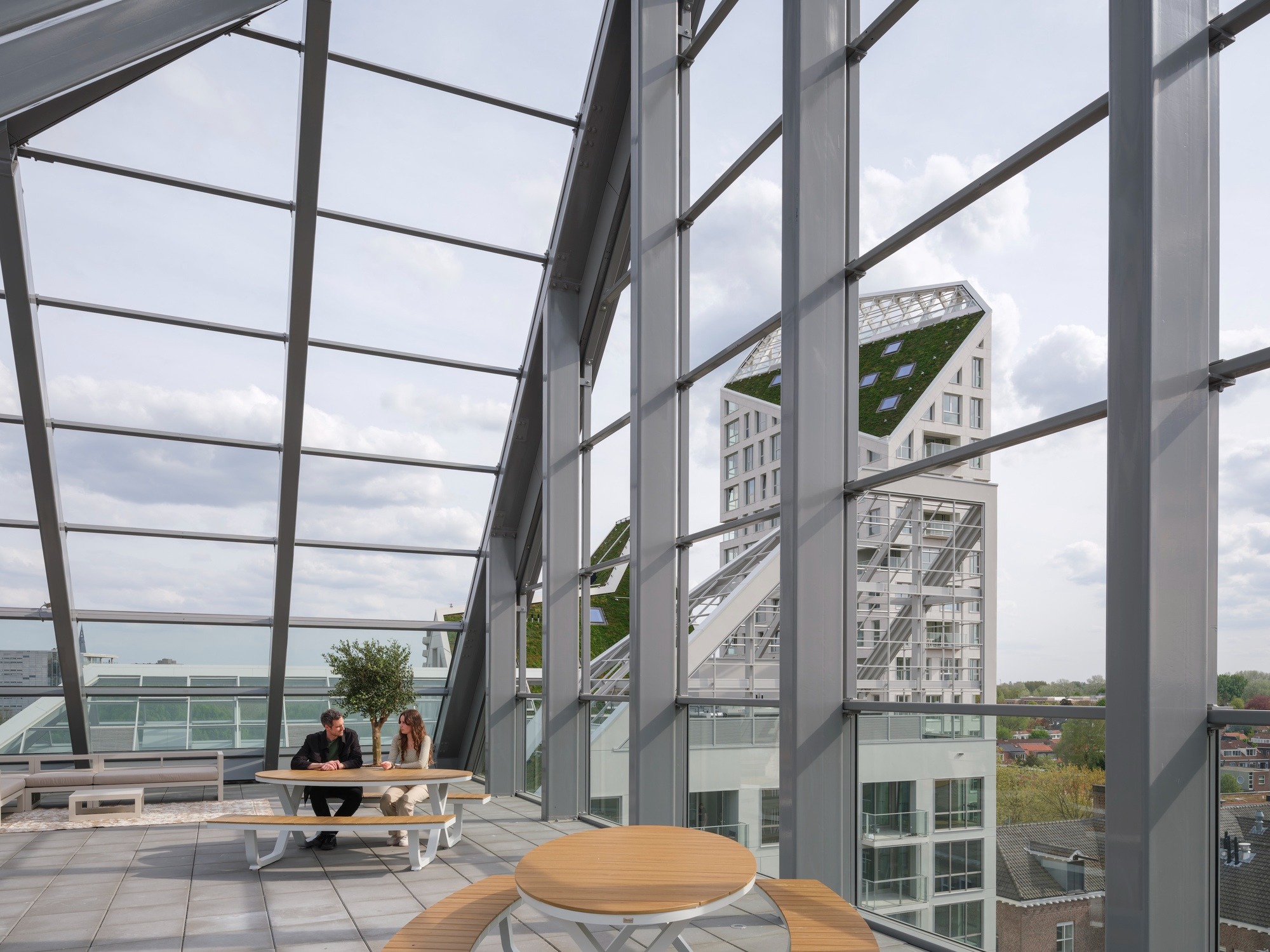
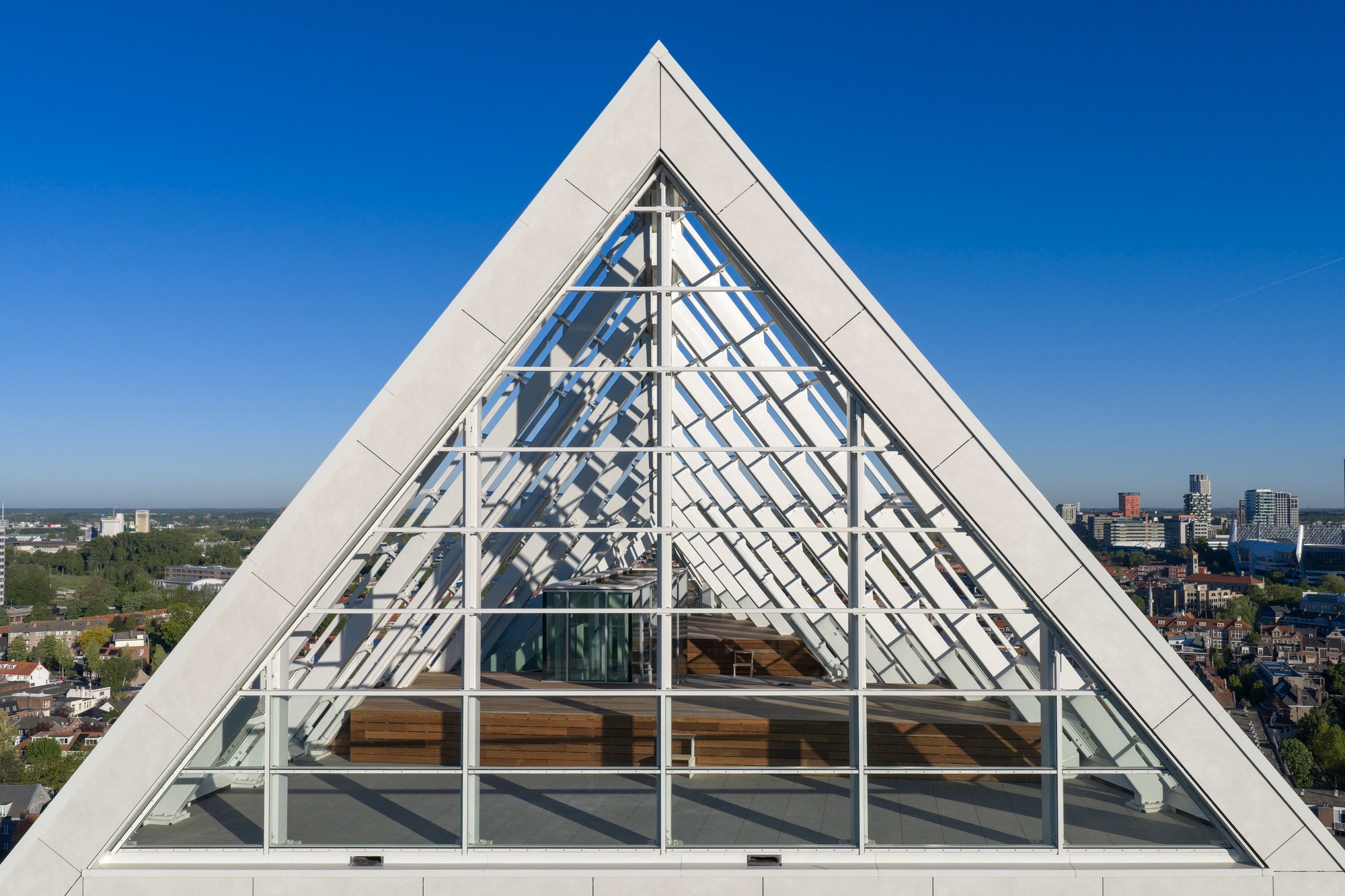
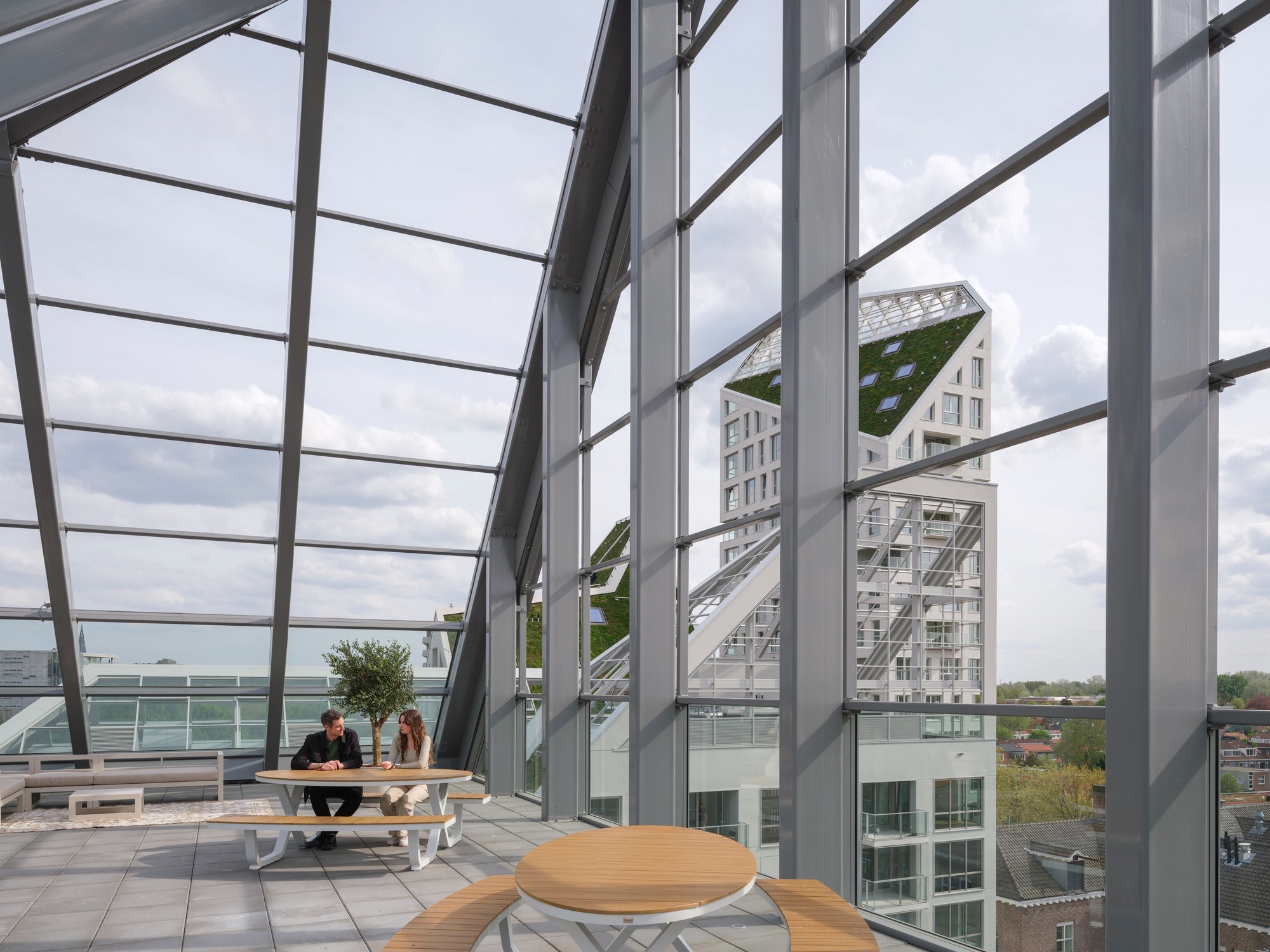
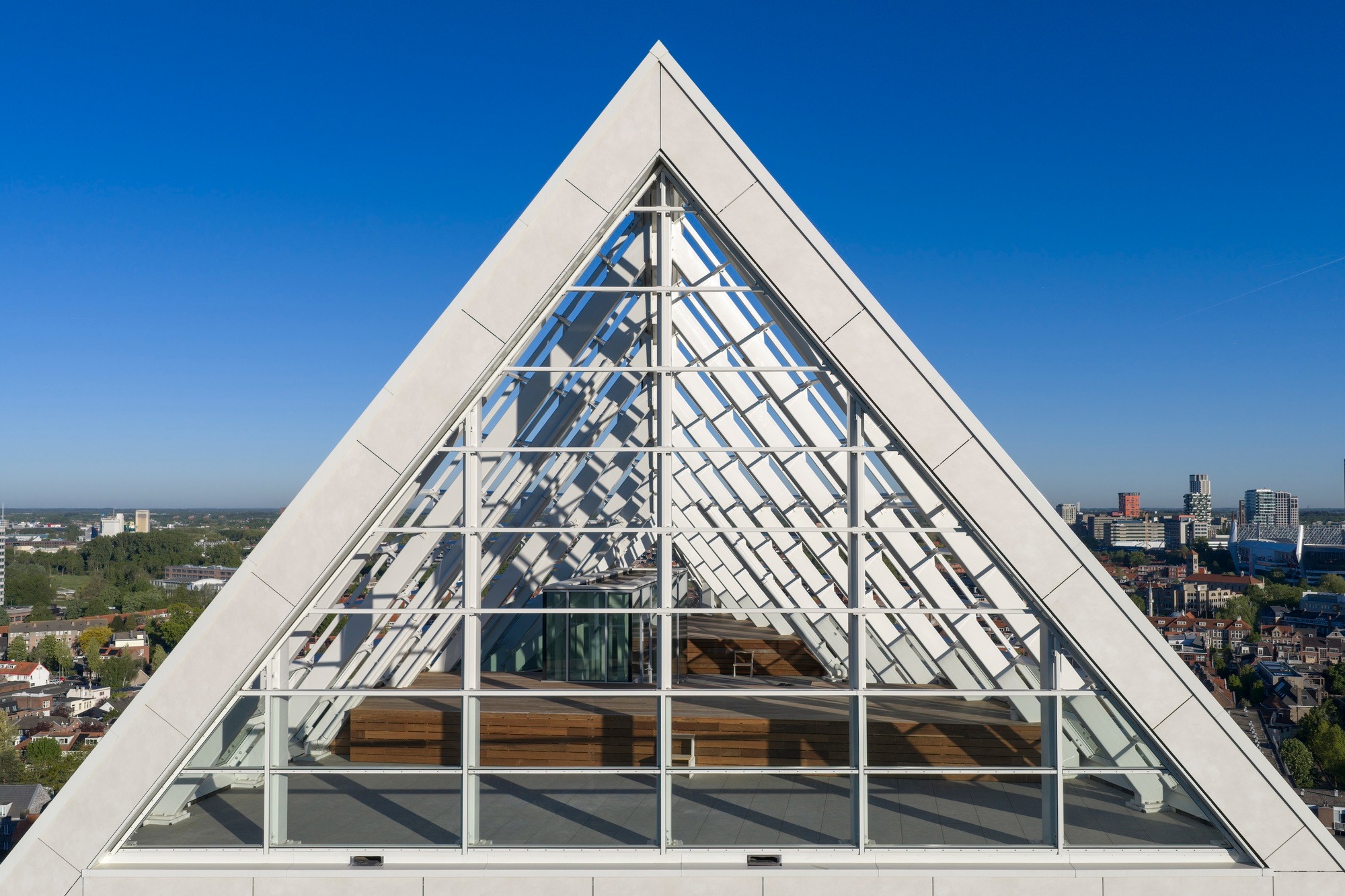
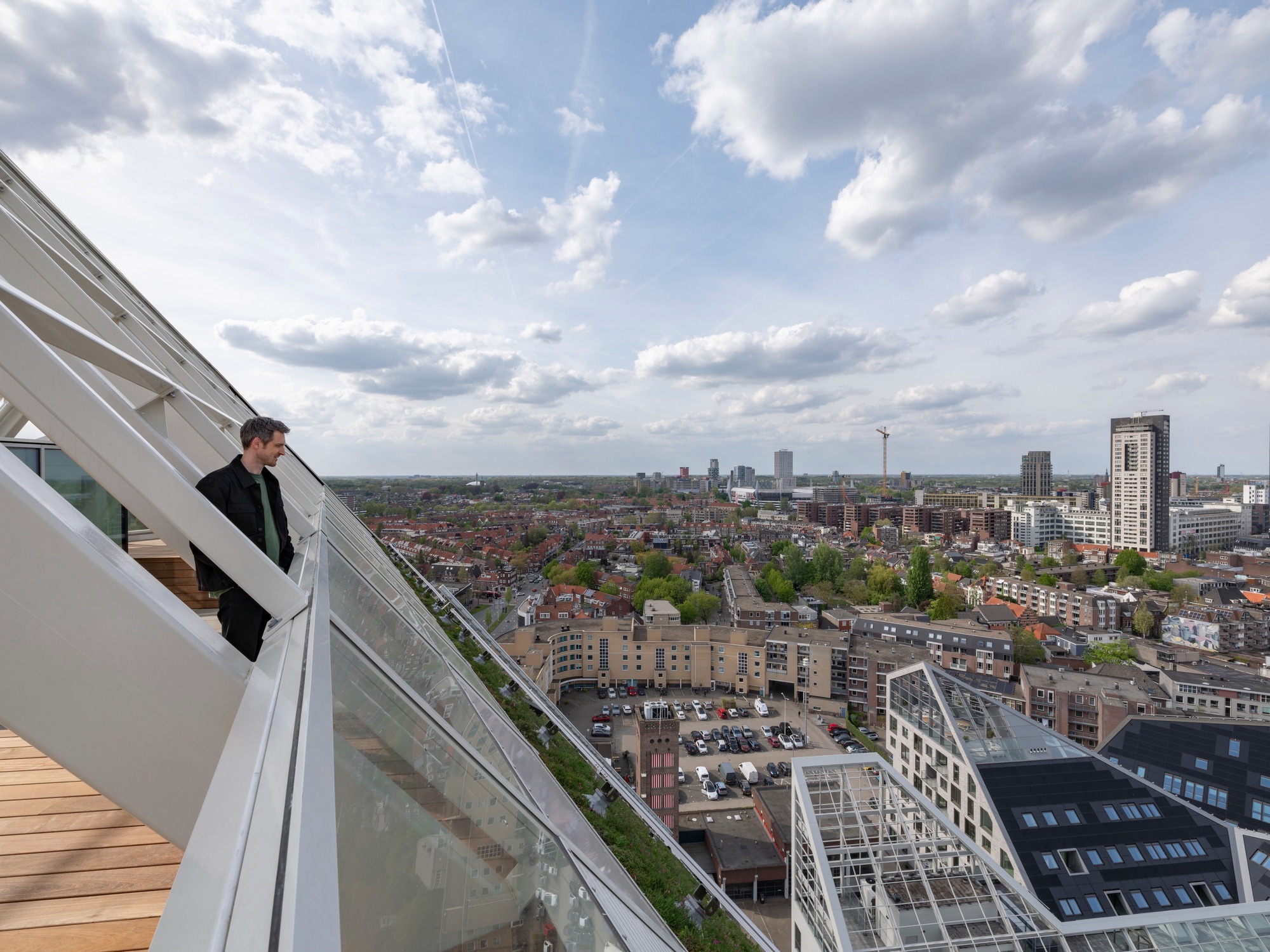
세 동의 지붕 정점에는 개방형 옥상 테라스가 자리한다. 유리 난간이 방풍벽 역할을 하며 바람을 막아주는 이 테라스 위에서, 주민들은 도시를 내려다보며 시간을 보낸다. 블루와 루즈의 옥상은 공동 공간으로 쓰이고, 블루의 옥상에는 유리로 둘러싸인 그린하우스도 자리해 주민들이 함께 텃밭을 가꿀 수 있다. 사진 속 한 테라스에서는 올리브나무 한 그루를 사이에 두고 두 사람이 마주 앉아 이야기를 나누고 있다. 유리와 철골로 짜인 지붕 구조 사이로 멀리 다른 동의 그린루프와 도시 풍경이 겹쳐 보인다. 이런 풍경은 이 프로젝트가 추구하는 '함께 머무는 공간'이 어떤 모습인지를 단적으로 보여준다.
거리에서 만나는 공동체의 풍경
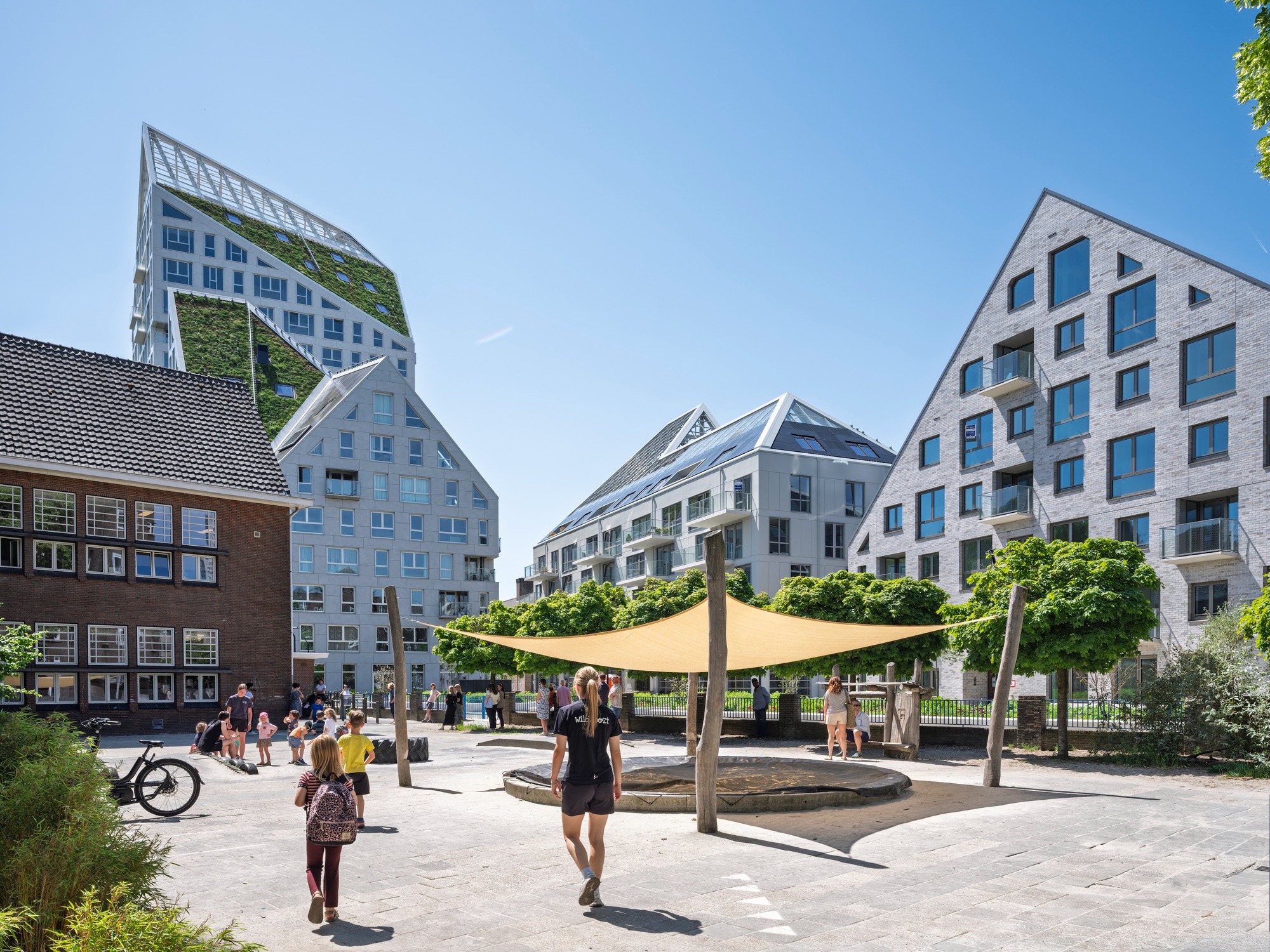
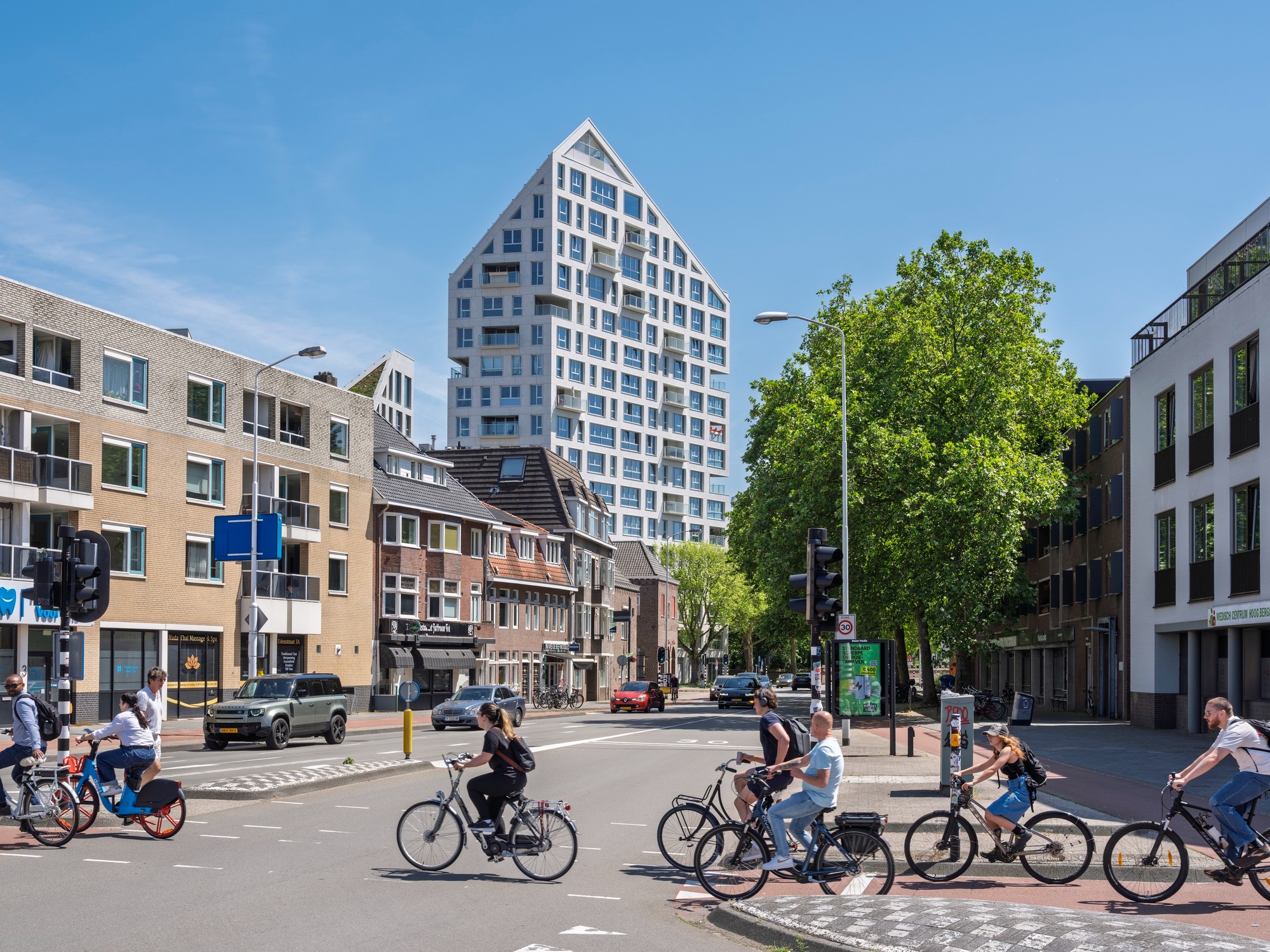
인디고, 바이올렛, 블루, 베르트, 존의 1층에는 상업공간이 자리한다. 이 공간들은 차량 없는 보행 광장과 만나며, 볕이 잘 드는 거리에서 사람들이 자연스럽게 머물도록 이끈다. 식사를 하거나 음료를 즐길 수 있는 테라스도 넉넉히 마련되어, 거리 자체가 하나의 생활공간으로 기능한다. 실제로 광장에는 그늘막 아래에서 아이들이 뛰어놀고, 어른들은 산책로를 따라 걷는다. 톱니형 지붕과 격자형 창문이 만들어내는 입체적인 스카이라인은 이 거리의 배경이 되어, 일상의 풍경에 독특한 리듬을 더한다.
MVRDV의 공동 설립자 야콥 반 라이스는 이 동네의 성격에 대해 이렇게 설명한다. 데 베르헌은 에인트호번에서 가장 오래되고 고유한 분위기를 지닌 지역 중 하나로, 작은 레스토랑과 부티크 상점들로 알려진 매력적인 동네라고 그는 말한다. 한때 관공서 건물과 주차장으로 채워져 있던 이 부지를 하루 종일 활기가 머무는 거주 공간으로 바꾸기 위해, 동네에 자연스럽게 녹아드는 개성 있는 건물을 짓고자 했다고 그는 덧붙인다. 경사 지붕은 아파트에 사는 주민과 거리를 걷는 방문객 모두에게 이로운 방식으로 이 목표를 이뤄낸다. 그 결과로 탄생한 것은 산악 지형을 닮은 흥미로운 윤곽선을 지닌, 점잖으면서도 동시에 과감한 건물들의 행렬이다. 야콥 반 라이스는 이를 두고 데 베르헌(De Bergen)에 진짜 '베르헌(berg, 산)'을 더한 셈이라고 말한다.
지속가능한 미래를 향한 토대
이 프로젝트의 설계 전반에는 지속가능성이라는 화두가 깊이 새겨져 있다. 기존 건물을 허물지 않고 되살리는 방식은 건축 과정에서 발생하는 내재 탄소(자재 생산과 시공 과정에서 배출되는 탄소)를 줄인다. 여기에 에너지 효율이 높은 설비, 태양광 패널, 그린루프가 더해지며 건물 운영 단계의 탄소 배출도 함께 낮춘다. 조경과 옥상 녹화가 어우러지면서 생물다양성은 한층 풍성해지고, 도심의 열기를 식히는 한편 빗물을 저장하는 기능까지 수행해 주민들의 생활 환경을 두루 개선한다. 니우 베르헌은 신중한 설계가 어떻게 도시의 밀도를 높이면서도 그 지역 고유의 성격과 지속가능성, 그리고 공동체를 함께 지켜낼 수 있는지를 보여주는 하나의 사례로 남는다.
프로젝트 정보
위치: 네덜란드 에인트호번, 데 베르헌
설계: MVRDV
시행: SDK 파스트구드(SDK Vastgoed)
세대수: 237세대
완공: 2026년
사진: 오시프 반 두이벤보더(Ossip van Duivenbode)
Write by Claude & Jean Browwn
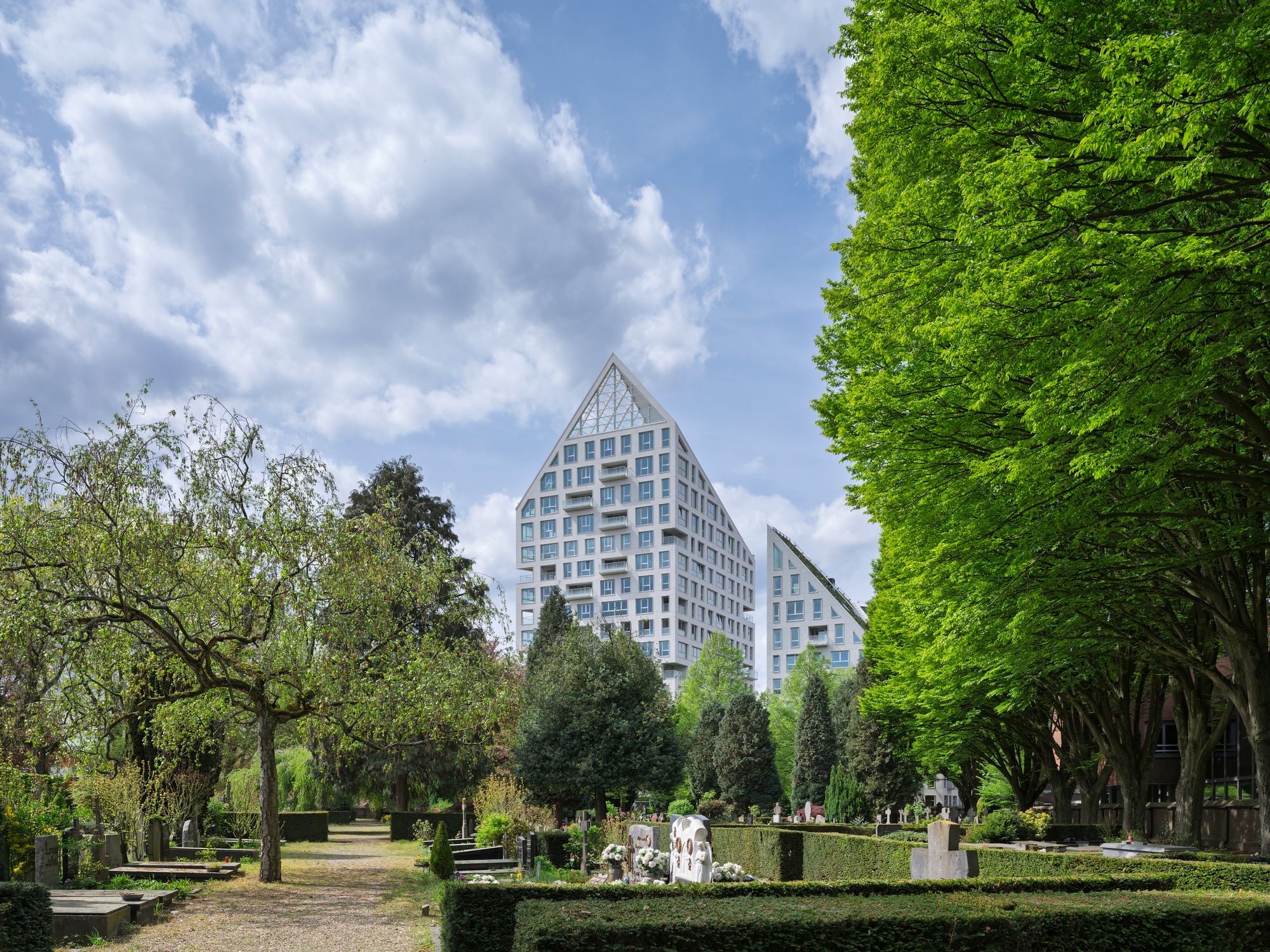
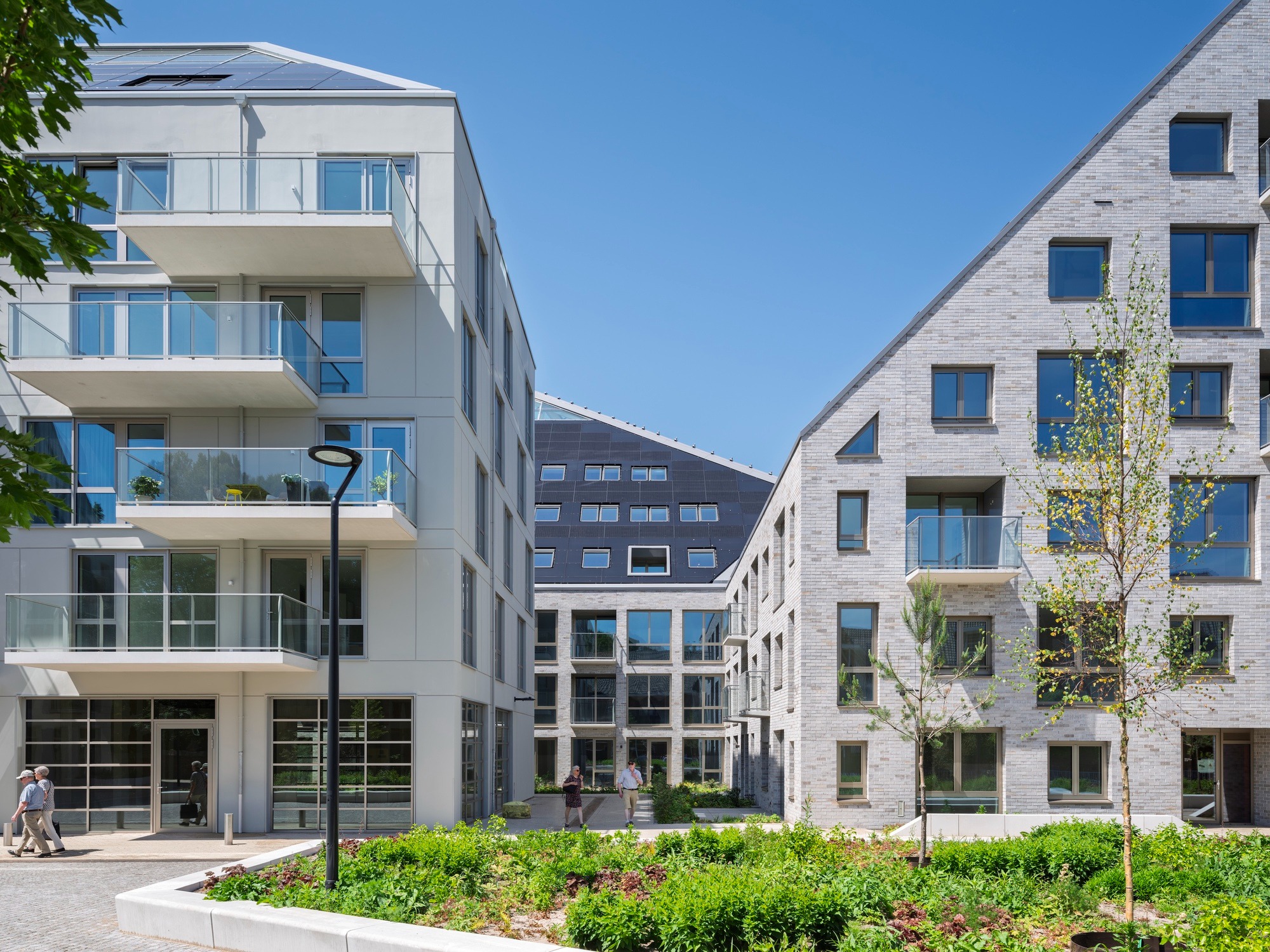

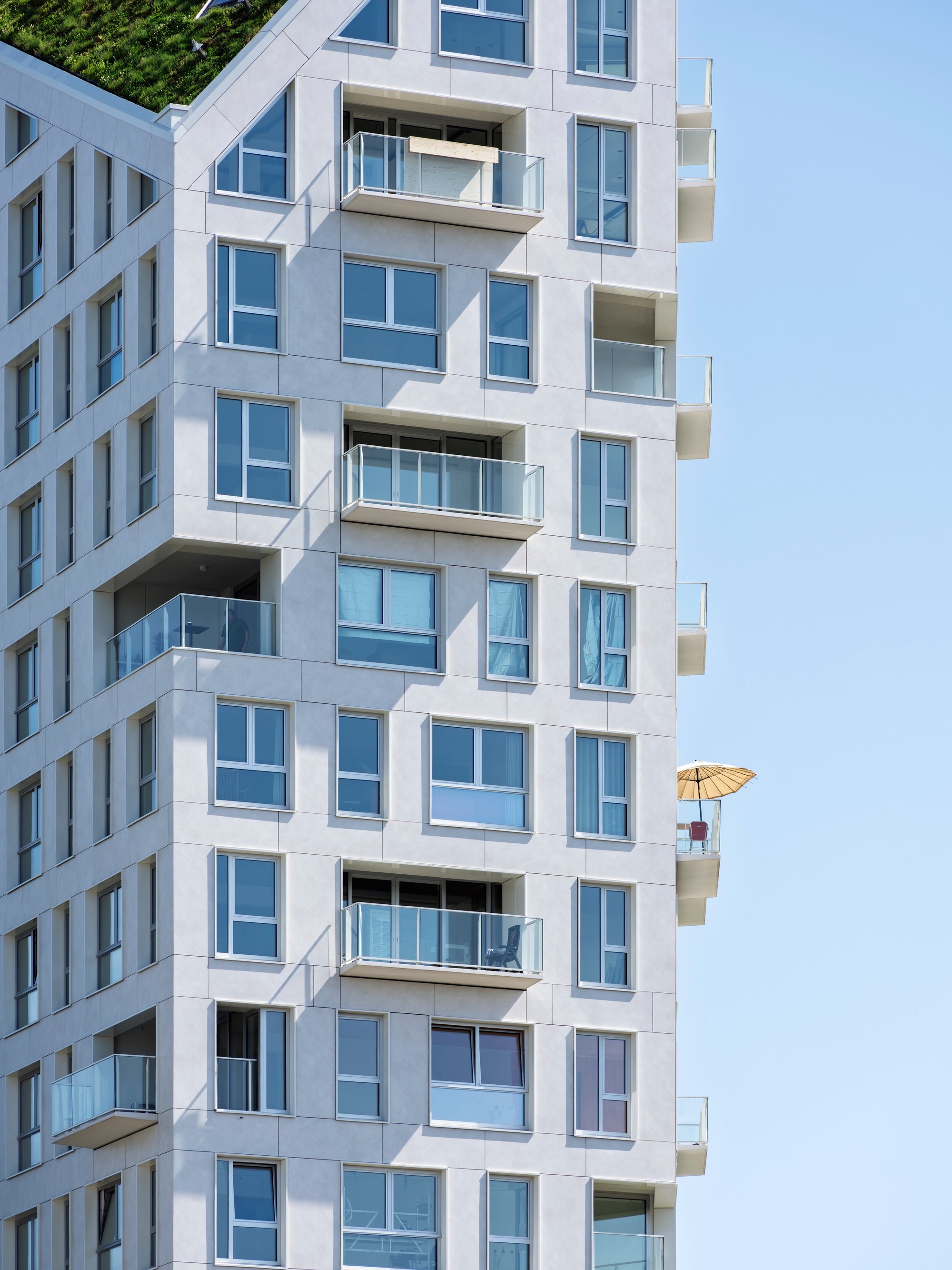
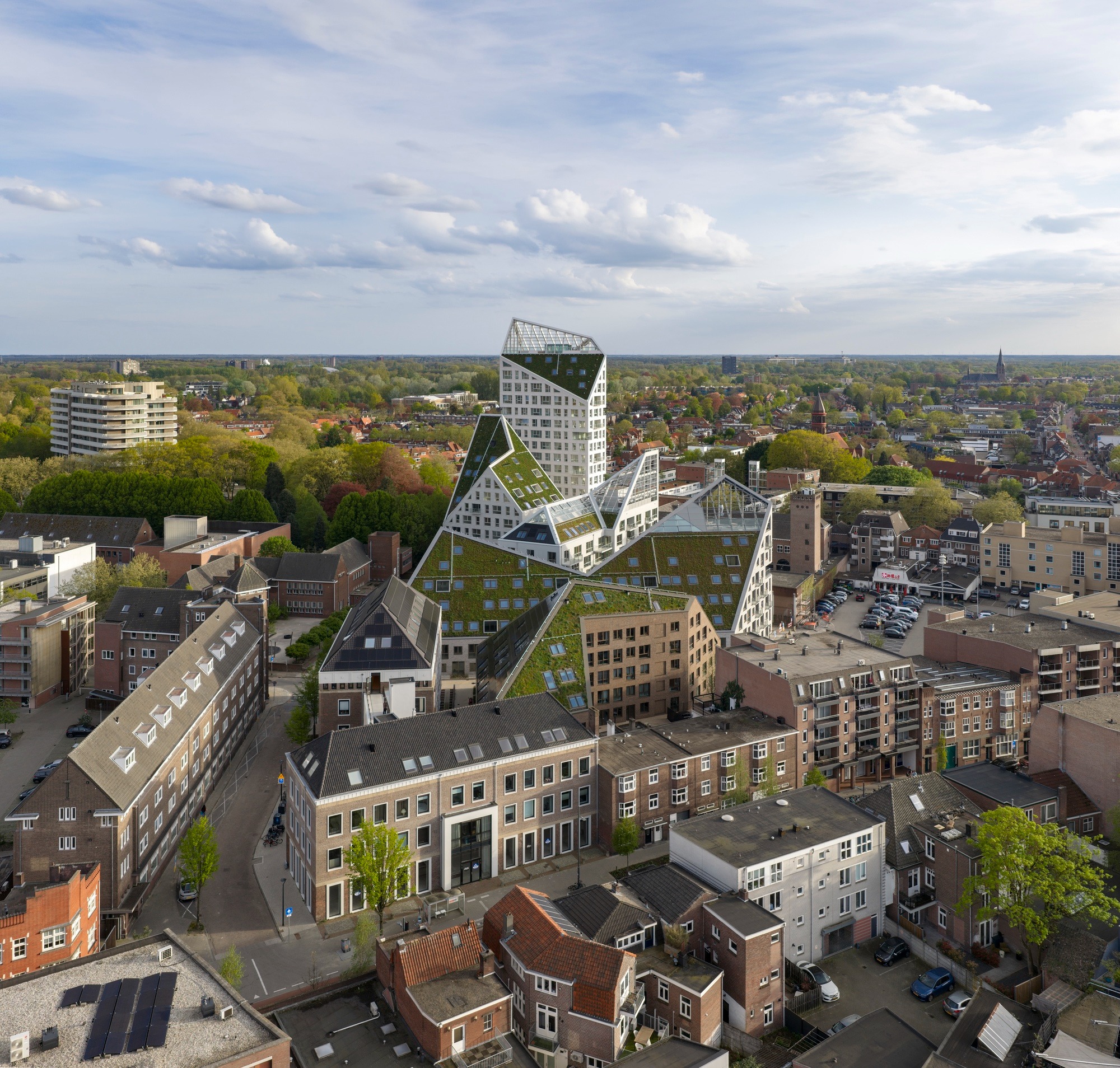
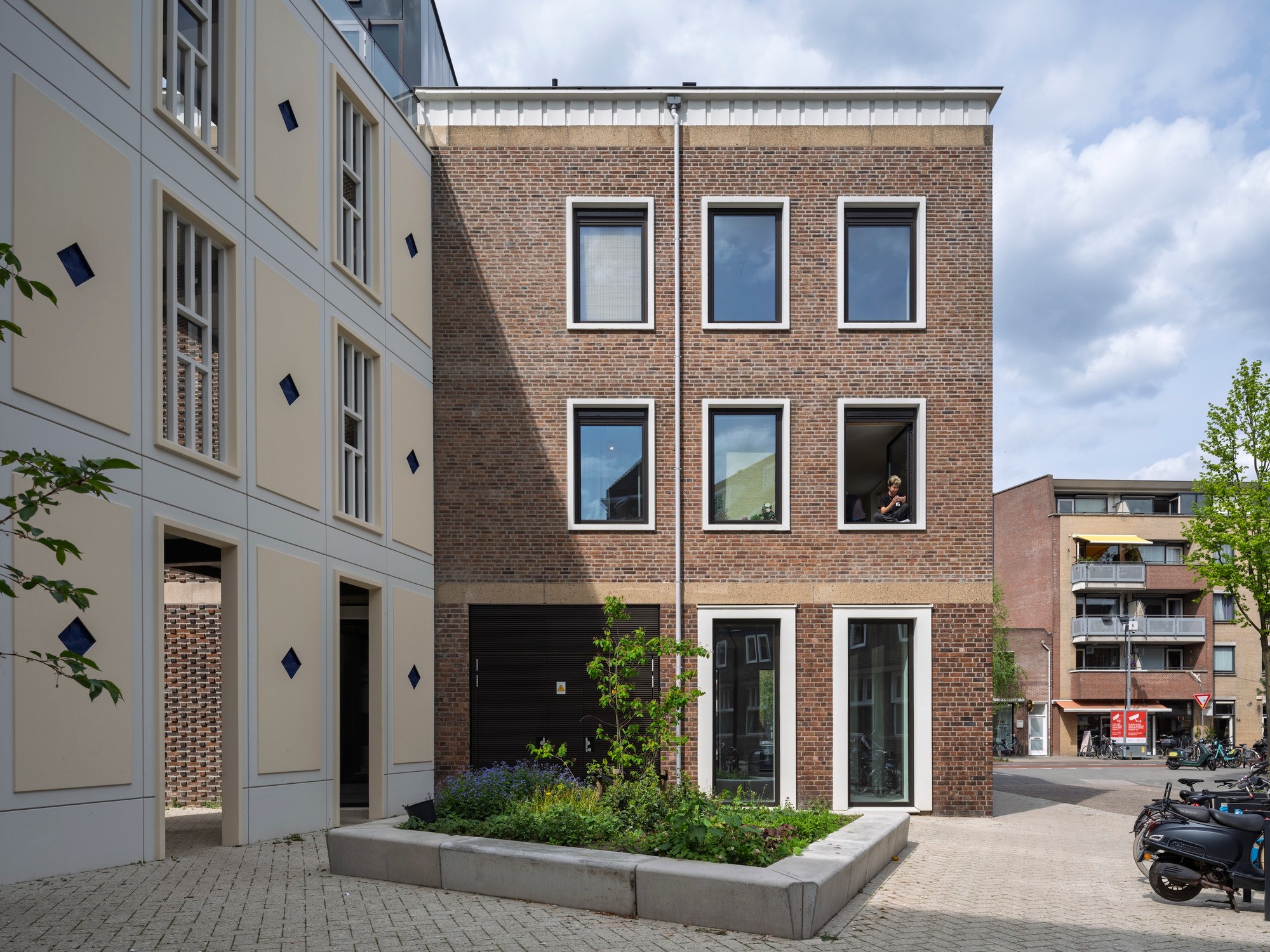
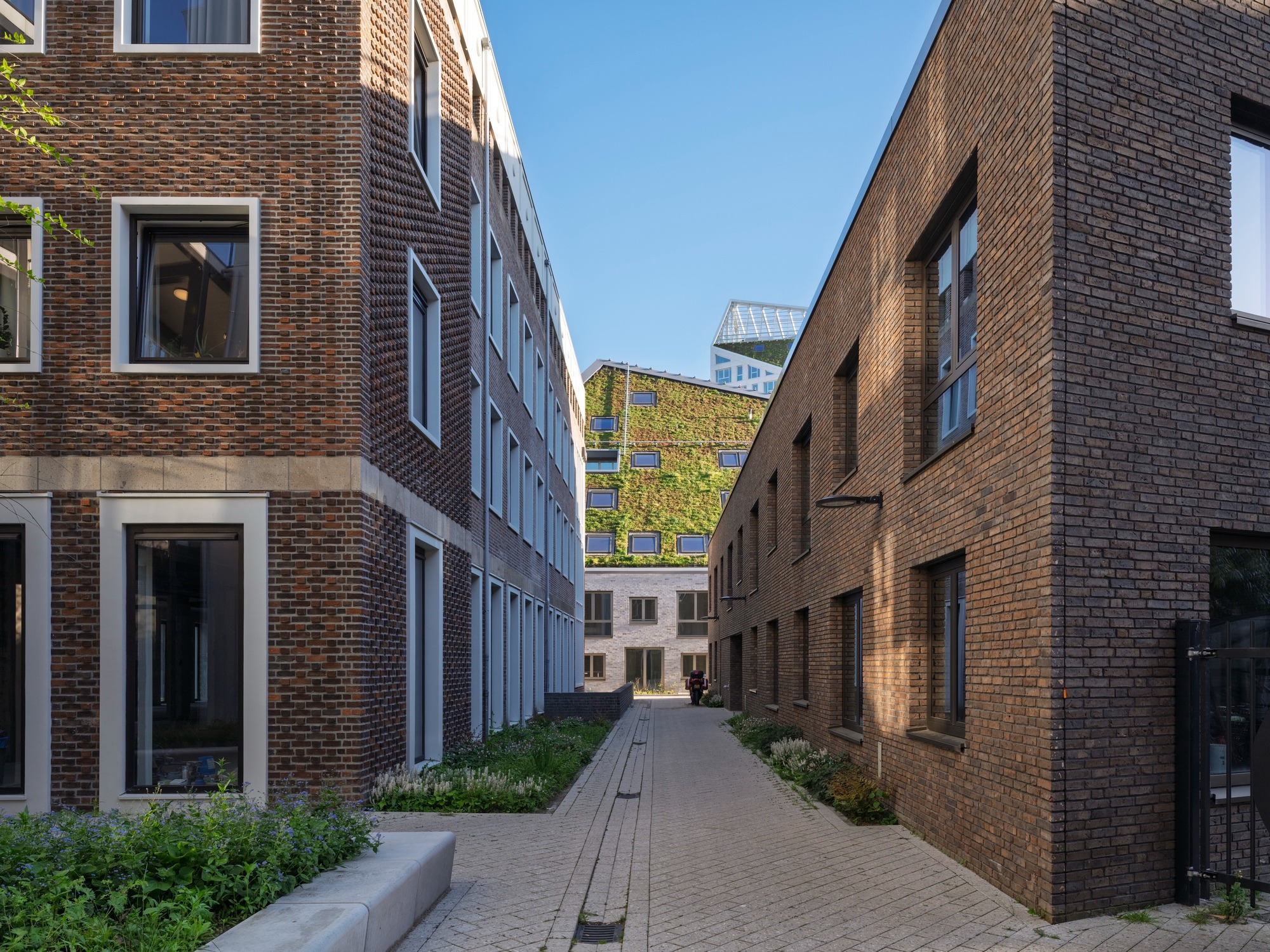
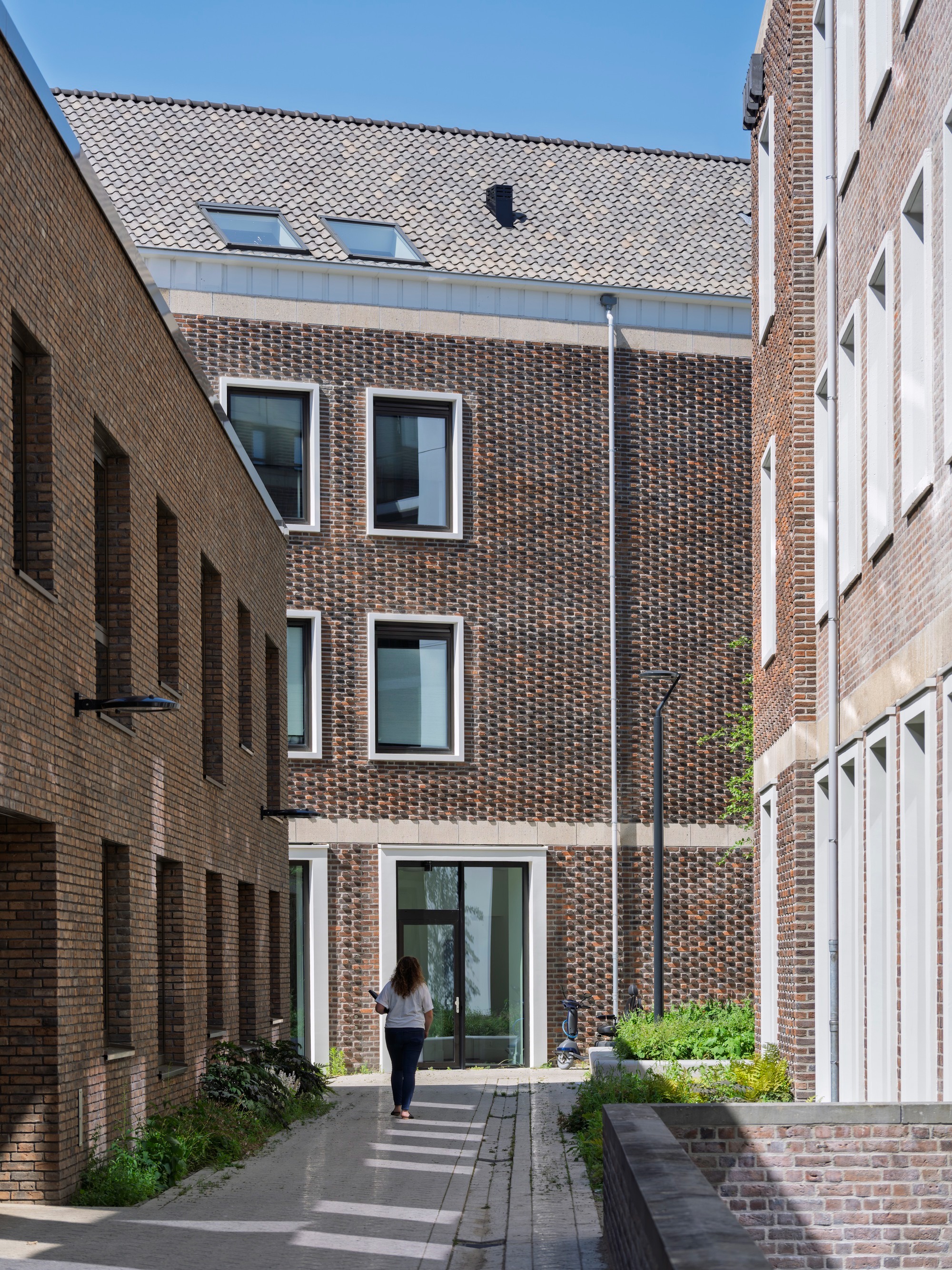
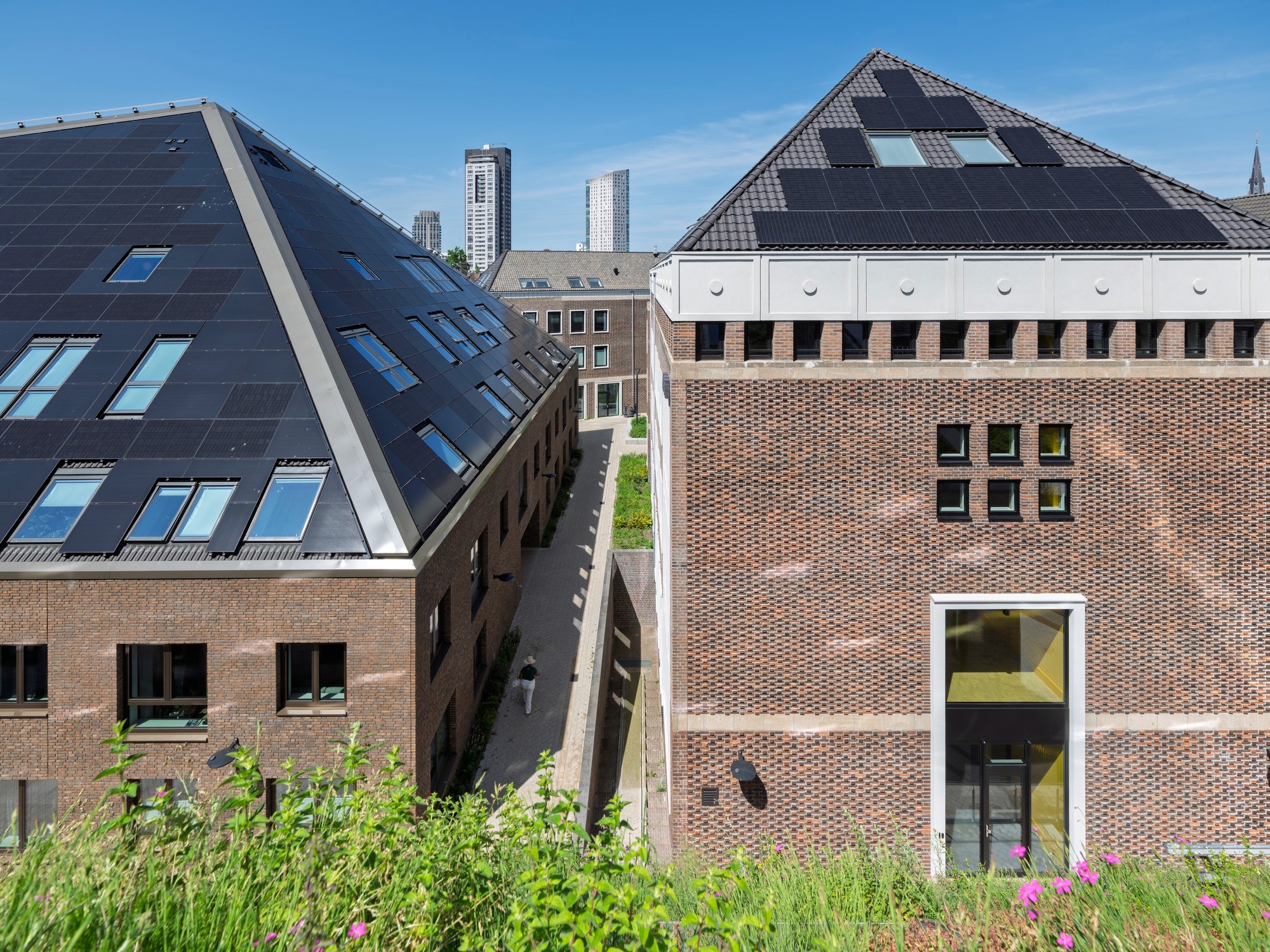
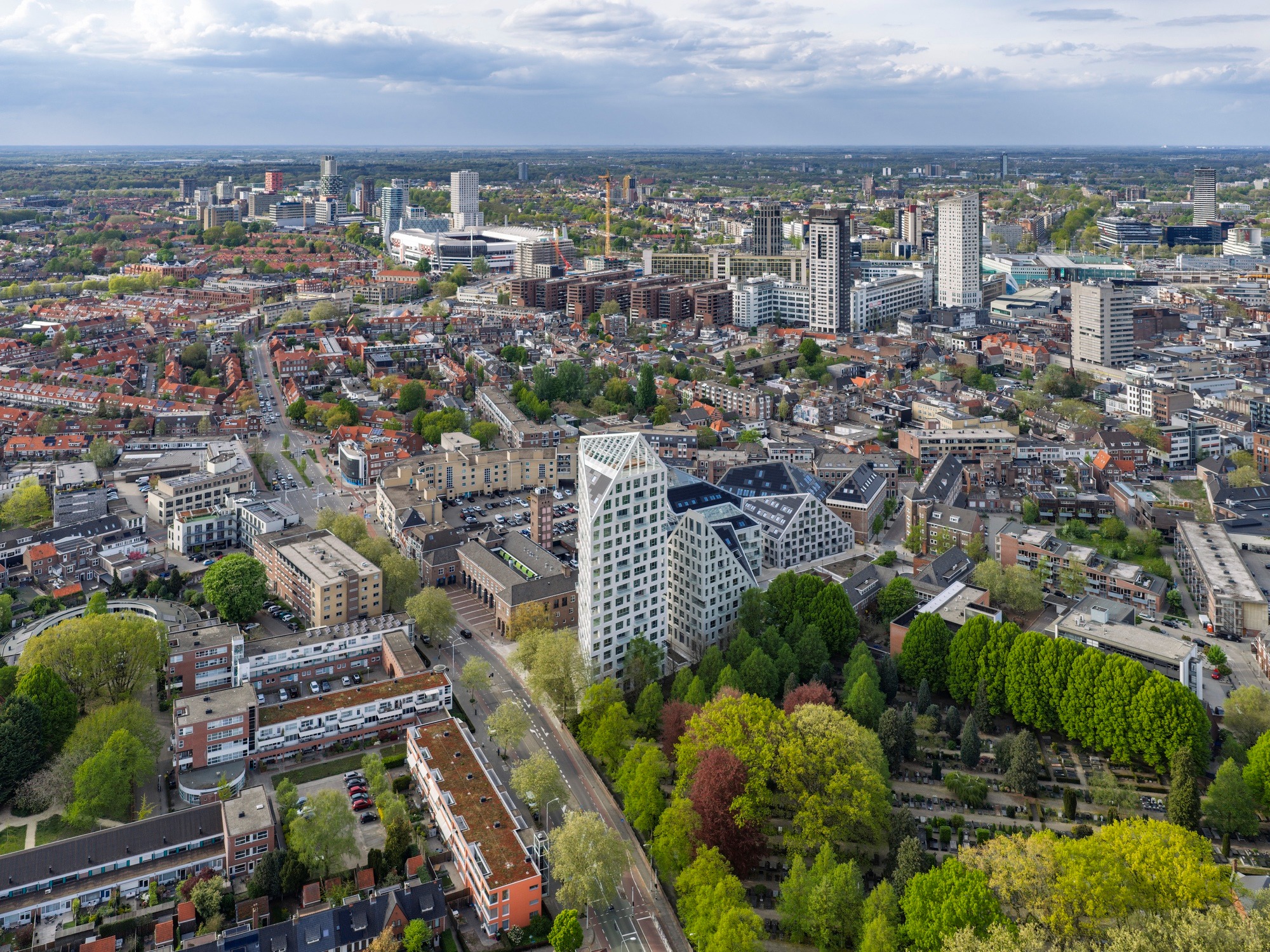
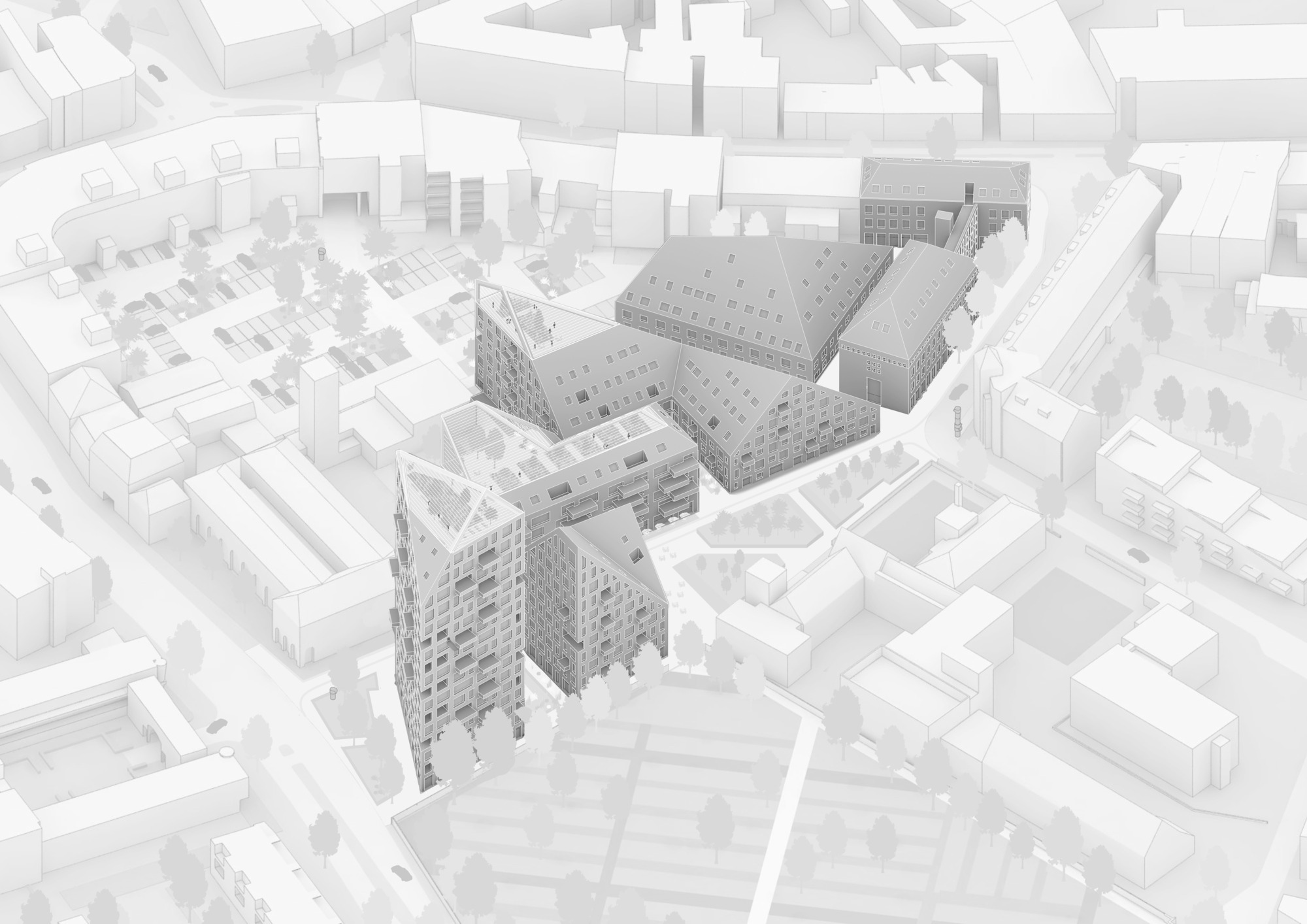
Nieuw Bergen, a residential project comprising seven buildings designed by MVRDV, has been completed in the heart of Eindhoven. The development combines five new buildings with two transformed historic structures, introducing 237 diverse homes to the city that range from apartments for singles to family residences, and from social housing to luxury penthouses. Characterised by jagged sloping roofs that maximise sunlight access while giving the development a dramatic, mountainous silhouette, the project demonstrates how careful design can add density while retaining a sense of openness, character, and urban identity.
Developed by SDK Vastgoed, the seven buildings – named Indigo, Violet, Bleu, Rouge, Orange, Jaune, and Vert express a gradual transition in scale that allows the dense new development to blend into the low-rise, historic architecture of Bergen. Vert and Jaune, located next to Grote Berg street at the heart of the neighbourhood, are transformations of two buildings constructed in the 20th century; both served as the neighbourhood's police station at different periods in time. They are connected by the recreated façade of a building that once filled the space in between – creating a colonnade-like structure that maintains the memory of the ensemble as it once was.
Behind these renovated buildings, the five new structures gradually rise in scale, from the six storey Orange, which houses the development's 48 apartments for social housing, eventually rising to a height of 17 storeys with the tower at the other end of the development, Indigo. This transition is reinforced by a gradient of façade colours, starting with the dark red brick of the two existing buildings, and moving through brown, beige, and light grey before ending at the white stone façade of the tower.
The jagged rooflines of these five buildings are created using a systematic approach to daylight access: roof surfaces trace a 45 degree angle from the base of neighbouring structures, ensuring bright, sunlit homes and public spaces and making Nieuw Bergen feel open and airy in spite of its density and intimate street layout. These sloping roofs also provide ideal surfaces for photovoltaic panels and for green roofs, which add to the biodiversity of the neighbourhood.
The peaks of three of these roofs feature open roof terraces, with glass parapets serving as windbreaks. These provide communal spaces on Bleu and Rouge, with the roof of Bleu also including a glass enclosed greenhouse for communal gardening. These opportunities for residents to meet together, host events, and cultivate gardens help to stimulate social cohesion among residents. Commercial spaces, located on the ground floors of Indigo, Violet, Bleu, Vert, and Jaune, will also benefit from the sunny, largely car-free public spaces that encourage visitors to linger, while also providing ample room for dining and drinking terraces.
"The neighbourhood of De Bergen is one of the oldest and most authentic parts of Eindhoven, known for its small restaurants and boutique shops, making it a charismatic neighbourhood close to the city centre", says MVRDV founding partner Jacob van Rijs. "To turn this site from a cluster of municipal buildings and parking lots into a place to live and stay, with activity throughout the day, we wanted buildings with character, embedded into the neighbourhood in a way that feels natural. The sloping roofs achieve this in a way that benefits both residents in their apartments and visitors in the streets. The result is a chain of polite, yet simultaneously radical buildings with an exciting contour resembling a mountainous landscape – adding 'bergen' in De Bergen!"
Sustainability was a key consideration in the project's design: the reuse of existing structures reduces embodied carbon, while energy efficient building systems, solar panels, and green roofs limit operational emissions. The combination of landscaping and rooftop greenery enhances biodiversity, mitigates heat, provides rainwater retention, and improves residents' well-being. The completed project demonstrates how thoughtful design can densify a city centre without compromising character, sustainability, or community.
'House' 카테고리의 다른 글
| * 담장이 만드는 자유 [ Además arquitectura ] Casa Alba II (0) | 2026.06.22 |
|---|---|
| * 숲이 남긴 터 위에서 [ Neil Logan ] Studio & Guest House (0) | 2026.06.19 |
| * 작은 몸짓들의 탑, 거리와 대화하는 집 [ sauermartins ] Vicco Building (0) | 2026.06.15 |
| * 구조적 접힘, 산을 품다 [PLATAFORMArq ] House #474 (1) | 2026.06.11 |
| * 손의 기억이 집이 되다 [ Design ni Dukaan ] Amaltash House (0) | 2026.06.09 |