"도시는 가장 야생적인 형태의 자연이다."— Rem Koolhaas
 |
 |
 |
Edgar Mazo + CONNATURAL-Prado Park
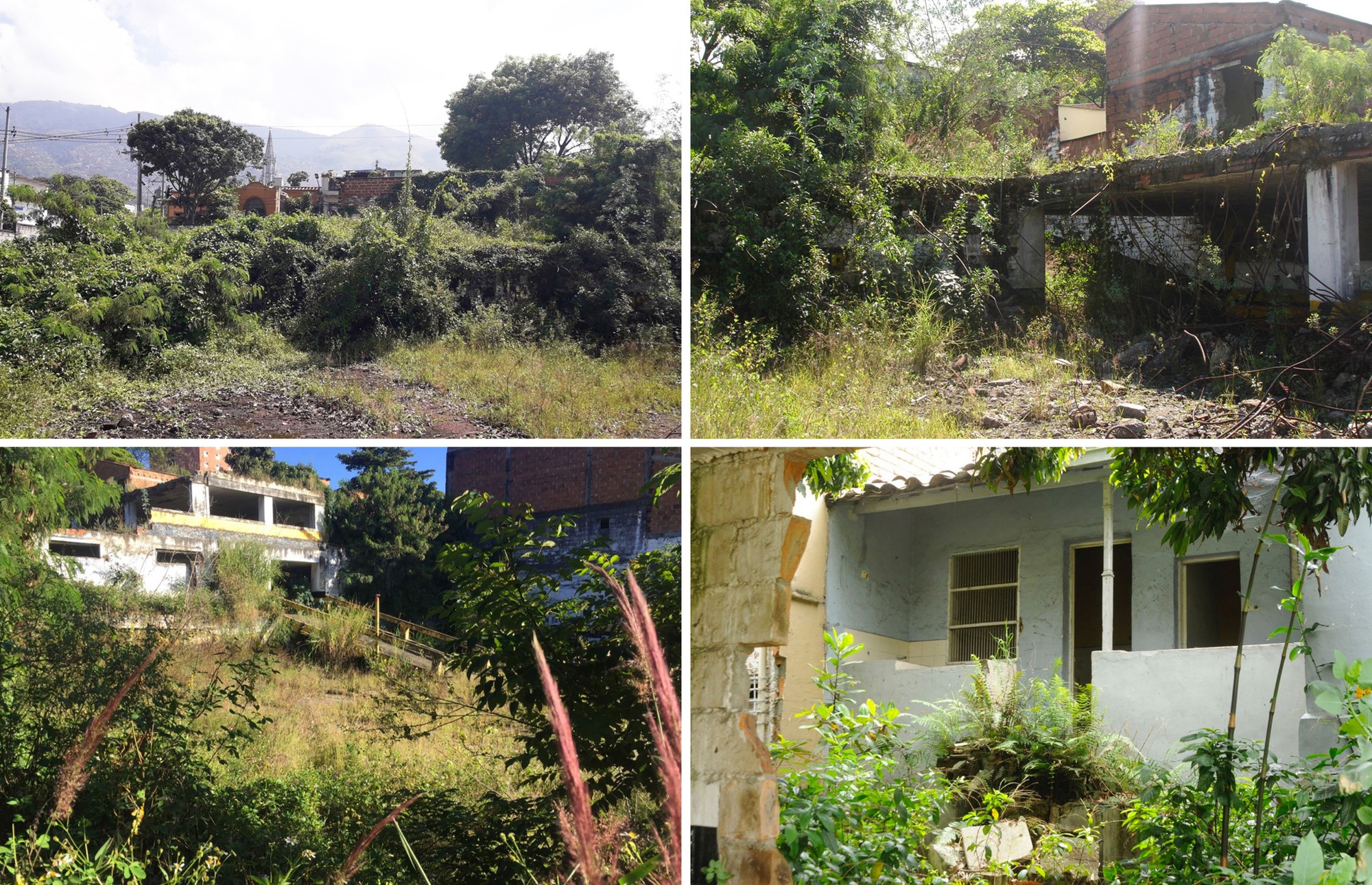
폐허에서 공원으로
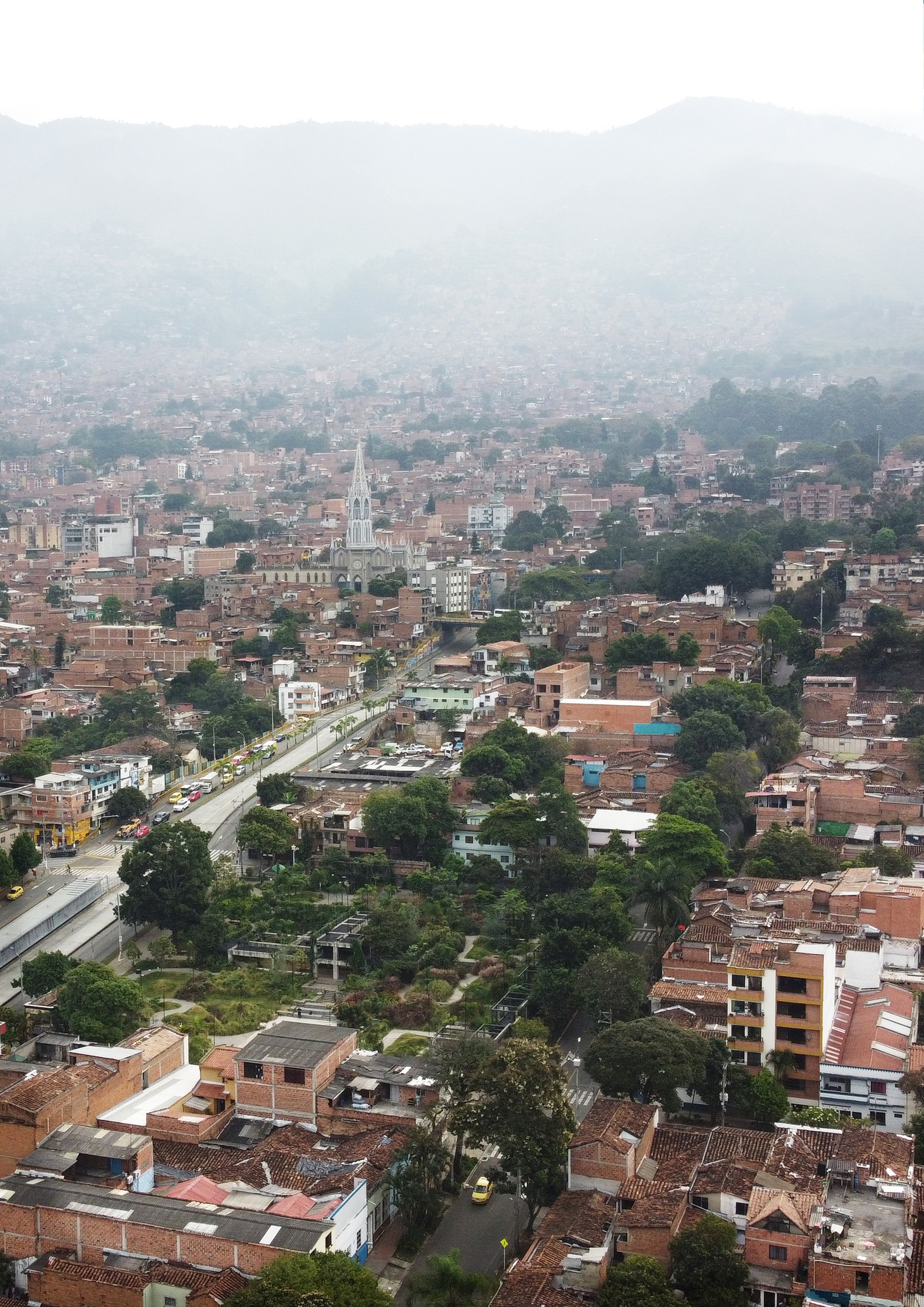
메데인(Medellín) 북동부, 아란후에스 지구의 골목은 평탄하지 않다. 건축 비평가 카를로스 메사 곤살레스(Carlos Mesa González)는 건축 저널 Circo에 이렇게 적었다. 이 동네의 거리는 단일한 평면 위에서만 펼쳐지지 않는다고. 집들의 요철 벽면이 층층이 쌓아 올린 지형 위로, 삶은 여러 고도에서 동시에 흘러간다. 그 단순하고 균질해 보이는 풍경은 조용히 뒤틀리고, 해체되고, 다시 스스로를 재조합한다.
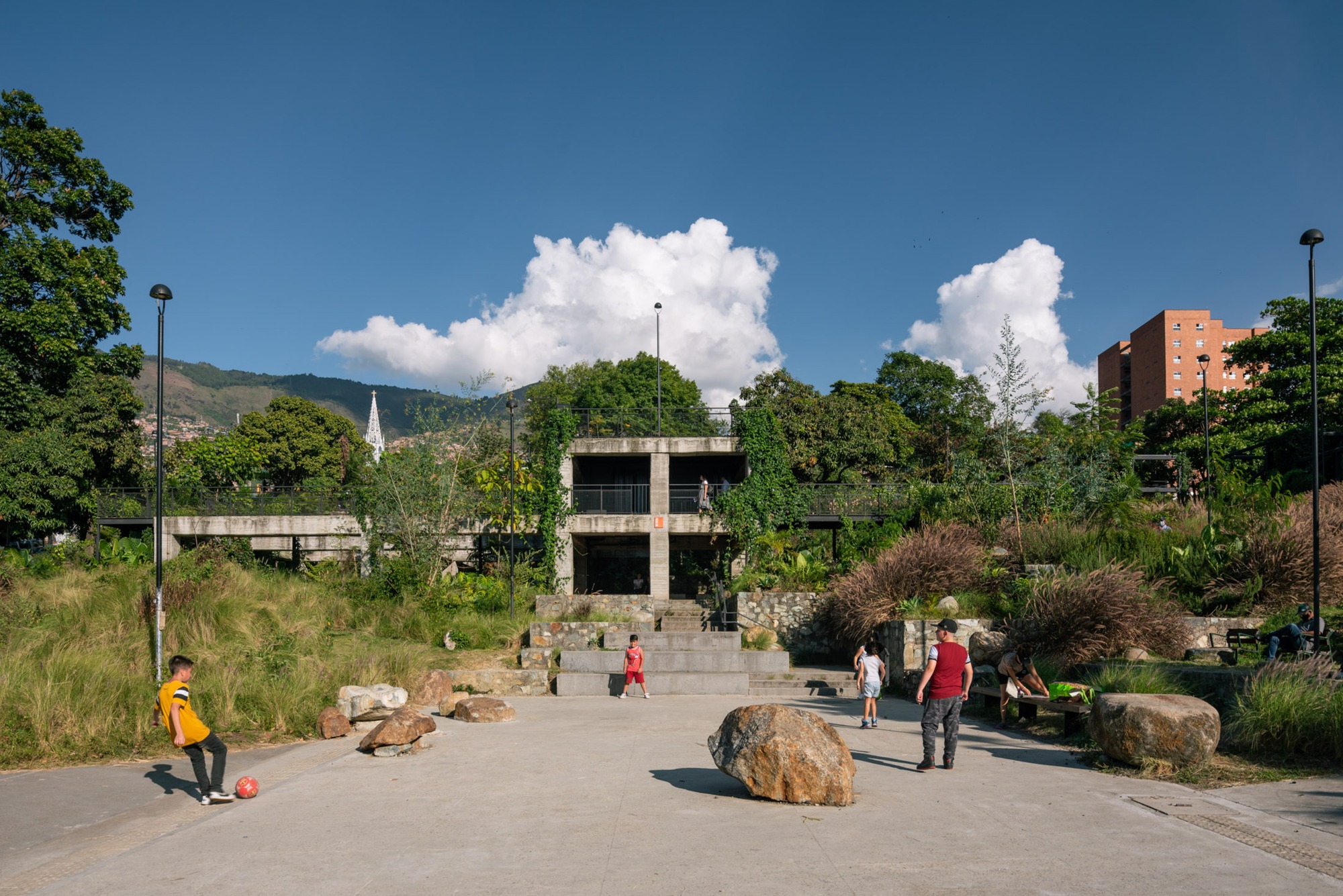
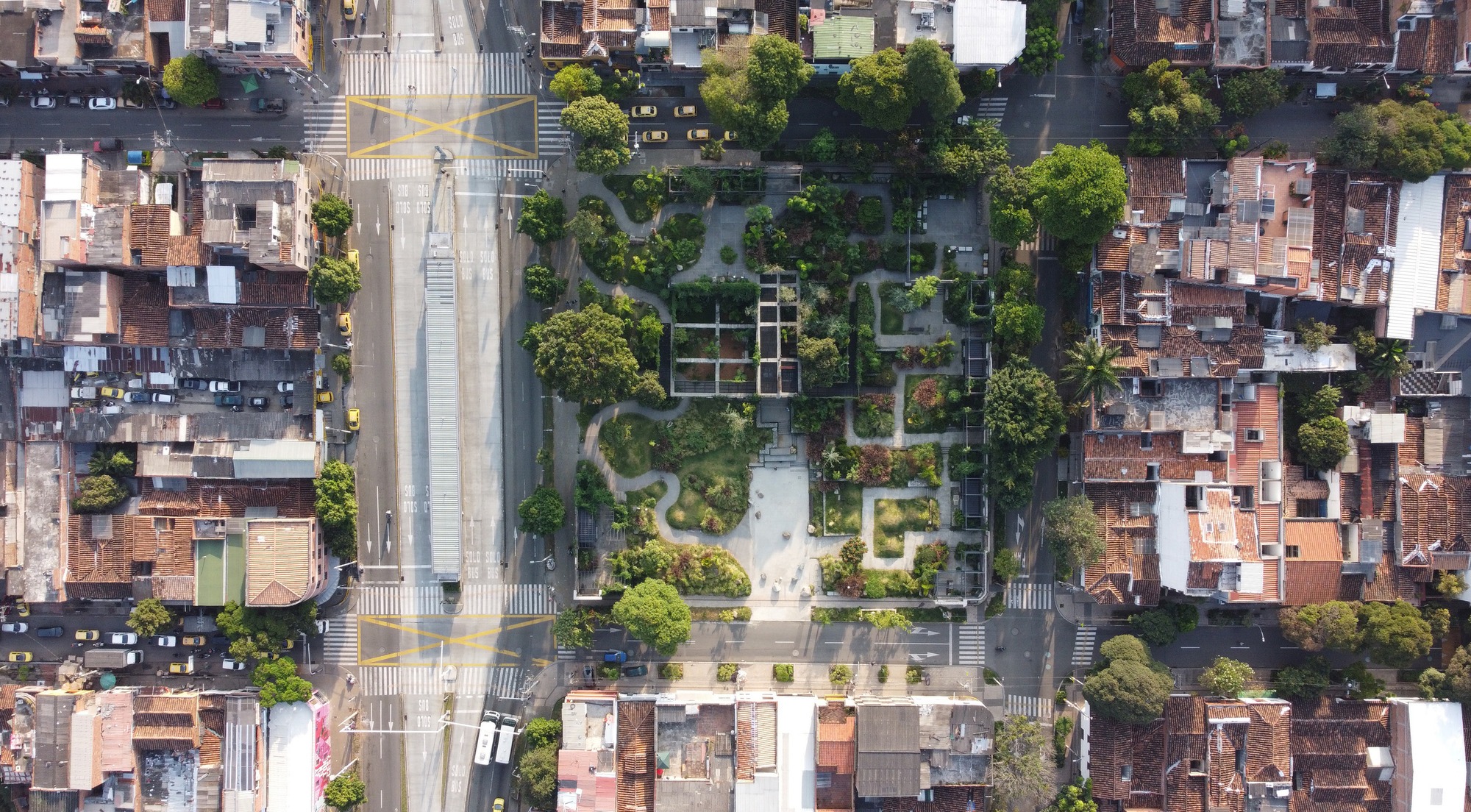
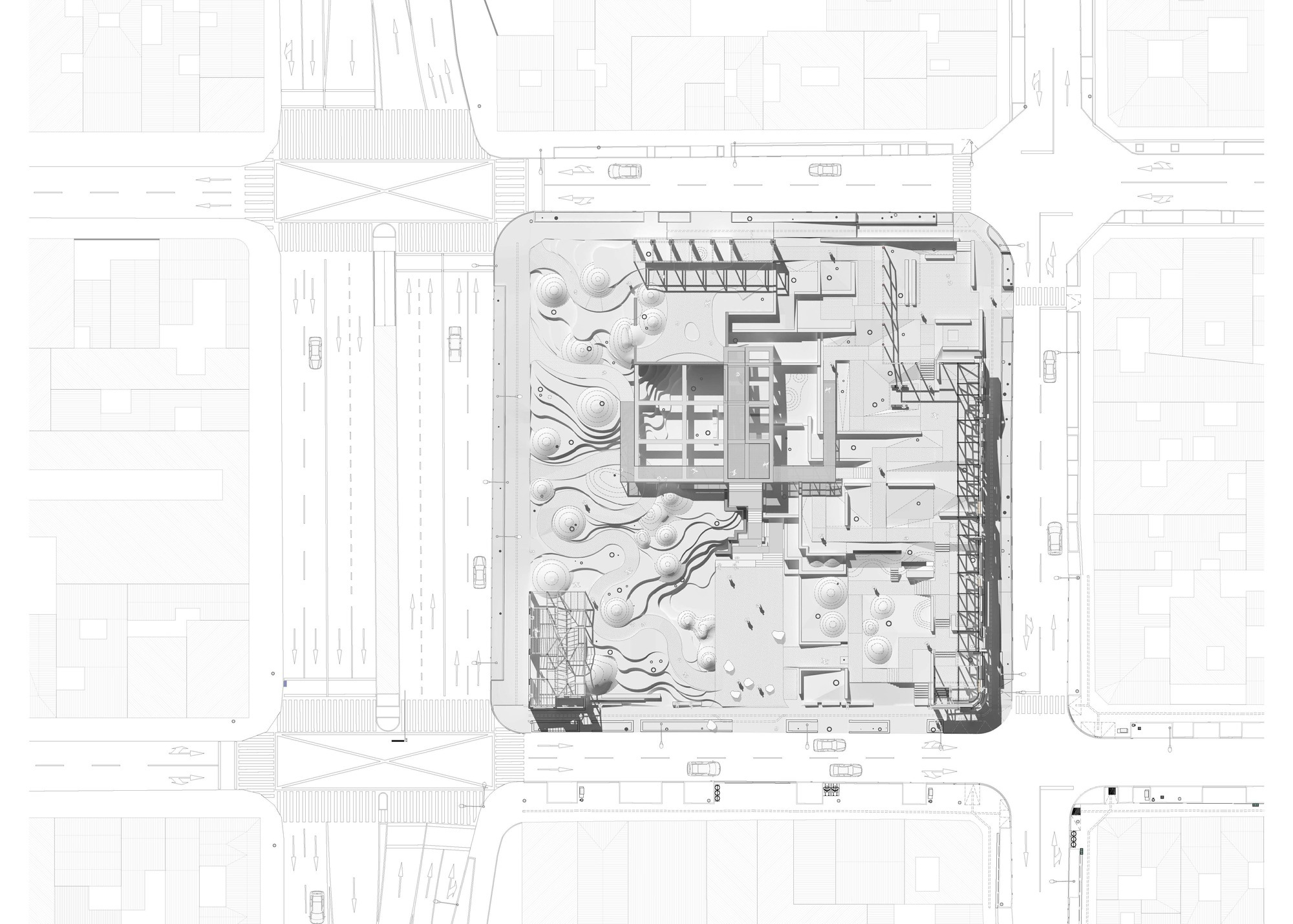
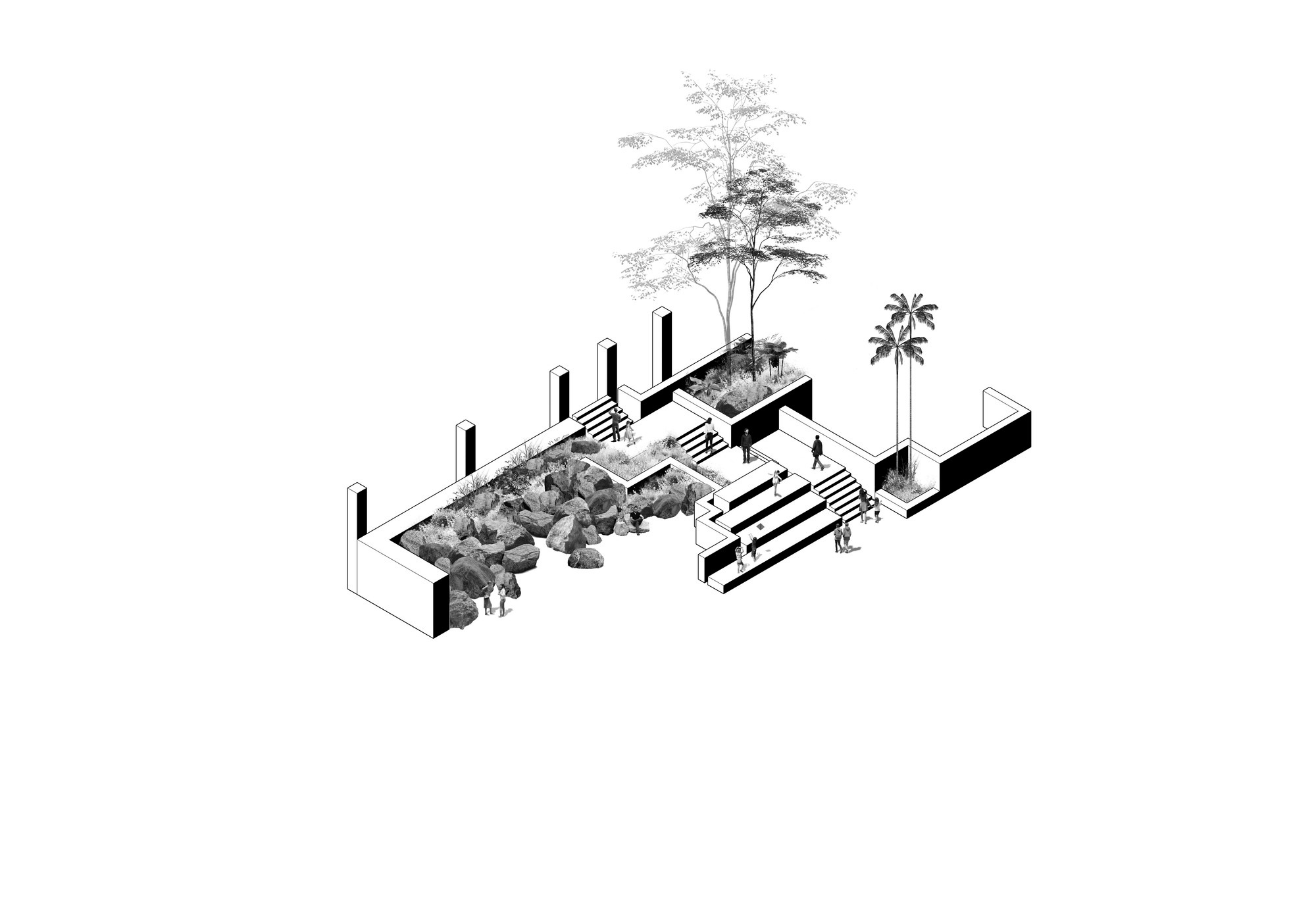
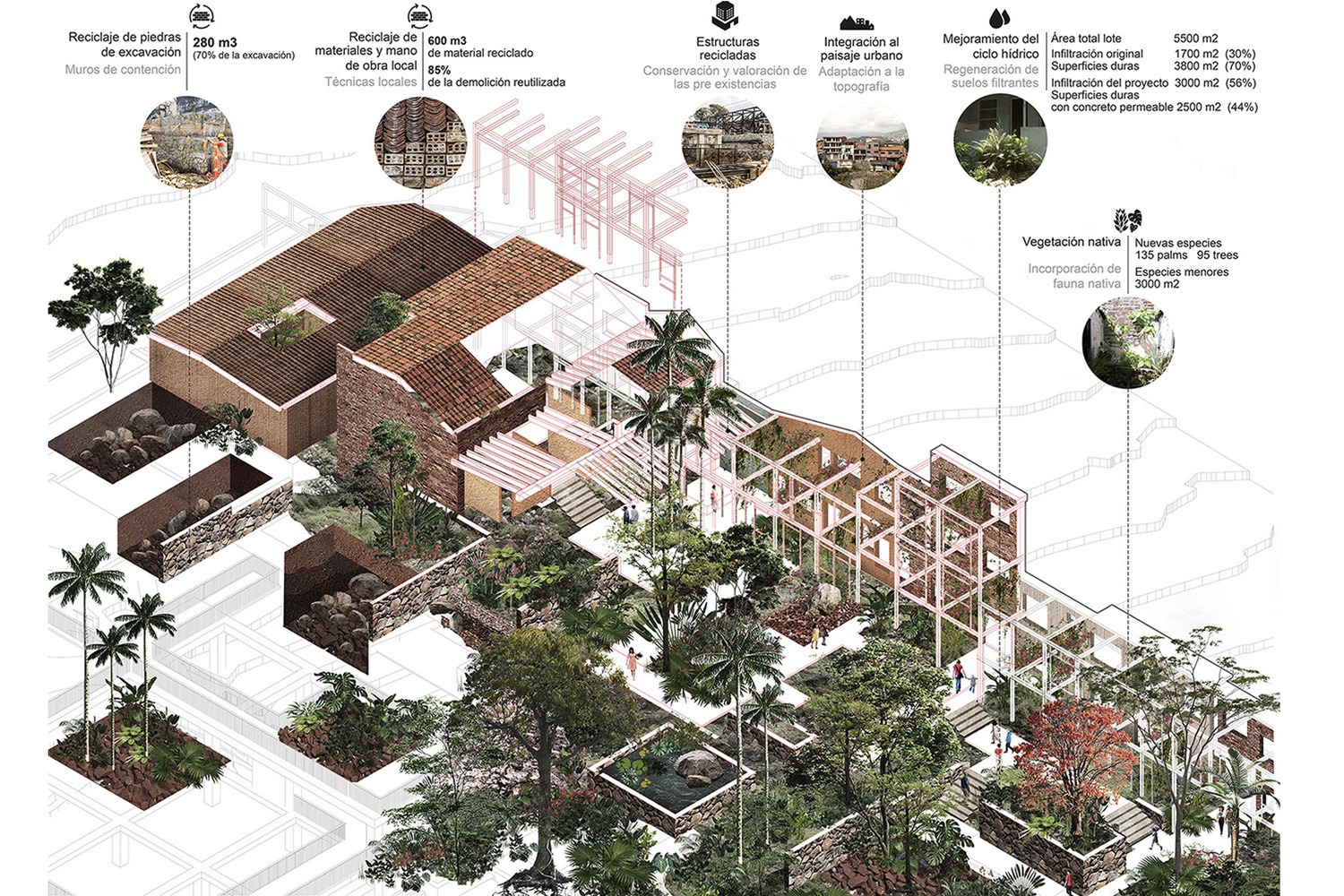
프라도 센트로 공원(Prado Centro)은 바로 그 논리를 땅으로 구현한다. 완만하게 기울어진 대지를 완전히 밀어내지 않고, 오히려 그 결을 따라 테라스가 이어지는 연속 공간을 빚어낸다. 그 안에서 식물과 동물, 사람은 재료 재활용과 토착 시공, 빗물 침투라는 공통의 원리를 축으로 서로 엮인다. 이 공원은 하나의 은유다. 자연스럽게 솟아나고, 형성되고, 성장하는 것들에 관한 이야기이며, 문화적 행위의 자연화(naturalization of cultural action)를 도시의 미래를 위한 생명 원리로 삼겠다는 선언이기도 하다.
세 가지 약속
이 프로젝트가 처음 시도하는 것이 있다. 메데인이라는 도시에서 지속가능한 공공 건설 정책을 구체적인 세 가지 행동으로 구현하는 일이다.
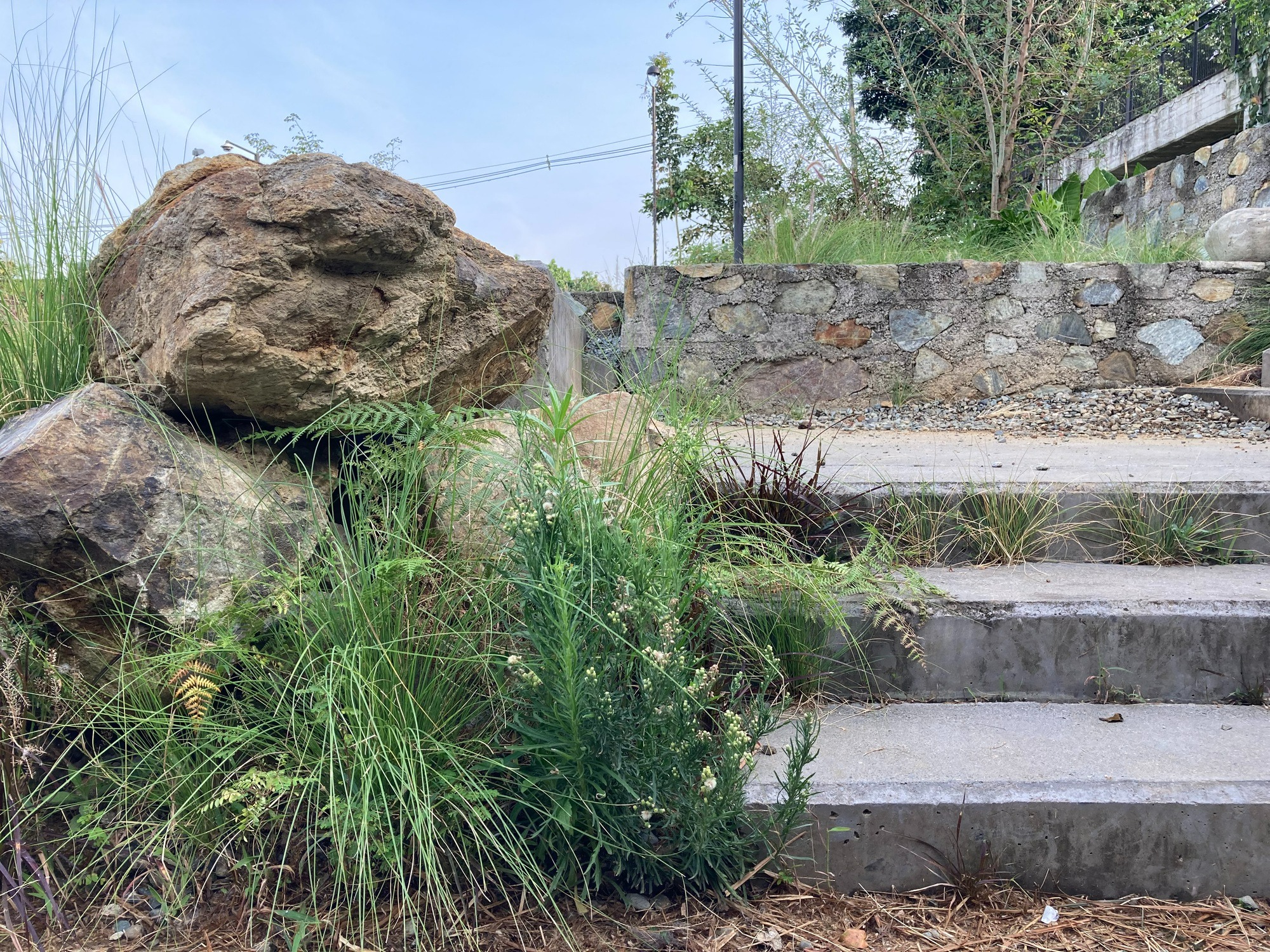
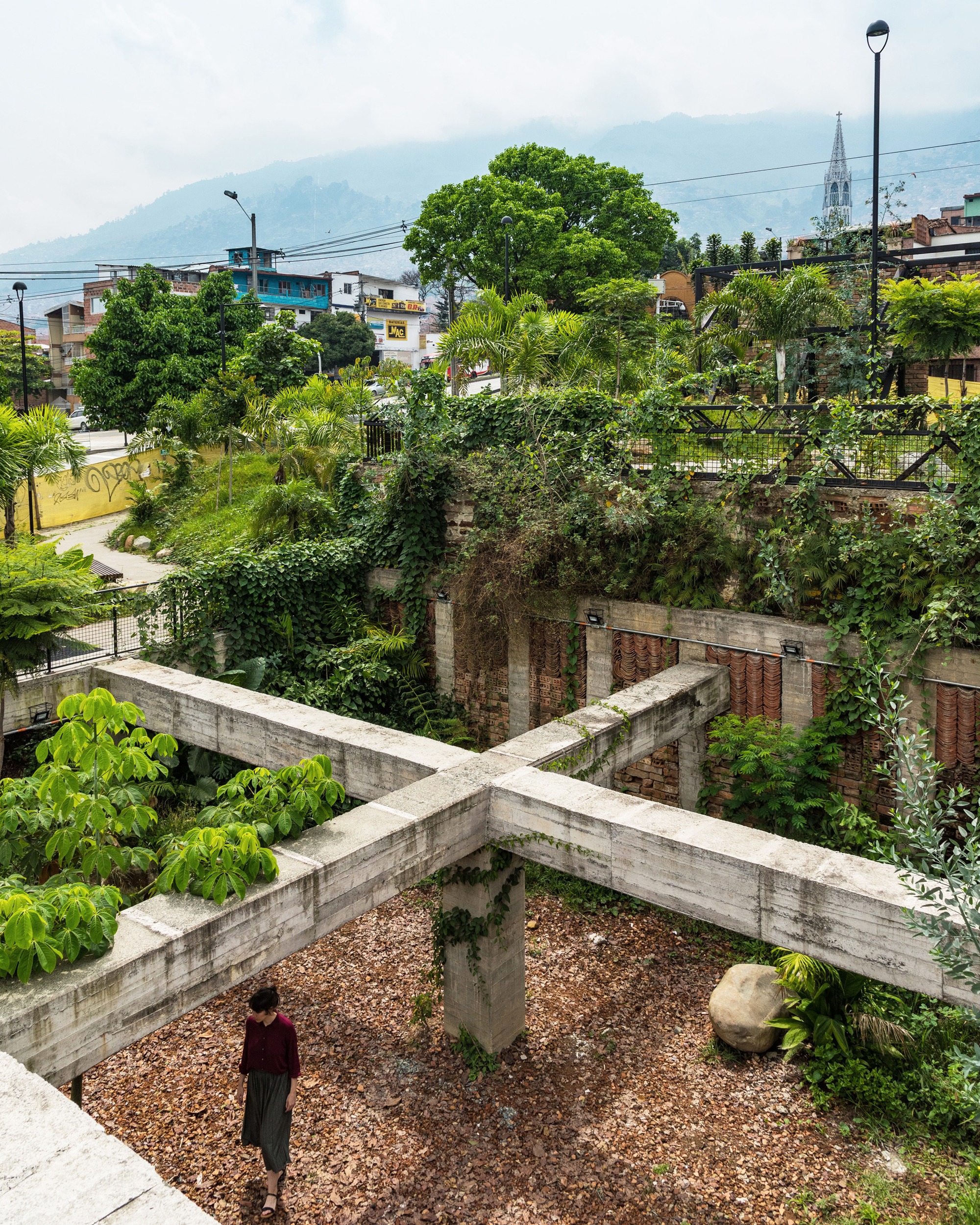
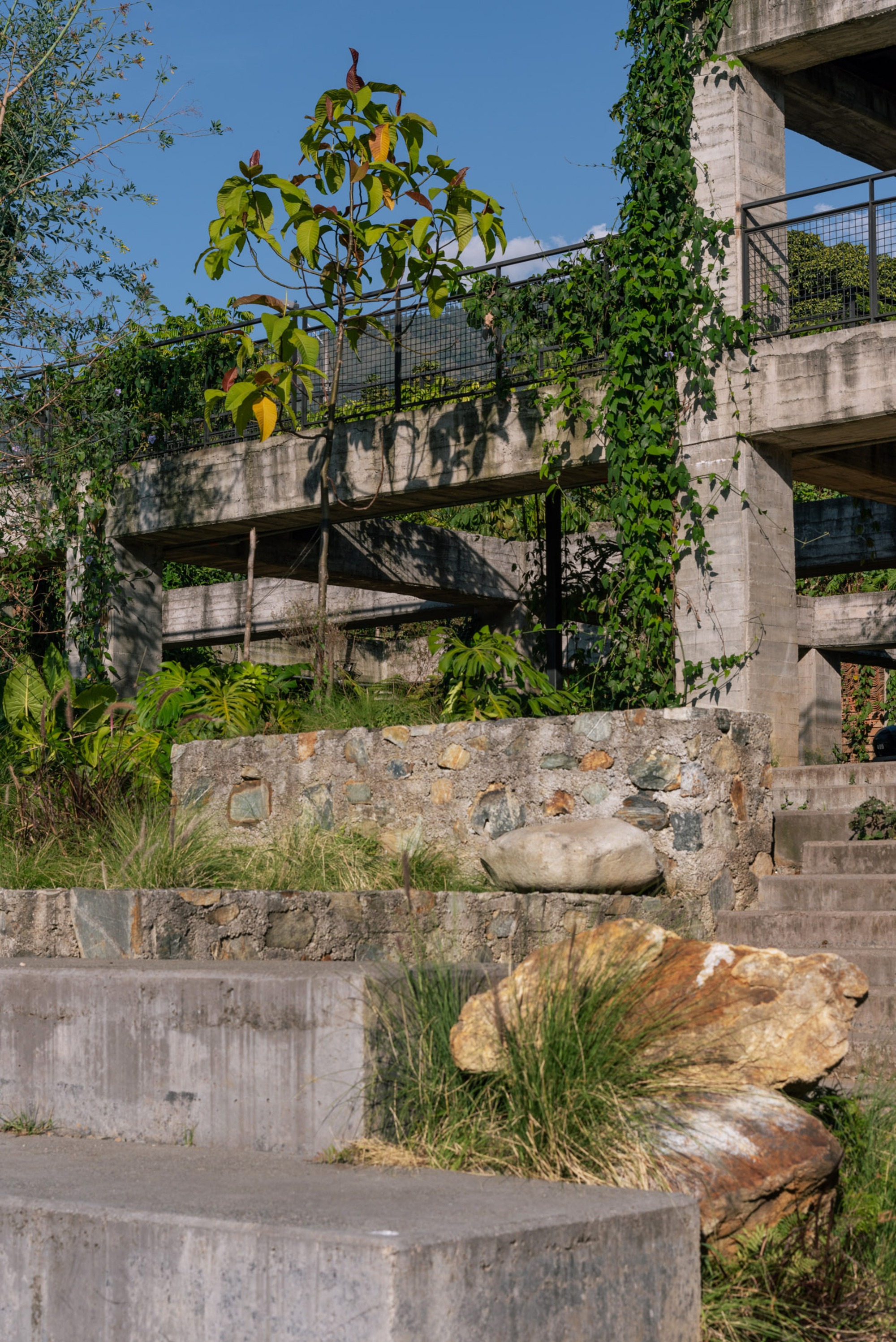
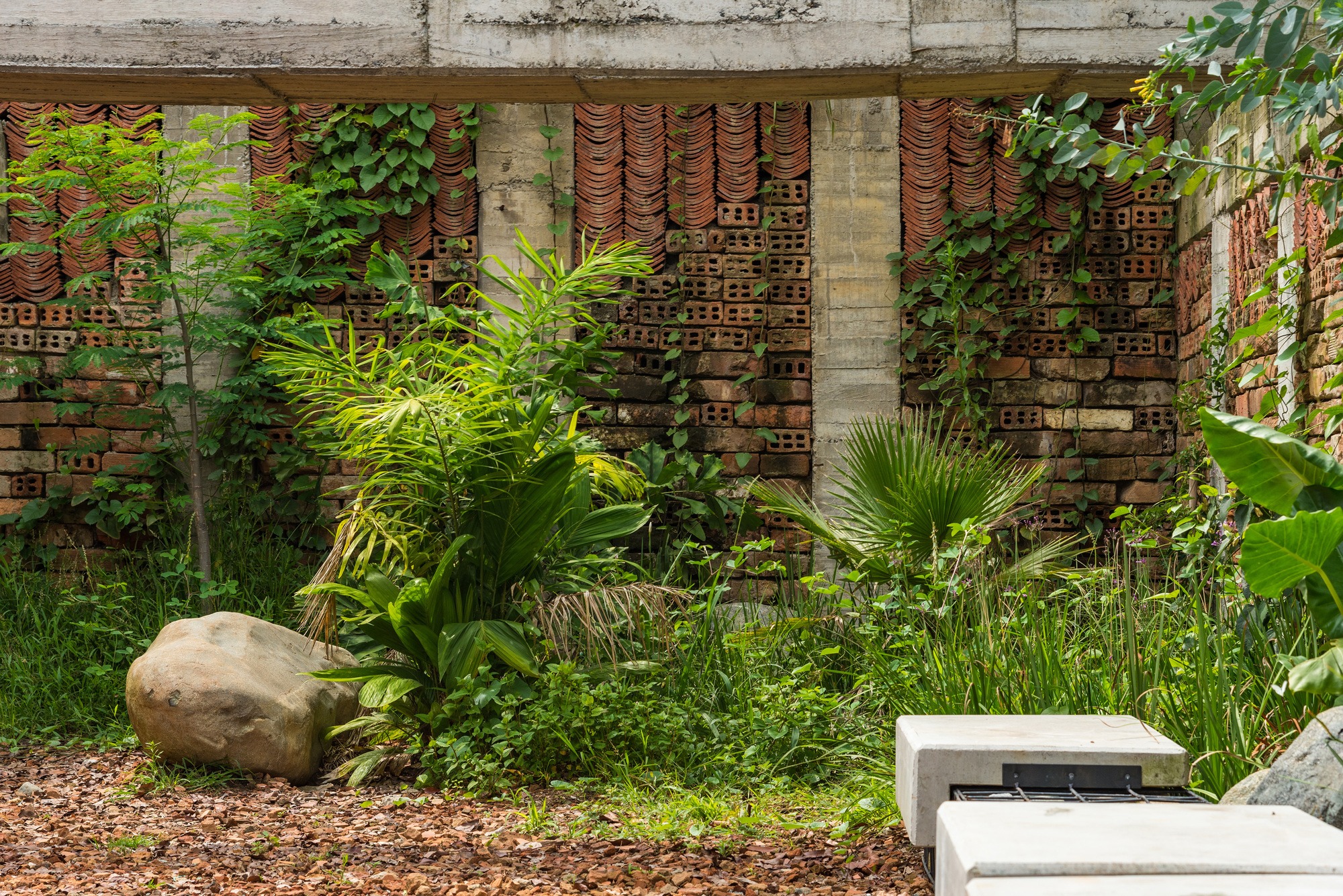
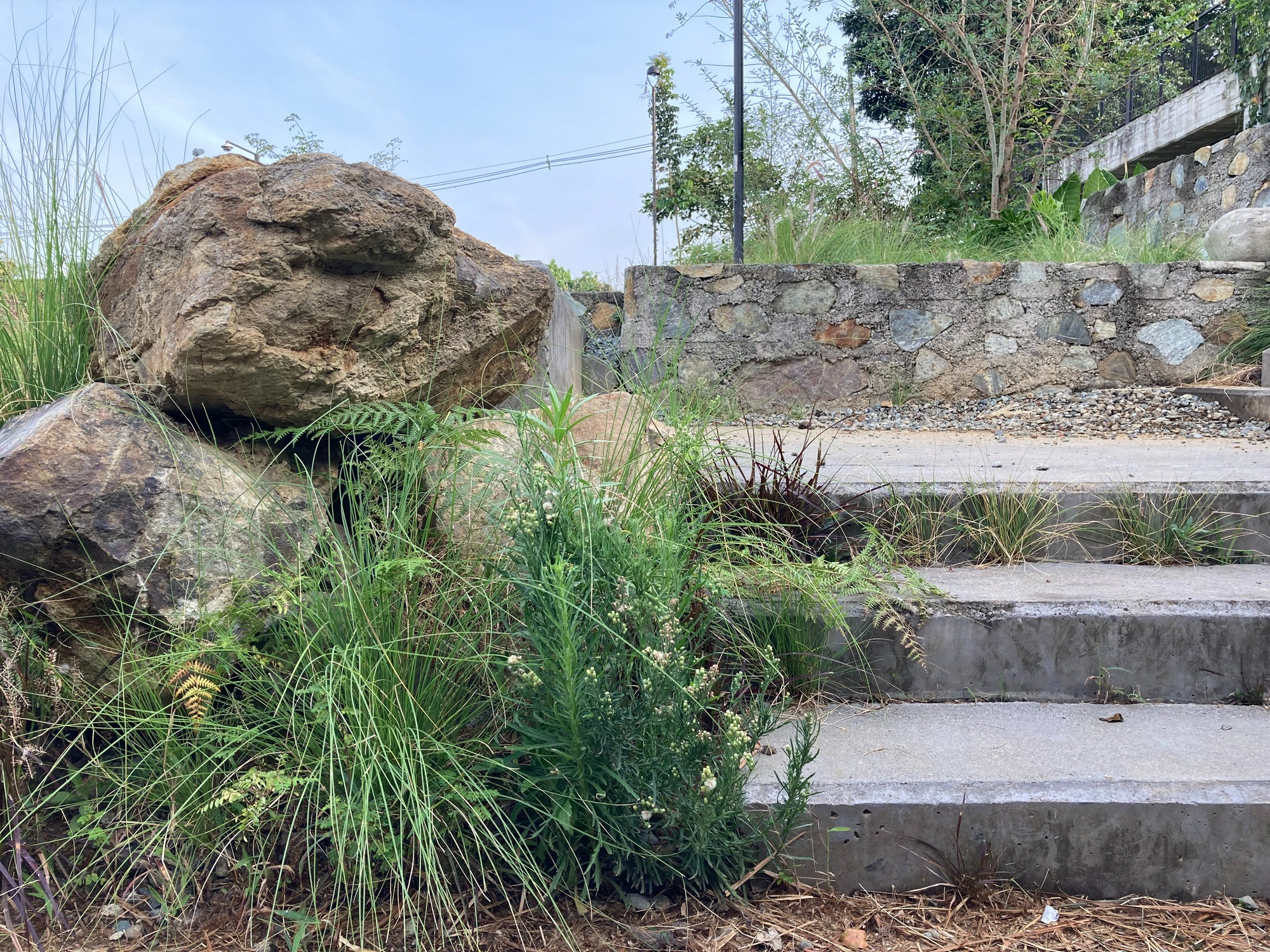
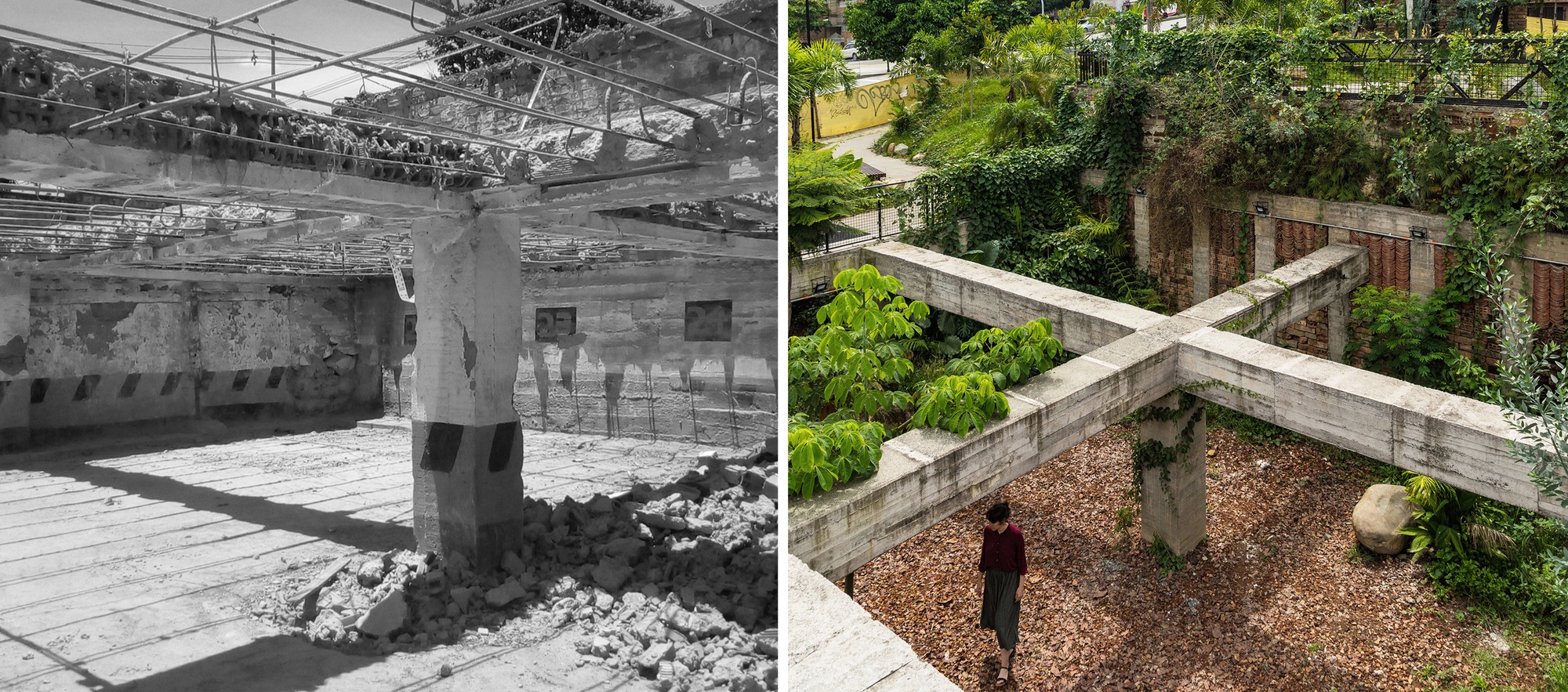
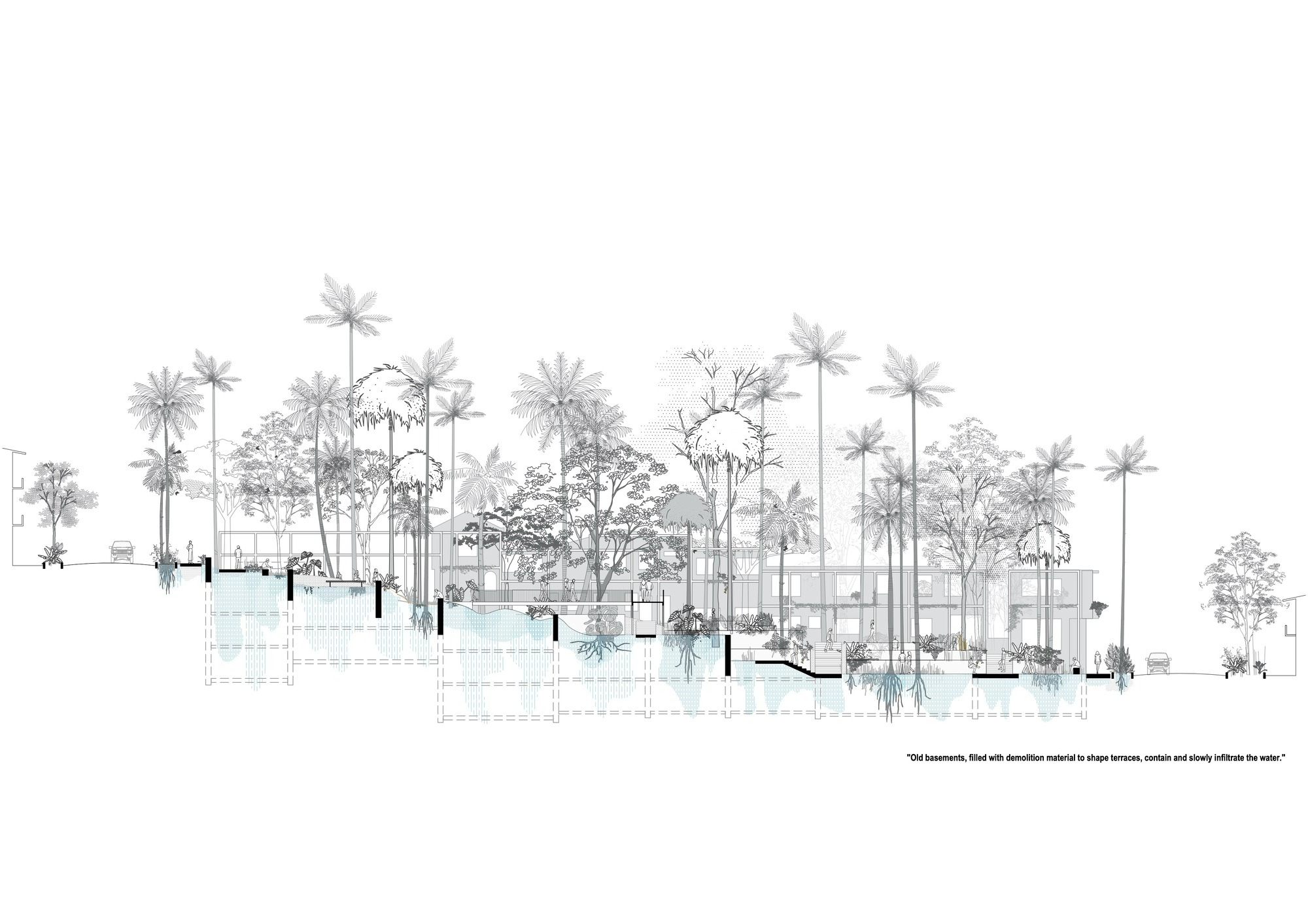
첫 번째는 철거하지 않는 것이다. 대지에 이미 있던 건물을 허물어 쓰레기로 만드는 대신, 해체하고 분류해 다시 쓴다. 벽돌과 콘크리트 덩어리, 하중을 견디던 기둥들은 새 공원의 뼈대로 재료는 새 의미를 얻는다. 매립지의 압박을 줄이고, 새 자재를 들여올 필요도 줄인다.
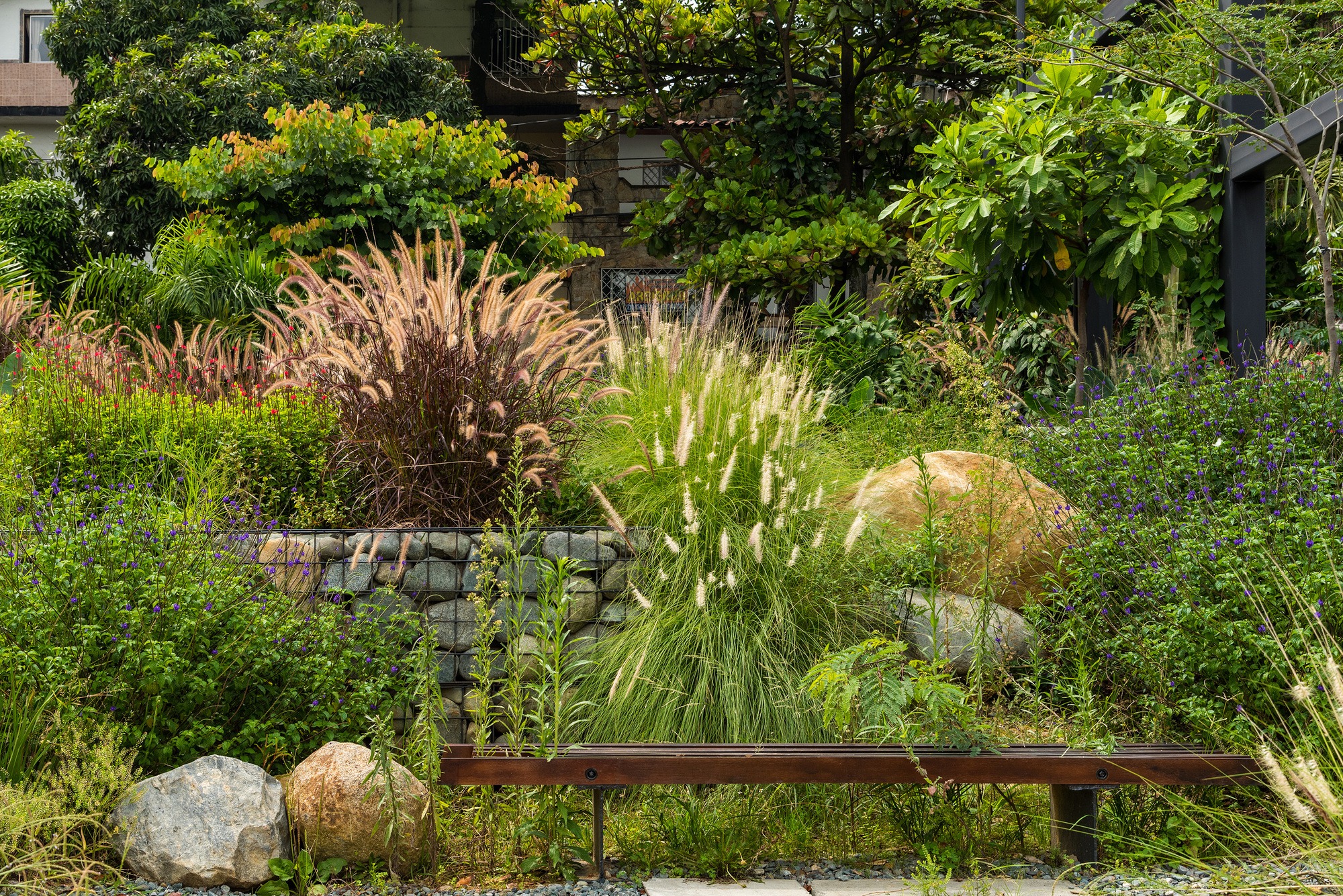
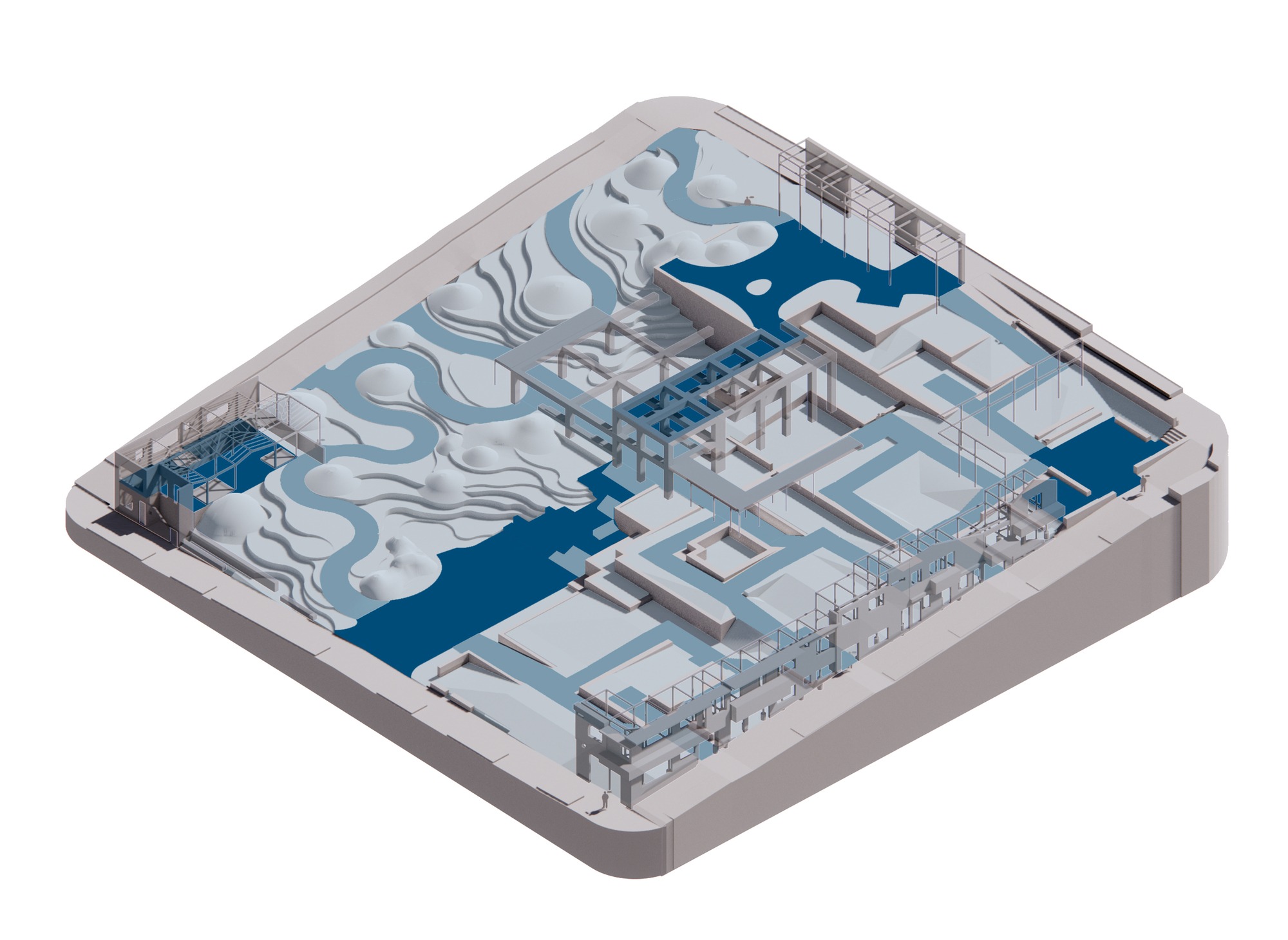
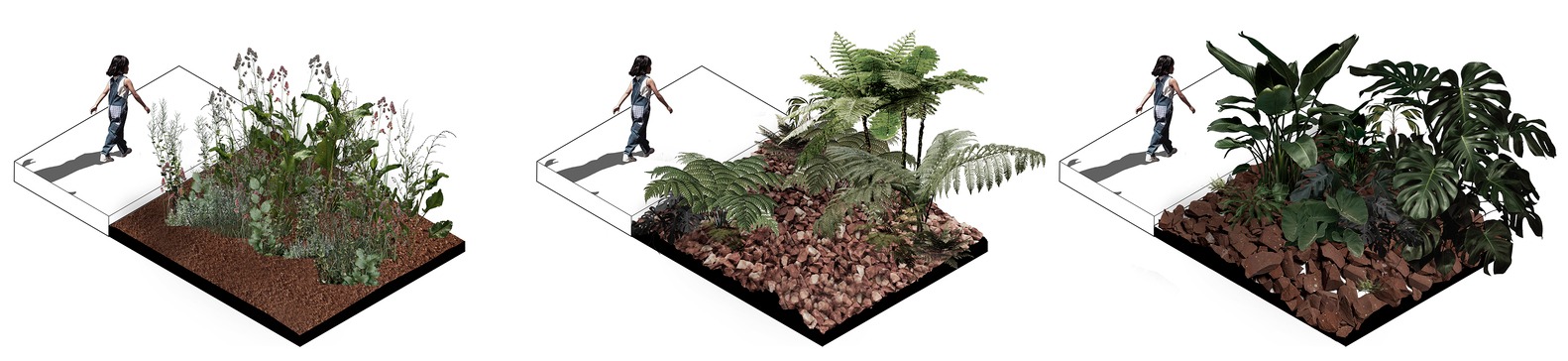
두 번째는 빗물의 흐름을 바꾸는 것이다. 기존 도시의 우수(雨水)관리 모델을 대체해, 정원 안에서 물을 머금고 땅속으로 스며들게 한다. 모인 물은 다시 식물에게 돌아간다. 선택된 수종들이 뿌리를 내리고, 시간이 흘러도 스스로 살아남도록.
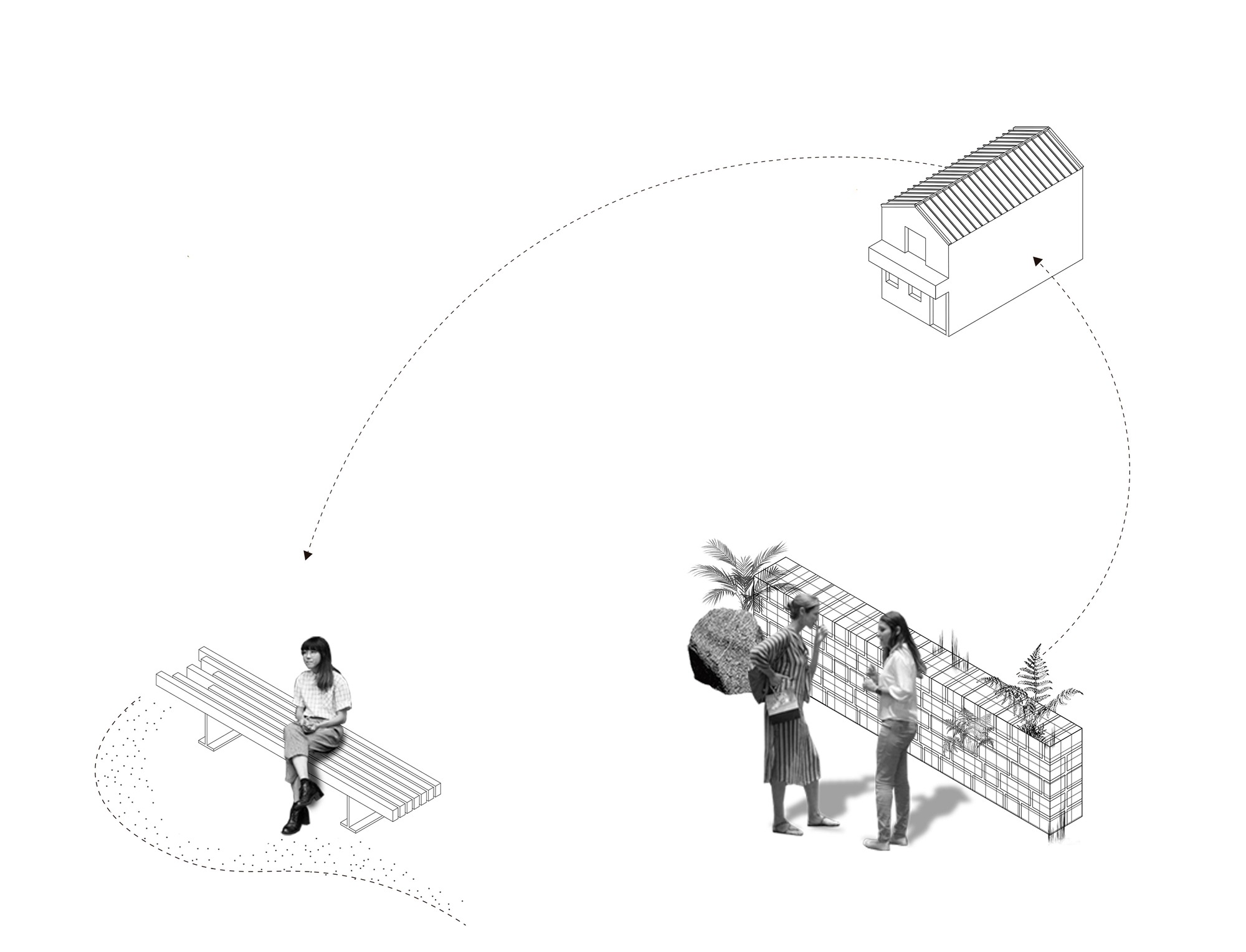
세 번째는 기억을 잇는 것이다. 콜롬비아의 토착 시공 전통을 되살리고, 2차 재료(재생 자재)를 반복해 활용한다. 공공 공간이 하나의 건축적 교본이 되어, 주민들이 직접 눈으로 보고 배울 수 있는 현장 예시가 된다.
순환하는 땅
이 세 약속은 하나의 목표로 수렴한다. 해체와 굴착 과정에서 나온 모든 재료를 현장에서 다시 쓰는 것, 그리하여 탄소 발자국을 최소화하는 것이다. 철거 잔재를 처리하고 운반하는 데 필요한 연료 소비가 줄어든다. 외부에서 흙과 골재를 들여오는 일도 사라진다. 채석장에서 원자재를 캐내는 과정 자체를 건너뛴다. 현장 안에서 이미 존재하던 모든 나무는 보호 대상이 된다.
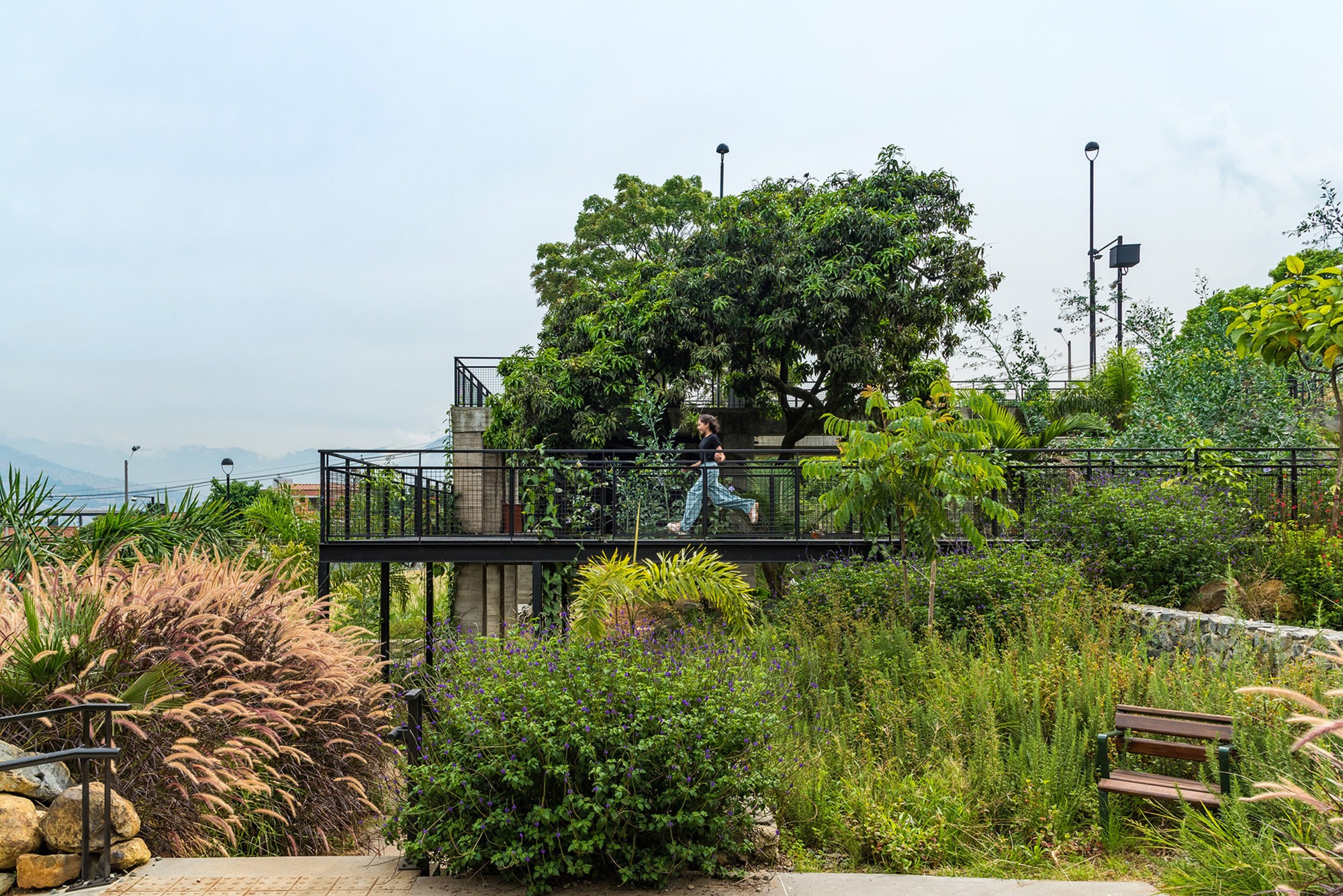
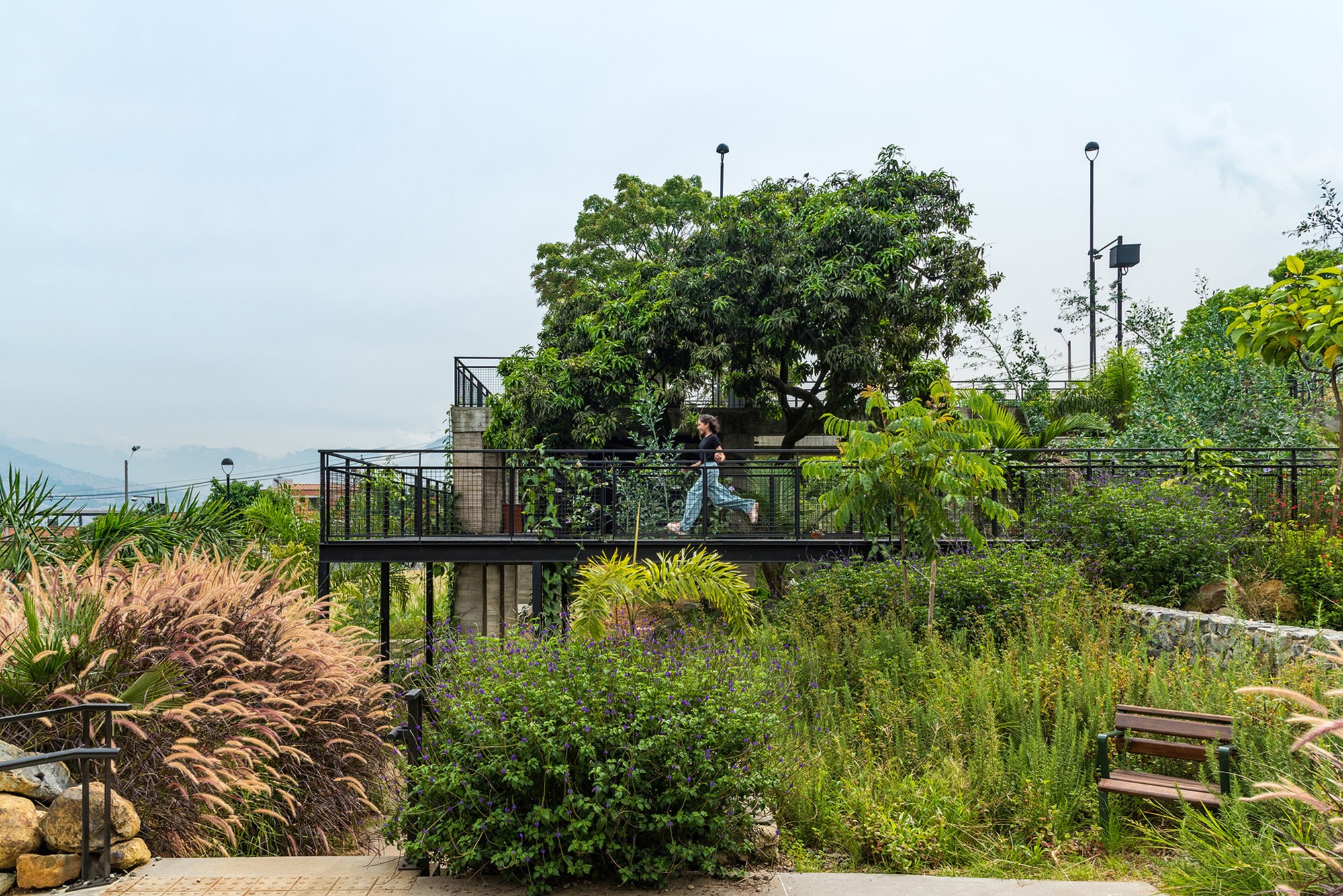
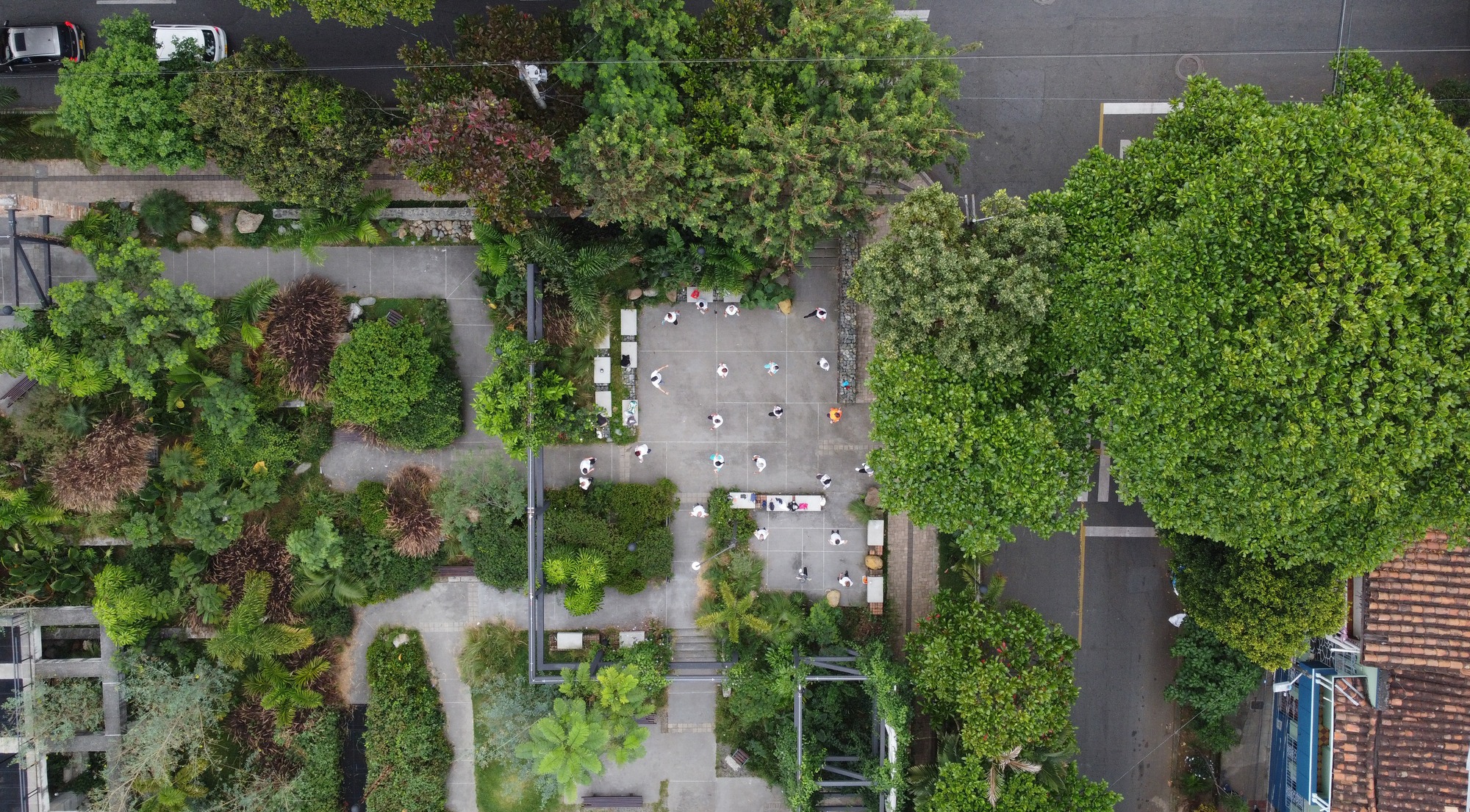
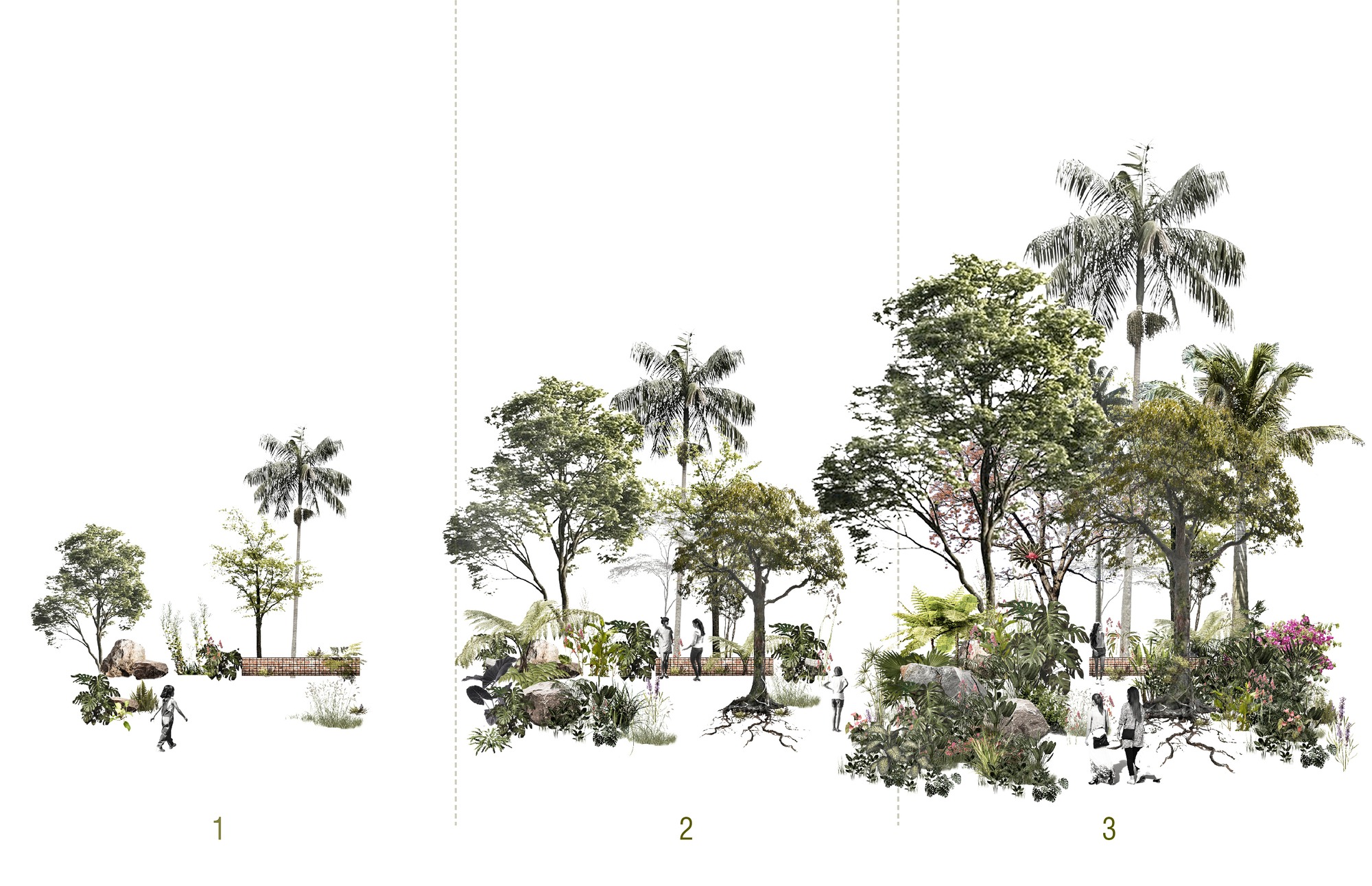
그 위에 새 생명이 더해진다. 교목 95그루, 야자나무 135주, 그리고 약 787평(2,600m²)에 달하는 하층 식생이 대지를 뒤덮는다. 이 식물들은 CO₂를 흡수하고, 도시의 열을 식히고, 사라져가던 자생 생태계를 다시 불러들인다.
액소노메트릭 다이어그램을 들여다보면 숫자들이 보인다. 굴착에서 나온 돌 280m³는 옹벽이 되었다. 자재와 현지 노동력을 재활용한 비율은 85%에 이른다. 전체 대지 5,500m² 중 투수성 콘크리트로 처리한 경질 포장면이 44%이며, 나머지 56%는 물과 뿌리가 자유롭게 드나드는 열린 땅이다.
사람이 가꾸는 공원
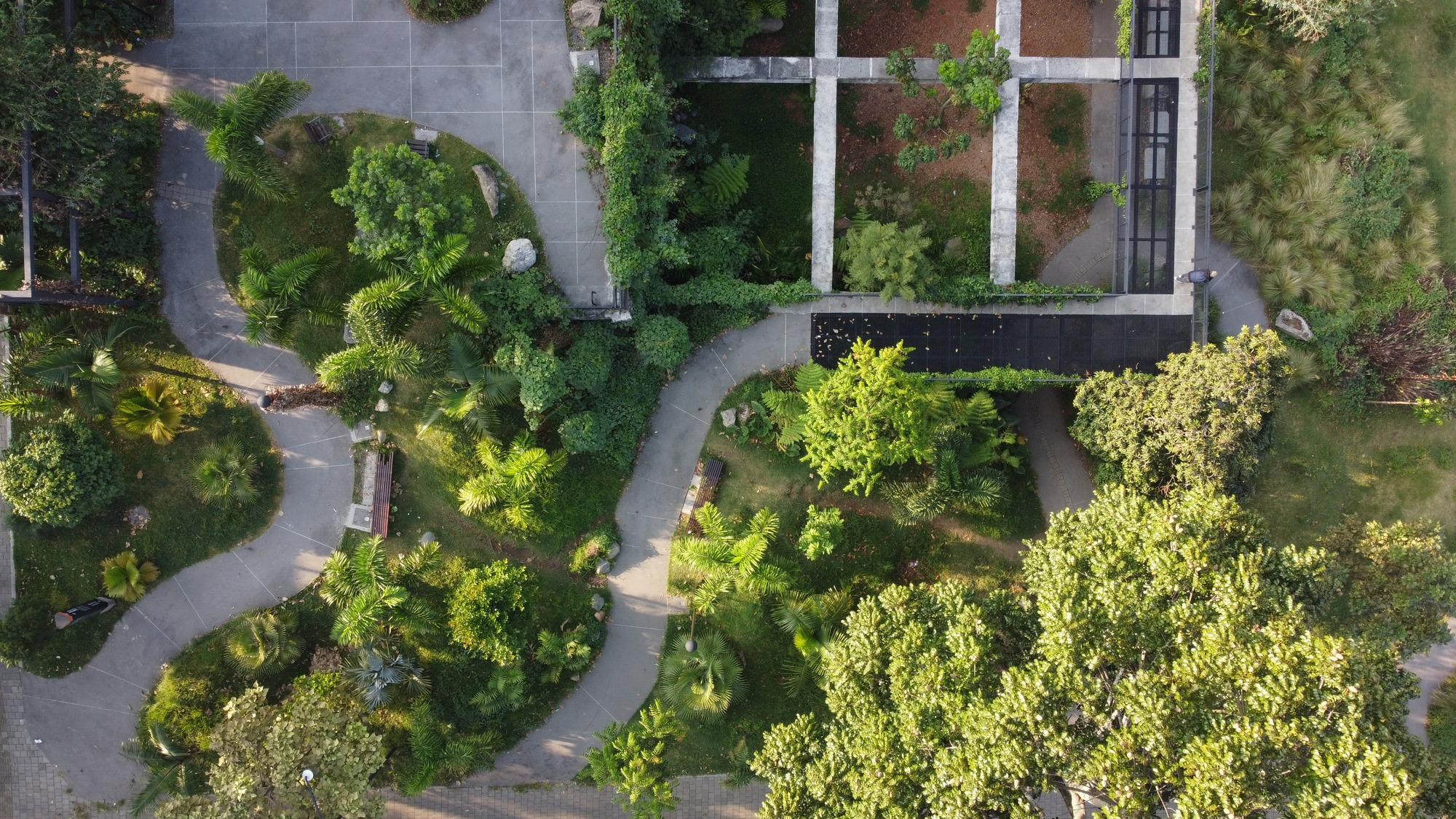
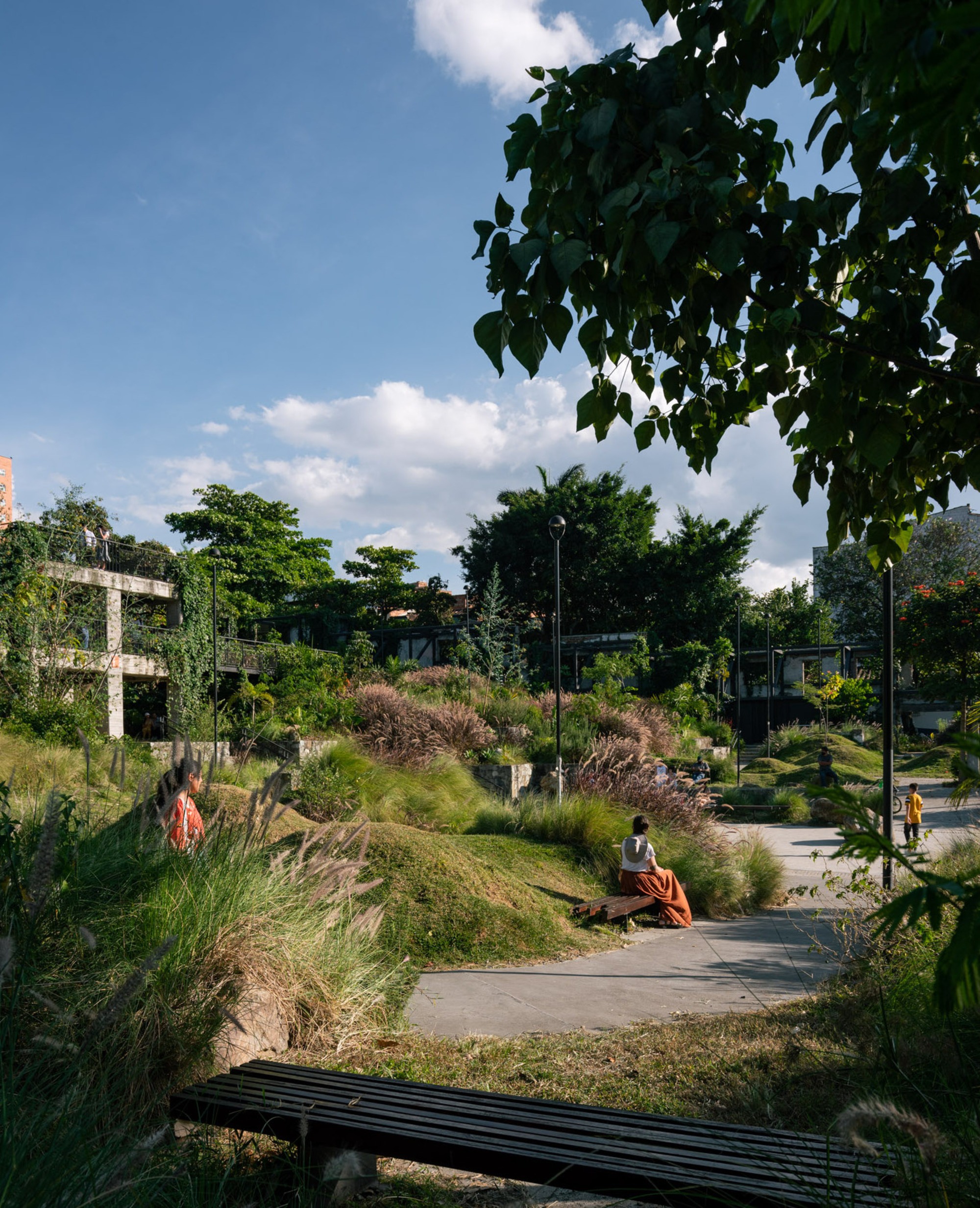
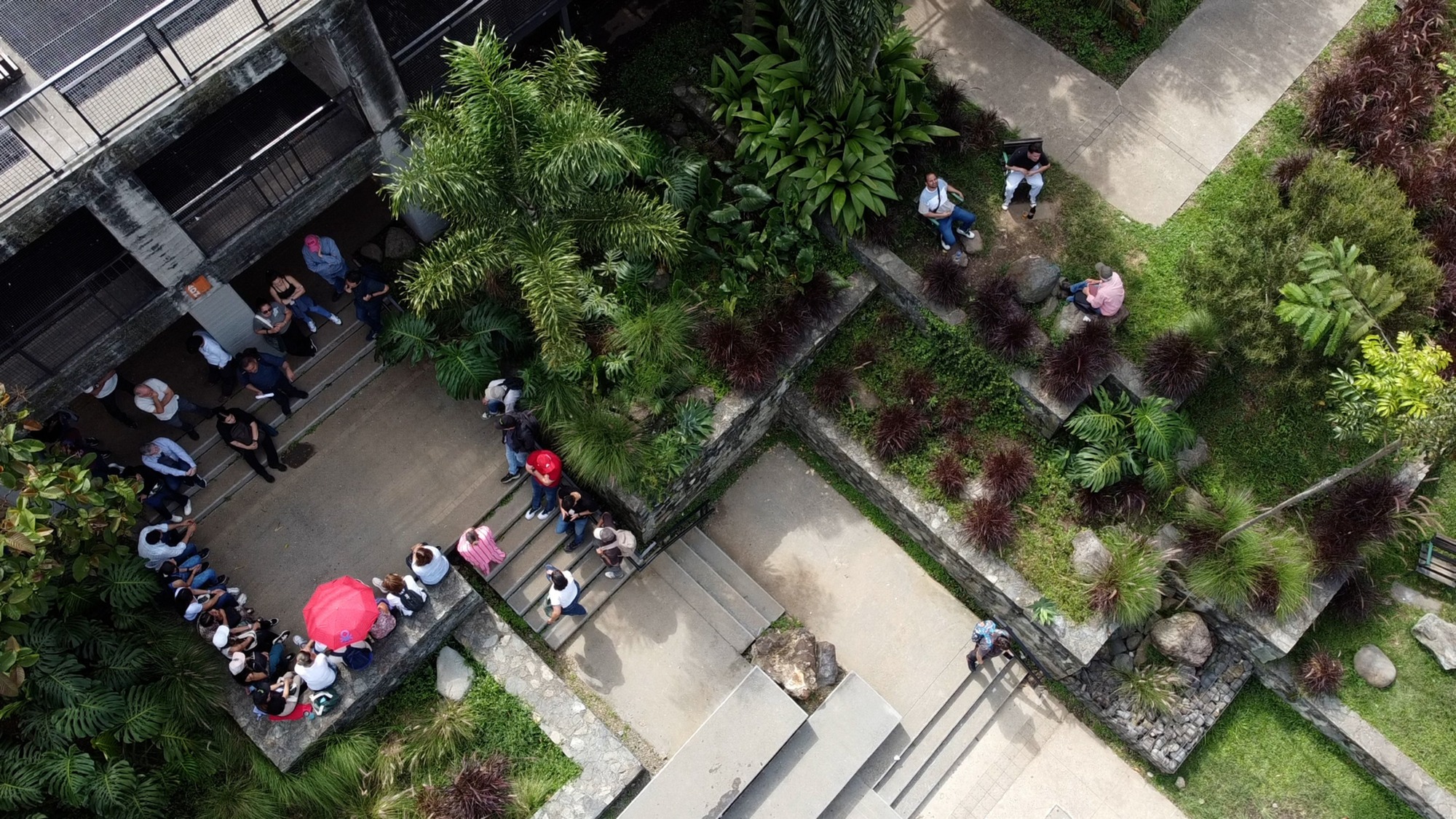
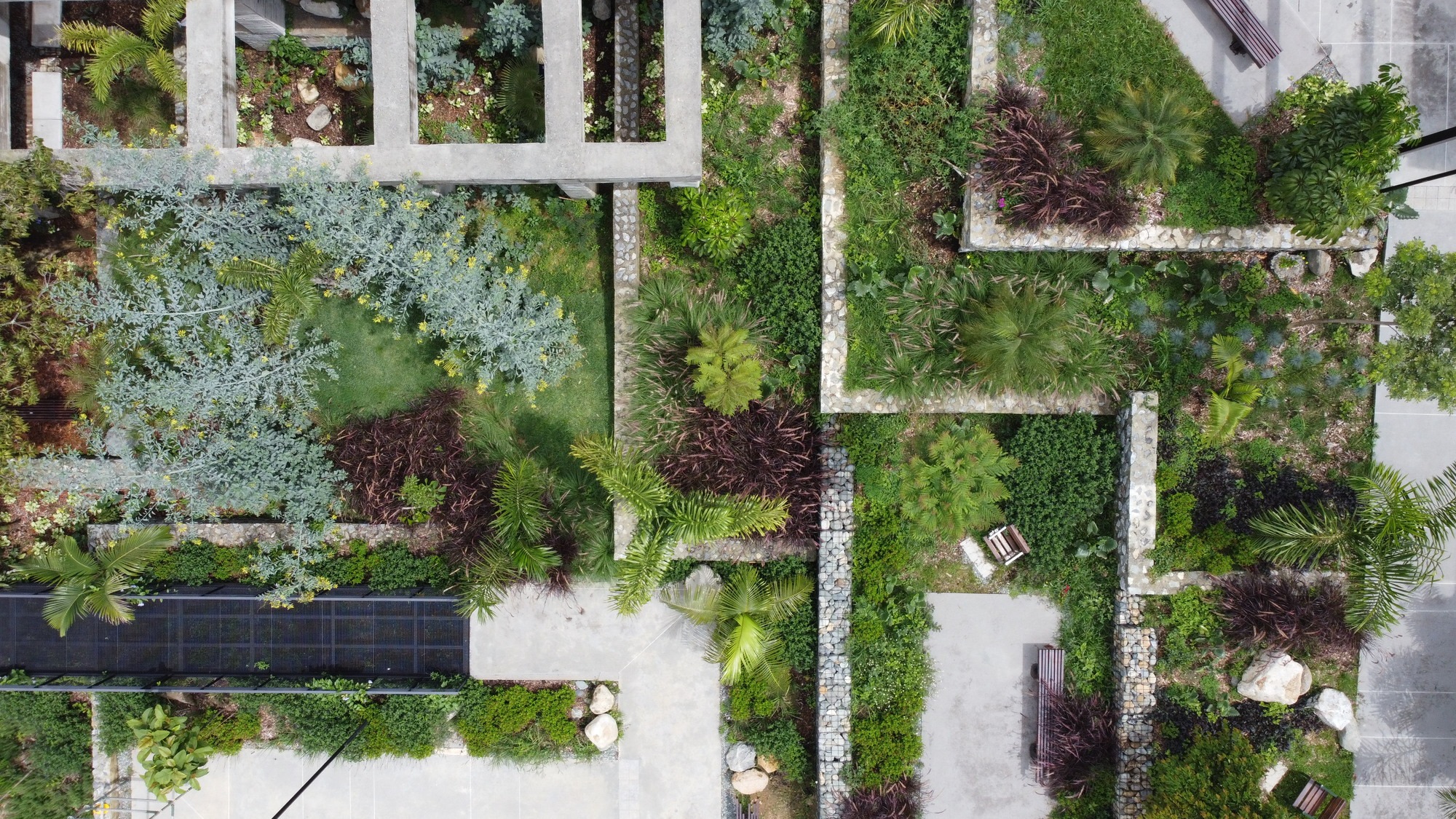
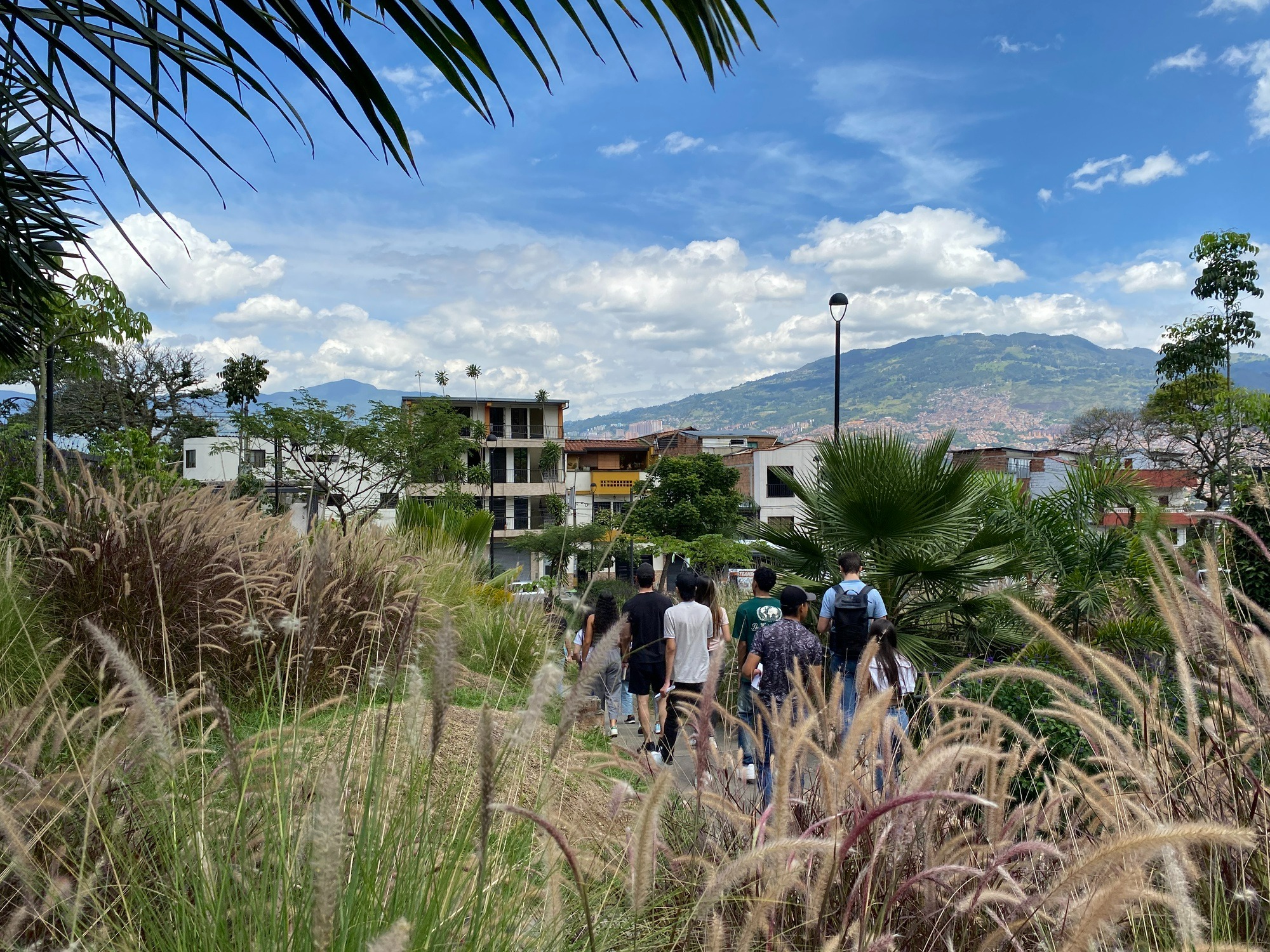
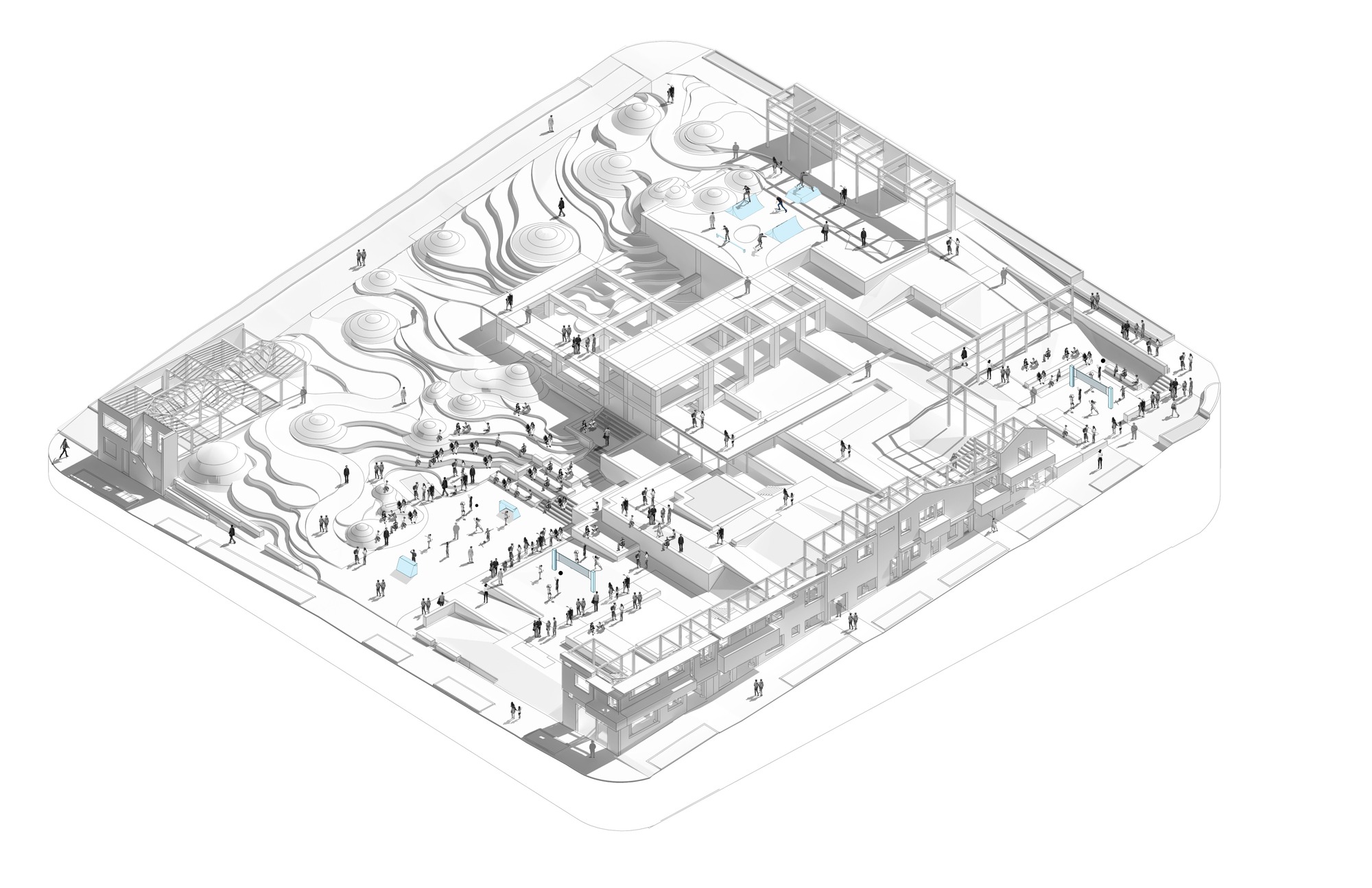
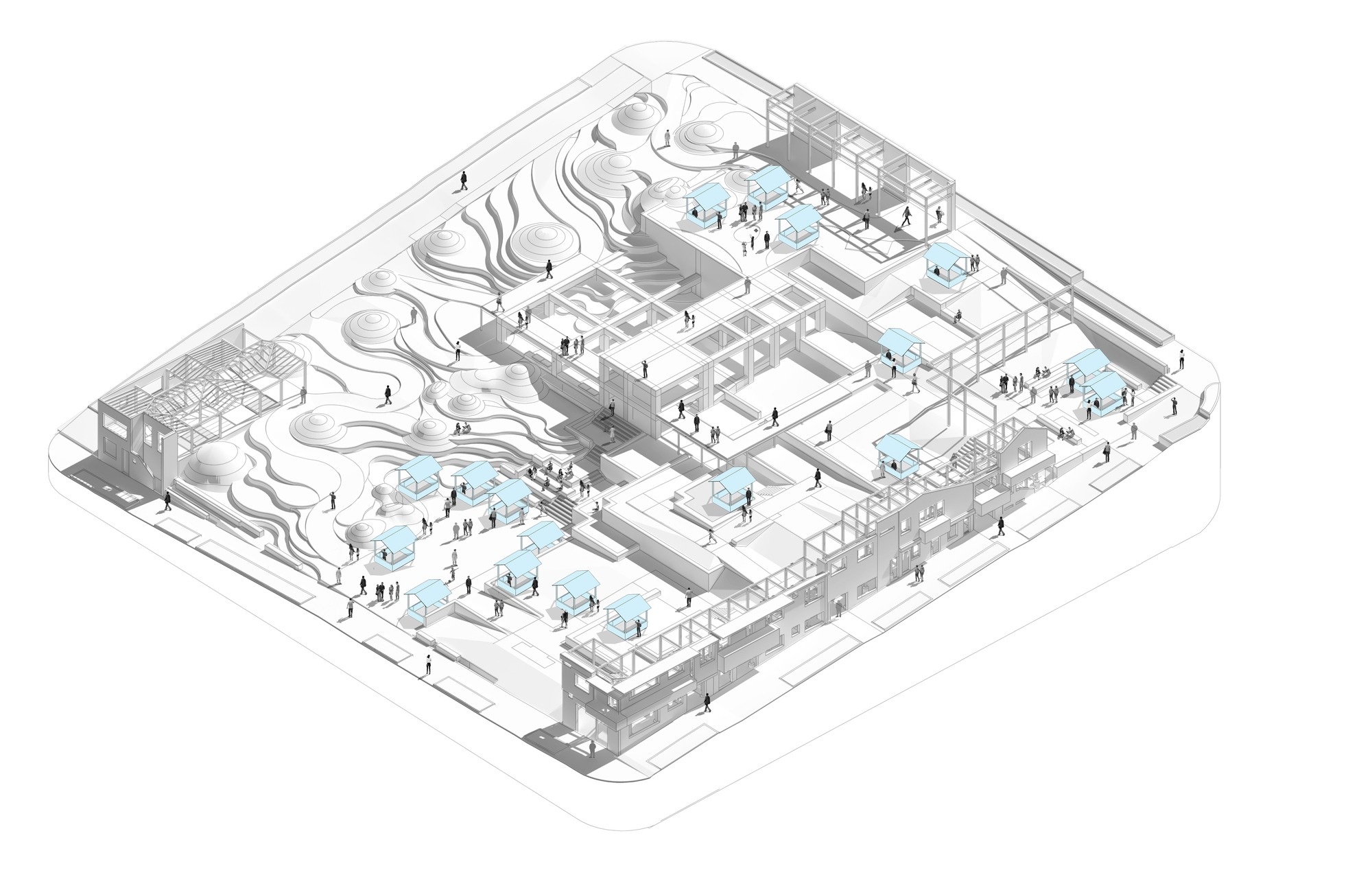
항공에서 내려다보면 이 공원은 교차하는 보행로와 콘크리트 격자 사이에 촘촘히 심긴 녹지의 패턴으로 읽힌다. 하지만 땅 위에 발을 디디는 순간, 그 인상은 달라진다. 억새와 팜 잎사귀 사이로 바람이 지나가는 소리, 자갈길과 콘크리트 경계석 사이로 스미는 그늘, 가파른 계단을 올라 테라스에 도달했을 때 비로소 열리는 메데인의 스카이라인.
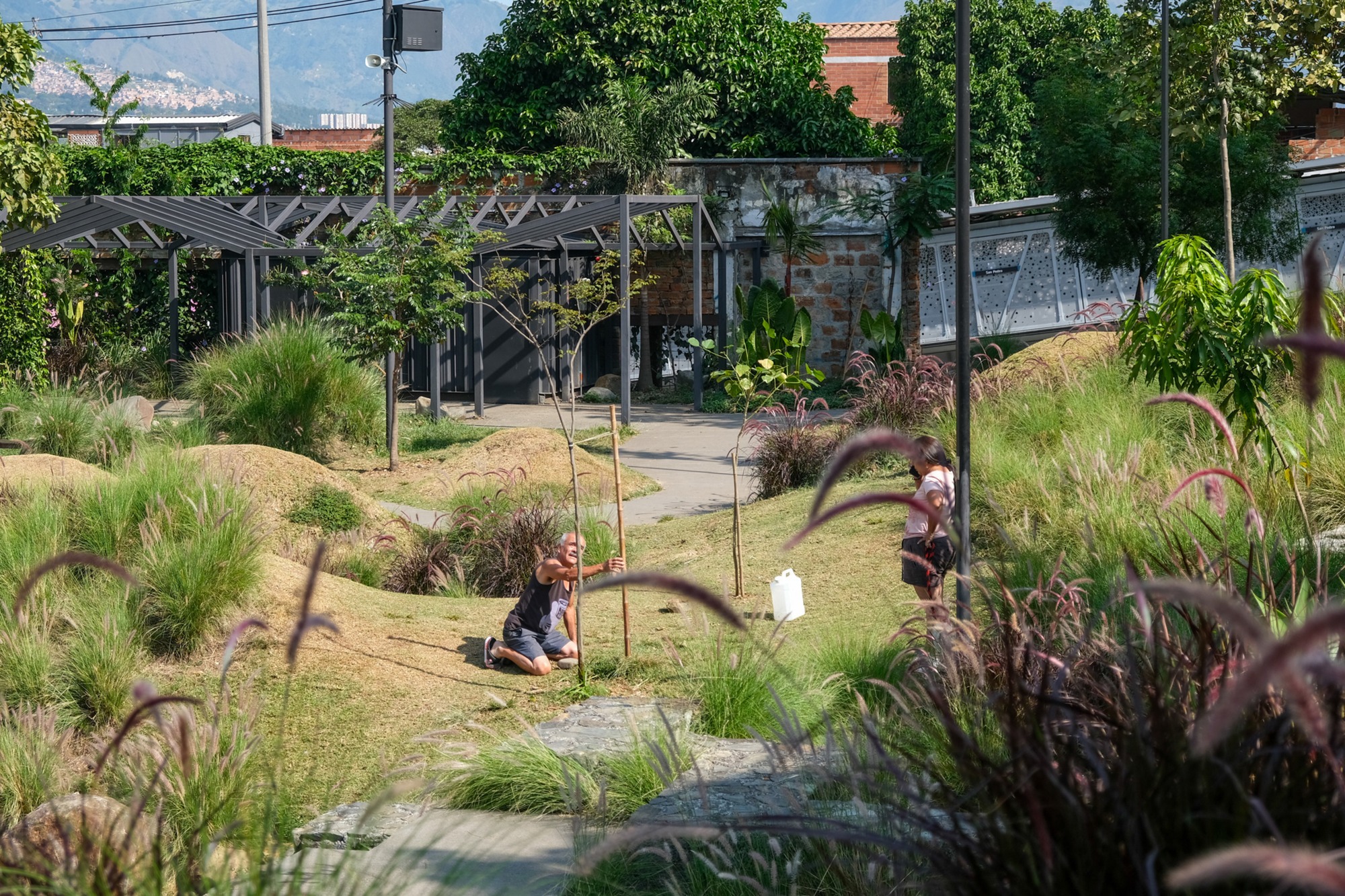
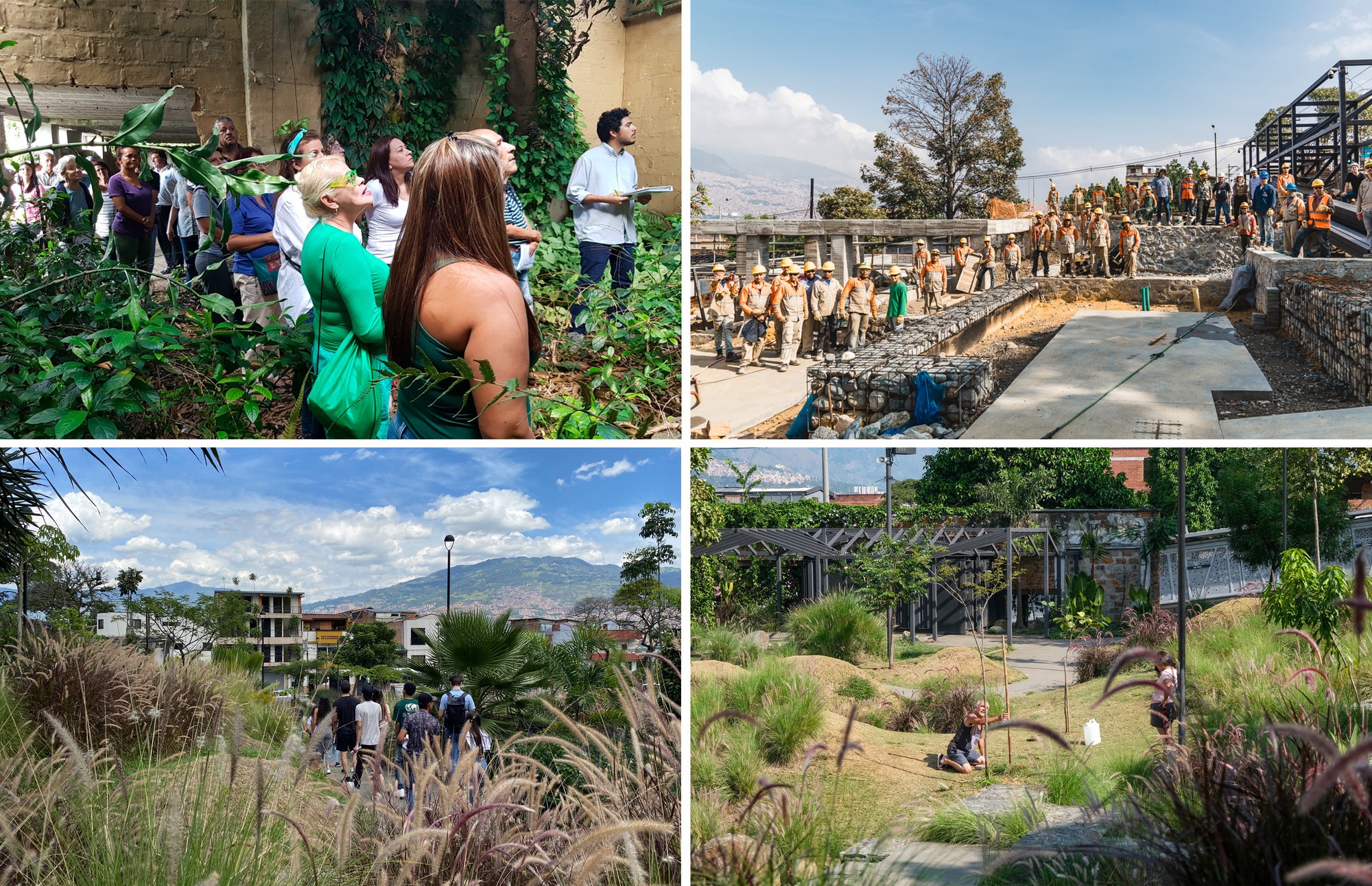
한 남성이 무릎을 꿇고 새 나무를 심고 있다. 물통을 든 이웃이 곁에 서서 거든다. 그것이 이 공원의 본질을 가장 잘 설명하는 장면이다. 프라도 공원은 완성된 것이 아니다. 지금도 자라고 있다. 주민들의 손을 통해, 계절이 바뀌는 속도로, 천천히 그리고 확실하게.
Edgar Mazo와 CONNATURAL은 이 프로젝트를 통해 건축이 할 수 있는 가장 조용하고 강력한 행위를 보여준다. 이미 있는 것을 인정하고, 거기에 생명이 스며드는 조건을 만드는 것. 도시의 상처를 봉합하는 것이 아니라, 그 상처 자체가 새로운 생태계의 토양이 되도록 기다리는 것.
땅은 기억한다. 그리고 이 공원은, 그 기억 위에서 살아간다.
Write by Claude & Jean Browwn
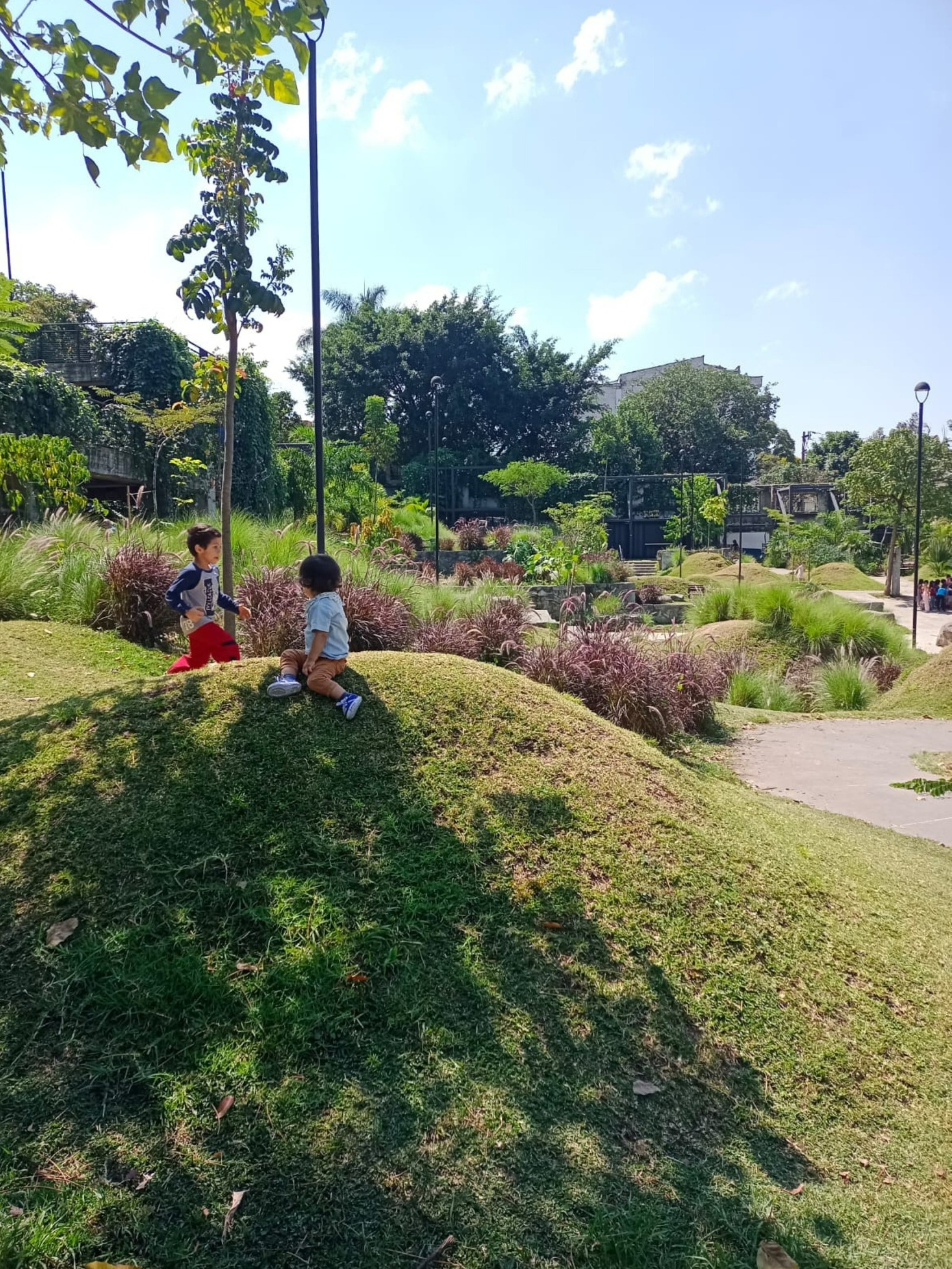
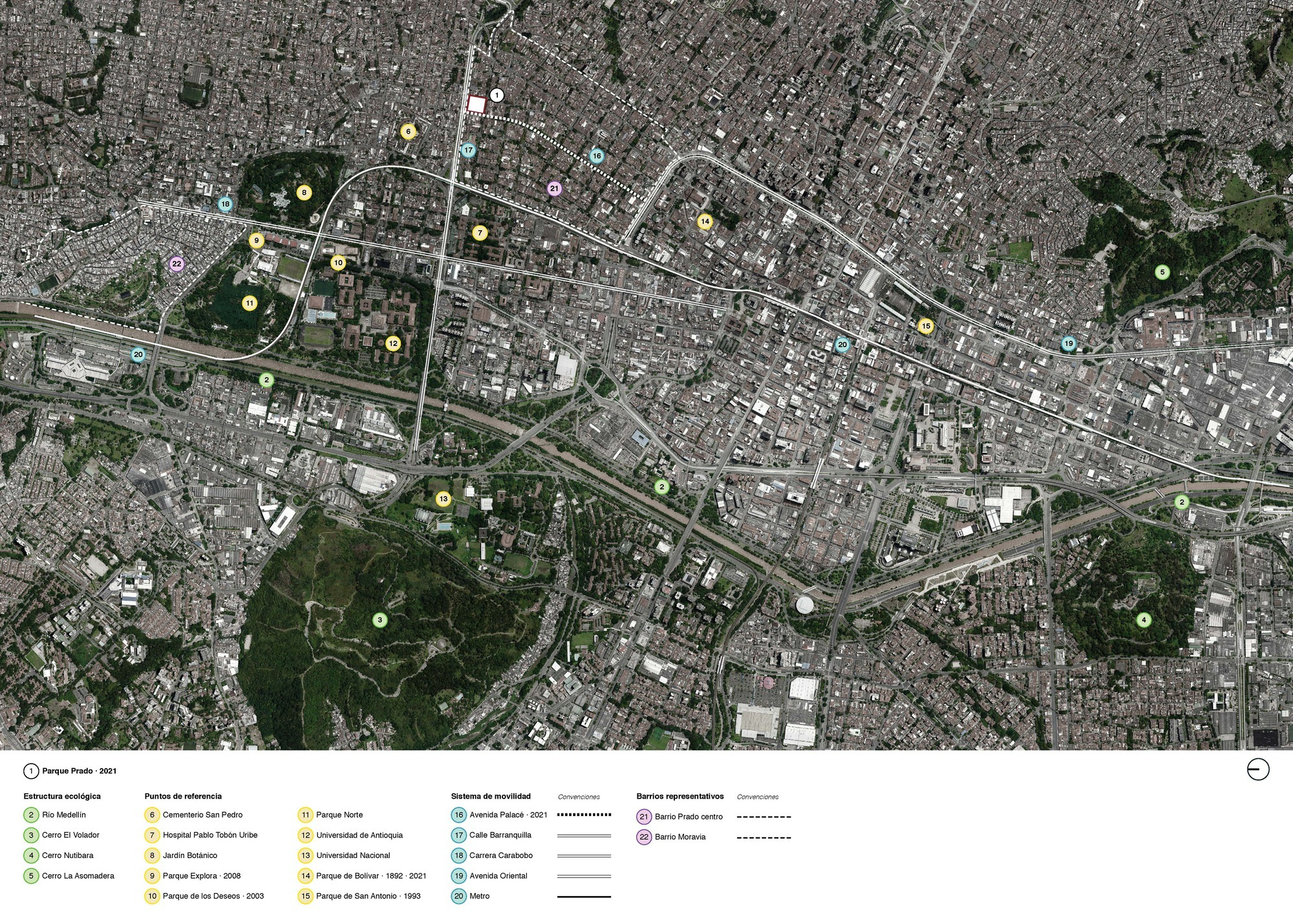


"In the neighborhoods of Aranjuez, a district in the northeastern part of the city of Medellín, street life unfolds not only on a base plane of various curvatures, well contained by the embossed walls of the houses, but also occurs on multiple levels; the relief, its diversity provides high and low levels over each row of houses. This simplicity, of this homogeneous and typical figure, becomes unhinged, decomposes.
- Excerpt from the magazine Circo, Carlos Mesa González.
Located on a moderately sloped site, the Prado Centro park gently shapes the geography, generating sequences of terraces where plant, animal, and human populations are linked around the reuse of materials, implementation of vernacular construction techniques, and generation of soil permeability for the infiltration and use of runoff water. The project is a metaphor for what emerges, becomes, and grows naturally; it is based on the naturalization of cultural action as a vital principle for the future of the city.
The project interprets for the first time in the city sustainable construction urban policies through three specific actions.
Do not demolish, disassemble the existing material on the site with the purpose of reorganizing, regrouping, and reusing it in different processes for the construction of the new park, giving new meaning to the material. Reducing the pressure of waste in landfills and minimizing the demand for new inputs.
Change the model of stormwater management in the city through retention and infiltration of water in the gardens, using it for irrigation, strengthening the growth rate of the selected vegetation and its permanence over time.
Rescue of vernacular construction traditions and recursive use of second generation materials seeking to bring public works closer as a constructive example for the population.
Under the premise of reusing all materials resulting from the dismantling and excavations carried out on site, the aim is to reduce the CO2 footprint produced by:
Reduction in fuel consumption and combustion gas emissions required for the disposal of demolition material and the import of materials for earth fills and general construction works.
Reduction in fuel consumption used in the extraction of raw materials for construction.
Reduction in the consumption of aggregate materials extracted from quarries.
Preservation and protection of all existing trees within the project area.
Planting of 95 trees, 135 palms, and 2,600 m² of understory species, which will help mitigate CO₂ emissions and contrib
from archdaily