땅을 가볍게 딛어라
호주 원주민의 오랜 속담이자, 건축가 글렌 머컷이 평생토록 새겨온 말
 |
 |
 |
Miller Hull Partnership-Trestle Cabin
비탈과 전나무 사이에서
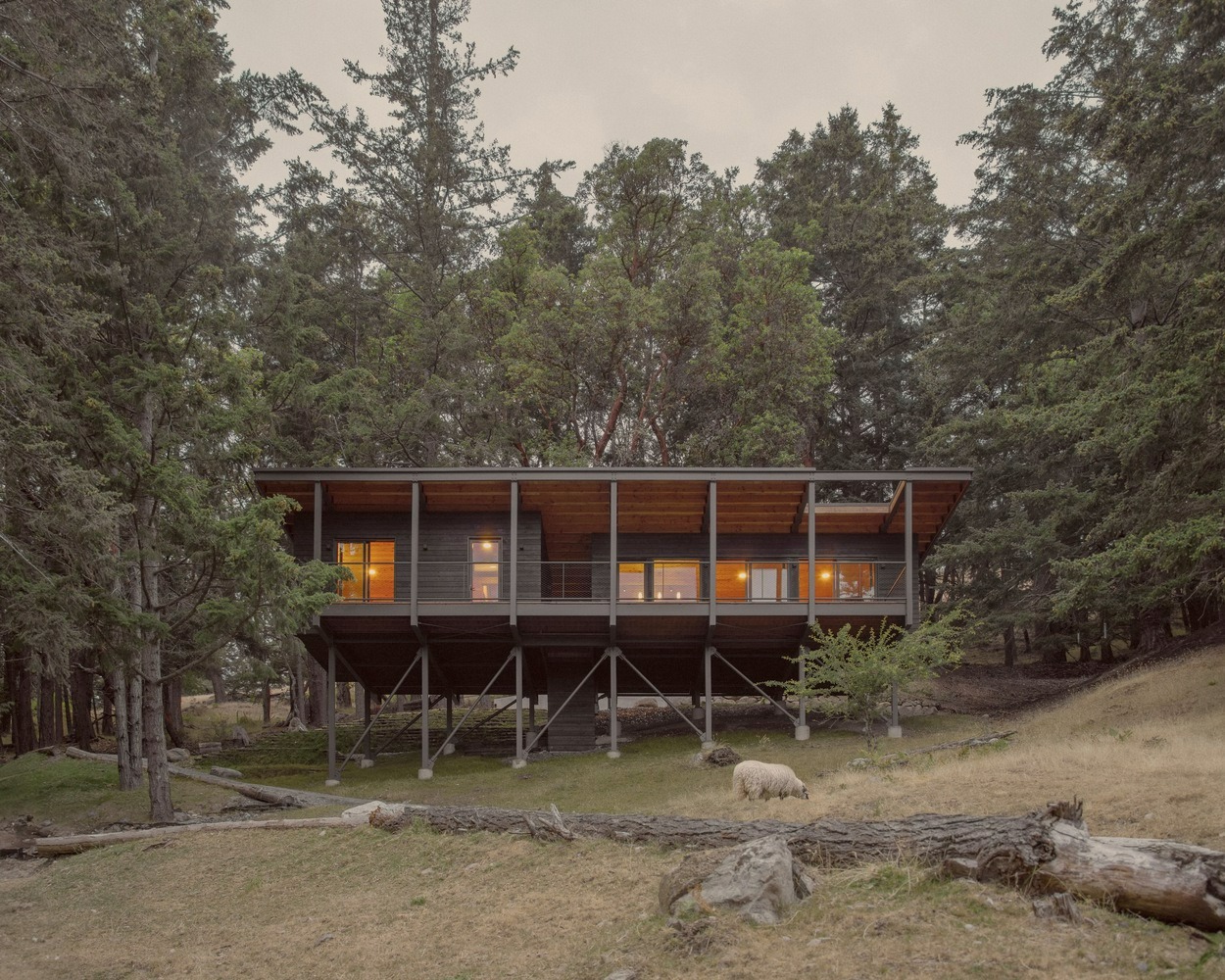
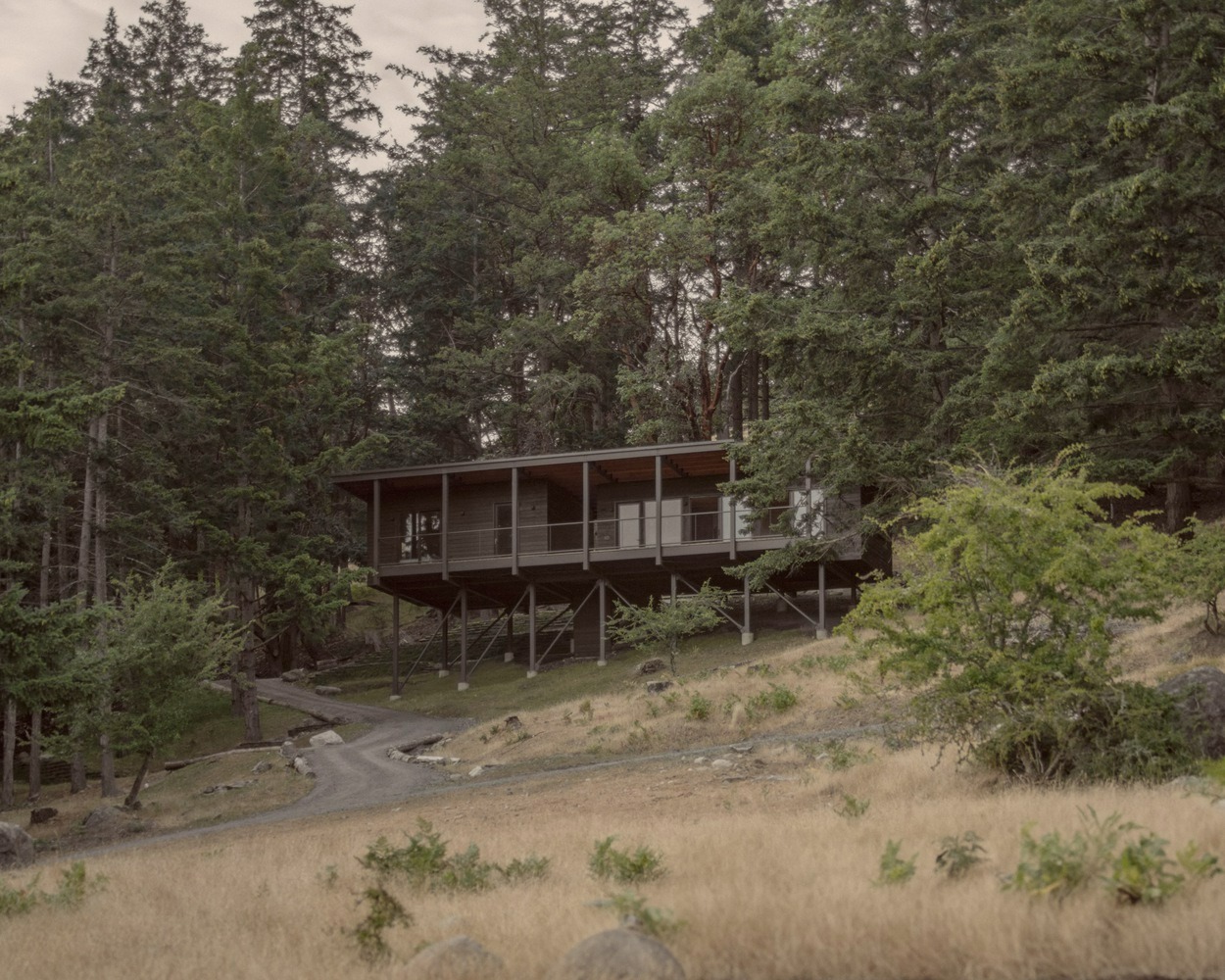
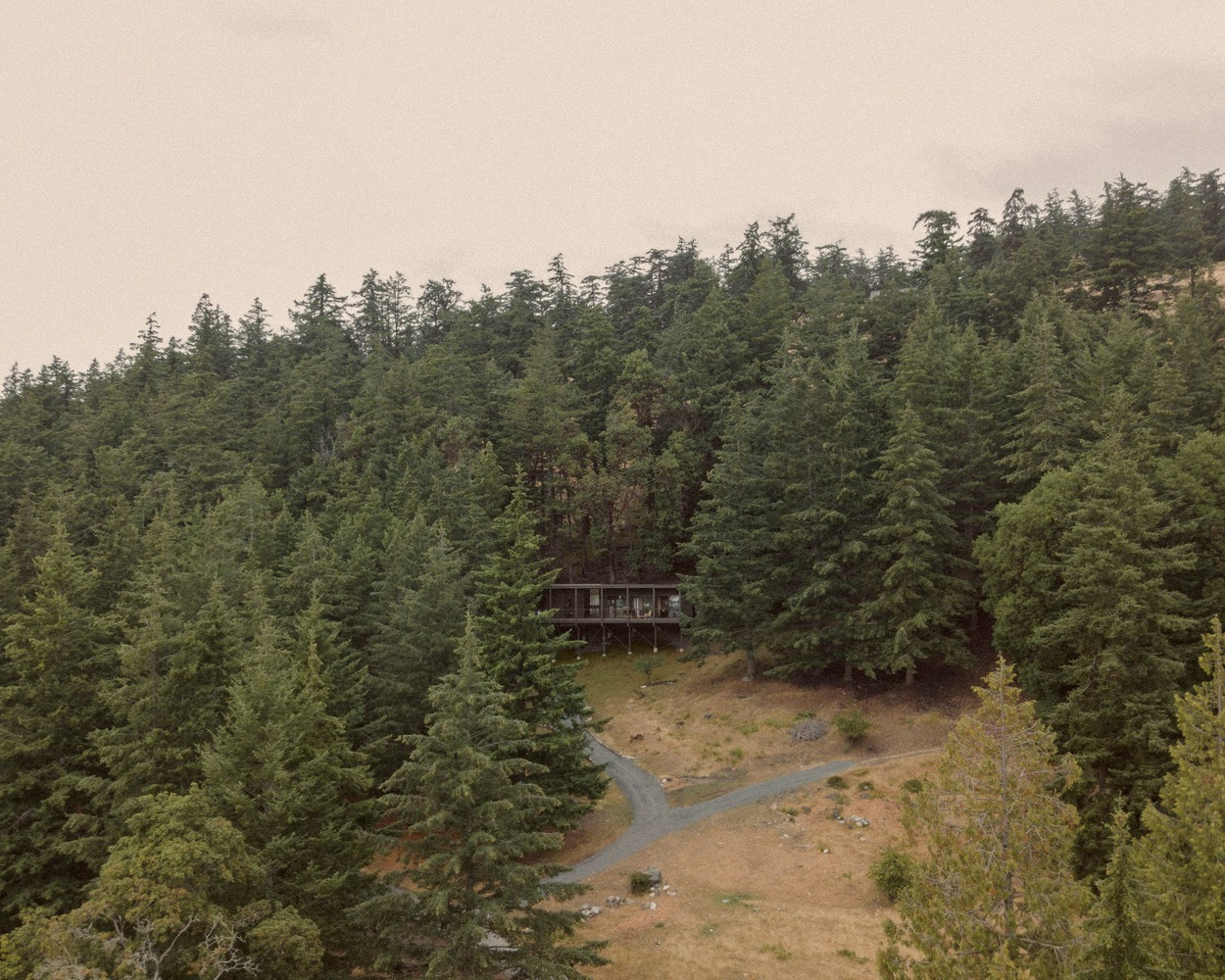
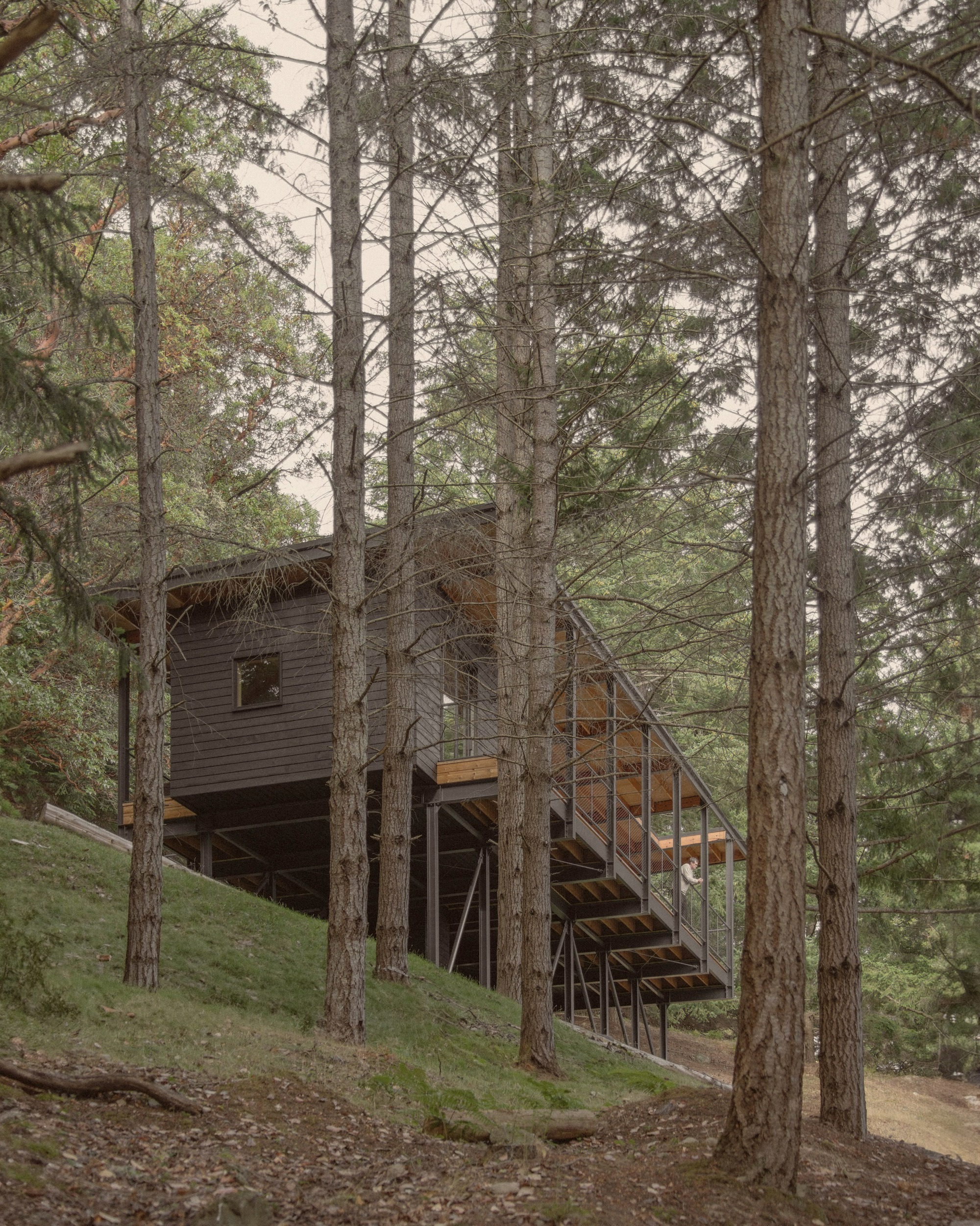
시애틀에서 북쪽으로 110여 킬로미터, 샐리시해(Salish Sea)에 떠 있는 외딴 섬 하나에 트레슬 캐빈이 자리한다. 전나무와 마드로뇨가 빽빽이 들어찬 비탈 끝, 산후안 제도(San Juan Islands)를 향해 남쪽으로 시야가 트인 자리다. 가파른 지형과 까다로운 접근로는 설계를 가로막는 장애가 아니라 오히려 출발점이 되었다. 밀러 헐 파트너십(Miller Hull Partnership)은 경사면을 깎아내는 대신, 거주 공간 전체를 나무 캐노피 사이로 들어올리는 길을 택했다. 그 결과 지면은 다시 섬의 동식물에게 돌아갔고, 야생 양과 사슴이 캐빈 아래를 가로질러 풀을 뜯는 풍경이 일상이 되었다.
땅을 파지 않고, 띄우다
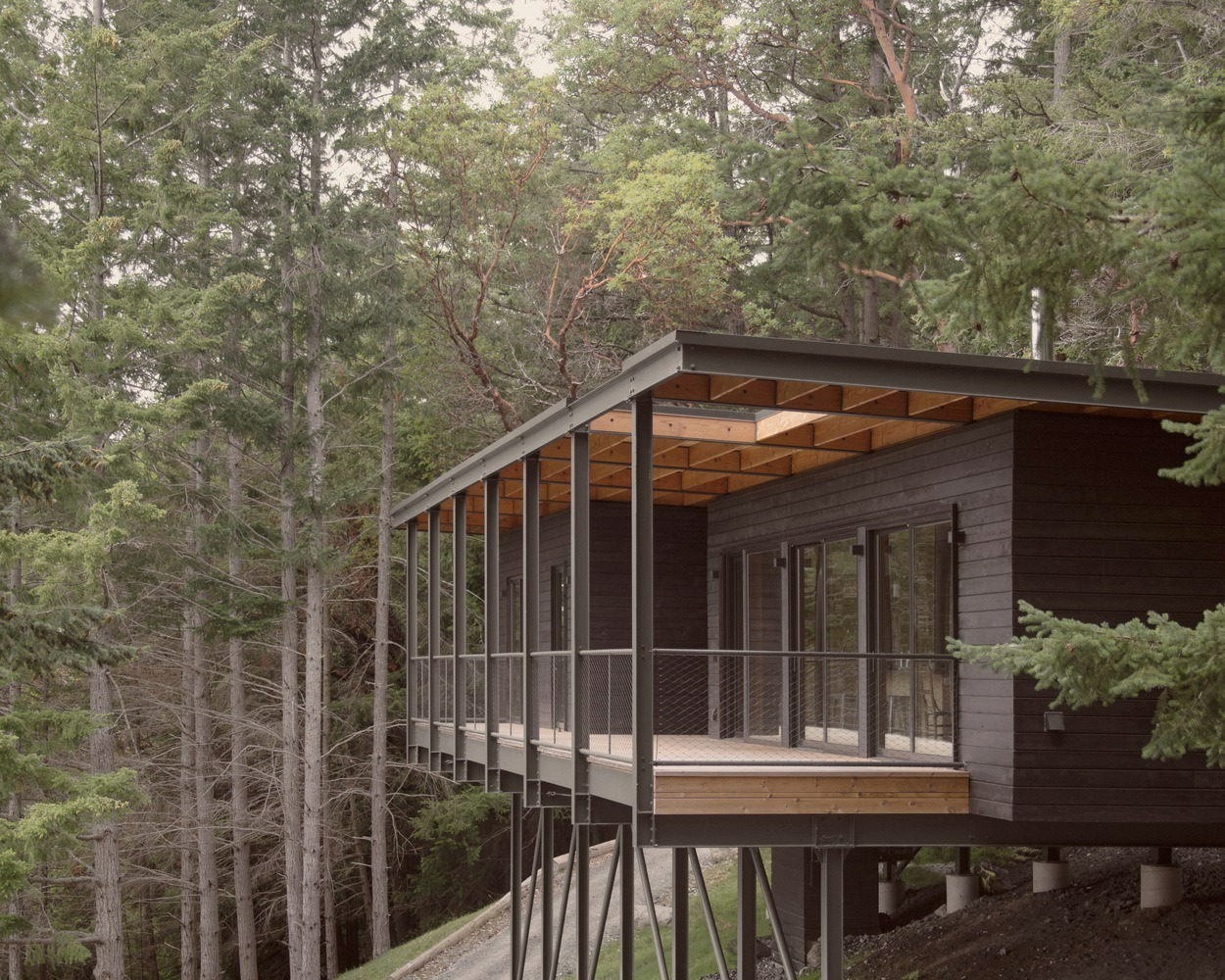
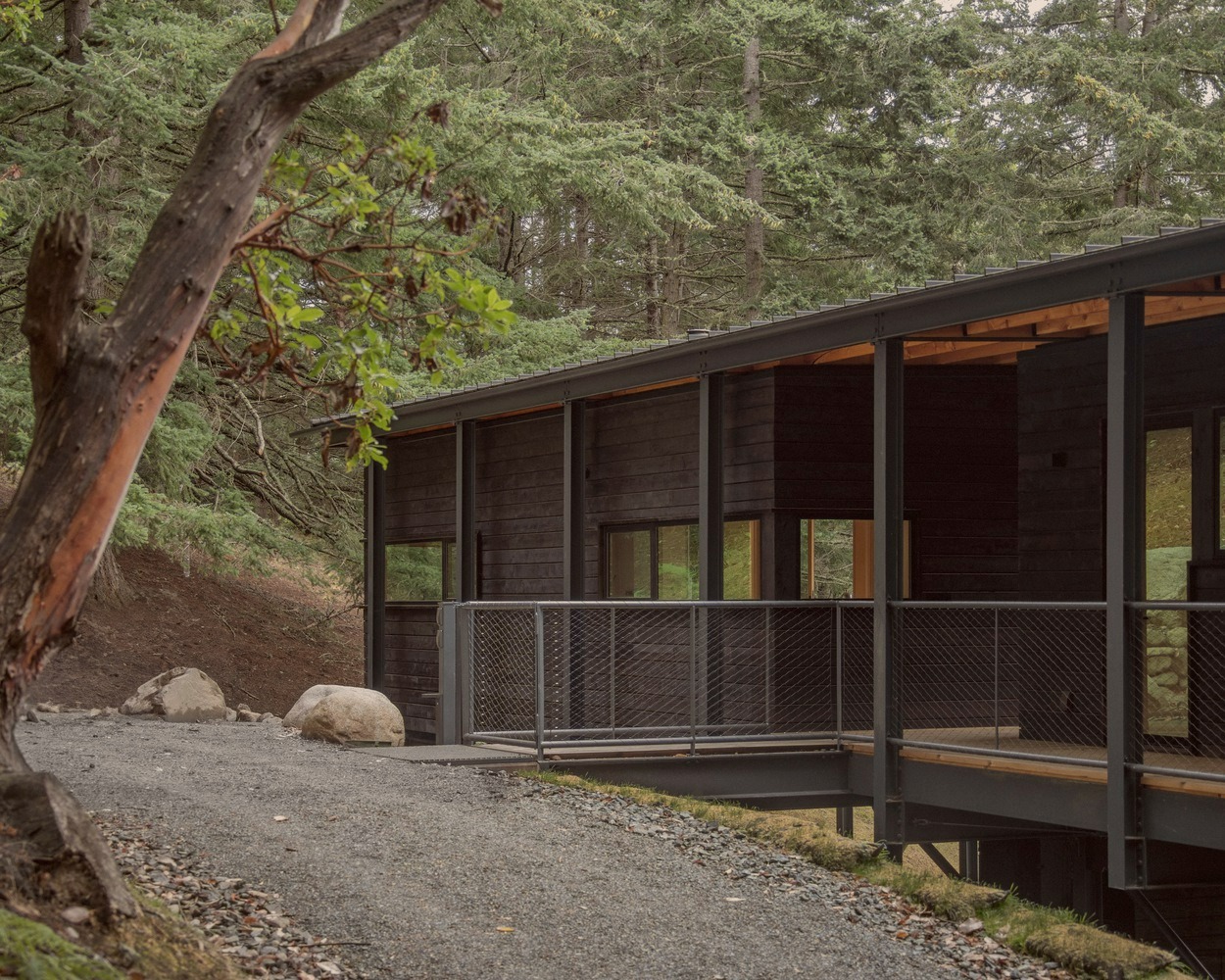
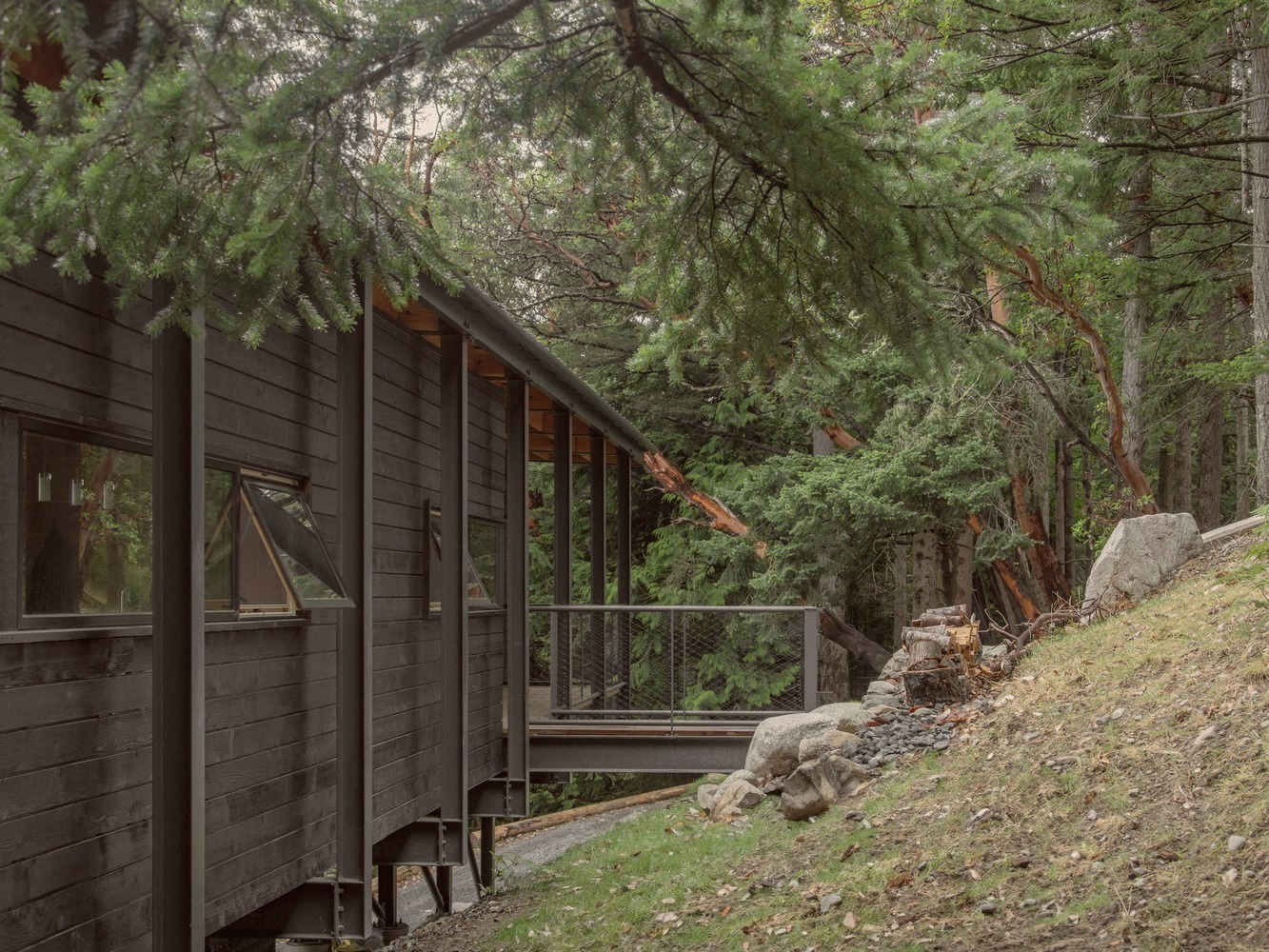
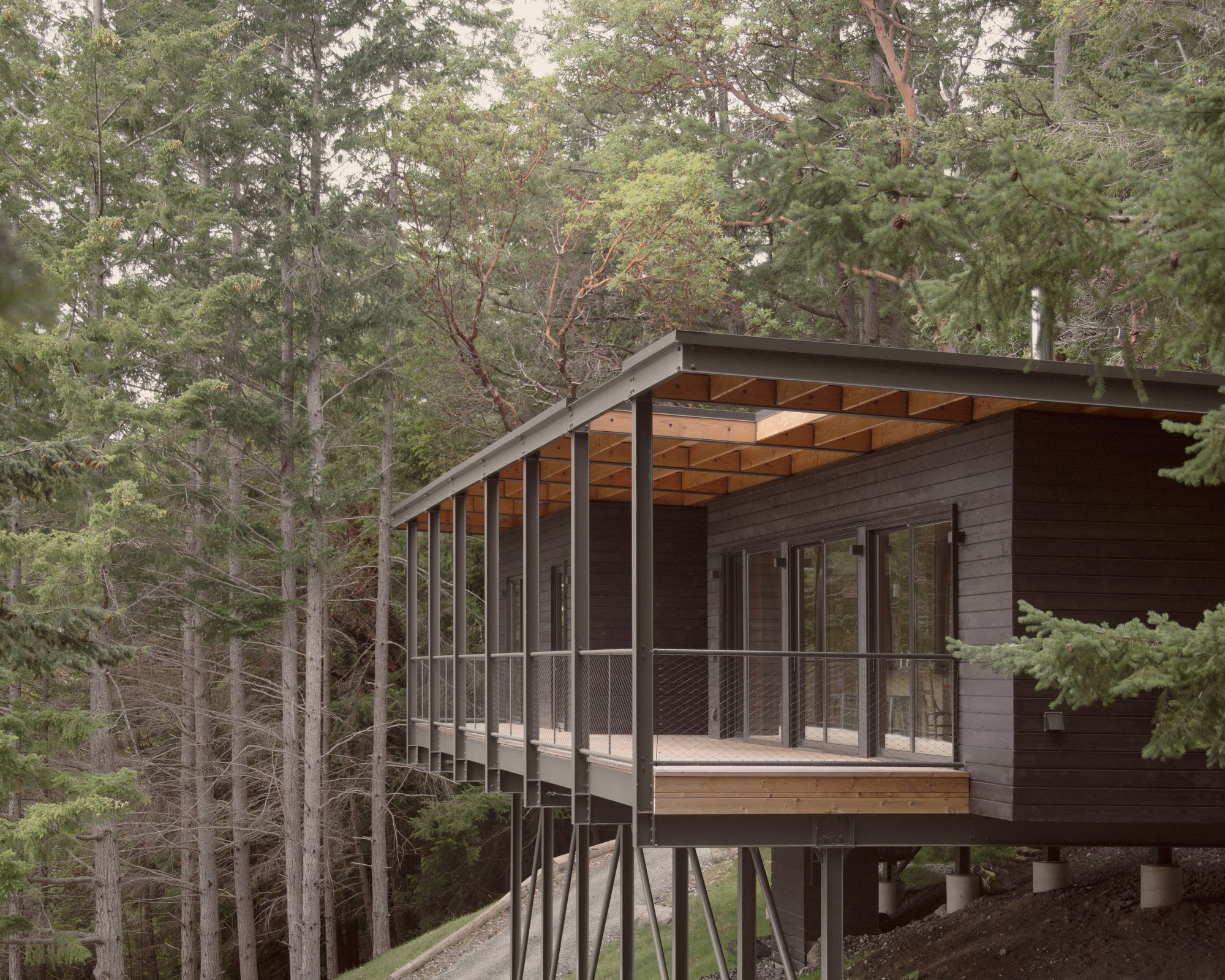
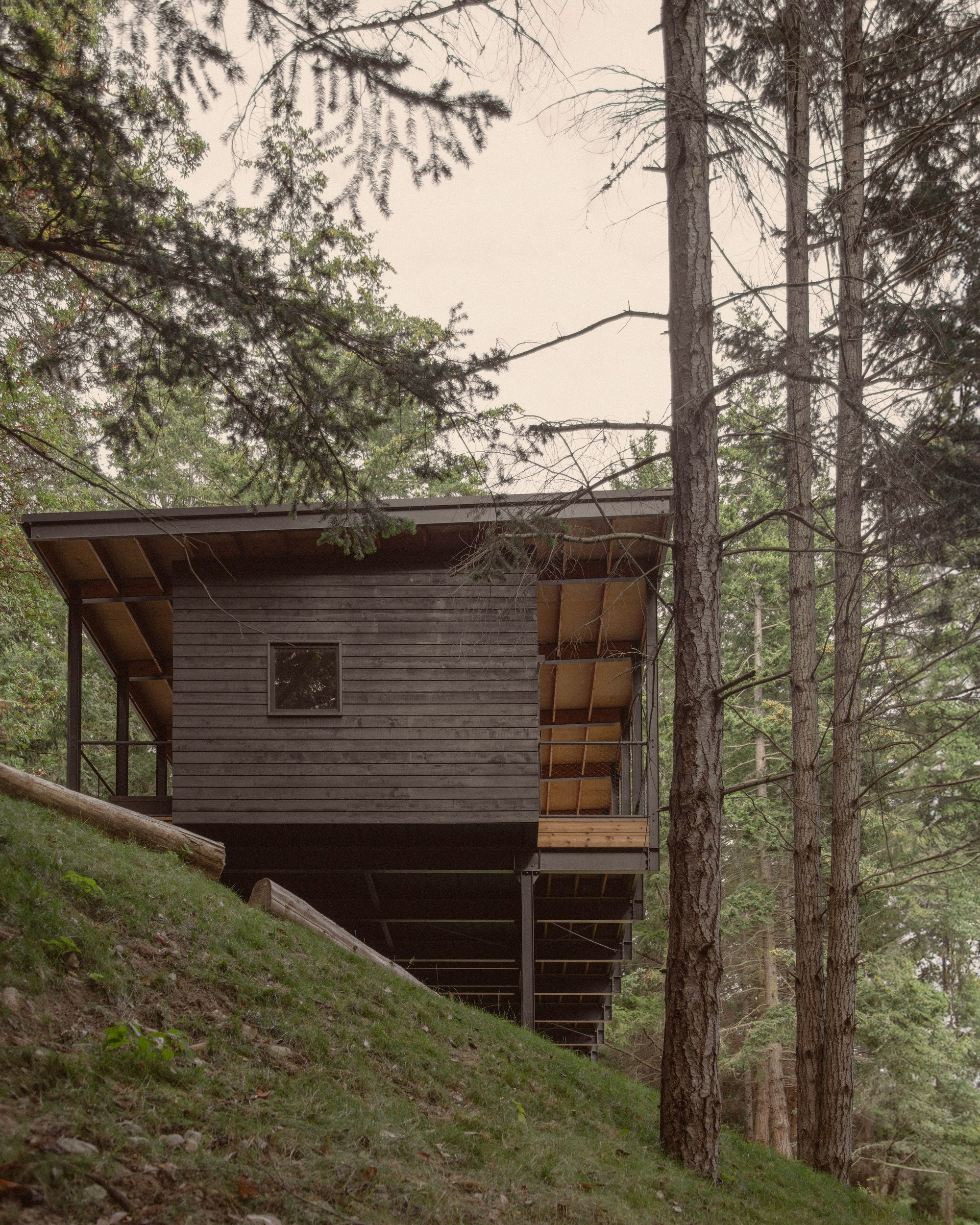
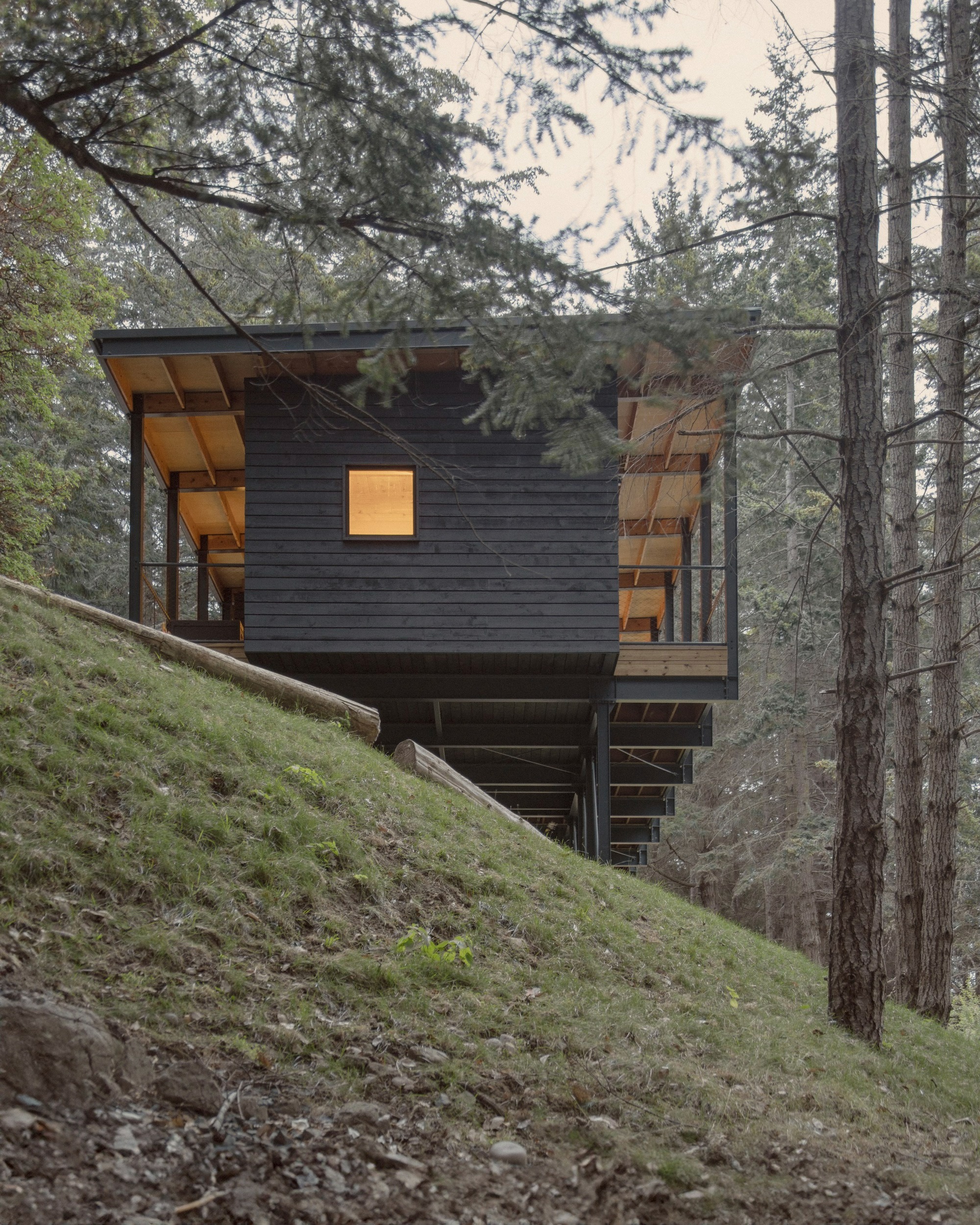
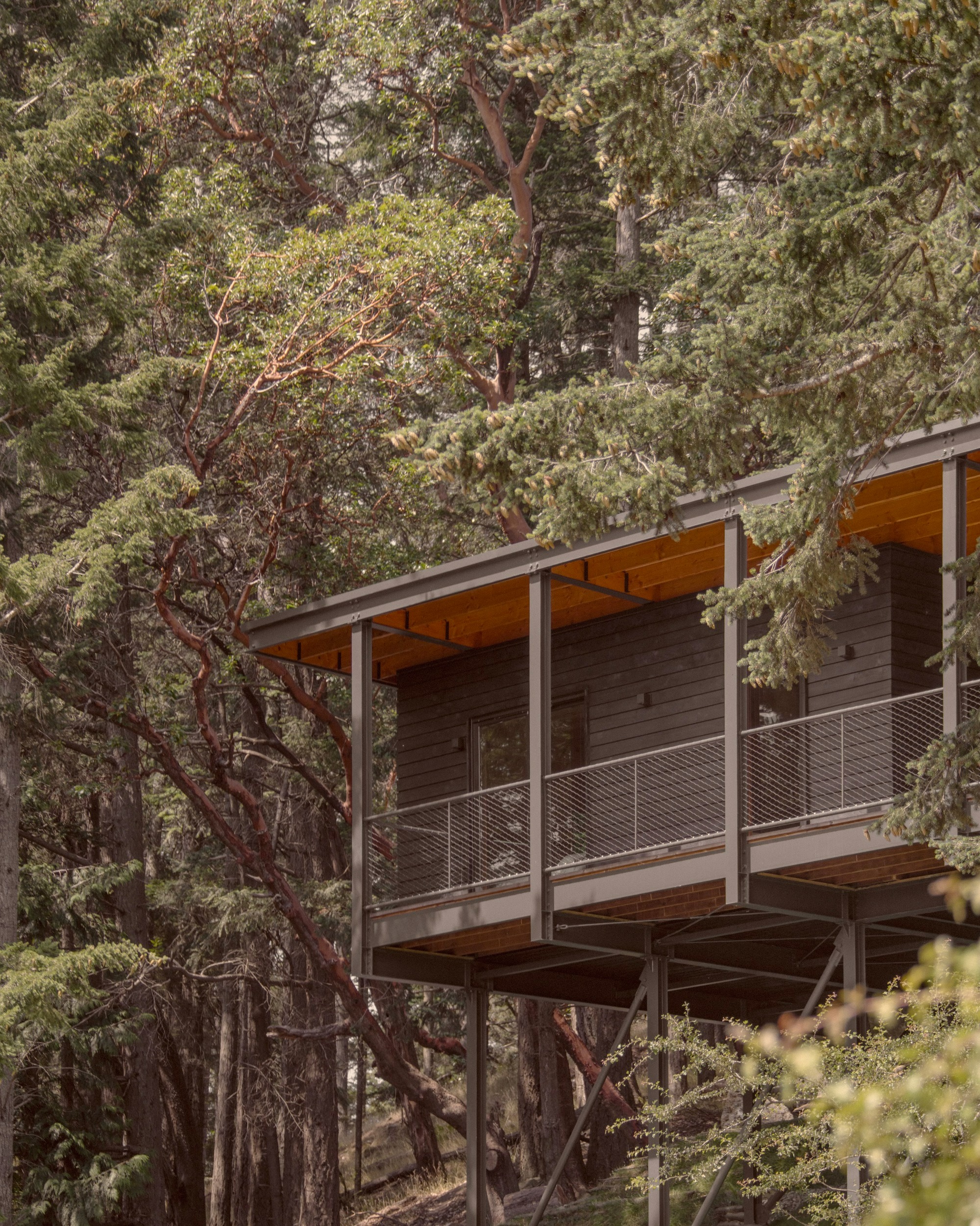
가파른 비탈에서 밀러 헐 파트너십이 택한 전략은 굴착이 아니라 부유다. 율동감 있는 강철 외골격 구조가 경사진 지형을 타고 오르내리며, 지면 위에 사람이 머물 수 있는 평면 하나를 띄워 올린다. 수직으로 곧게 뻗은 철골 기둥은 주변 나무줄기의 리듬을 그대로 옮겨놓은 듯하고, 그 사이로 숲의 그림자가 자연스레 스며든다. 멀리서 보면 건물은 숲에 섞여 들어가다 못해 거의 자취를 감춘다.
다리를 건너듯 들어서는 집
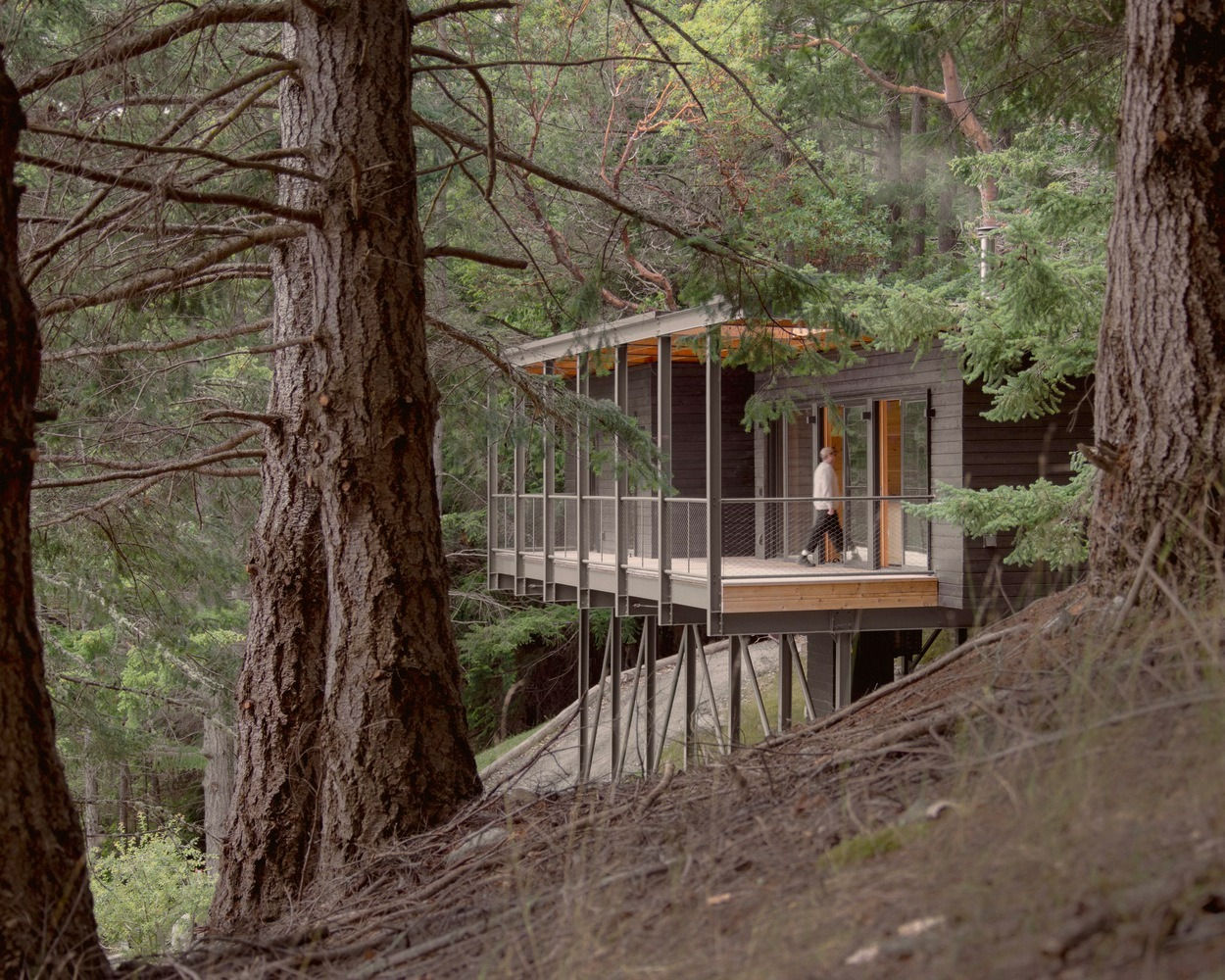
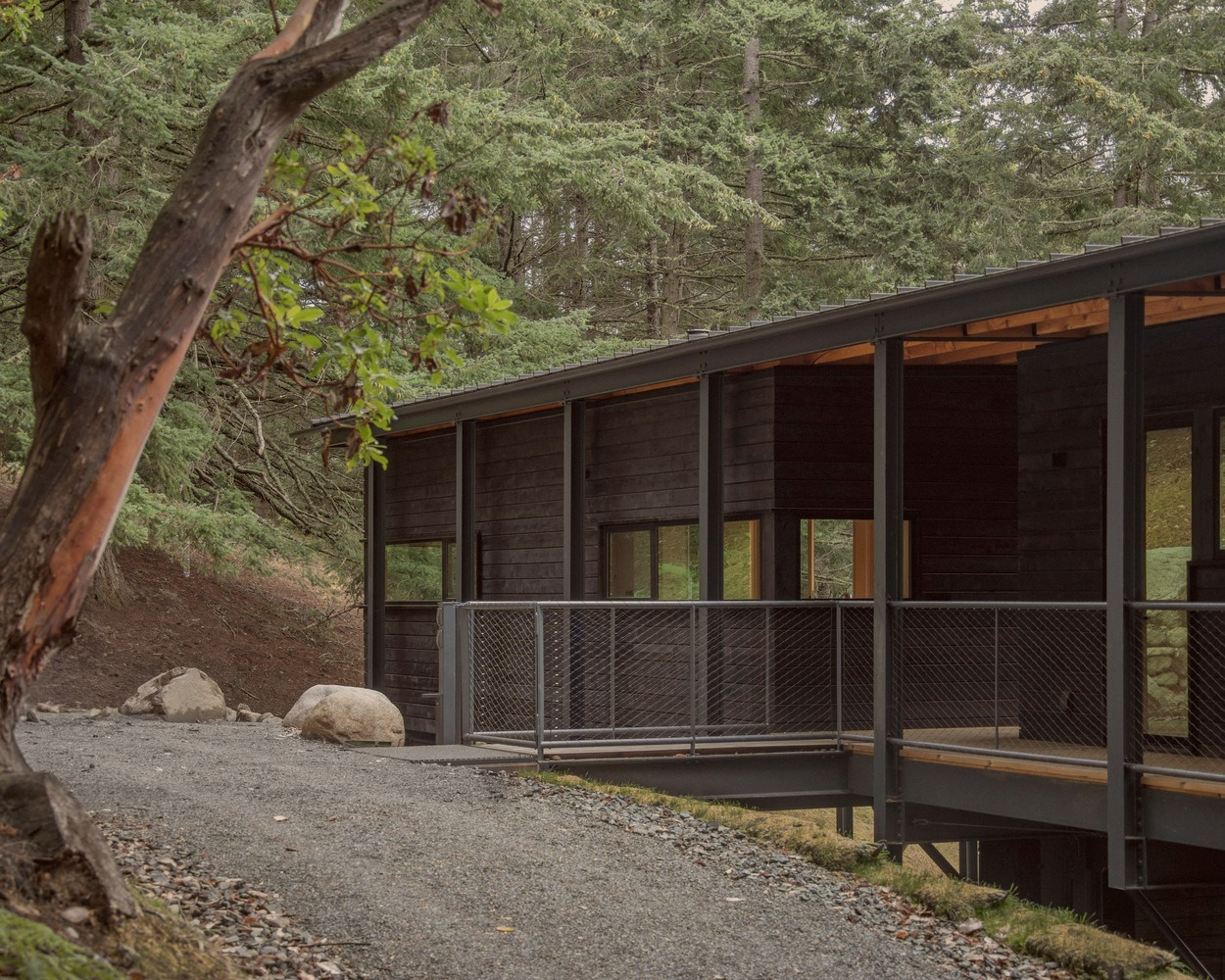
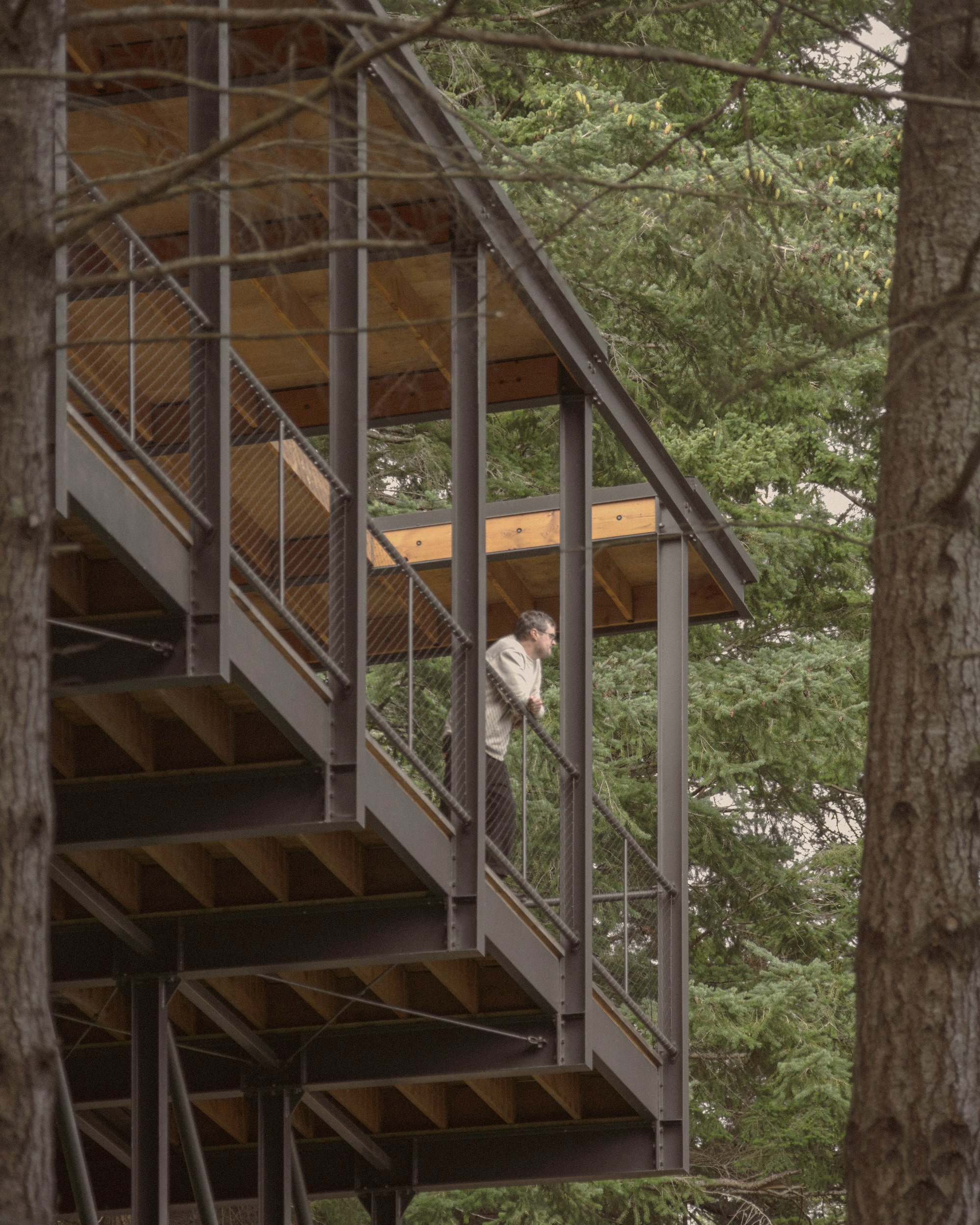
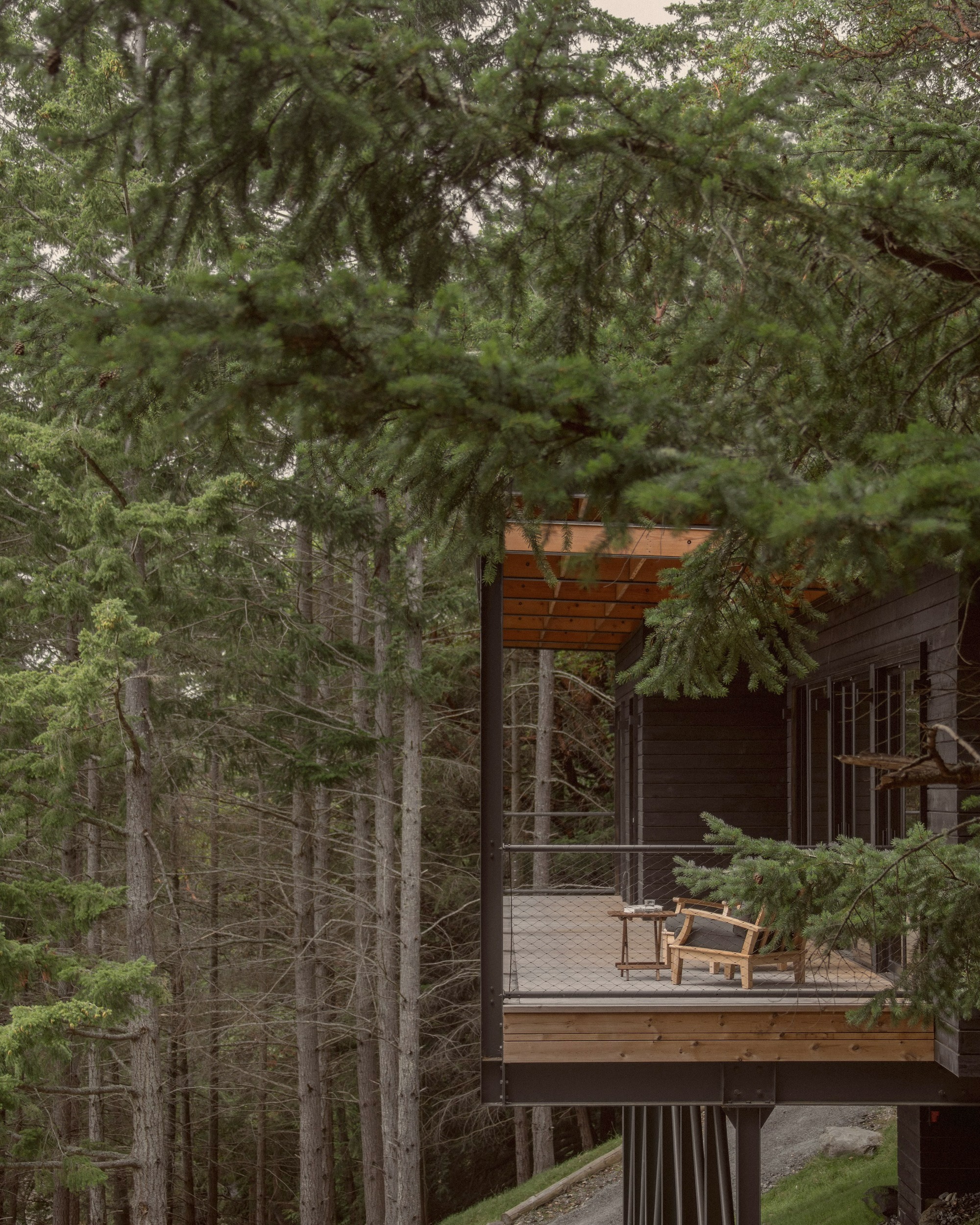
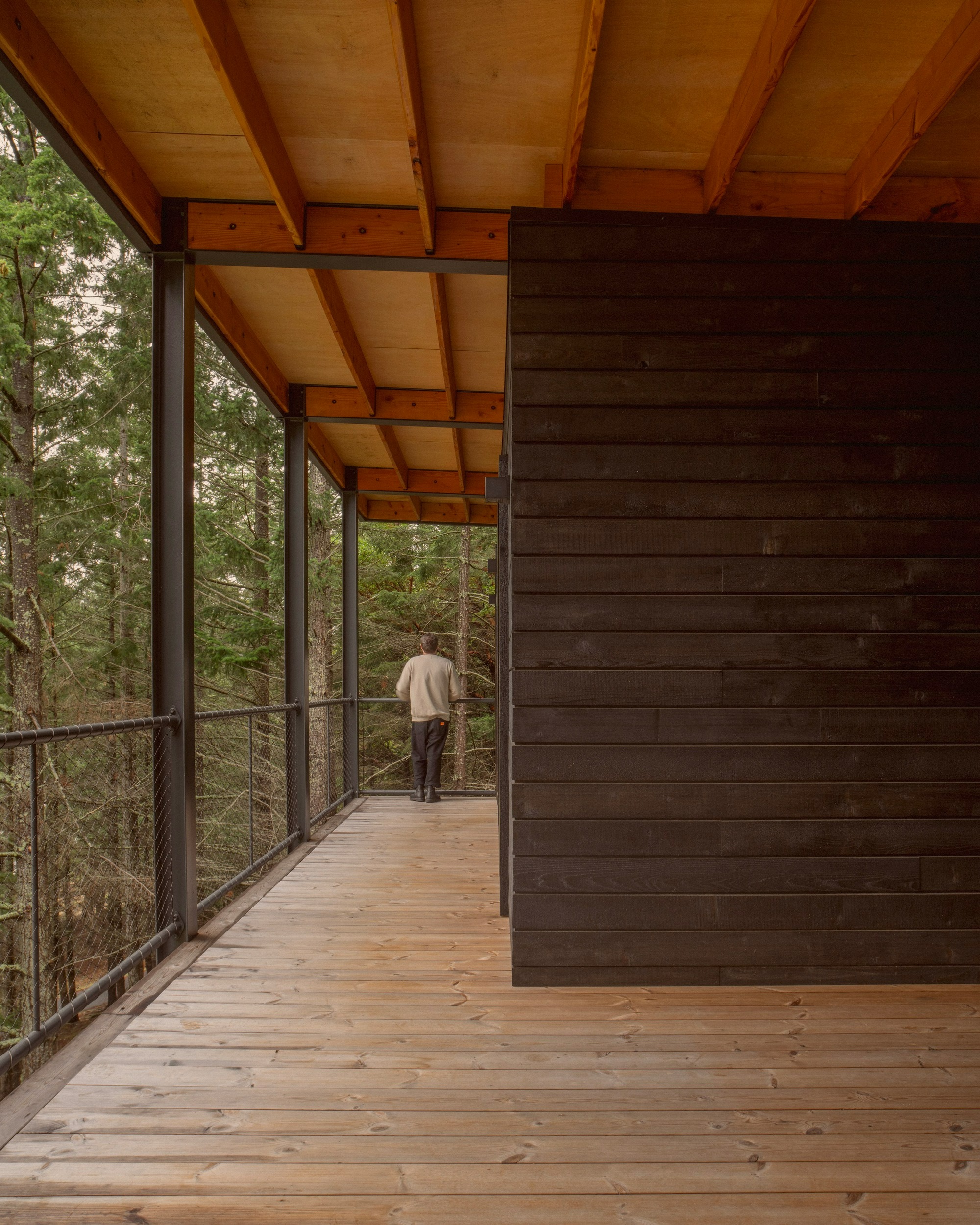
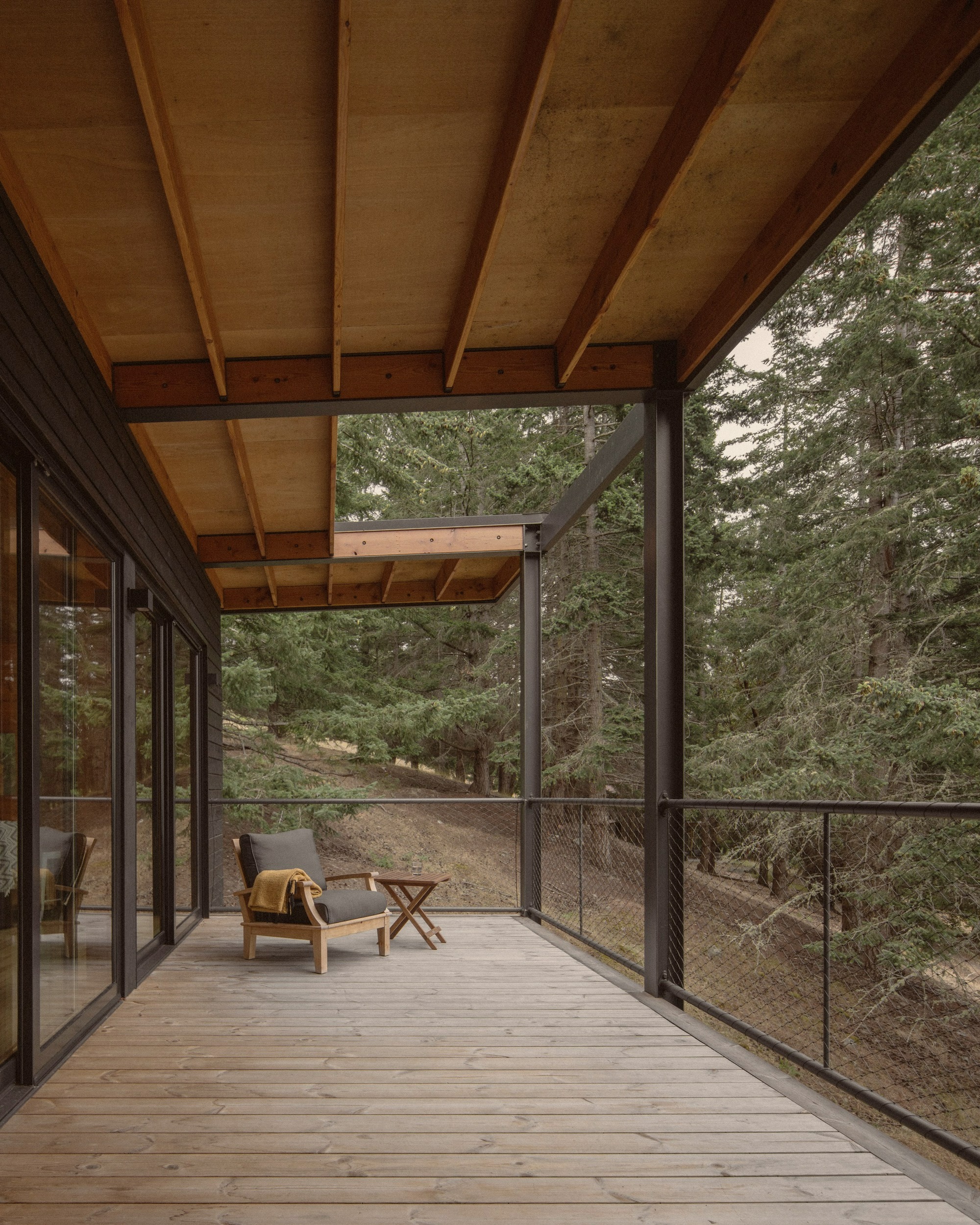
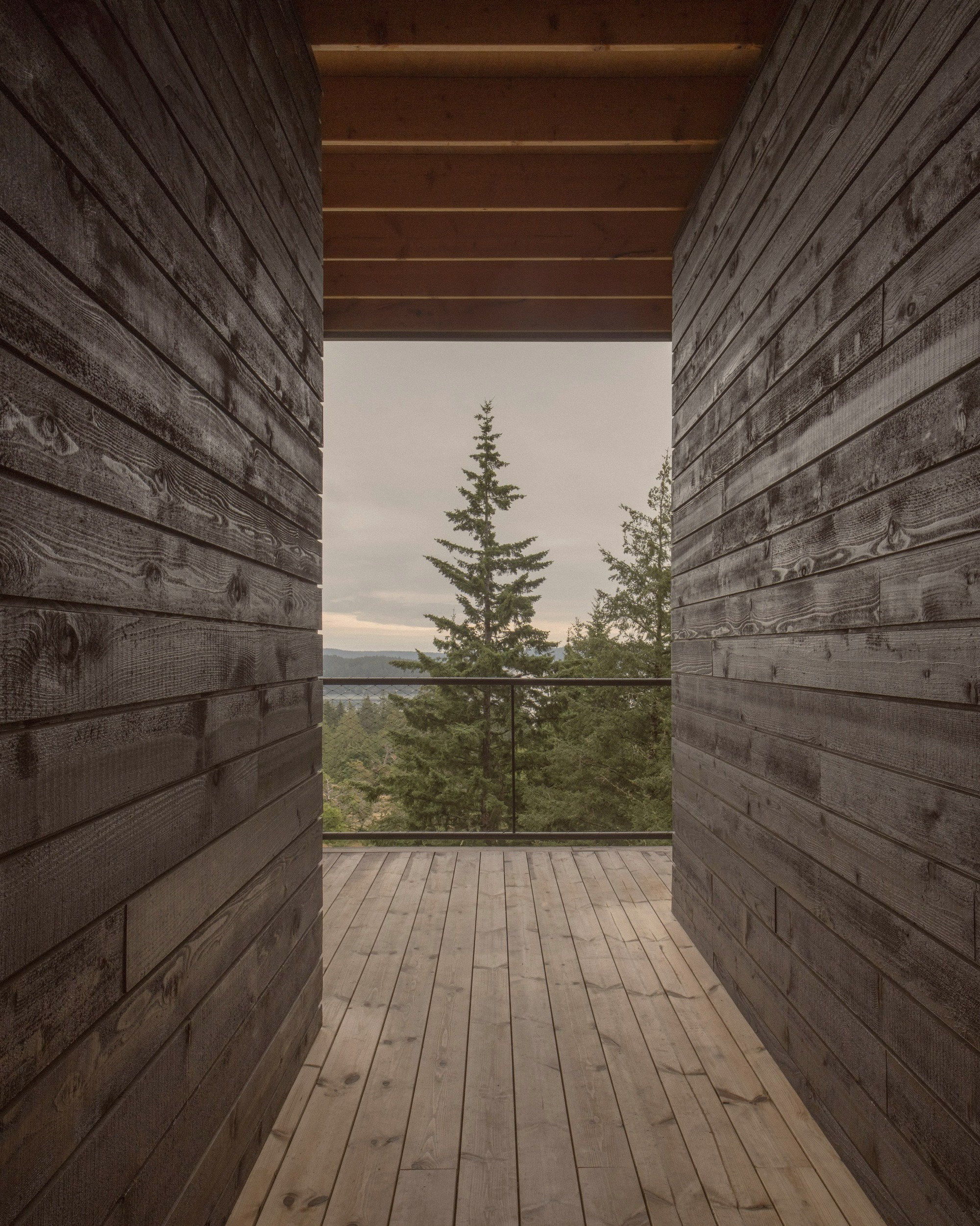
캐빈으로 향하는 길은 다리를 건너는 경험에 가깝다. 가는 철제 난간과 와이어 메시가 둘러싼 통로가 나무 사이를 가로지르고, 발아래로는 비탈과 그 위를 거니는 양 떼가 내려다보인다. 통로 끝에서 만나는 데크는 짙은 목재 사이딩의 벽체와 마주하며 실내외 경계를 흐릿하게 지운다. 안락의자 한 쌍과 작은 테이블이 놓인 데크는 그 자체로 숲을 향한 또 하나의 방이 된다.
200년을 내다본 골조
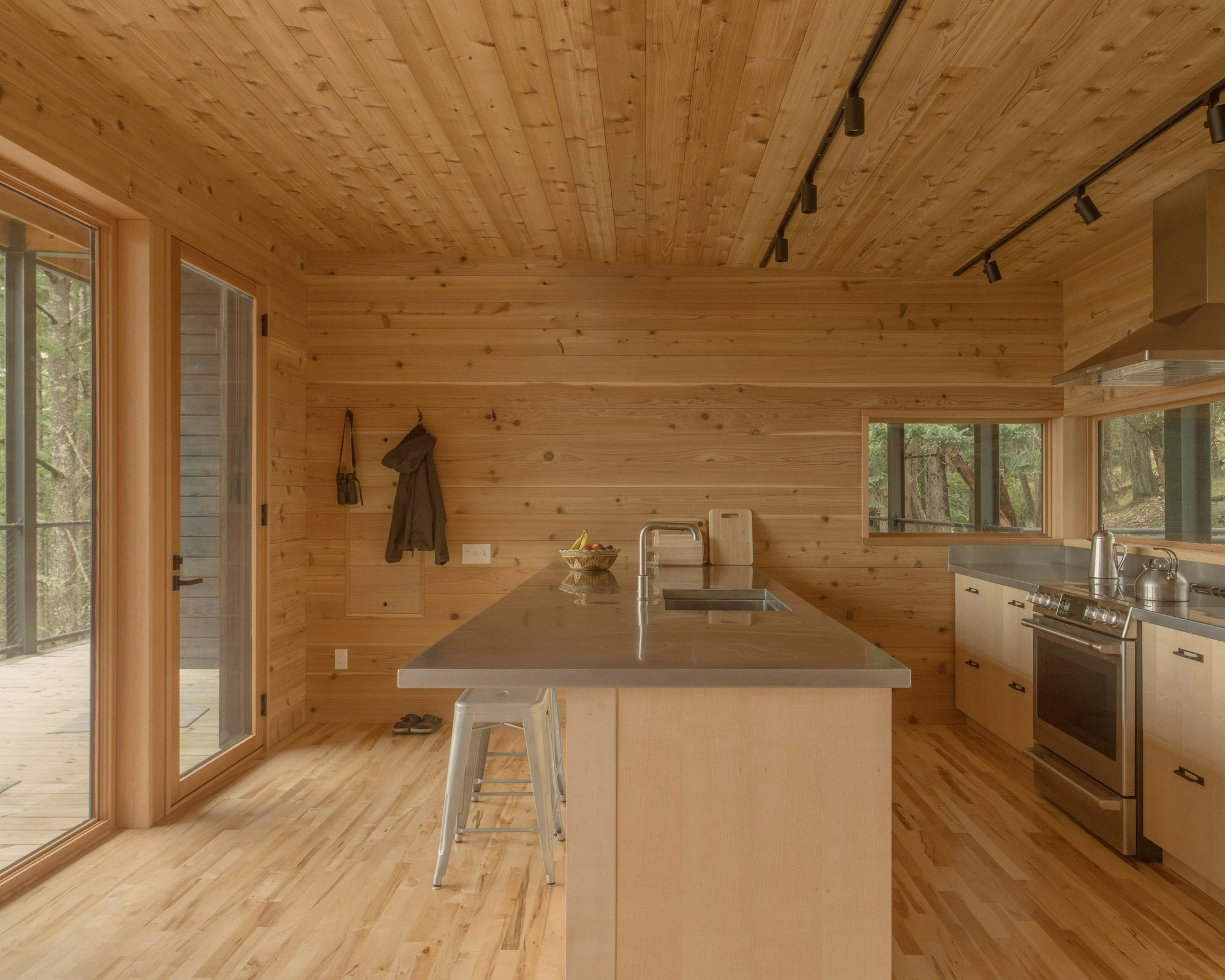
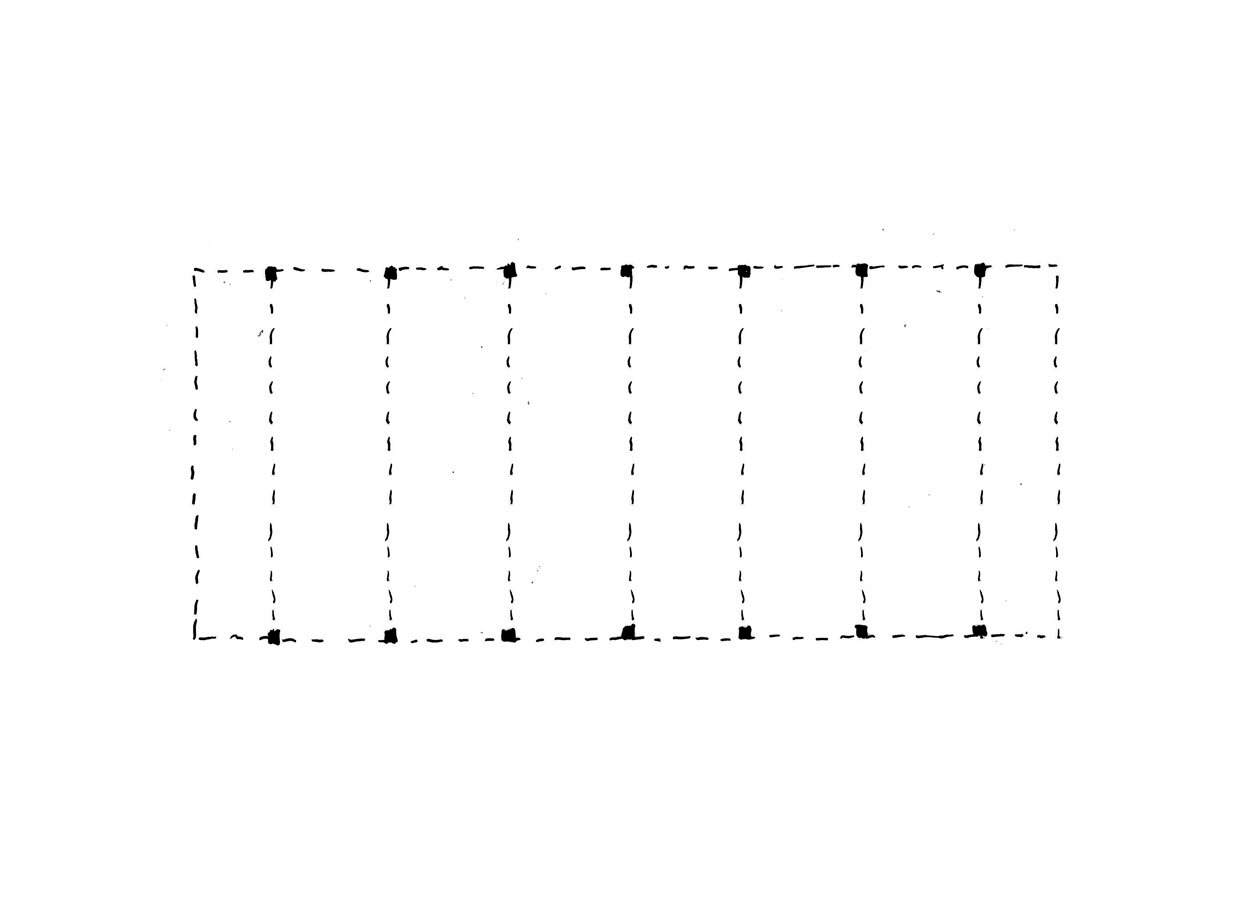
1960년대 일본 메타볼리즘(Metabolism) 건축에서 빌려온 발상이 이 집의 뼈대를 이룬다. 강철 프레임은 200년을 내다본 상부 구조로 선다. 목조로 짠 단열 모듈과는 철저히 독립적으로 작동하는 외부 가구다. 거주자가 바뀌고 공간에 대한 필요가 달라질 때마다, 이 두 체계는 서로 간섭하지 않은 채 모듈만을 재배치할 여지를 남긴다. 실내 공간은 넉넉한 외부 데크와 곧장 이어지며, 계절에 따라 집의 크기 자체가 늘어나고 줄어드는 듯한 감각을 만들어낸다.
적게 짓고 깊게 머무는 법
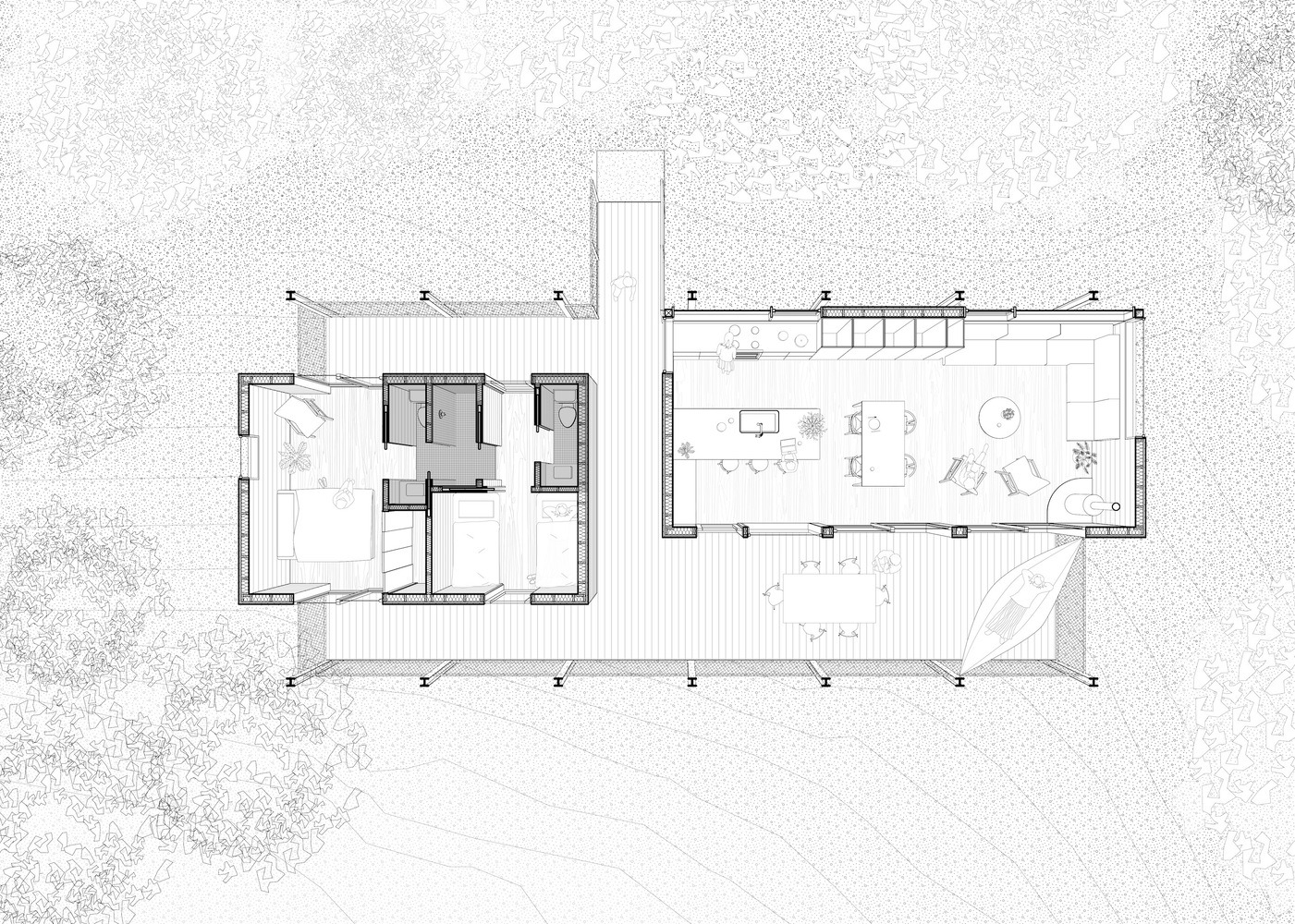
이 집에서 에너지 소비를 가장 크게 줄이는 방법은 의외로 단순하다. 냉난방이 필요한 실내 면적을 최소화하는 것이다. 약 80제곱미터, 24평 규모의 캐빈에서 동선 대부분은 실외에 머물고, 그 덕분에 거주자는 매일 섬의 바람과 빛을 통과해 방과 방 사이를 오간다. 남쪽으로 깊게 뻗은 처마는 한낮의 햇볕을 가려주는 동시에, 사계절 내내 외부 생활 공간을 비바람으로부터 지켜낸다. 패시브 전략만으로 메우지 못하는 에너지는 3.6킬로와트 규모의 태양광 설비가 보완한다. 입주 인원이 늘어날 미래를 대비해, 첫 시공 단계에서부터 증설용 배선을 미리 묻어두었다.
다시, 가볍게
트레슬 캐빈은 한 세대의 필요에 맞춰 지어진 집이 아니다. 골조는 세기를 건너뛸 만큼 단단하게 서 있고, 그 안의 모듈은 다음 거주자의 손에서 다시 태어날 준비가 되어 있다. 비탈을 깎지 않고 그 위로 가볍게 떠오른 이 집은, 한 줄의 오래된 속담을 강철과 목재로 옮겨놓은 듯하다. 땅을 딛는 대신 땅을 지나치는 법, 그것이 이 숲속 거처가 보여주는 가장 정직한 건축이다.
설계: 밀러 헐 파트너십(Miller Hull Partnership)
위치: 미국 워싱턴주, 샐리시해의 섬 (시애틀 북쪽 약 110km)
연면적: 약 80㎡ (24평 / 868 SF)
준공: 2024년
시공: Kaplan Homes Unlimited
창호: Marvin
사진: Juan Benavides
출처: ArchDaily
Write by Claude & Jean Browwn


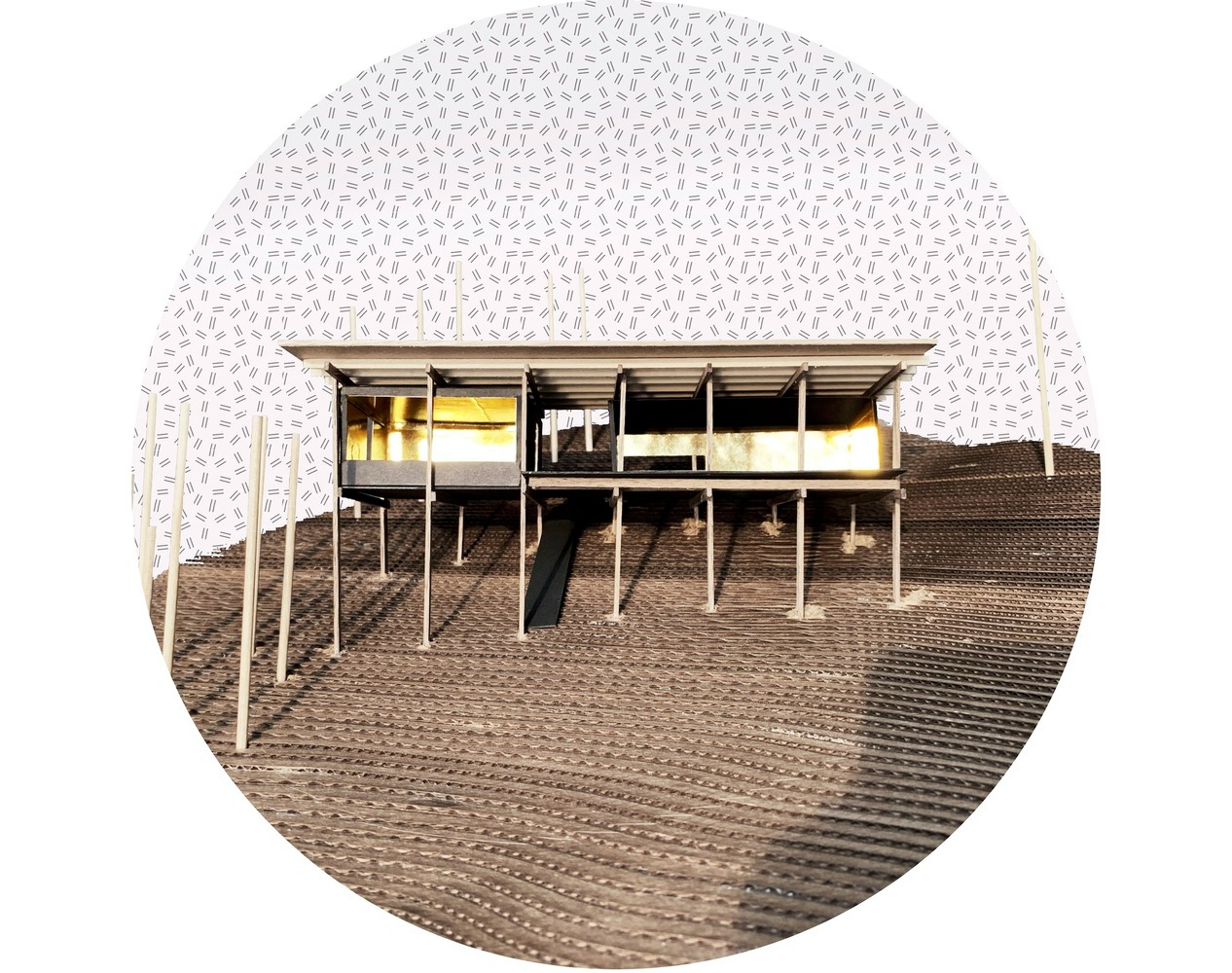

This project seeks to develop a prototype for the development of low impact cabins on challenging and remote sites. Borrowing conceptual strategies from Metabolist architecture of the 1960s, the proposal utilizes a language of superstructure and modules to allow for adaptations over time. Recognizing the immense investment and environmental impact of remote development, the strategy employs long-term thinking, allowing the structure to remain relevant across many generations and owners.
The project is situated on a remote island within the Salish Sea, about 70 miles north of Seattle, Washington. Perched at the edge of a native fir and madrone forest, the site is defined by steep topography and southerly views across the San Juan Islands. Challenging site access and the desire to preserve the sloping natural grade resulted in a scheme that suspends the primary living enclosures above the site, among the tree canopy. This approach allows the ground plane to be given back to the natural flora and fauna of the island. Wild sheep and deer regularly graze this hillside and can often be spotted passing under the cabin.
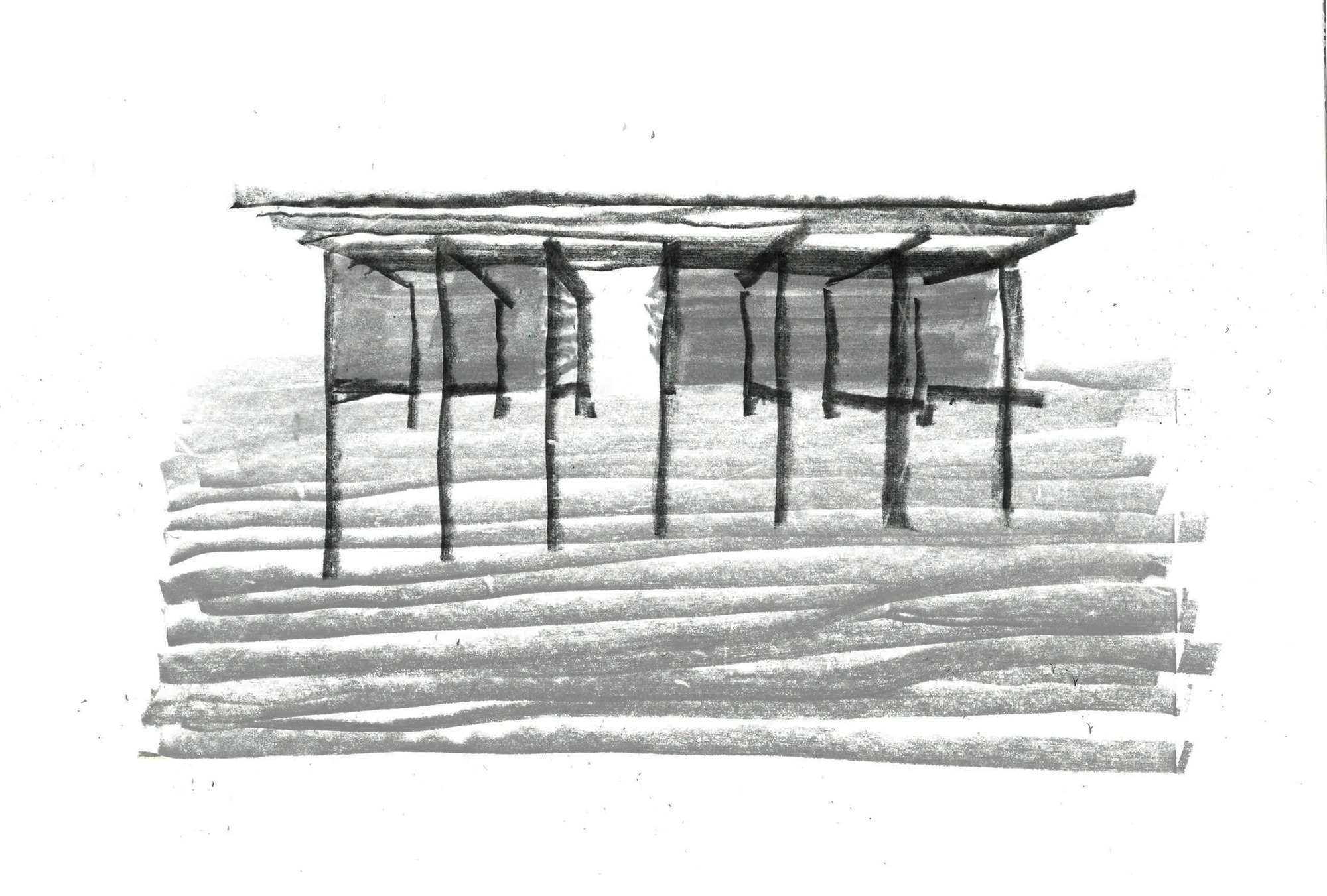
Lightly touching the land -Located on a steep hillside, the project embraces levitation rather than excavation as a general strategy. A rhythmic steel exoskeleton negotiates the sloping topography while establishing an occupiable plane hovering above the ground. The verticality of the steel frames references the surrounding tree trunks, blending and recessing into the forest.
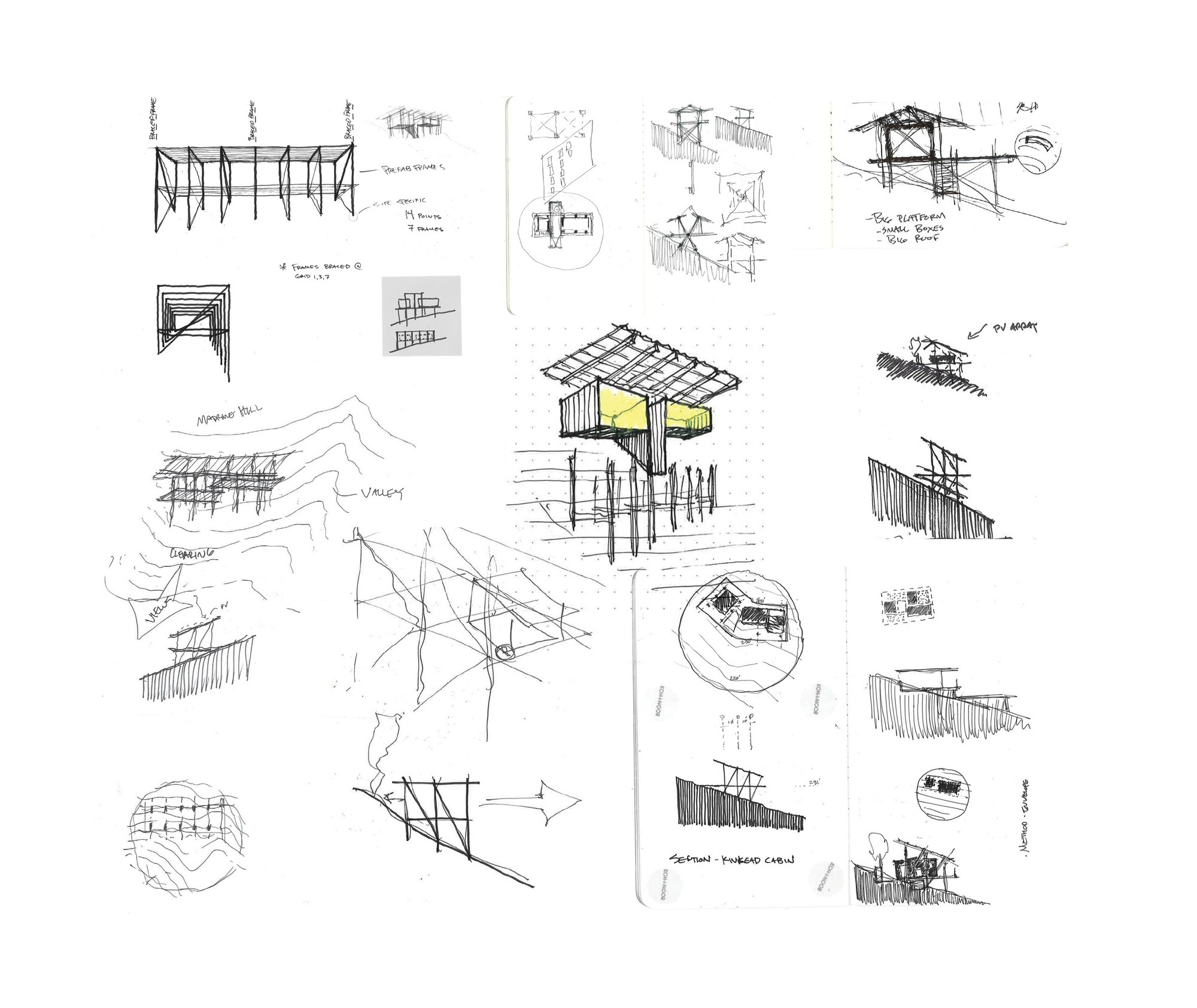
Adaptability through time - Envisioned as a 200-year super structure, the steel frame acts as an external armature independent of the wood-framed thermal enclosures or "modules". As occupants and space needs change over time, the independent systems allow for reconfigurations of the modules within the steel frame. Interior spaces connect to generous exterior decks, expanding and contracting living spaces throughout the seasons.
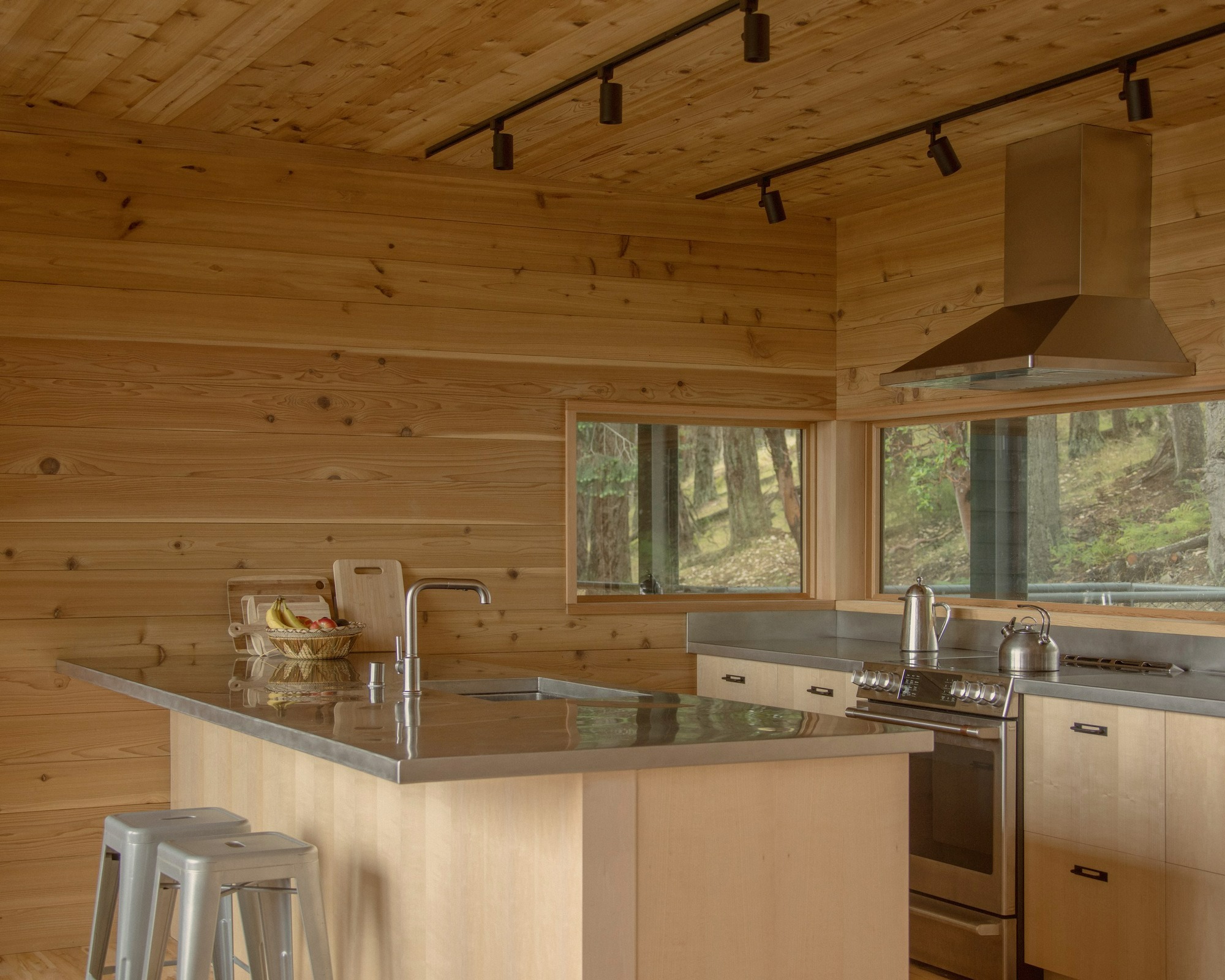
Reducing consumption Building less conditioned space is the real hero in the energy consumption story. Circulation spaces for the 868 SF cabin occur outside, reducing the amount of interior space to condition while establishing a daily connection between the users and the natural elements of the site. An expansive overhang on the south tempers the midday sun while providing year-round weather protection to outdoor living spaces.
Energy needs that couldn't be addressed through passive means are offset by a modest 3.6 kW PV array, which was right sized for the current occupant load. Expansion infrastructure for the PV system was implemented in the initial construction, anticipating that occupancy schedules will evolve through time.
from archdaily
'House' 카테고리의 다른 글
| * 중정주택 [ Physicalist ] Baan Salaya (0) | 2026.07.02 |
|---|---|
| * 더 핀들링, 오브 파서블 [ Of Possible ] The Findling (1) | 2026.07.02 |
| * 흙에서 솟은 집 [ Kaushal Tatiya Architects ] The Anthill, Ahilyanagar, Maharashtra, India | 2026 (1) | 2026.06.29 |
| * 따뜻한 오아시스, 세대를 잇는 집 [Wahana Architects ] El House (0) | 2026.06.26 |
| * 담장이 만드는 자유 [ Además arquitectura ] Casa Alba II (0) | 2026.06.22 |