건축은 사려 깊은 공간의 창조다. 루이스 칸(Louis Kahn)
 |
 |
 |
Gensler-Mexican Football Federation High-Performance Center (CAR)
산이 품은 캠퍼스
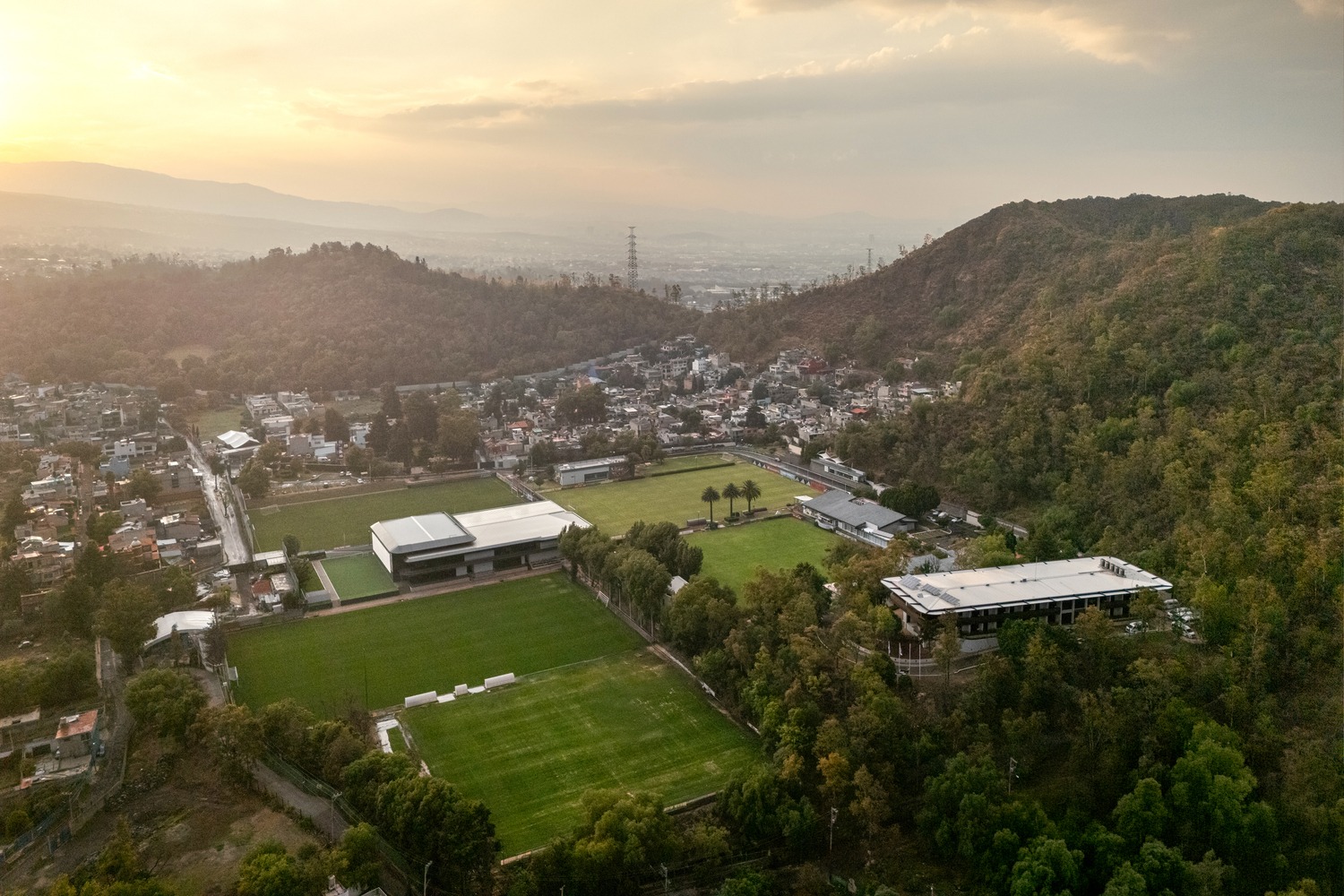
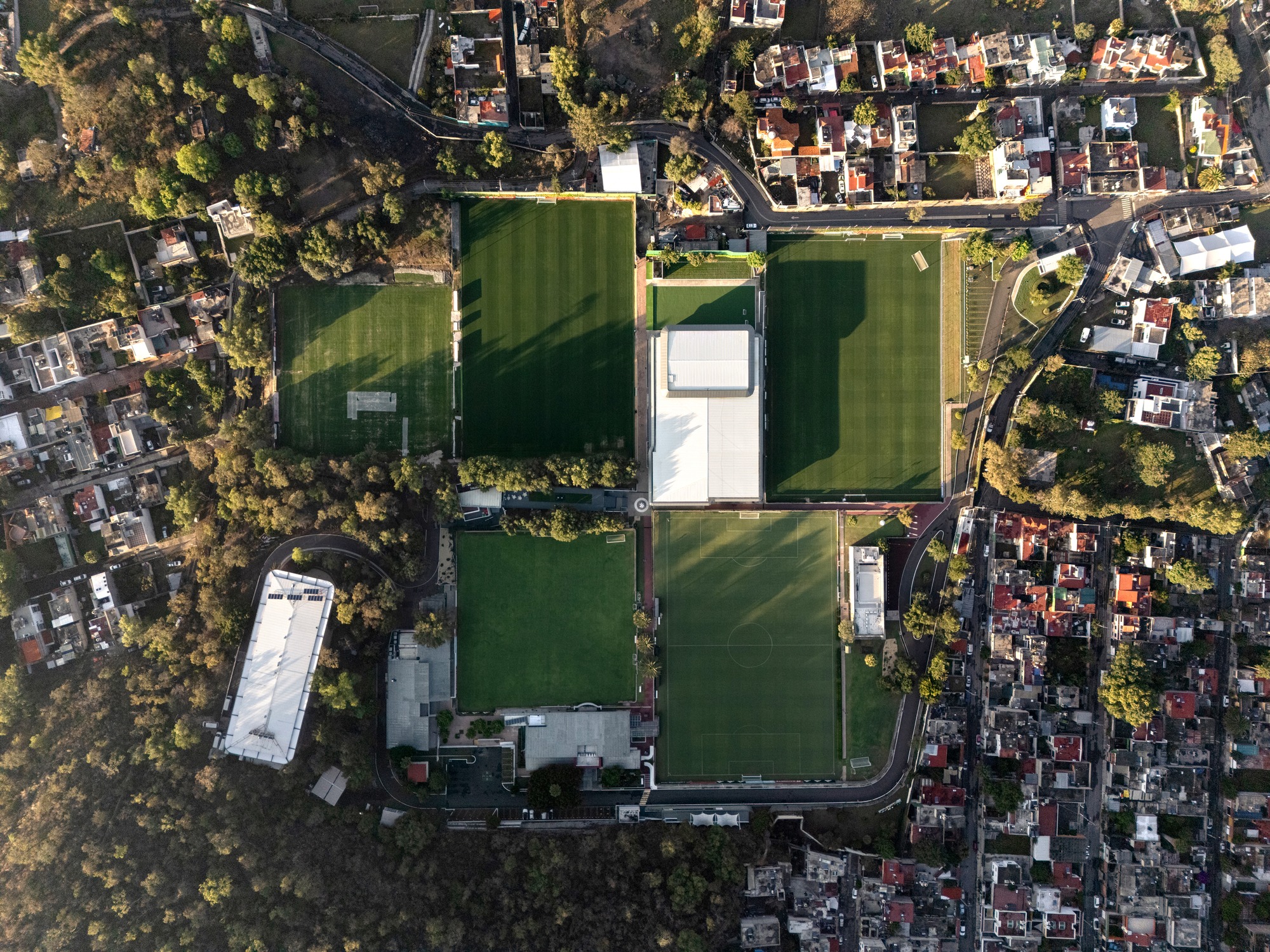
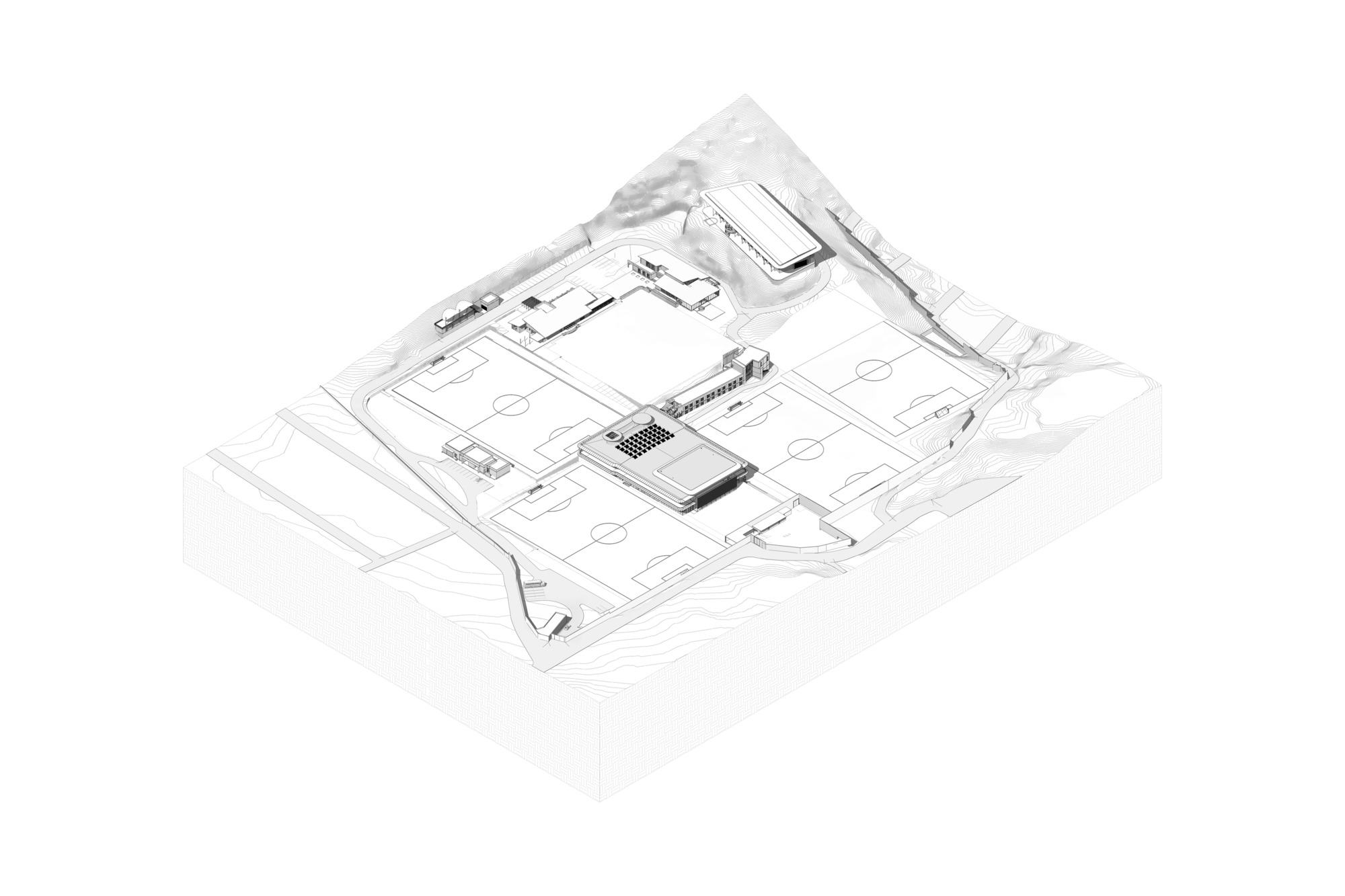
멕시코시티 남쪽, 틀랄판(Tlalpan)의 낮은 능선 사이로 낡은 캠퍼스 하나가 새로운 얼굴을 얻었다. 훈련장과 숙소, 스포츠 과학 시설과 행정동이 흩어져 있던 이곳은 오랫동안 현대 축구의 속도를 따라가지 못했다. 2026 FIFA 월드컵을 앞두고 멕시코 축구협회는 과감한 목표를 세웠다. 남녀 대표팀과 청소년 대표팀 모두를 역사적인 성과로 이끌 세계적 수준의 고성능센터(CAR)를 짓는 일이었다. 겐슬러(Gensler)는 락웰 그룹(Rockwell Group)과 함께 마스터플랜을 세우고, 기존 시설을 살리면서도 완전히 새로운 공간 언어를 그 위에 얹었다.
빛을 거르는 파사드
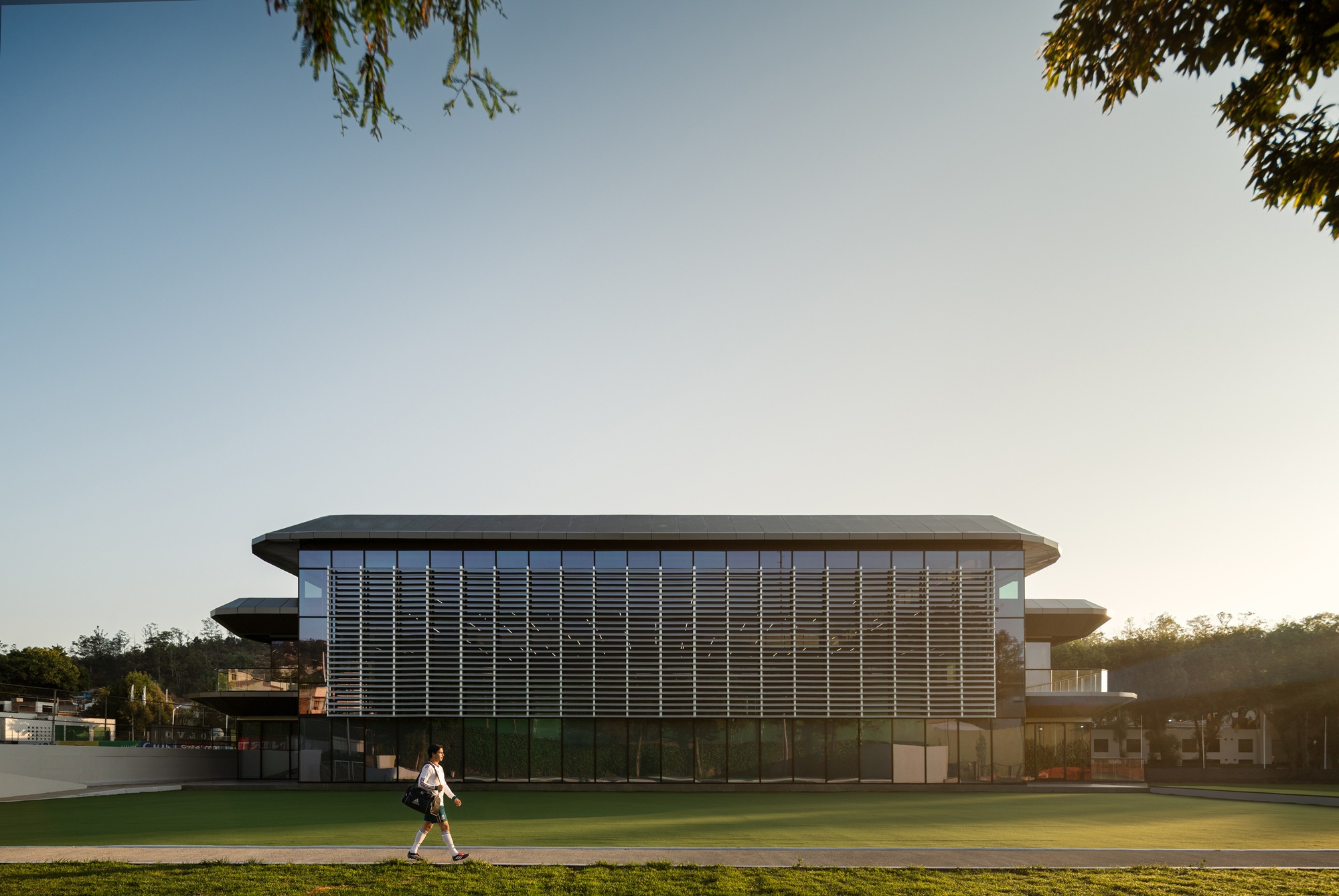
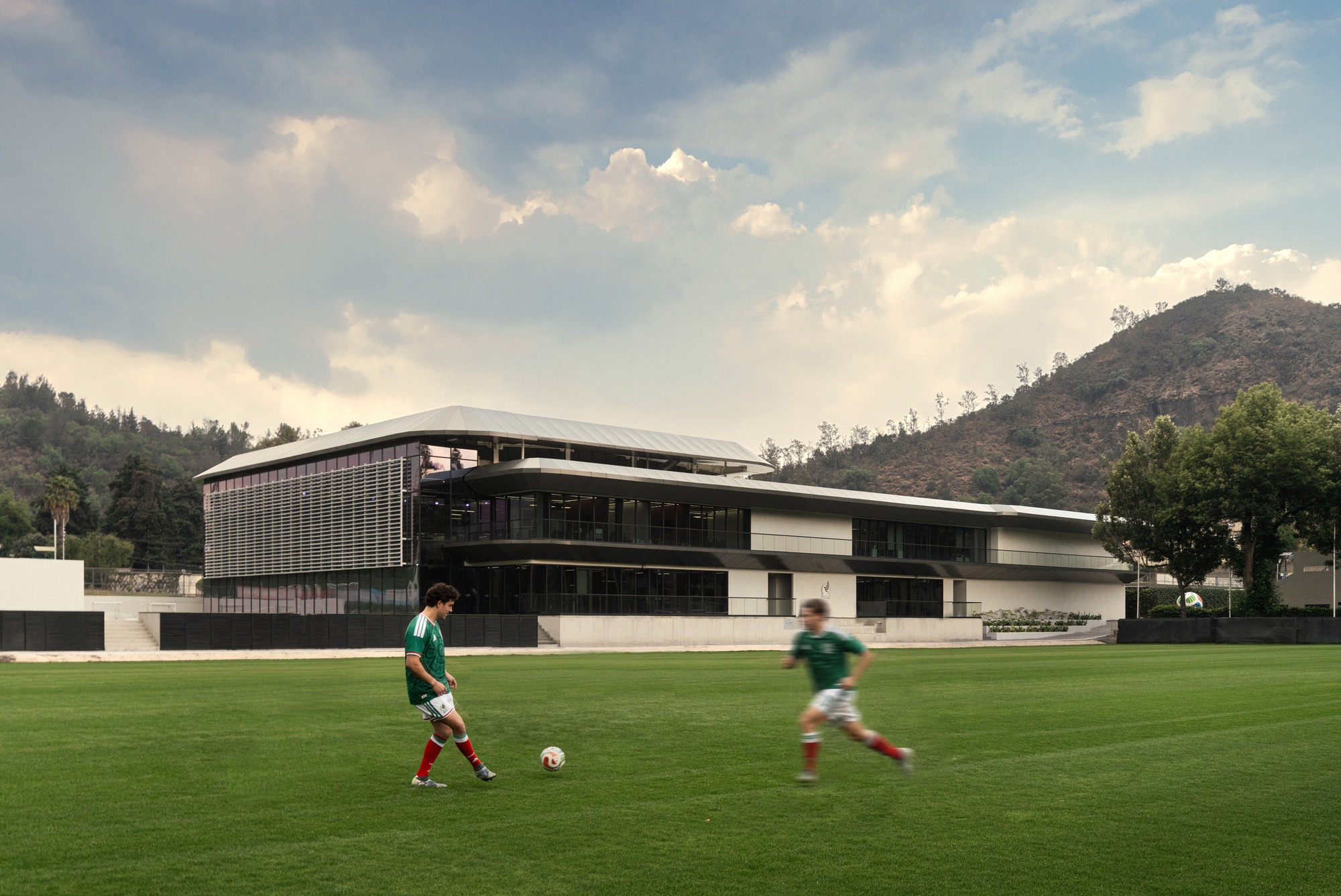
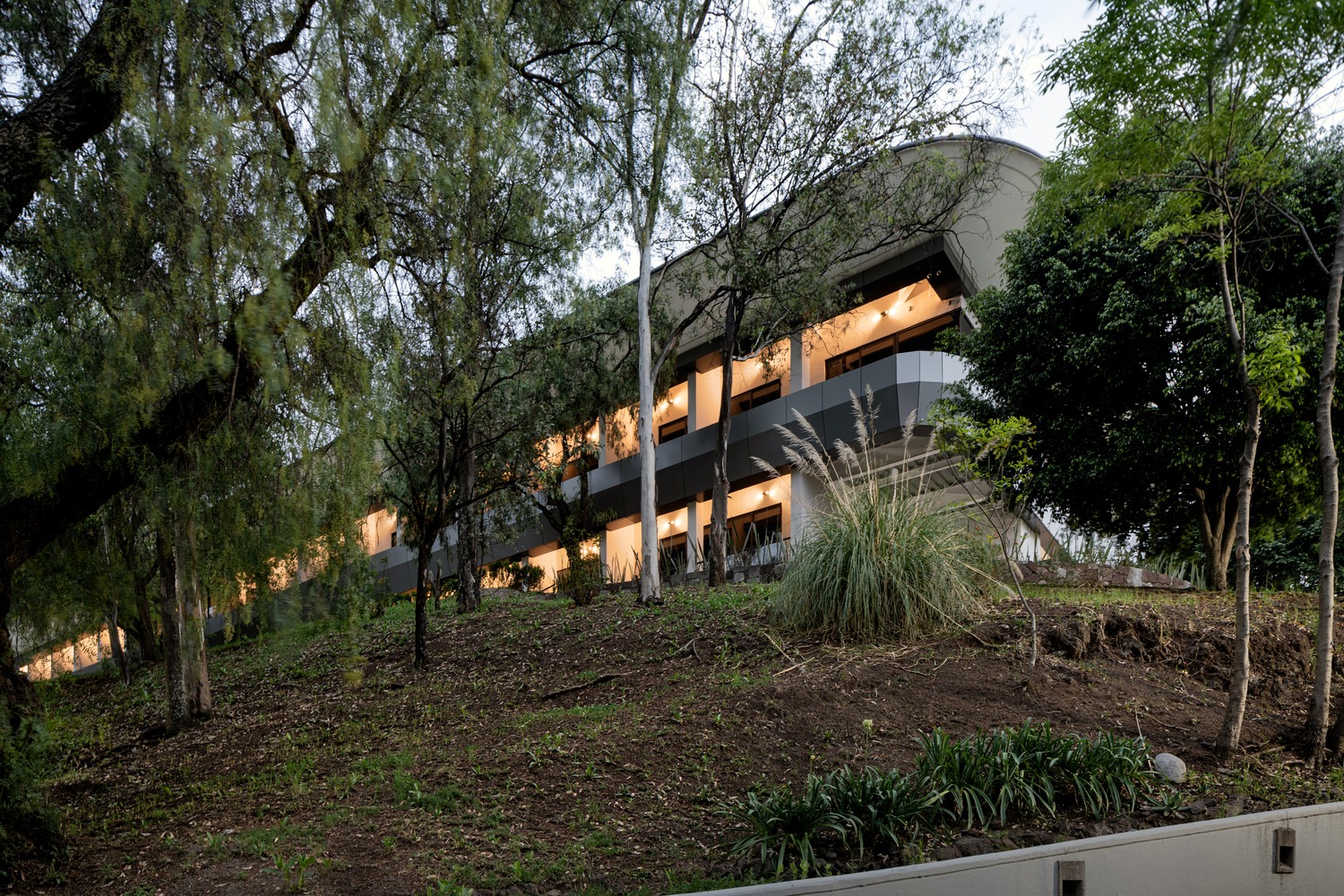
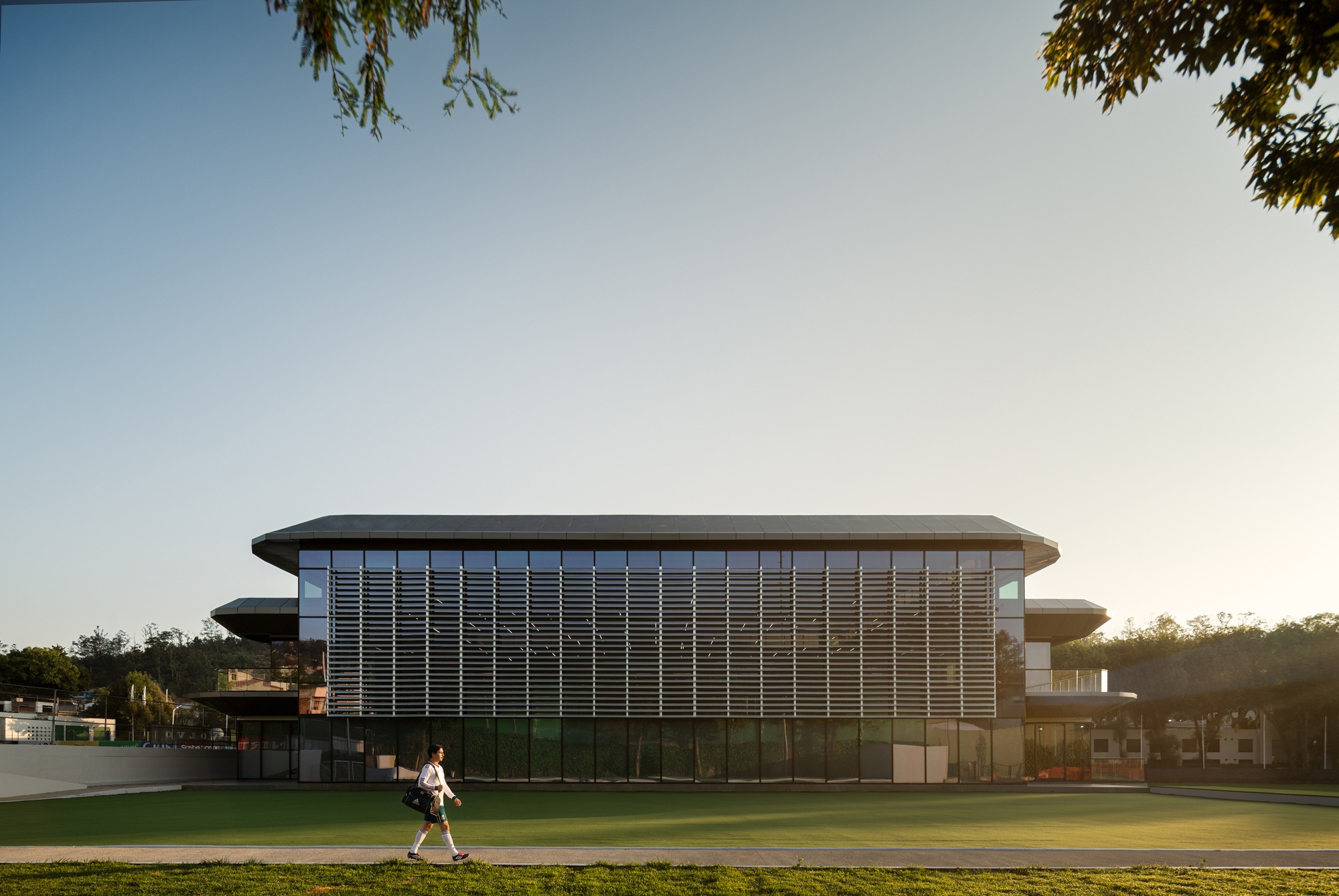
캠퍼스에 다가서면 가장 먼저 눈에 들어오는 것은 길게 뻗은 지붕선이다. 처마는 새의 날개처럼 완만하게 휘어지며 건물 전체를 감싸고, 그 아래로 촘촘한 알루미늄 루버가 유리 파사드를 겹겹이 덮는다. 낮 동안 루버는 햇빛을 걸러 실내로 부드럽게 흘려보내고, 저녁이 되면 내부의 온기가 그 틈새로 새어 나와 건물 스스로 빛을 내는 듯한 인상을 남긴다. 선수들이 축구공을 몰고 잔디 위를 가로지르는 동안, 건물은 배경이 아니라 또 하나의 팀원처럼 그 풍경 속에 서 있다.
하나의 동선, 하나의 팀
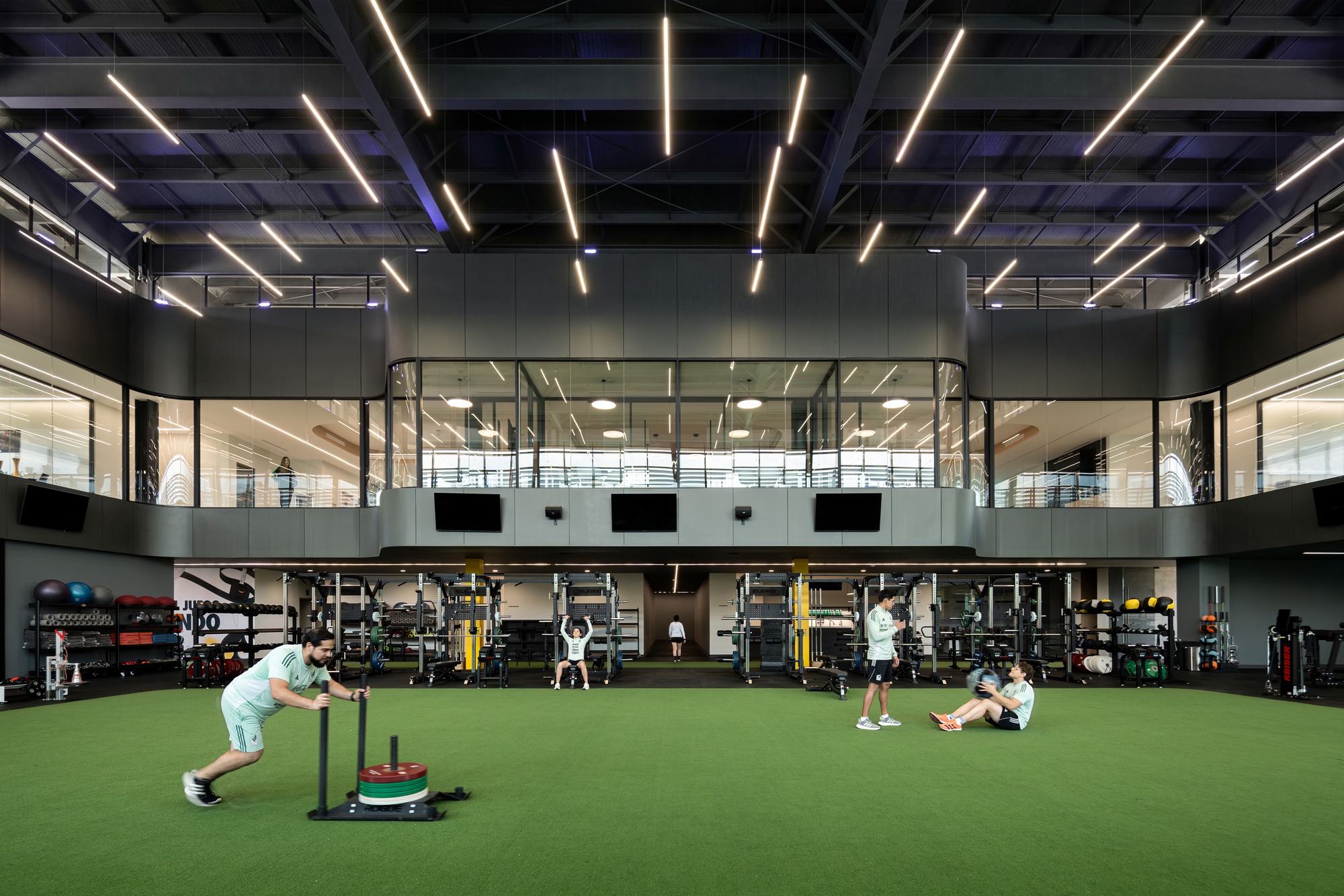
겐슬러는 공간을 다시 짜면서 공적 영역과 사적 영역을 가르고, 훈련이라는 능동적 활동과 휴식·영양·회복이라는 정적 시간을 서로 다른 구역에 나누어 담았다. 그 결과 선수단 숙소와 식당, 라커룸, 체육관, 프레스룸은 물론 물리치료실과 수치료실(물로 하는 재활치료 공간), 영양 상담실, 심리 지원 공간, 수유실까지 하나의 흐름으로 이어졌다. 실내 체육관에 들어서면 그 흐름을 몸으로 느낄 수 있다. 높은 철골 천장에 매달린 선형 조명이 인조잔디 바닥 위로 길게 그림자를 드리우고, 2층 유리 박스 너머로 코치진의 움직임이 비친다. 선수들은 썰매를 밀고, 메디신볼을 던지고, 역기를 들어 올리며 같은 공간 안에서 서로의 리듬을 확인한다.
초록으로 물든 자부심
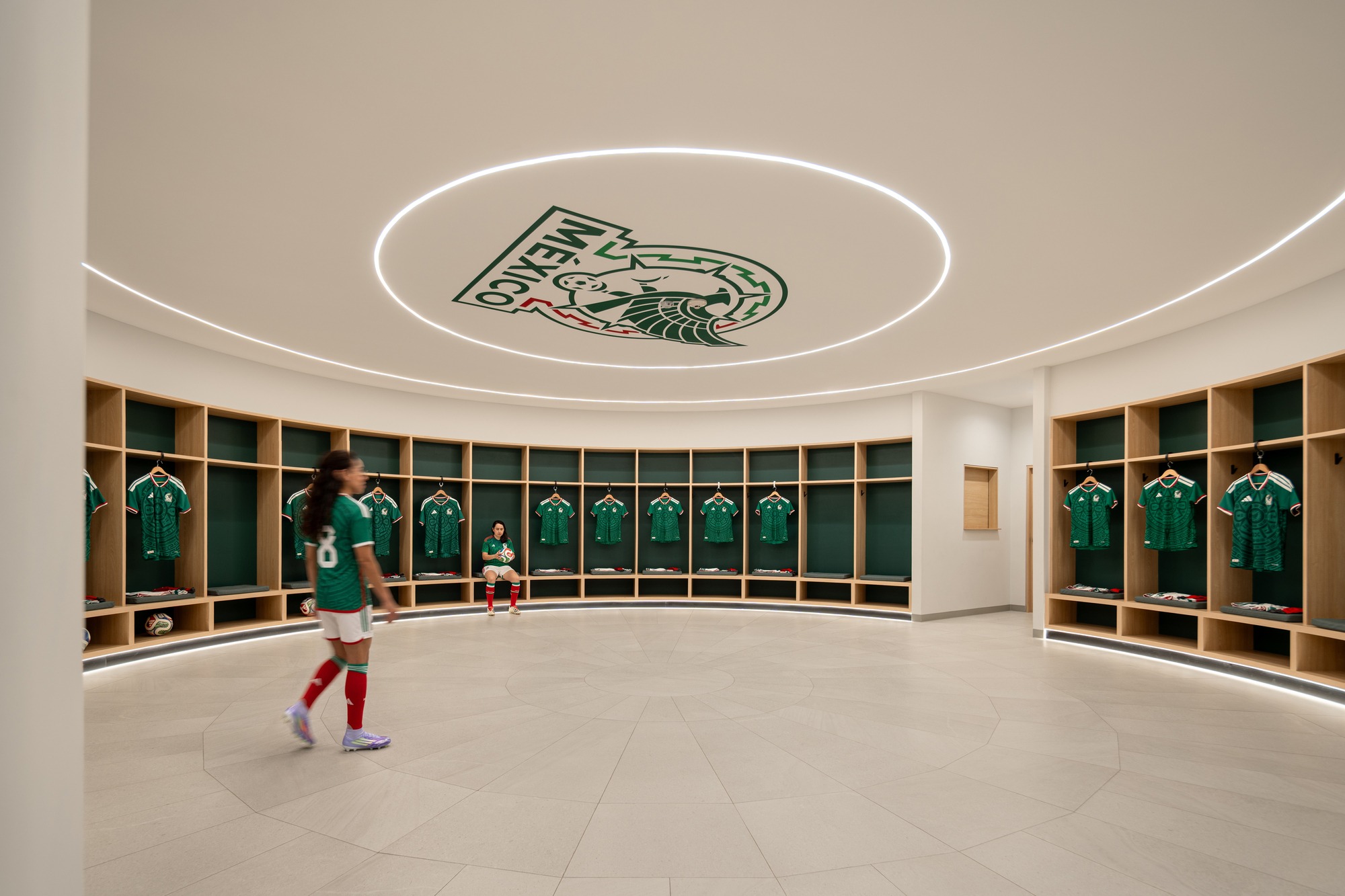
원형으로 둥글게 이어진 라커룸은 이 프로젝트가 품은 가장 상징적인 순간이다. 천장 한가운데 그려진 멕시코 국가대표팀 엠블럼이 부드러운 링 조명에 둘러싸여 은은하게 빛나고, 벽을 따라 늘어선 나무 사물함마다 초록빛 유니폼이 가지런히 걸려 있다. 선수 한 명이 그 원 안을 가로질러 걸어가는 순간, 공간은 단순한 탈의실이 아니라 국가를 대표한다는 무게와 자부심을 몸으로 새기는 의식의 장소로 바뀐다. 겐슬러는 이 서사적 장치를 통해 CAR을 선수 개개인의 집을 확장한 공간으로 완성했다.
지속 가능한 디테일
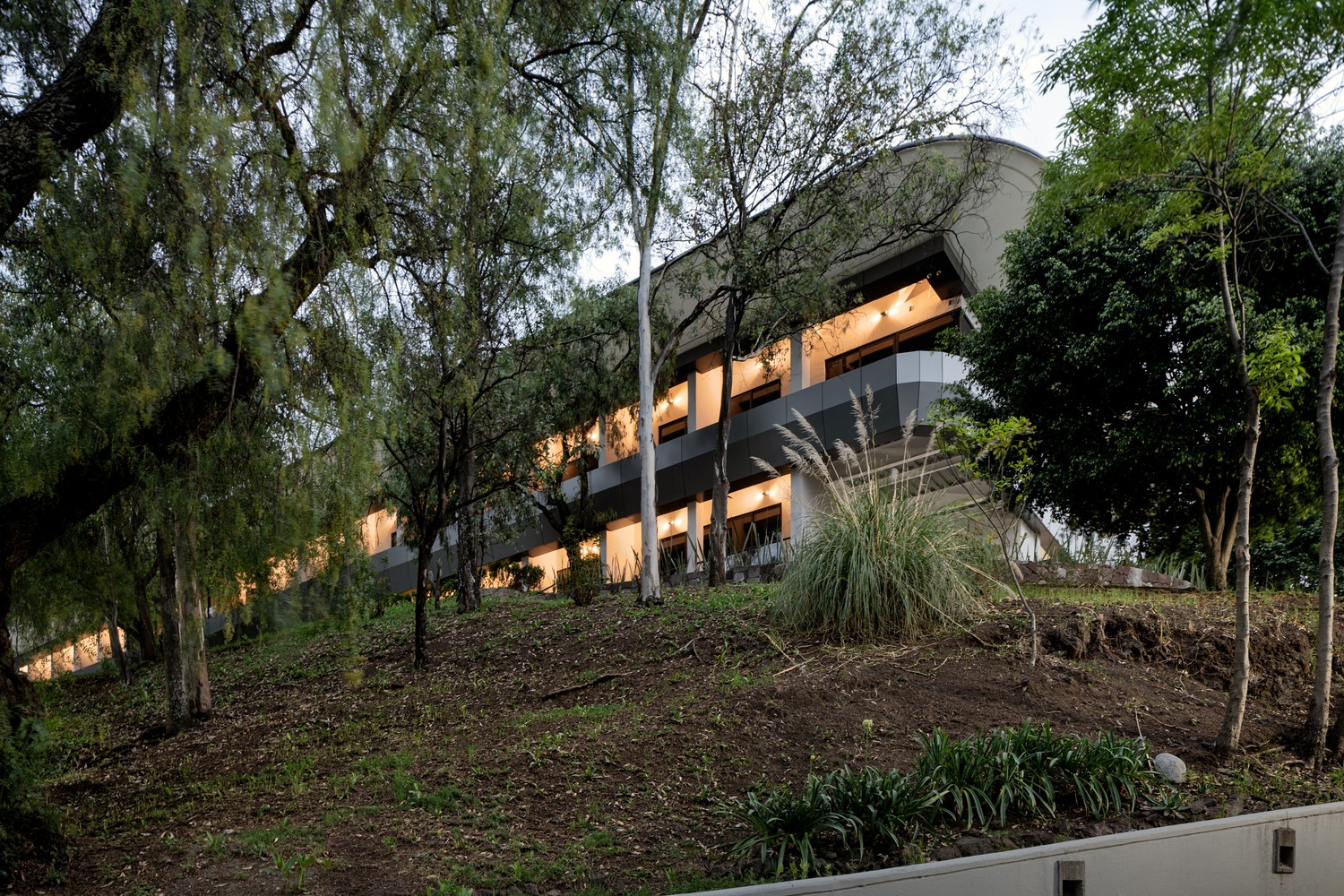
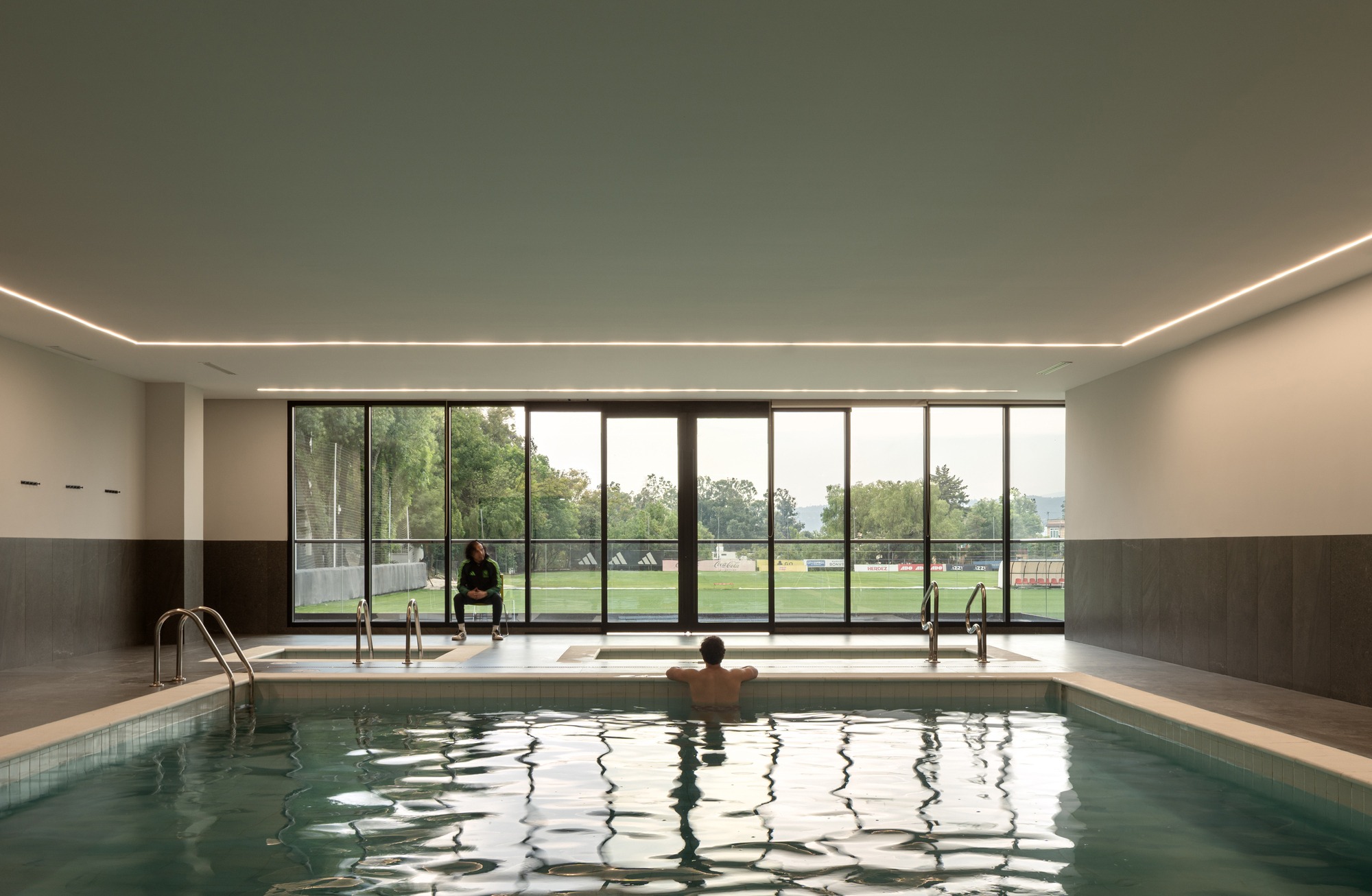
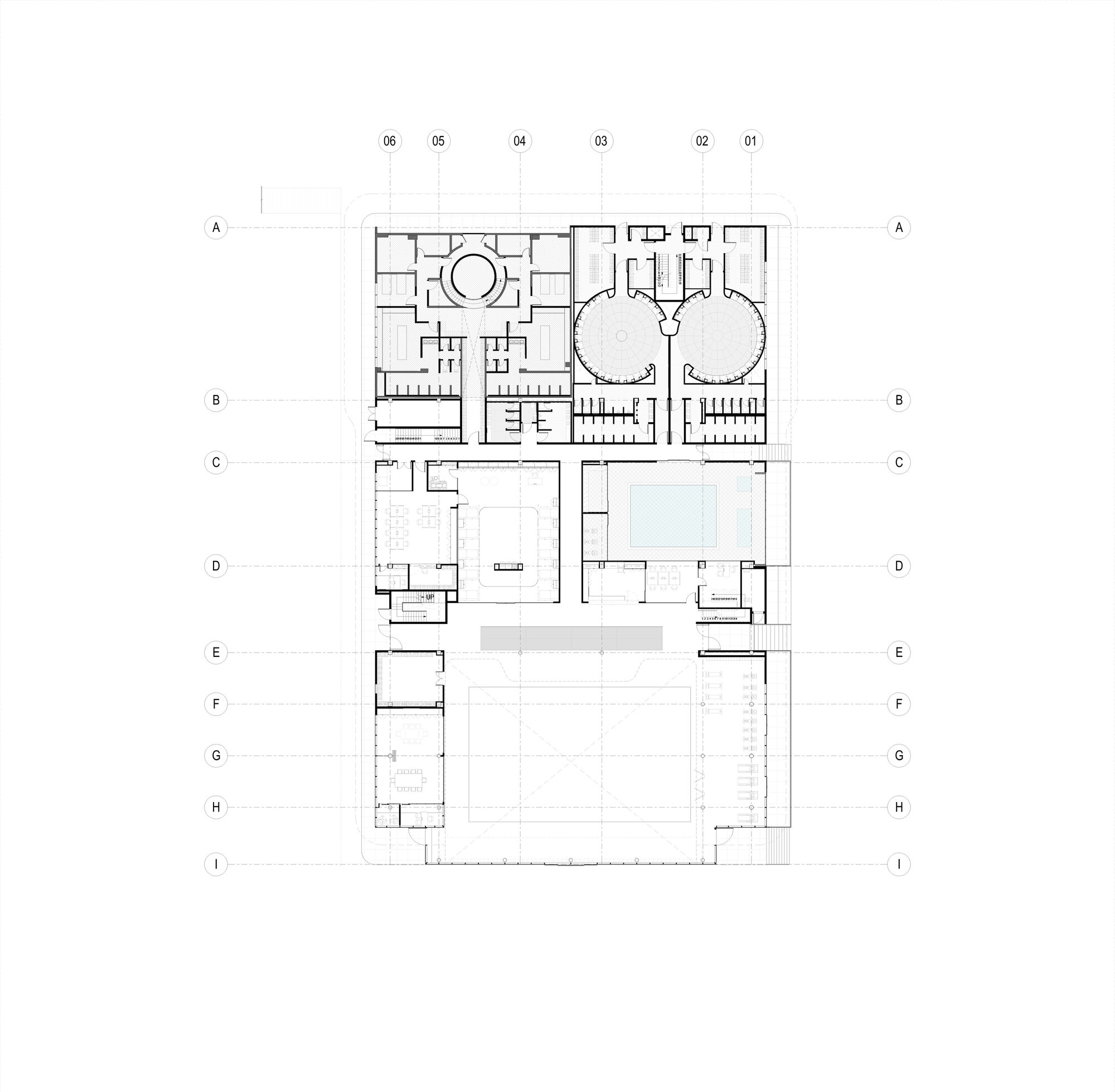
설계는 기존 구조를 최대한 살리는 동시에 지속 가능성을 곳곳에 새겼다. 지붕에는 태양광 패널을 얹었고, 맞통풍이 가능하도록 개구부를 배치했으며, 자연광과 조망, 테라스를 적극적으로 끌어들였다. 실내 수영장과 수치료 공간은 통유리를 통해 훈련장 전경과 그대로 이어지고, 선수 한 명이 물속에 몸을 담근 채 창밖 잔디를 바라보는 장면은 회복이라는 행위조차 이 캠퍼스 전체와 연결되어 있음을 보여준다. 도면에서 드러나는 원형 계단과 곡선의 라커룸 배치는 기능적 효율성과 상징적 형태를 동시에 담아낸 결과다.
미래를 향한 투자
새로운 CAR은 스포츠 시설을 넘어선다. 이곳은 멕시코 축구의 운영과 감정이 함께 뛰는 심장이며, 선수 개개인의 기량을 끌어올리는 동시에 팀 전체의 결속을 다지는 무대다. 캠퍼스는 이제 현대 축구가 요구하는 속도와 밀도를 너끈히 소화하고, 국제무대에서 새로운 이정표를 세우려는 협회의 비전을 지지한다. 이 프로젝트는 단기적 성과가 아니라 장기적 투자다. 다음 세대의 선수들이 이 공간 안에서 자라나, 멕시코 축구가 지금까지 넘지 못한 벽을 넘어설 것이다.
Write by Claude & Jean Browwn
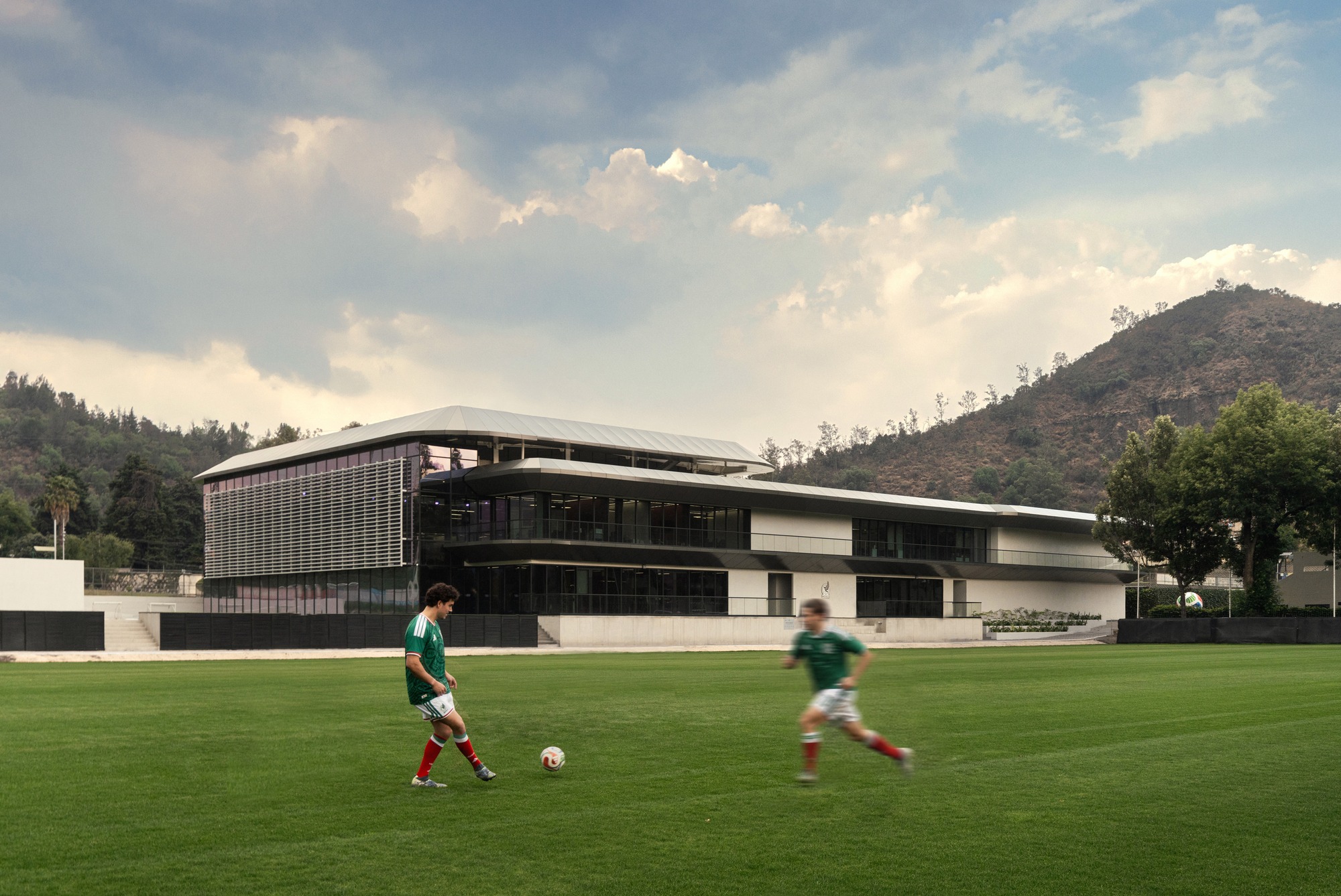
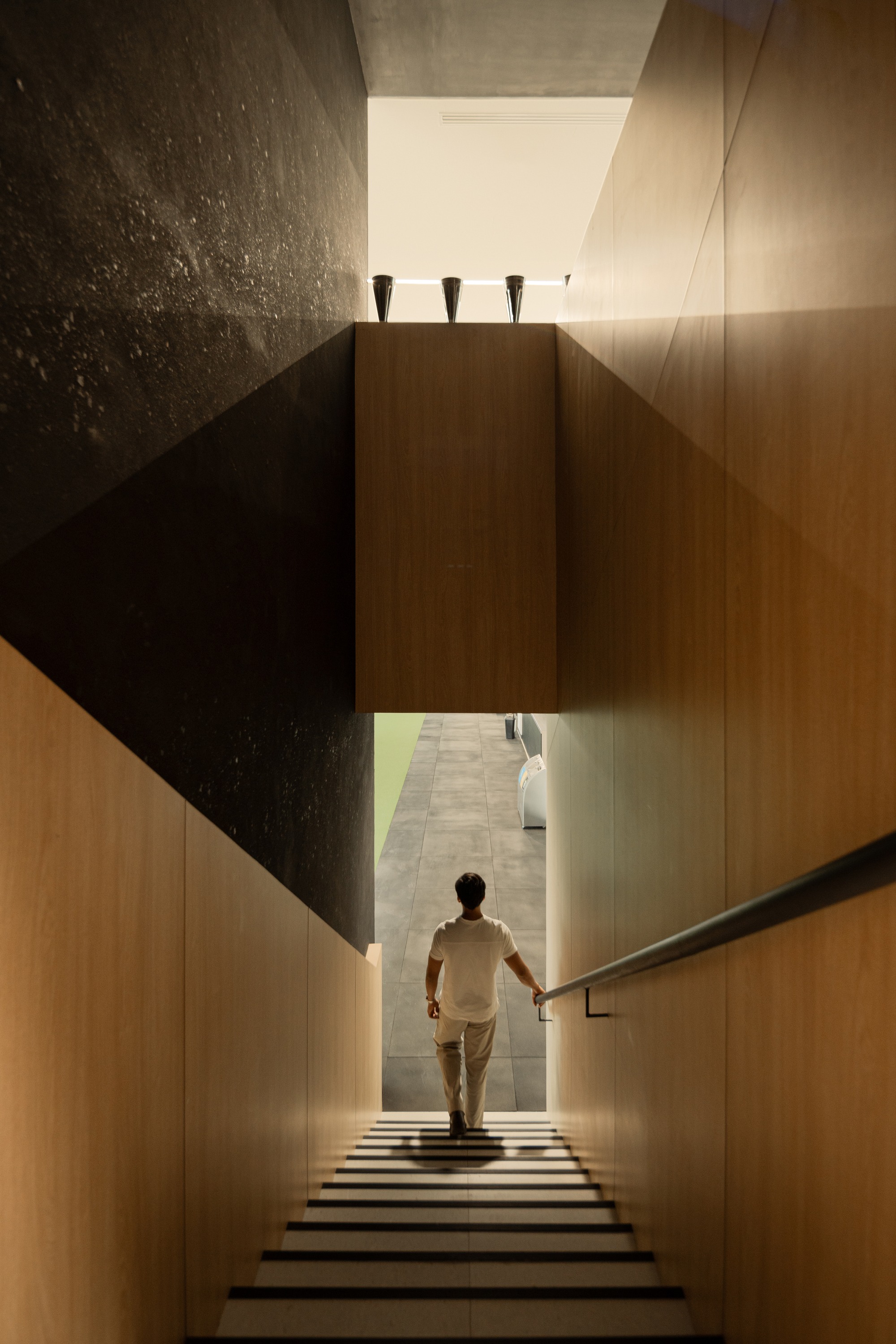
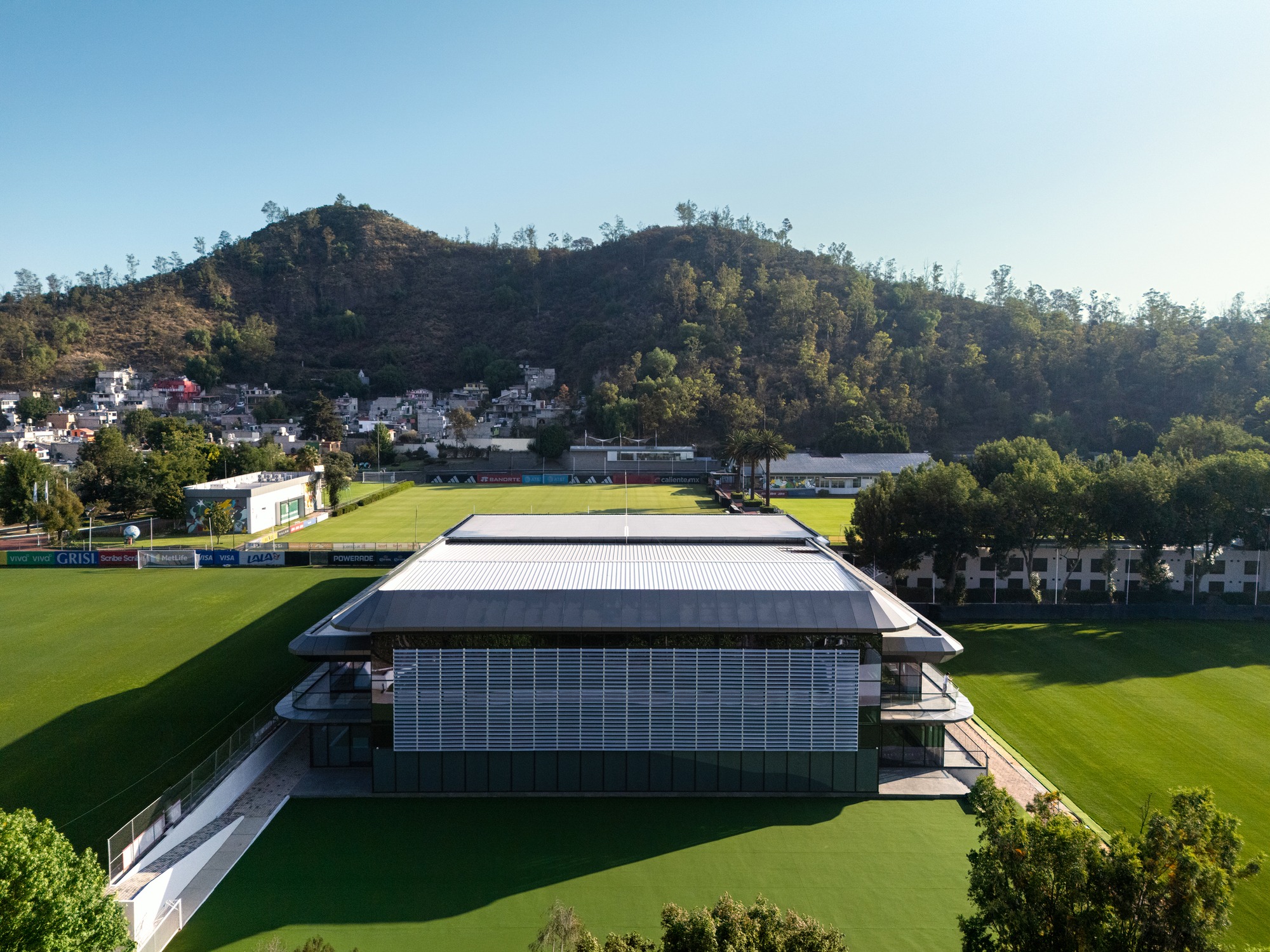
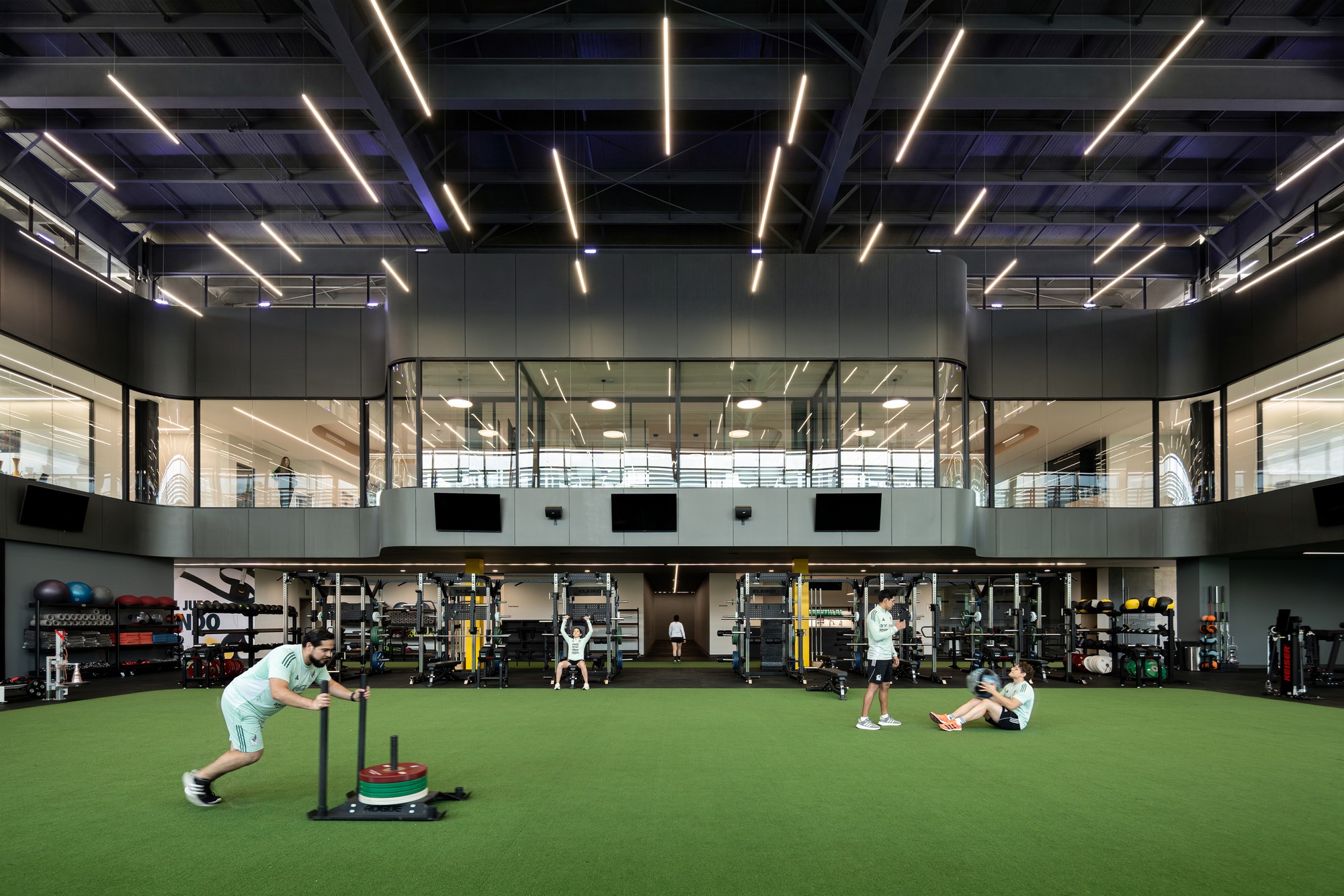

The Mexican Football Federation's reimagined High Performance Center (CAR) sets a new global standard, optimizing operations, wellness, and athletic performance. This is a space designed to inspire pride, strengthen teams, and prepare national squads to achieve historic milestones.
Ahead of the 2026 FIFA World Cup, the Mexican Football Federation set an ambitious goal: to transform its High-Performance Center into a world class facility that would inspire, train, and elevate its men's and women's, senior and youth national teams to historic levels of performance.
Located in Tlalpan, south of Mexico City, the campus combines fields, lodging, sports science areas, and administrative offices. Yet, its infrastructure was fragmented and outdated for the demands of modern soccer. The challenge was clear: reorganize, expand, and modernize the complex to optimize daily operations, motivate players, and establish it as a global benchmark.
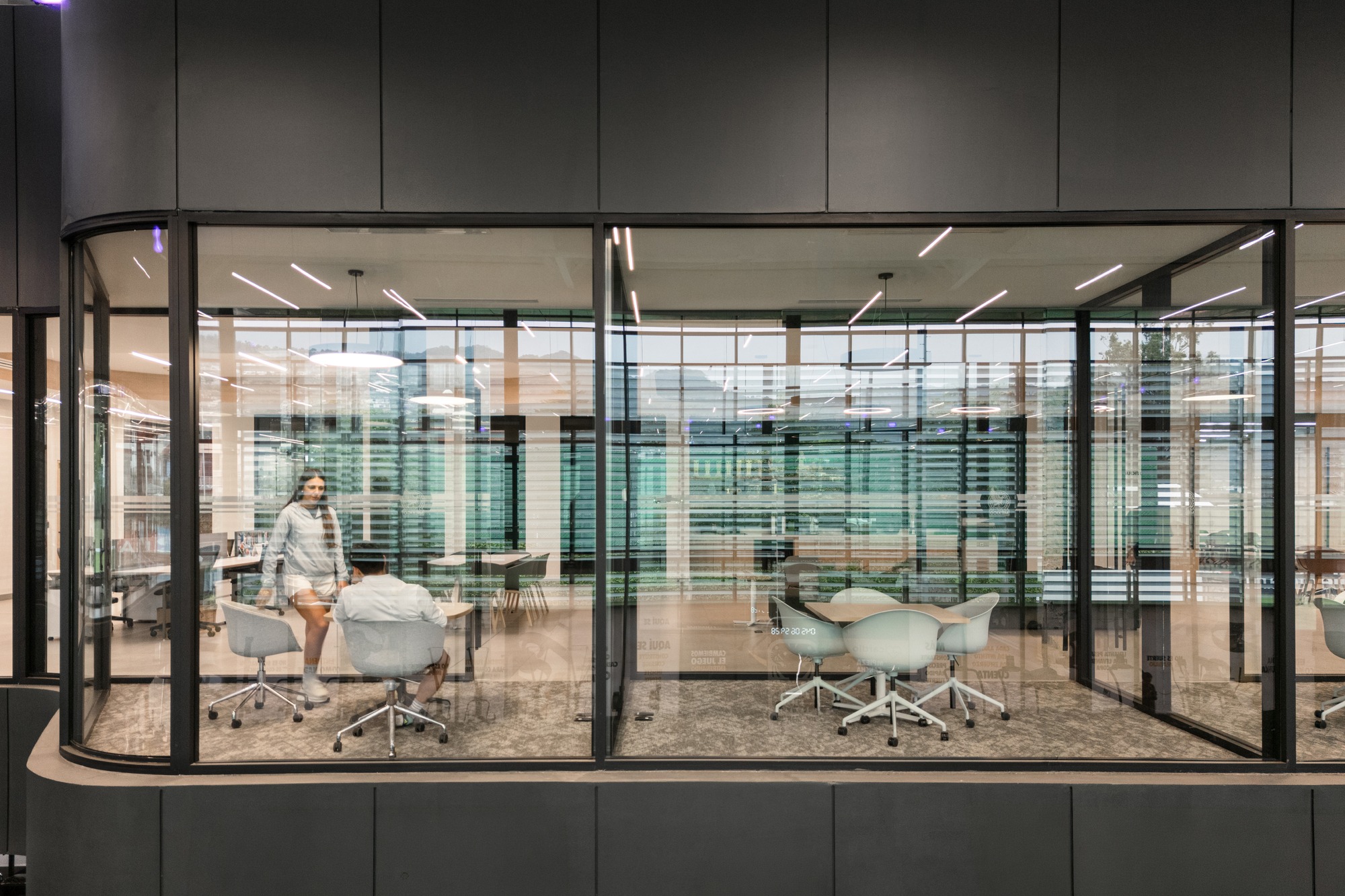
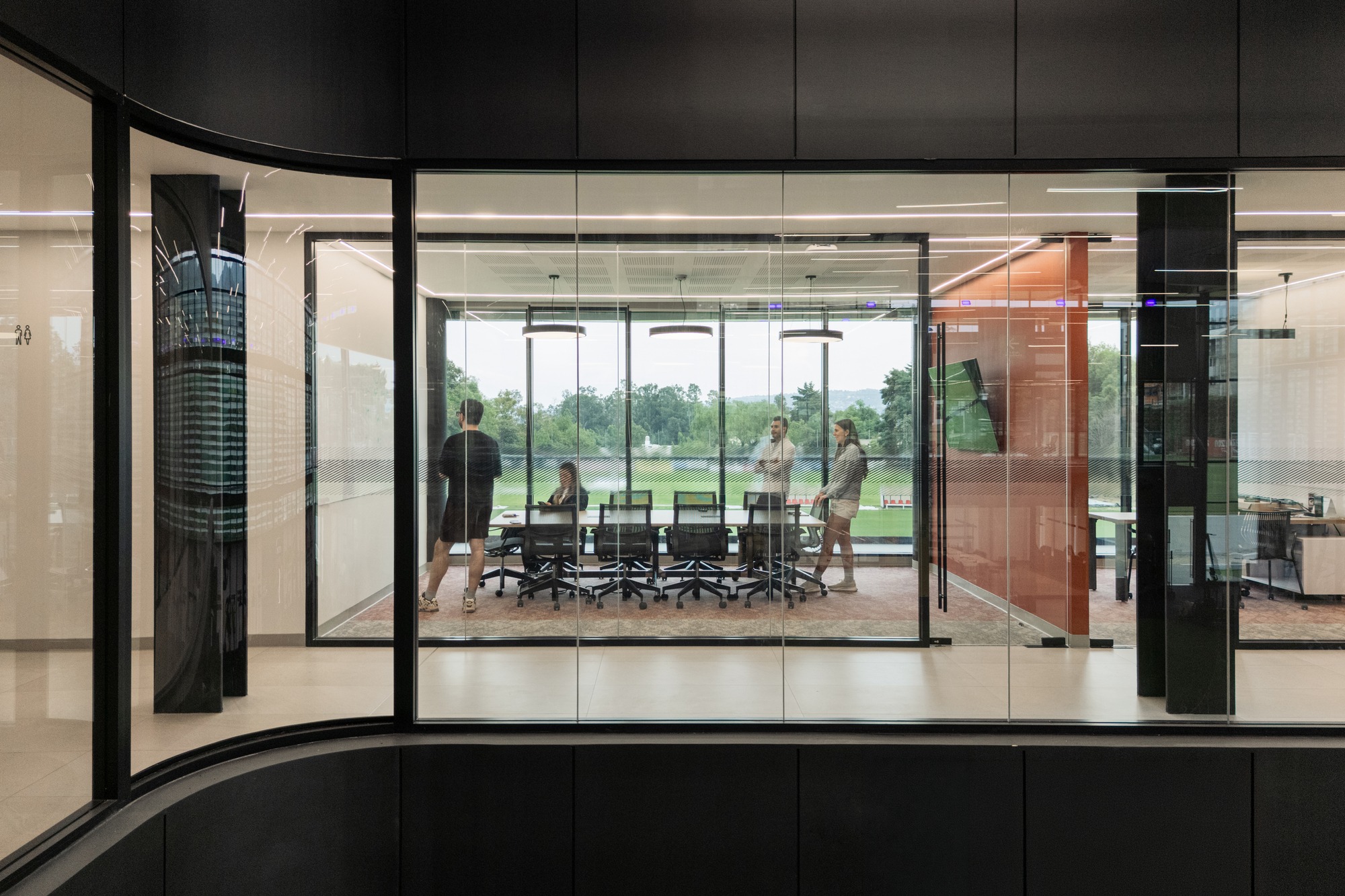
Gensler developed a master plan along with architectural and interior design strategies that both integrated and enhanced existing facilities while introducing new spaces focused on high performance and holistic player well being. The design reorganized the campus to create a logical flow for daily routines, improving circulation and fostering seamless connections between training and recovery areas. Strategic zoning clearly distinguishing public from private spaces, and active areas dedicated to physical training from passive zones for rest, nutrition, and recreation.
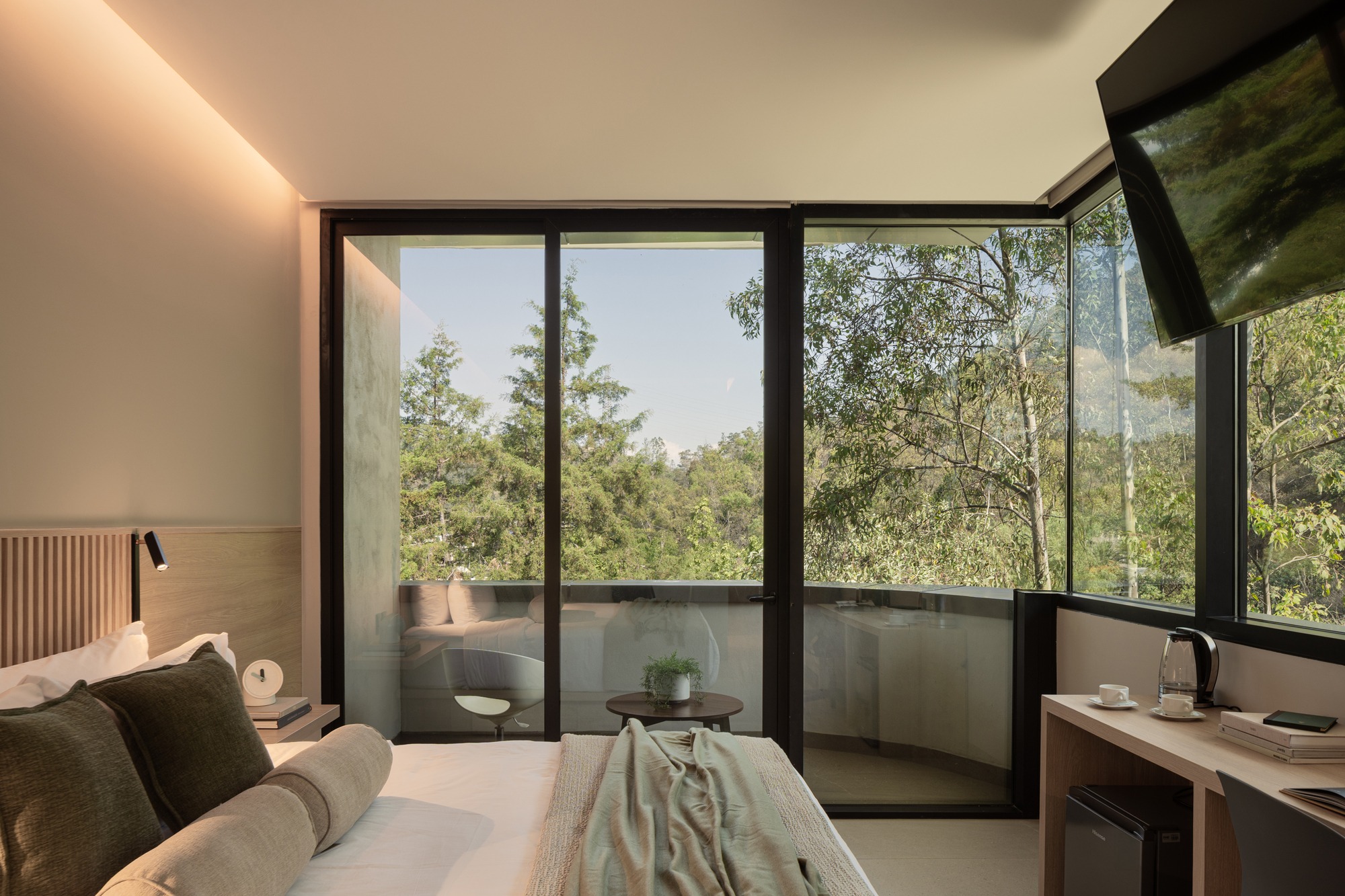
Dormitories for senior and youth squads, the dining hall, locker rooms, gym, press rooms, and specialized facilities for physiotherapy, hydrotherapy, nutrition, psychological support, and lactation were modernized and expanded.
Each intervention incorporated an architectural narrative that communicates the pride and symbolic weight of representing Mexico, making the CAR feel like an extension of each player's home. The design maximized existing structures and incorporated sustainable strategies, including solar panels, cross ventilation, natural lighting, views, and terraces—reflecting a commitment to both sustainability and inclusivity.
The new CAR is more than a sports complex it is the operational and emotional heart of Mexican soccer. Its design elevates player performance, strengthens team cohesion, and creates an experience that inspires excellence both on and off the field.
The campus is equipped to meet the demands of contemporary soccer and supports the Federation's vision of achieving new milestones on the international stage. This project represents a long term investment: a space conceived to cultivate generations of players who will push Mexican soccer beyond historic barriers and into the future.