"인공지능이 거의 모든 질문에 답할 수 있다면, 과학관이 할 일은 더 이상 사실을 전달하는 것이 아니다. 아이들에게 질문하는 법을 가르치는 것이다."— 마옌쑹 (Ma Yansong, MAD Architects 창립자 겸 수석 파트너)
 |
 |
 |
MAD Architects-Hainan Science Museum
우주를 꿈꾸는 섬
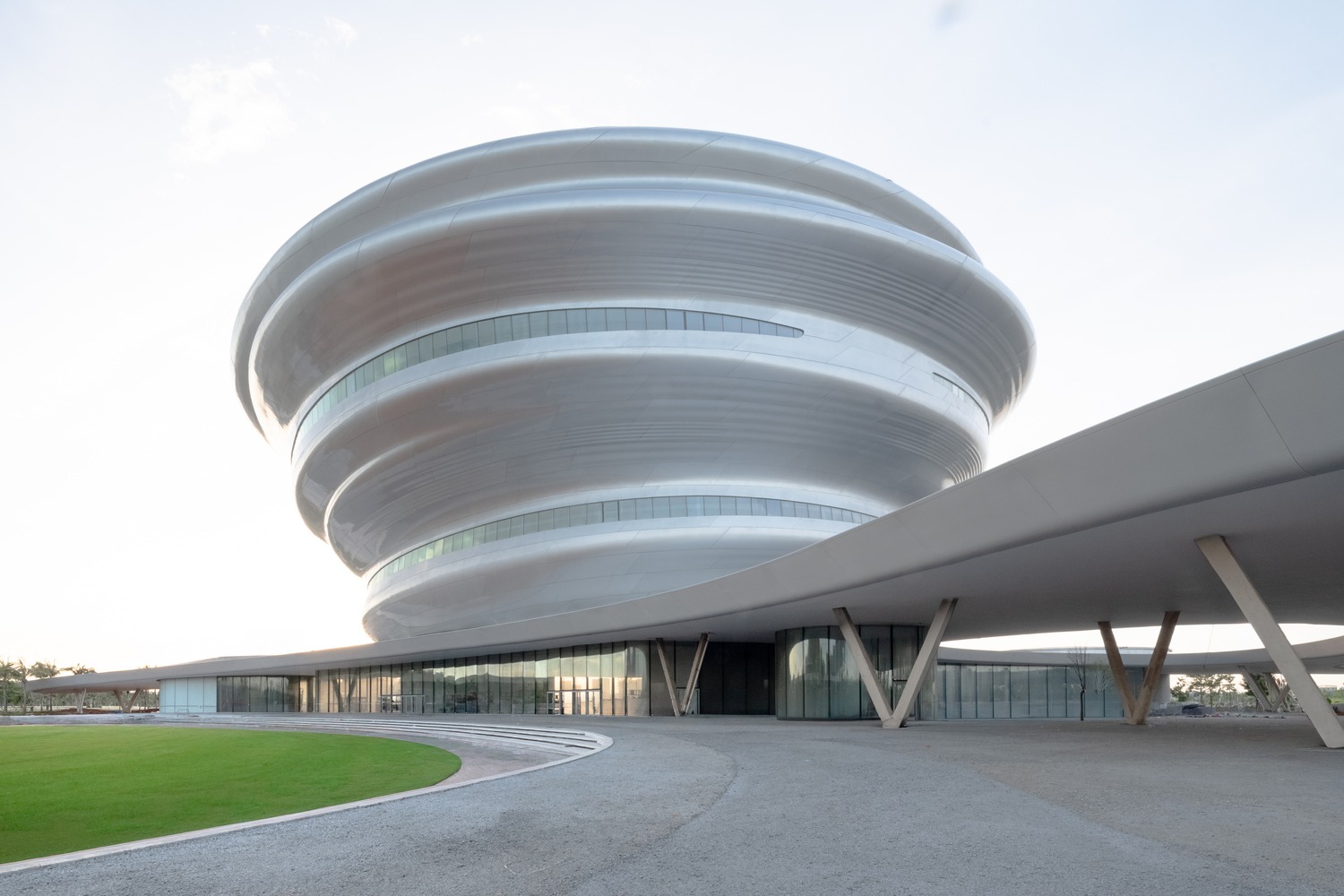
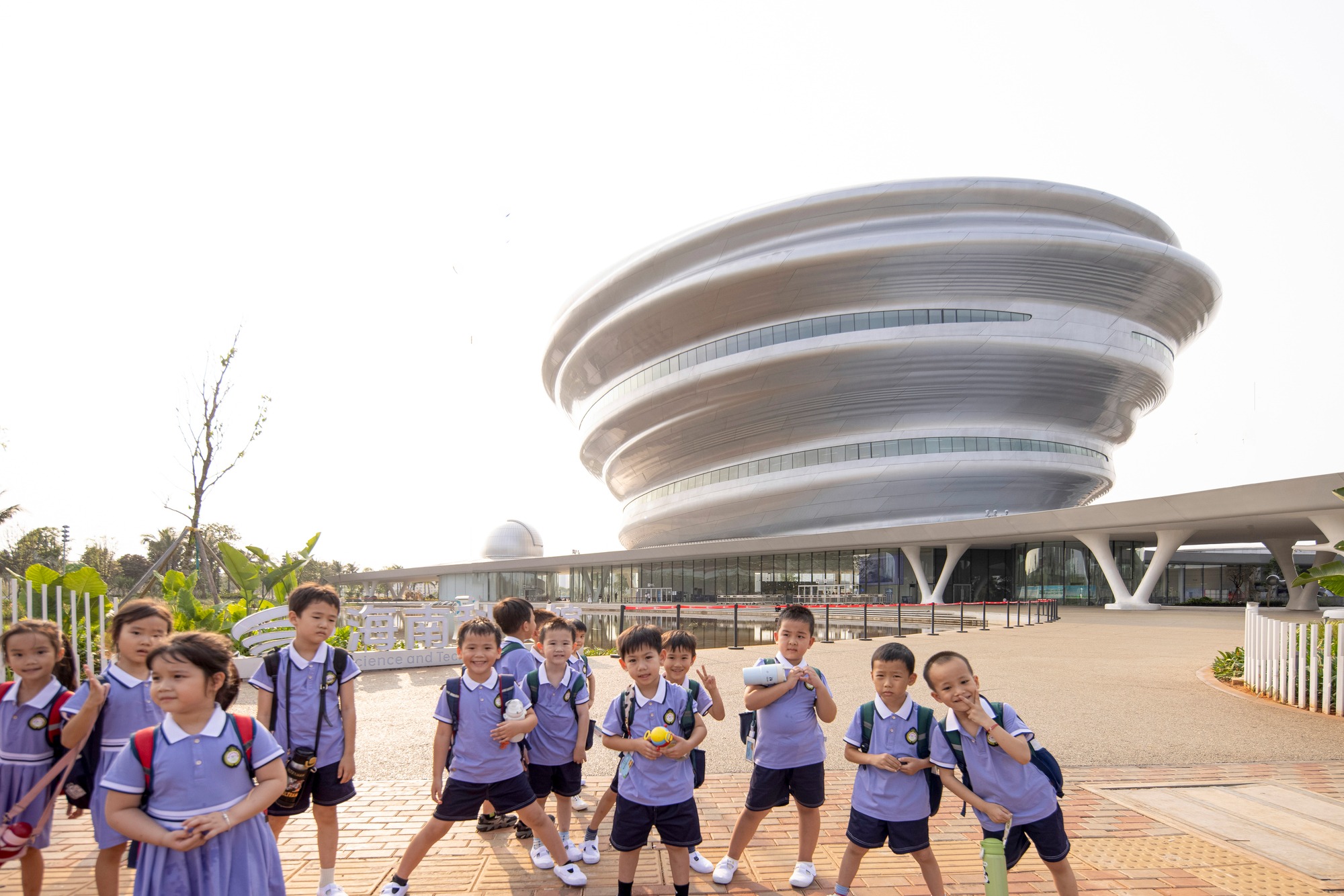
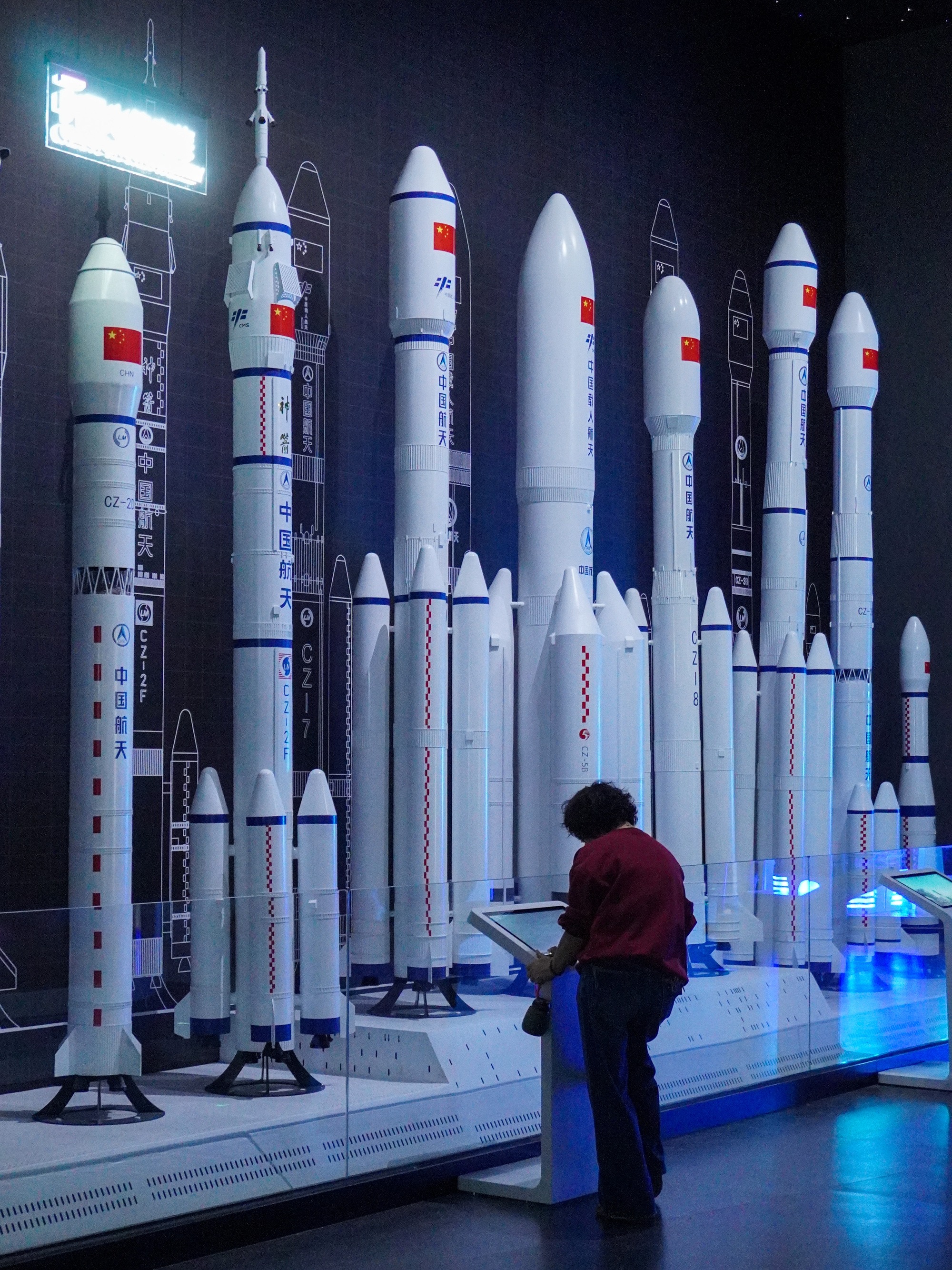
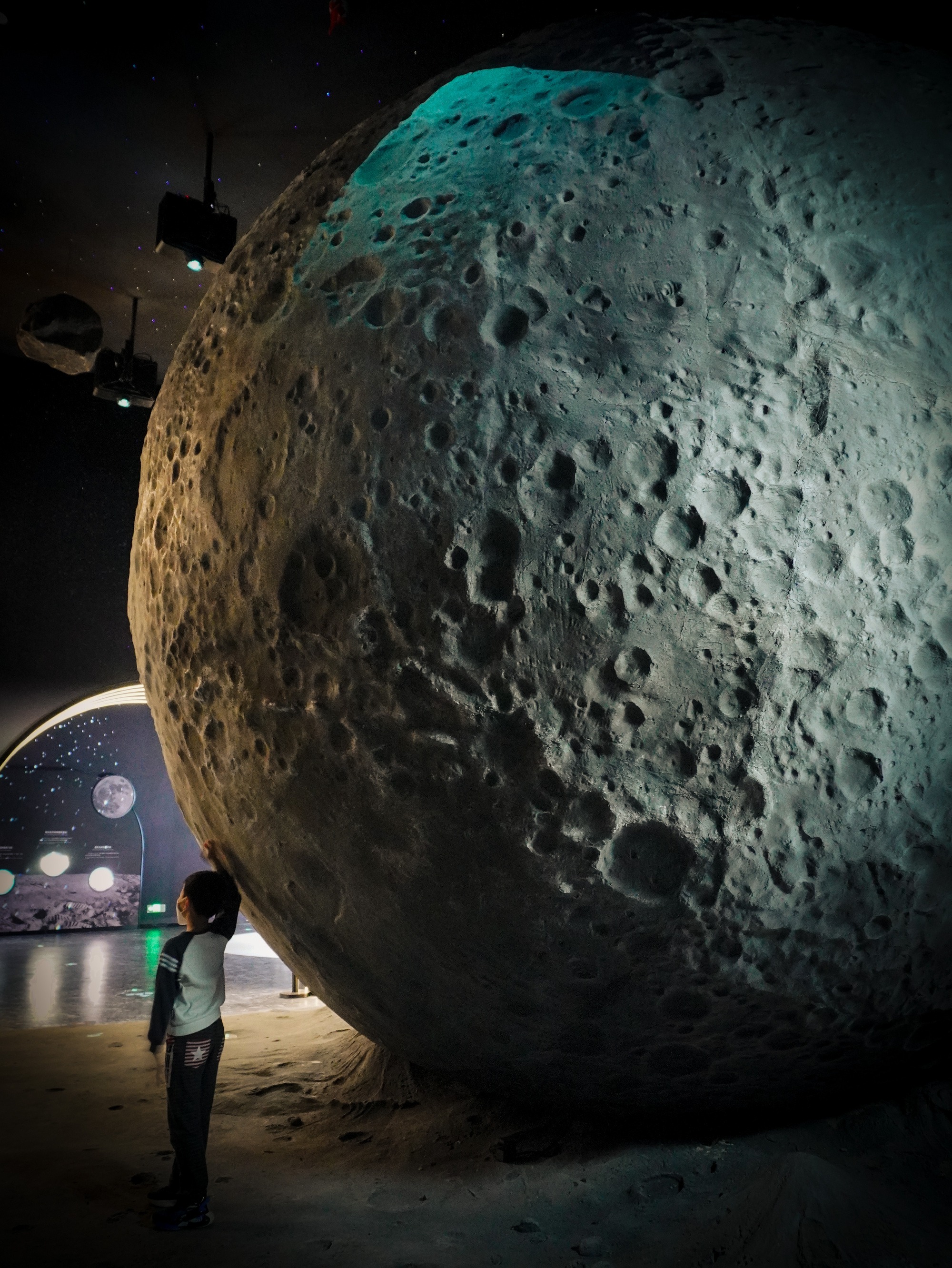
하이난은 조용히, 그러나 확실하게 중국 과학 인프라의 중심축이 되어가고 있다. 중국 유일의 해안 우주발사기지가 섬 동쪽 해안에 자리하며, 2016년 이후 달과 화성 탐사를 포함한 40여 차례의 발사 임무를 수행했다. 바다와 우주를 동시에 품은 이 섬에, 마옌쑹과 그의 설계사무소 MAD가 설계한 하이난 과학관이 우위안강(五源河) 국가습지공원 경계에 문을 열었다. 시범 개관 이후 불과 넉 달 만에 35만 명이 넘는 방문객을 맞았고, 가장 많은 사람이 몰린 날에는 하루 5,800명이 넘는 이들이 이곳을 찾았다. 하이난성이 선정한 '10대 공공문화시설' 중 하나로 꼽힌 이 과학관은, 과학을 먼 곳의 학문이 아니라 이미 우리 일상 속에 살아 숨쉬는 것으로 제시한다.
도시의 거실 — 캐노피 아래서
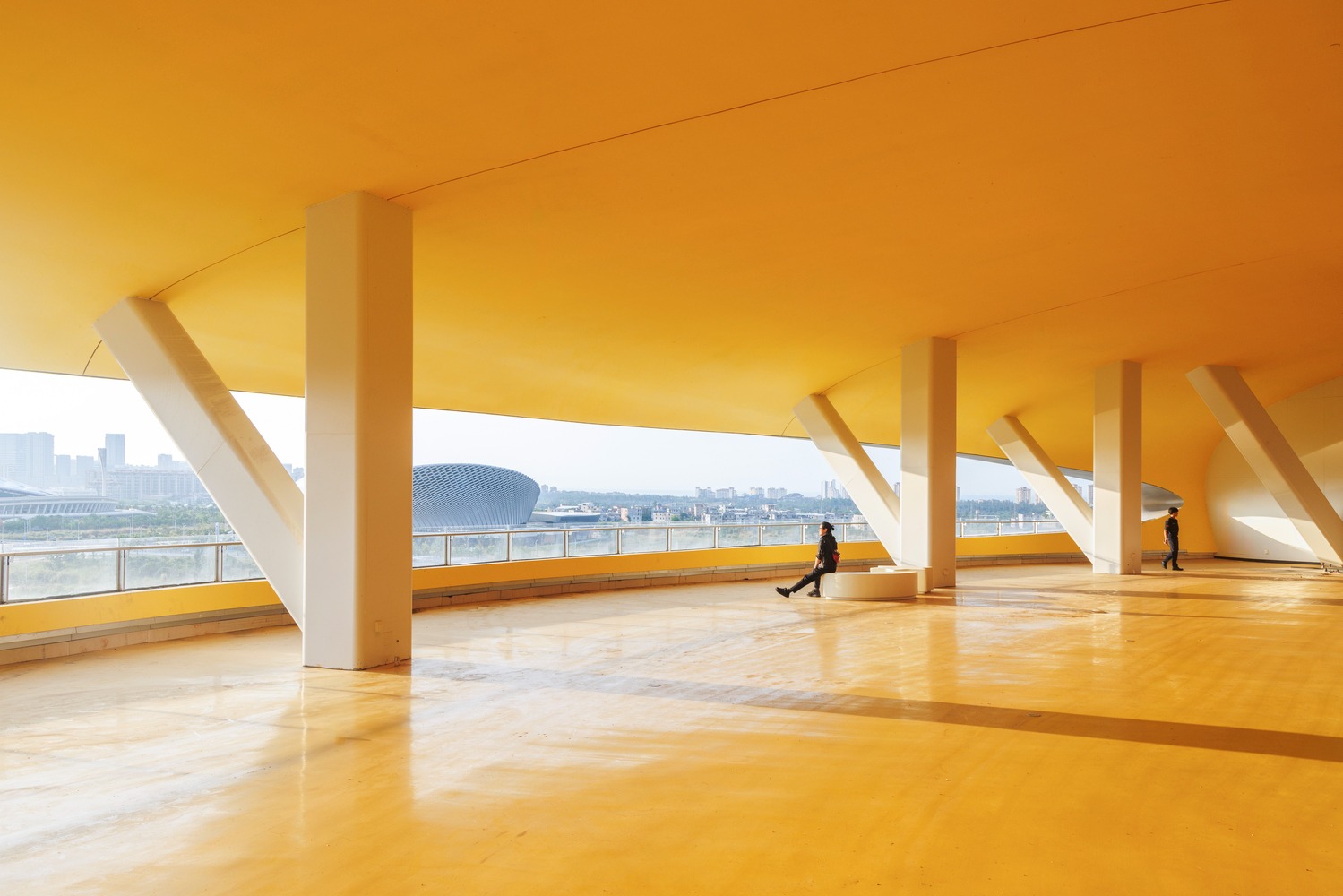
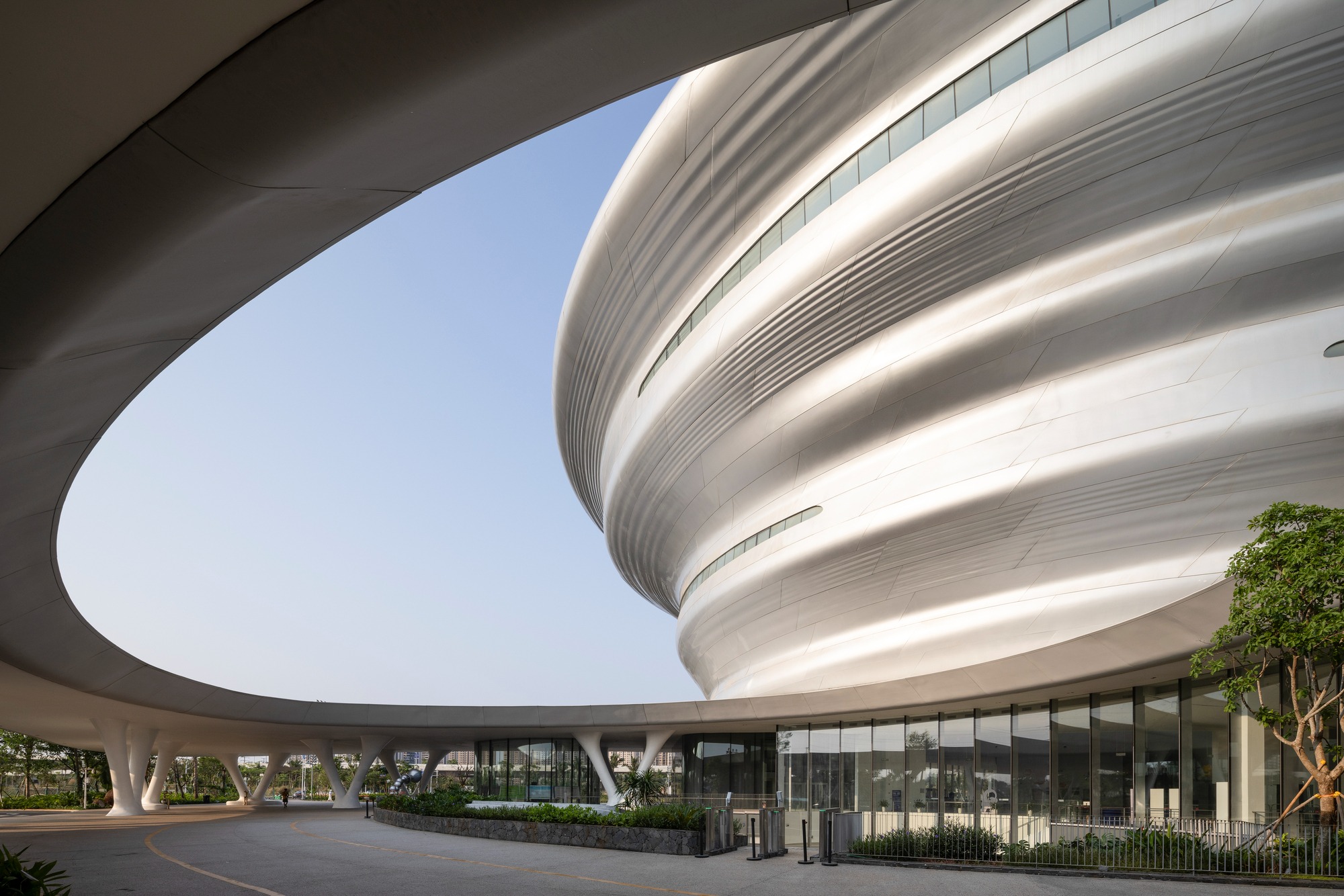
반경 3킬로미터 이내에 30개 이상의 학교와 유치원이 밀집해 있다. 마옌쑹은 첫 스케치에서부터 이 건물을 멀리서 찾아오는 랜드마크가 아니라 시민 인프라로 구상했다. 목적지가 아닌 동네 도서관처럼. 그 의도가 가장 선명하게 드러나는 곳이 1층을 가로지르는 넓은 캐노피다. 지면에서 들어 올려진 캐노피는 건물 아래로 열린 광장을 만들어내고, 공공의 공간을 건물 안으로 자연스럽게 끌어들인다. 부모들은 그 아래서 아이를 기다리고, 학생들은 삼삼오오 모이며, 퇴근길 주민들은 자연스럽게 그 사이를 지나친다. 로비는 아트리움이라기보다 지붕 아래 펼쳐진 마을 광장에 가깝다.
하나의 나선, 두 개의 여정
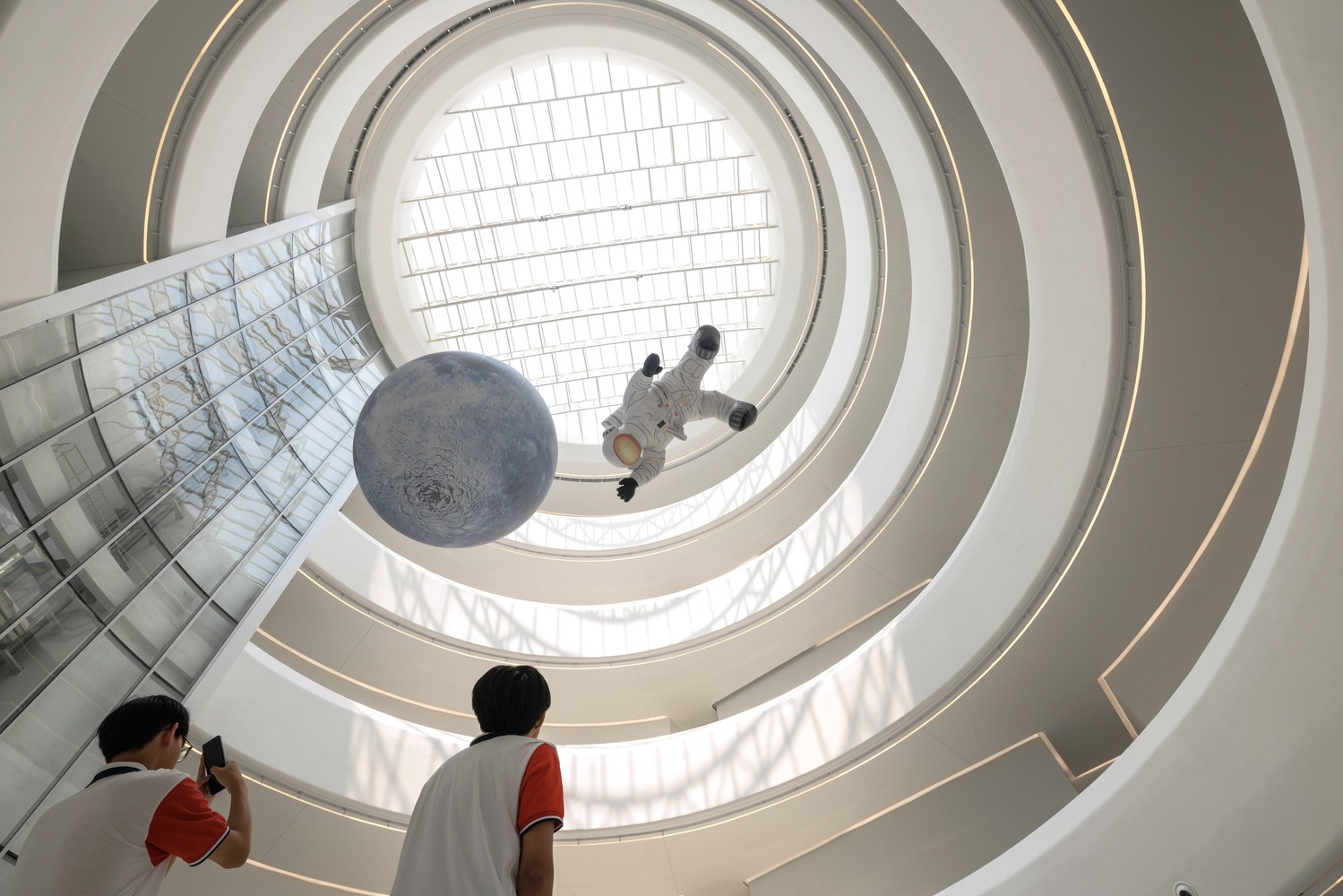
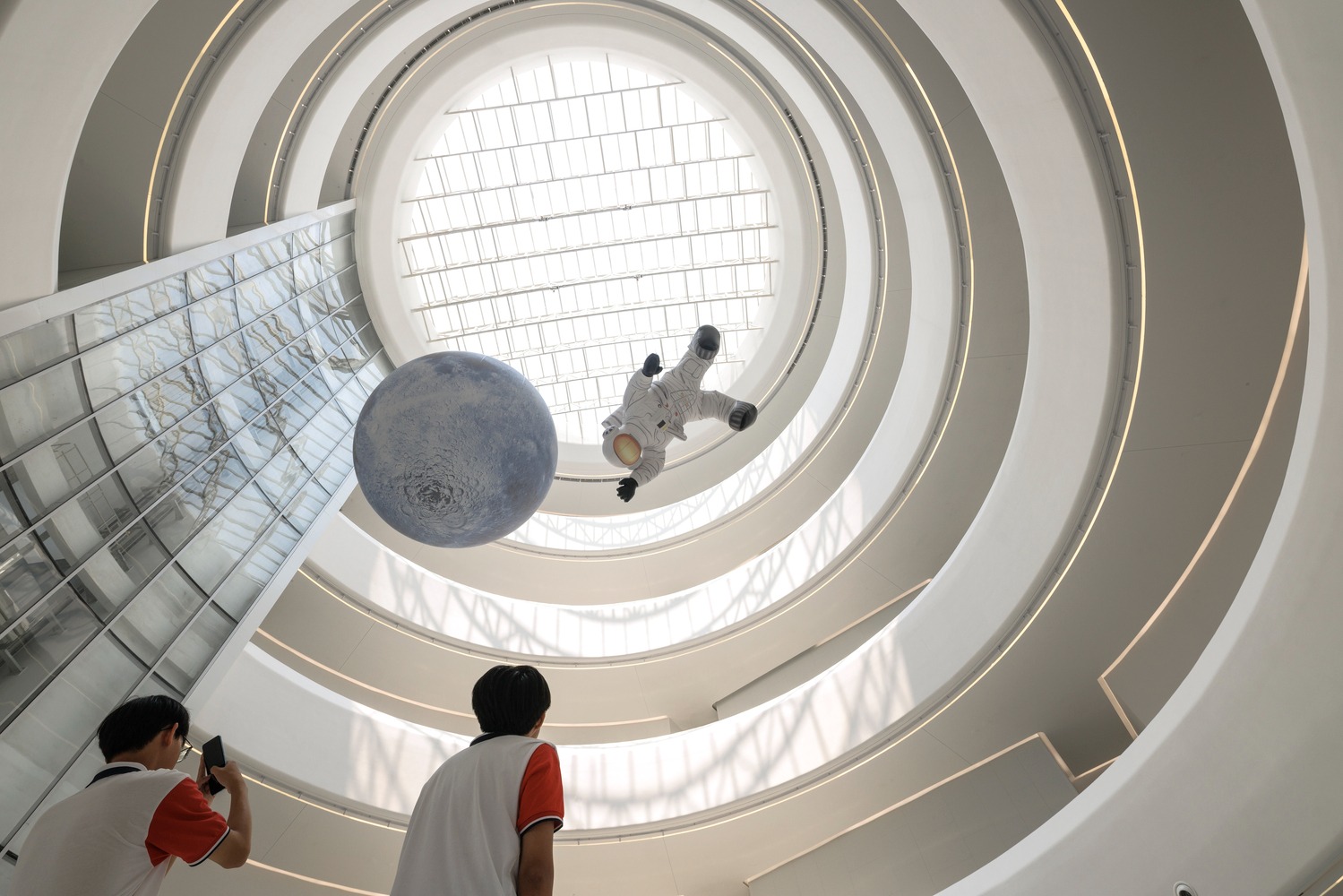
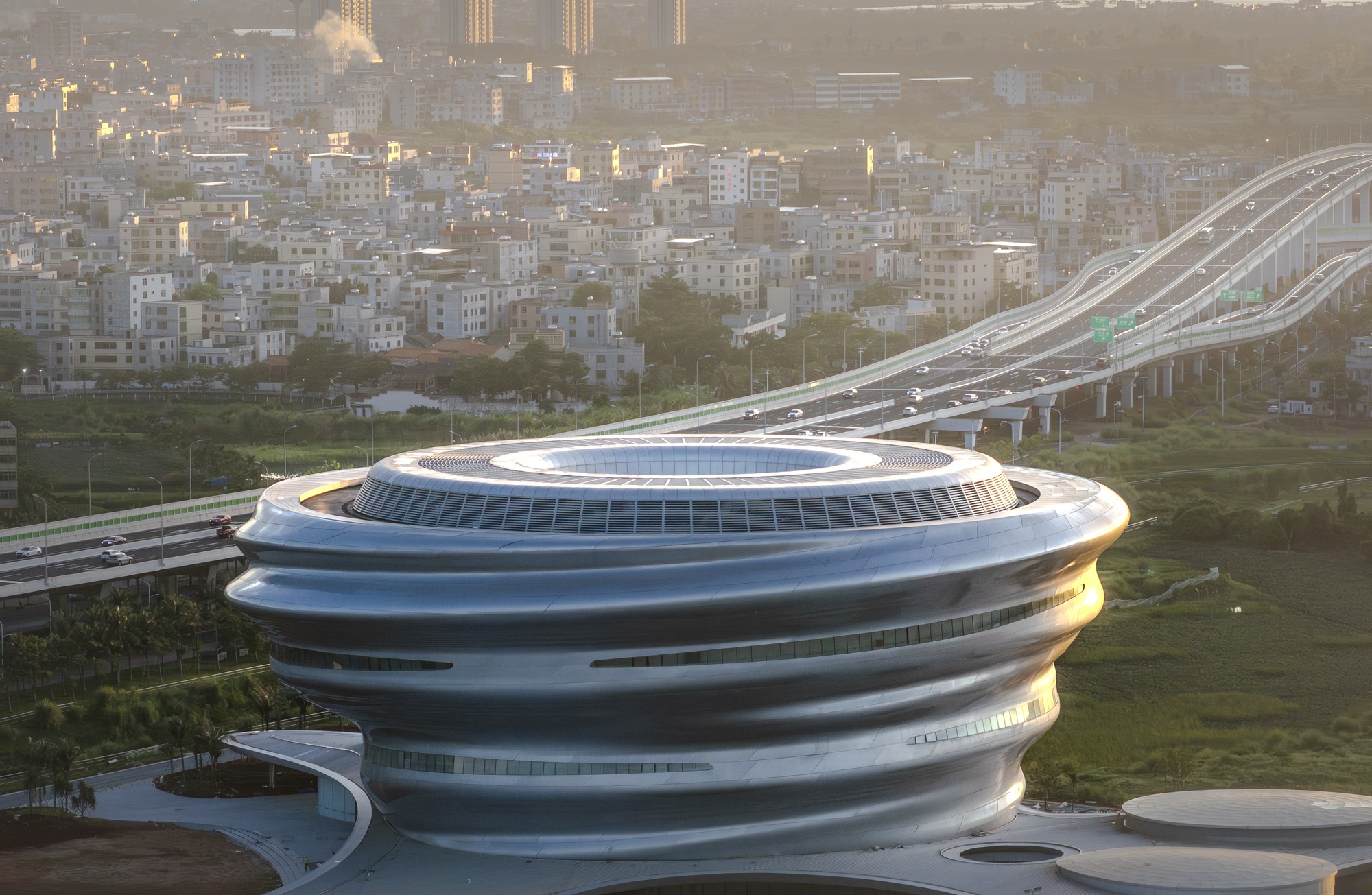
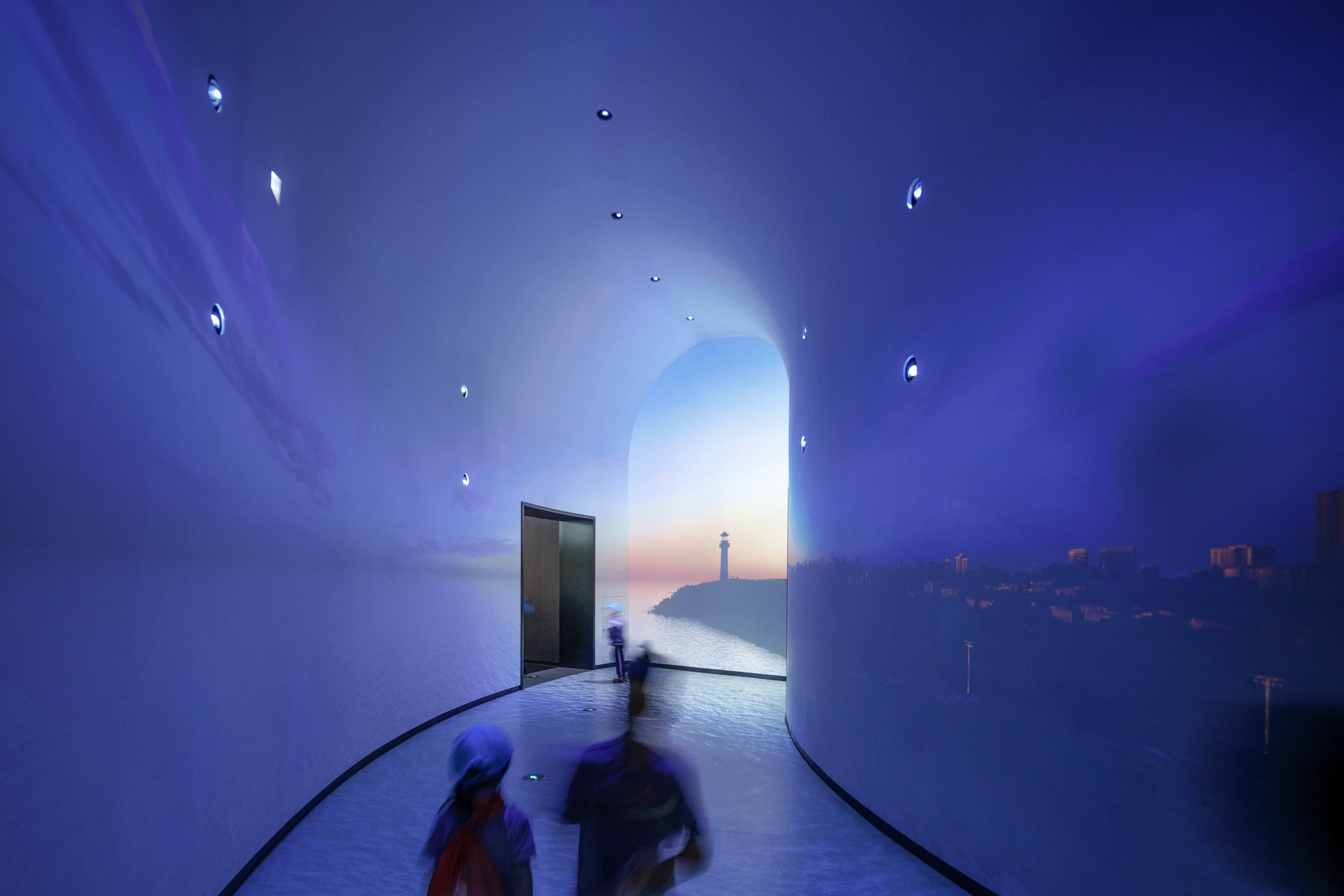
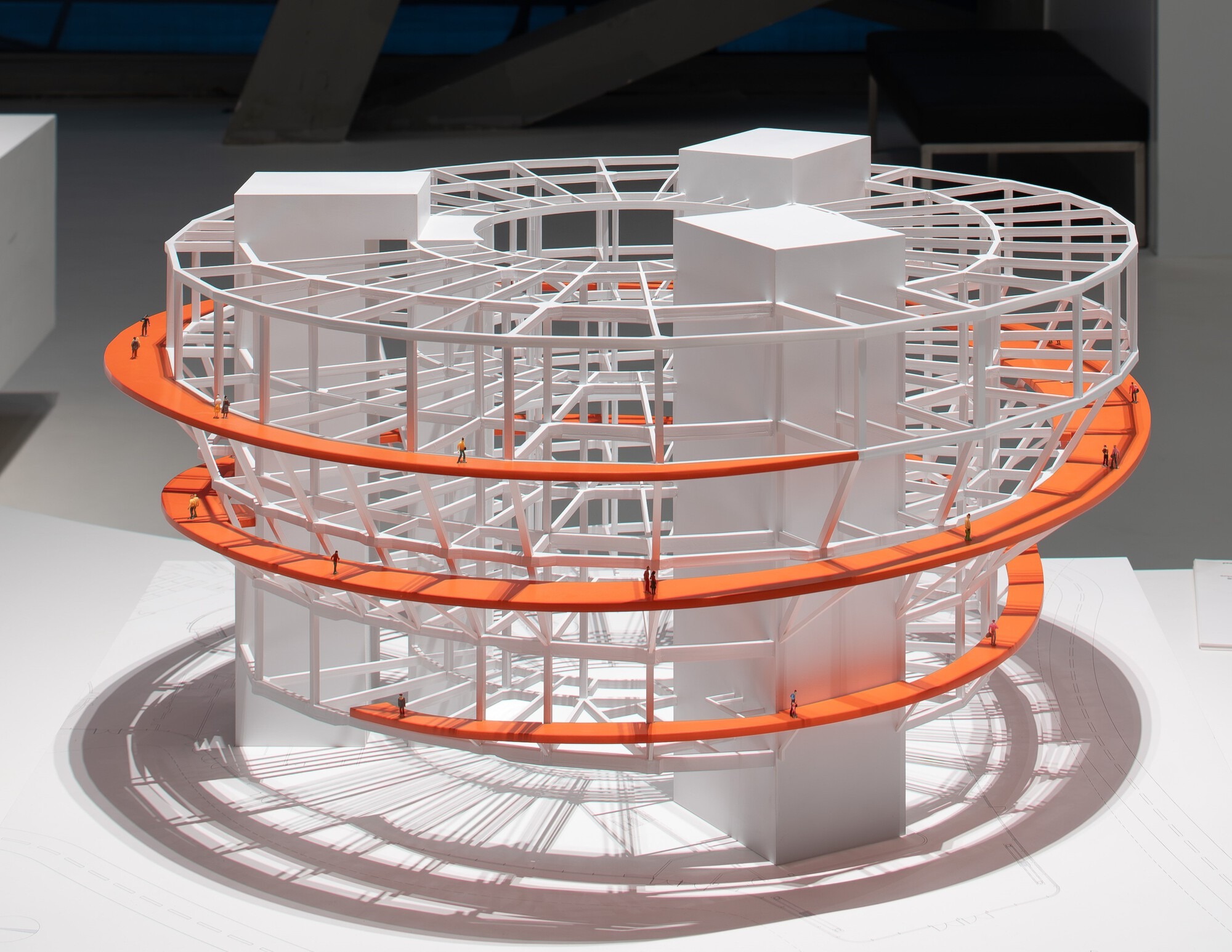
이 건물의 심장부에는 미술관 전체를 하나로 연결하는 단일 나선형 동선이 있다. 어느 방향으로도 걸어서 순환할 수 있는 이 나선은, 방문 방향에 따라 전혀 다른 두 개의 서사를 만들어낸다.
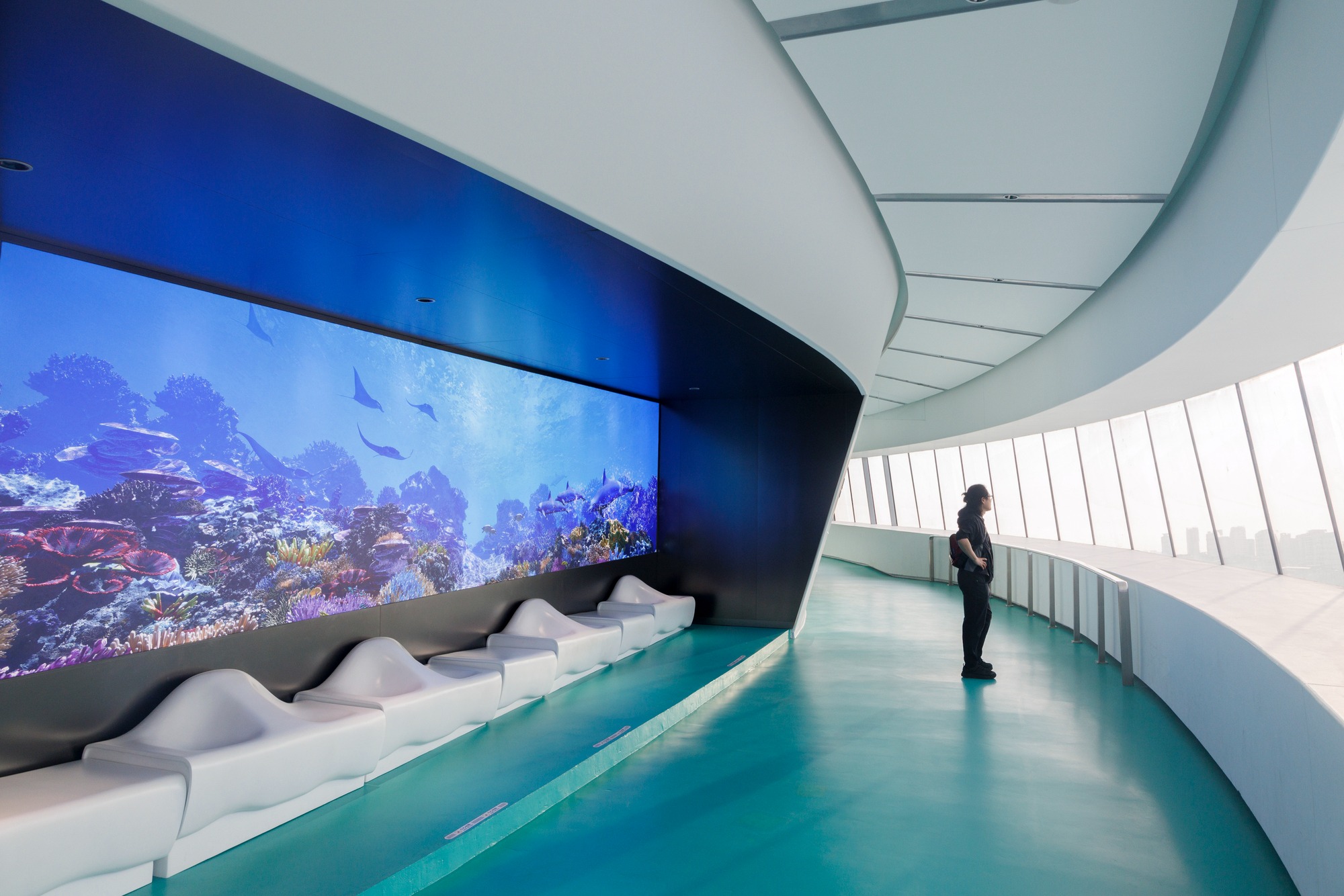
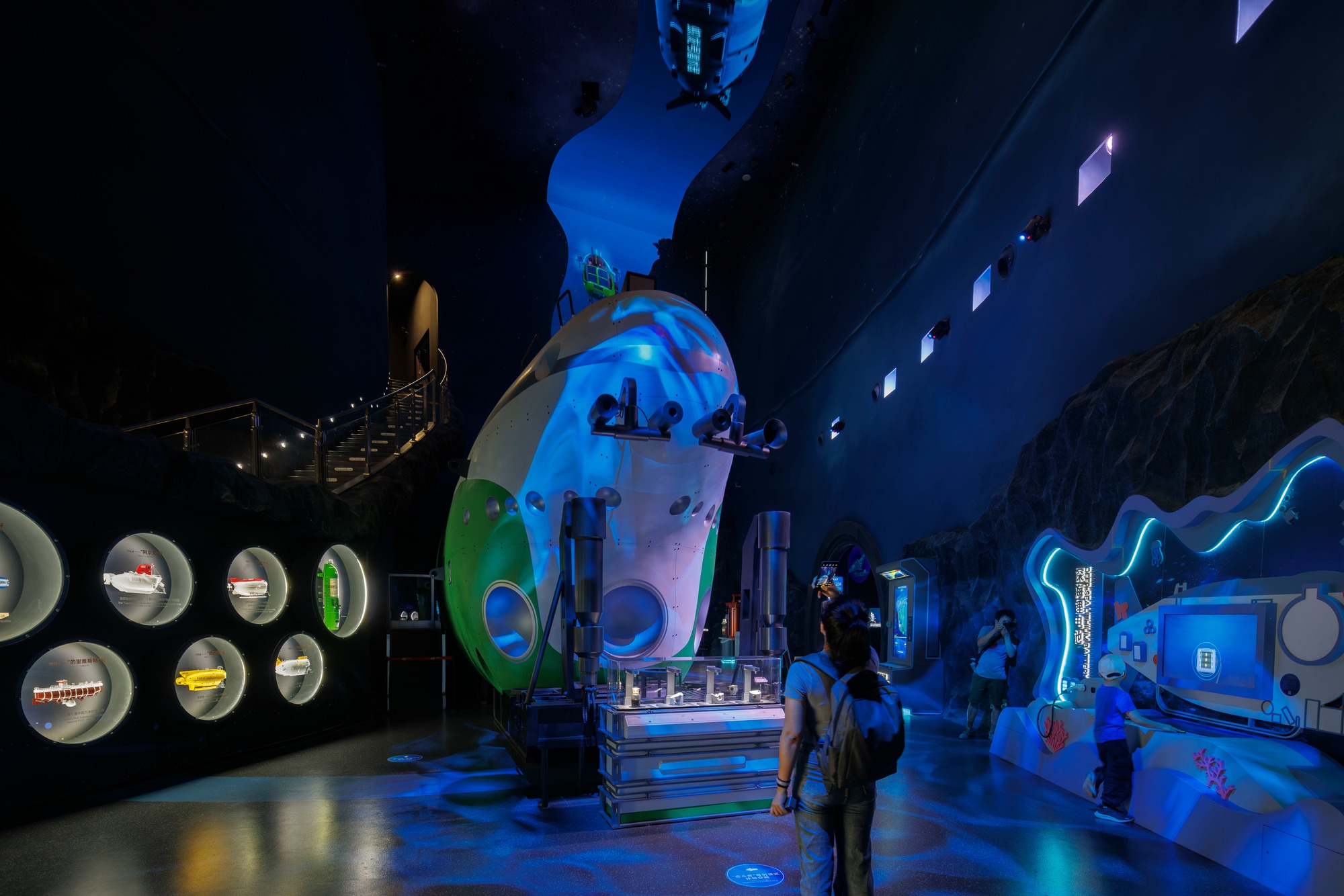
꼭대기에서 내려오는 방문객은 우주 깊은 곳과 바다에서 시작하여, 하이난의 열대우림과 농업 문화를 거쳐, 마지막 어린이 체험 공간으로 내려앉는다. 반대로 지상층에서 출발한 방문객은 손으로 만지고 직접 움직이는 것에서 시작해, 점점 시야를 넓혀가며 결국 머리 위로 우주를 마주한다. 같은 건물, 같은 경로, 두 가지의 독립적인 독해. 각 주제는 별도의 문 뒤에 갇히지 않는다. 서로 스며들고, 겹치고, 열린 채로 이어진다. 방문 순서는 마옌쑹의 설계 의도대로, 방문객이 스스로 선택한다.
세 개의 코어가 띄운 건물
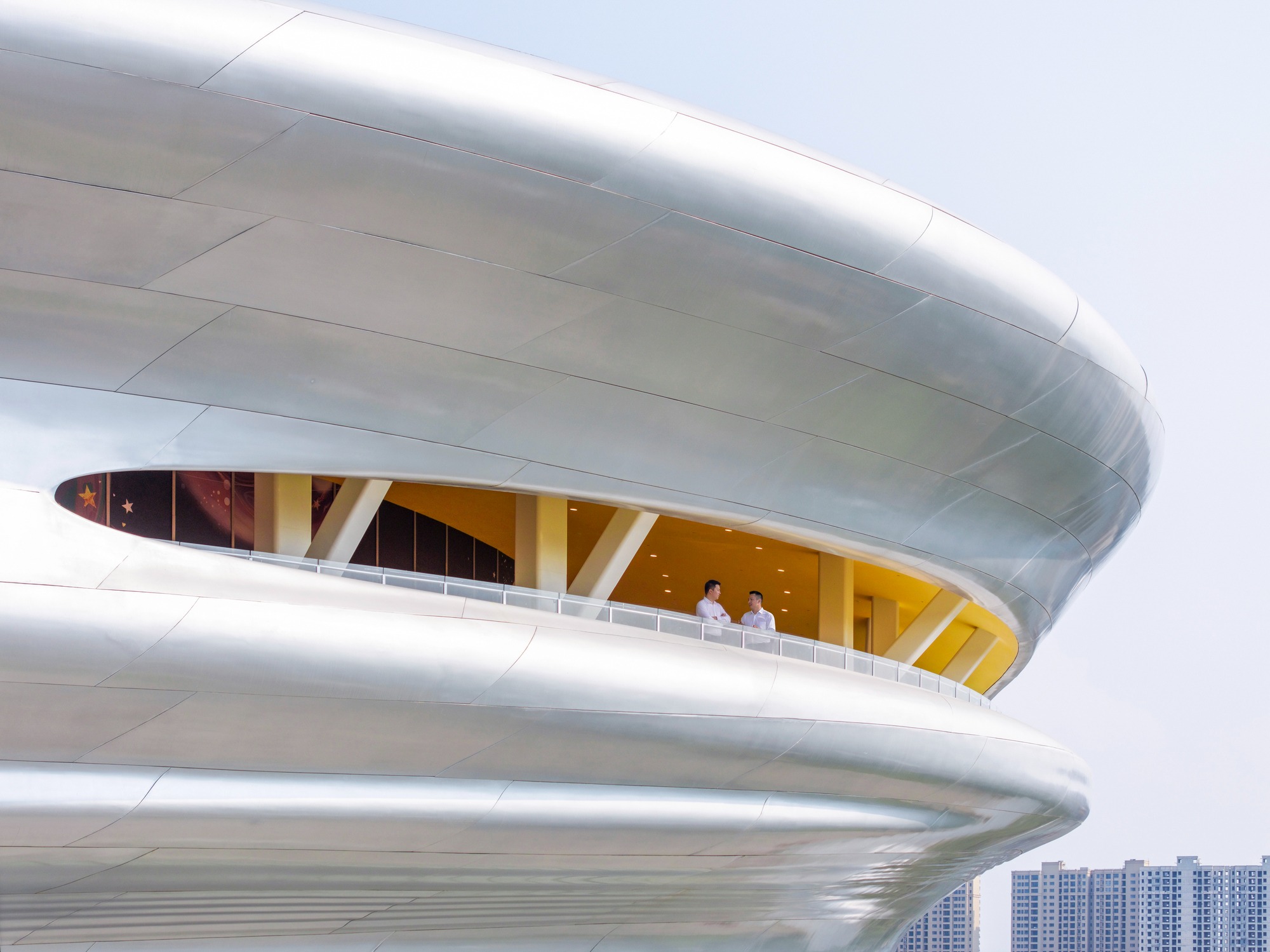
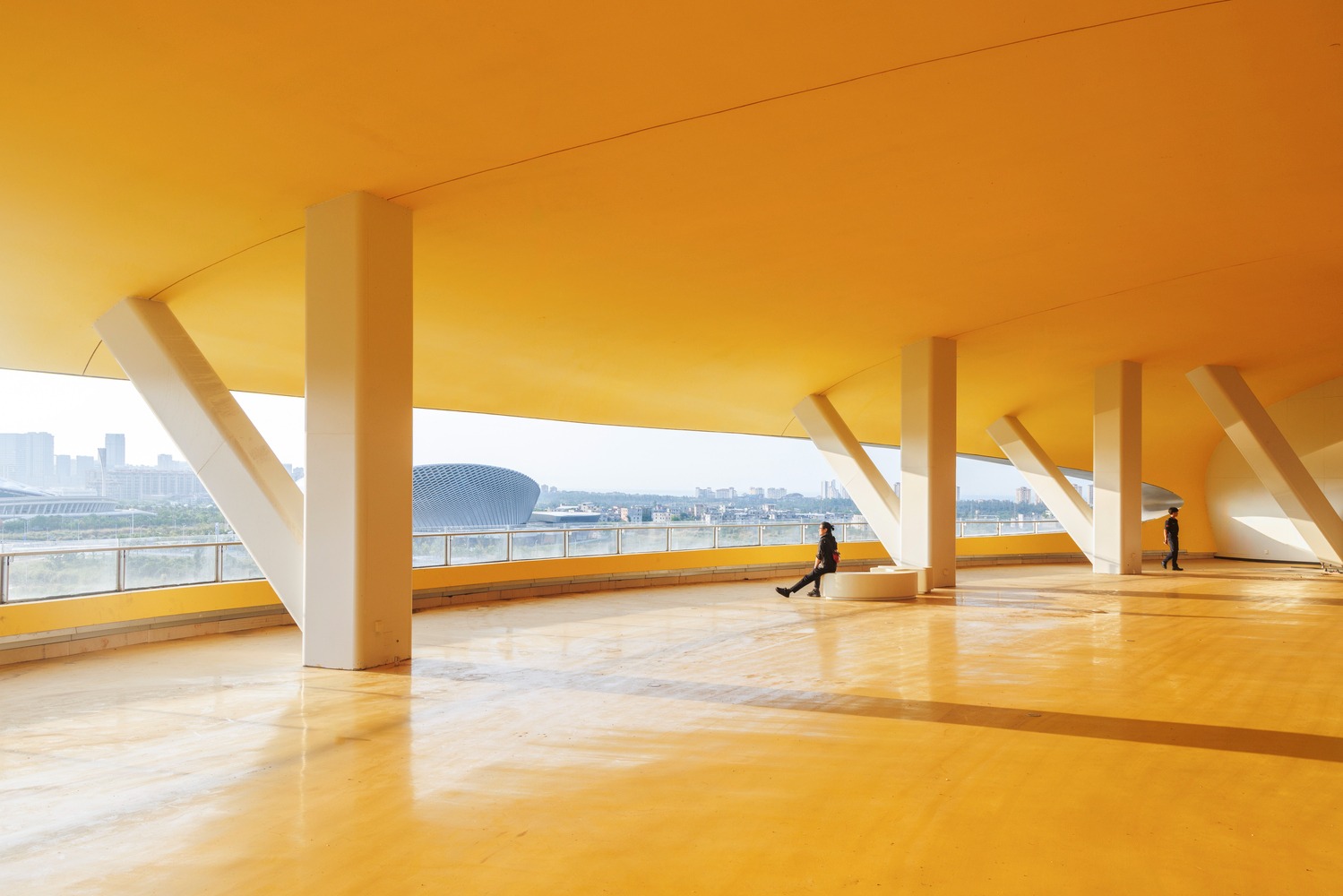
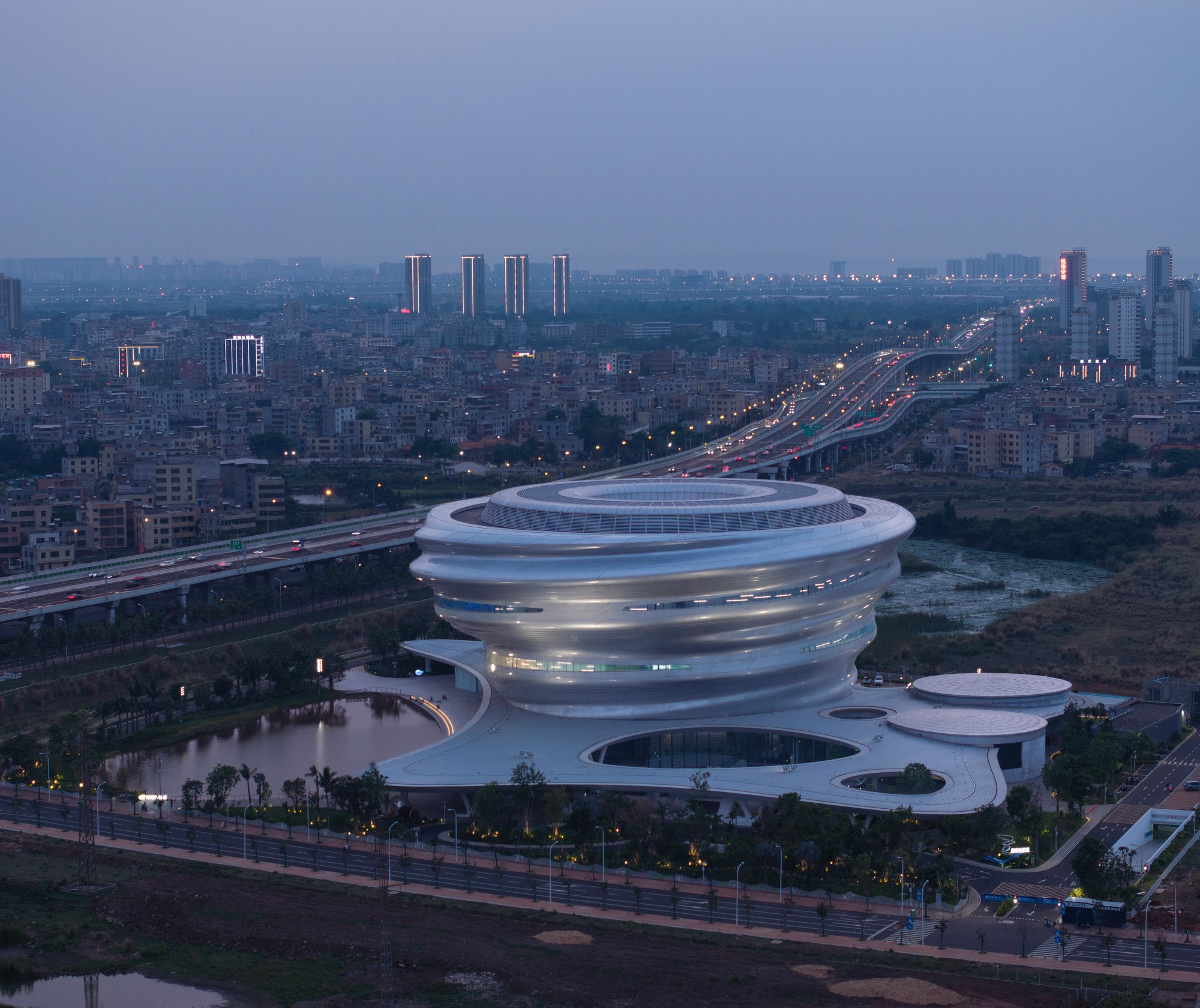
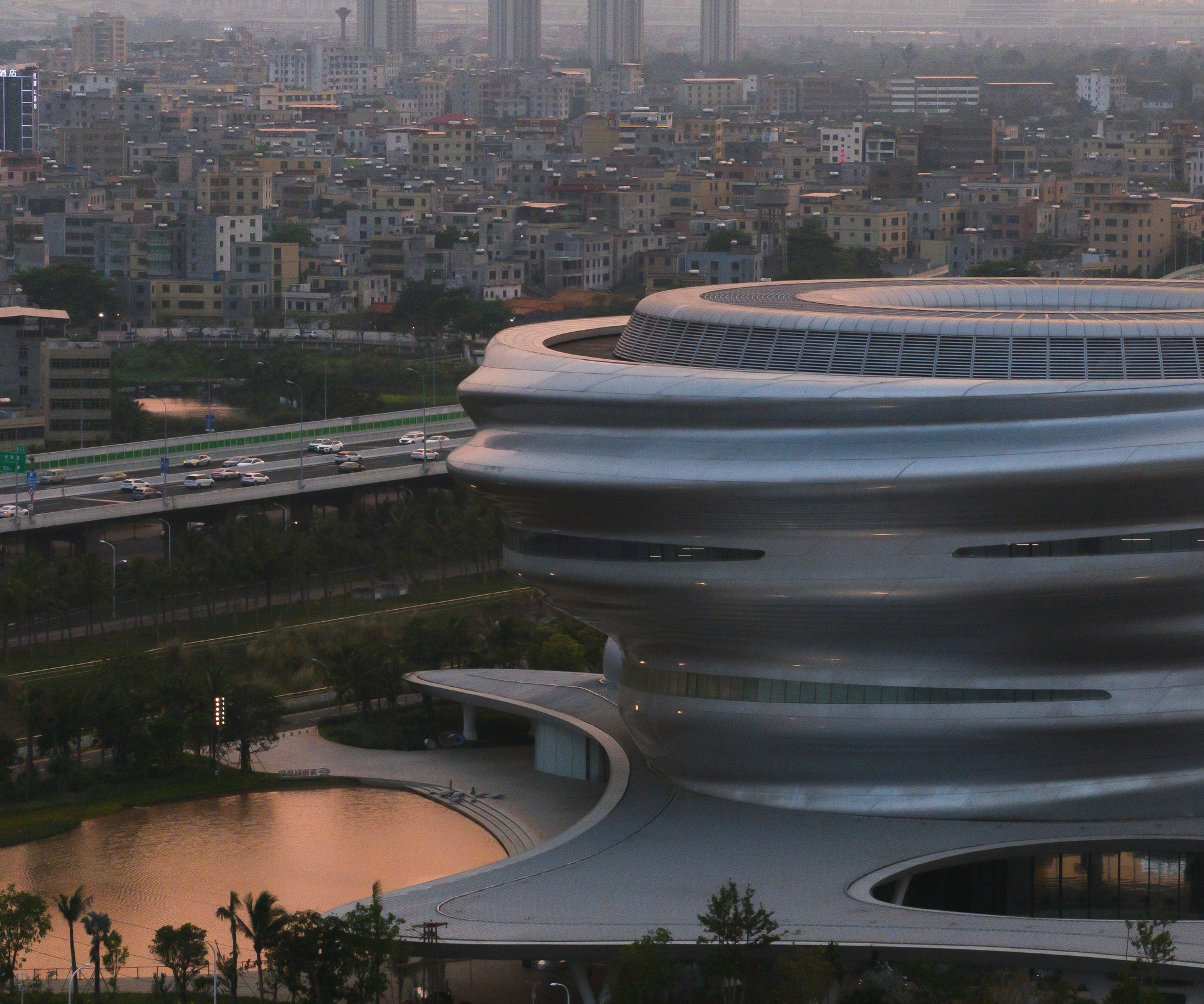
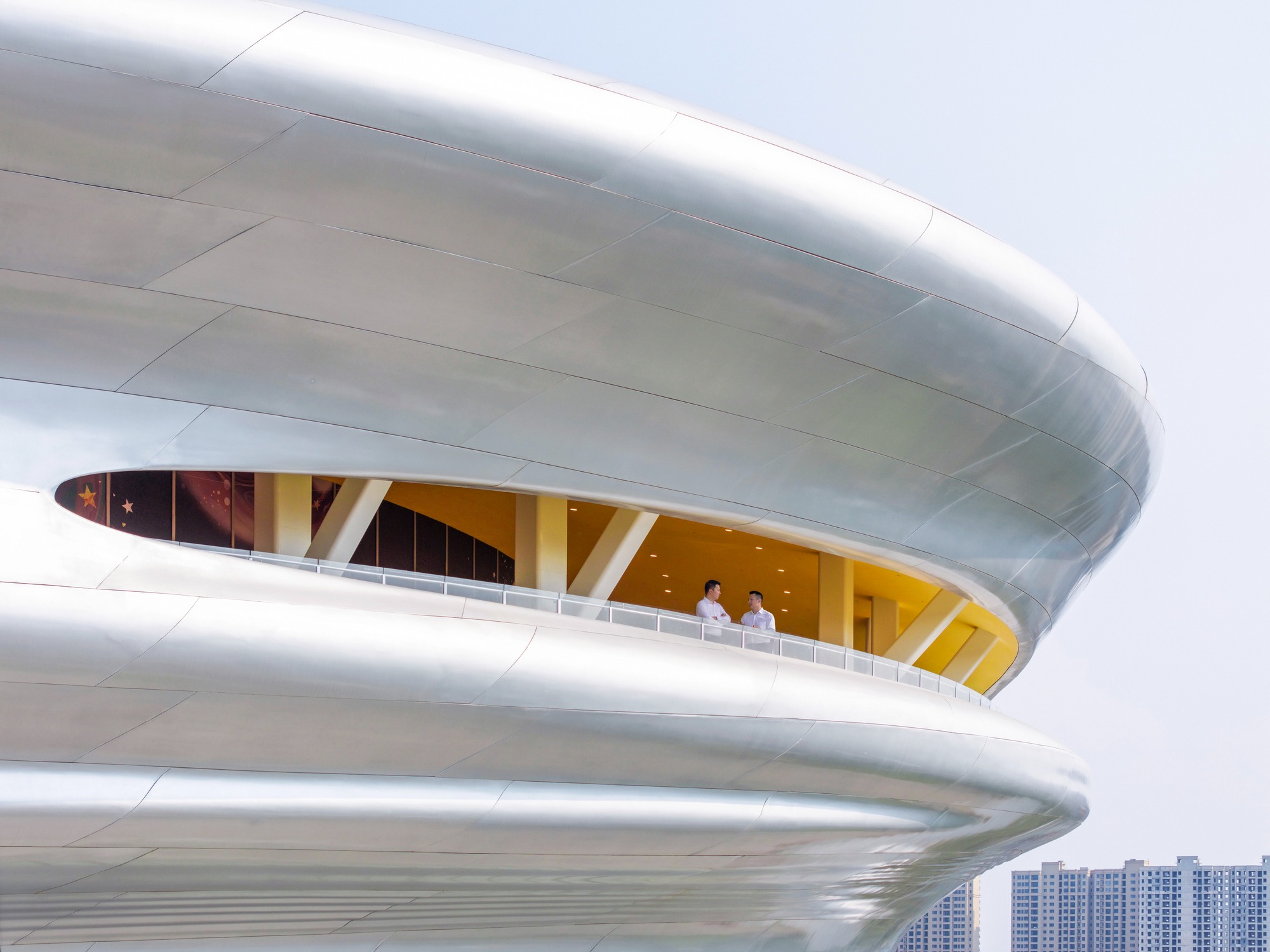
구조적으로 이 나선 전체는 세 개의 콘크리트 코어 튜브가 지탱한다. 코어 구조 덕분에 전시 공간에서 기둥이 사라졌다. 링 형태의 전시 볼륨은 지면에서 들어 올려져 반영 연못 위에 떠 있듯 놓이고, 그 아래로 캐노피 공간이 자유롭게 펼쳐진다. 외피를 감싸는 843개의 섬유강화폴리머(FRP) 패널은 은빛 껍질을 이루며, 낮의 햇빛과 하늘의 색, 날씨의 변화에 따라 끊임없이 표정을 바꾼다.
총 46,528제곱미터 규모의 이 복합문화시설에는 천문관과 대형 스크린 영화관, 선큰 광장이 들어서 있다. 식물 재배와 농업 체험을 위한 야외 녹지 공간까지, 이 모든 것이 지붕 있는 보행로 하나로 이어진다.
그릇이 아닌 내용물이 되다
마옌쑹은 이렇게 말한다. "흐름과 혼돈의 개념 위에 이 프로젝트를 세우고 싶었습니다. 공간과 기능, 지식이 서로 자유롭게 스며들도록. 각각의 주제는 연결되고, 겹치고, 열려 있어야 합니다." 그가 지난 이십여 년간 되풀이해 물어온 질문이 있다. 건물이 어떻게 하면 콘텐츠를 담는 그릇이기를 멈추고, 그 자체로 콘텐츠가 될 수 있을까. 하이난 과학관은 그 질문에 대한 지금까지의 가장 명확한 답일지도 모른다.
설계: MAD Architects (MAD 아키텍츠)
수석 설계: 마옌쑹 (Ma Yansong)
위치: 중국 하이난성 하이커우 (Haikou, Hainan, China)
규모: 46,528 m²
주요 시설: 상설 전시관 (우주·해양·열대우림·농업), 천문관, 대형 스크린 영화관, 선큰 광장, 어린이 체험관, 야외 녹지 교육 공간
외피: 섬유강화폴리머(FRP) 패널 843개
구조: 콘크리트 코어 튜브 3개
Write by Claude & Jean Browwn
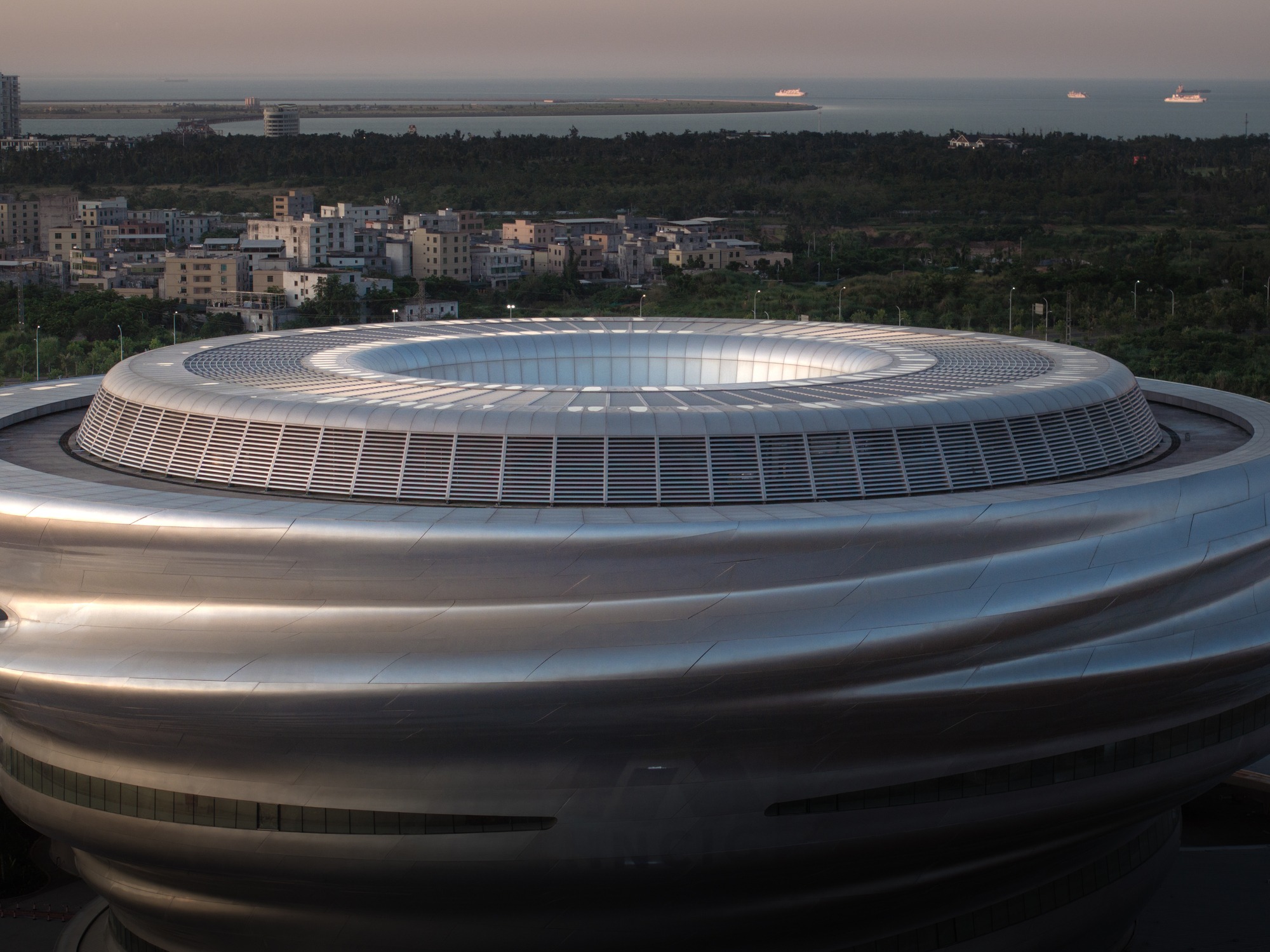
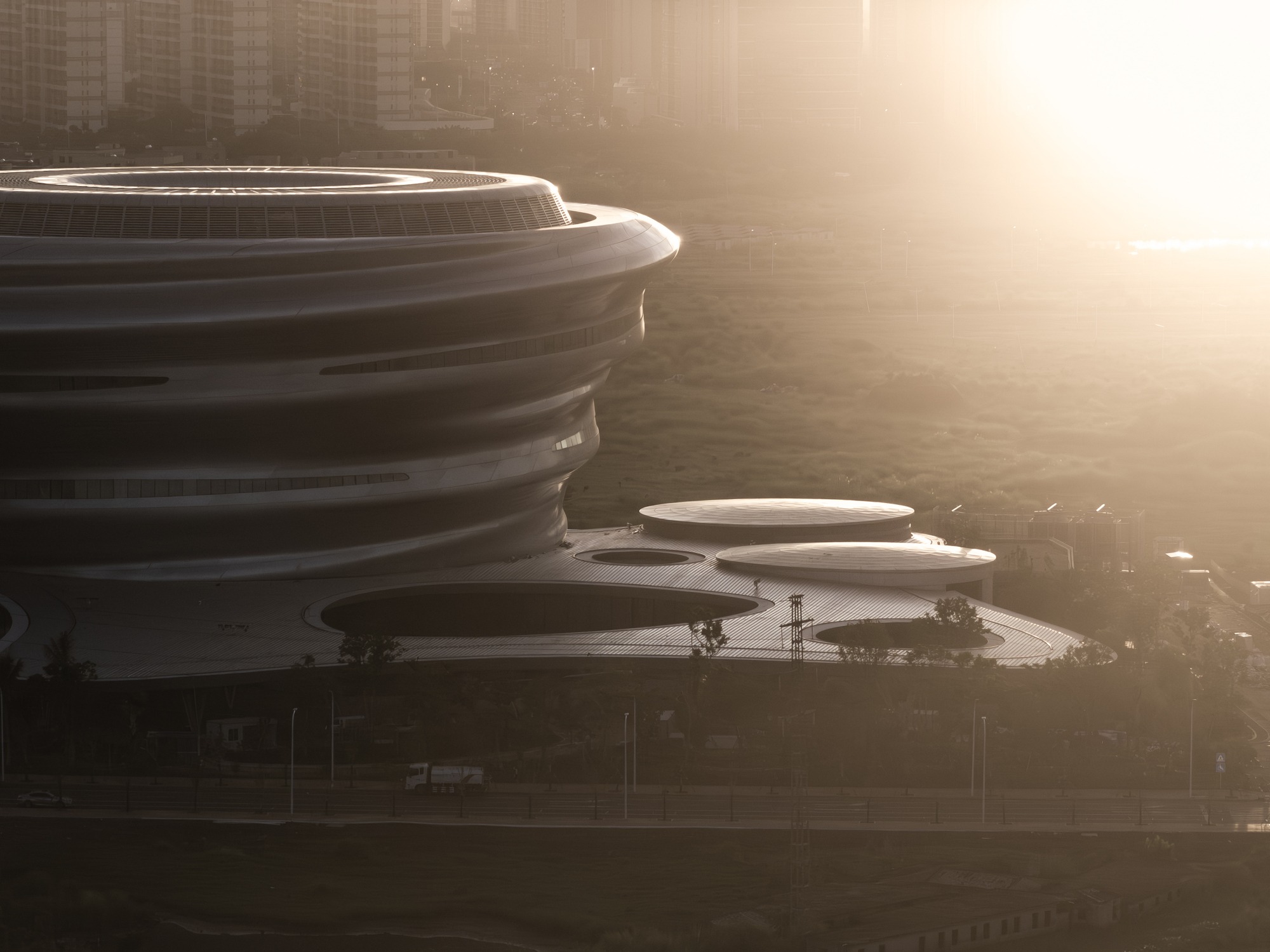
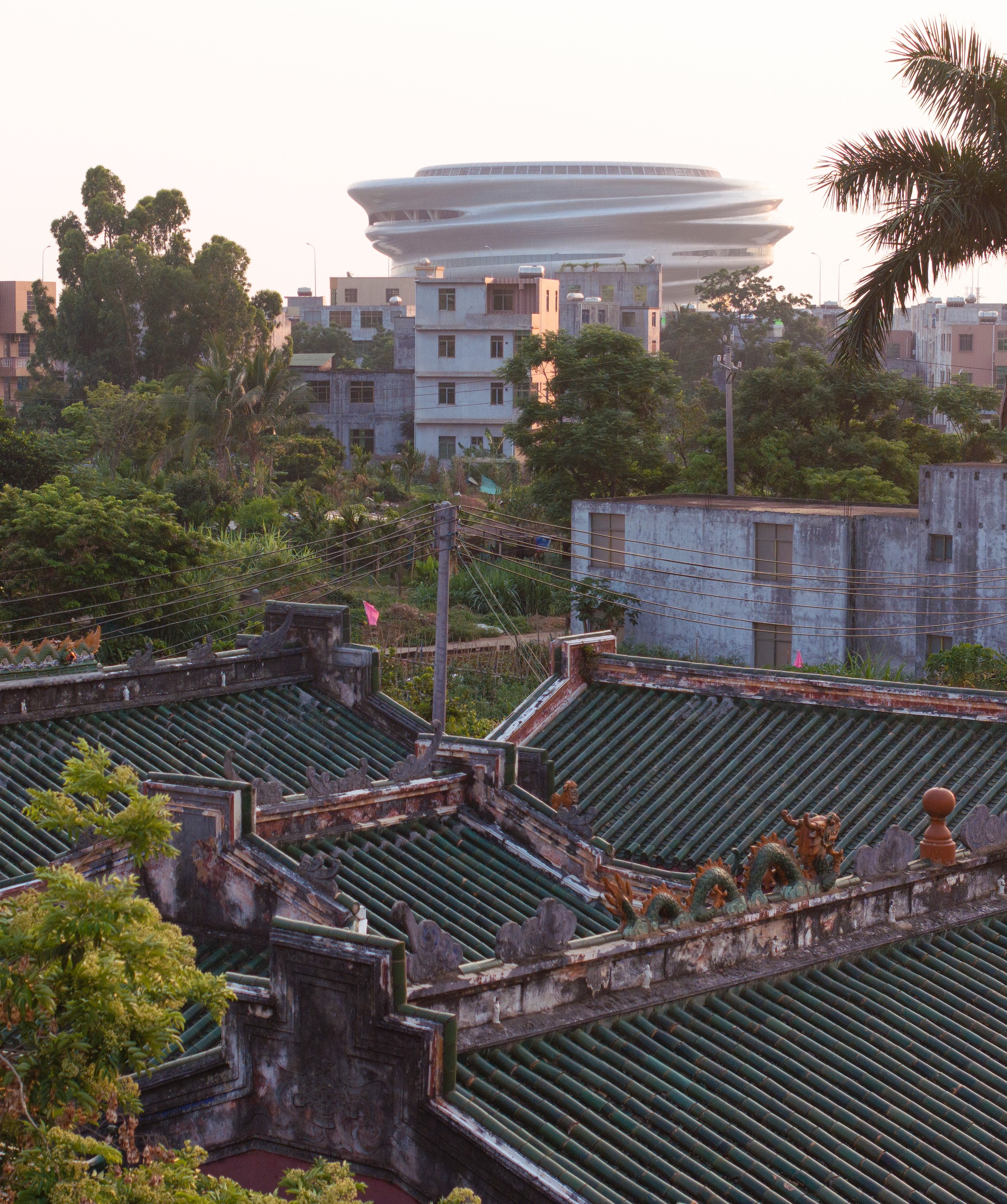
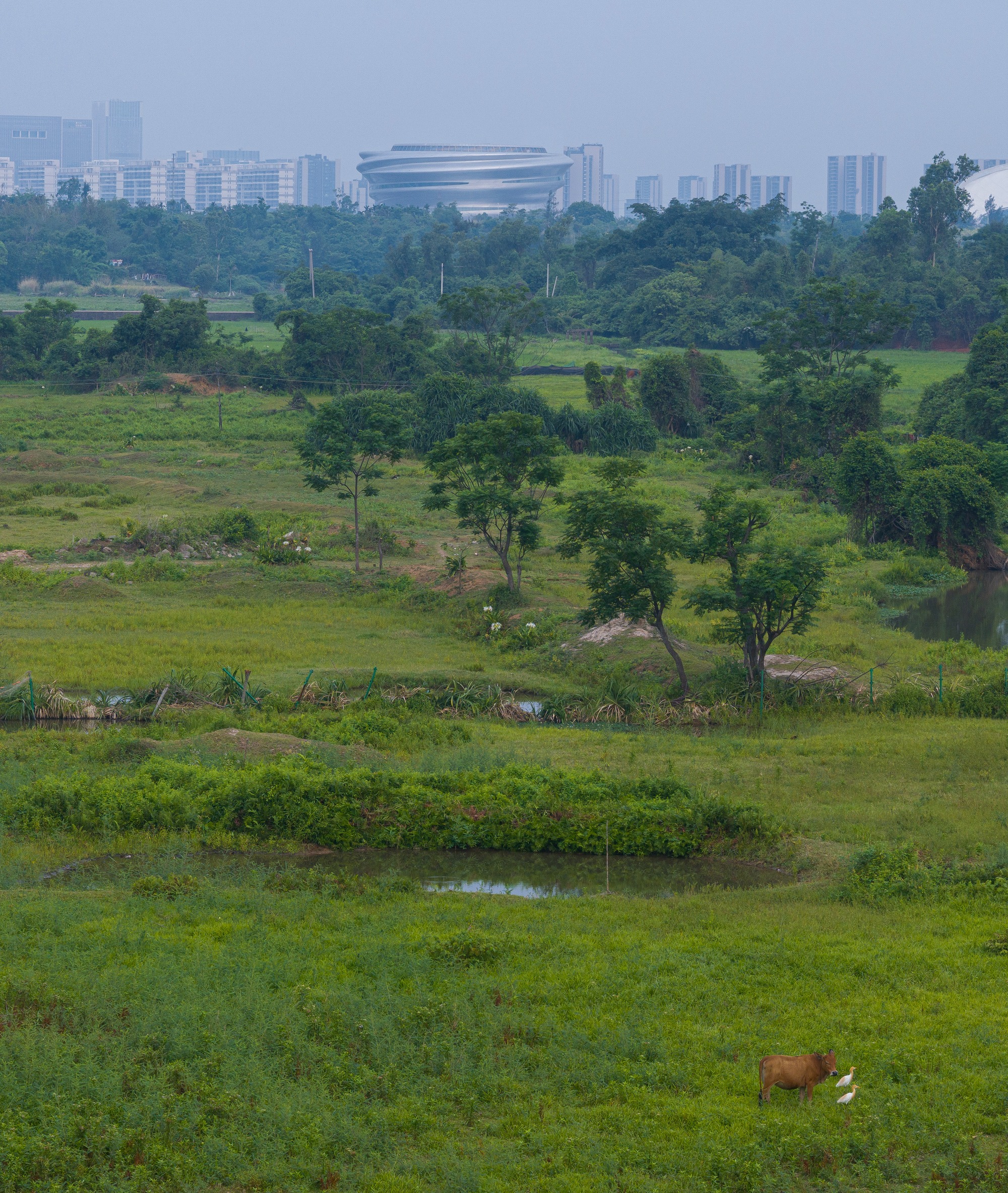
The Hainan Science Museum, designed by Ma Yansong and his firm MAD, has opened to the public on the edge of Wuyuan River National Wetland Park. Since its trial opening, it has welcomed more than 350,000 visitors in four months, with peak days drawing more than 5,800 people. "I wanted the project to be built on the idea of flow and chaos — space, function, and knowledge to flow into one another, freely." says Ma Yansong, Founder and Principal Partner of MAD. "Different subjects should connect, overlap, and stay open. If artificial intelligence can already answer almost any question, a science museum's job is no longer to deliver facts. It is to teach children how to ask them."
On the frontline of China's space ambitions, a museum for the families next door Hainan has quietly become part of China's scientific infrastructure. The country's only coastal spaceport sits on the island's east coast and has carried more than 40 launches since 2016, including missions to the Moon and Mars. The museum, named one of Hainan Province's "Top Ten Public Cultural Facilities," frames science not as a distant subject, but as something already happening in everyday life.
With more than 30 schools and kindergartens within a three kilometer radius, Ma conceived the building from the first sketch as civic infrastructure for the families around it, closer to a public library than a destination landmark.A wide canopy lifts off the ground floor, shading an open plaza beneath the museum and pulling public space under the building itself. Parents wait, students meet, residents pass through on the way home, and the lobby reads less like an atrium than a town square under a roof.
Architecture: One Spiral, Two Journeys, Three Cores At the heart of the project is a single spiralling route that connects every gallery in the museum, walkable in either direction. Visitors who arrive at the top descend through ring-shaped galleries, moving from deep space and the ocean, down through Hainan's rainforests and tropical agriculture, and finally to a hands-on level for children. Those who enter at the ground floor walk the same path in reverse: from touch and play, expanding outward until the cosmos is overhead. Two directions, two readings of the same building. Subjects flow into one another rather than sit behind separate doors, and the order, by Ma Yansong's design, is the visitors to choose.
Structurally, the entire spiral is carried by three concrete core tubes. They eliminate columns from the exhibition floors and lift the ring shaped volume above an open ground level, allowing the building to float over its reflecting pools and the canopy beneath it. The exterior is wrapped in 843 fiber-reinforced polymer panels that form a silver shell shifting with daylight, sky, and weather. The 46,528-square-meter complex also includes a planetarium, a giant-screen cinema, a sunken plaza, and shaded outdoor planting areas for hands-on plant and agriculture education all connected by a covered walkway. It is, in some ways, the question Ma Yansong has been circling for two decades: how does a building stop being a container for content and start being the content itself? The Hainan Science Museum may be his clearest answer yet.
from archdialy
'Culture' 카테고리의 다른 글
| * 도시 속에서 피어난 예술의 꽃 [ Foster + Partners ] Jia Art Gallery (0) | 2026.05.27 |
|---|---|
| * 자연이 무대가 되다[ Studio Gangamuel H. Scripps ] Theater Center (0) | 2026.05.20 |
| * 붉은 대지 위의 기억 [ Spaceworkers ] Vila do Bispo Museum, Portugal (0) | 2026.04.27 |
| * 땅에서 솟아오른 기억 [ Safdie Architects ] Cherokee Heritage Center (0) | 2026.04.24 |
| * 폐허가 말을 걸다 [ Tengbom ] Stjärnorp Castle Ruin (0) | 2026.04.17 |