"어린이를 위한 도시는 모든 사람을 위한 도시다."- Aldo van Eyck
 |
 |
 |
기억에서 자라난 어린이 마을 킨더 라인 유치원 AACM - Atelier Architettura Chinello Morandi-Kinder Rain Kindergarten
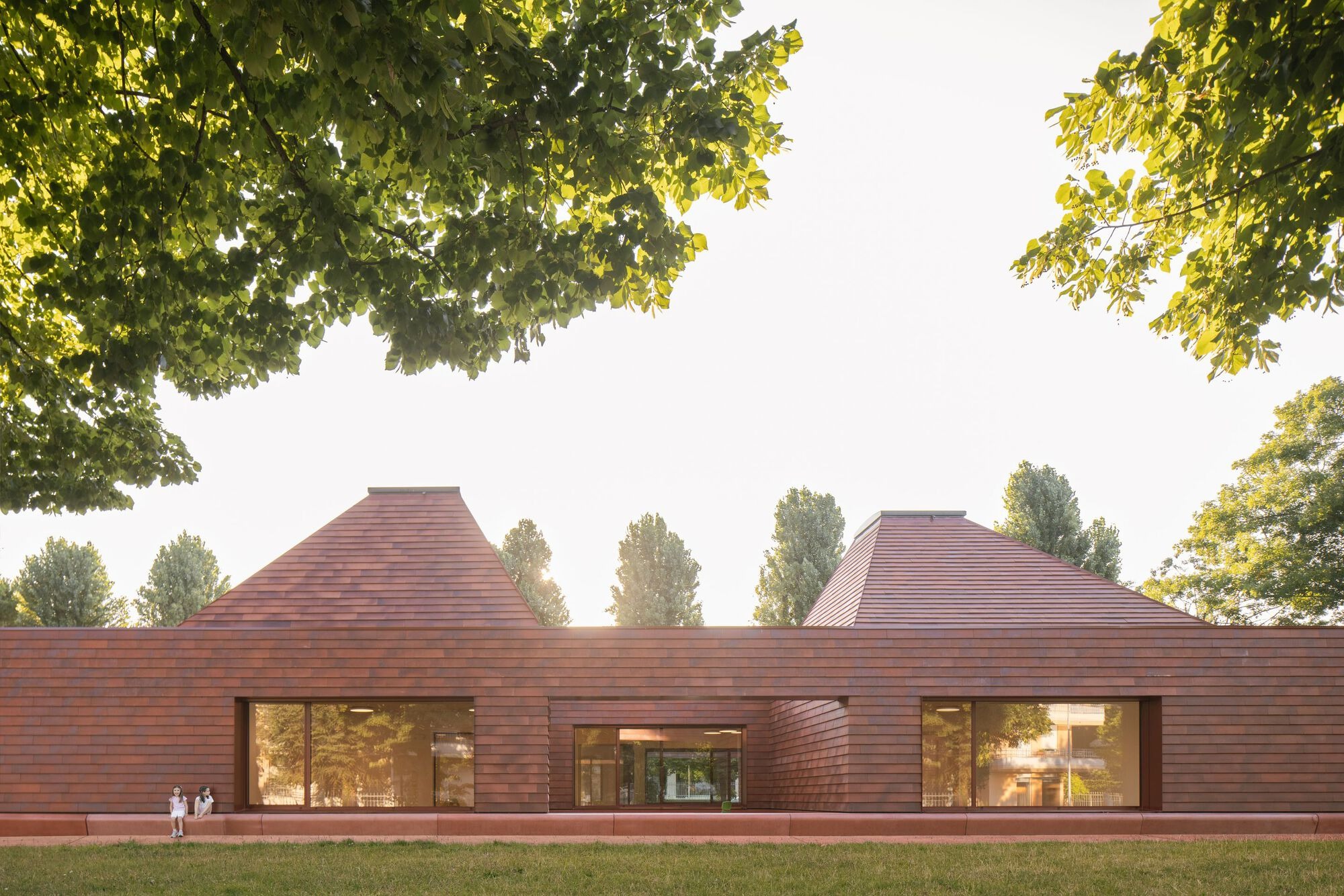
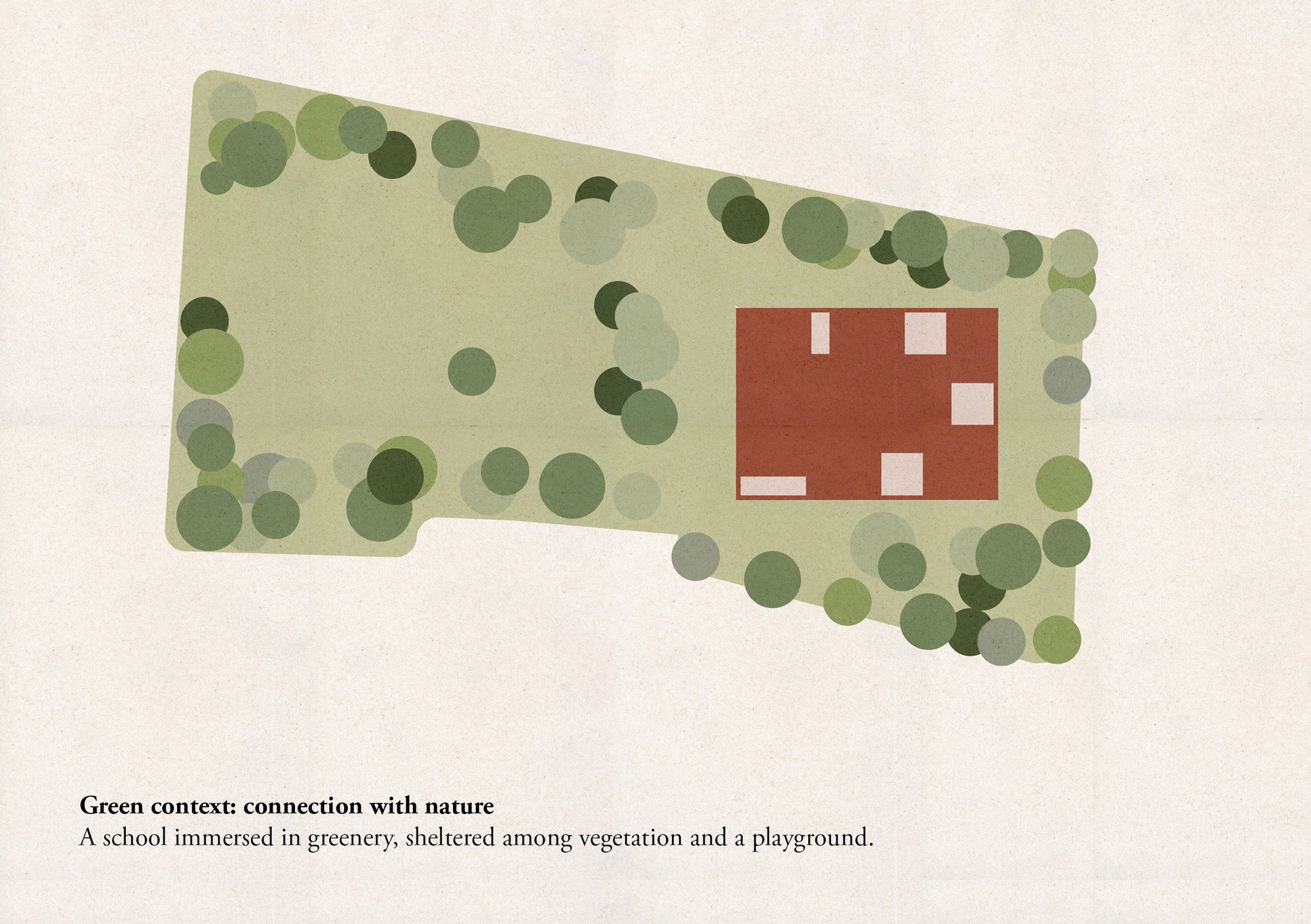
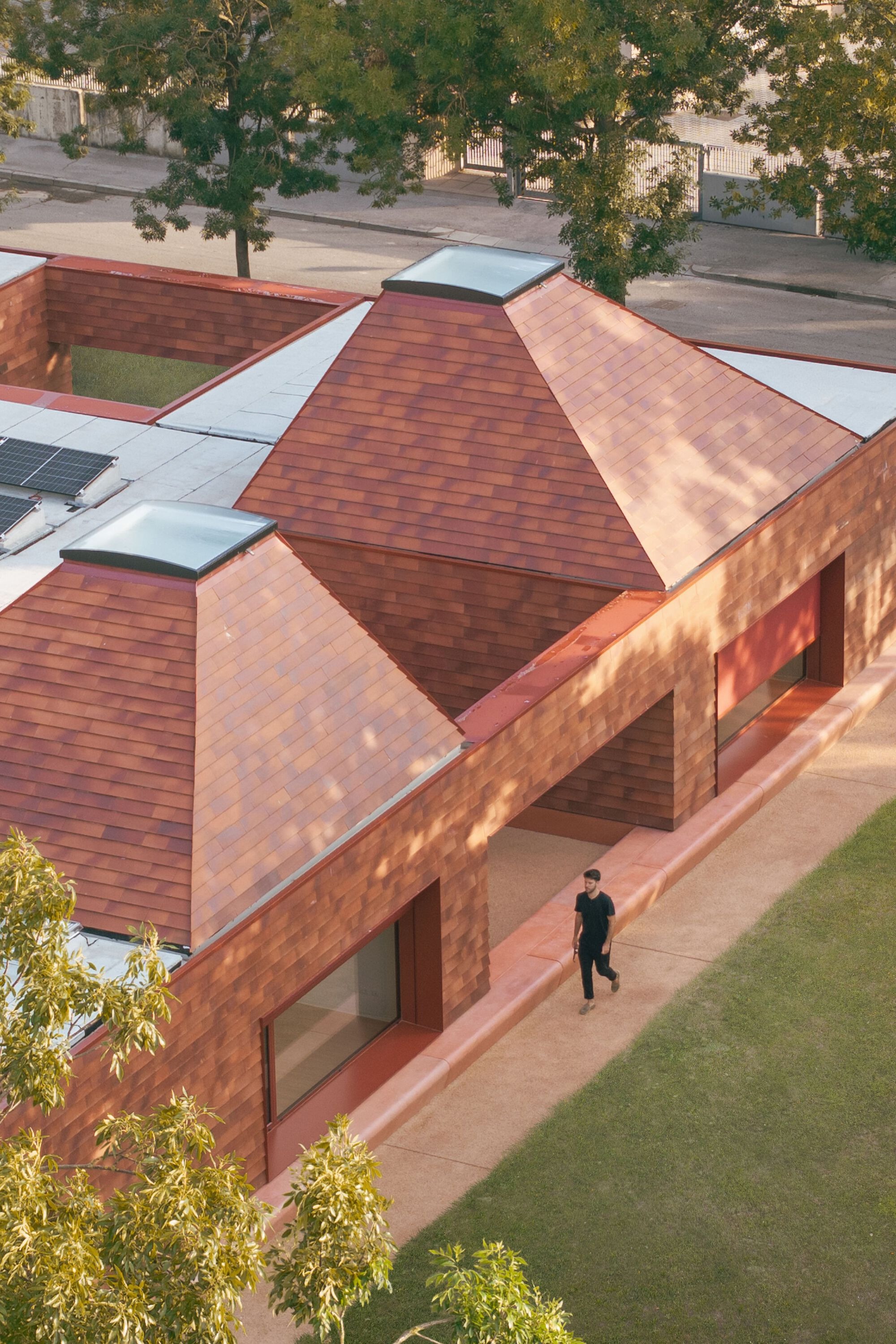
이 땅이 품은 이야기에서 솟아오른 유치원이다. 보호받으면서도 꿈결같고, 안전하면서도 놀라움에 열린 공간. 피라미드 형태의 작은 볼륨들이 모여 추상적인 마을을 이루고, 열린 중정으로 이어진다. 주홍빛 학교가 나무들 사이에서 따뜻하게 솟아오르고, 초록 품에 자리잡는다.
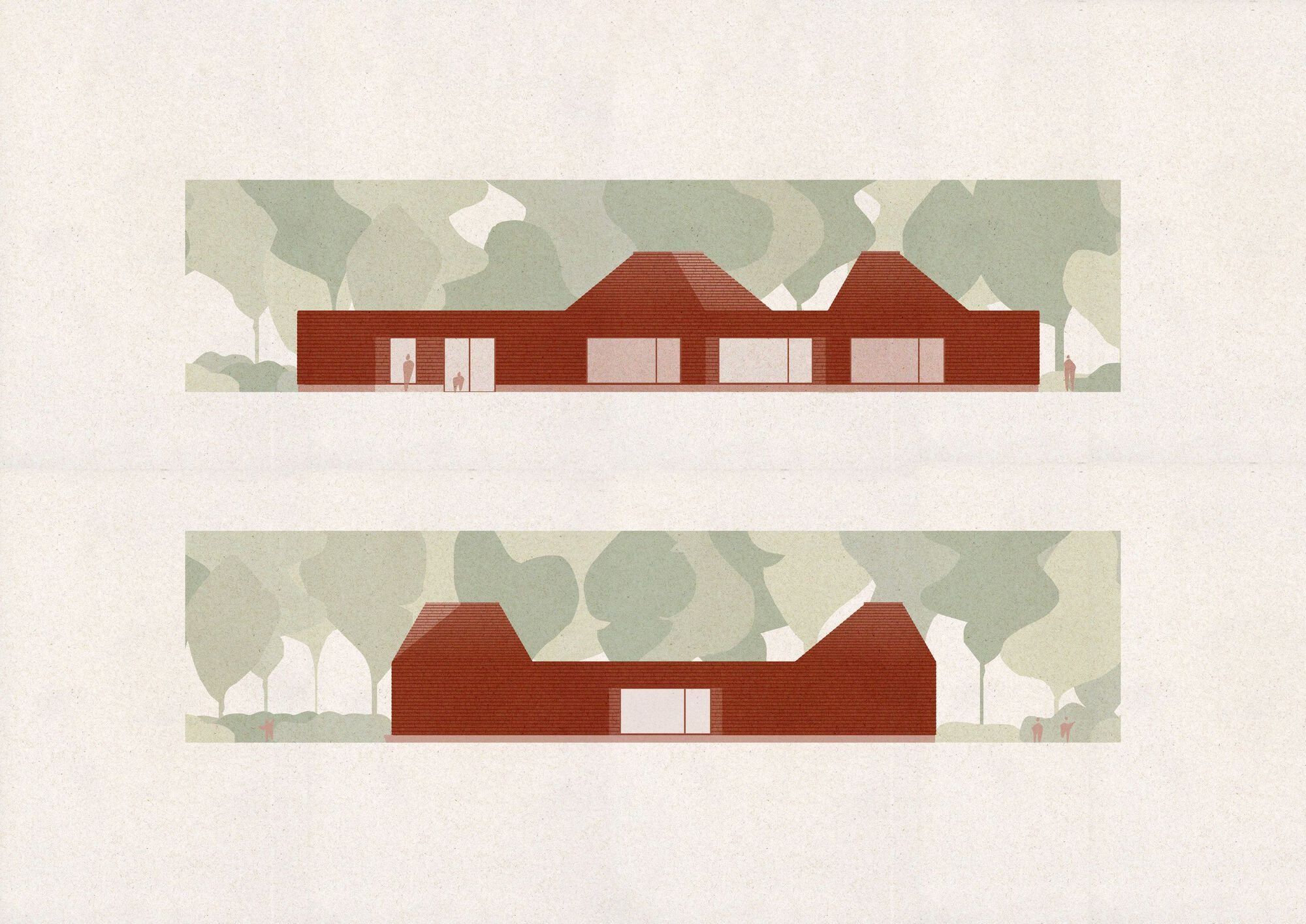
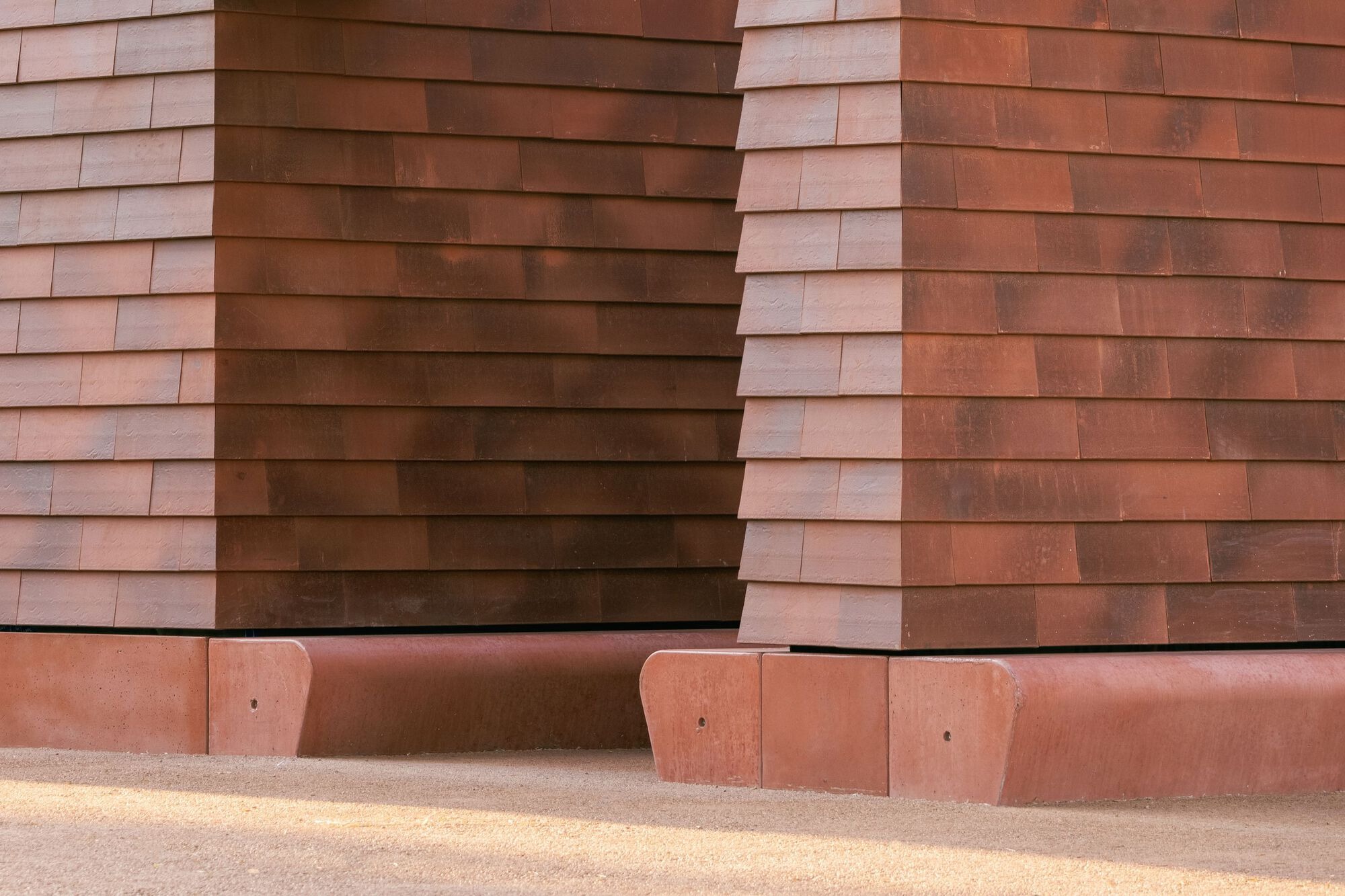
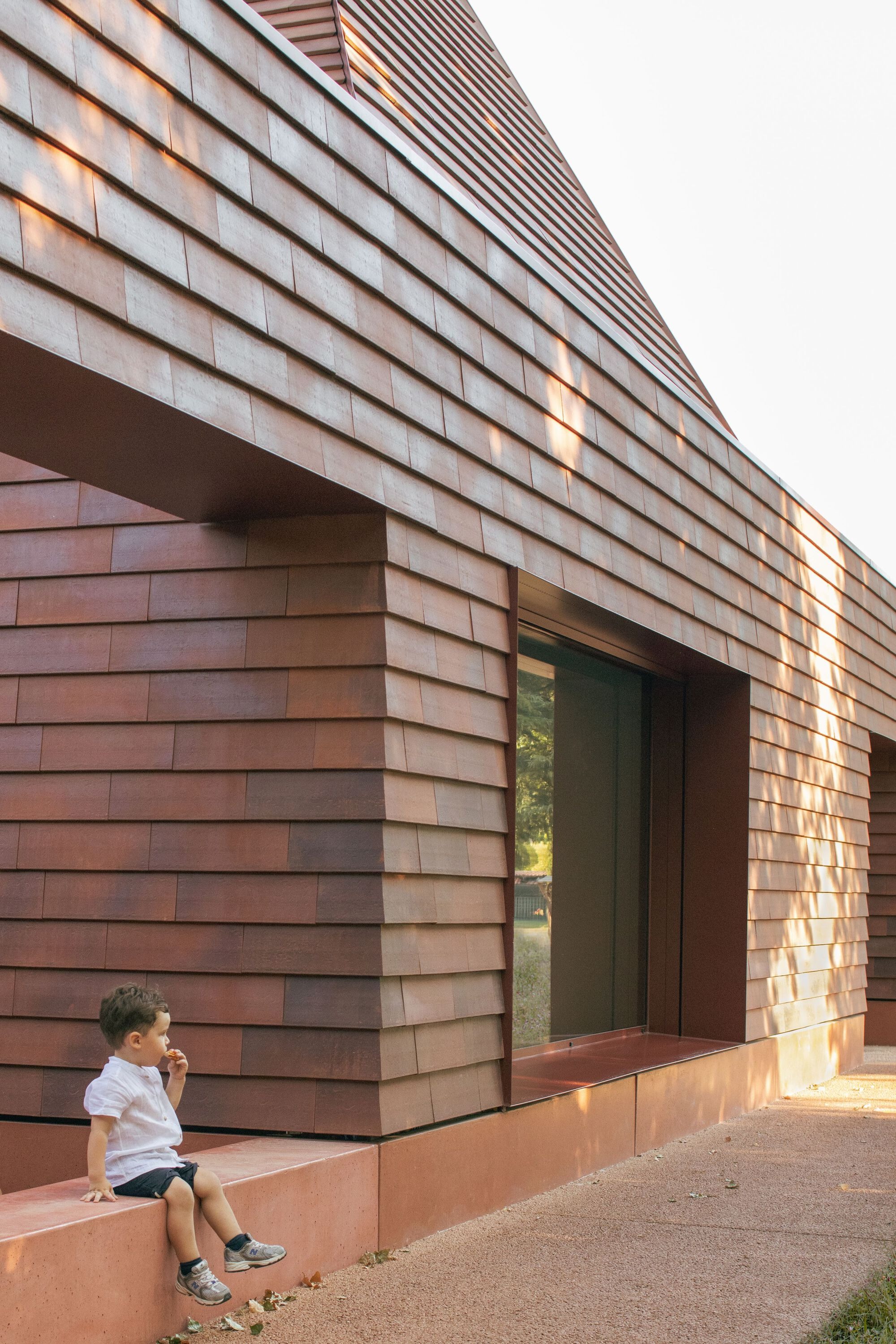
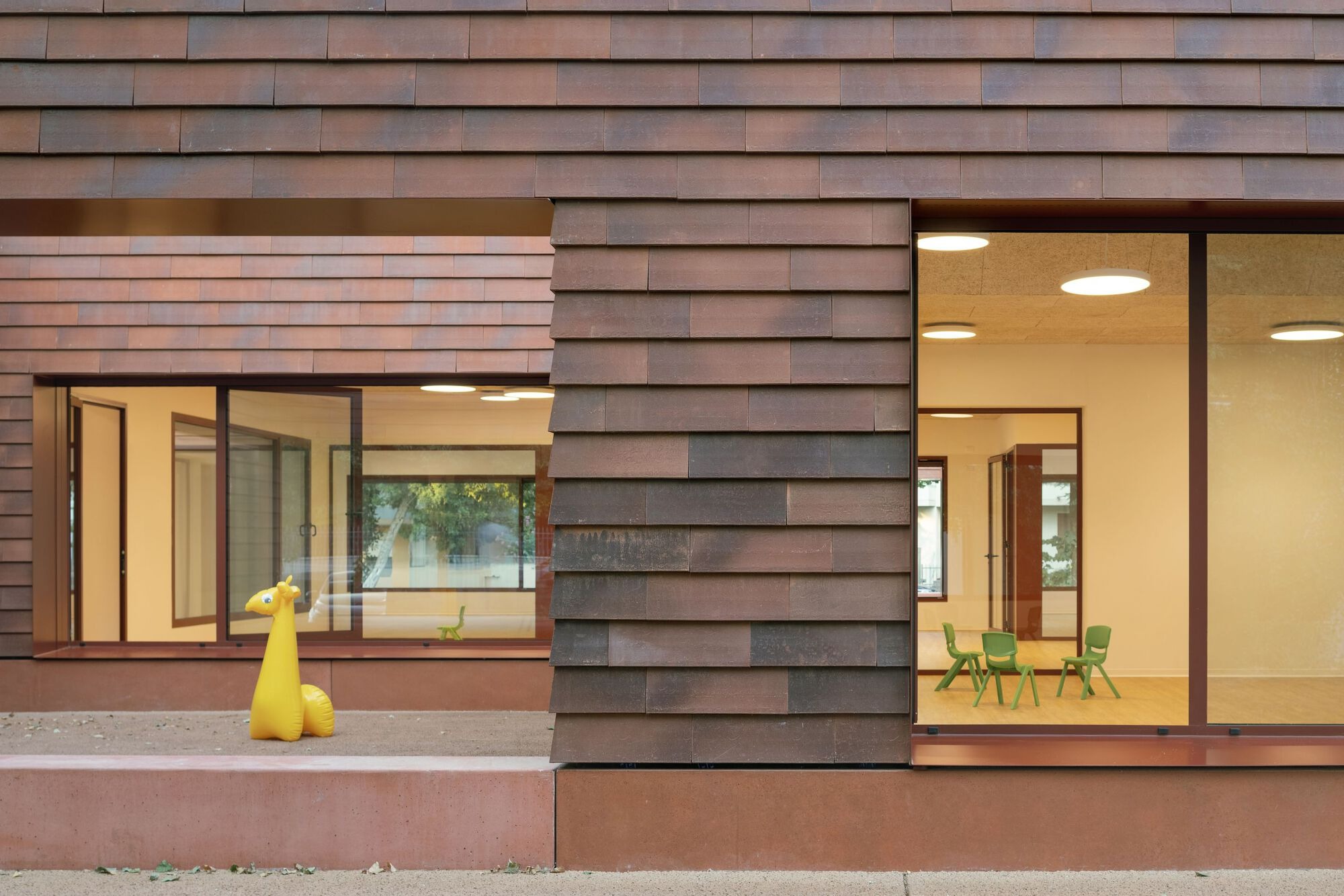
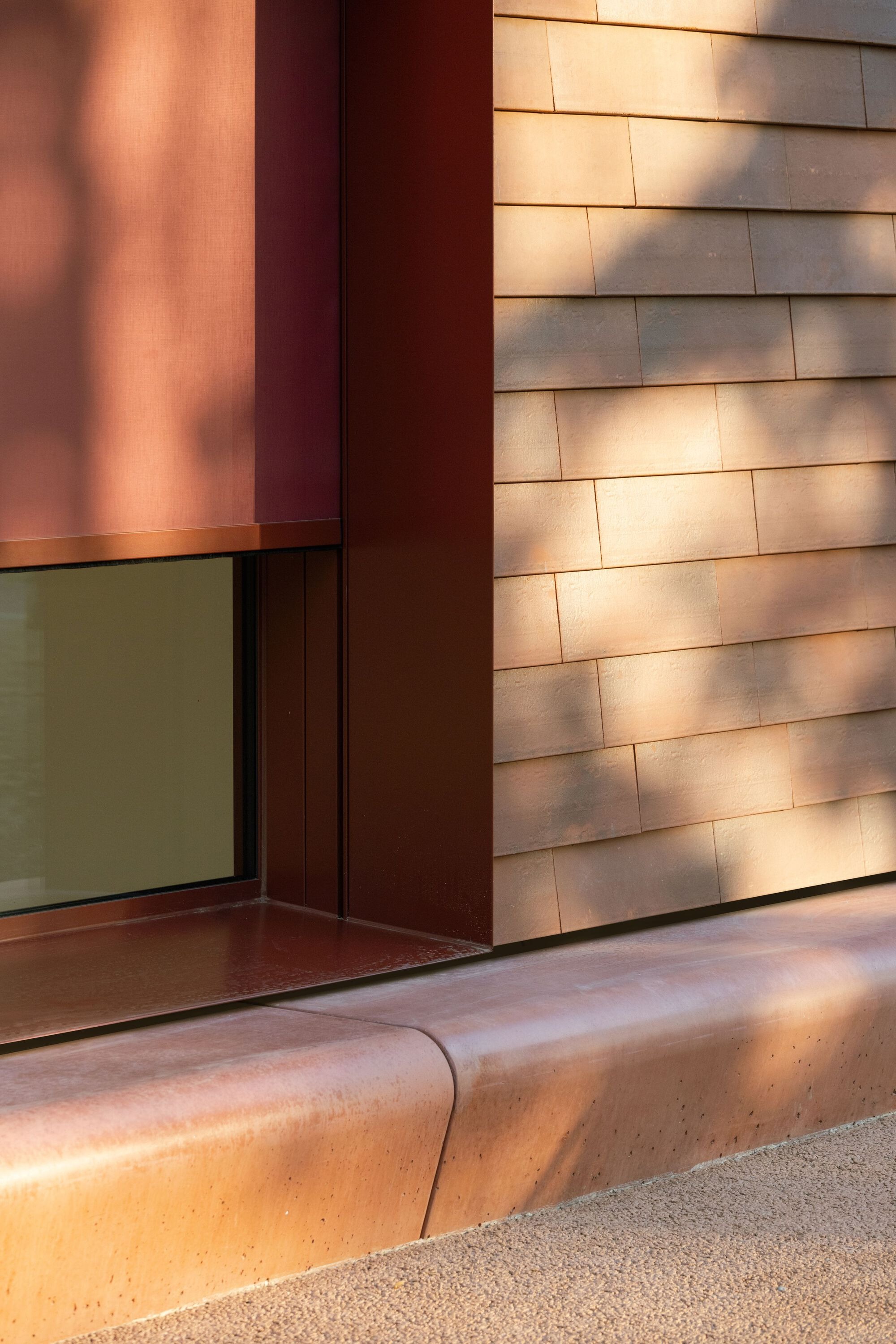
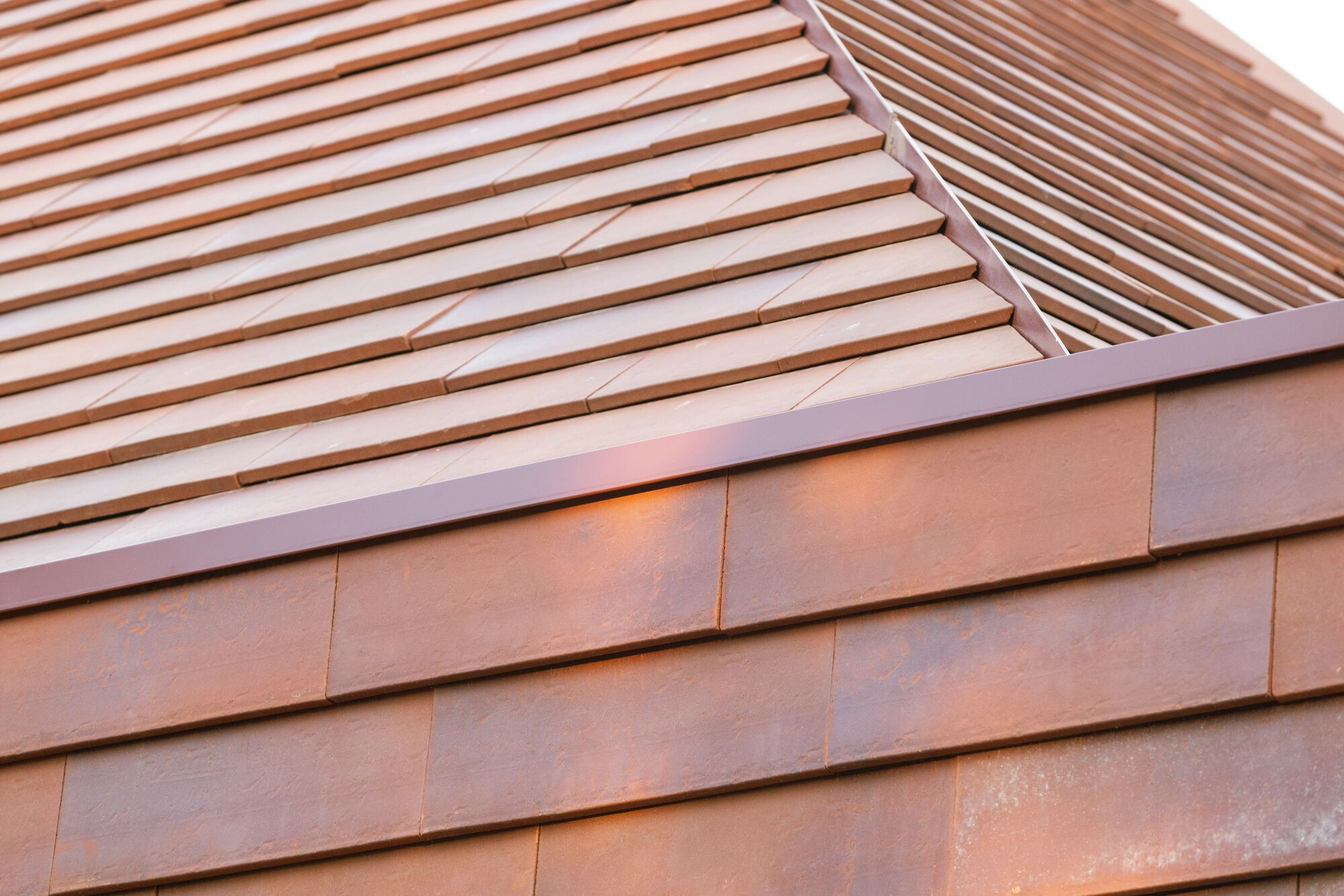
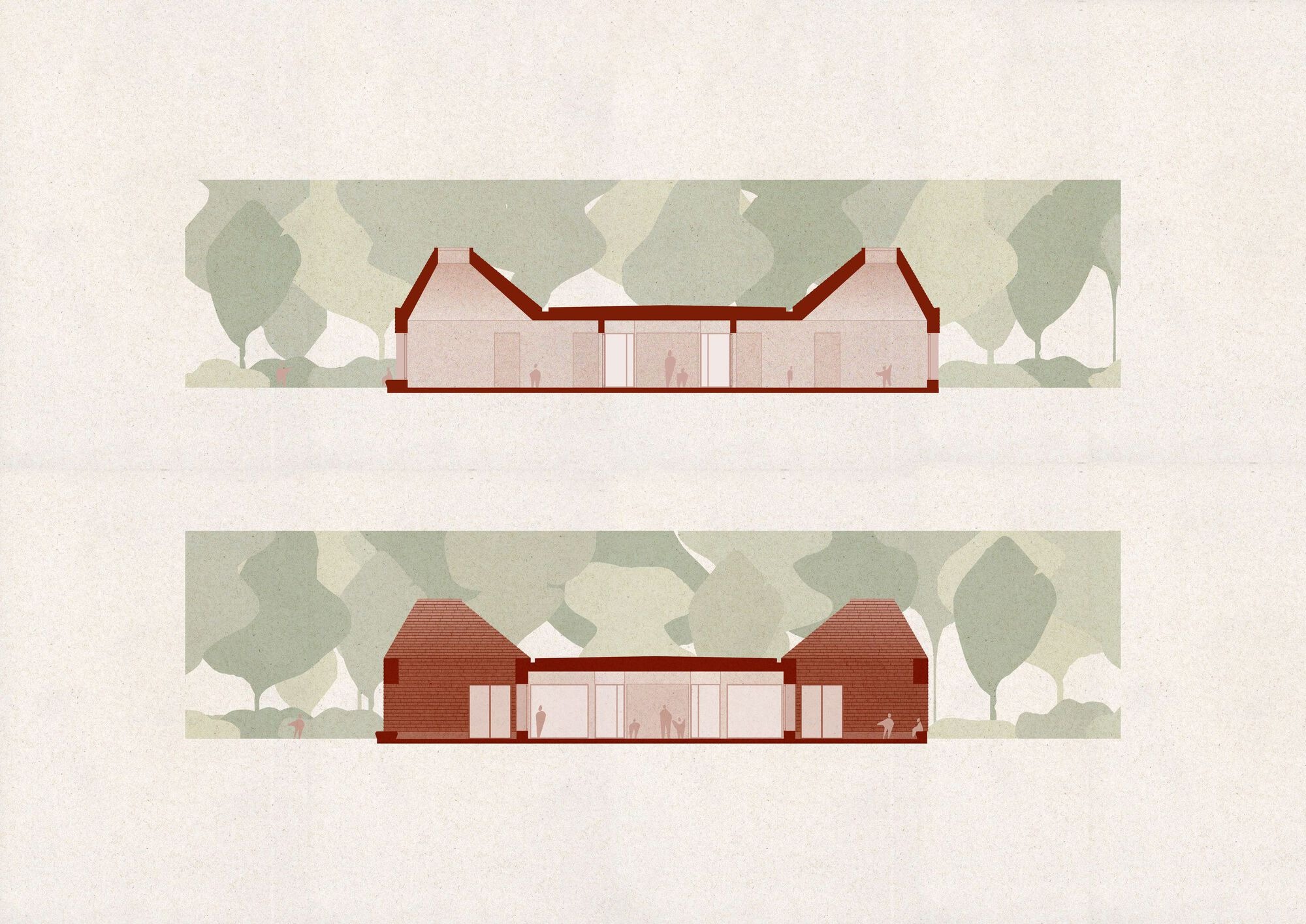
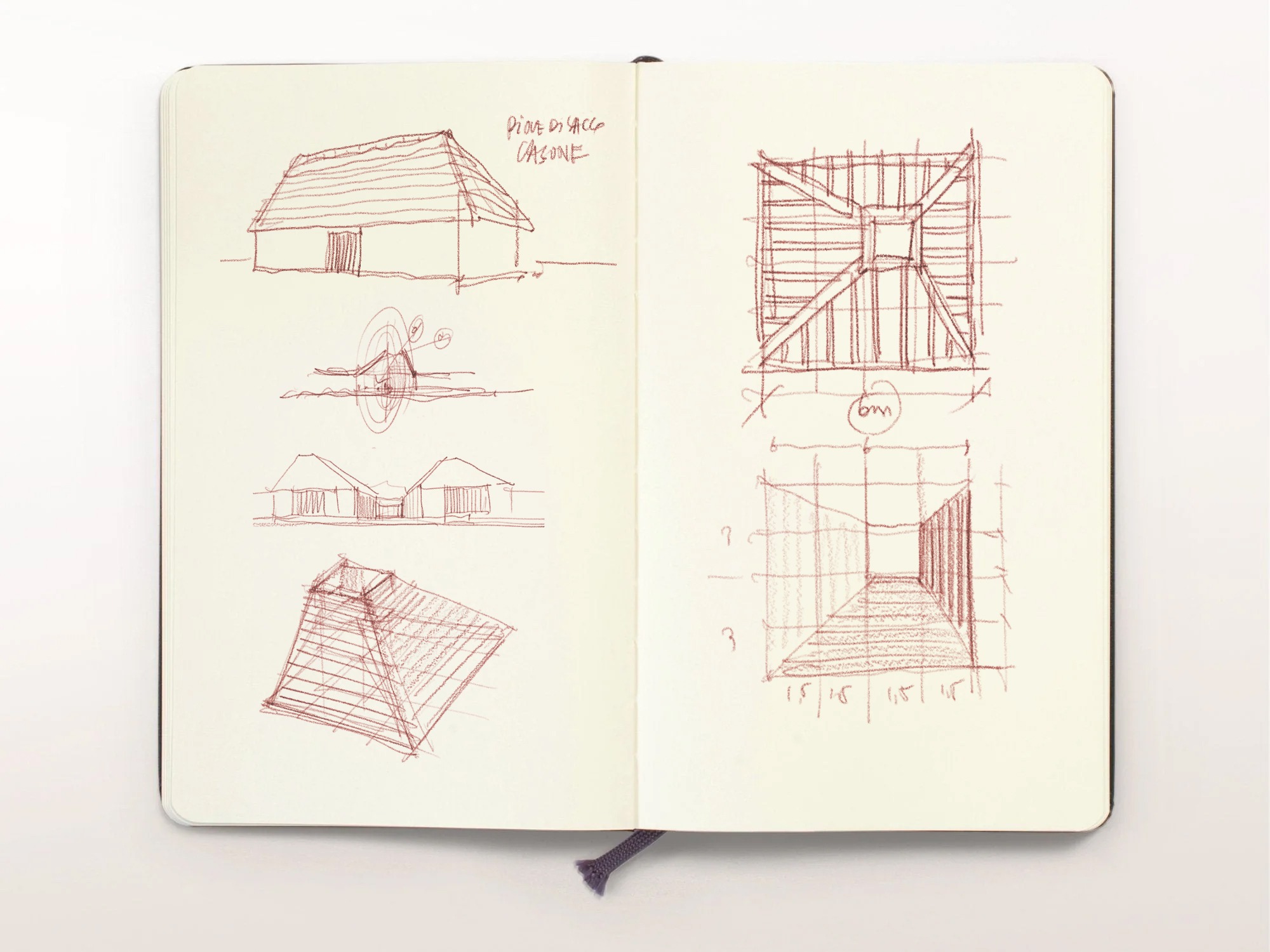
이 유치원은 풍경의 기억에서 태어났다. 카소네 베네토, 베네토 지역 농부와 어부의 토속 가옥 원형을 재해석한 것이다. 초가지붕을 특징으로 삼은 이 전통 주거의 형태를 세 개 교실로 재해석했다. 피라미드 지붕은 연속된 테라코타 외피 속에서 공간의 강조점으로 솟아오른다. 이는 점토 건축과 경사 기와 지붕의 오랜 전통을 불러온다. 아래쪽으로는 부드러운 곡선의 붉은 콘크리트 벤치가 땅과 만난다. 이 벤치는 앉음터이자 놀이의 문턱이 되어, 교육과 자발성, 내부와 외부를 잇는다.
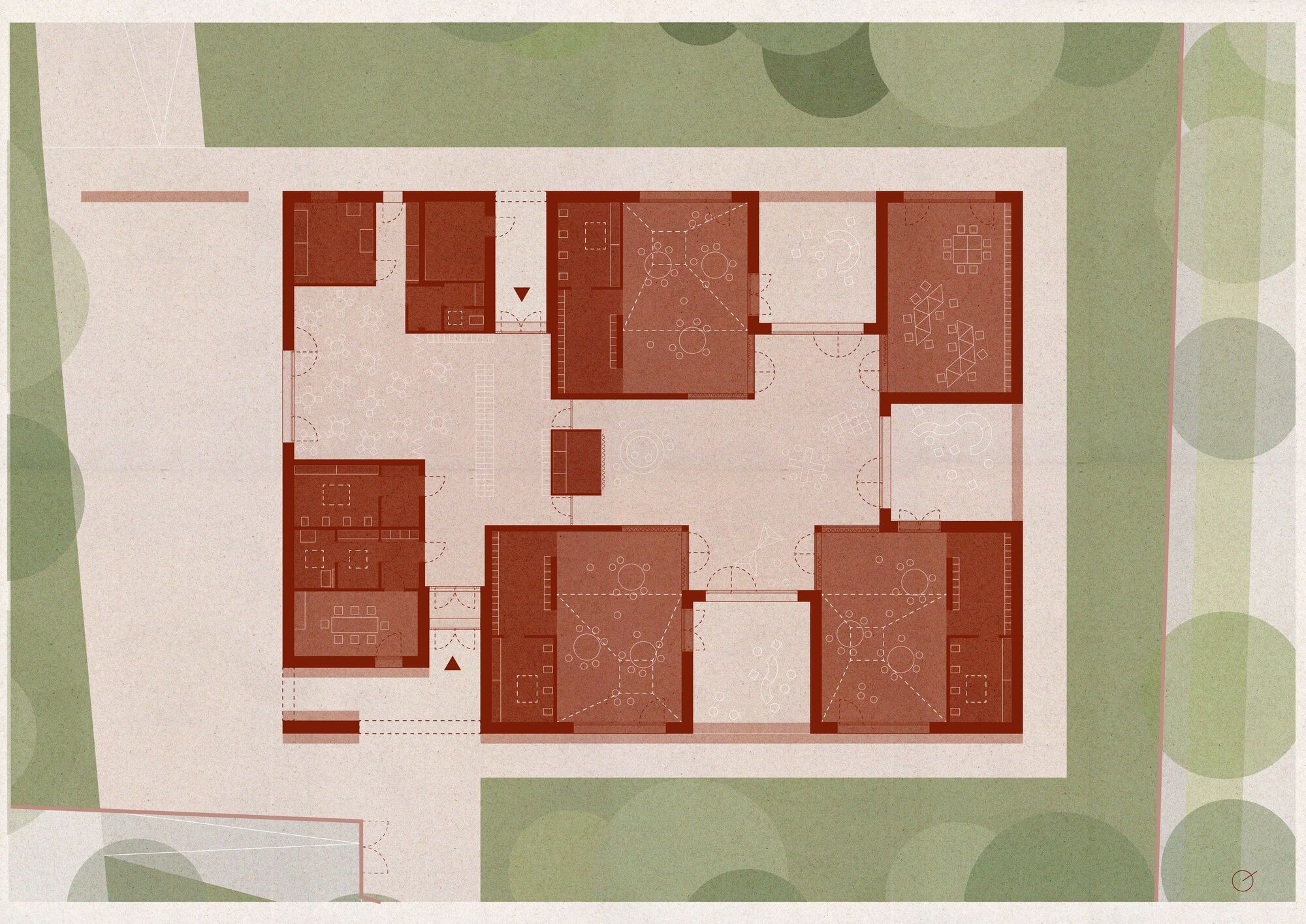
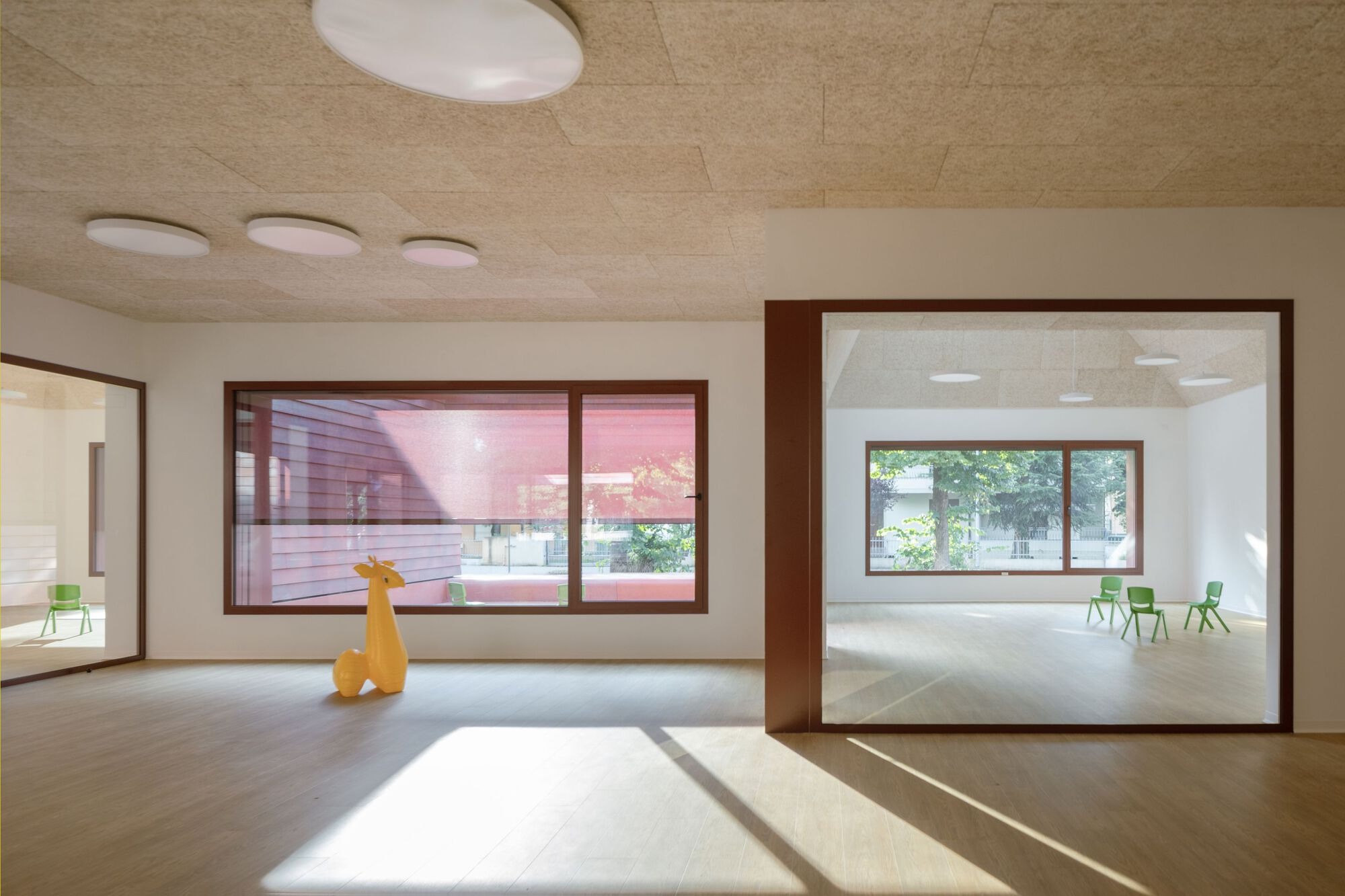
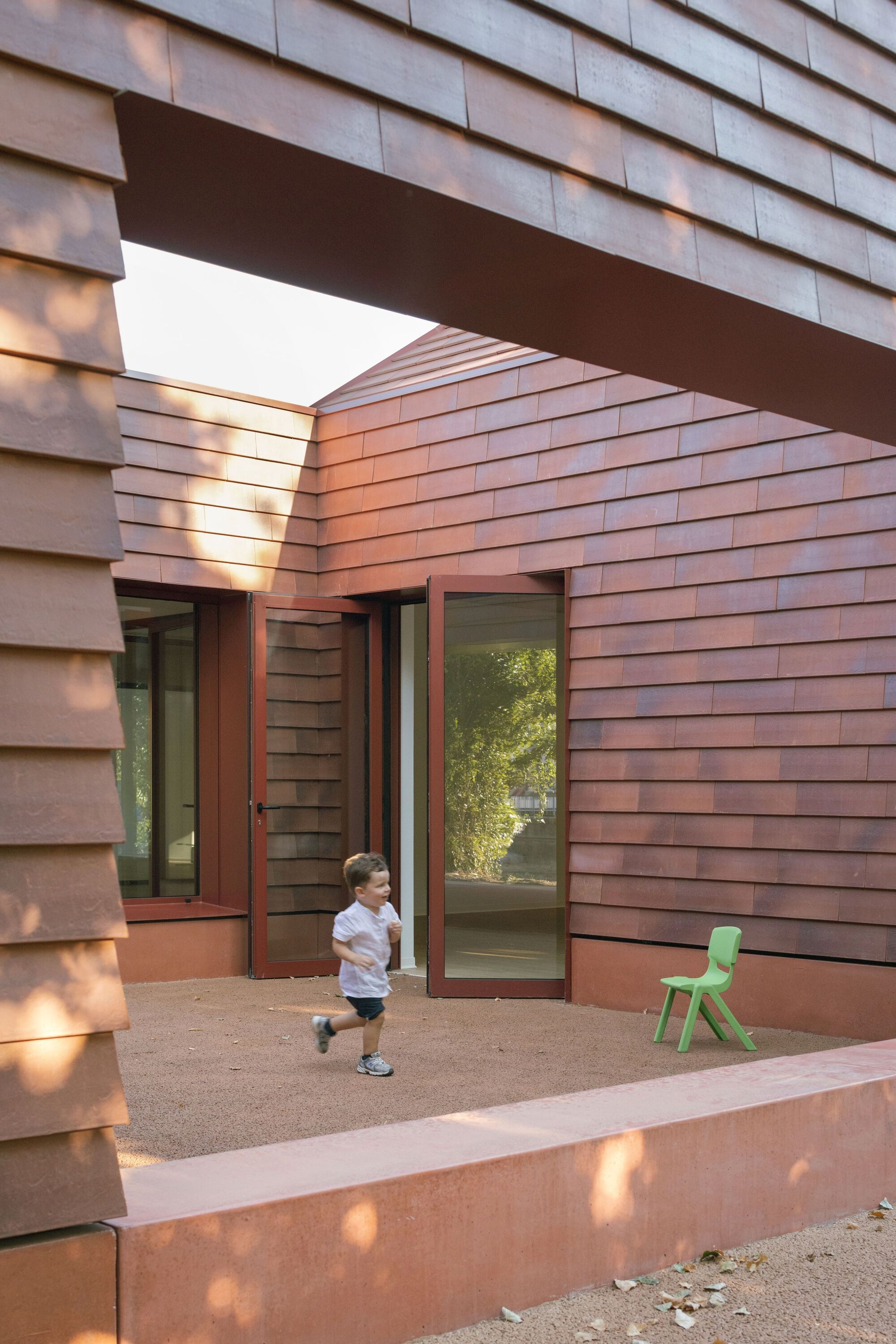
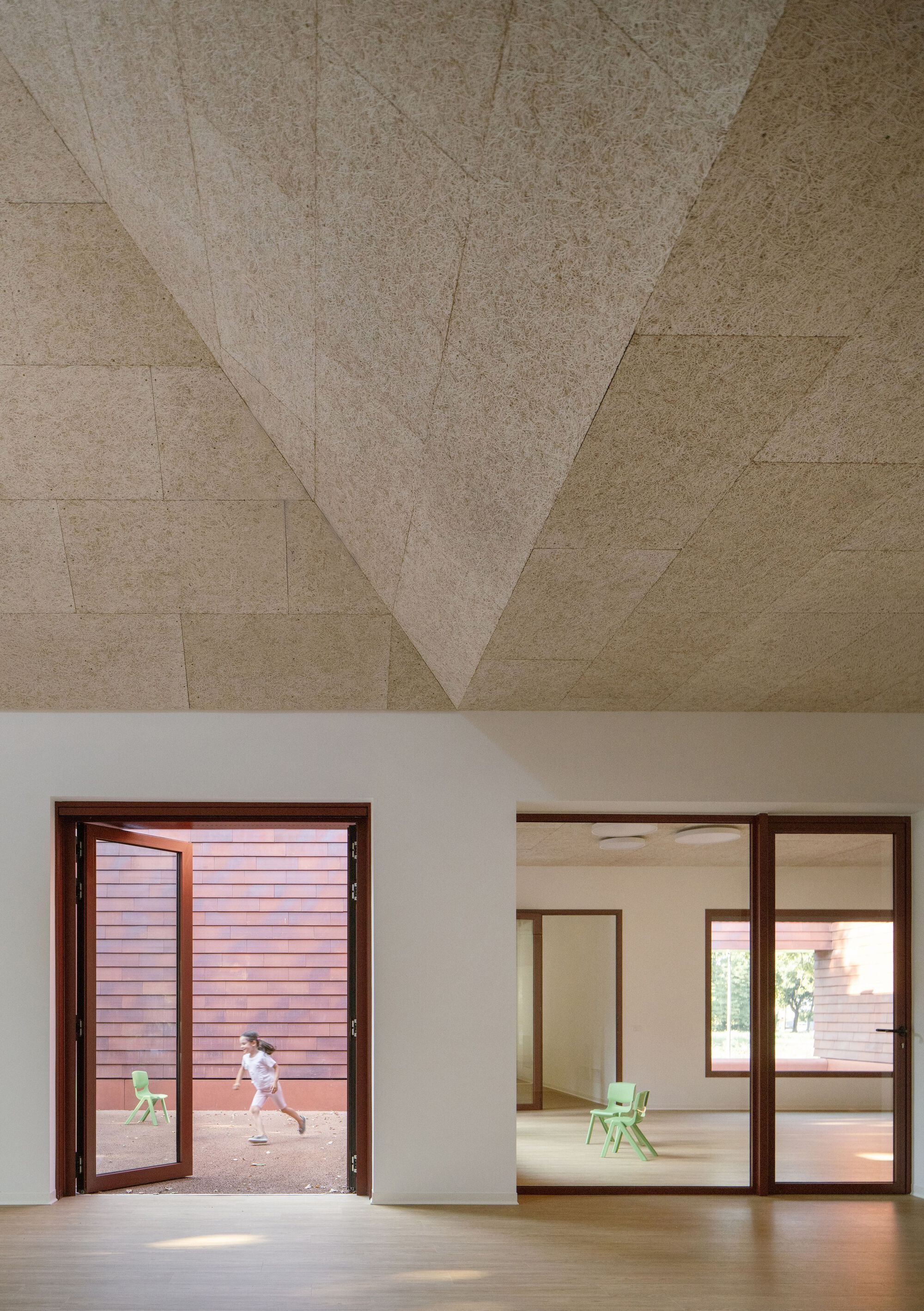
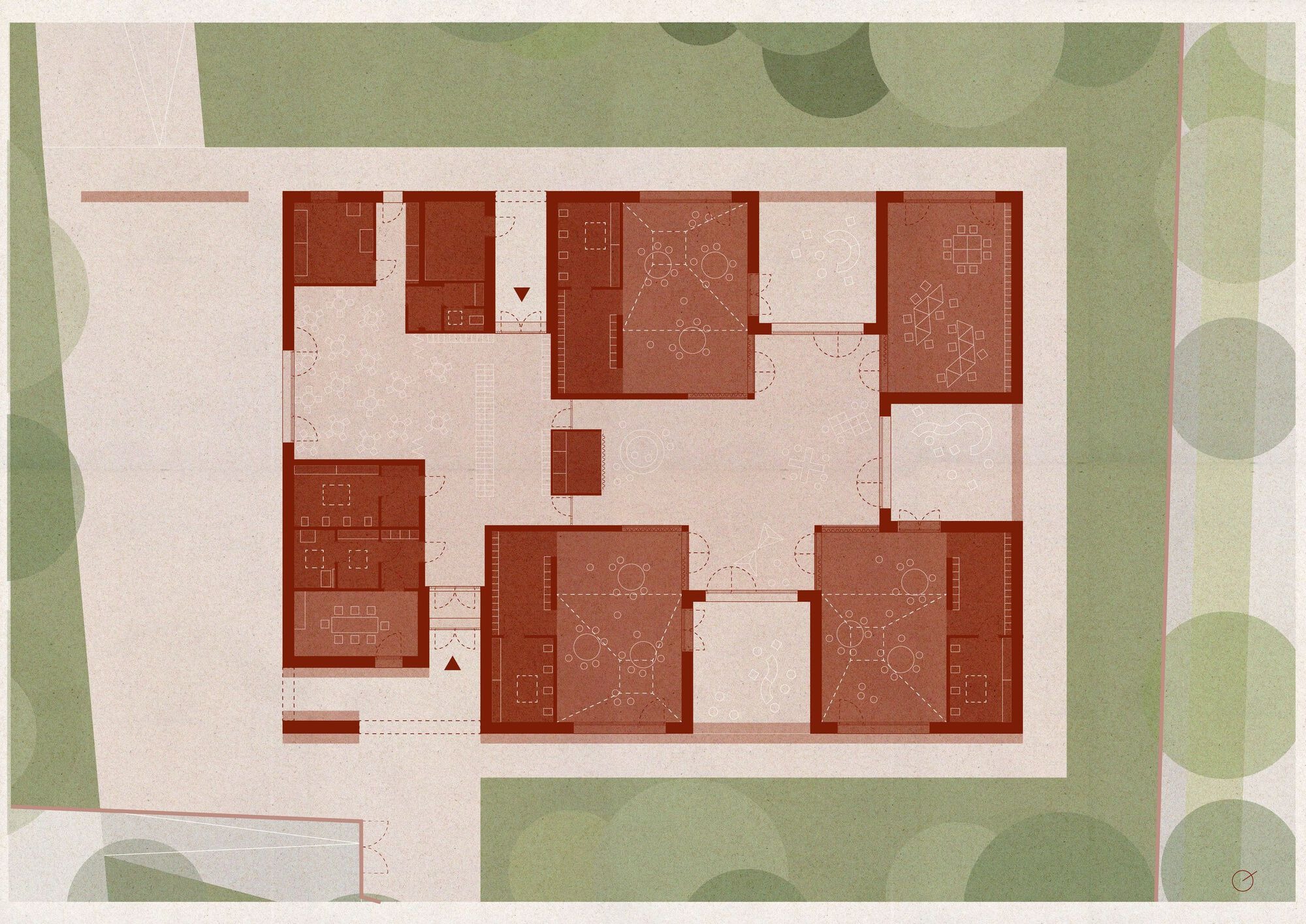
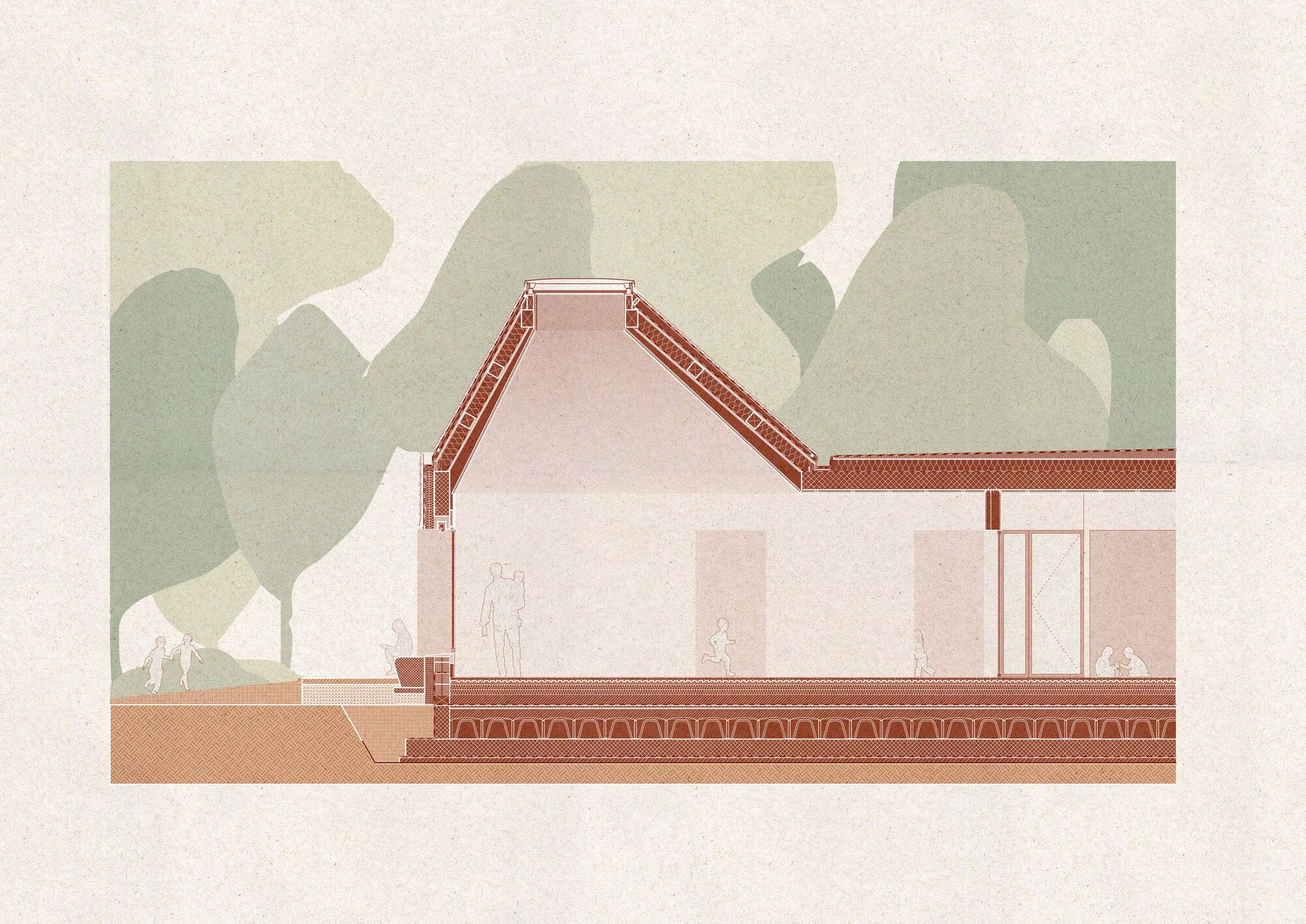
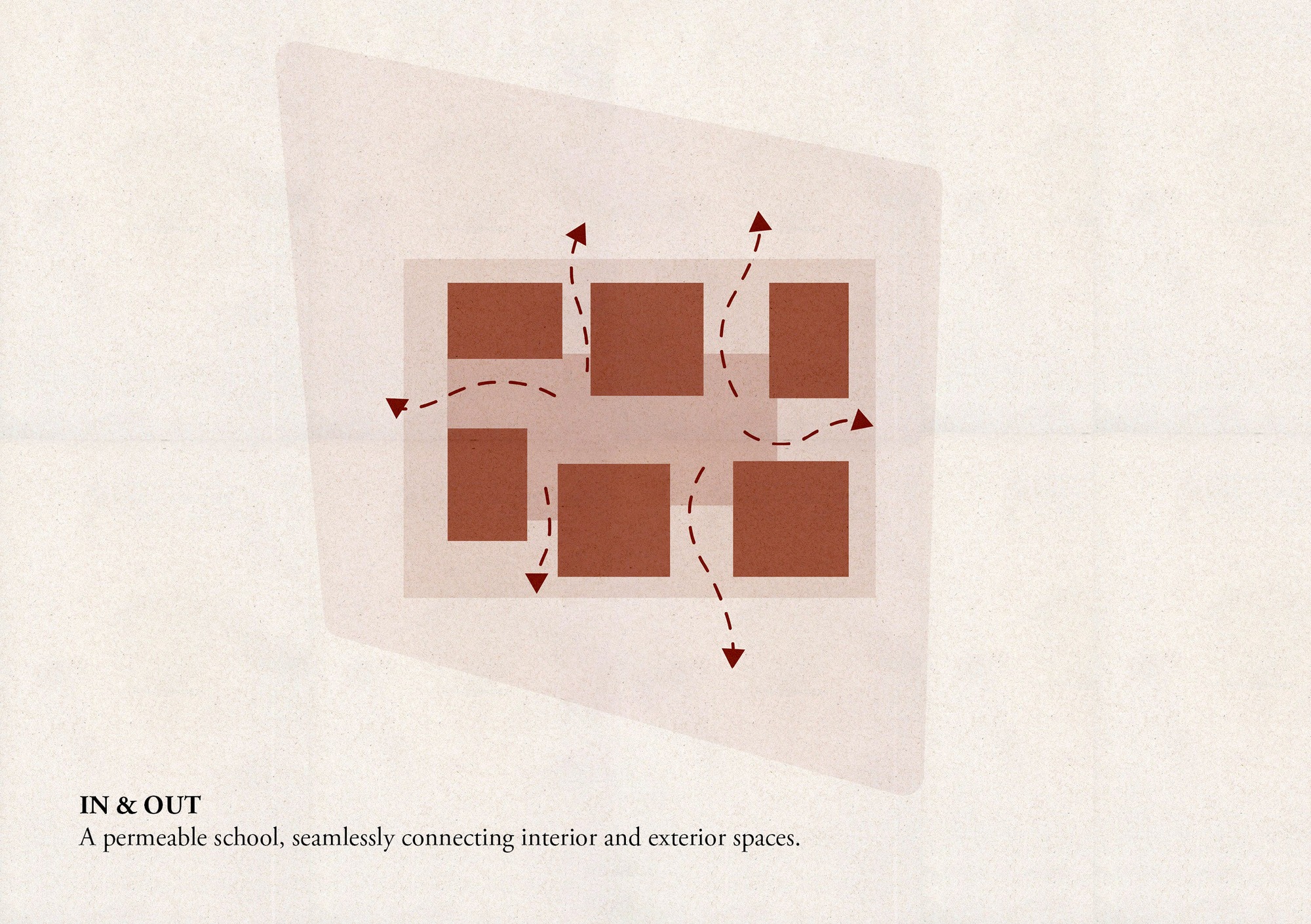
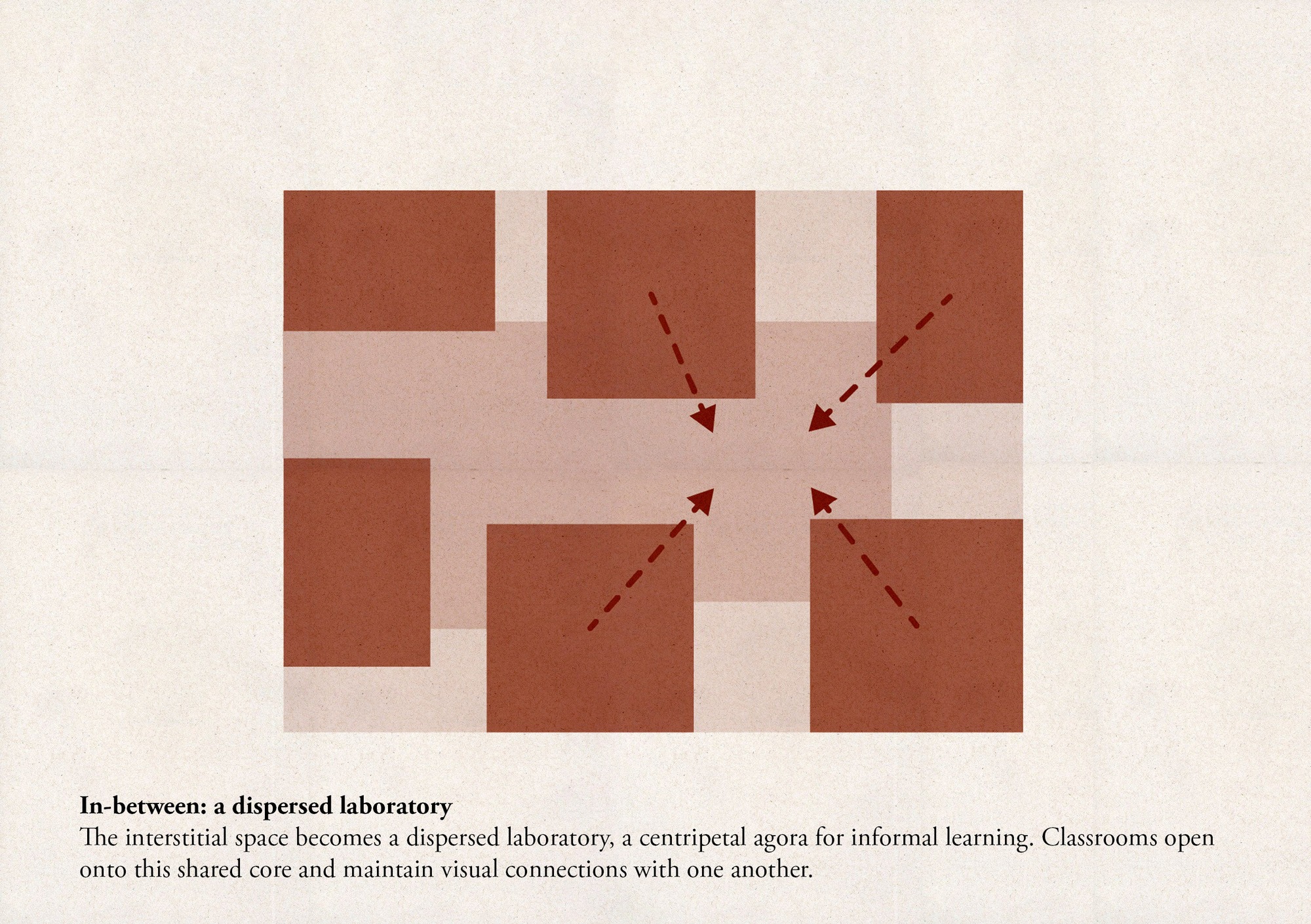
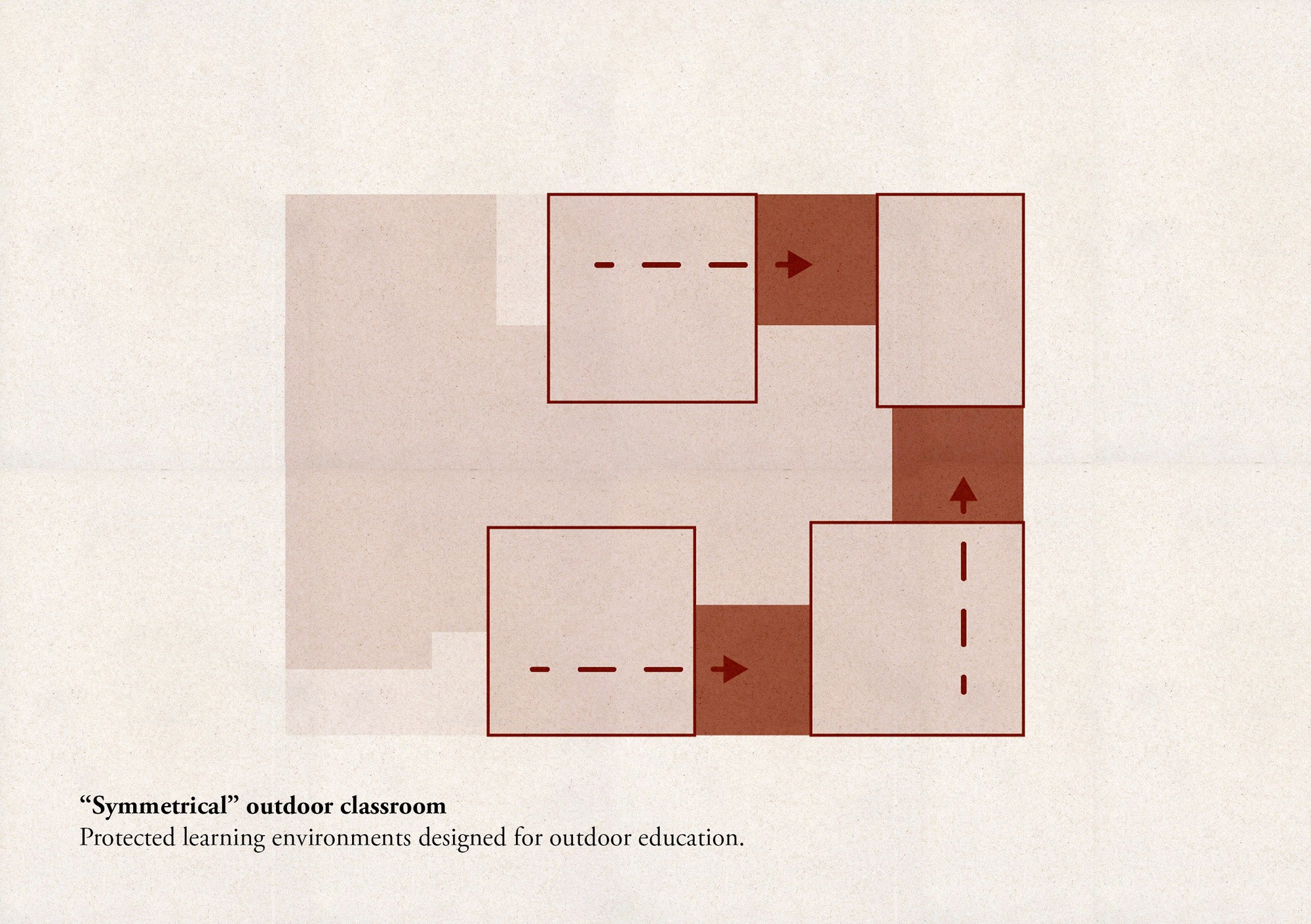
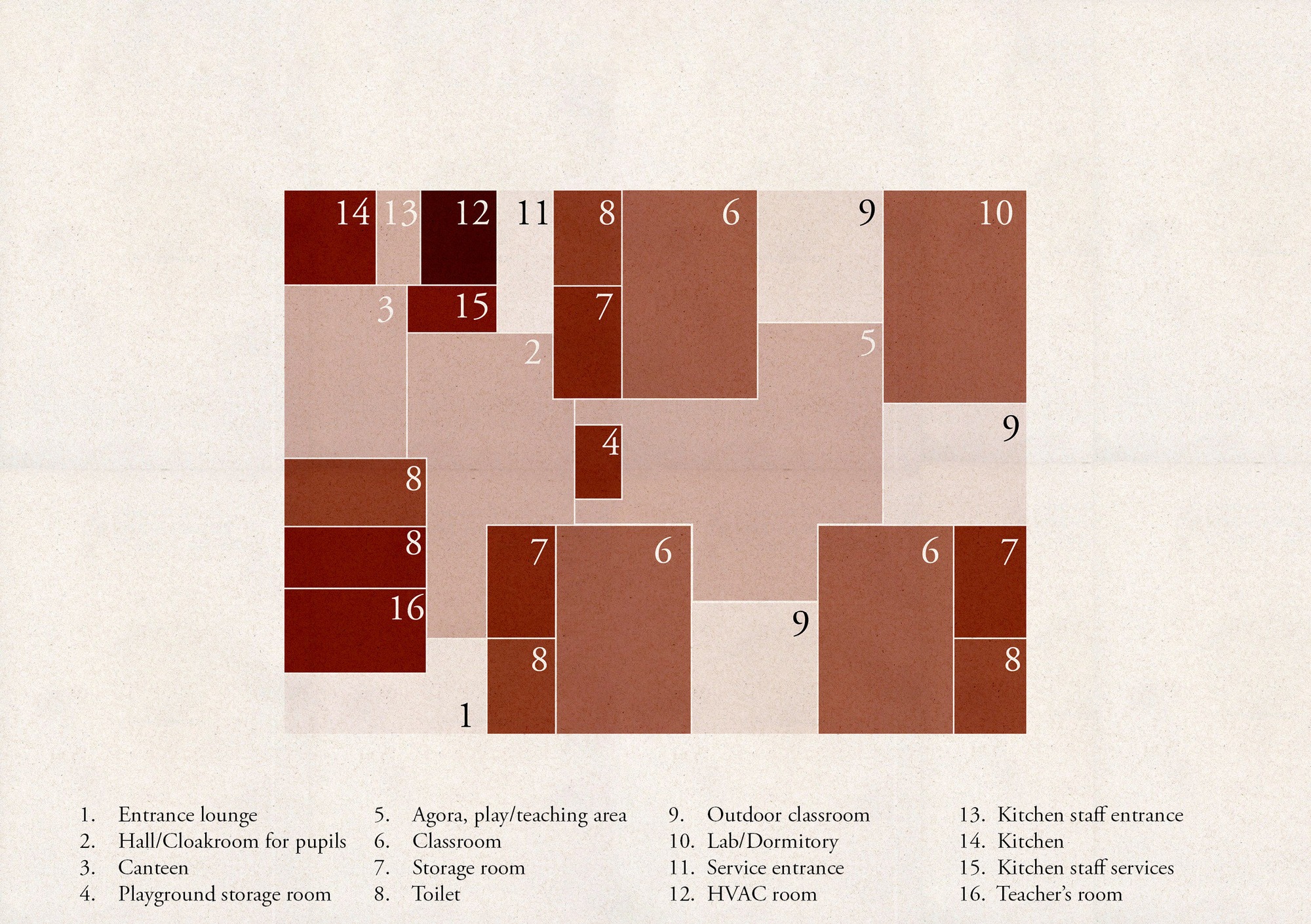
겉보기엔 단단해 보이지만, 이 건물은 속으로 비움과 채움의 놀이를 감춘다. 각 교실은 스스로를 바깥으로 비추며, 외부 학습 마당으로 확장된다. 이 마당들은 중정이 둘러싸며 보호하고 경계를 만든다. 마을 광장을 둘러싼 집들처럼, 교실들도 안쪽을 향한다. 놀이와 비형식 학습을 위한 중앙 마당, 아고라와 맞닿는다. 이곳에서 시선은 정원을 향해 흐르고, 교실과 마당을 가로지르며, 공간들 사이로 끊임없는 관계를 그린다. 결국 시선은 위로 향하고, 꼭대기 천창에 닿는다.
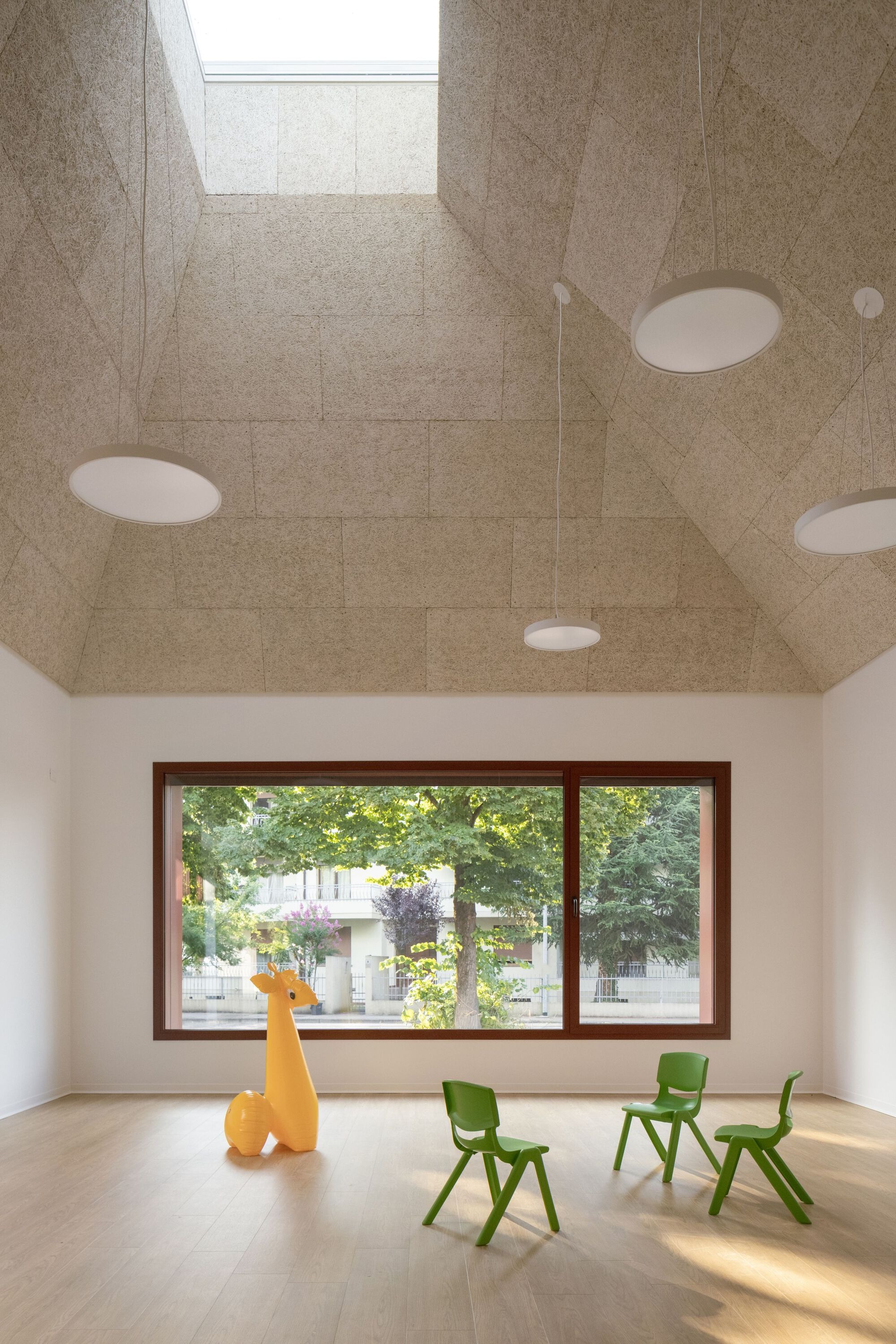
햇빛은 해시계처럼 시간의 흐름을 새긴다. 결 드러난 나무 천장을 스치며 내려온다. 카소네의 초가지붕을 소재로 조용히 되울린다.
이렇게 학교는 풍경 속 마을로 완성된다. 기억과 발명의 종합이고, 시골 원형과 현대 교육학의 만남이다. 상상의 마을이며, 땅에 뿌리내리면서도 아이들의 환상에 불을 지필 수 있는 곳이다.
Write by Claude & Jean Browwn
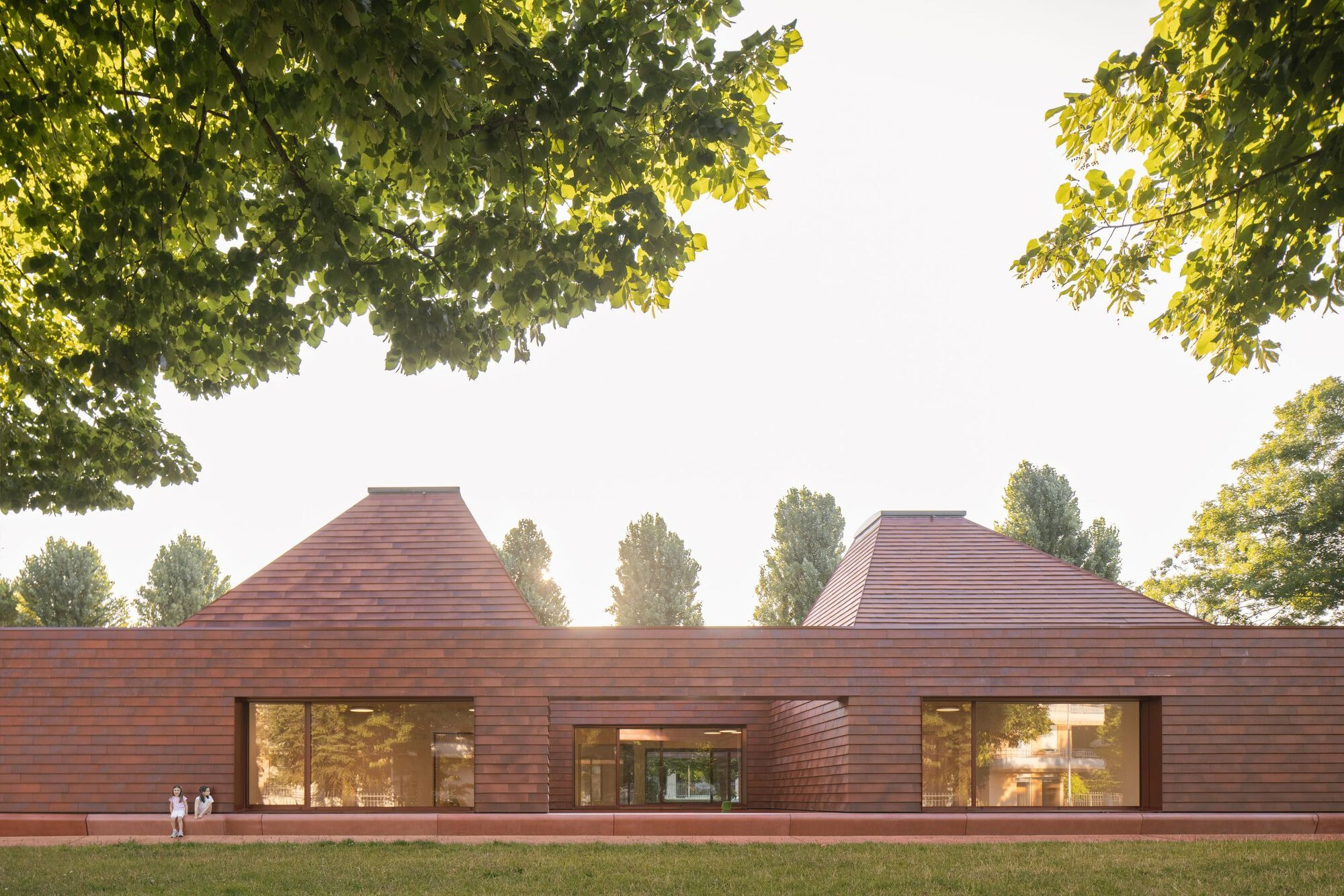
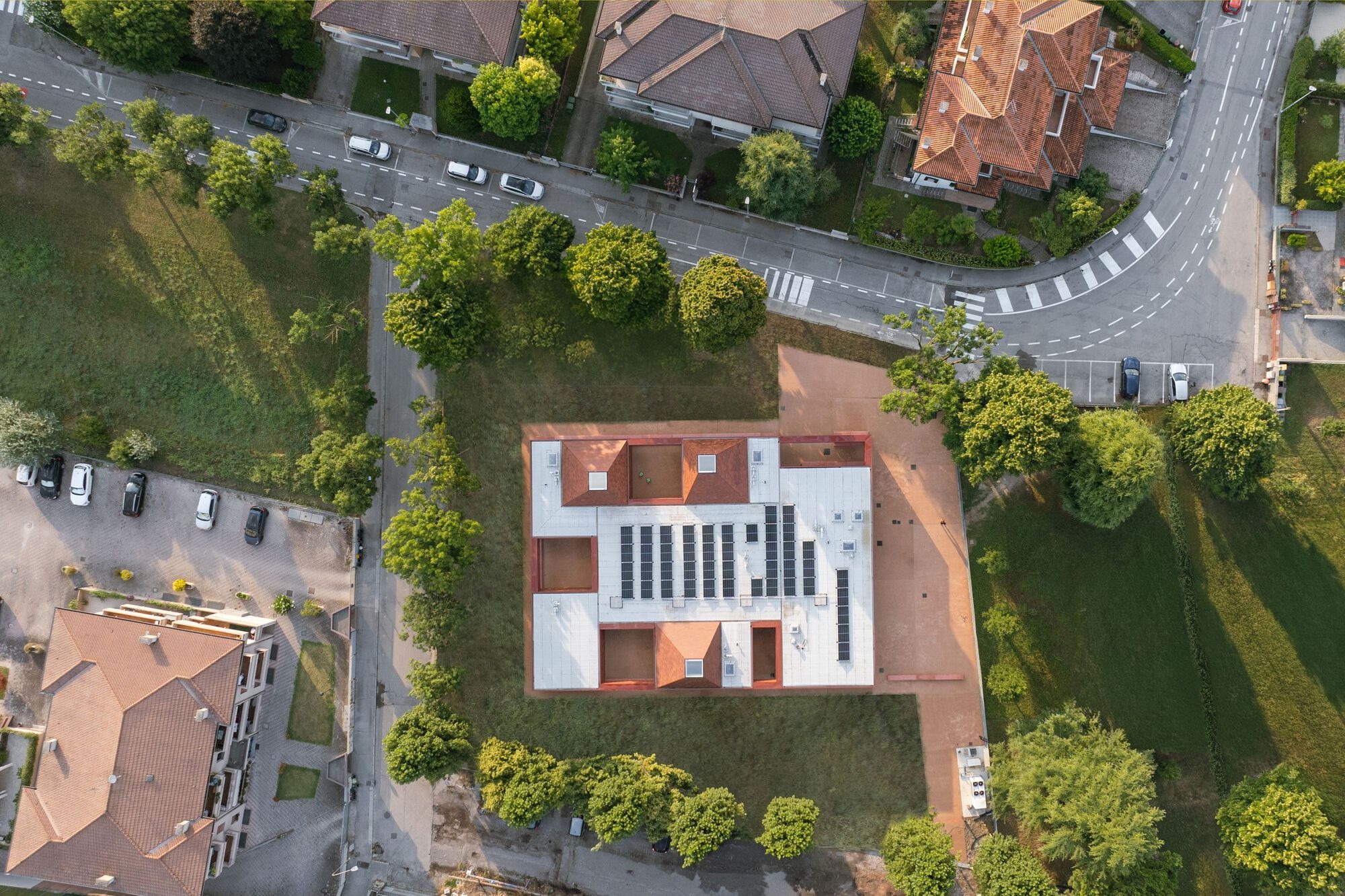
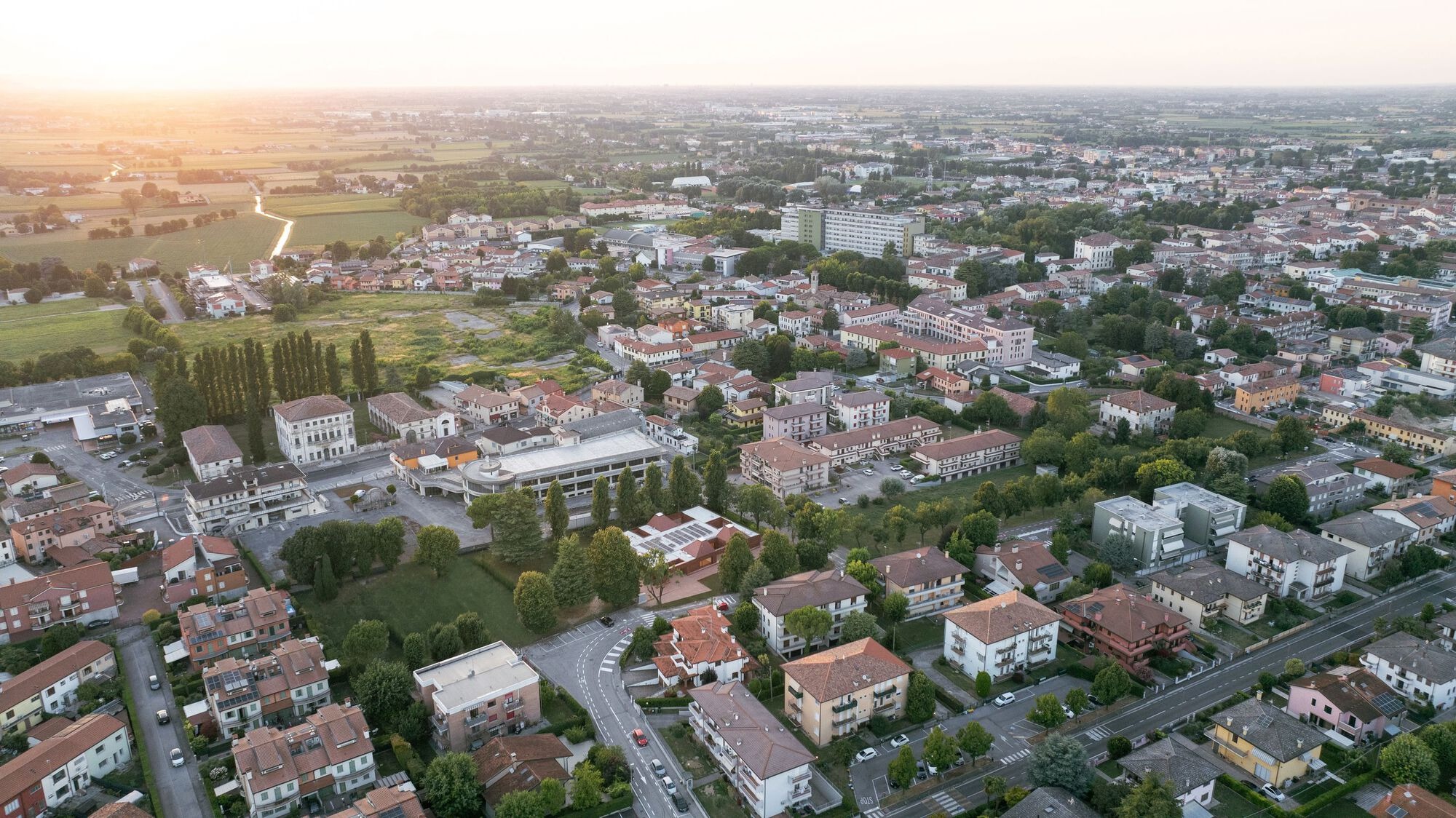
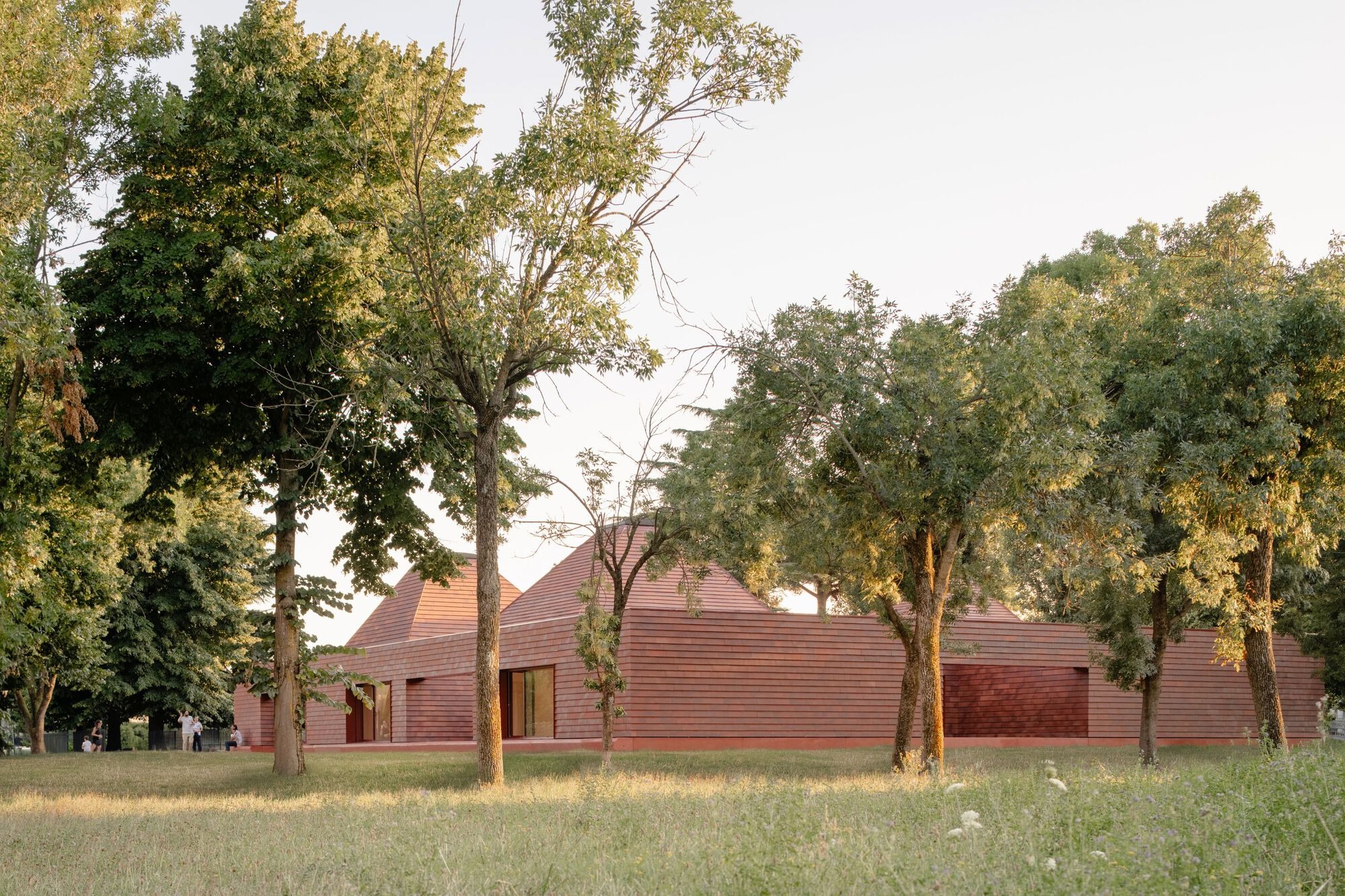
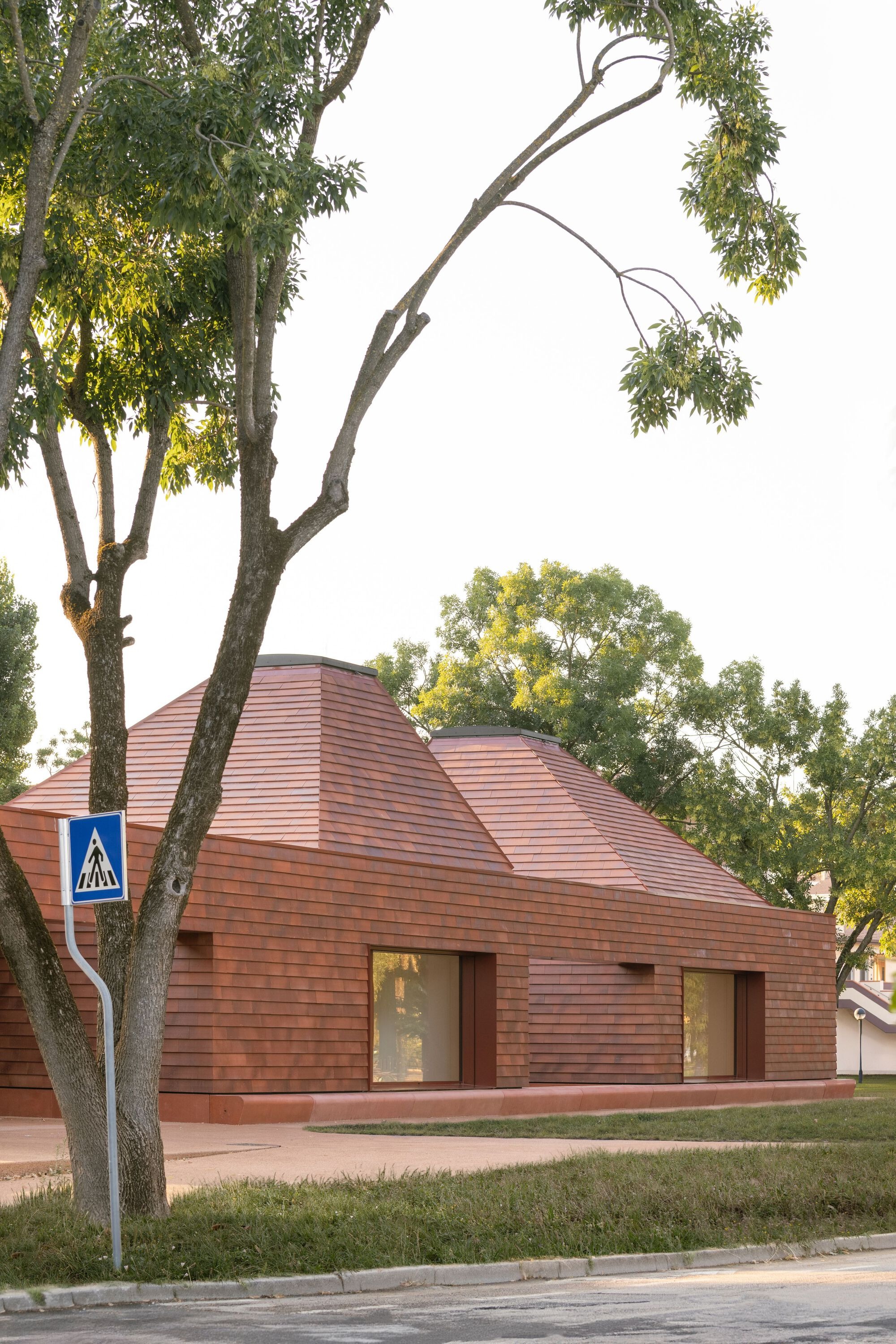



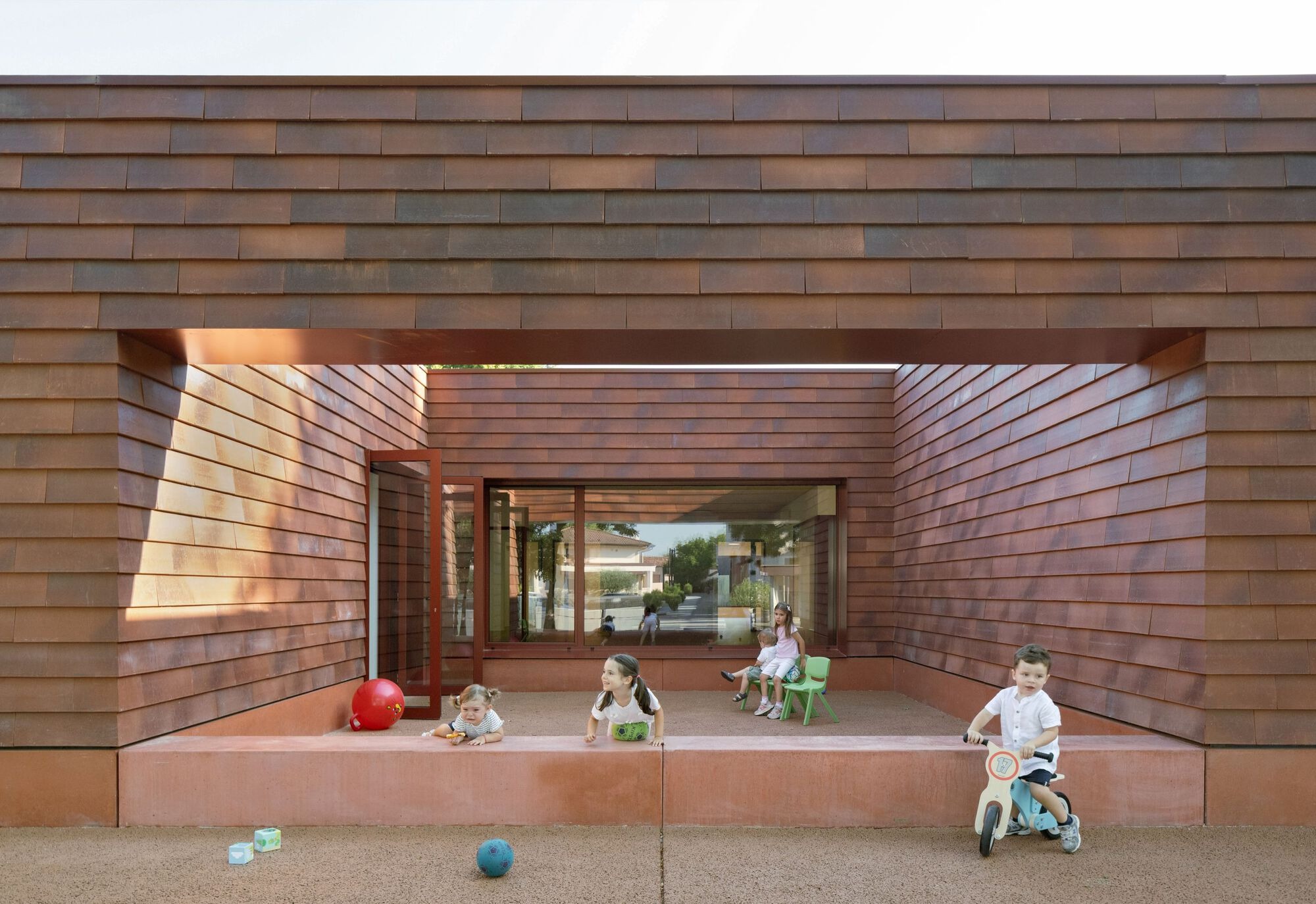
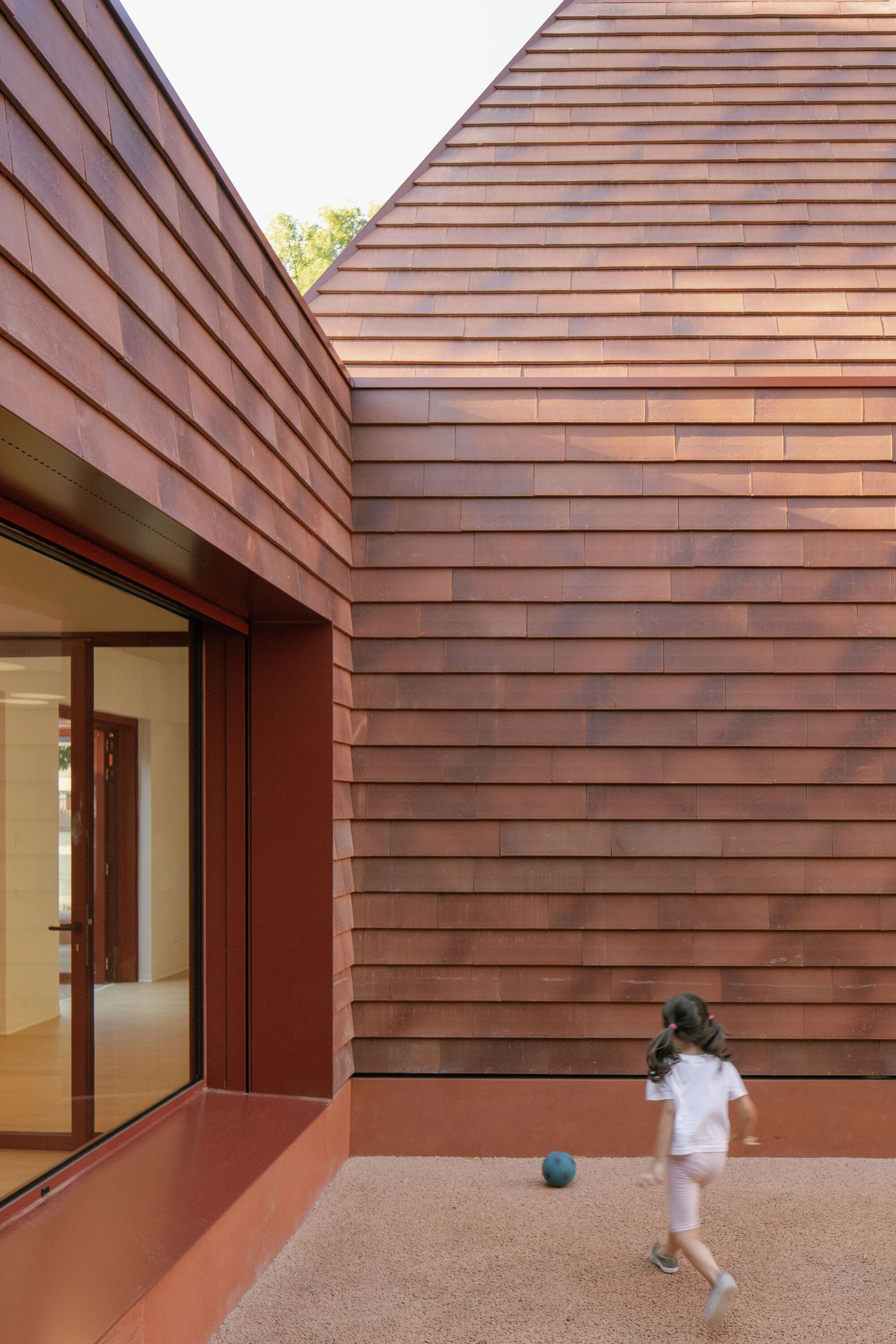
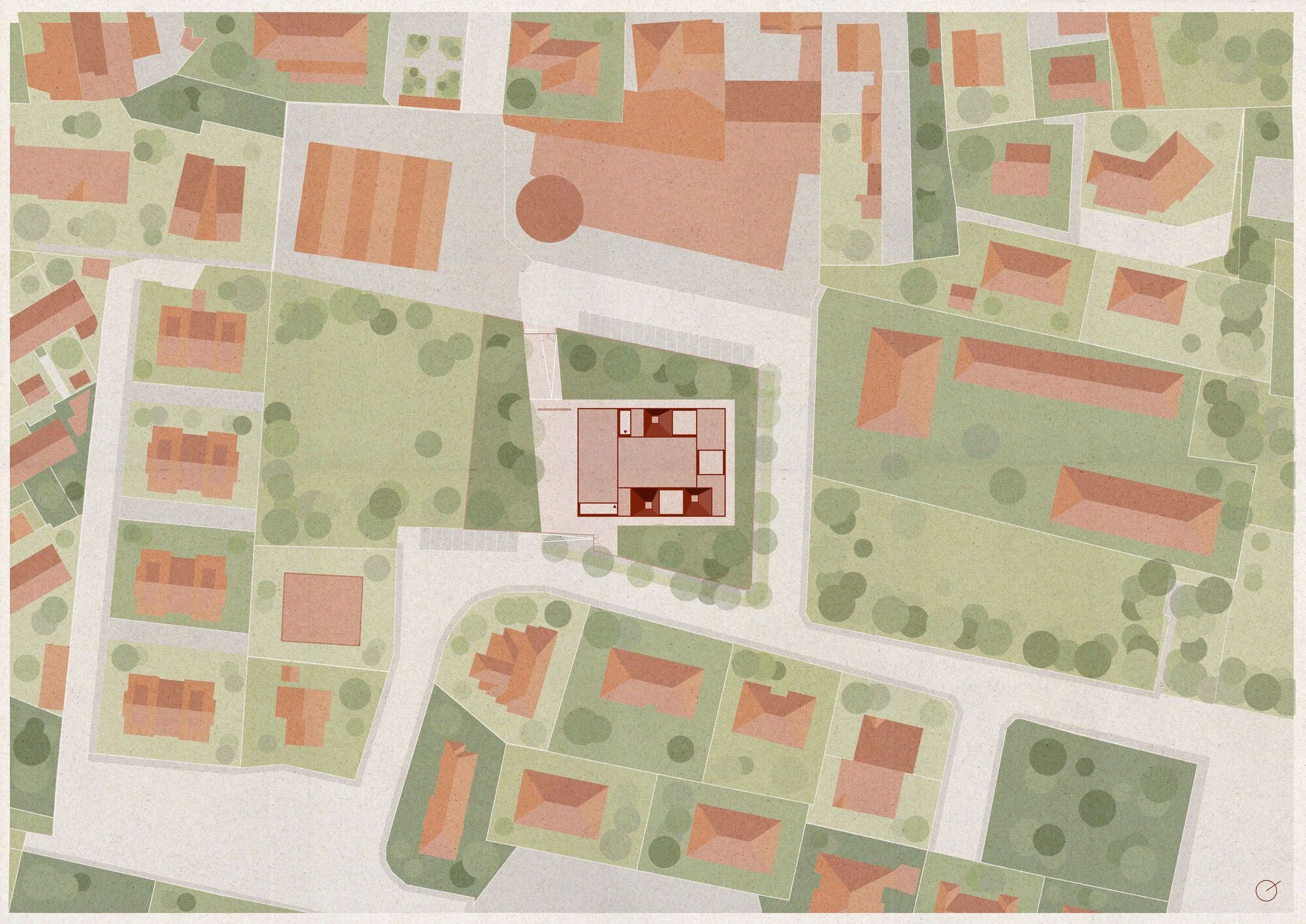
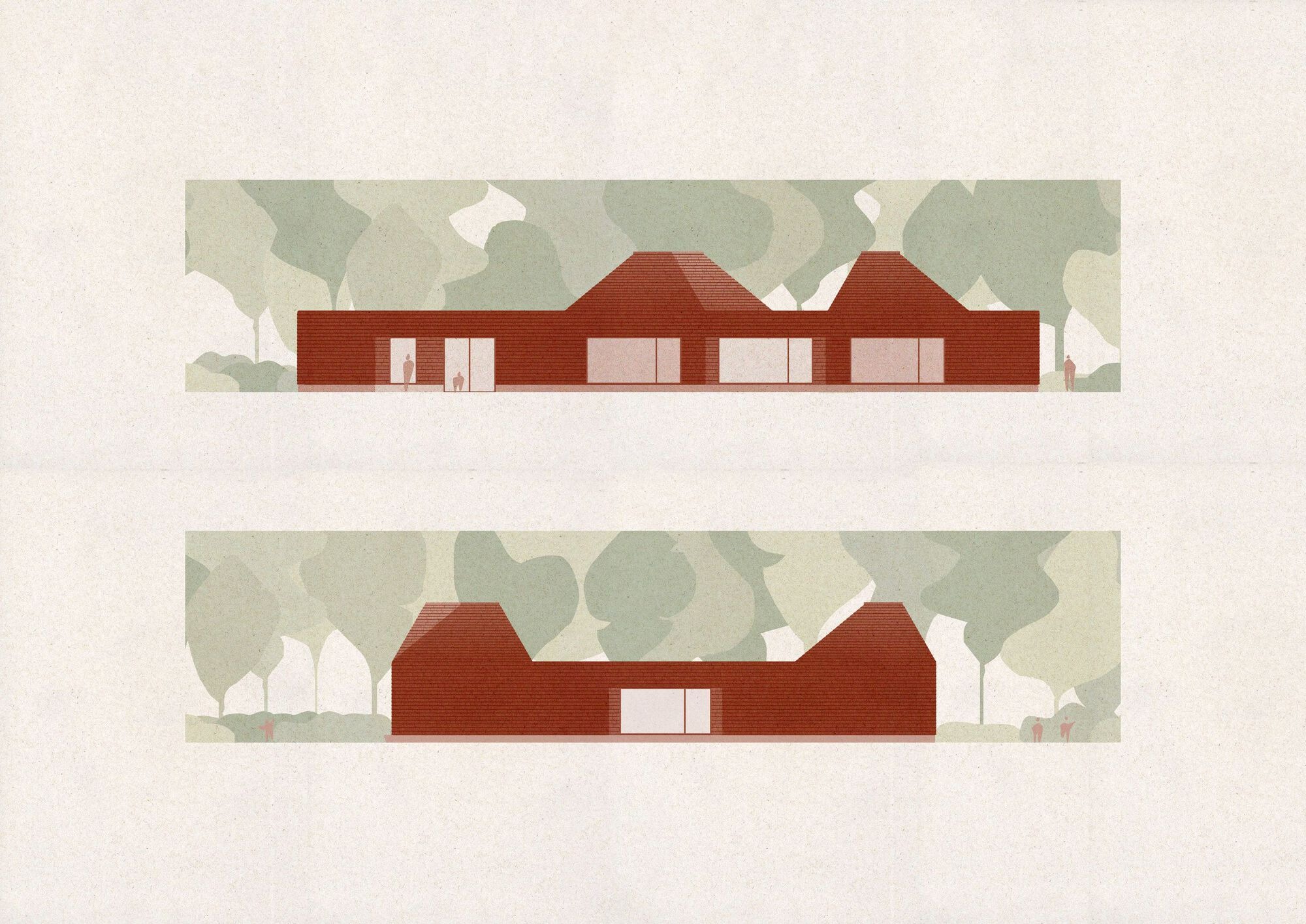
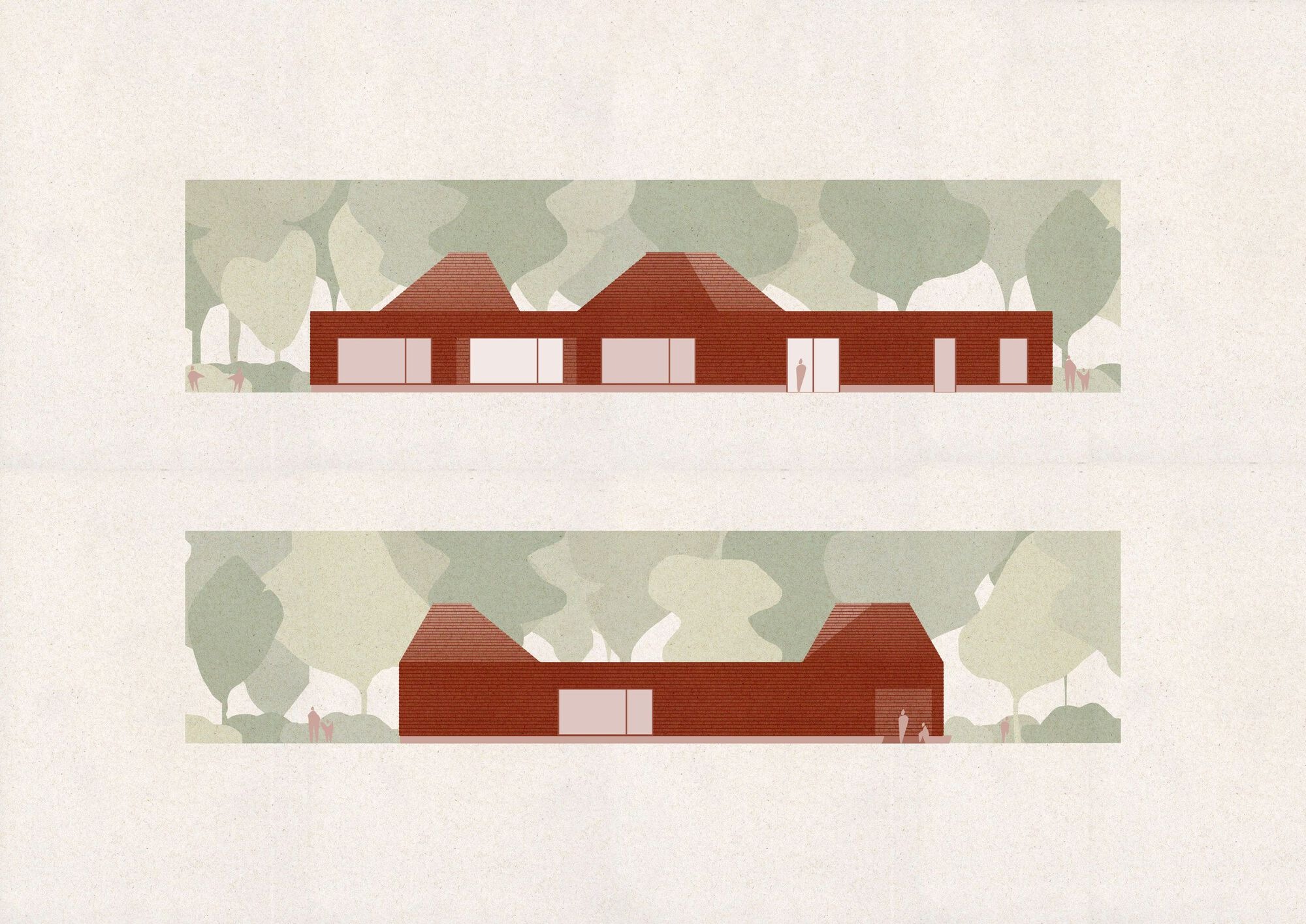
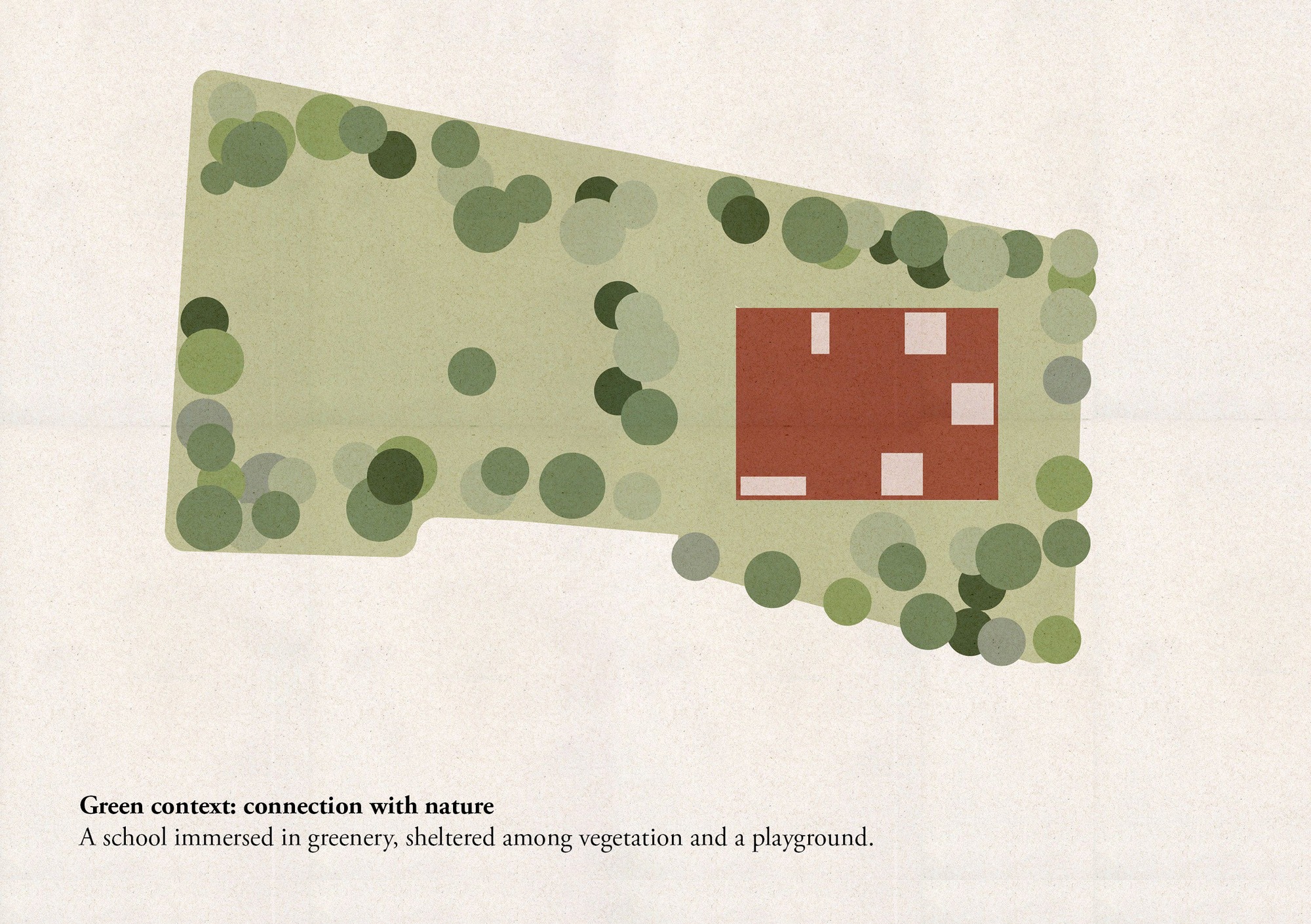
A primordial kindergarten, shaped by the spirit of the place and the emotions of the child. A space both protected and dreamlike, safe yet open to wonder. A small village, an abstract ensemble of pyramidal volumes joined by open courtyards. A vermilion school, warm and welcoming, rising among trees, nestled in green.
Kinder Rain emerges from the memory of the landscape, reinterpreting the archetype of the Casone Veneto: the vernacular dwelling of farmers and fishermen, known for its distinctive thatched roofs. Its form identifies three classrooms, standing out as volumetric exceptions within a continuous terracotta skin, evoking the age-old tradition of clay construction and pitched tile roofs. At the base, a soft, pigmented concrete bench gently meets the ground, becoming both urban furniture and a playful threshold between the didactic and the spontaneous, the indoor and the outdoor. The volume, seemingly compact, conceals a play of solids and voids. Each classroom mirrors itself outward, extending into outdoor learning patios, protected and framed by the surrounding courtyard.
Like houses around a village square, the classrooms also face inward, engaging through a central agorà, a shared space for play and informal learning. Here the gaze drifts toward the garden, crossing classrooms and patios, drawing continuous relationships between spaces. Eventually, it turns upward, expanding toward a zenithal skylight. The sun marks the passing of time like a sundial, grazing the textured wood ceiling; a quiet, material echo of the thatched roofs of the Casoni.
The school thus appears as a constructed landscape, a synthesis of memory and invention, of rural archetypes and contemporary pedagogy. An imaginative village, rooted in place and capable of igniting the fantasy of its smallest inhabitants.
from archdaily